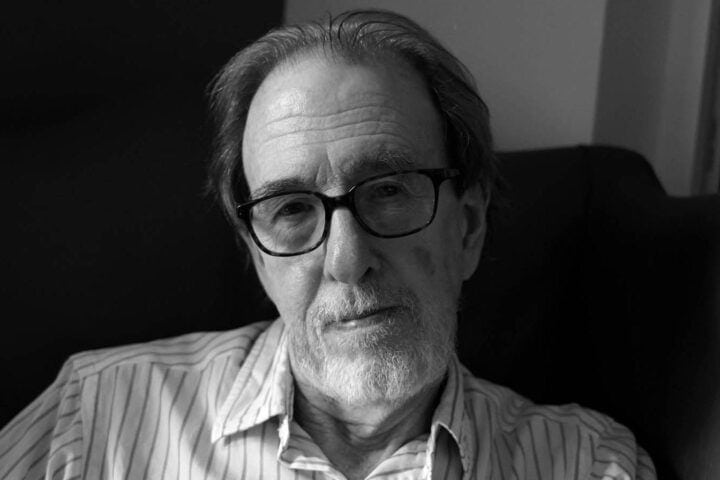
McElwee discusses, among other things, his new film and staring down the loss of his son.


Marshall Shaffer’s interviews, reviews, and other commentary also appear regularly in Slashfilm, Decider, and Little White Lies.
McElwee discusses, among other things, his new film and staring down the loss of his son.

The Aussie director discusses why horror was the right vessel for his commentary.
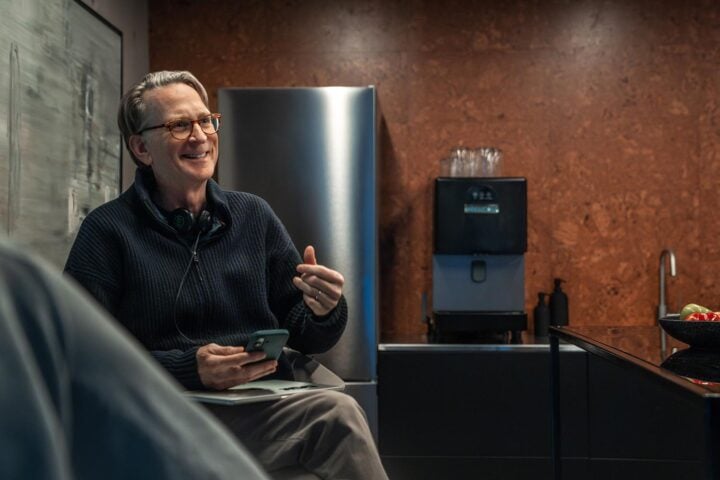
Koepp discusses working with Spielberg and what he hopes viewers will take from the film.
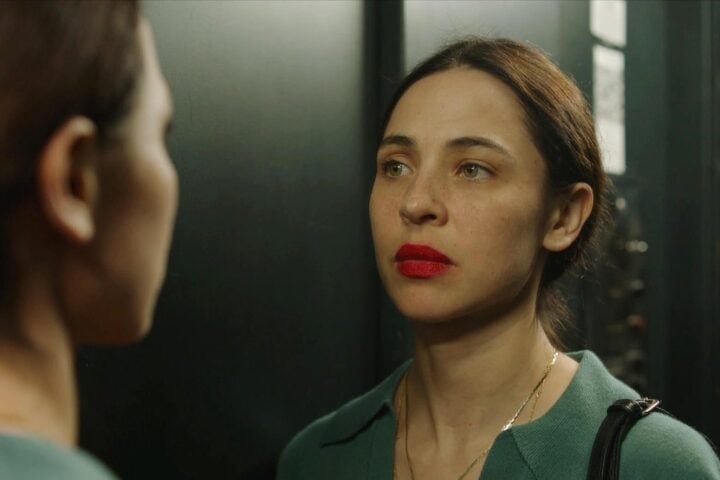
The Argentine filmmaker discusses the process of capturing her main character’s subjectivity.
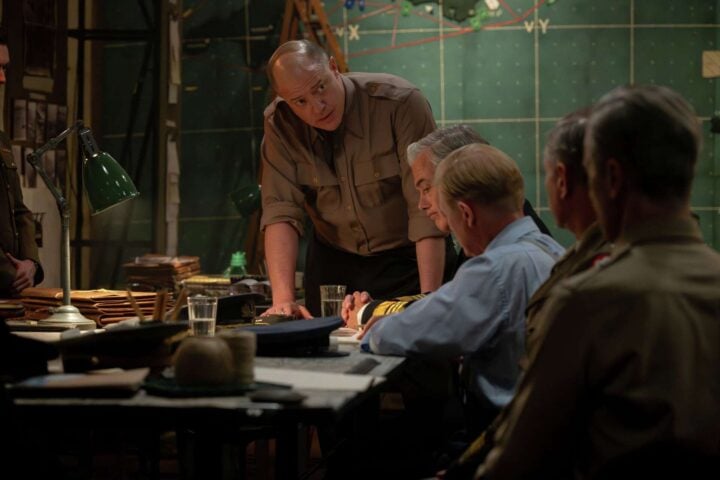
Think of the film, starring Andrew Scott and Brendan Fraser, as the Moneyball of war movies.
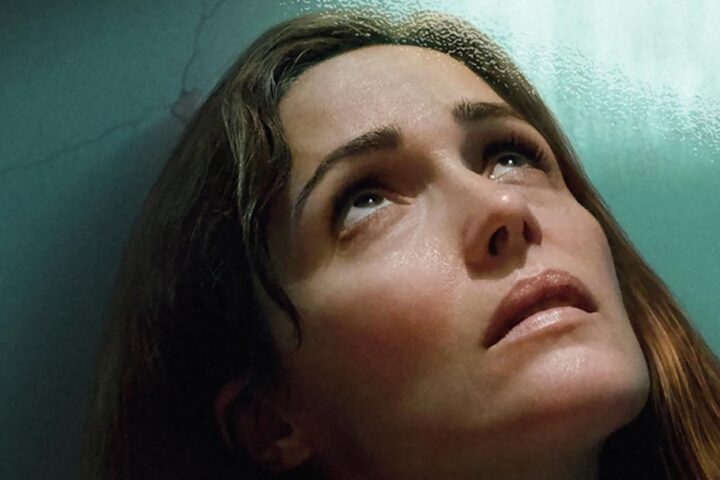
Even as its lens widens, the film remains relentlessly rooted in its main character’s subjectivity.
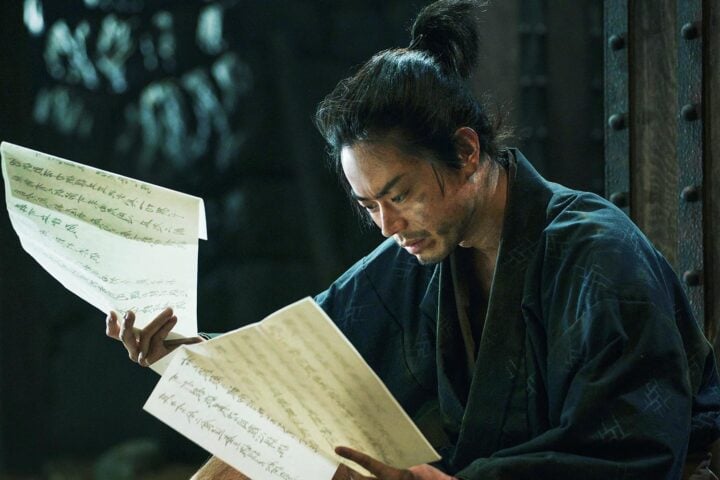
Kurosawa’s first historical film offers a master class in framing and blocking.
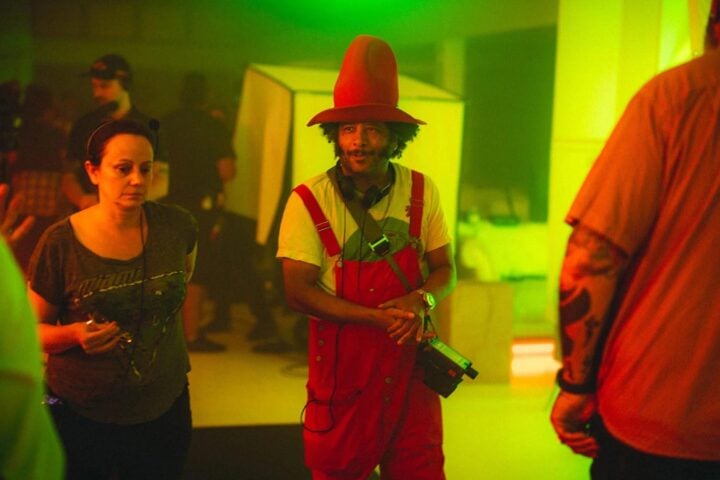
Riley discusses how he views boosting as inherent to capitalism.

Barker discusses the careful balance of comedy and horror across his sophomore feature.
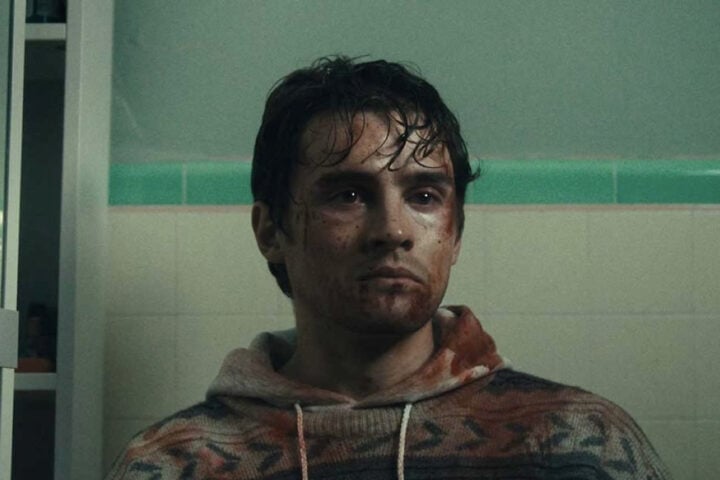
The film’s big set pieces are as chilling in their effect as they are confident in their execution.

The acting legend discusses how he’s been changed by connecting to the consciousness of plants.
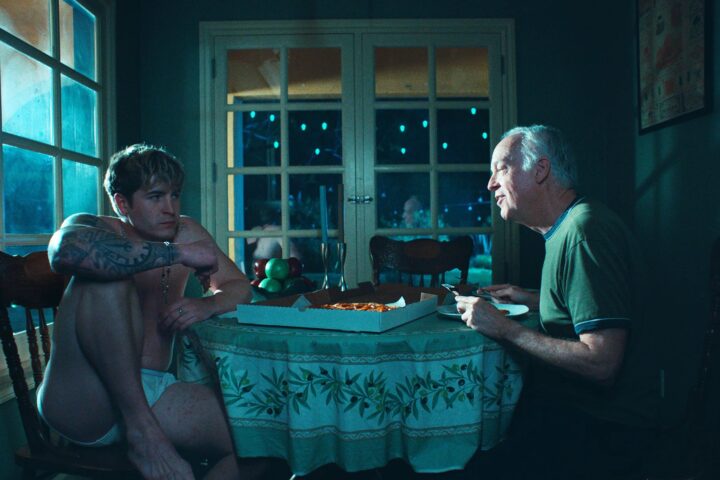
Tuttle discusses directing Kieron Moore and Reed Birney, the film’s rich subtext, and more.
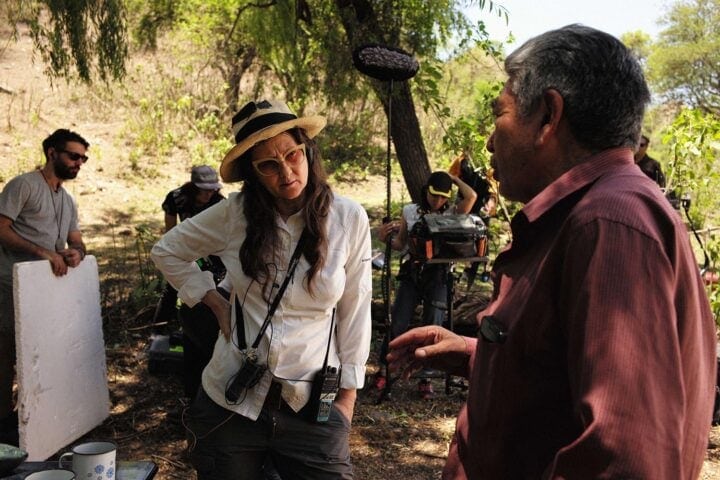
Martel discusses her first nonfiction work, the controversy around its subtitling, and more.
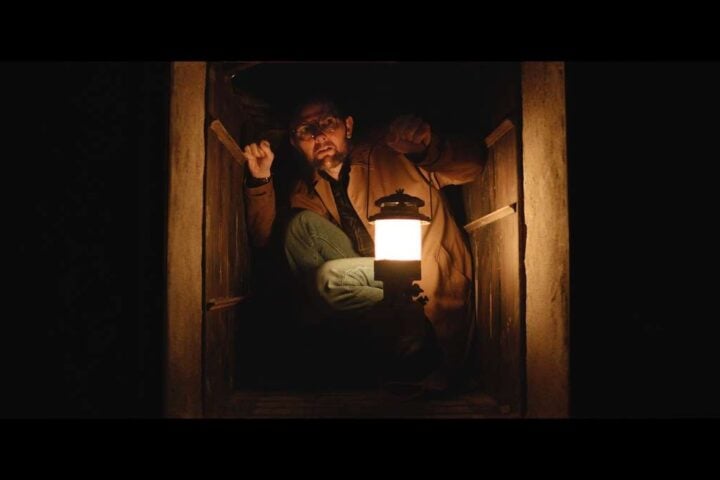
McCarthy discusses working with a bigger budget, crafting scares, and more.
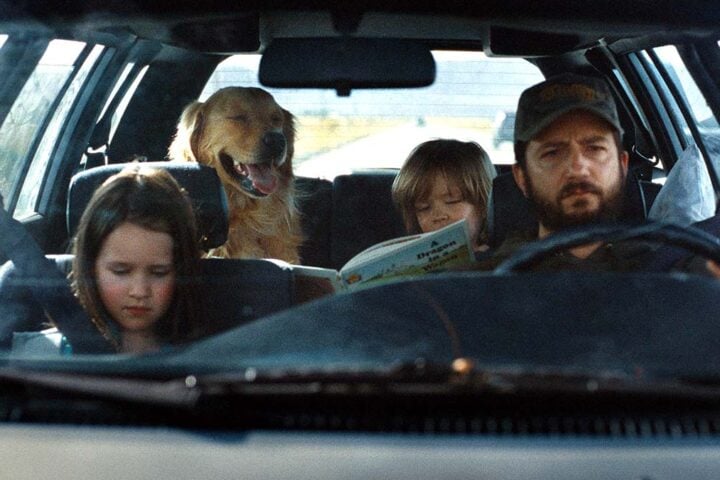
Magaro discusses why he thinks audiences understand his character’s controversial choice.
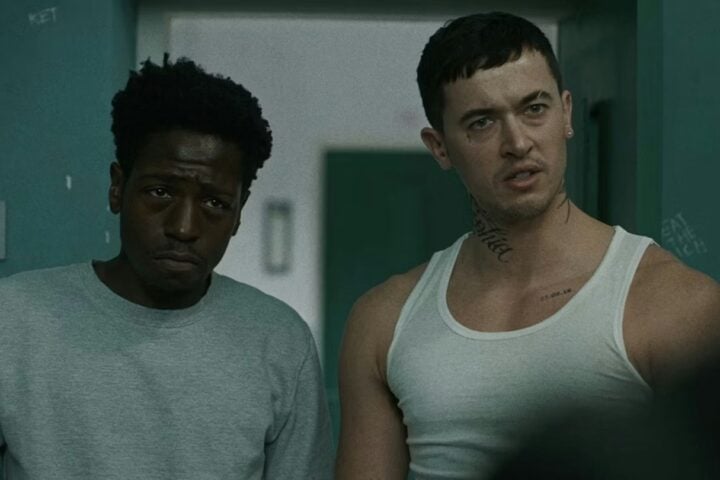
Jonsson and Blyth make for a fascinating yin-and-yang pair across this gritty prison drama.

Ohs discusses why he likens his “table of bubbles” filmmaking approach to a scientific method.
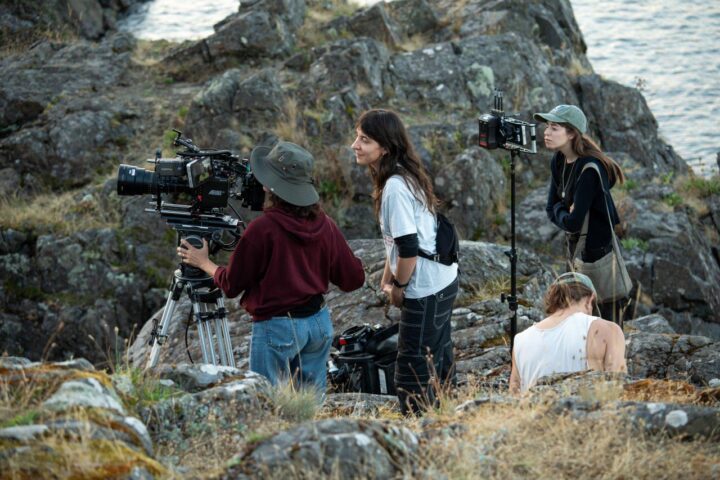
Romvari discusses how her autobiographical first feature builds on her short work.
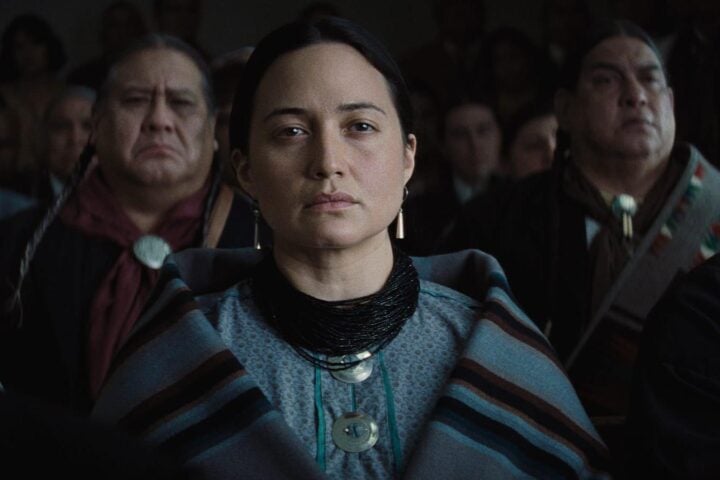
Gladstone discusses what she still carries from her experience playing Mollie Kyle.
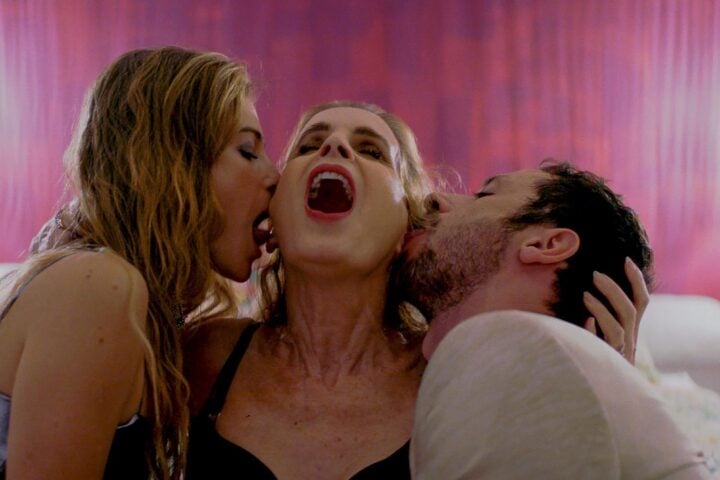
Lapid discusses the necessity of shooting Yes while the carnage in Gaza unfolded.