Bi discusses how he translated his narrative ideas into a sensory dimension.
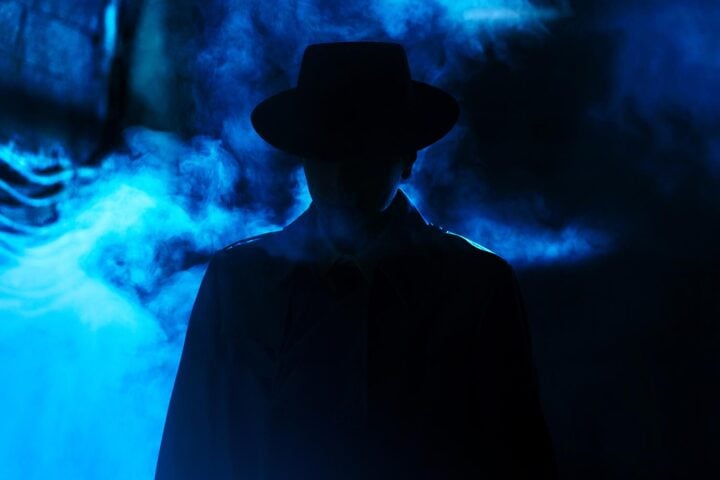


Marshall Shaffer’s interviews, reviews, and other commentary also appear regularly in Slashfilm, Decider, and Little White Lies.
Bi discusses how he translated his narrative ideas into a sensory dimension.

Safdie rapturously reprises a siren song that transcends any single American era.

Sorrentino discusses why it was important to reflect an ideal version of politics in his film.
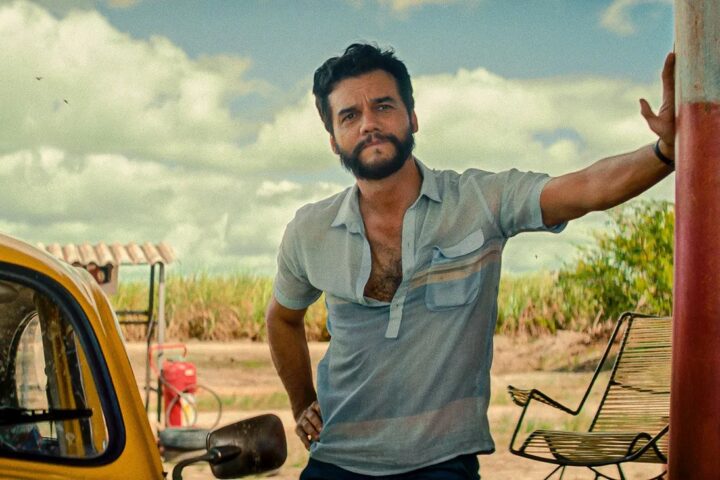
Mendonça Filho and Moura discuss the role of cinema in making social change.

Schilinski discusses the film’s sound and her research into the reverberations of trauma.
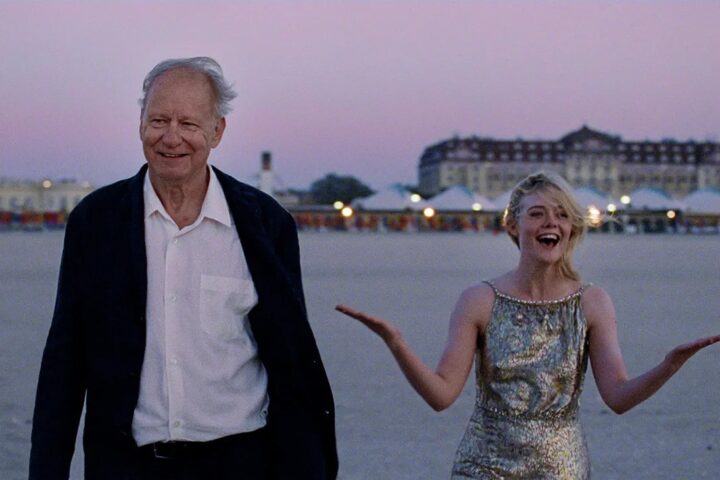
The actors discuss how they approached the lightly satirical elements of Joachim Trier’s film.

The film delicately teases out its characters’ intersecting ambitions and intertwined fates.

Laxe and López discuss what they took away from grappling with the imminence of death.
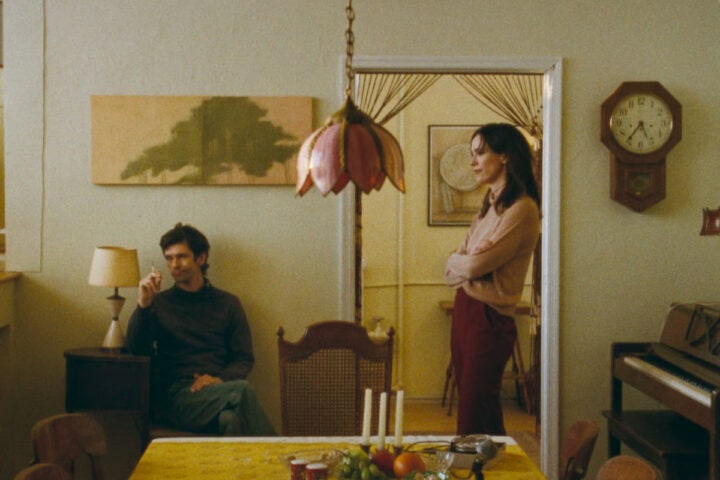
Sachs and Rosenkrantz discuss what attracts them to the everyday lives of artists.

The scrappiness that animates Sweeney as an actor finds natural expression through Martin.

Jude discusses why cinema being in a state of constant crisis exhilarates him.
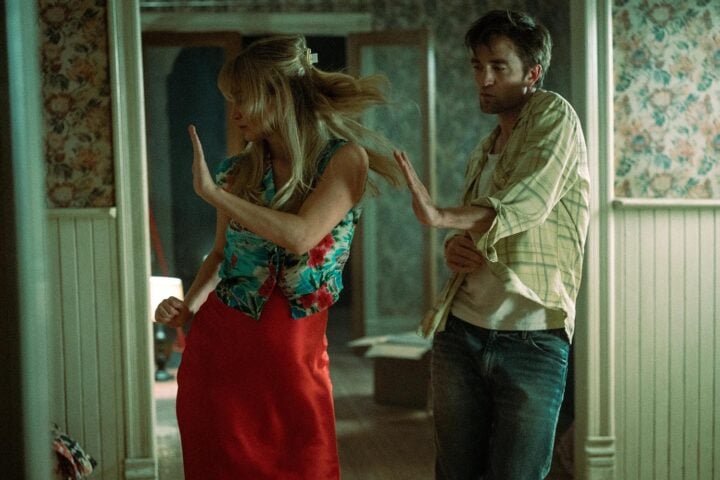
The film is Ramsay’s most sprawling and sensational canvas to date.

O’Connor discusses how he came to understand America by immersing himself in an era.
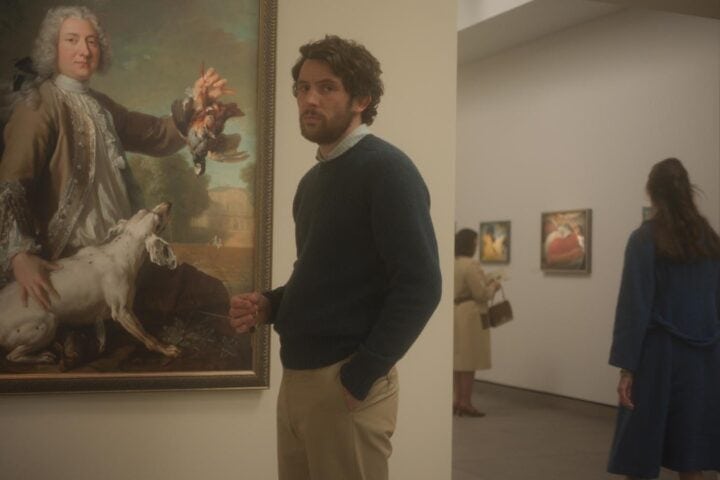
Reichardt discusses the political climate of an era, collaborating with Josh O’Connor, and more.
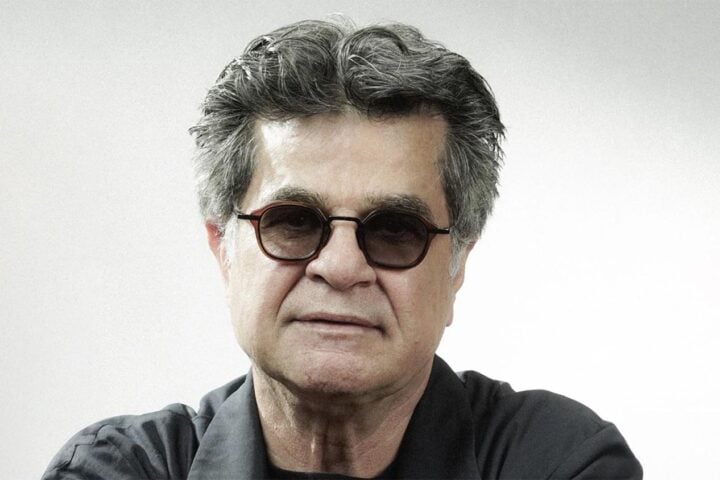
Panahi discusses the meaning of “accident” and how nothing can stop him from making movies.

Byrne discusses where she sees similarities between performing comedy and horror.

Osit discusses To Catch a Predator, Chris Hansen’s thoughts on the documentary, and more.
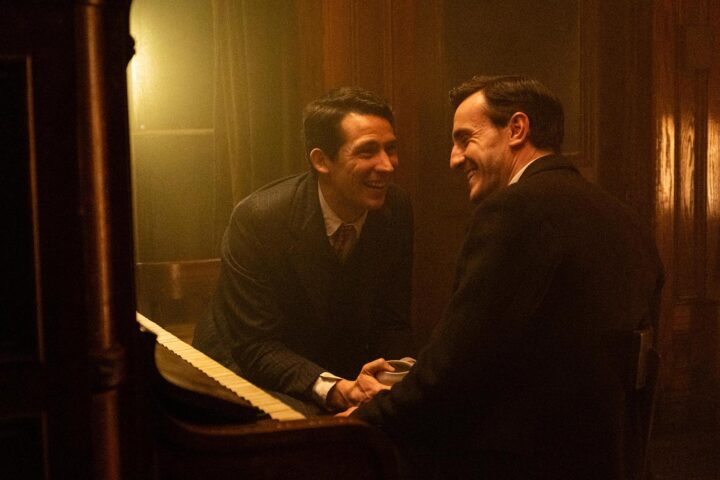
The film movingly conjures the feeling of music’s creation of a suspended present tense.

Del Toro’s adaptation resonates most profoundly on a mythic, archetypal level.

The film leaves us with a haunting sense of life in Naples existing in a liminal state.