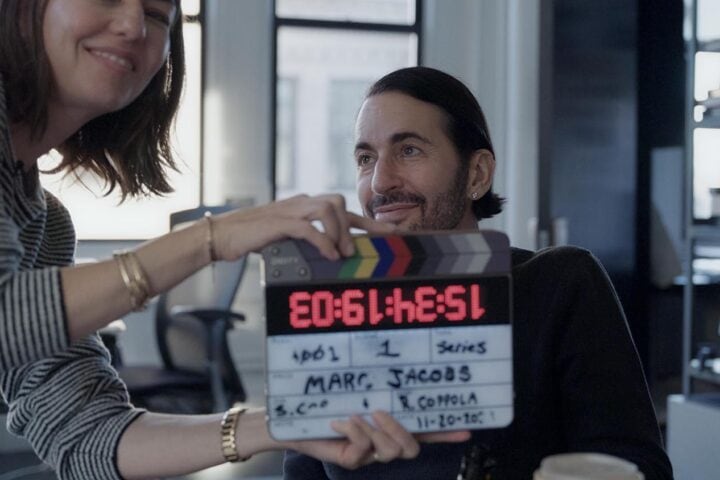
Coppola’s documentary spotlights the humanity and hard work that inform the look of luxury.


Marshall Shaffer’s interviews, reviews, and other commentary also appear regularly in Slashfilm, Decider, and Little White Lies.
Coppola’s documentary spotlights the humanity and hard work that inform the look of luxury.
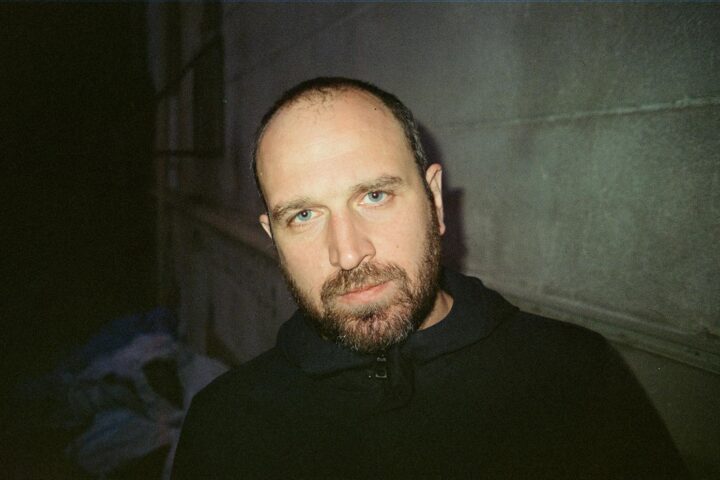
Koberidze discusses his Sony Ericsson-shot feature and why he’s fascinated by pixelated images.
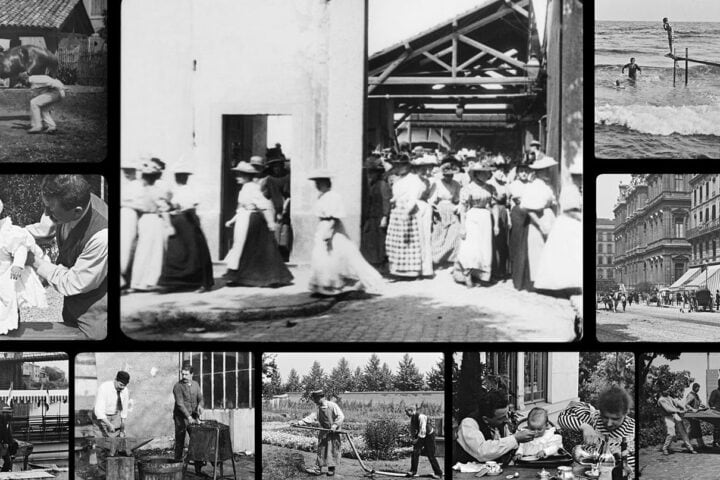
Frémaux corrects the record on the Lumières’ importance to cinematic history.
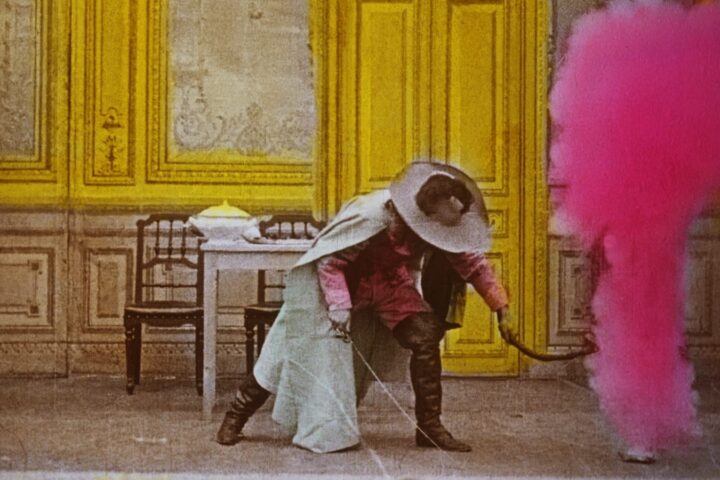
Lumière, Le Cinéma! exalts pioneers of cinema without resorting to lazy hagiography.
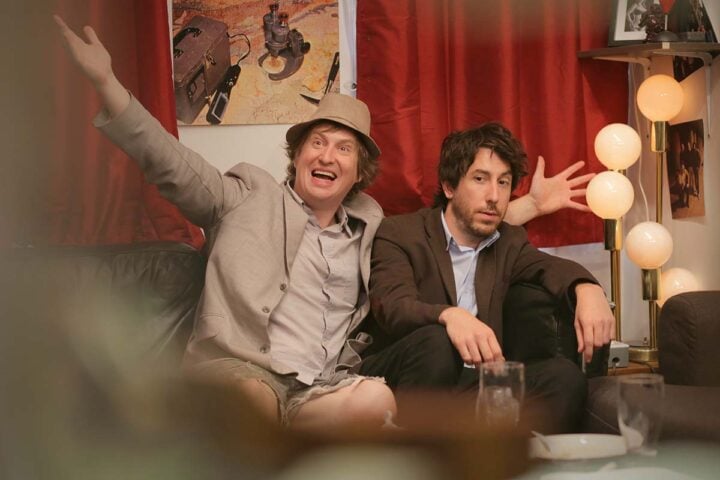
Johnson and McCarrol talk Canada, comedy, and Back to the Future. Also Drake.

The film offers a joyous throwback to the optimistic feeling of the early internet creator era.

Davies Jr. discusses carrying his father’s name and being drawn to masculine imperfection.
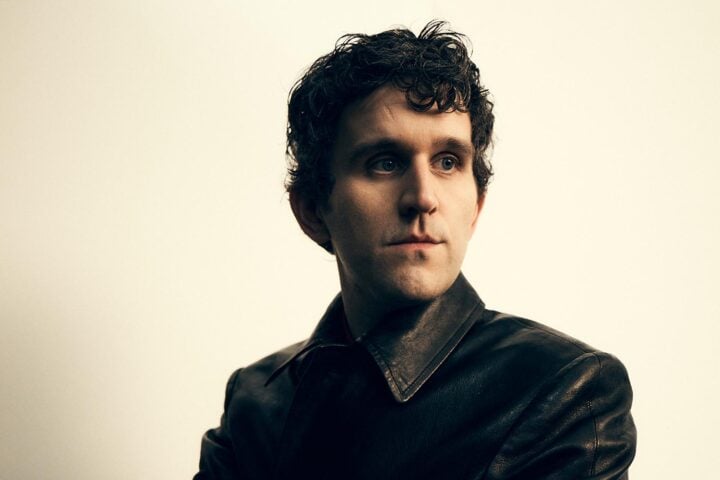
Melling discusses serving a filmmaker’s vision, working with Alexander Skarsgård, and more.
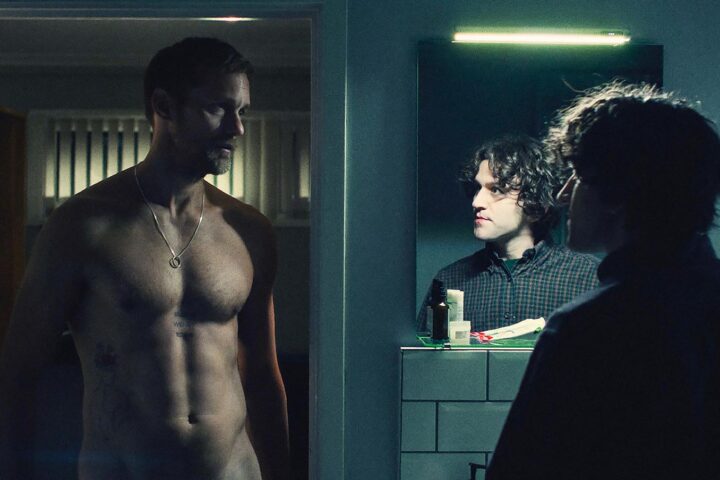
Skarsgård discusses why it was important for him to find cracks in his character’s façade.
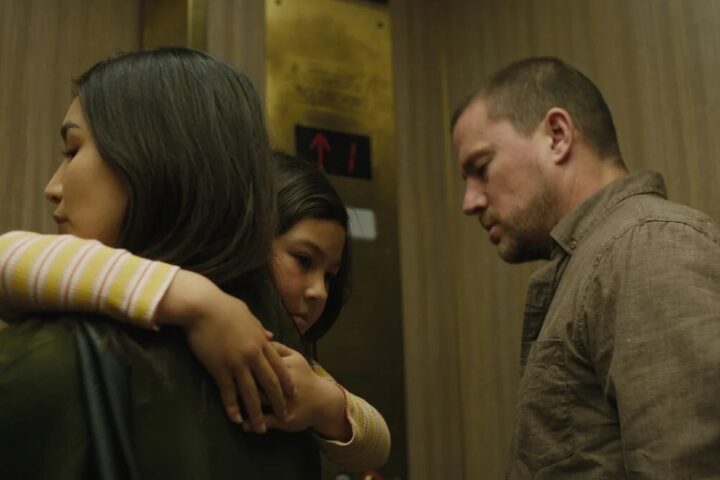
De Araújo’s sophomore feature is a harrowing chronicle of a premature maturation.
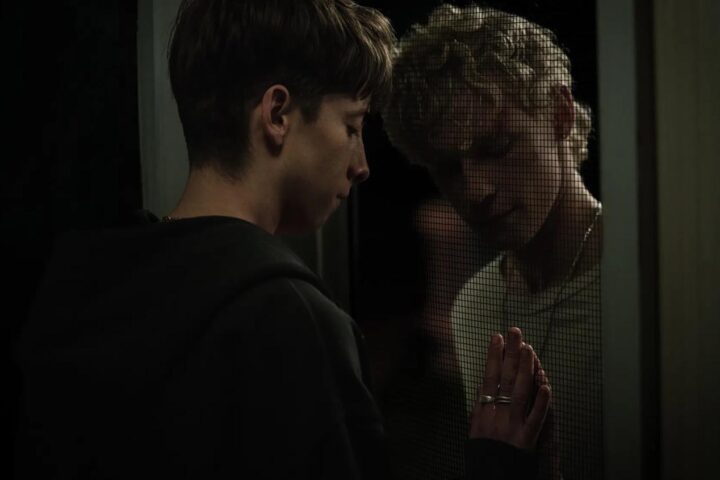
This is a creepy horror tale that also happens to be a potent and poignant teen romance.
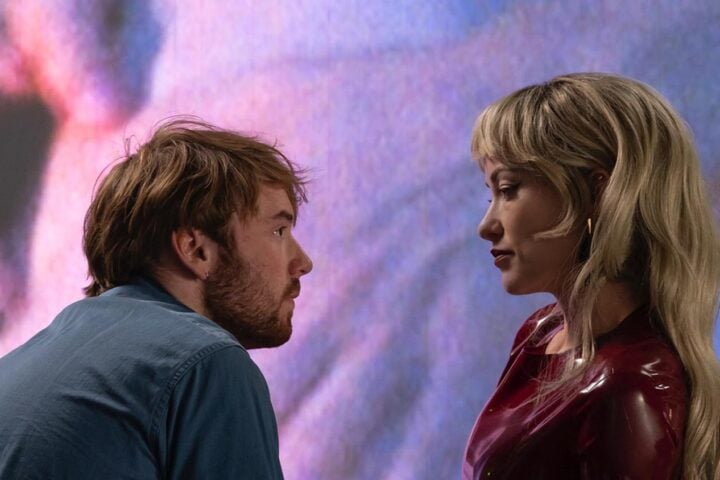
The film doesn’t push far beyond the talking points of Araki’s philosophy of sex.
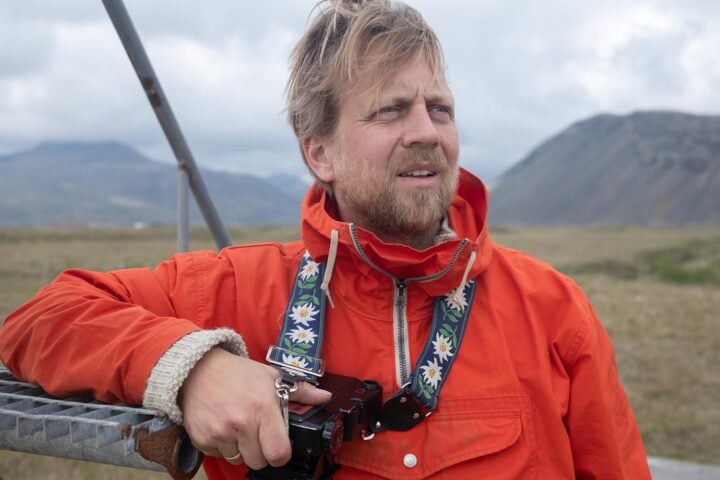
Pálmason discusses his approach to time, why creative conflict is crucial to him, and more.

Birney discusses where he sees connective tissue between cinema and video games.
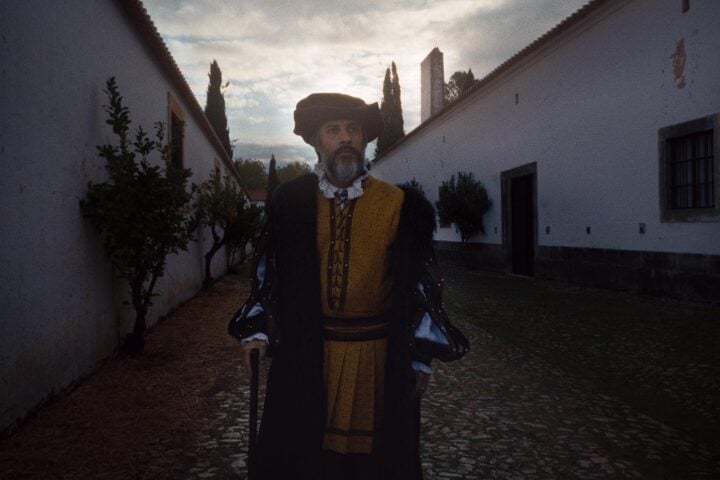
Diaz discusses what he draws from other art forms as inspiration for his cinematic artistry.
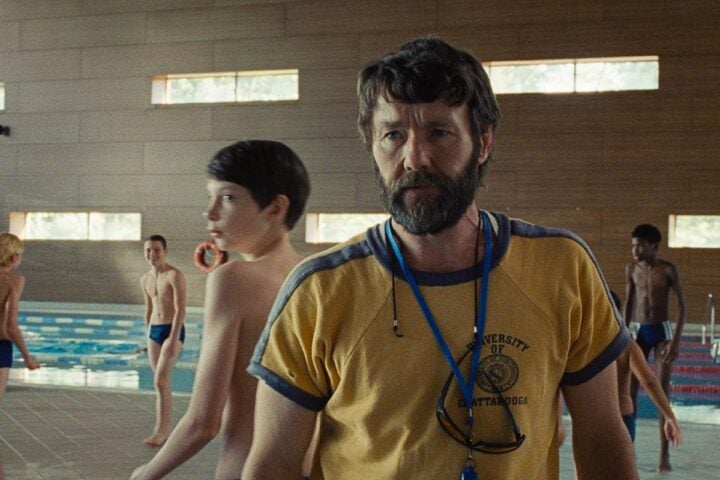
Polinger, Blunck, and Martin discuss the film’s chilling depiction of childhood bullying.
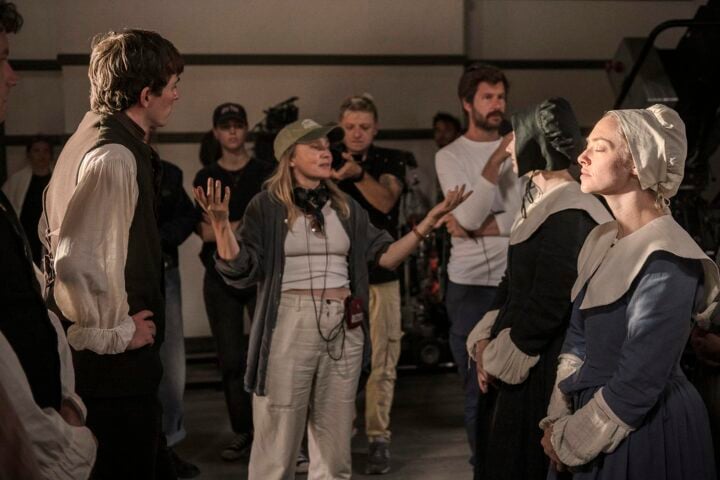
Fastvold discusses how she sees the film in relation to the history of the U.S. at large.
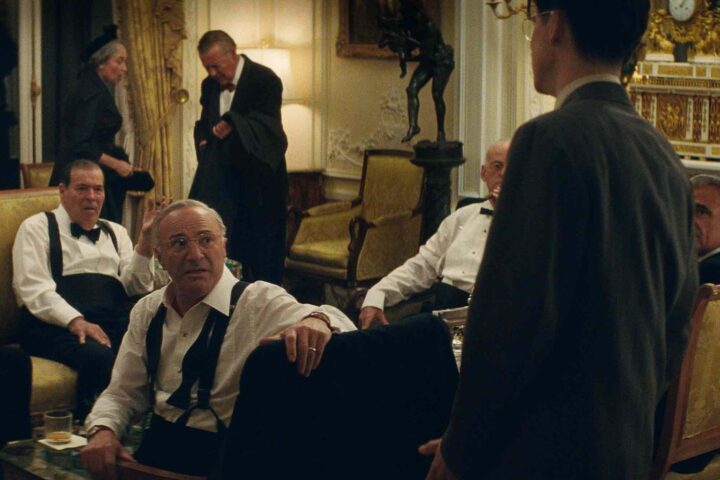
O’Leary discusses what he learned from working alongside Safdie and Timothée Chalamet.
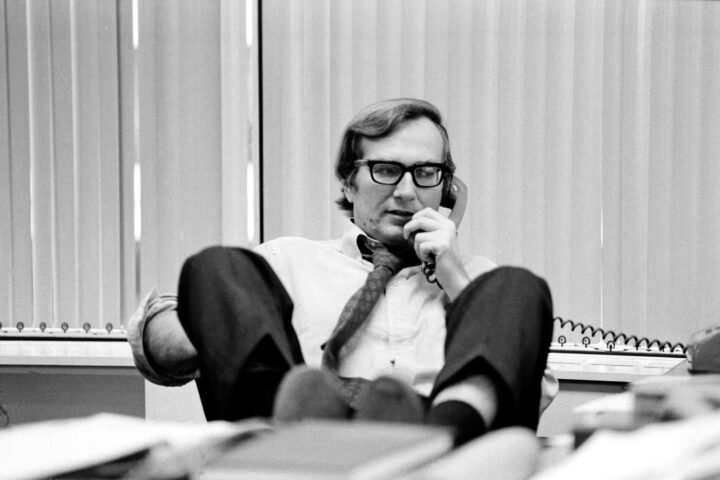
The filmmakers discuss what keeps them going in their mission of holding power to account.
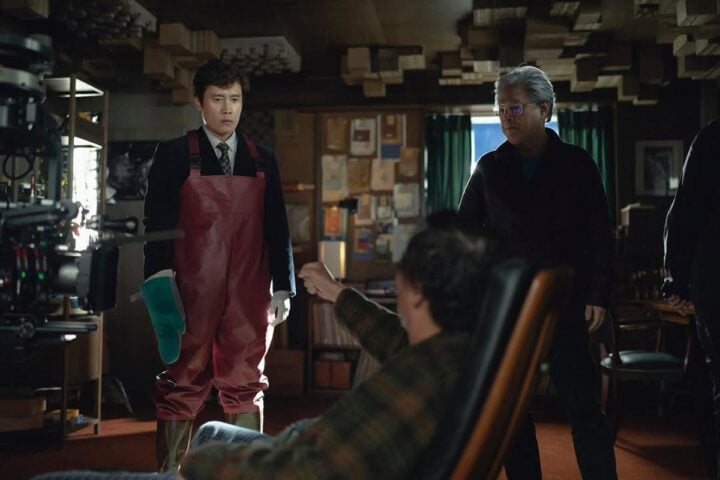
Park and Lee discuss the film’s mordant satire about the cutthroat nature of capitalism.