McElwee discusses, among other things, his new film and staring down the loss of his son.
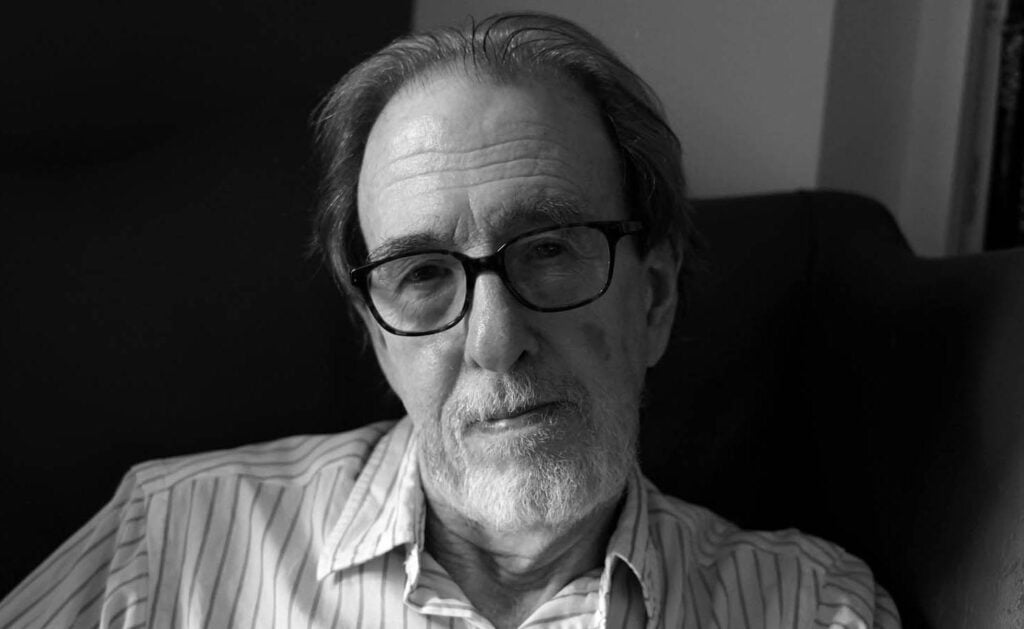

McElwee discusses, among other things, his new film and staring down the loss of his son.

Borgli discusses his beef with the advertising industry, Nicolas Cage’s iconography, and more.
Moreno discusses his influences, the pandemic’s effect on the film’s point of view, and more.

Reggio discusses the film’s overarching philosophy, the construction of its images, and more.

Triet and Hüller discuss the use of language in the film, audience reactions to it, and more.

Green discusses why she felt her new film always needed to be in the present tense.

Moss discusses the ways in which Frankenstein informs the film’s thematic exploration.

Shaw discusses the creation of The Shark Is Broken, his memories of the Jaws set, and more.

Alberdi discusses the construction of a narrative arc of a couple’s journey through illness.

Whishaw discusses challenges of not playing subtext, acting everyday emotions, and more.

The film was made with the utmost commitment to authentic representations of rez life.

D. Smith discusses earning her subjects’ trust, the sterility of documentary tropes, and more.

The twin filmmakers discuss why they’re keen to engage with interpretations of Talk to Me.

Petzold discusses how his artistic inclinations can be felt in Afire’s characters.

Cheryl Dunye dicusses The Watermelon Woman’s long road to canonization.

The actors discuss the meta nature of the film’s plot and its perspective on American culture.

The actors discuss why Wes Anderson’s creative mind cannot be reduced to an algorithm.

The actors discuss how functioning as a troupe off-set translates into on-screen dynamics.

Georgia Oakley discusses Blue Jean’s depiction of homophobia in Thatcherite Britain.

Song discusses the hard and soft skills she found indispensable running a set for the first time.

Nair discusses the importance of bringing her most popular movie to the stage and more.