McElwee discusses, among other things, his new film and staring down the loss of his son.
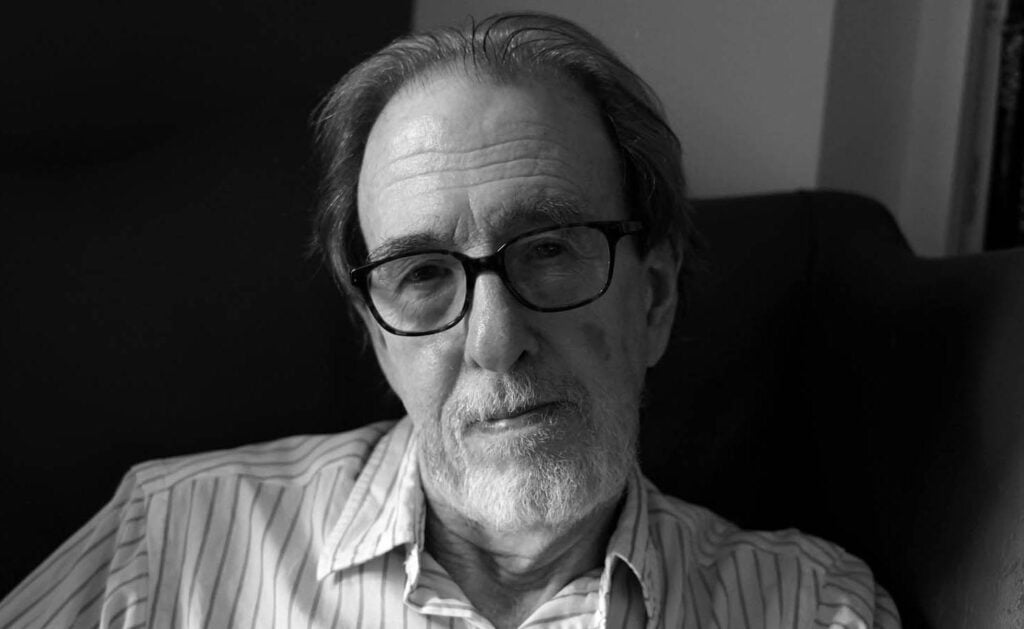

McElwee discusses, among other things, his new film and staring down the loss of his son.

Guadagnino and Russell dicuss what they learned about America during the film’s shoot.

Wiseman discusses the shooting the film, Sophia Tolstoy’s novels and letters, and more.

Hare discusses his particular take on Robert Moses and the kind of theater he favors.

Gray and his teen actors discuss their understanding of the 1980s, pinpointing one’s sense of process and style, and more.
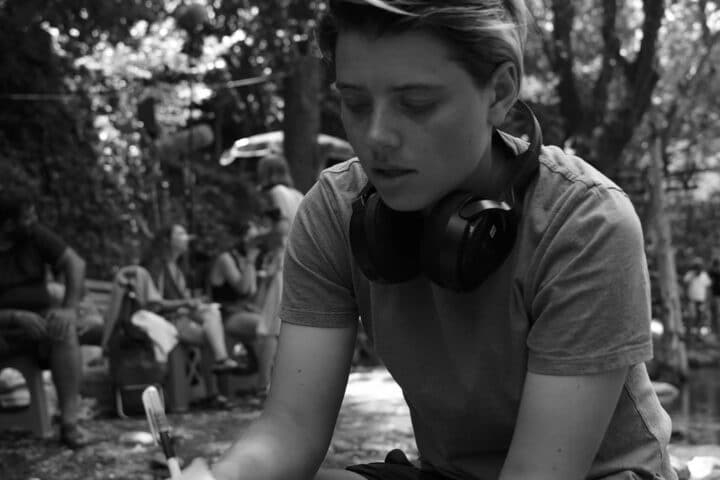
Wells discusses how she baked certain visual choices into her script, when she discovered others on set or the edit, and more.

Park Chan-wook discusses the origins of his aesthetic choices, how he came to his depiction of technology in the film, and more.

Qualley, Alwyn, and Denis discuss how the pandemic affected the production, and why trust underscores all elements of the film.
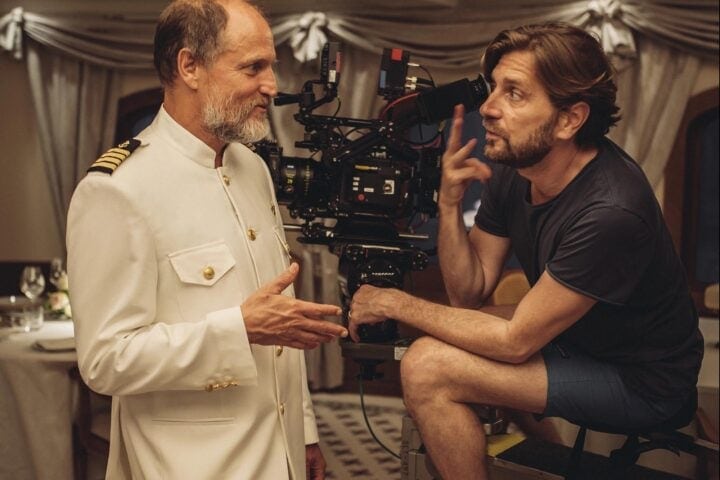
The two-time Palme d’Or-winning filmmaker discusses his sociological imagination, the setup of his next project, and more.
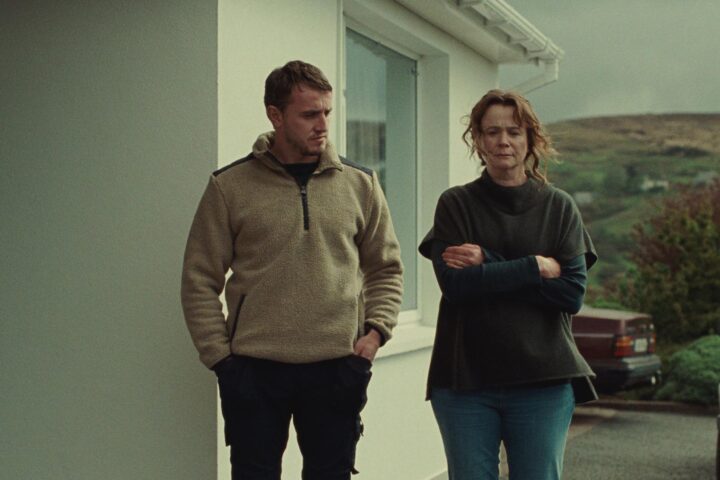
Paul Mescal and Emily Watson discuss the specifically Irish textures of the film’s story.
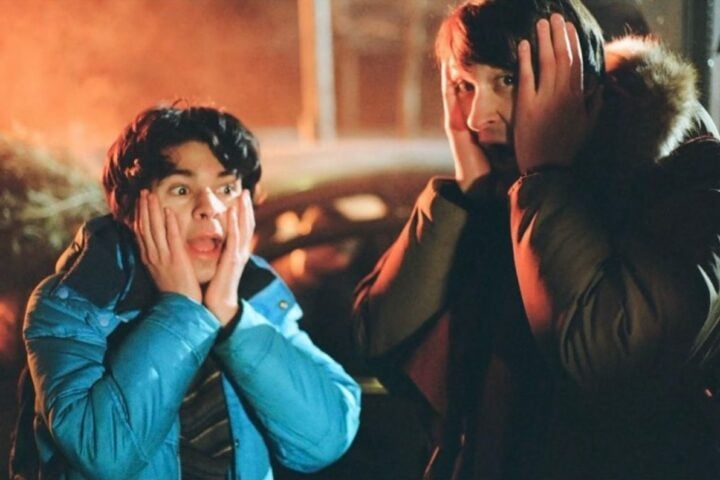
Owen Kline discusses why he embraces archetypes and how he went about crafting an uproarious comedy with no overt jokes.
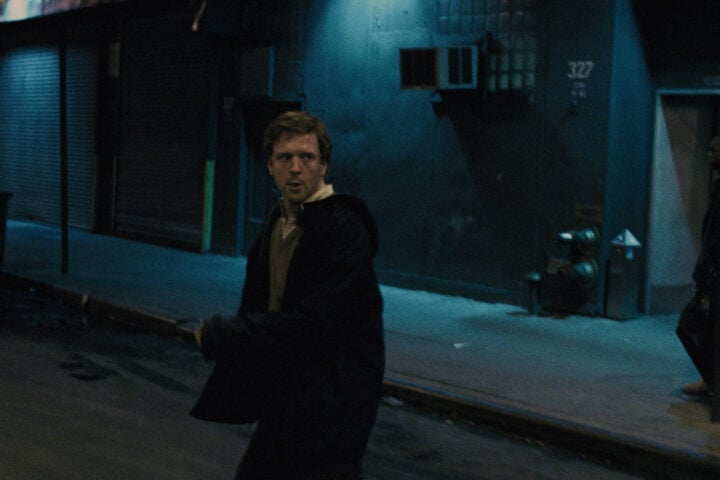
Lodge Kerrigan discusses Grasshopper Film’s restoration of Keane, his nontraditional approach to rehearsal, and more.

The actress talks about Yellowjackets, reuniting with Tim Burton, and the impressive trajectory of her career.

Patton Oswalt discusses his working relationship with Rachel Dratch, the timeless quality of movies, and more.

Clio Barnard discusses her unique workshopping process, which directly involves the real-life analogues of her characters.

Dosa discusses her connection to Katia and Maurice Krafft as filmmakers and people and how the film has shaped her thinking of time.

We chatted with the Irish actor about season three of The Umbrella Academy, working with Elliot Page, and more.

Strickland discusses Flux Gourmet’s depiction of “sonic catering” and why his Greek heritage features prominently in the film.
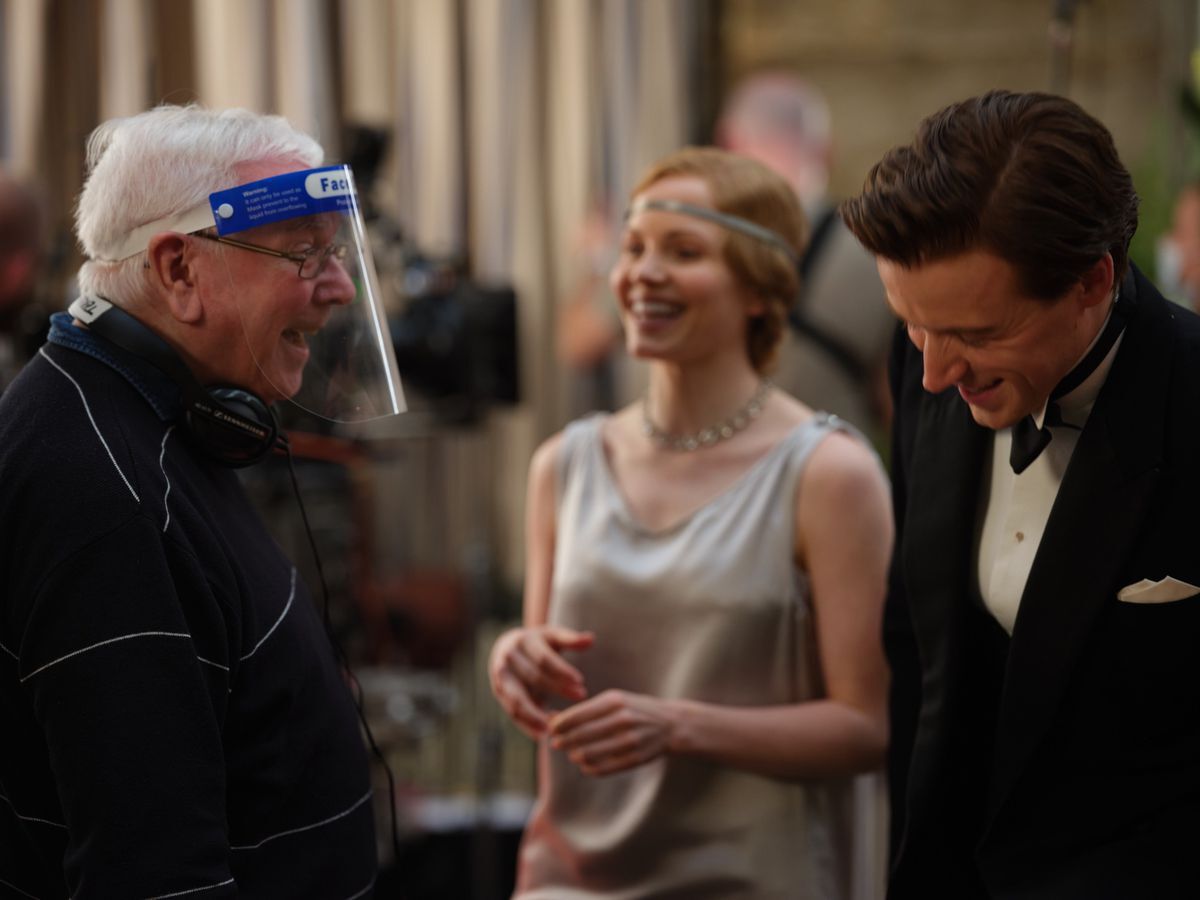
Davies discusses the autobiographical elements of Benediction, and Lowden his charge to feel every moment rather than act it.

Paula Vogel discusses why she thinks her play has remained sadly pertinent over the past two and a half decades.

Gaspar Noé discusses his use of split-screen, and what he thinks about death after grappling with it so directly across his work.