McElwee discusses, among other things, his new film and staring down the loss of his son.
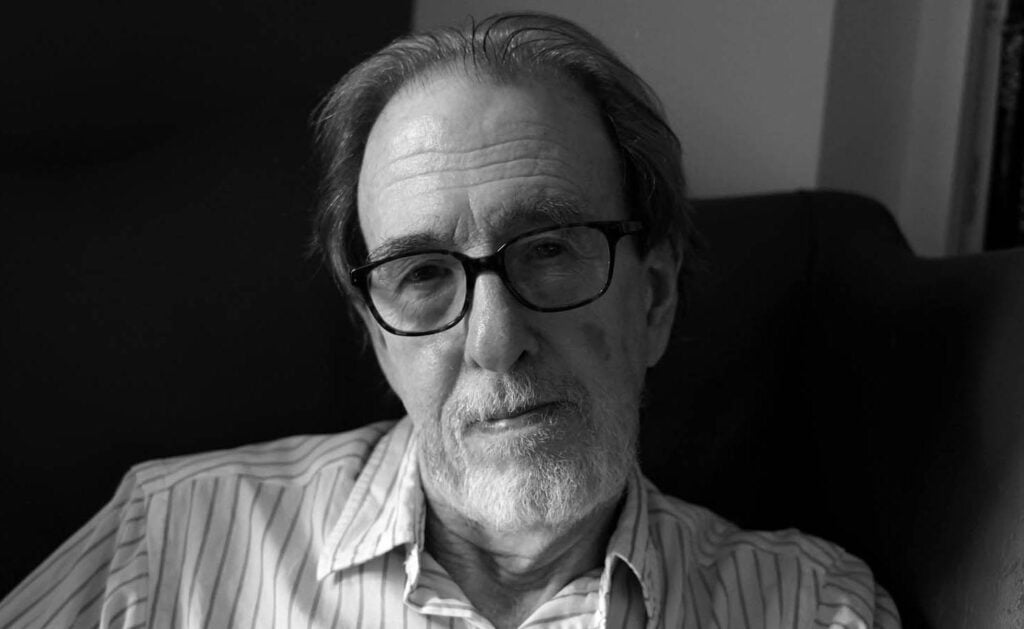

McElwee discusses, among other things, his new film and staring down the loss of his son.

Robert Greene discusses how he merged the processes of drama therapy and filmmaking, how he avoided retraumatization, and more.

Hogg and Swinton Byrne discuss what changed between production of the film’s two parts in terms of casting and more.
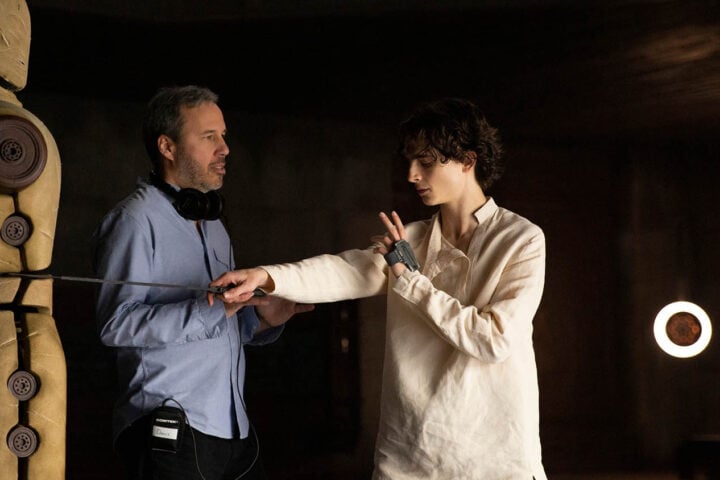
The filmmaker discusses the undertones that he perceives in the novel that he wanted to bring to the fore for his two-part production.

Vicky Krieps discusses what Bergman’s legacy means to her now, and what Phantom Thread means to her several years later.

Hamaguchi Ryûsuke discusses his two latest films and how he lets humor color his thematic exploration of chance.

Todd Haynes discusses The Velvet Underground’s split-screen aesthetic and why Lou Reed’s death had to serve as a “structuring absence.”
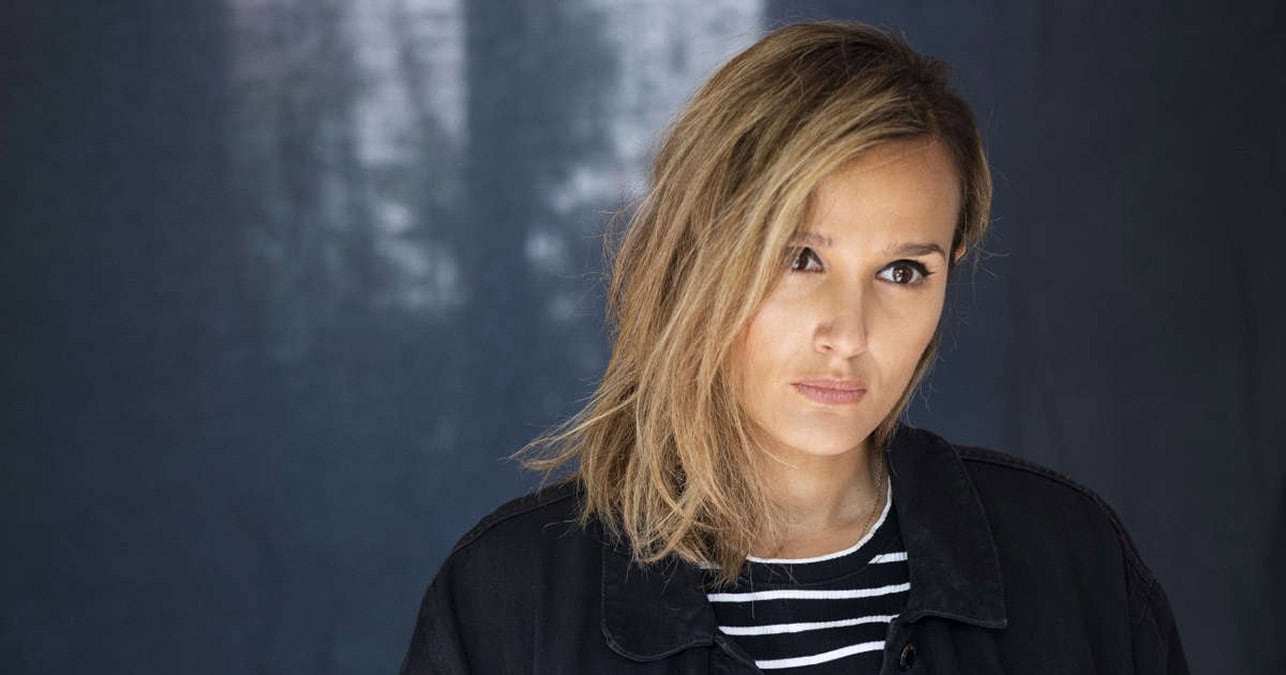
Julia Ducournau discusses her approach to filming bodies and her reimagining of foundational texts to build a modern mythology.

The actor discusses how he found the physicality of his character and the difficulties and joys of doing verbal comedy in German.
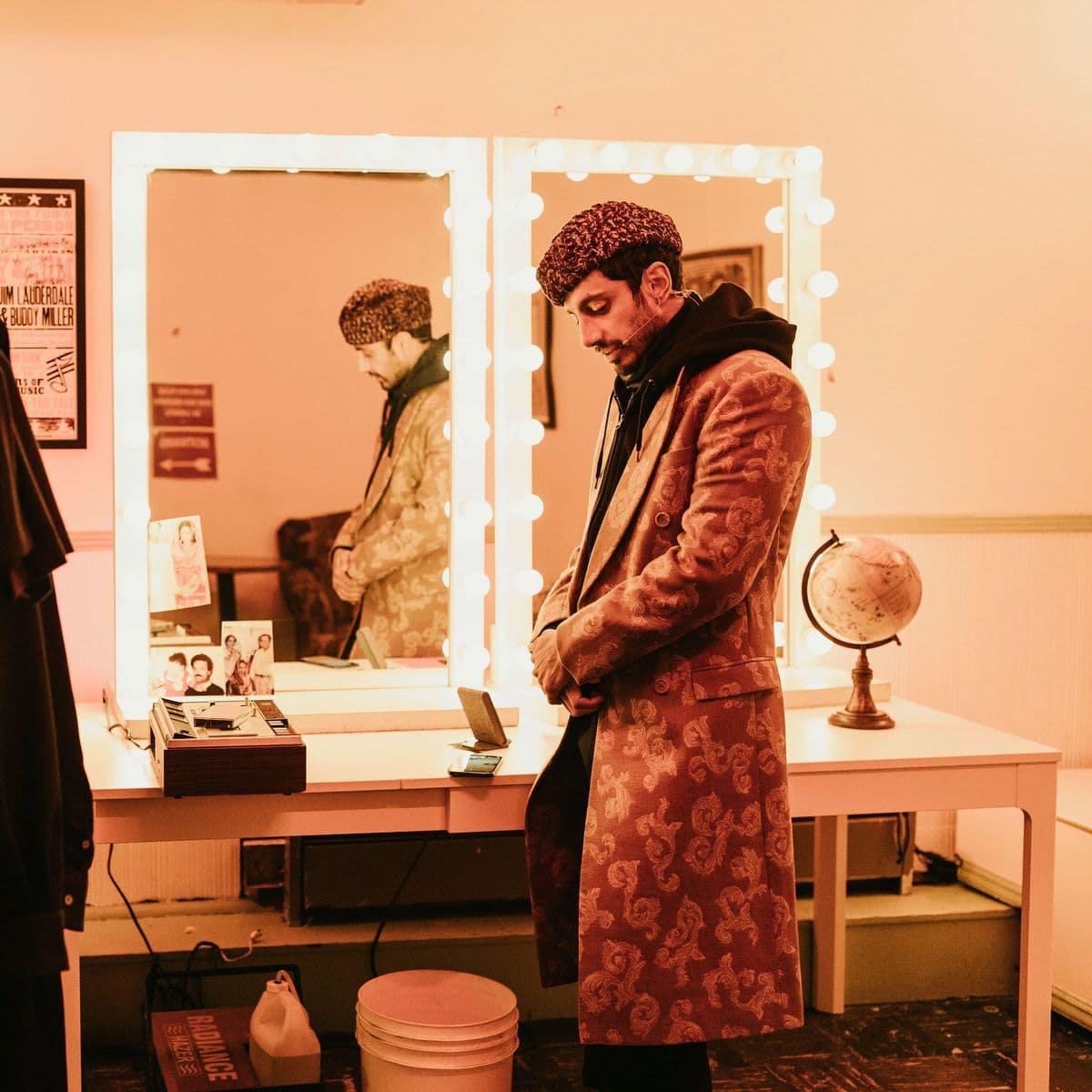
Riz Ahmed discusses art as therapy and what it’s like to play a character who parallels his personal life and history.
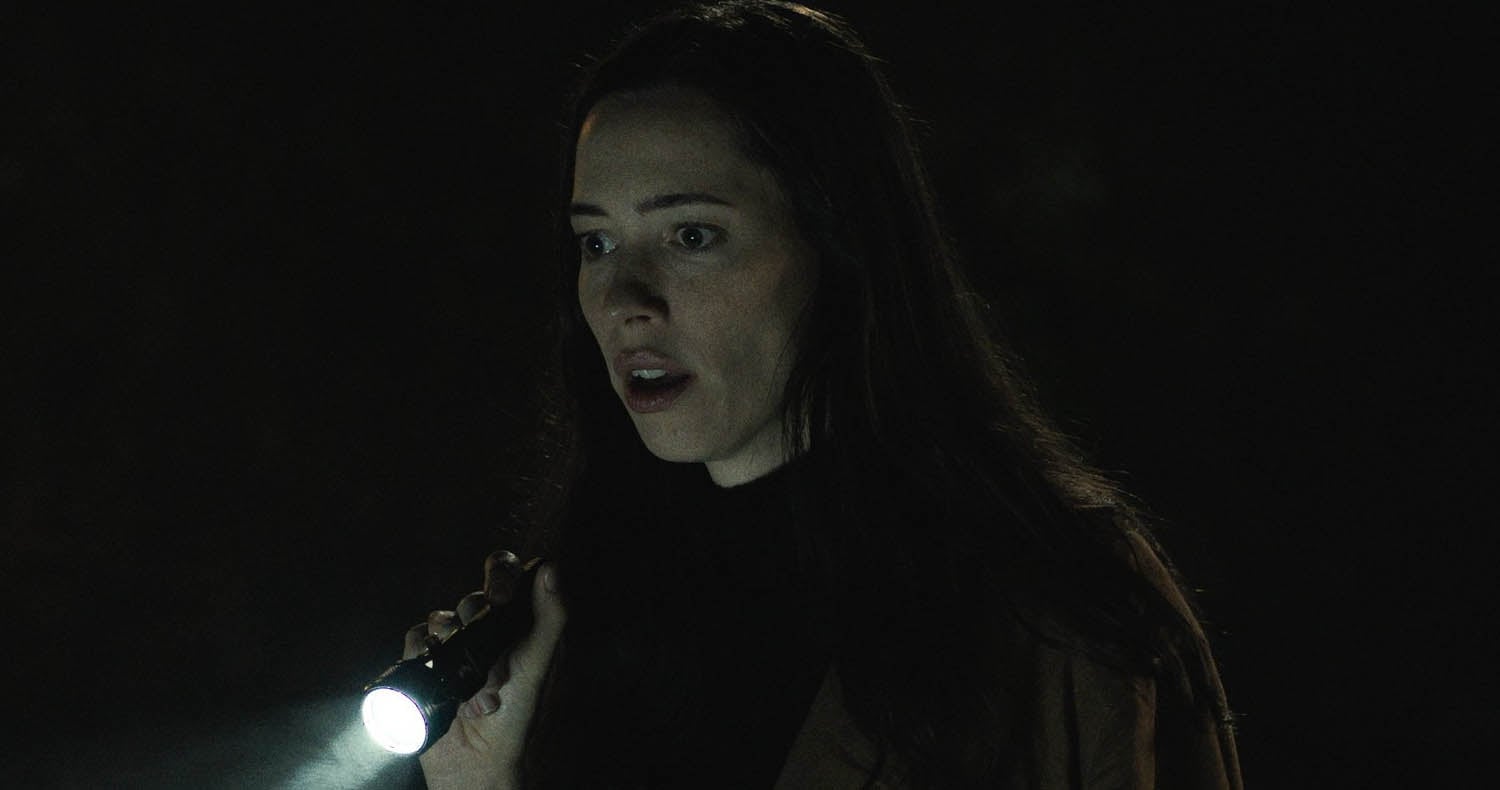
Rebecca Hall discusses why she enjoys doing puzzle box movies, and how she holds ambiguity in her performances, and more.

Udo Kier discusses Swan Song, his work across his 50-year-plus career, and how he feels about being labeled a gay icon.
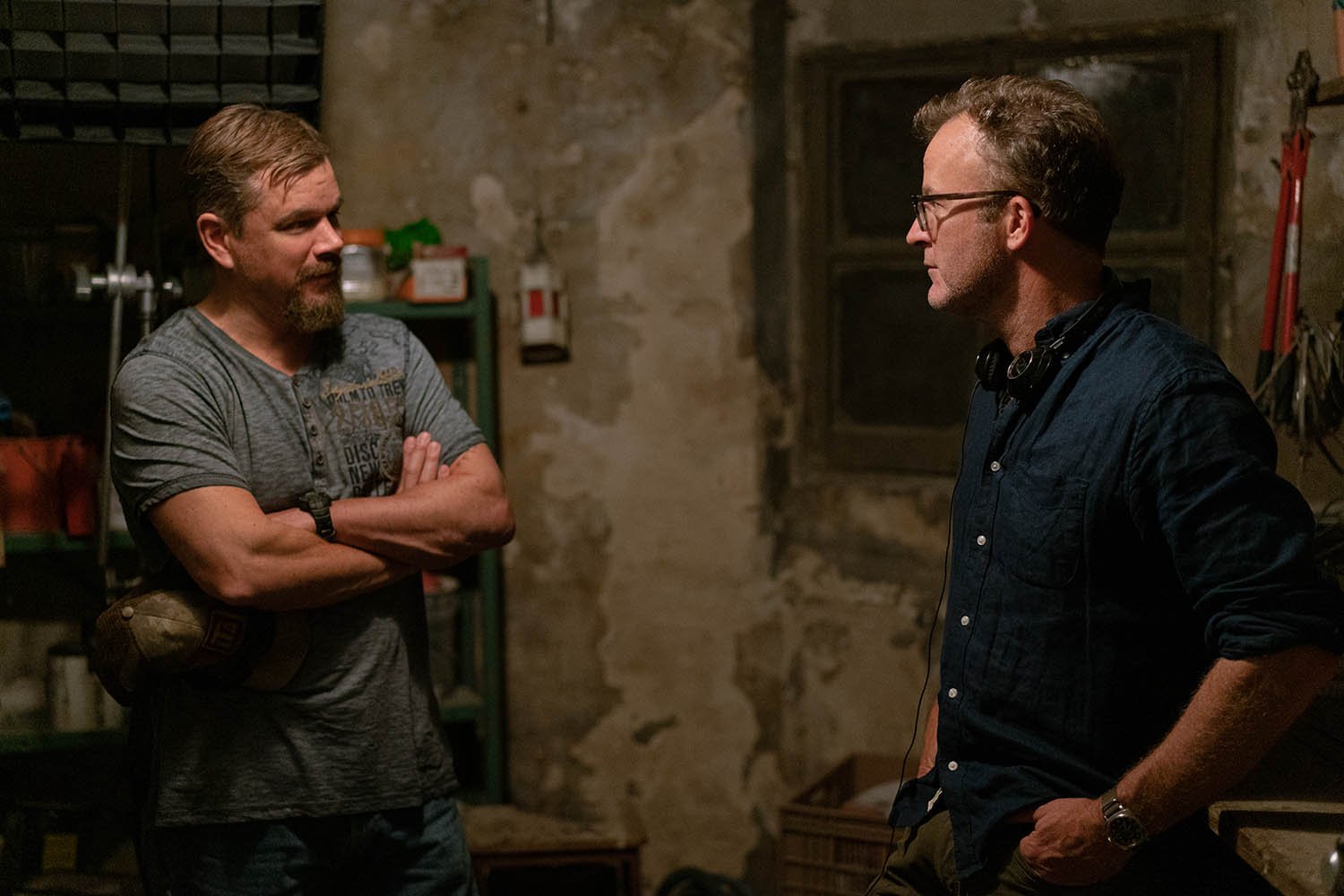
The Oscar-winning Tom McCarthy discusses how he makes visible the invisible work that makes the world of Stillwater believable.

The Public Theater’s associate artistic director discusses the genesis of his ebullient production of Shakespeare’s play.
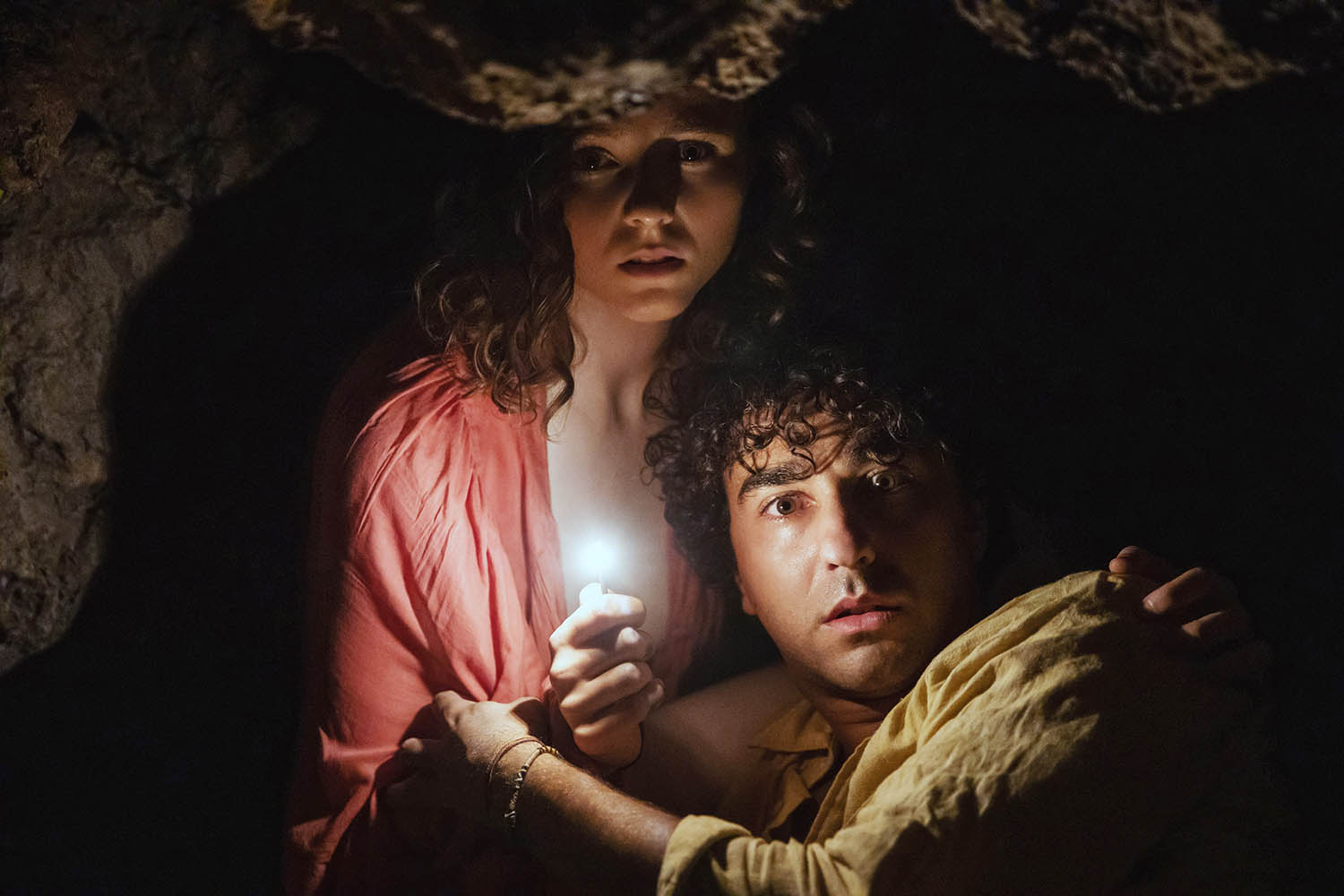
Alex Wolff discusses his two latest films and the “other-dimensionality” of acting alongside Nicolas Cage.
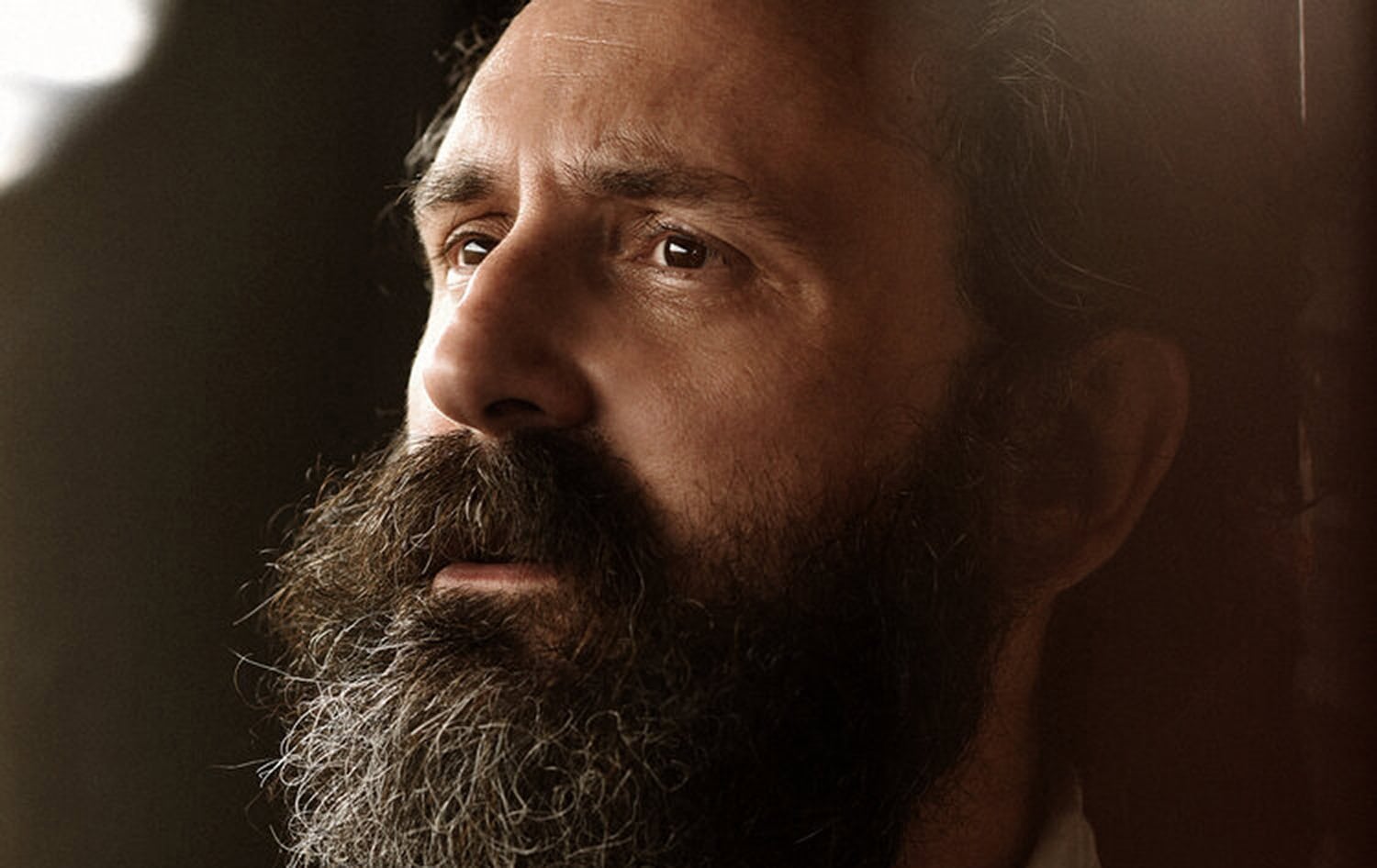
Quentin Dupieux discusses how he knows a stupid idea is worth developing and the difference between his American and French films.

Anthony grounds discussion of body camera footage within discussions about the link between image-making, weaponization, and power.

The filmmaker discusses how he recognized and responded to the many contradictions contained within Limbo from script to shooting.
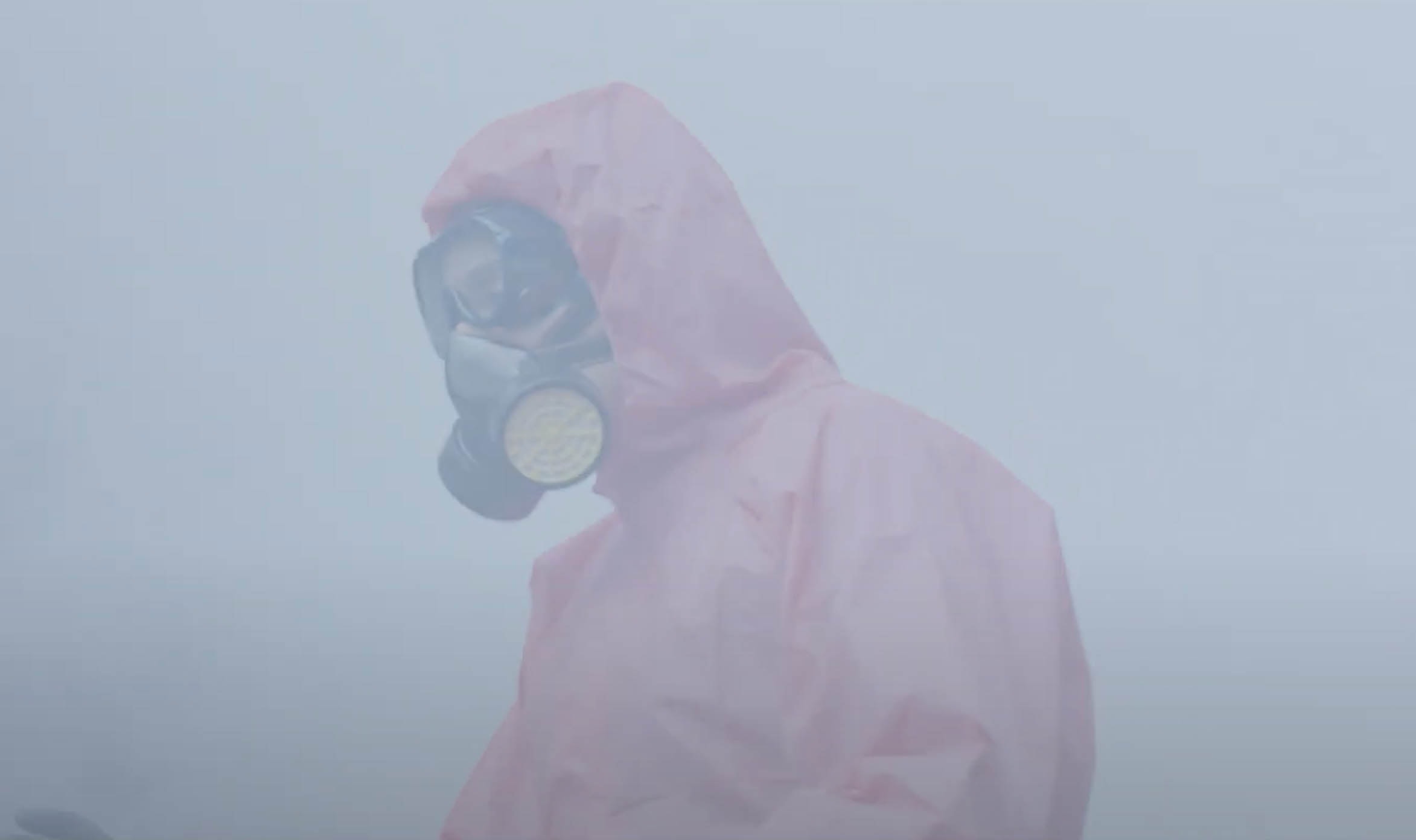
The filmmaker discusses shooting the film in the midst of the Covid pandemic, and his belief in why stories come from within us.
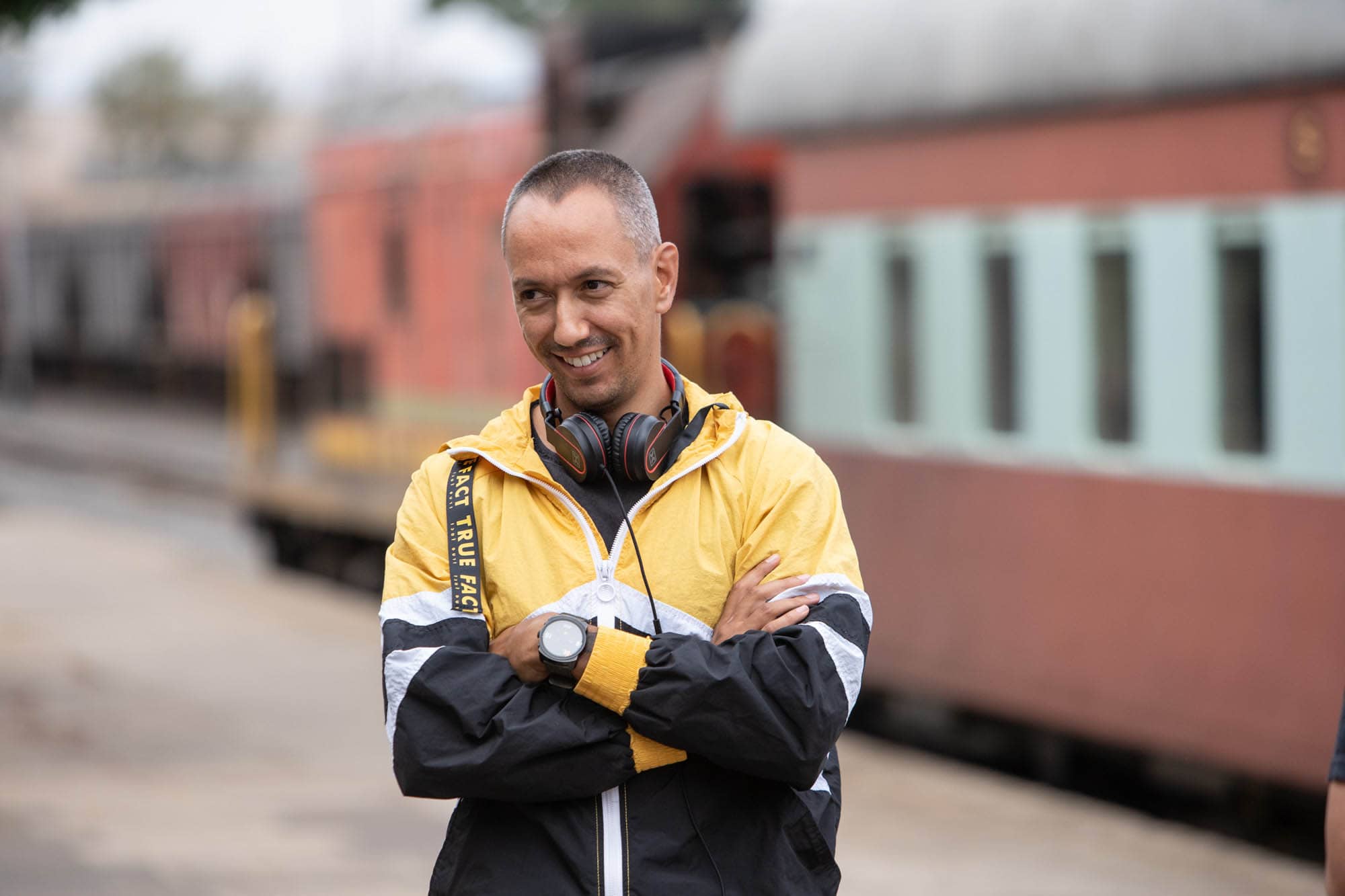
The filmmaker discusses how he found his way into a story about white men as a mixed-race South African.
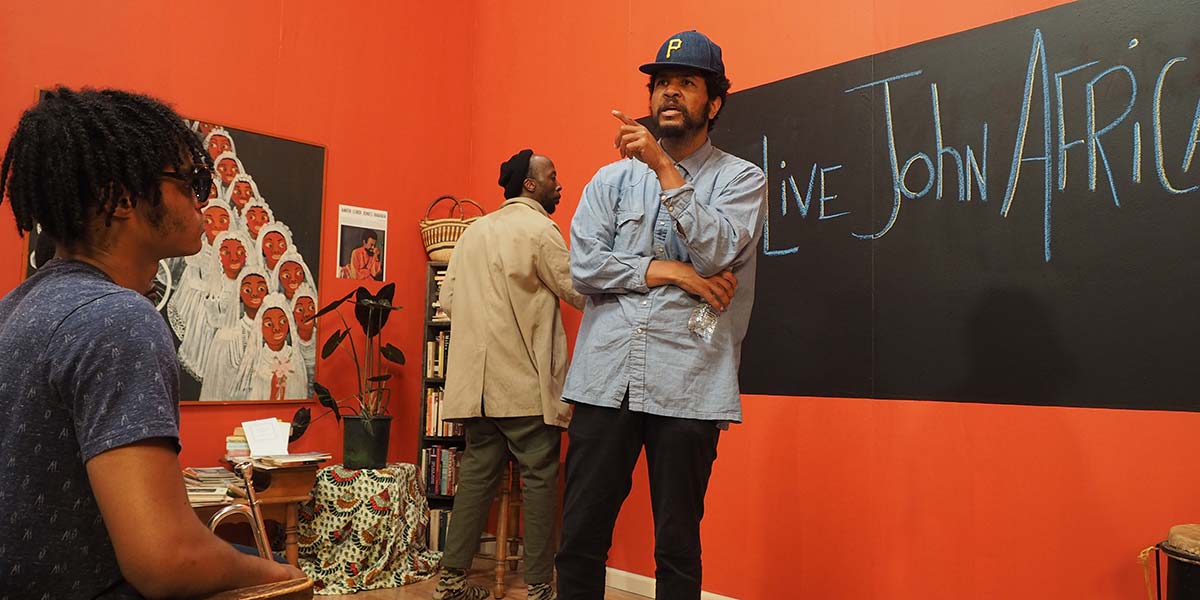
Asili discusses why he strives for an equality of images and what his film means now in a new age of racial reckoning.