McElwee discusses, among other things, his new film and staring down the loss of his son.
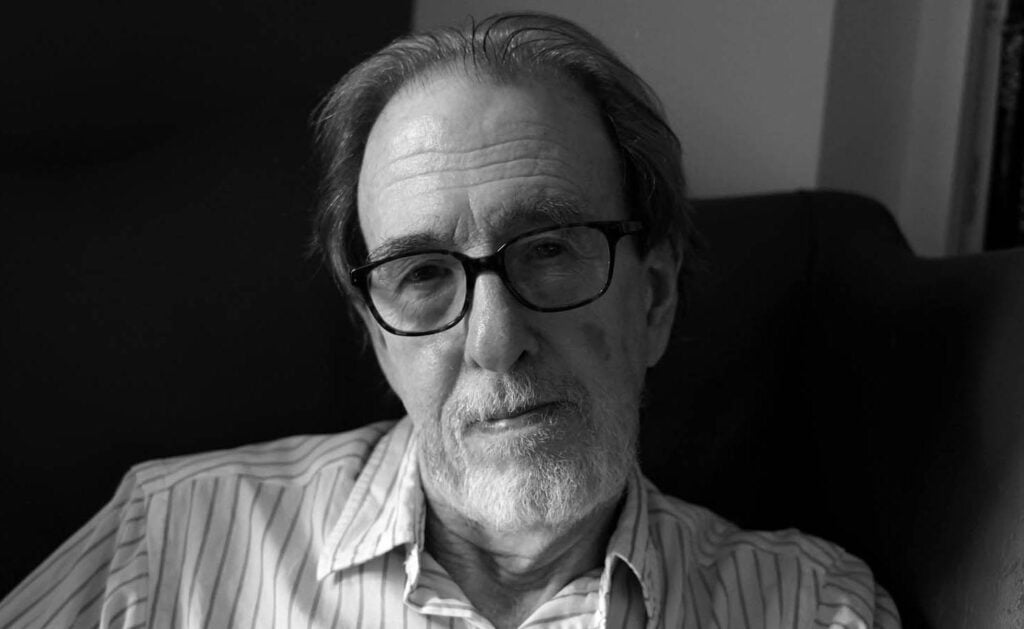

McElwee discusses, among other things, his new film and staring down the loss of his son.

Wigon discusses the challenge of keeping a film interesting while confined to one location.

Baruchel and Howerton discuss how they worked within Matt Johnson’s unconventional style.

Sher discusses how Camelot speaks to our current turbulent era of national politics.

The Belgian directing duo discuss how how they translated Paolo Coginetti’s novel into cinematic terms, their approach to music, and more.
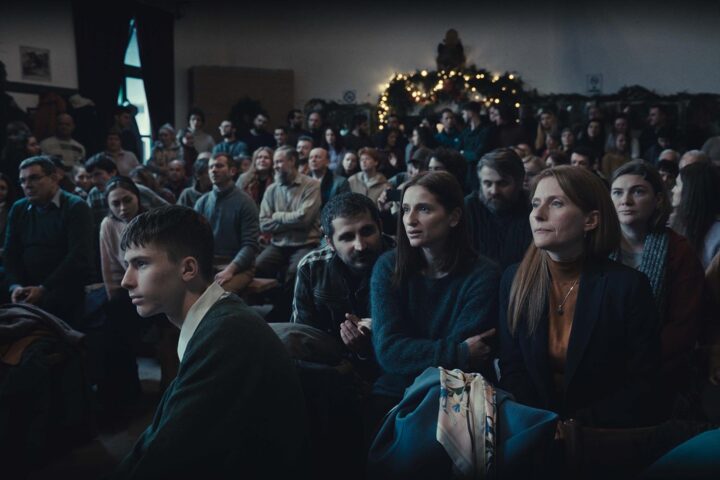
Mungiu discusses how he executed R.M.N.’s centerpiece sequence and more.

Britell discusses the connection between music and movement in Benjamin Millepied’s film.
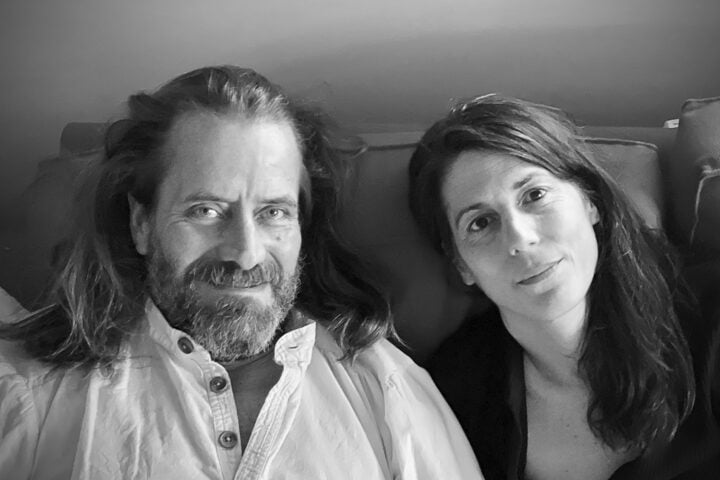
Paravel and Castaing-Taylor discuss how gut instincts guide their editing process.
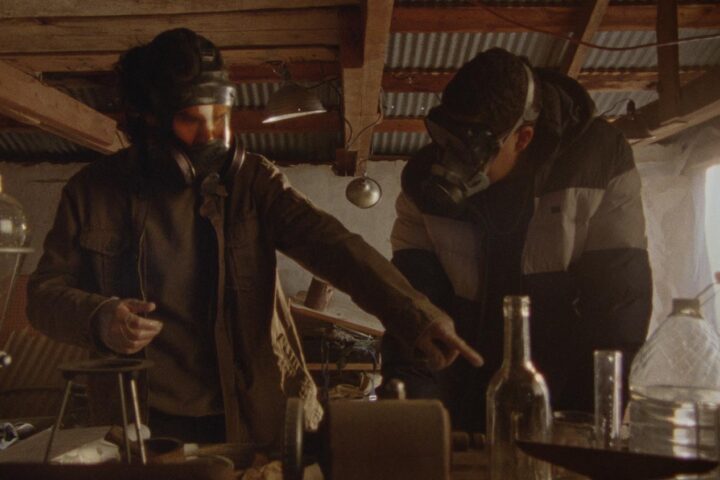
Goldhaber and Barer discuss their hopes for how audiences will respond to the film’s radicalism.
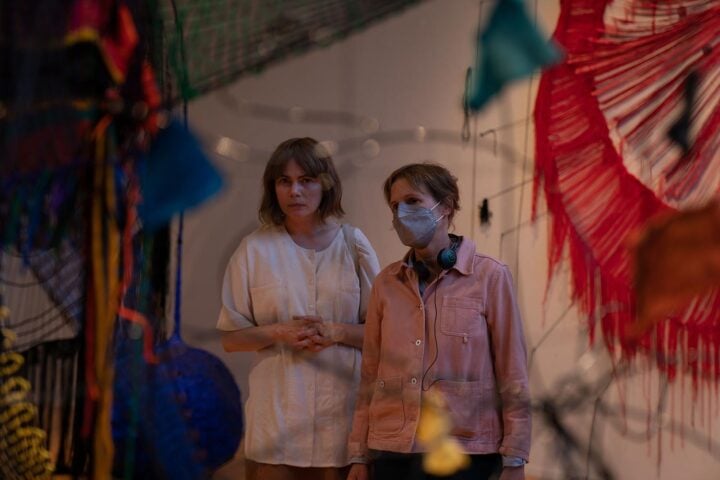
Kelly Reichardt conceives of the scale needed to make and enjoy meaningful art.

Rockwell and Taylor discuss what constitutes good change in New York City and more.
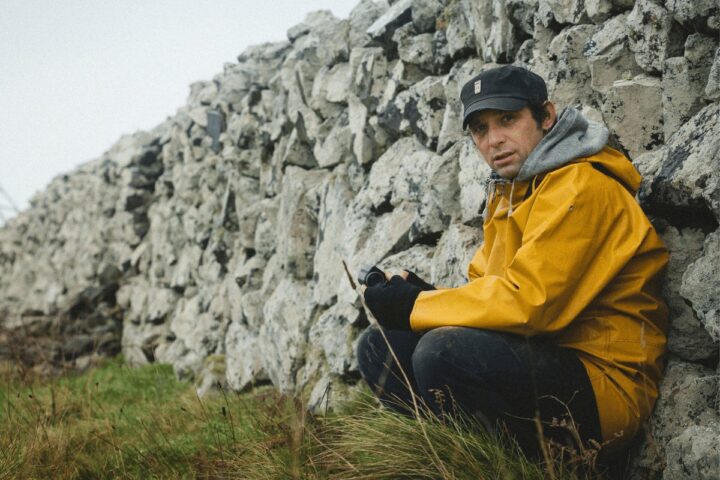
Mark Jenkin discusses the geographic and philosophical underpinnings of his work.
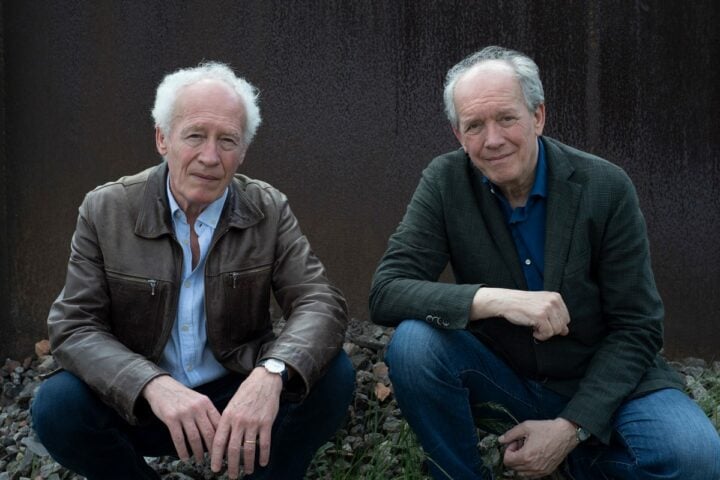
The Dardennes discuss where the film fits in with their work at large.

Hansen-Løve discusses her approach to autofiction, her characters’ vocations, and more.

Eisenberg discusses the relationship between his feature directorial debut and Fleishman Is in Trouble and his Oscar-nominated turn as Mark Zuckerberg in The Social Network.

Diop discusses her aesthetic choices across editing, costuming, and sound design.
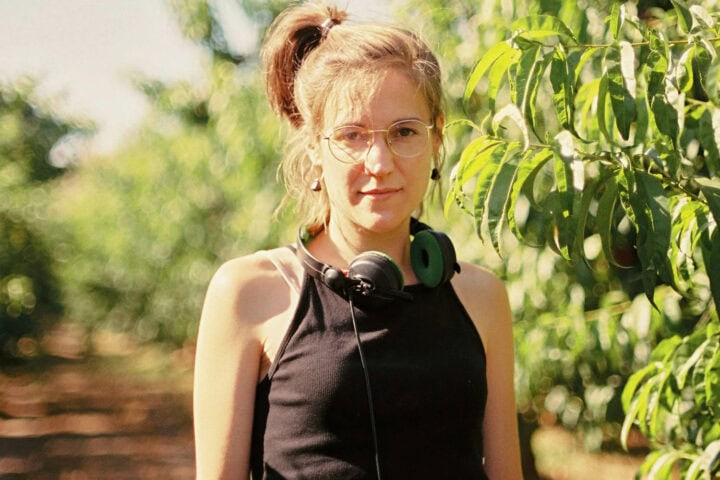
Simón discusses her approach to reflecting the gender dynamics of rural Spain and more.

Marie Kreutzer discusses her take on Sissi and how she approaches writing historical fiction.
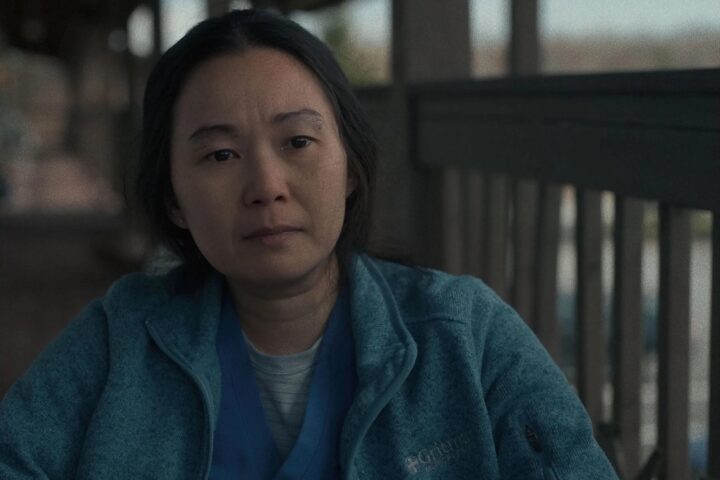
Hong Chau discusses acting between the lines and balancing work and parenthood.
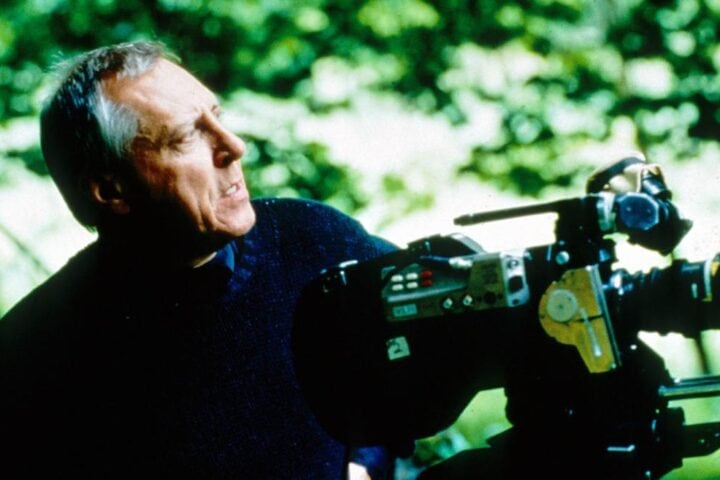
Greenaway discusses his ideas about cinema and the limitations of text-based filmmaking.
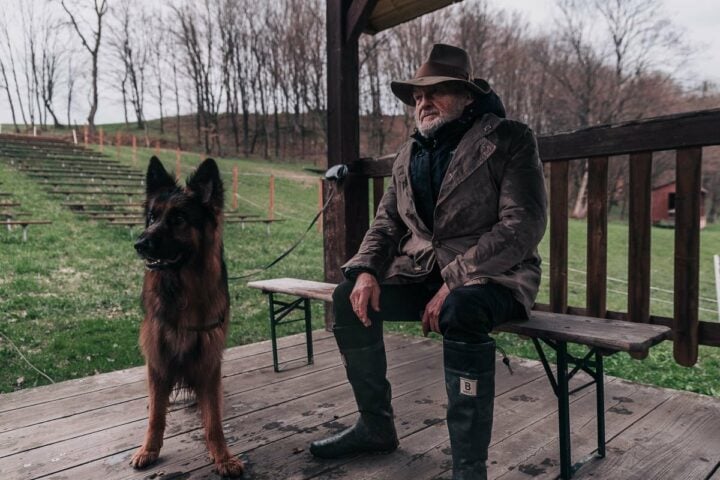
Skolimowski and Piaskowska discuss how emotion guided all of their creative choices.