It stands apart from its contemporaries for relying heavily on audio over visual cues.
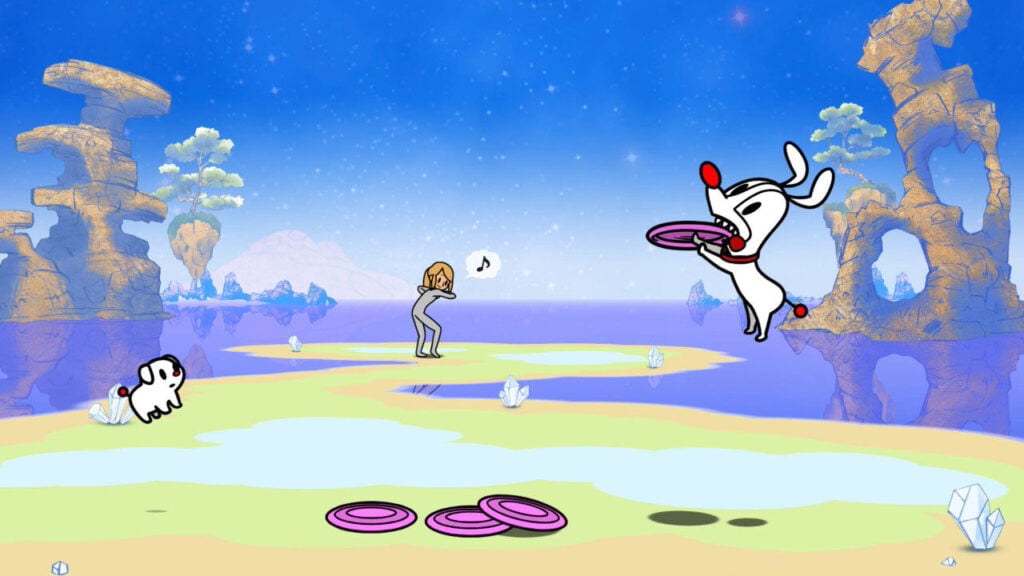

It stands apart from its contemporaries for relying heavily on audio over visual cues.

No wonder the game leans so heavily on pop-culture references, as they help to distract from the relative emptiness of the game itself.

Dark Souls III is the most evolved, accessible entry in the series, making a lot of intelligent choices from Bloodborne when it comes to enlivening combat.

Ironically, the game grinds to a halt whenever it indulges in callbacks to the Legend of Zelda brand.
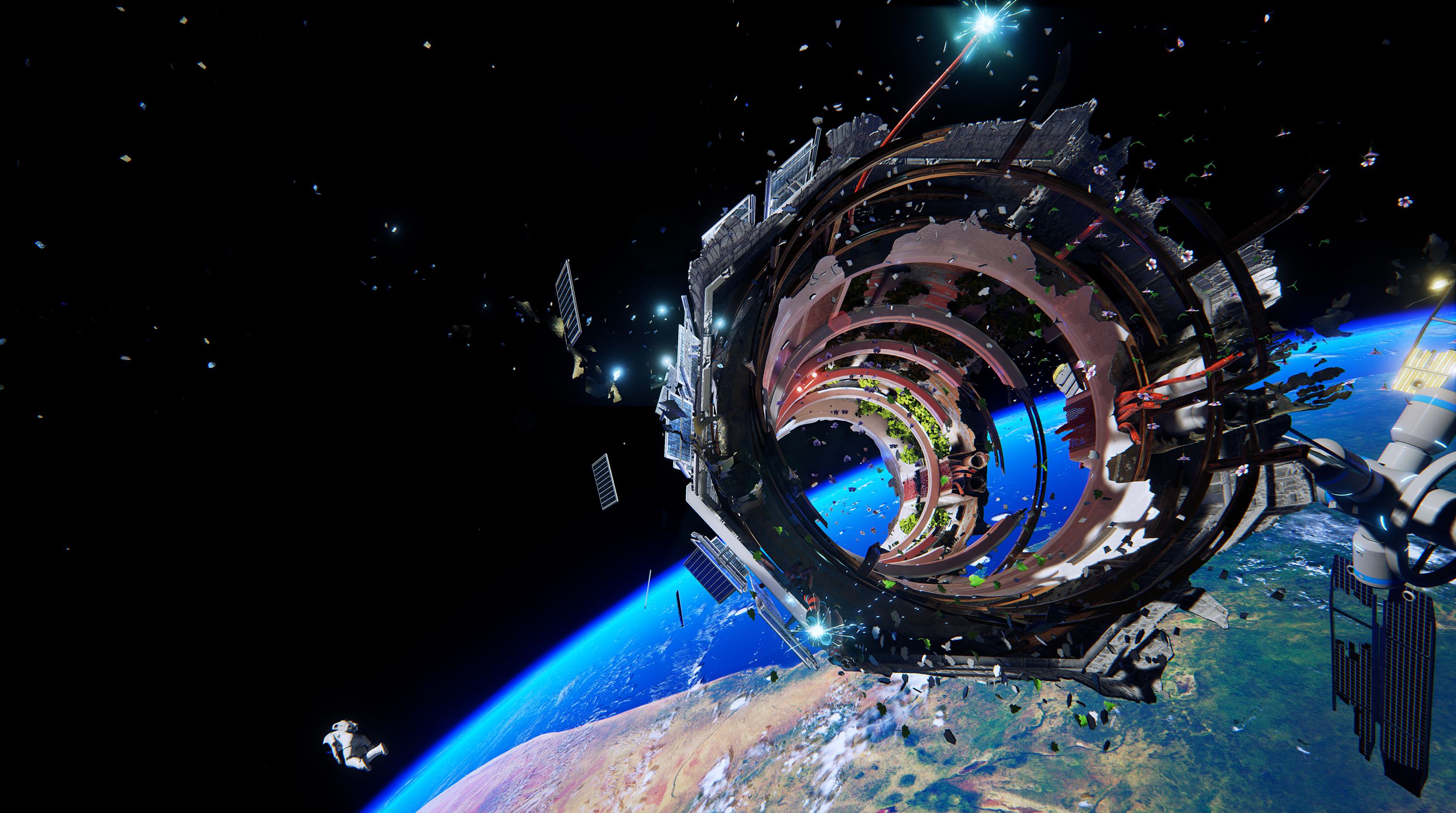
Unlike Gravity, which spaced out its most fraught scenarios between moments of calm, it’s in a constant state of panic.

It leaves the combat to speak for the story and trusts its murderer’s row of cool ideas to, well, murder players.
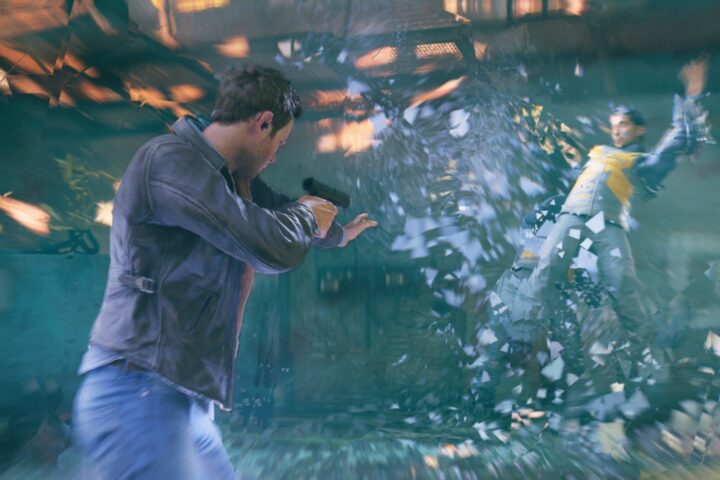
The game’s stronger than expected writing and decent cast more than make up for its conceptual banalities.
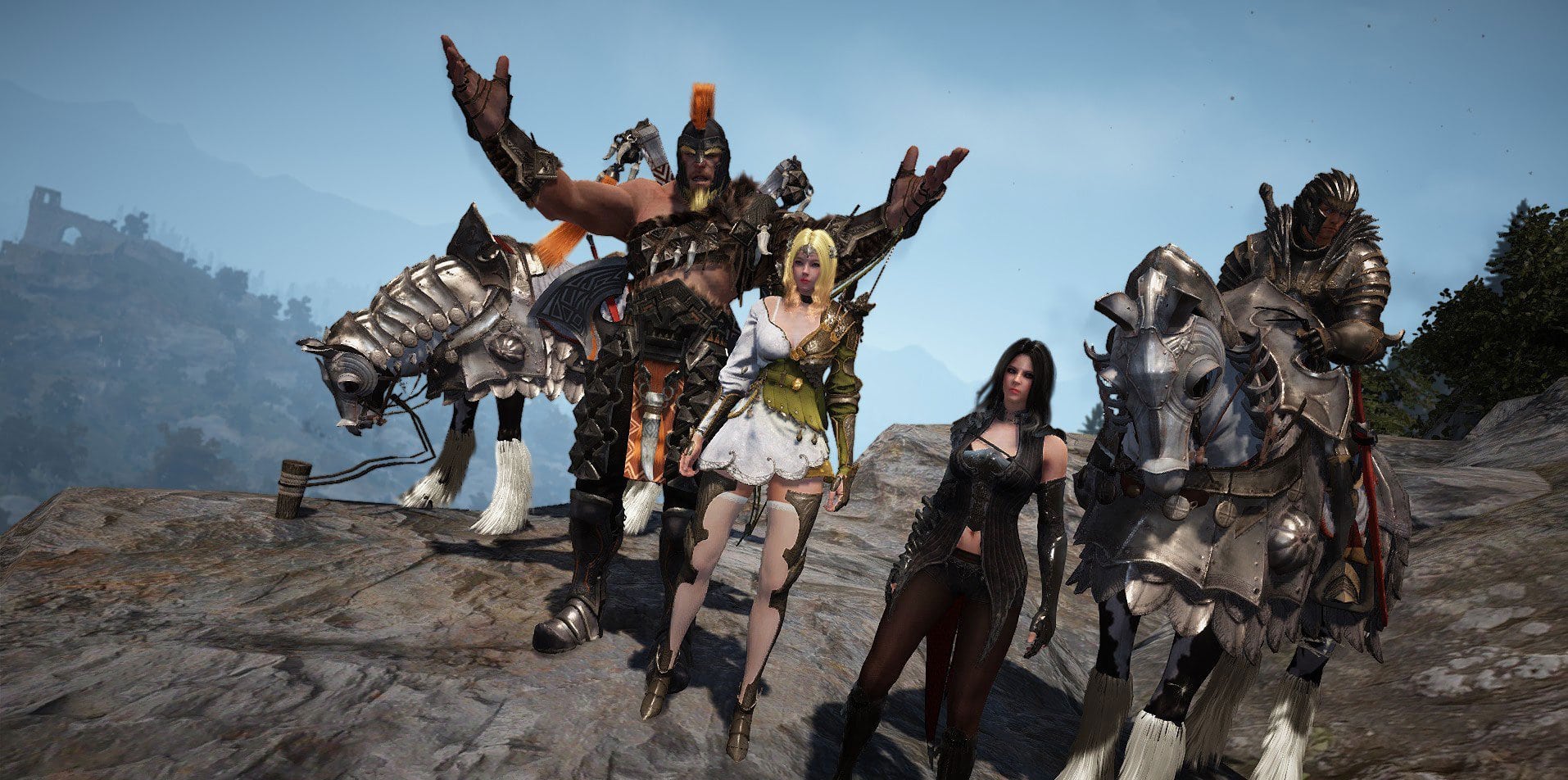
Those desperate for a way to stay busy will find a seemingly inexhaustible number of grains of gameplay here.

IMGN.PRO’s indie survial horror game encourages profound contemplation, specifically about living with death.

The irony here is that the more control it supposedly affords Hope, the worse the game itself functions.

Whether or not you’re a fan of the series, the game will have the piano wire around your neck before you know it.

They say that New York City never sleeps, and those who play The Division may understand the feeling.

This is a twin-stick shooter that adds complexity and depth to a genre that typically has no use for either.
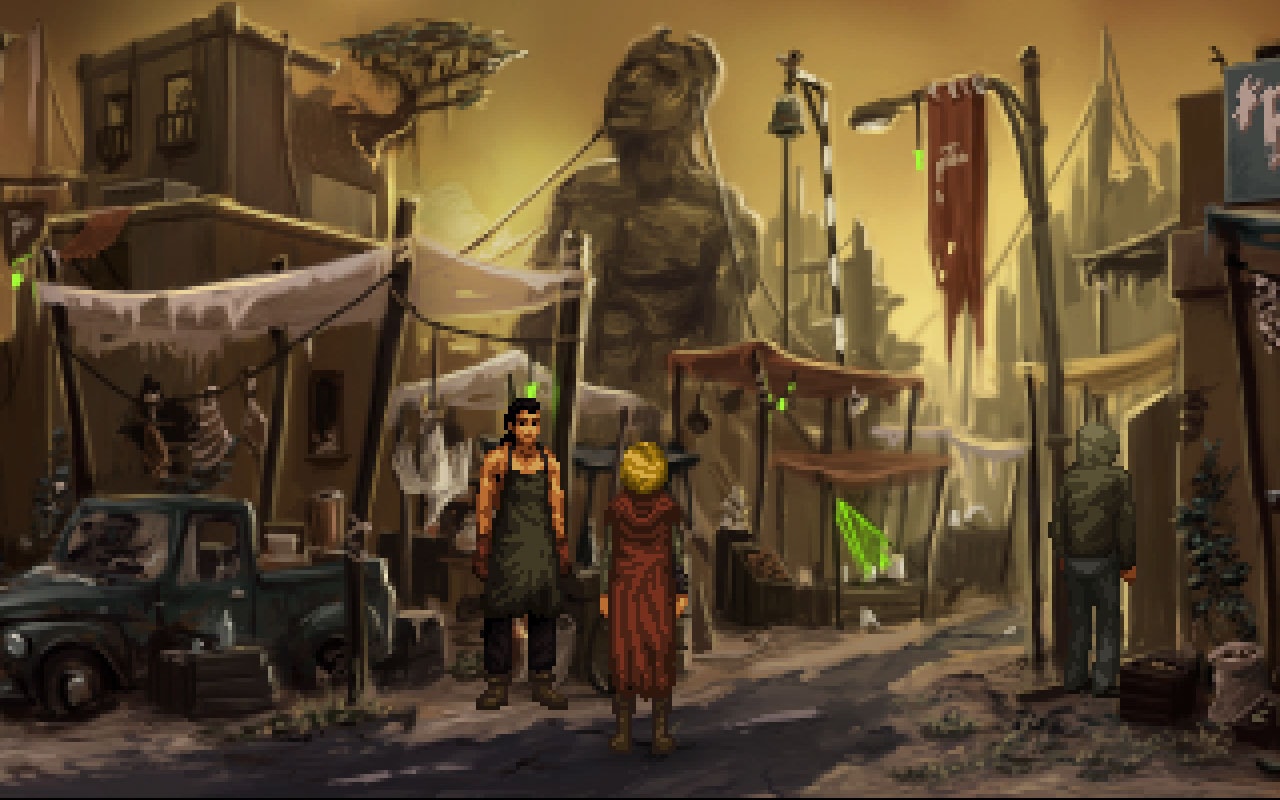
The game’s twist is costly, as it leaves nothing else for players to discover in the nuance-less second act.
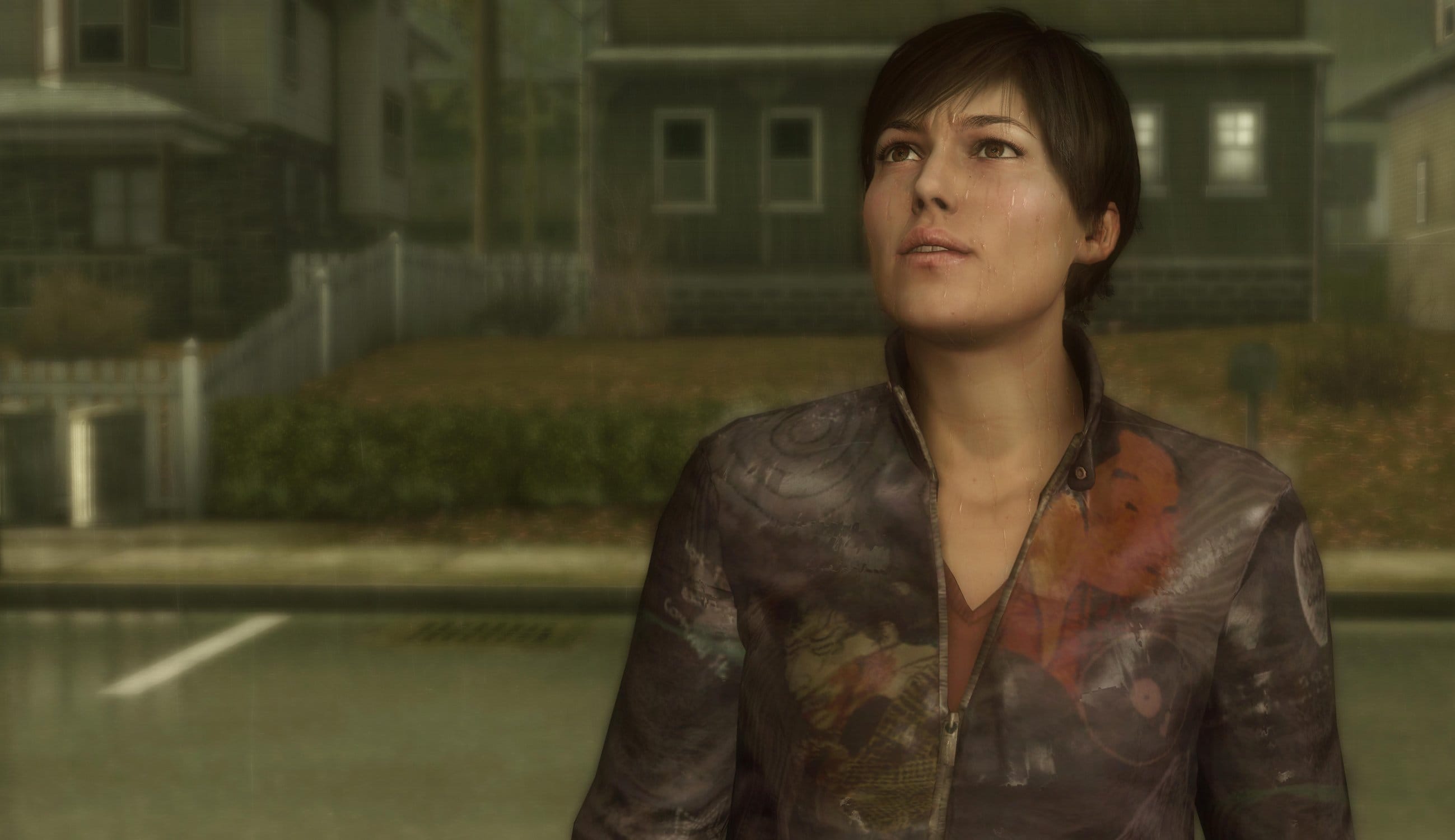
The game is always concerned with telling a story rather than selling us the gimmick of player agency.
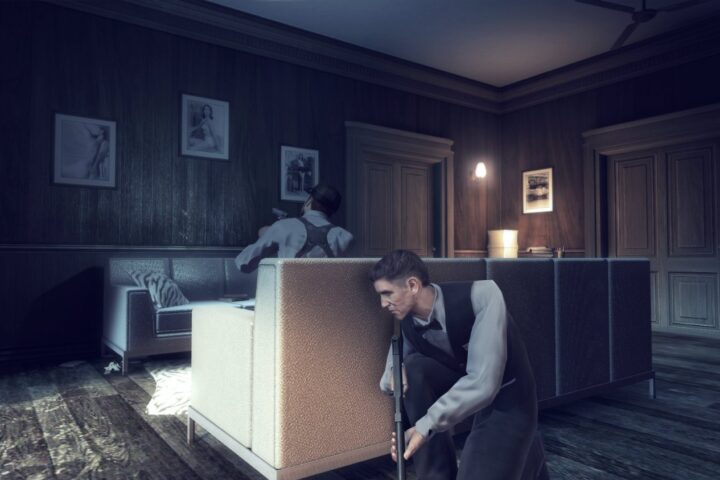
It may be a less refined version of a Hitman-style game, but the delivery of its rote narrative is sometimes innovative.

It showcases how seemingly minor tweaks to a series can have significant effects on its kinetic potential.
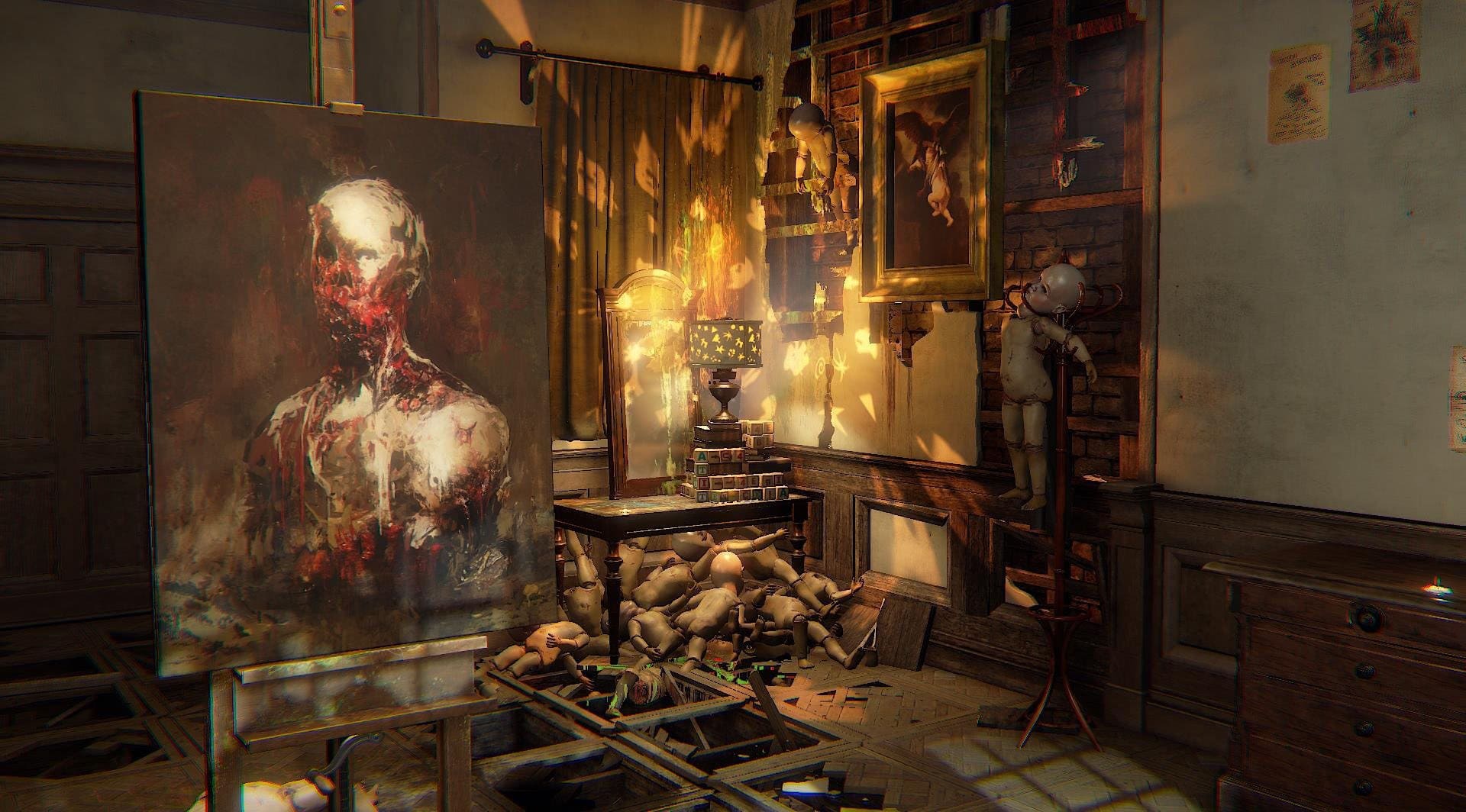
The game renders its gory images in detailed and creative ways, never hinging on generic jump scares.
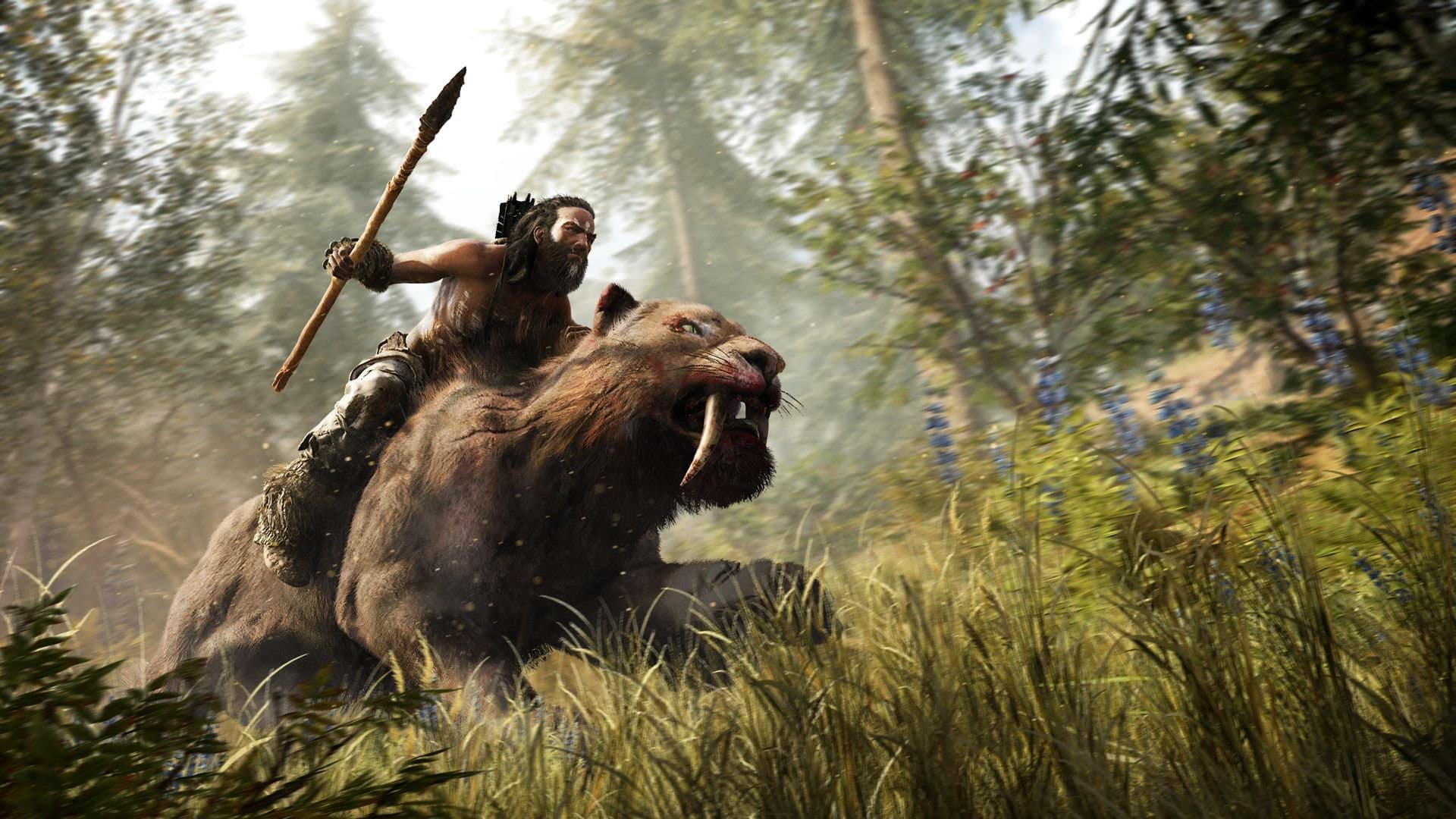
For the series, this is a confident step toward something much more disciplined and understatedly profound.
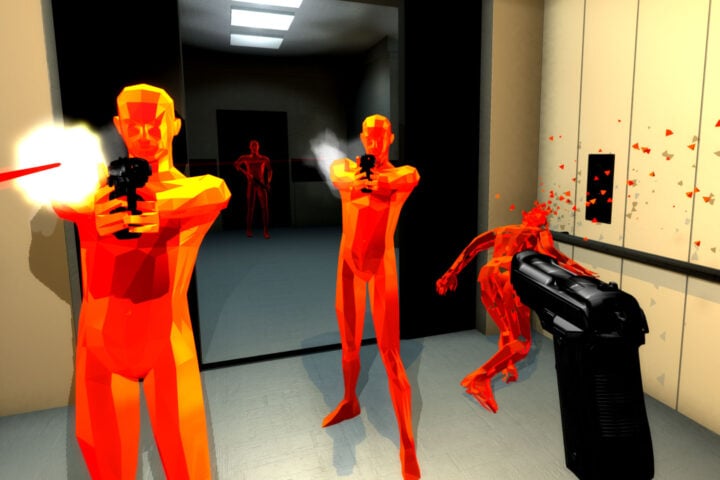
Its methodical, stop-motion approach to gameplay forces players to be as economical as possible.
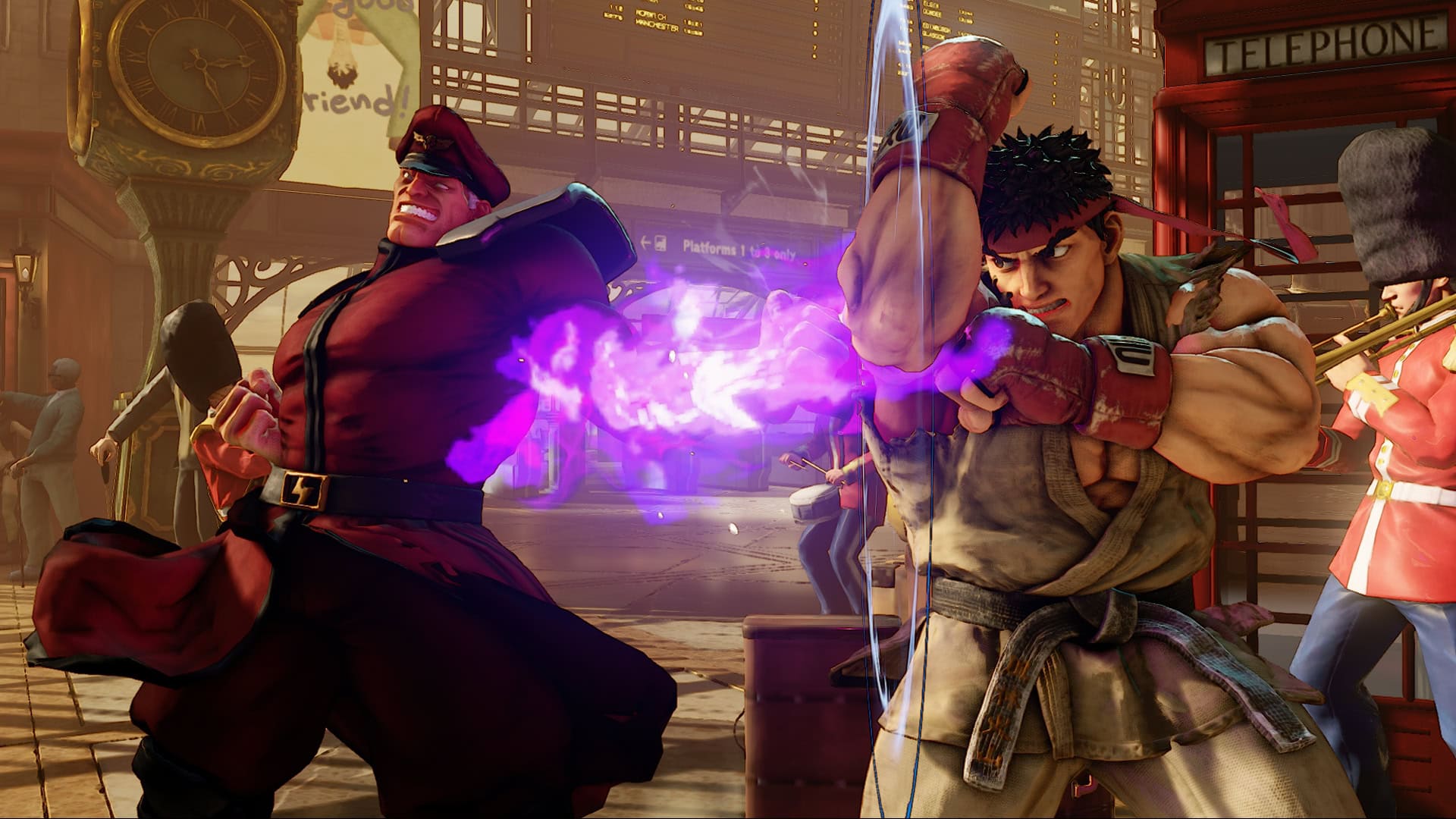
Street Fighter V feels more like an irritatingly incomplete service than a game that cares about its legacy.