To say that the video game industry in 2026 is in a state of turmoil is like saying the current state of the Titanic is a bit moist. It’s telling just how many of the elders in the industry who were around for the industry crash of the early ’80s have been sounding the alarm that everything seems very familiar. The difference being that, while the industry was at a creative nadir when it flatlined then, today, by the grace of an endless procession of miracles, developers have still managed to create some of the best art that the medium has ever seen.
Whether that’s in spite of or because of the added pressure, only the developers can ever say. From the standpoint of those of us who play and critique, though, the current landscape is a different one than its most public face. From the AAA echelon to the indie sphere, creatives at every level still have things to say and sights to show us, planting ideas that are sure to bear fruit in the future. It’s certainly an environment with very little resemblance to the one executives paint for shareholders, or the one Geoff Keighley shills to advertisers twice a year.
The best way thing we can do at this moment in time is honor and amplify the creativity of the industry—less so the gears that turn it—every chance we get. Six months into 2026, these are the games we’ve deemed most worthy of that treatment. Justin Clark
Editor’s Note: We were unable to consider Star Fox ahead of publication of this list.
Banquet for Fools (Hannah and Joseph Games)
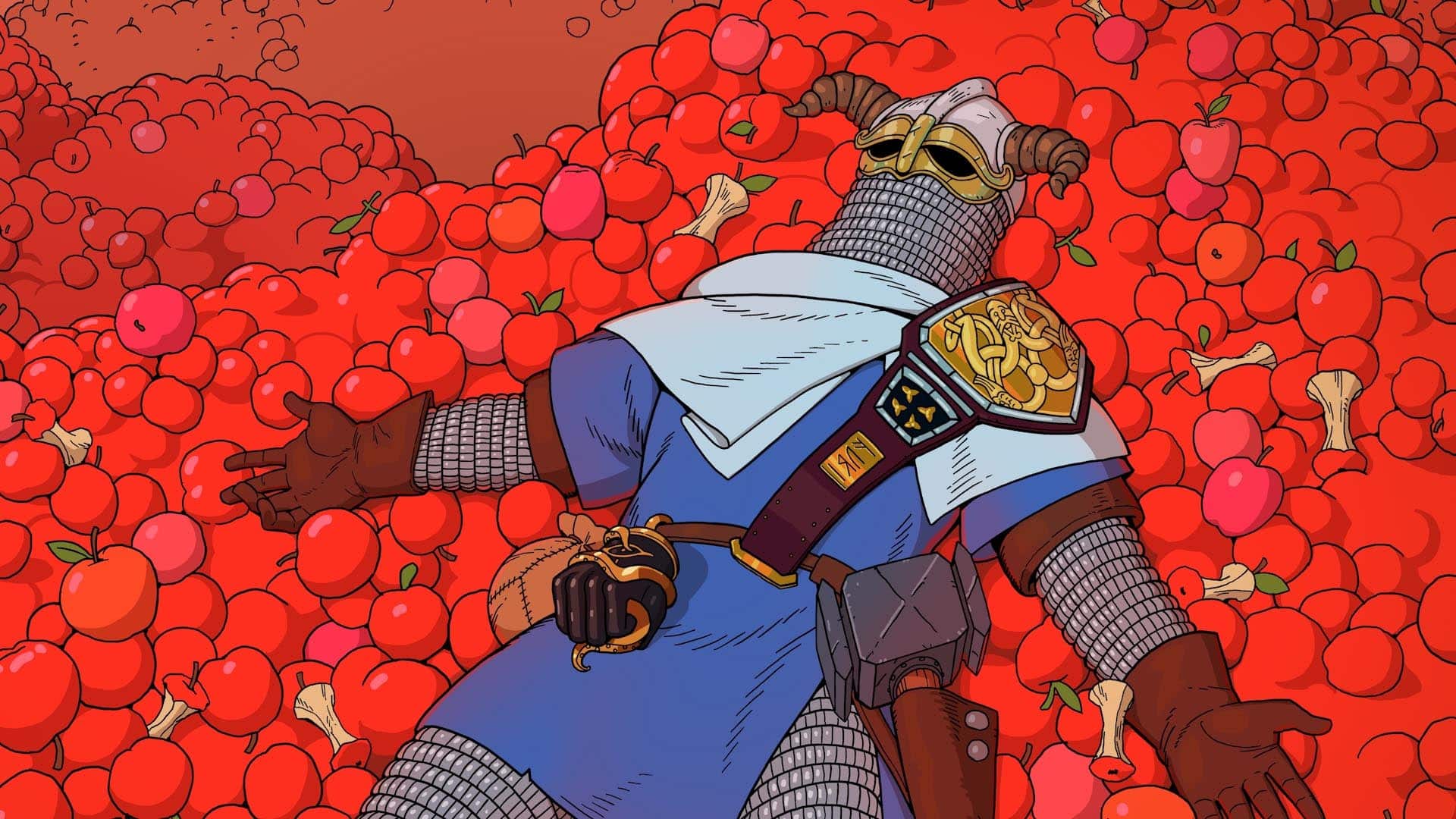
The stunningly tactile Banquet for Fools eschews numerous mainstream video game design norms, resulting in much friction early on. The minimal tutorial is sequestered in the menu. The scant guidance you receive throughout is granted and tracked diegetically: with scrolls and maps that sit in your inventory, and with a quest log that, rather than automatically updating itself, consists of text boxes for manual notetaking. Meanwhile, surviving in the wilderness requires extensive and expensive preparation. The real-time with pause combat is unwieldy. And material rewards are elusive, opportunities for fast travel even rarer. But Banquet for Fools isn’t sadistic. It simply has confidence in its vision and in you, like a pen-and-paper game master who expects the world of you and will give you the world in return. Niv M. Sultan
Cairn (The Game Bakers)
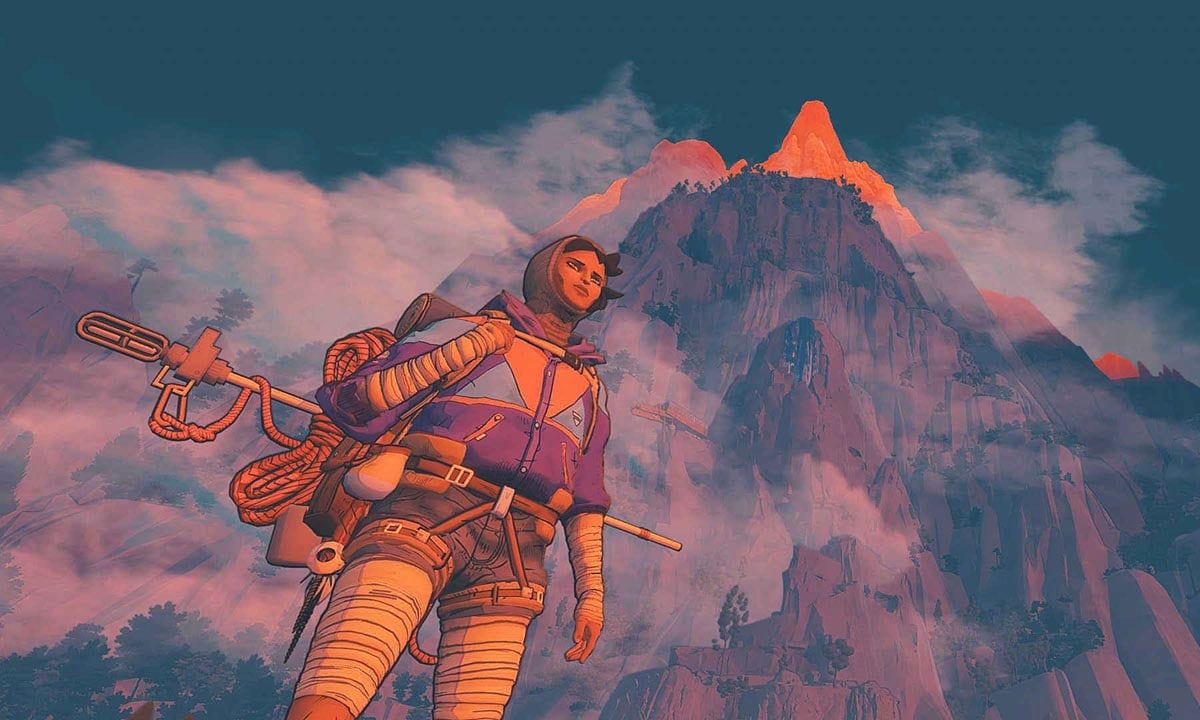
If anything in Cairn can be considered truly disruptive to the flow of things, it’s us—or, rather, what the mountain dwellers call “the horizontal world.” Aava’s corporate sponsors constantly send her messages asking for updates, and family members tell her that she’s crazy. Reminiscent of Celeste, Aava’s climb has a deeper, humanist meaning for her, and every interruption of that journey by the world below feels sacreligiously intrusive, and deliberately so in service of the larger, understated plot. But for over a dozen hours, Aava’s task and the player’s pleasure is to let the world below fall away, keep the conversation civil between her and the mountain itself. And whenever there’s an adrenaline rush, you know you’re doing it wrong. Clark
Esoteric Ebb (Christoffer Bodegård)
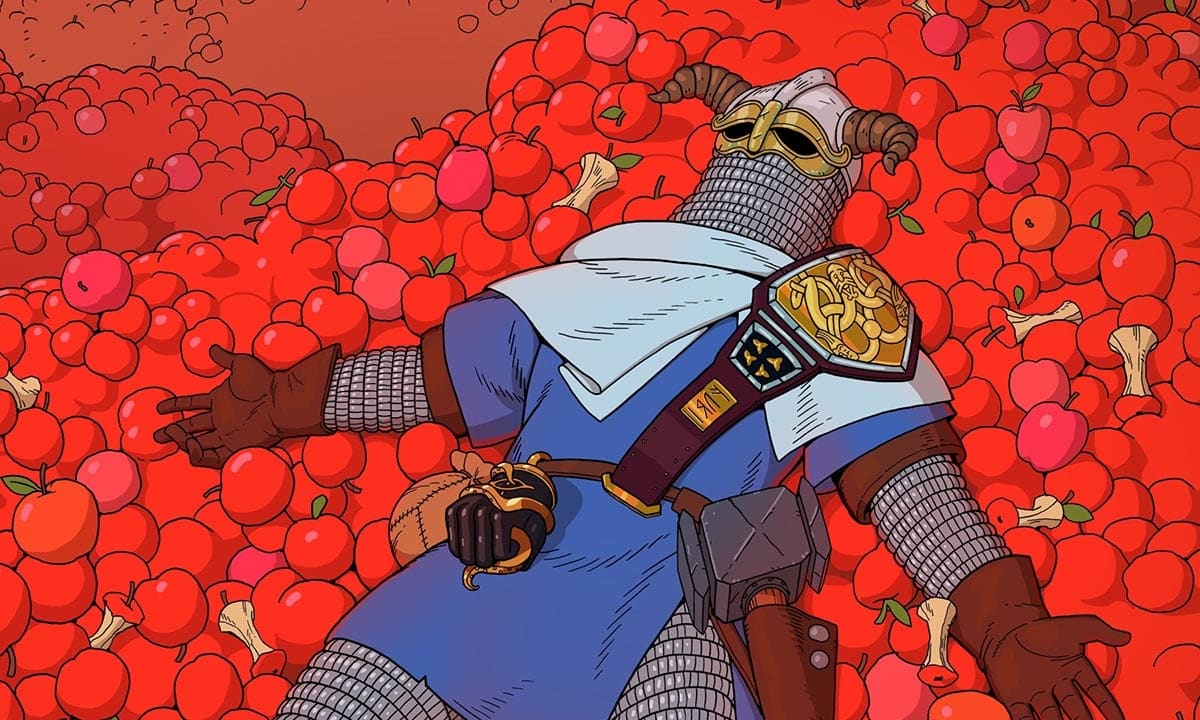
Esoteric Ebb’s protagonist is drowning in questions. Who blew up the tea shop in the middle of Norvik? Which party should he vote for in the city’s upcoming election? How do you serve a god who died less than three decades ago, leaving behind a titanic legacy and little guidance? What does it mean to be a man? Esoteric Ebb itself, on the other hand, faces one question above all others: Is this just Disco Elysium with a Dungeons & Dragons sheen? But this CRPG distinguishes itself with a roguishly charming sense of humor—meta but rarely too cute or winking—that subverts the fiction and systems of D&D. In doing so, Esoteric Ebb interrogates the moral and ethical foundations of that ur-text, upending the reductive ideological schema that has long sat deep in the genre and industry that D&D birthed. Sultan
Grime II (Clover Bite)
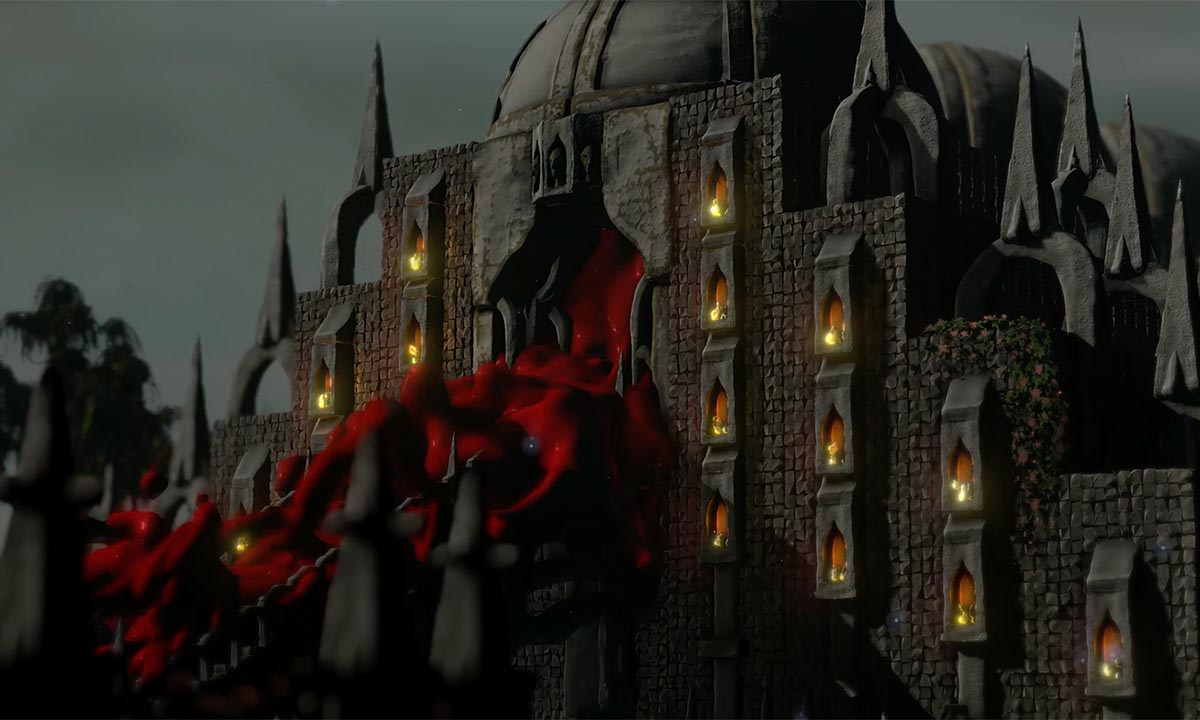
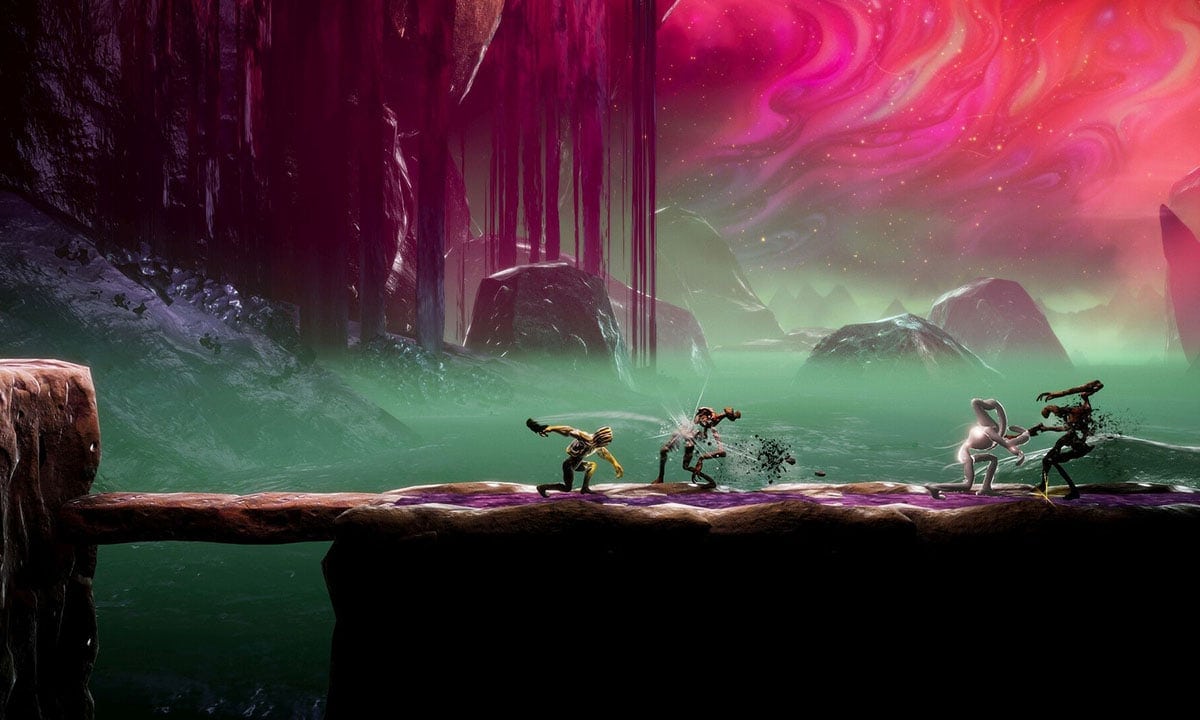
Would that Freud could have played Grime II. One of the gorgeous alien locales in this sequel to 2021’s Grime is dotted with stone-wrought fingers that droop and twitch in the background of the frame. At times, spermatoid wisps drift through the air, lighting the path to points of interest. The most vigorous phallus of all is the protagonist: a muscular, sleek, and hooded shapeshifter, referred to as “White,” whose preternatural powers manifest in explosions of milky paint. Grime II’s theming is icky but not juvenile—a potent vehicle for a tale about the violence inherent to both creation and consumption, of art as well as life. Though the game’s sparse dialogue tends to drag, the opening cutscene depicts White’s formation with compelling brevity. “The world beyond is yours,” says a cosmic entity. “A buffet, to satiate your hunger.” Sultan

Lego Batman: Legacy of the Dark Knight (Traveller’s Tales)
Legacy of the Dark Knight may be the ultimate Lego game, not just drawing on a single series but nearly every popular iteration of Batman. The game’s well of sly references reaches deep into the Dark Knight’s history. Indeed, that’s evident in everything from Talia Al Ghul’s voice actor doing a mean Marion Cotillard impression, to young Bruce’s obsession with the Gray Ghost, to the Penguin quoting Frank Reynolds from It’s Always Sunny in Philadelphia. The typical structure of Lego games has the knock-on effect of streamlining the experience, keeping the open world map of Gotham City from being slathered with side-quest icon vomit too quickly. That linearity keeps players on a bit of a leash, for sure, but it’s a small inconvenience given just how dense with interactivity and jokes and callbacks the game is. The Dark Knight’s legacy goes extremely deep here, and it’s certainly not a bad thing that the developers want to make sure every player gets the most out of it before leaving them to their own devices. Clark
Love Eternal (brlka)
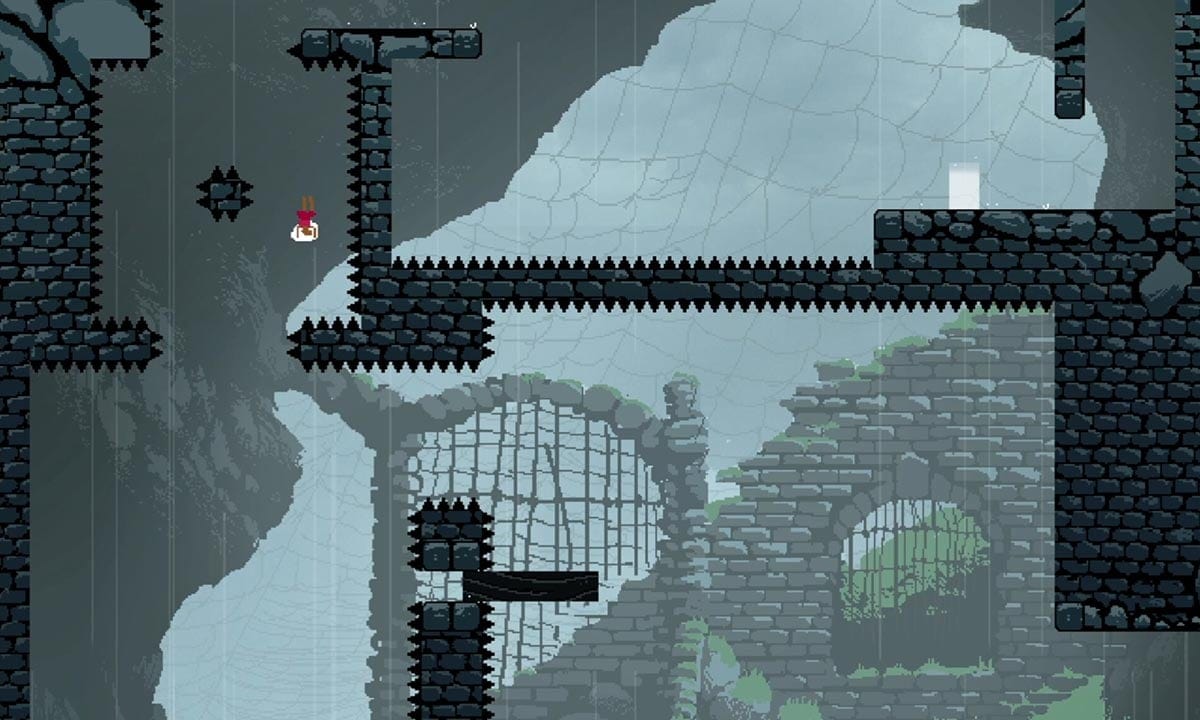
Love Eternal is a relentless and demanding precision platformer, where you switch gravity back and forth to skirt the spiky death traps of a strange castle. It’s also a psychological horror game, full of glitchy, unnerving imagery that keeps you on edge even during the lulls in its formidable difficulty. If something like Celeste is about overcoming adversity, Love Eternal underlines the horror of ritualistically breaking your body on the spikes again and again until you can inch forward. It gradually boxes you in, first through the shrinking timing windows of each platforming gauntlet and then by shifting into a new game style altogether. Steven Scaife
Marathon (Bungie Inc.)
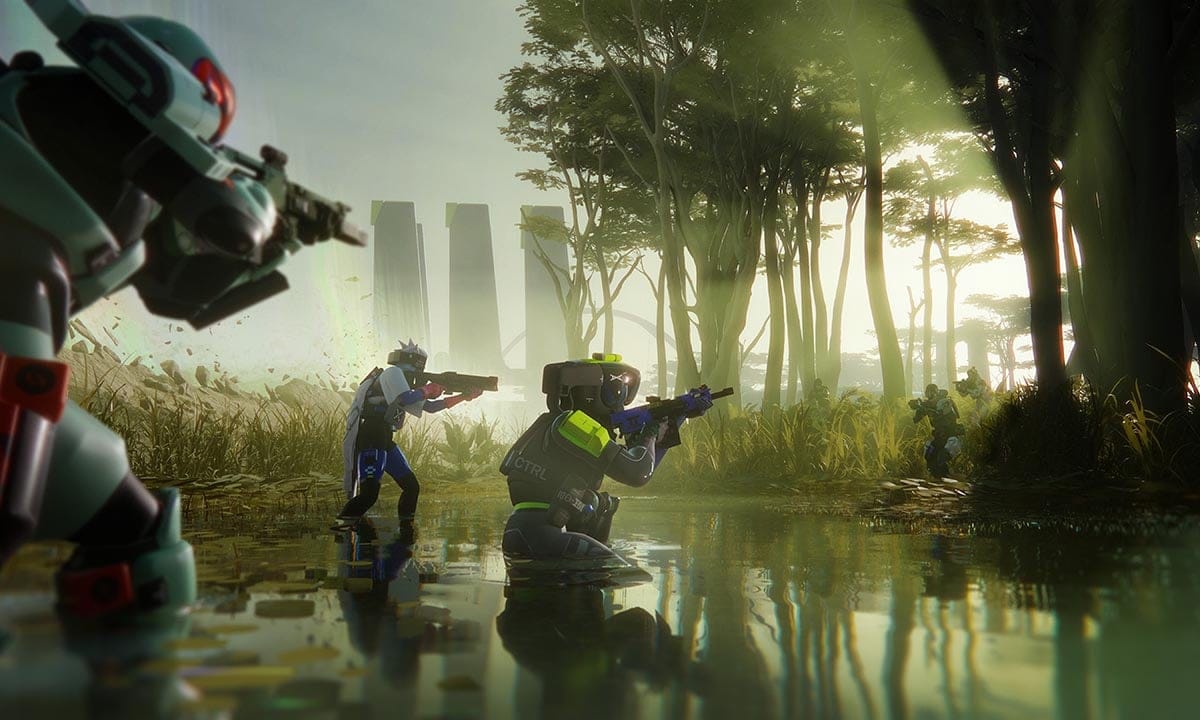
The first entry in the Marathon series since 1996’s Marathon Infinity, this reboot is a multiplayer extraction shooter where players control “runners”—mercenaries inhabiting cyborg bodies—sent to mysterious derelict colonies to gather resources for powerful factions. Whatever weapons or gear the player finds, they get to keep, for either profit or future matches—provided they escape. Marathon emphasizes strategic play, varied abilities, and contract-based objectives for dynamic and high-intensity bouts. Beyond its gripping and addictive gameplay, this Marathon delivers sharp anti-capitalist satire, portraying corporations as grimly amoral and driven by profits above all else, happily exploiting the desperate and taking full advantage of the unknown disaster that befell the settlers on Tau Ceti IV. It’s very 2026. Ryan Aston
Mewgenics (Tyler Glaiel and Edmund McMillen)
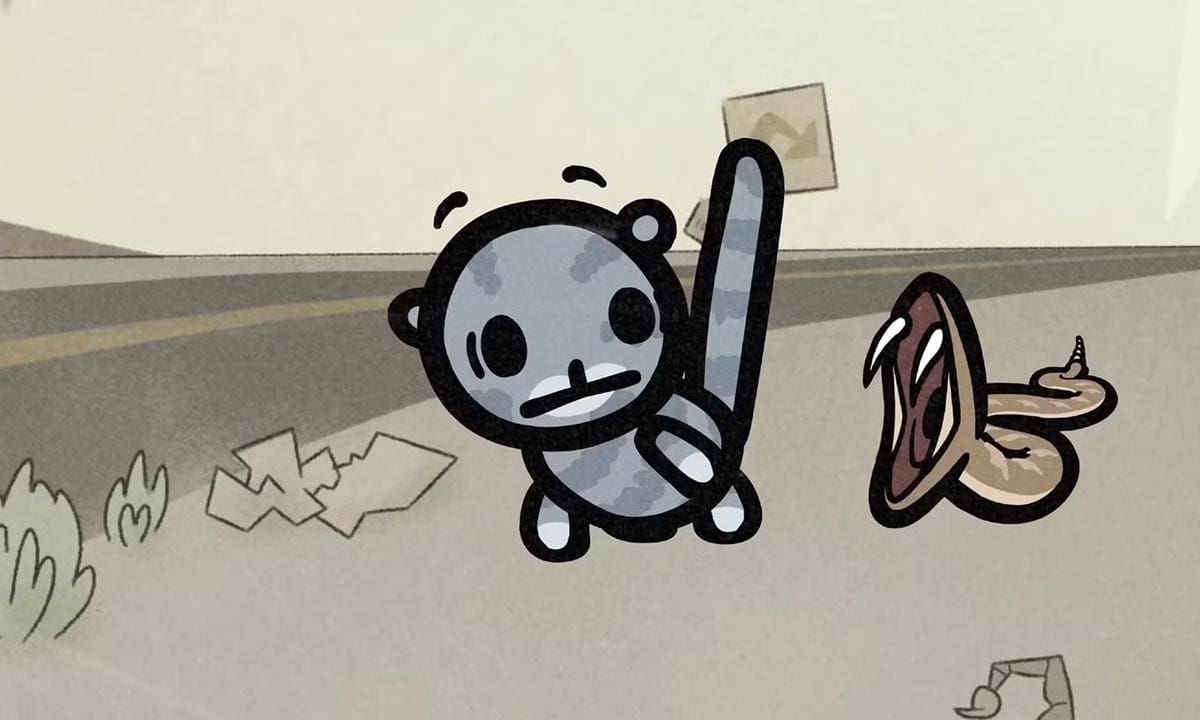
Mewgenics is not for the squeamish. It’s unpleasant in the way that co-creator Edmund McMillen’s other big roguelike, The Binding of Isaac, was unpleasant, boasting shock-value humor that’s been zapped in from the heyday of Flash animation. (Your cats can equip a colostomy bag that spawns little poop avatars, or a necklace of rat entrails.) Practically every run showers you with something you’ve never encountered before, from items to enemies to skills. So many roguelikes run on the thrill of discovering new systems and strategies, and Mewgenics unlocks an astonishing level of depth and variety through its mechanics. Like the best roguelikes, your discoveries feel seismic and game-breaking, as your necromancer fills the screen with an enormous number of leech companions or your thief refreshes a powerful, coin-powered attack because their passive ability earns them a coin whenever they do damage. Scaife
Mina the Hollower (Yacht Club Games)
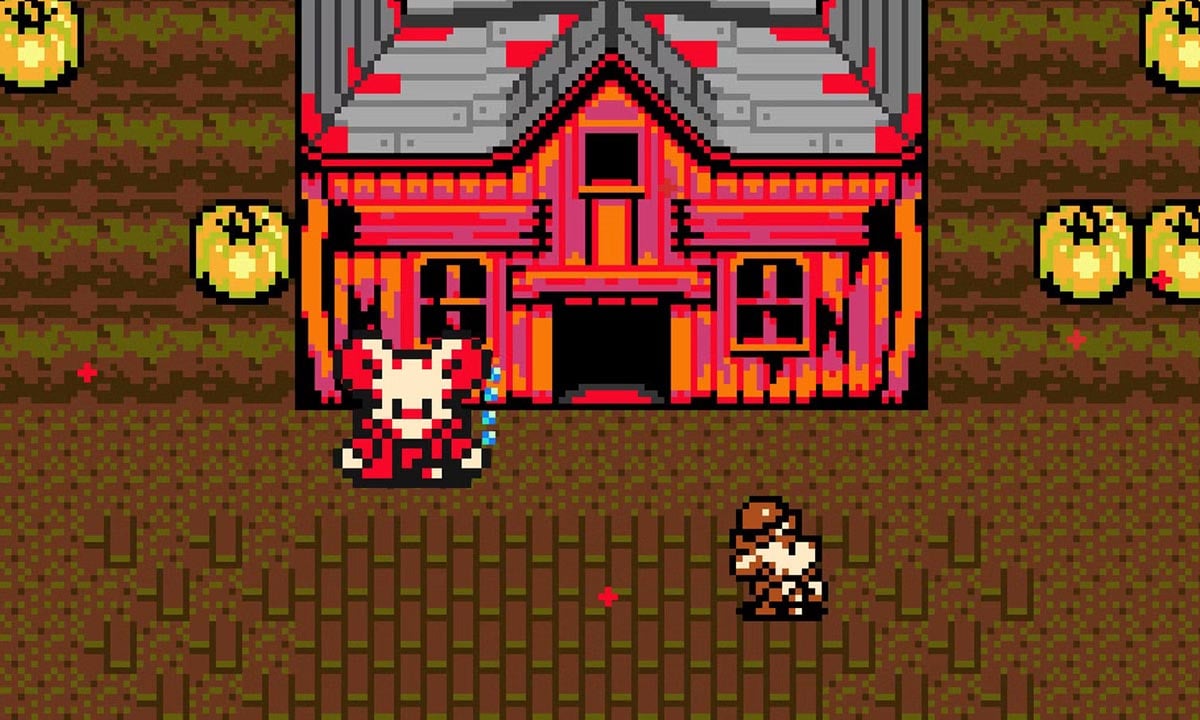
Yacht Club has pulled off something special in the way Mina the Hollower responds to your actions. You’ll figure out for yourself that hitting an arrow mid-flight will redirect it, and that electric damage only spreads as long as it hits water, and—hold on—did that knight just turn around because he heard my attack? Each little revelation is a delight, and together they add up to a game that’s surprisingly physical, systemic, and, because of this, remarkably believable. It all goes back to the magic trick that is Yacht Club’s raison d’être. It’s not that the simpler games of yore were really so much better than their modern, big-budget counterparts. Instead, the studio’s games are all about smuggling every ounce of modern design know-how into a deceptively simple retro-styled package. In this lineage, Mina the Hollower, in all its textured detail and ambitious expansiveness, counts as a new high-water mark. Mitchell Demorest
MIO: Memories in Orbit (Douze Dixièmes)
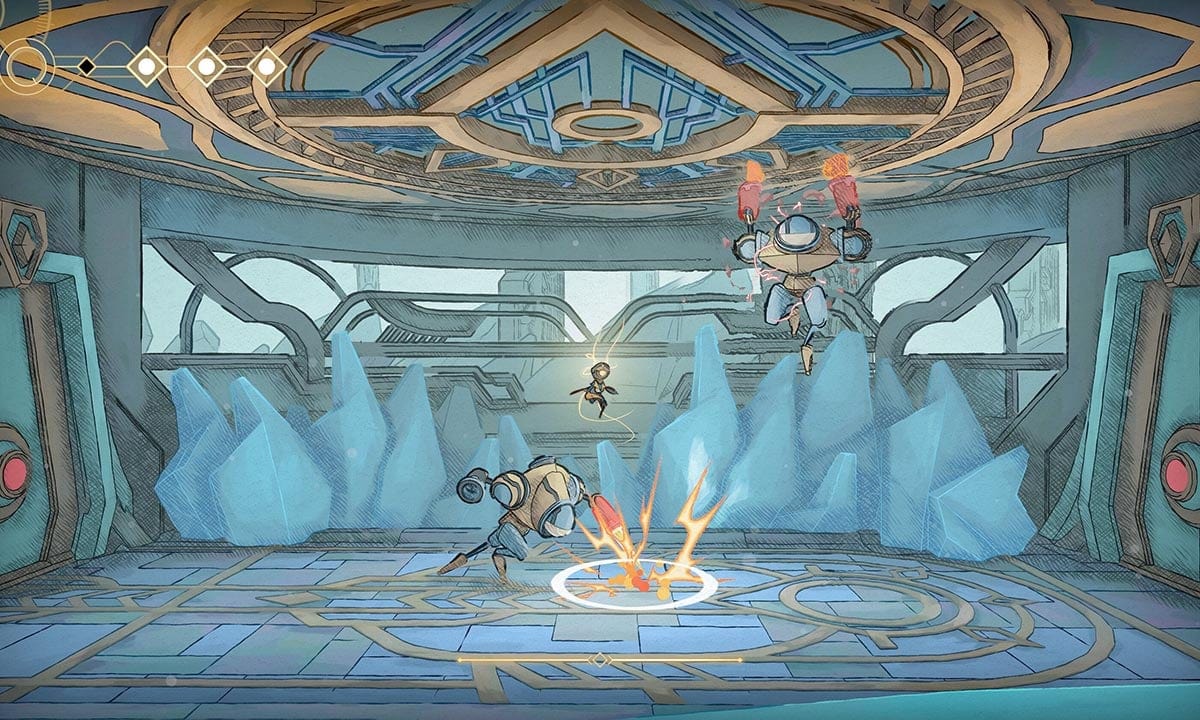
There’s an essential Beckettian energy to the Metroidvania MIO: Memories in Orbit. It’s in the way its massive environments work to exhaust Mio, a humanoid robot with golden tendrils for hair, as they search for salvation. Restoring The Vessel, a generational spaceship adrift in space and facing imminent shutdown, may seem initially hopeless, but having lain in ruins for so long, it’s begun to grow new life. Rich in thrilling platforming elements, MIO: Memories in Orbit is very much in the Hollow Knight mold, requiring you to clamber through the ruins of an ancient civilization with only the vaguest of directions. A map is filled in only when returning to a save point, and bosses brutalize you in unique ways, from an agile, scythe-armed robotic scarecrow to a floating turret that controls the weather. Aaron Riccio
Mixtape (Beethoven & Dinosaur)
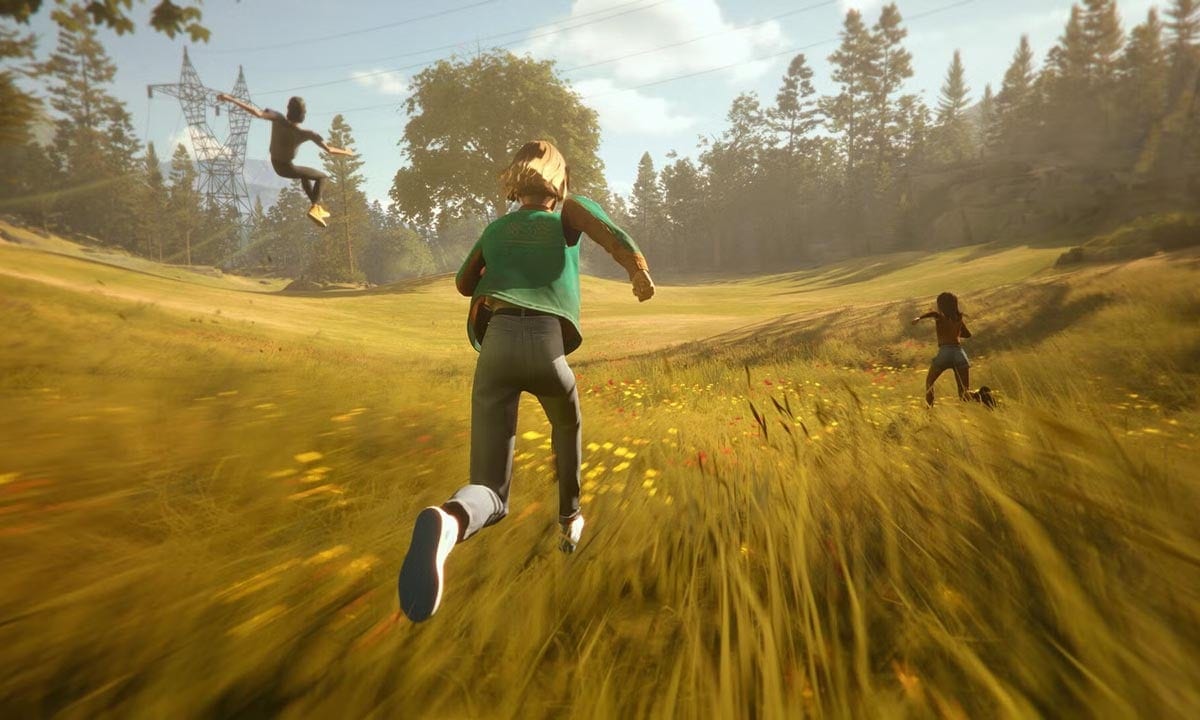
Beethoven & Dinosaur’s Mixtape is chasing a vibe. Stacy—a neurodivergent music nerd whose encyclopedic knowledge of post-punk alternative would make Rob Gordon worship the ground her weathered Converses walk on—knows how she wants her last day with her friends to go, programming the day the same way she crafts the perfect music mix to go with it. The developers make their intentions crystal clear later in the game, with Stacy likening life to an artist’s discography, and the memories that stick as “greatest hits.” Where Mixtape absolutely excels is turning those memories into fragmented sequences of interactive audiovisual revelry, not beholden to flatly retelling the mundane victories, failures, and oddities of Stacy’s life, but pumping them with all the interpretive fancy they can stand. Clark
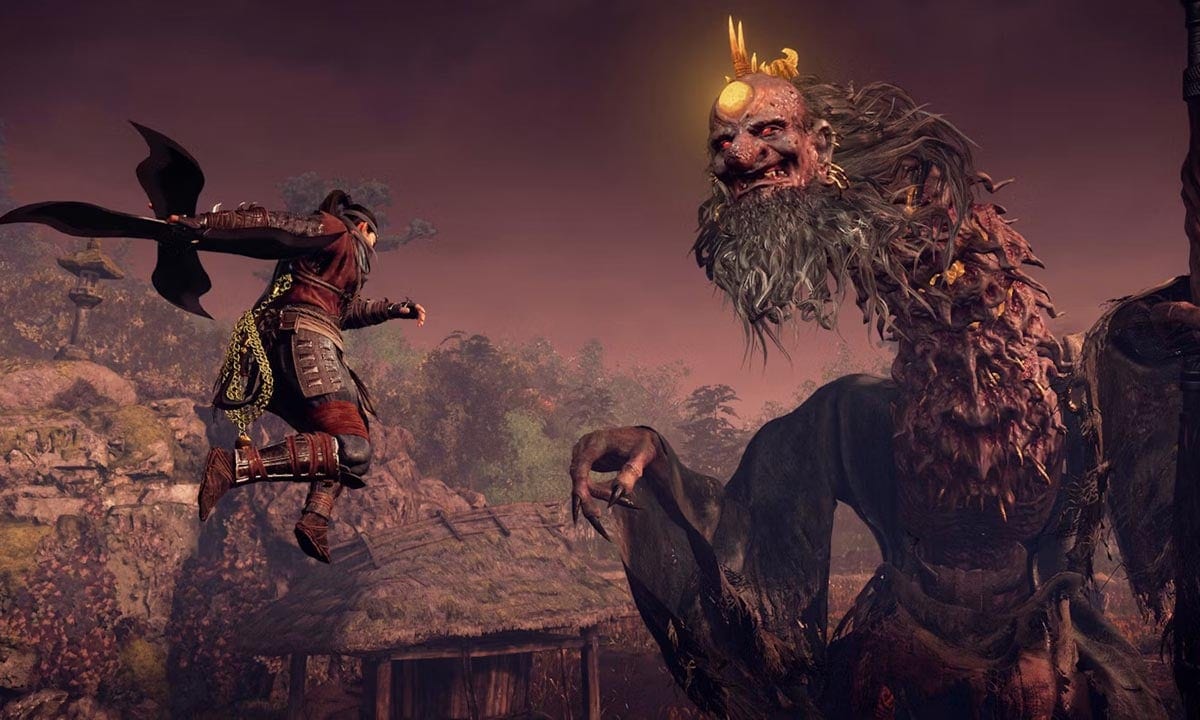
Nioh 3 (Team Ninja)
The main thing that sets Nioh 3 apart from other Nioh titles, Souls-likes, or pretty much any other RPG is its dual class system. Effectively, the game has you building two different classes at once, which you can swap between on the fly with the press of a button. But the enemies are also a real highlight. Like Nioh 3’s environments, these foes (most of which are based on Japanese yokai) are gnarled and grotesque. They often fight in ways that are reflective of their darkly cartoonish appearances. In a delightful twist, plenty of them are also rather silly, like the floating ghosts that fake you out with slow, exaggerated swoops and pirouettes, or the tiny demons with heads that grow so big they topple over when they attack. They can also be surprisingly intelligent, often cannily avoiding attacks and waiting out parries. Demorest

Pathologic 3 (Ice-Pick Lodge)
The Pathologic series has always demanded tolerance for a certain level of frustration because the payoff is so splendid, and in this regard, Pathologic 3 is no exception. Intricately plotted and atmospheric, the game’s great achievement is its reexamination of the series from a new perspective, with sweeping changes to the core that are as bold and ambitious as they are a totally natural extension of the new protagonist. It doesn’t match its predecessor’s level of tension, but in many ways it’s even more immersive and detailed. Not only does the Town-on-Gorkhon still make for one of the medium’s most transportive settings, but Daniil Dankovsky emerges as one of the medium’s richest protagonists. Scaife

Pragmata (Capcom)
Capcom might just be the last AAA publisher doing well enough that developing PS3-era “one for us” titles is still viable in 2026. And we’re not complaining, because the type of game that Pragmata represents is more than a little endangered: a single-player, feature-complete, narratively driven third-person shooter that trades bleeding-edge graphics for strong, used-future art direction, with an emotional hook that doesn’t insult the audience. Getting the most out of hero engineer Hugh’s ever-expanding arsenal means multi-tasking with getting lightning-fast with fully artificial Diana’s hacking minigame, and, somehow, the two mechanics don’t conflict. In the heat of the moment, fights against the creepy insectoid/humanoid robots feel like you’re playing as both of NieR Automata’s android protags at the same time. It should be a clunky mess. Instead, it’s satisfying for hours on end. Clark
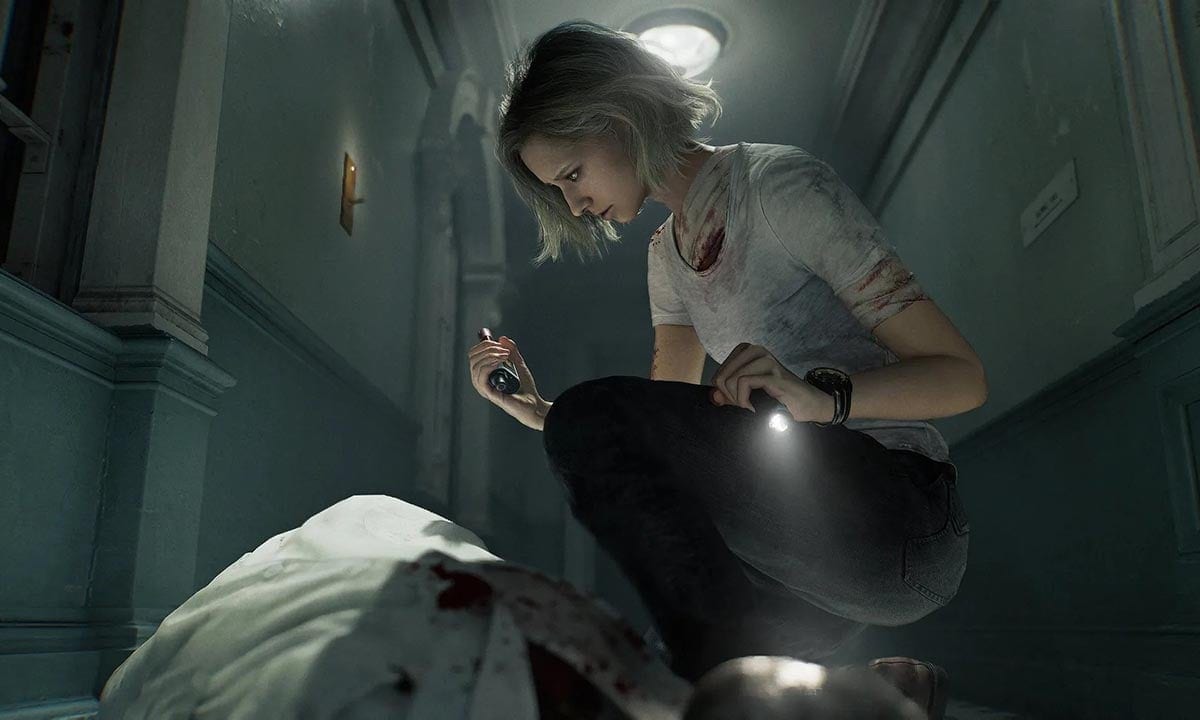
Resident Evil Requiem (Capcom)
The typical cycle for Resident Evil as a series has been to reinvent the wheel once a stretch of similar games has run its course. But after the level of creative success that the series has achieved in the last decade, Resident Evil Requiem sees Capcom taking a well-earned victory lap instead, as the game is a dual-track rollercoaster ride representing the sum total of lessons learned since Resident Evil 7: Biohazard turned Resident Evil on its ear. What has Capcom learned from this boom period, exactly? Balance. Requiem is scary without being traumatizing, silly without making its core threat feel less menacing, and inventive while still building on the principles that uphold the remakes and the Ethan Winters duology. Clark
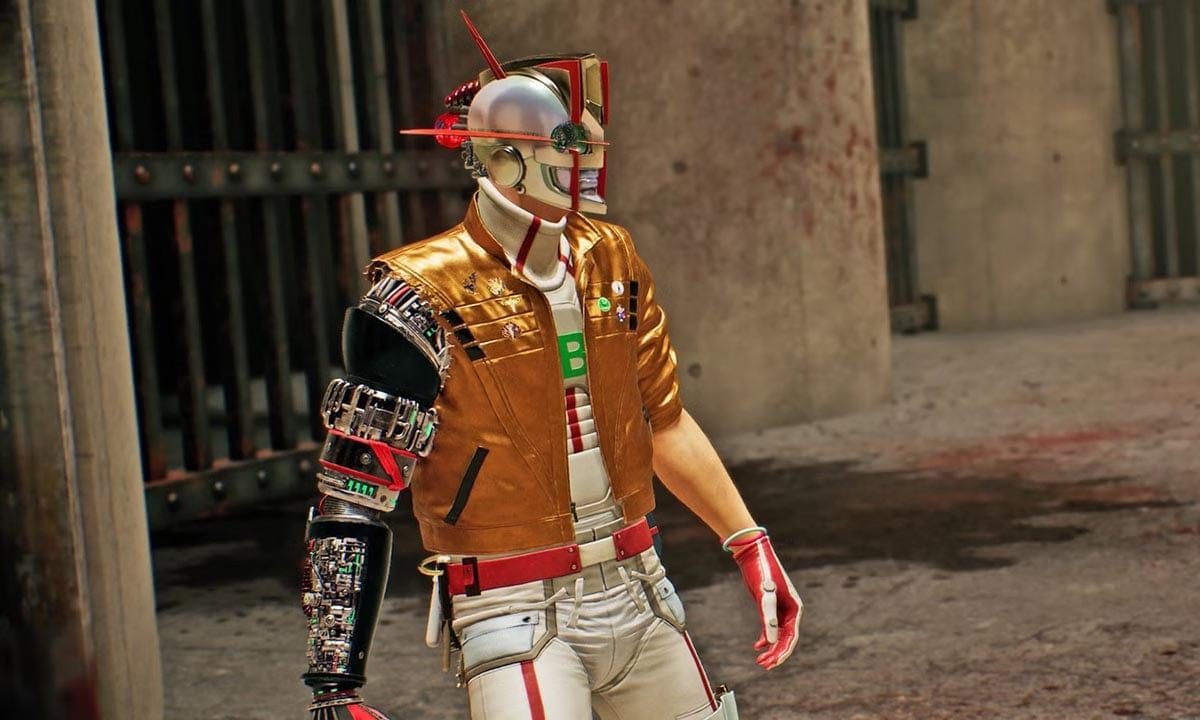
Romeo Is a Dead Man (Grasshopper Manufacture)
In the absurdist video games of Grasshopper Manufacture, death-obsessed even by the standards of their medium, eclecticism is the spice of life. Romeo Is a Dead Man takes that philosophy to another level. The game’s visual repertoire, expanding on Grasshopper’s history of multimedia collage aesthetics and pushing it further than ever before, offers a dizzying array of representations. This not only includes semi-realistic Unreal Engine models but also retro pixel art, kaleidoscopic psychedelia, diorama and sculpture photography, Western-style comic books and anime segments—all produced by a multitude of artists in multiple different styles. Romeo Is a Dead Man in all its multiplicity comes off as a meaningful evolution for Grasshopper, and the best game that it’s made since the heyday of No More Heroes. Eli Friedberg
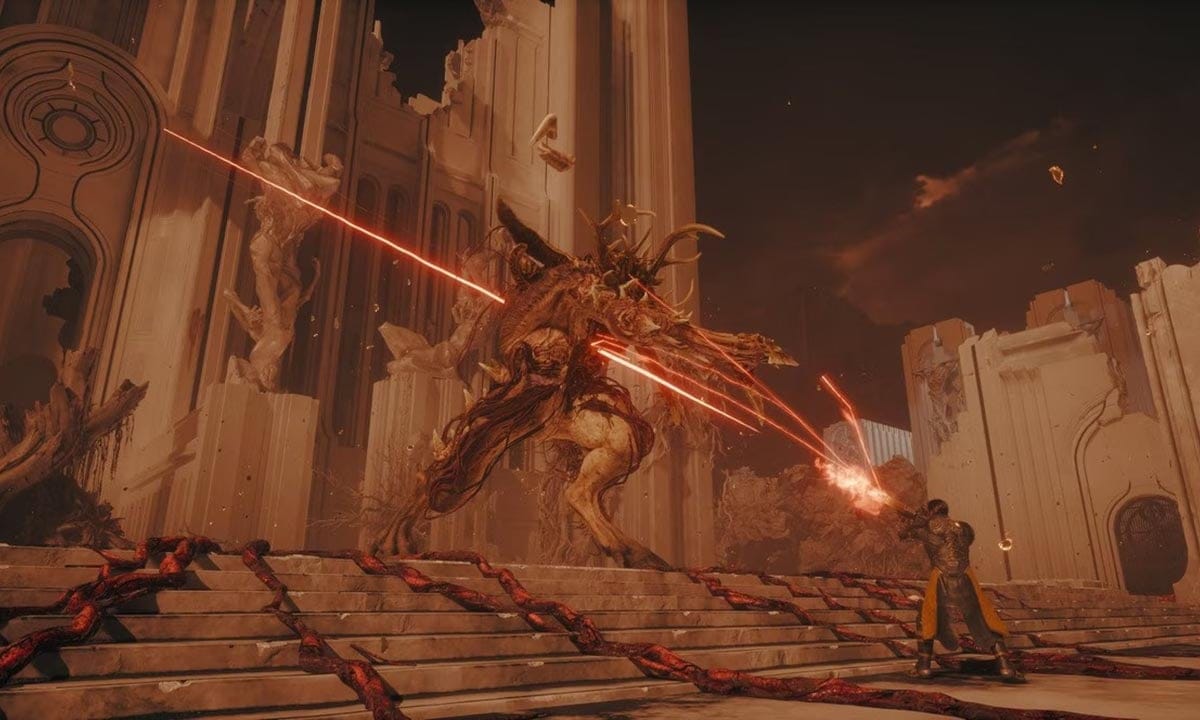
Saros (Housemarque)
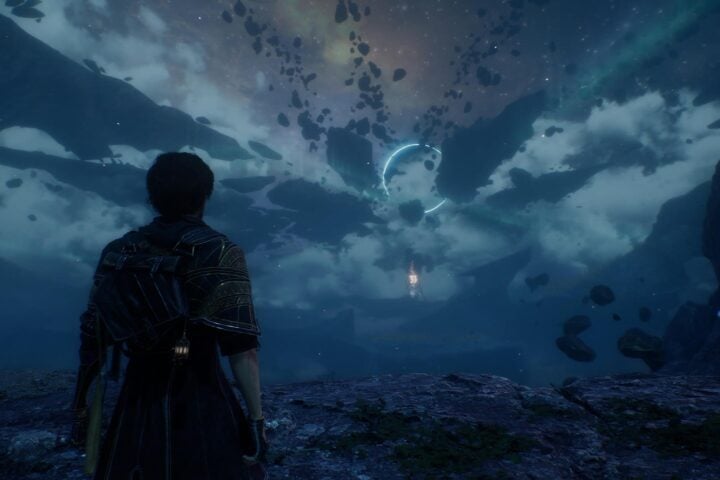
Saros is a perfectly tuned bullet hell of astonishing kineticism. Arjun Devraj sprints and dashes at breakneck velocity, flinging himself through the air with a grappling hook and finessing the hair’s-breadth gaps between the orbs launched at him by hostiles. For all the frenzy of the shootouts, though, Arjun must be handled with care, as urging him forward too fiercely can easily hurtle him off ledges and into chasms. His equipment is similarly sensitive—a half-press on the left trigger unlocks a different mode of fire, while a full press unleashes his most explosive tools—and his tactility and agility are transportive. He’s poetry in motion. Sultan

Titanium Court (AP Thomson)
Titanium Court begins with a stroll in the woods that quickly goes south. Our unnamed protagonist wanders into an ethereal castle, whose faerie court immediately coronates her. It must be a prank, right? What else could explain Her Majesty’s nonsensical ascent, the mischievous absurdity of her new subjects, and the fact that she can’t seem to open the keep’s front gate and go home? “There is no single conspiratorial joke,” says the queen’s steward. “There are just scattered chuckles, like wind rustling the leaves.” An impish sense of humor blows through this game that prompts reflection on what it means to live, to die, and to play in the interim. Built with the trappings of the roguelite genre, that treadmill designed to keep you running forever, AP Thomson’s game proves to be an anti-roguelite. Sultan
Wax Heads (Patattie Games)
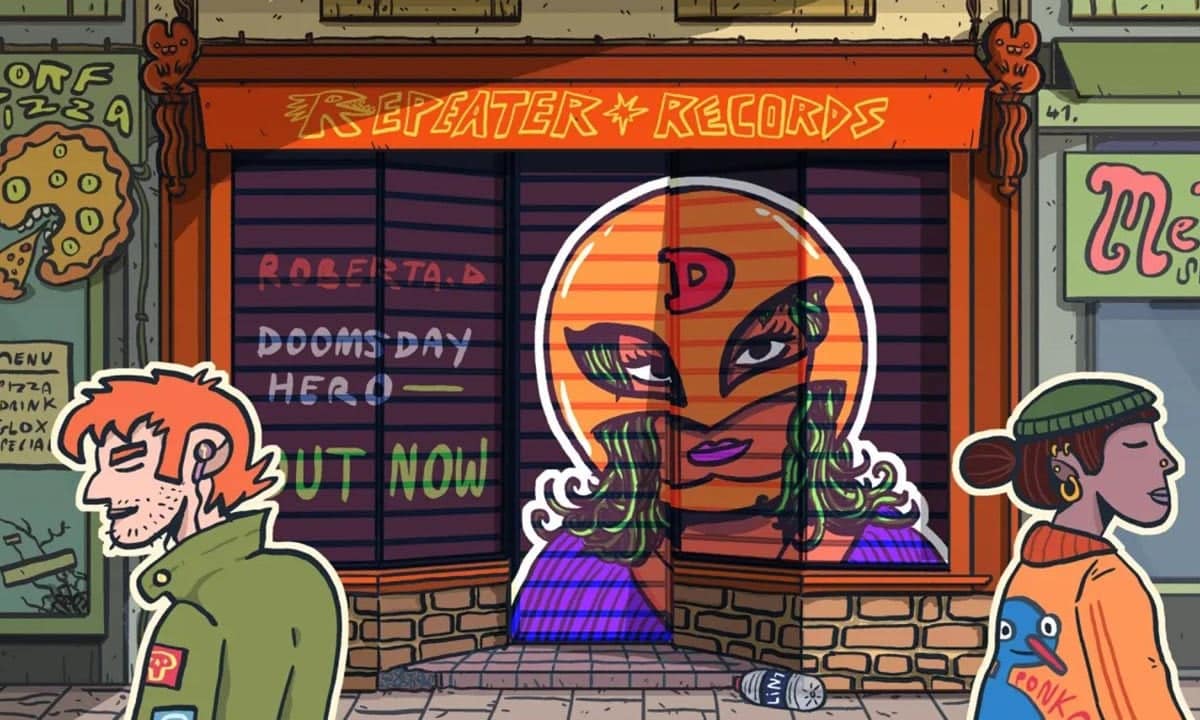
The nitty gritty of working at Repeater Records is made thrillingly playable throughout Wax Heads, and there’s not an ounce of dead air on any of its tracks (the game’s label for each new day). Between customers, you can click through the store’s rooms of stacks, browse social posts on Phonogram, use the jukebox to broadcast original tracks, and read local anti-capitalist zines and music blogs. The game’s world expands as you go about your duties, so while initial customer requests in the Side A chapter are limited to one of a dozen albums, by Side E, you’ll have to satisfy multi-album requests from over 30 albums displayed across four floors. Wax Heads ultimately shares the same central conflict as Empire Records, in which an independent shop is at risk of being bought up by a soulless corporation, but the interactive elements of this game really emphasize just how much there is to lose beyond one’s job. Riccio
Vampire Crawlers (poncle and Nosebleed Interactive)
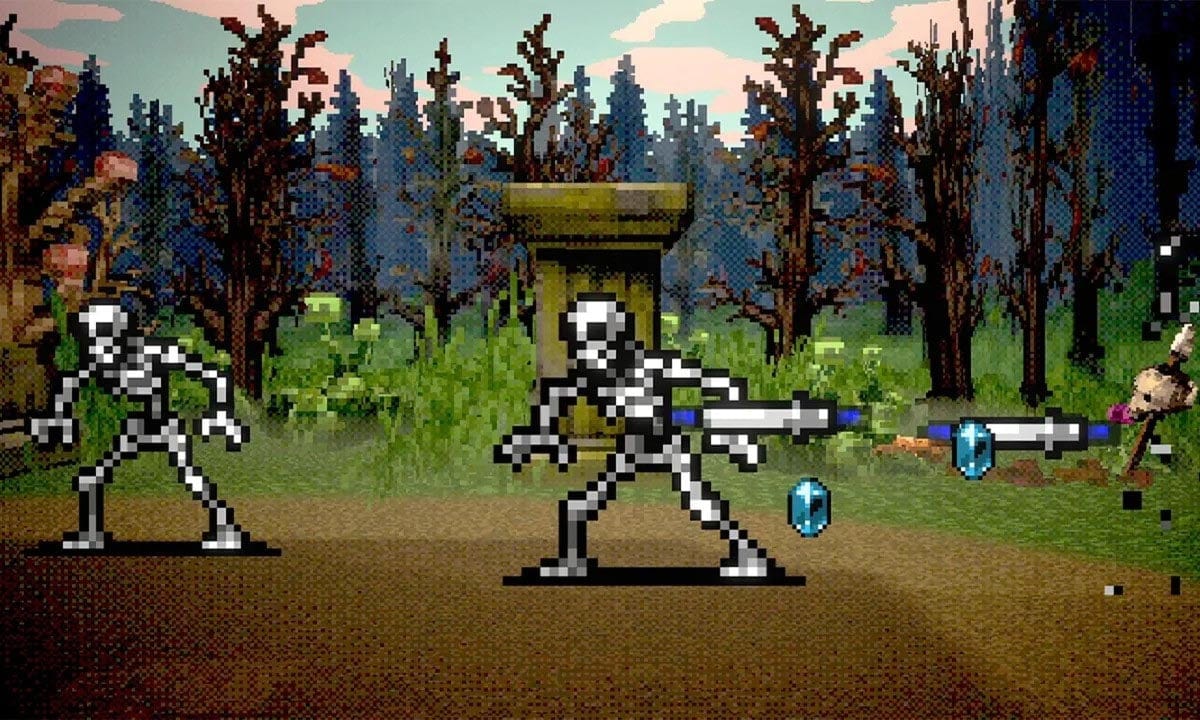
Every time we think we’re going to be finally released from the spell of Vampire Survivors, something new comes along that rejuvenates the game. It’s safe to say that no one expected the game to completely spinoff into roguelite deck-builder territory, because, on paper, how would that even work? Turns out that the results are more elegant than one might imagine. All of Vampire Survivors’s mechanics are present in Vampire Crawlers, now adapted to a first-person perspective. Oh, and with the added, turn-based layer of strategy where players use cards with all of the earlier game’s power-ups to attack, and think four or five moves ahead to reach the loot they desire, and still have the right cards to tackle the more resilient enemies to come. Vampire Survivors was never truly mindless for a bullet-heaven experience, which makes it all the more impressive for just how much more Vampire Crawlers engages our brains. Clark
Since 2001, we've brought you uncompromising, candid takes on the world of film, music, television, video games, theater, and more. Independently owned and operated publications like Slant have been hit hard in recent years, but we’re committed to keeping our content free and accessible—meaning no paywalls or fees.
If you like what we do, please consider subscribing to our Patreon or making a donation.