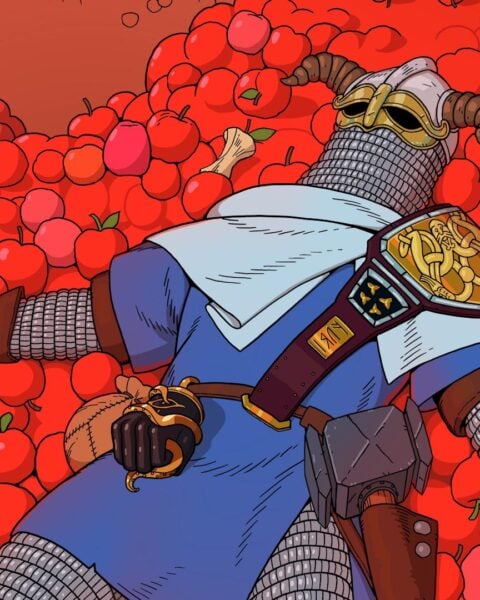
It stands apart from its contemporaries for relying heavily on audio over visual cues.
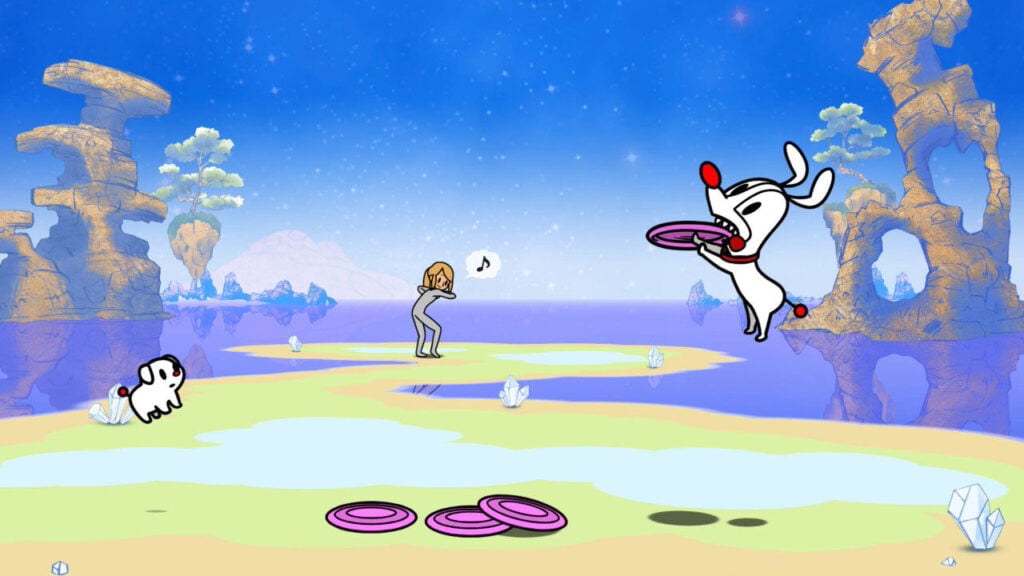

It stands apart from its contemporaries for relying heavily on audio over visual cues.

Even when the narrative fails to drive the plot, the game’s well-designed room-escape puzzles pick up the slack.
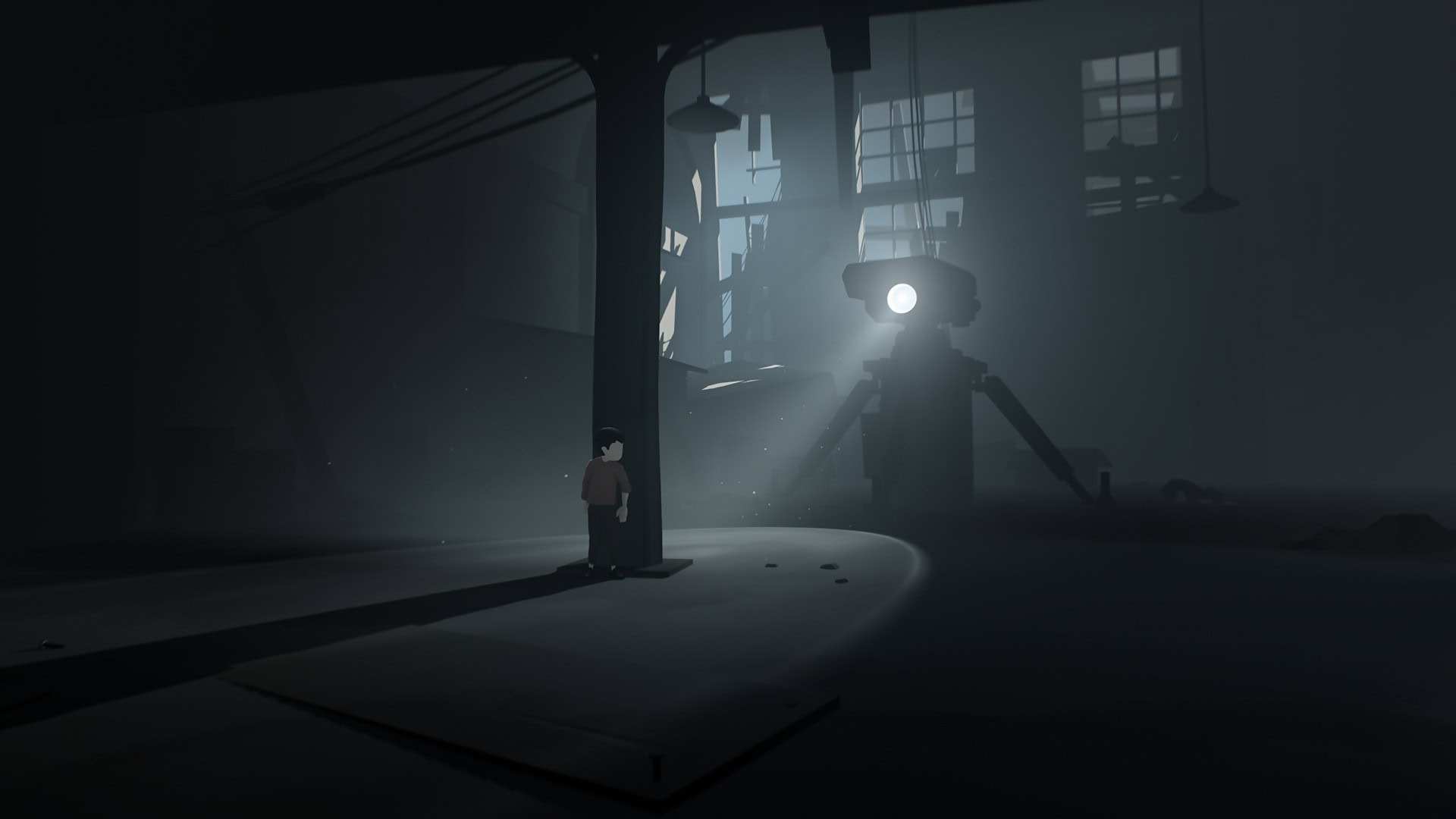
Like Limbo before it, Playdead’s Inside is one of the few video games that reaches the level of allegory.

The tiring exposition of the writing and the lack of visual coherence to the storytelling are obvious from the start.

The latest from Insomniac Games is particularly polished when it comes to the variety of its puzzles.

What game adds to the Lego video game formula is a few drops of proper modern gameplay mechanics.
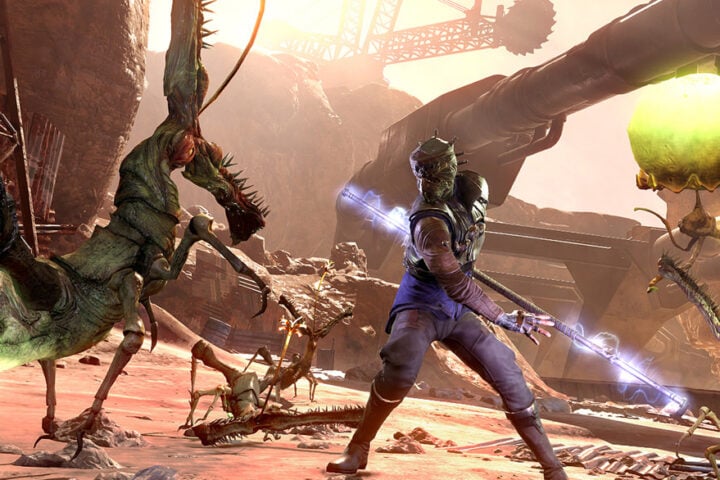
The developer’s ambition to make a triple-A title without the resources of a larger studio gets the better of them.

Any potential for excitement is squandered by the fact that the zombies you encounter are typically unthreatening.

It might boast a roster of wannabe pop idols, but the battle system is the real star of the show.

By the fifth of the six main zones, the game becomes a dull gauntlet of repetitive mini-bosses.

It’s like a giant schoolyard playground, in which players can freely explore and make their own adventures.

The developers veer beyond the cartoonish nature of the TMNT television series and straight into the absurd.

Players who manage to get past the technical issues will find themselves saddled with a generic, emotionless game.

It’s a gorgeous, gruesome beauty, but only inches removed from shooter conventions 15 years past their prime.

It articulates a horrific but heroic myth underneath the clothes of a traditional platformer and beat-’em-up.
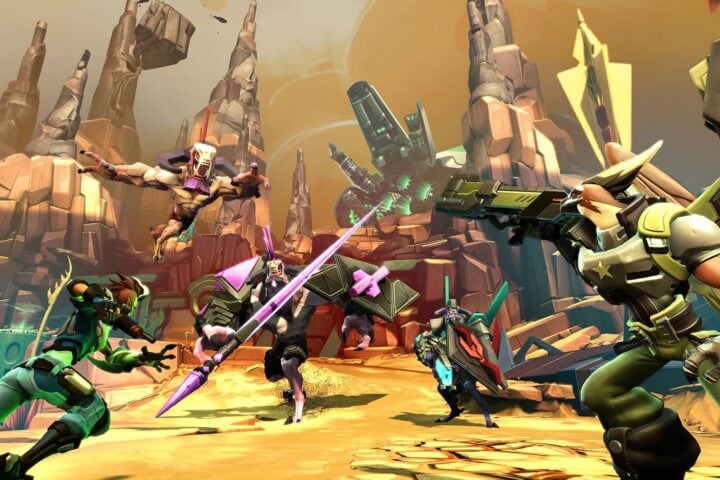
There may be a good game buried under Gearbox Software’s first attempt at a MOBA, but too many of its systems are developmentally in their infancy.
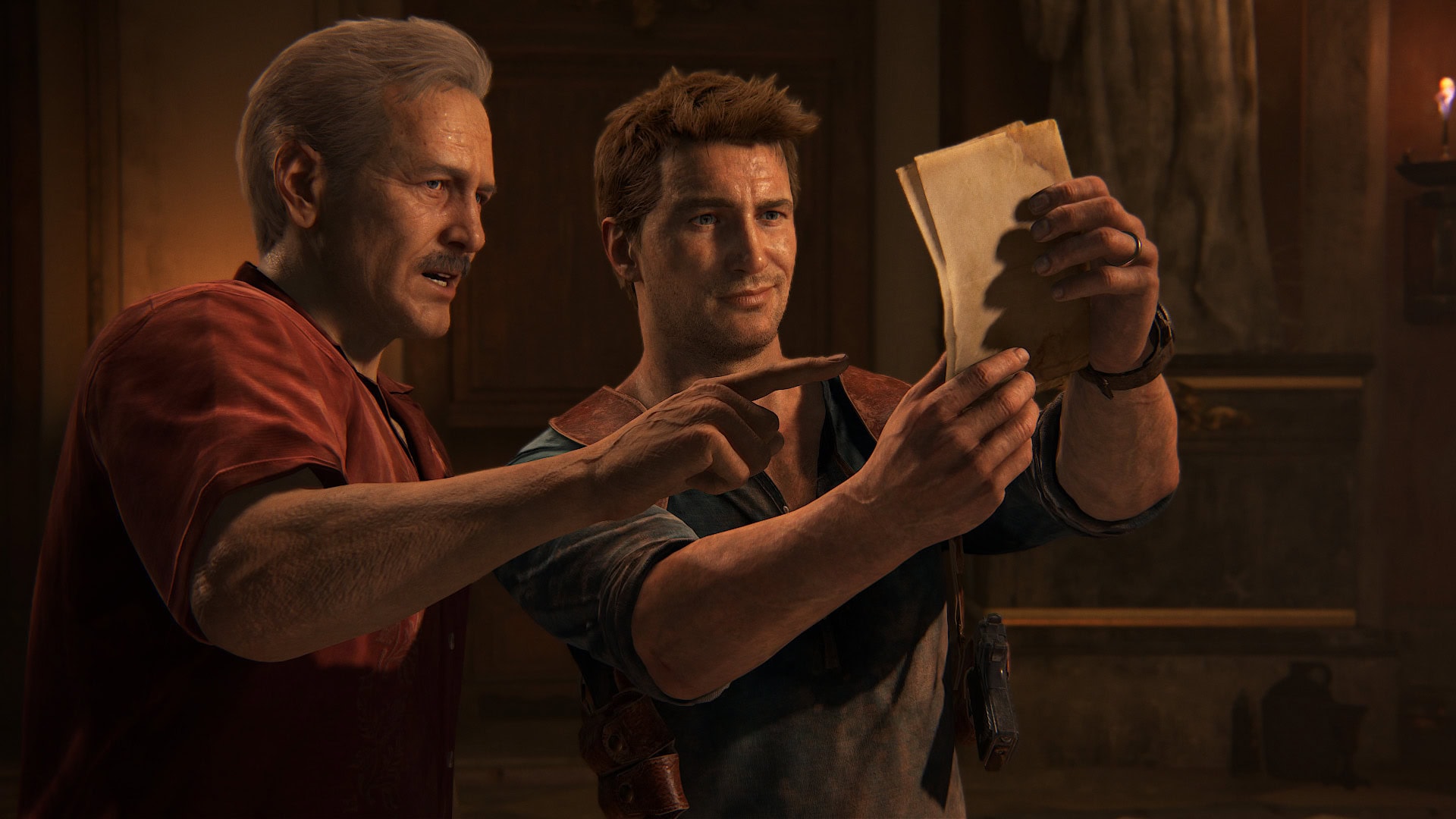
Nathan Drake’s quest in Uncharted 4 successfully bridges the uncanny valley between adventure game, action movie, and real-world exploration.

Just as the game isn’t content to rest on clichéd gameplay conventions, neither does it lean on stereotypical villains.

The game is almost literally built for those who, as kids, couldn’t help playing with their food.

The game gets lost in metonymy, the act of substituting a label for something of a real substance or meaning.

Even with as much mayhem as the game brings to the table, it never forgets to make itself accessible and welcoming.