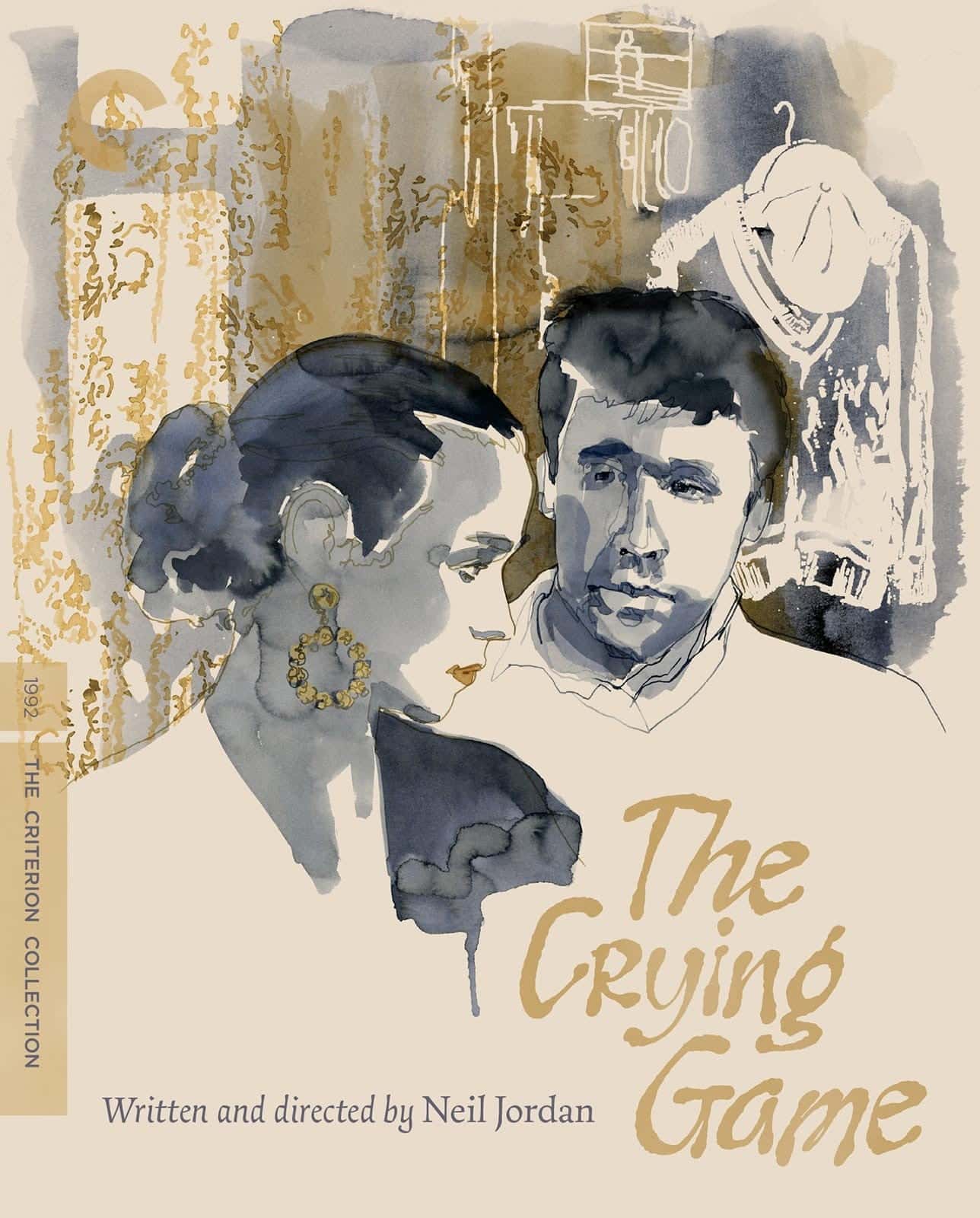
 Mostly remembered for its plot twist, Neil Jordan’s The Crying Game is marked by a deep sense of empathy. Its narrative structure, with a startling shift in perspective following the death of British soldier Jody (Forest Whitaker) one-third of the way through, is reminiscent of Alfred Hitchcock’s Psycho. And while the shift yokes us to the perspective of the man’s victimizer, I.R.A. member Fergus (Stephen Rea), it’s as if Jody’s overwhelming sense of compassion is transferred to Fergus.
Jordan meticulously underscores the emotional similarities between the two men throughout the few days they spend together. Fergus’s sensitivity toward Jody not only sharply contrasts the callous, all-business pragmatism of his terrorist partners, Jude (Miranda Richardson) and Maguire (Adrian Dunbar), but marks him as a man who’s open to learning how to commiserate and confide in someone he’s been taught to hate.
When Fergus follows through with Jody’s last request to look after his girlfriend, Dil (Jaye Davidson), he’s unknowingly thrust into a situation that tests his newly fortified magnanimity. Indeed, the realization that Dil is a trans woman is a confounding moment to Fergus. And the remainder of the film is, rather refreshingly, fixated on showing the vulnerability and humanity of two kinds of people who in the cinema of the early 1990s primarily existed on screen to be gleefully or tragically killed off. The film is the story of unexpected love, made possible here because Jody helps Fergus to get in touch with his ability to empathize with others.
If The Crying Game lacks the vocabulary to explore the trans experience in as enlightened a manner as filmmakers do today, it still remains striking in its underplaying of the importance of Dil’s gender identity and Fergus’s sexual identity. Sure, Fergus is somewhat conflicted, but Jordan and the film aren’t when it comes to presenting the two characters’ love for one another as trumping all of the mental and physical barriers between them. Outside of the films released in the New Queer Cinema movement that was in full swing in 1992, few films addressed these topics with as much nuance, tenderness, and sympathy as The Crying Game.
Image/Sound
Criterion’s transfer of a new 4K digital restoration from the original 35mm camera negative presents exquisite detail throughout. Black levels are solid in the nighttime scenes, the grain is well preserved, and skin tones are naturalistic. On the audio front, the dialogue is clean and clear, while the mix brings resounding depth to the rare moments of action and violence.
Extras
In a commentary track from 2005, Neil Jordan discusses the influence of Nicholas Ray on his work, The Crying Game’s themes, and growing up and working in a place like Ireland where film culture scarcely flourished. In a newly recorded interview, Jordan expounds on his early career, from his introduction to cinema to his start as a writer and meeting and working with Stephen Rea. Also appearing in a new interview, Rea talks about growing up in Belfast and the genesis of The Crying Game and its essential Irishness. We also get a making-of doc from 2005 that focuses mostly on the film’s funding, production, and marketing challenges, an alternate ending with optional commentary from Jordan, and a booklet with a pair of insightful essays by film critics Tasha Robinson and Willow Catelyn Maclay that tease out the film’s examination of identity and desire, as well as herald its nuanced portrait of transness.
Overall
Neil Jordan’s landmark film is a strikingly humane and insightful examination of two troubled souls navigating the physical, social, and racial barriers that stand between them.
Since 2001, we've brought you uncompromising, candid takes on the world of film, music, television, video games, theater, and more. Independently owned and operated publications like Slant have been hit hard in recent years, but we’re committed to keeping our content free and accessible—meaning no paywalls or fees.
If you like what we do, please consider subscribing to our Patreon or making a donation.