It stands apart from its contemporaries for relying heavily on audio over visual cues.
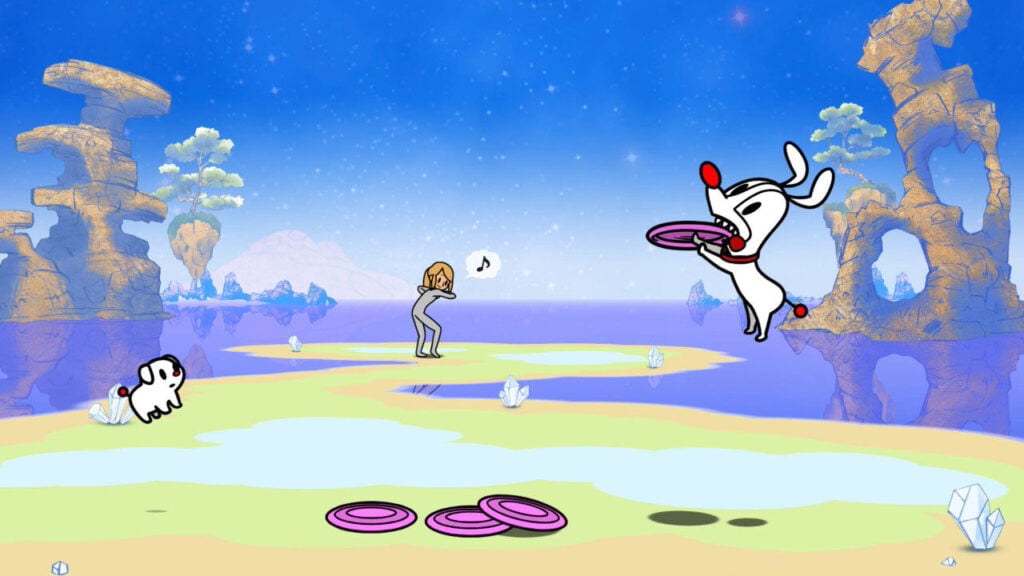

It stands apart from its contemporaries for relying heavily on audio over visual cues.
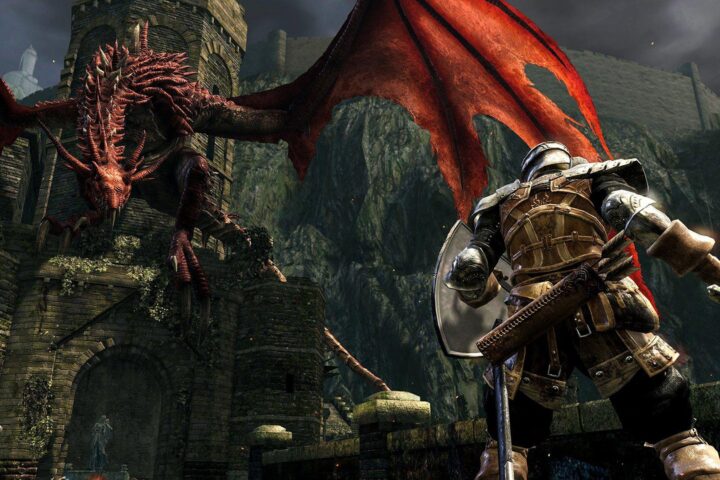
Dark Souls Remastered shows that just as the extra visual definition giveth, it also taketh away.
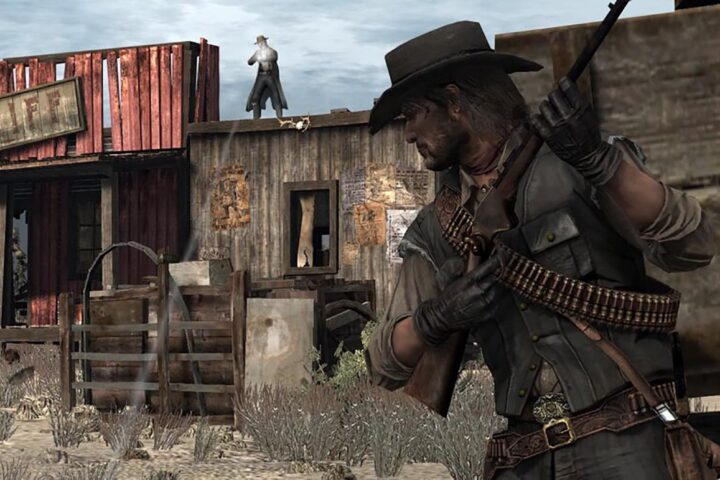
Four years ago—a lifetime in the world of video games—Slant published its list of the 100 Greatest Video Games of All Time.

It’s electrifying in how it goes out of its way to ensure that you’re constantly in the middle of nail-biting action.

Rather than going for size in the character roster, Dontnod might have done better to shoot for complexity.

The various forms of Street Fighter II are indisputably the main historical attraction of this collection.
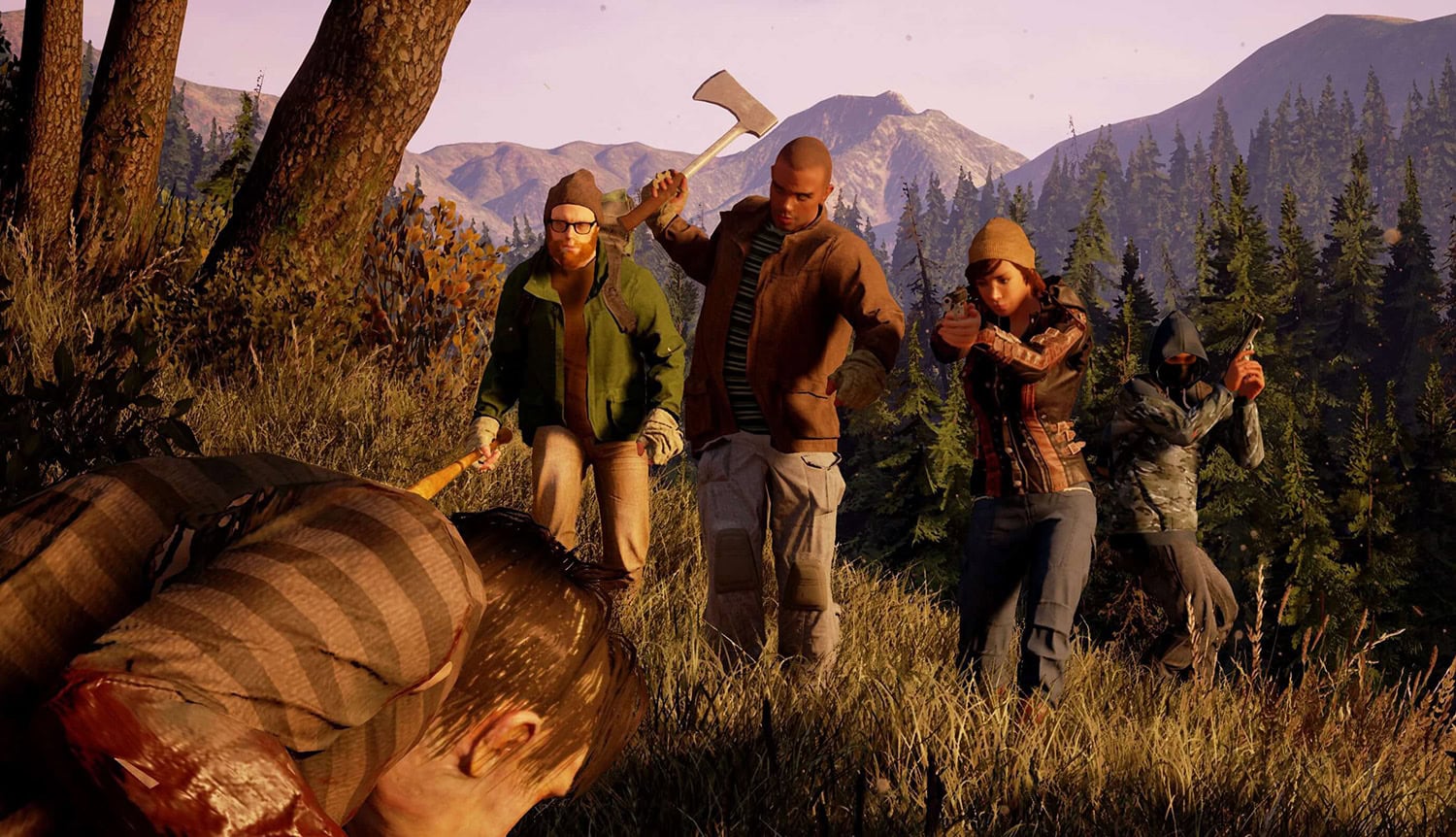
State of Decay 2 doesn’t even bother to make it seem like its characters even want to be alive in the world.

It bares itself emotionally but shines a harsh, unflattering light on David Cage’s deficiencies as a storyteller.
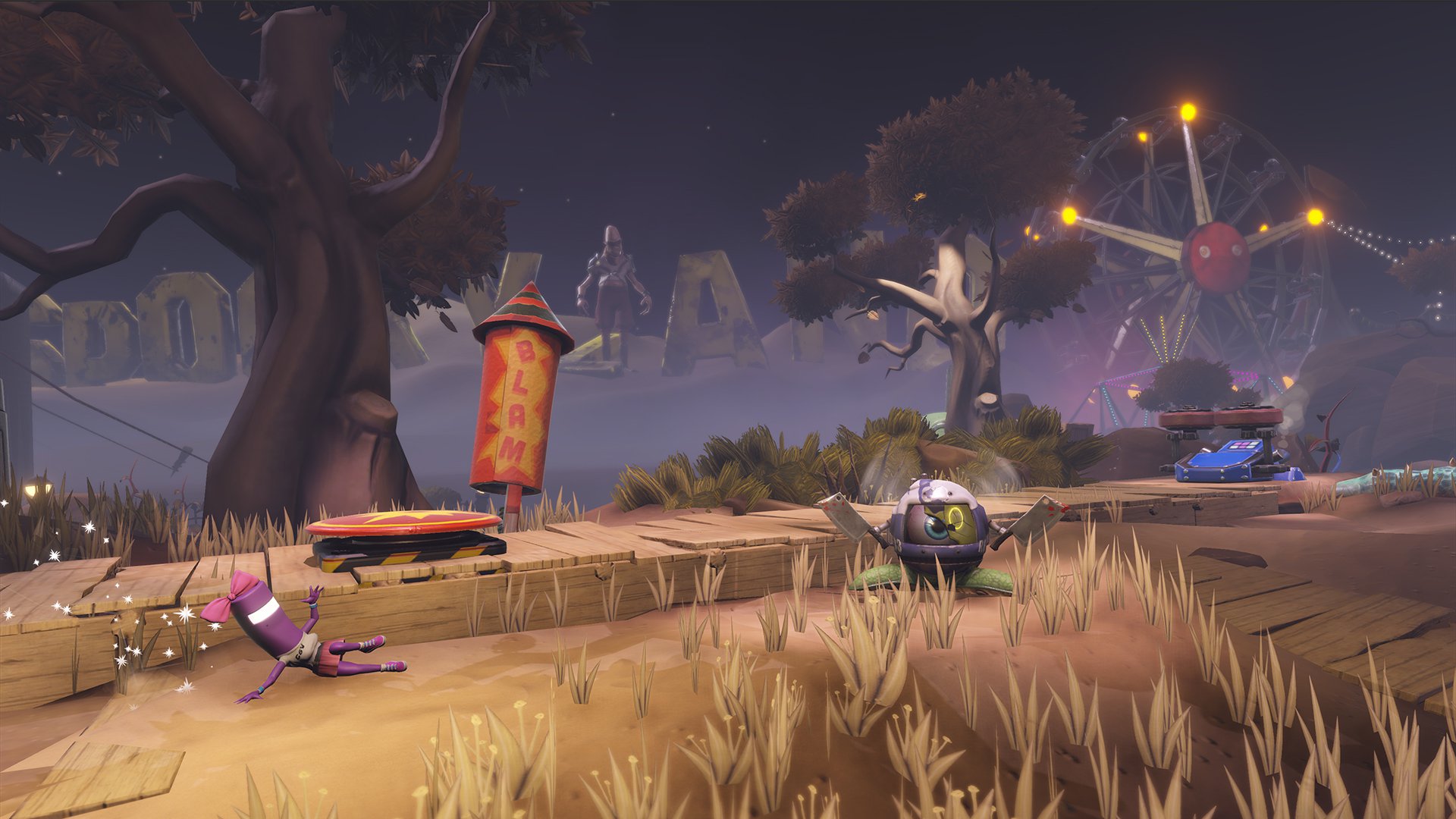
Although its absurdist comedy would certainly allow for it, the game never actually throws a kitchen sink at players.

The game takes so much more than it gives, forgetting that a journey isn’t simply about the means of travel.

More than just a faithful recreation of an old subgenre, its greatest strength lies in its impeccable writing.

This game would still be hard to fall in love with if it didn’t absolutely assault the laws of human physics.
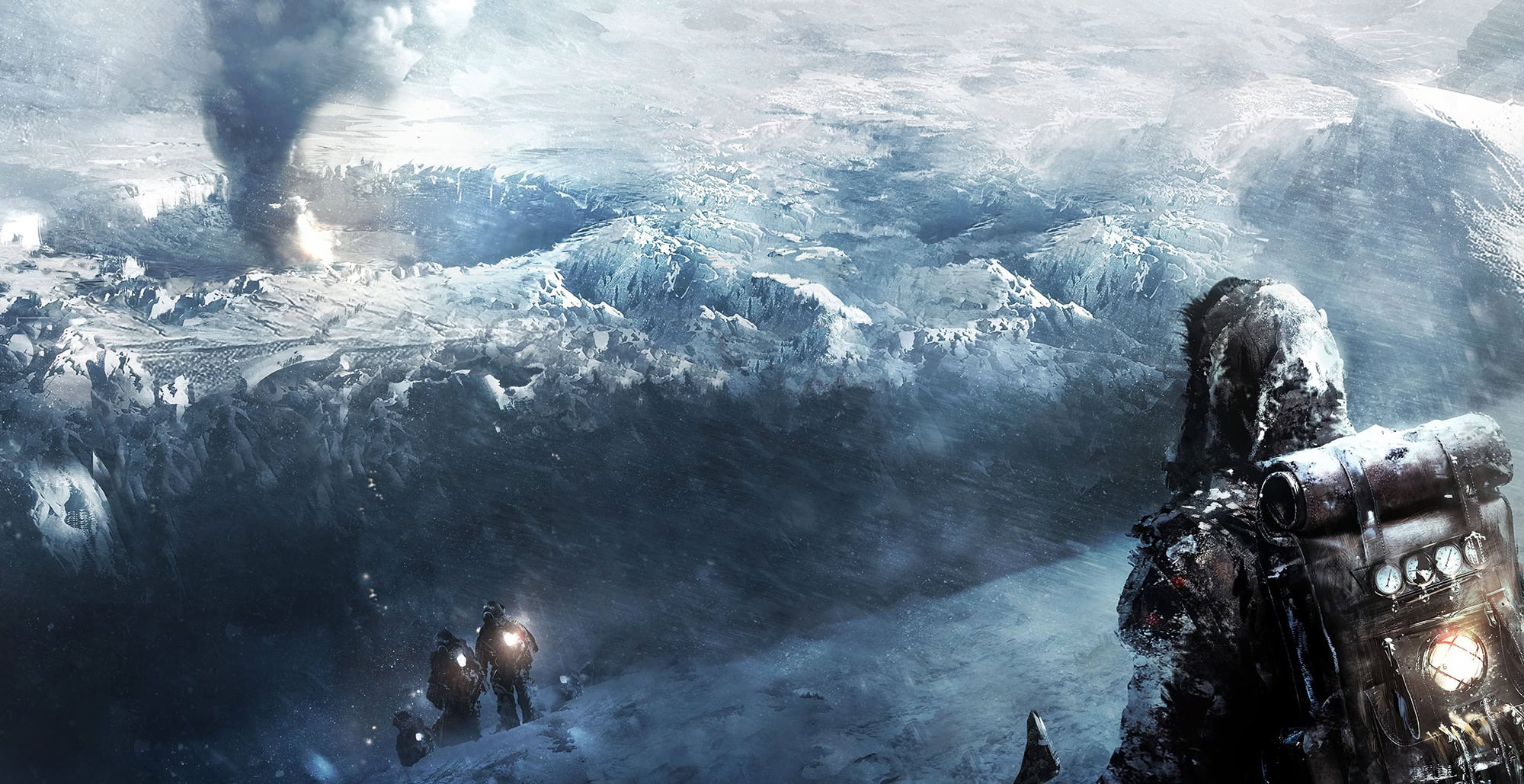
It pushes back hard against the sort of easy dominance over people so common to city-building games.

God of War doesn’t so much suggest its ready-to-rumble predecessors as it does a more forgiving Dark Souls.
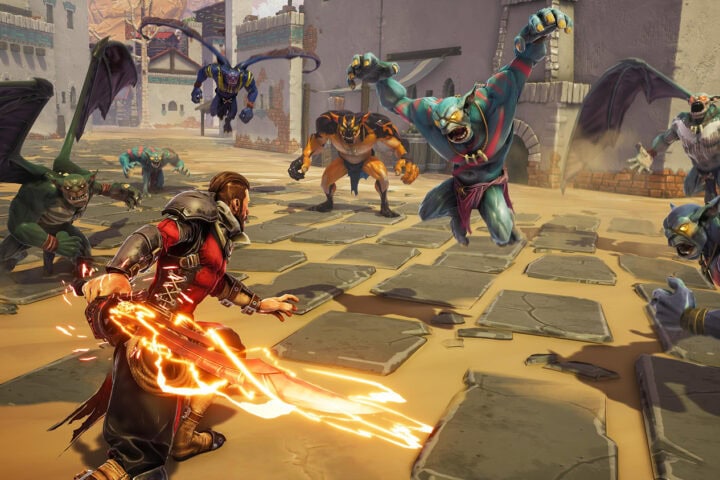
Extinction compensates for a lack of variety by treating every minor detail as a momentous occasion.
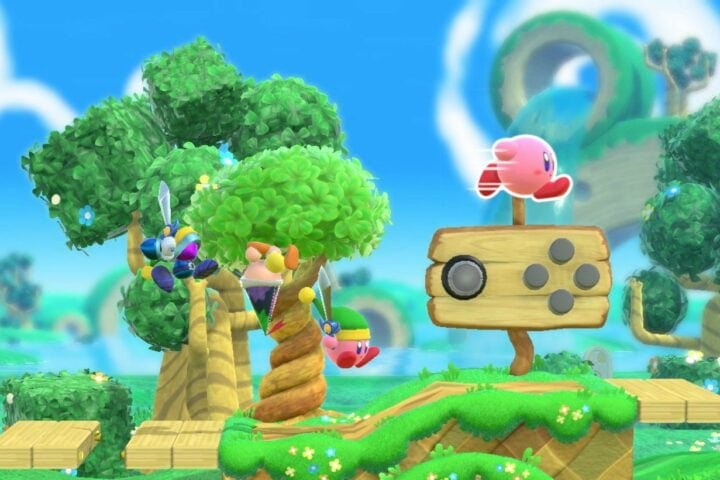
Kirby’s powers are diluted when spread out across four players, yielding a more carefree experience.

U.K.-based developer Rare has crafted an experience that’s as wide as an ocean but only as deep as a puddle.
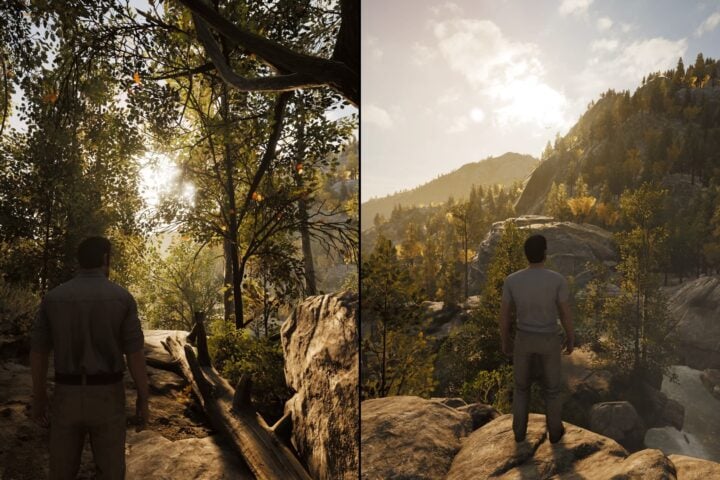
Following the lead of Brothers: A Tale of Two Sons, the game builds toward an incredibly sobering conclusion.
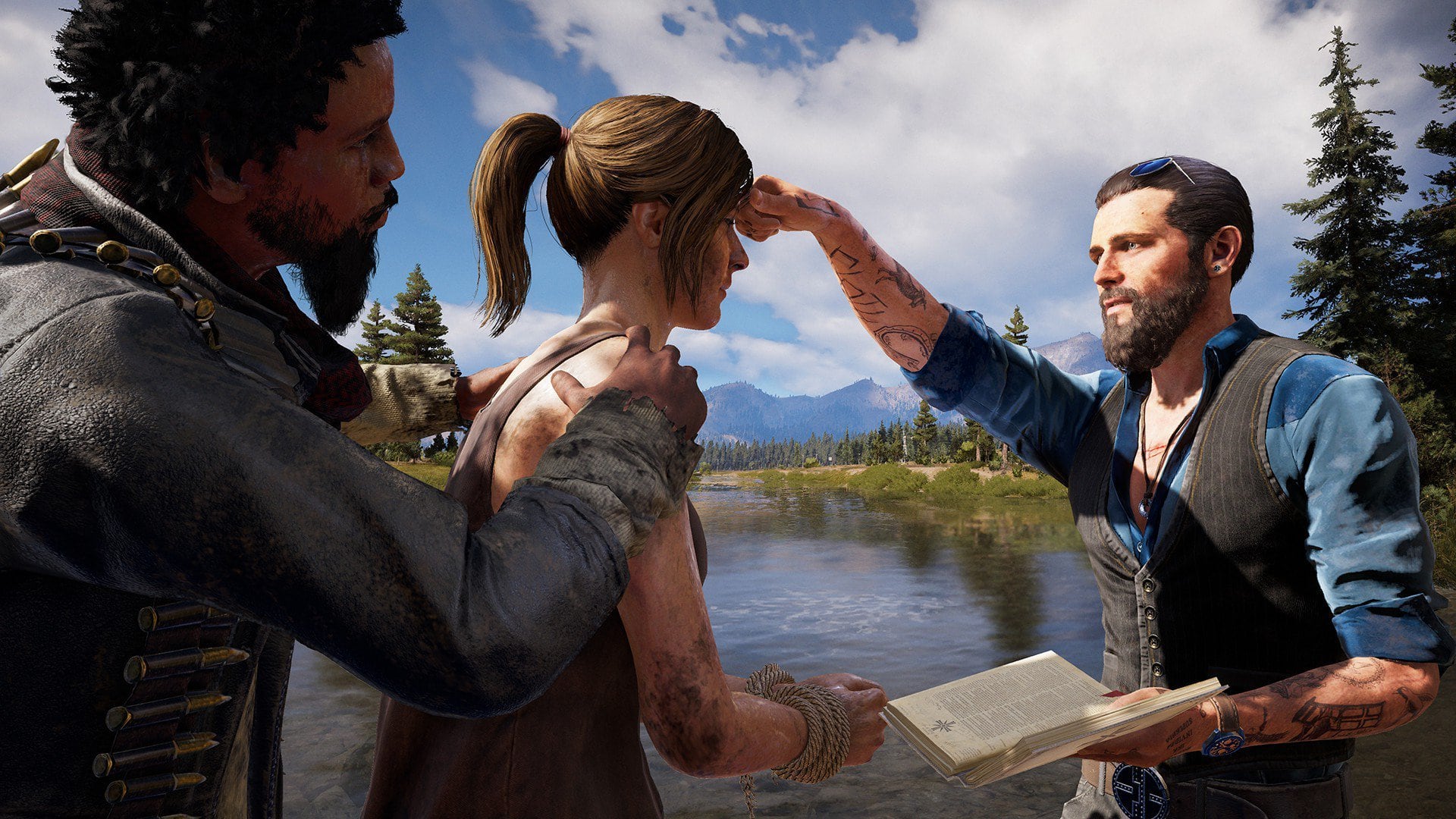
With this entry, the Far Cry series has suddenly decided to crib story ideas from real American nightmares.

Attack on Titan 2 gives profound insight to every second of a grueling struggle against humanity’s extinction.
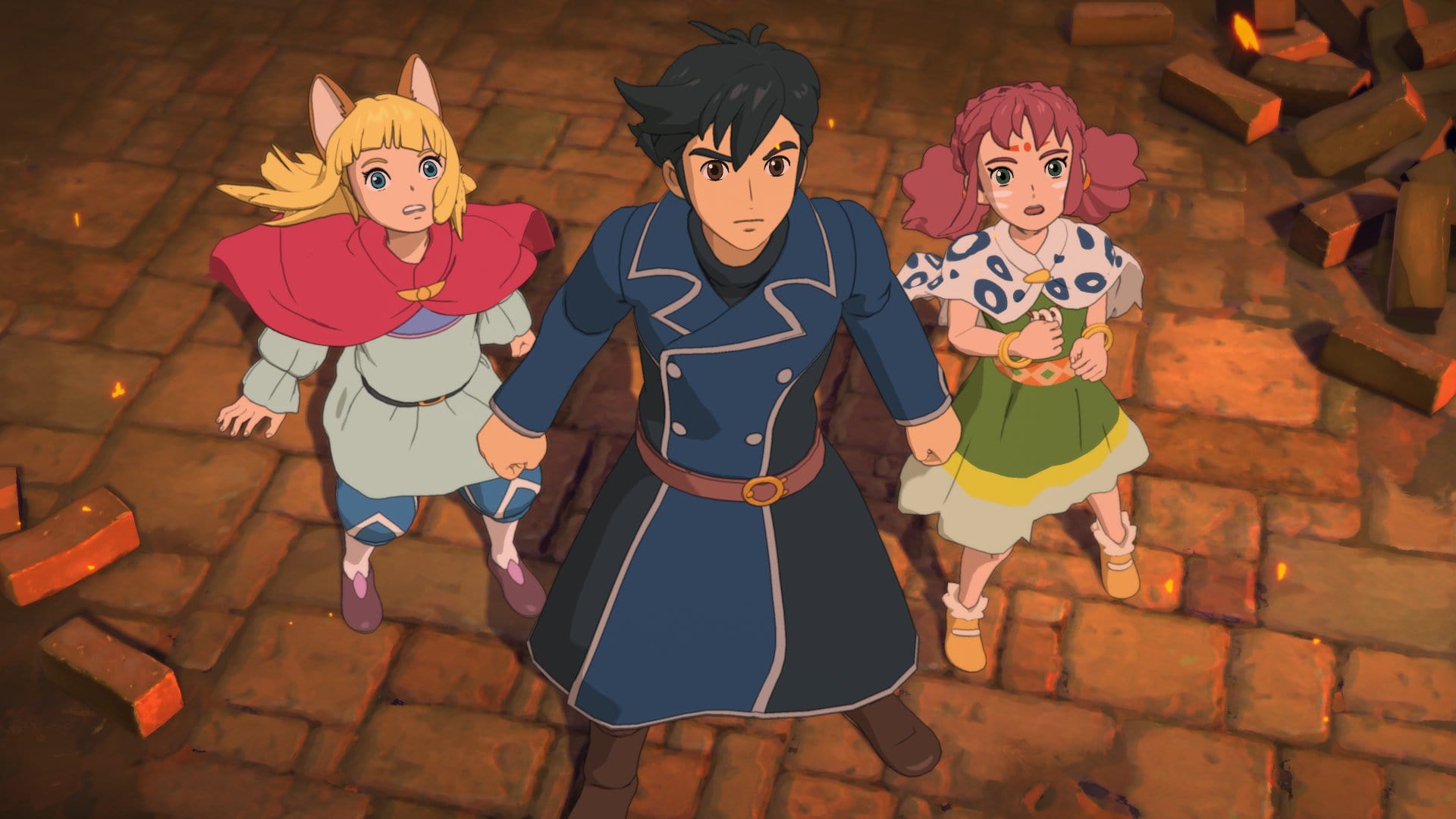
Because the game puts no emphasis on leveling up your kingdom, the majority of the side missions feel aimless.