Transcription is ultimately about a pact we must make when we read fiction.
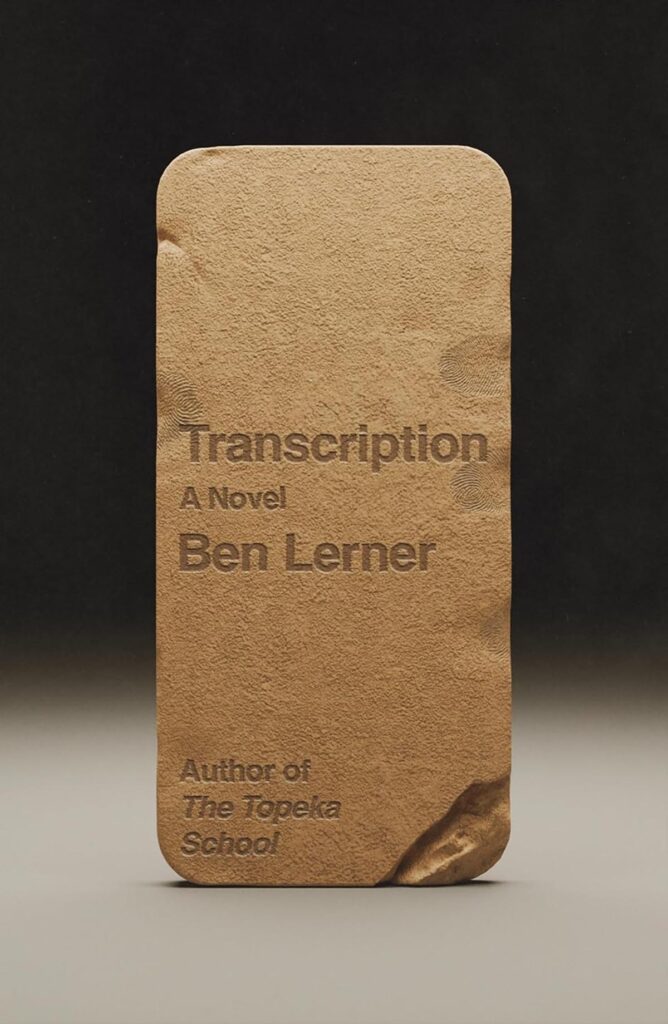

Transcription is ultimately about a pact we must make when we read fiction.

Vicuña is populated with characters even more thinly veiled than Gore Vidal’s were 60 years ago in The Best Man.
The words in George Saunders’s debut novel have a particularly oily, electric, tactile quality.

The strength of Queer Cinema in the World lies in its thorough and precise articulations of aesthetic traits.
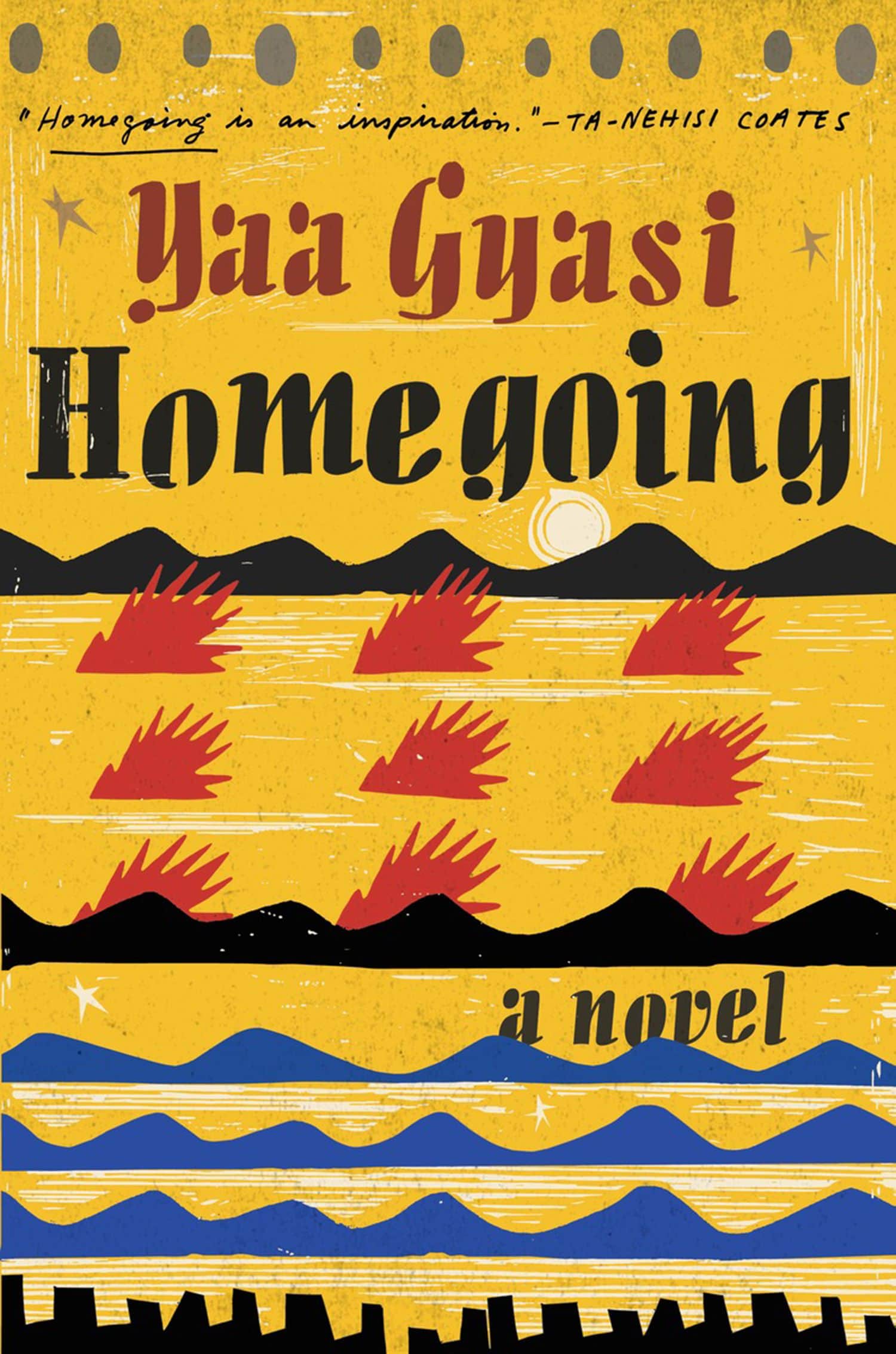
Each character bears the scars of previous generations, but each one makes his or her own path.

Humanity may be a sordid, violent, alienated lot, enslaved by economic and technological systems it no longer controls, but Zero K is a disarmingly humanist work.

Regarding national cinemas, each section skews heavily toward filmmakers from either Europe or the United States.

The novel’s frequent detours into Sri Lanka’s past aren’t merely historical window dressing.
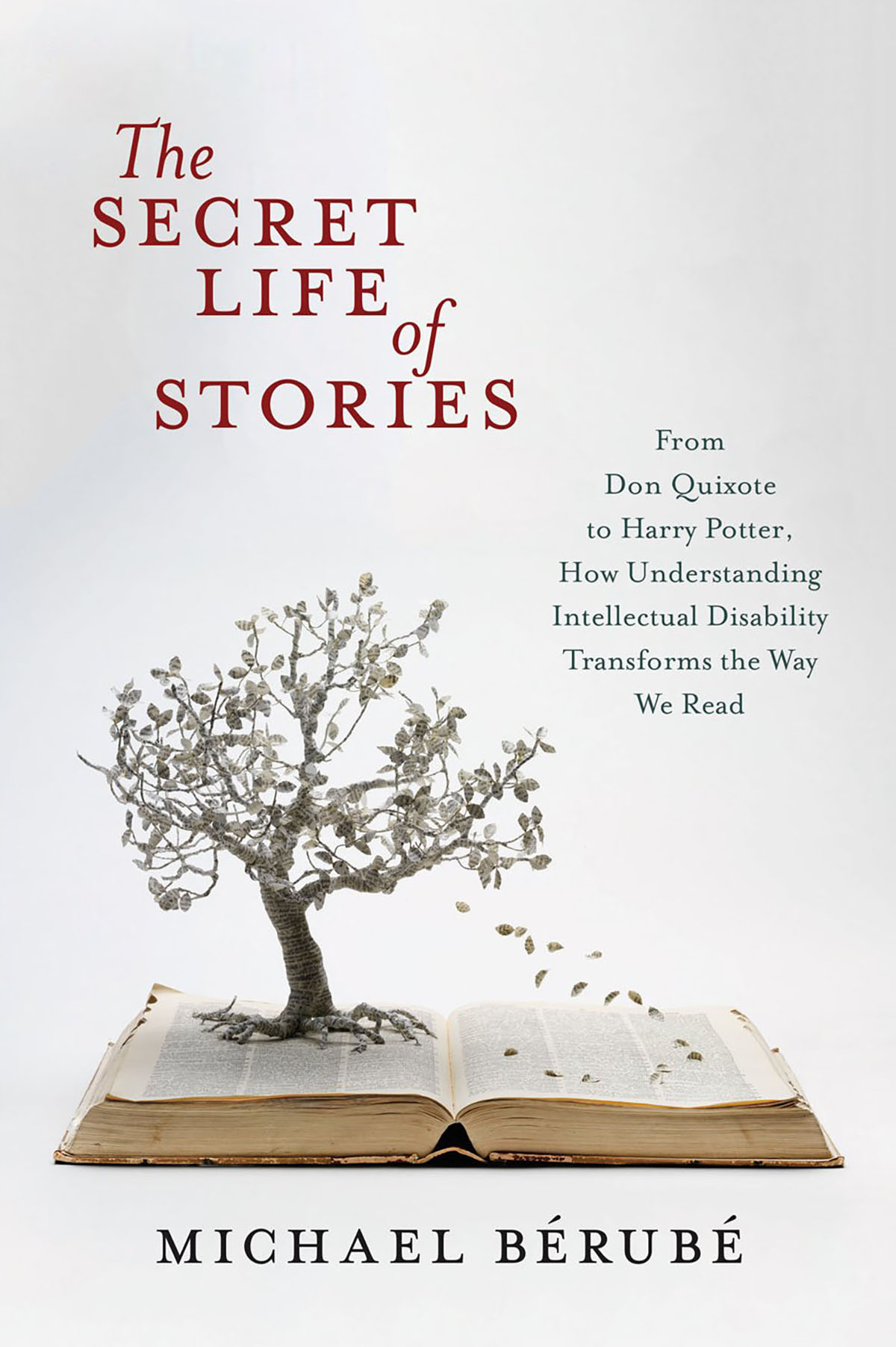
Bérubé has crafted an accessible if still rigorous study of the way fiction grapples with intellectual disability.
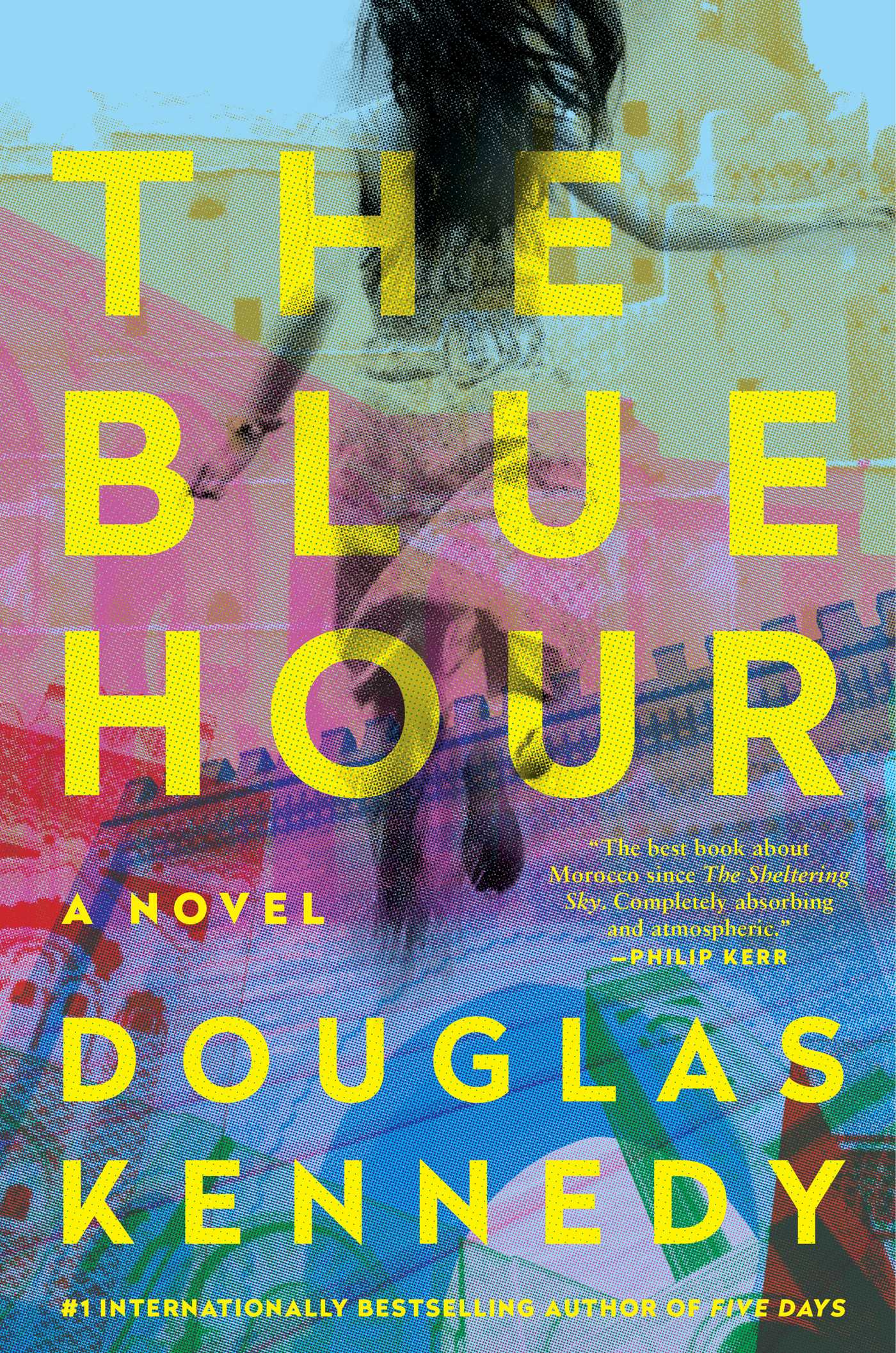
The breeziness of the plot has the effect of keeping one from pausing too long on its suspect cultural politics.

Throughout, it often feels like a political thriller, a martial drama, and a magical-realist fable are duking it out for the reader’s attention.

The Big Green Tent isn’t a difficult novel, but its density invites an obsessiveness that’s often difficult to muster in this media-saturated age.

Oe again explores how fiction and truth mingle to create not just personal histories and relationships, but narratives of entire societies.

All paths lead to subjugation, to the forfeit of individual identity, to the death of the self.
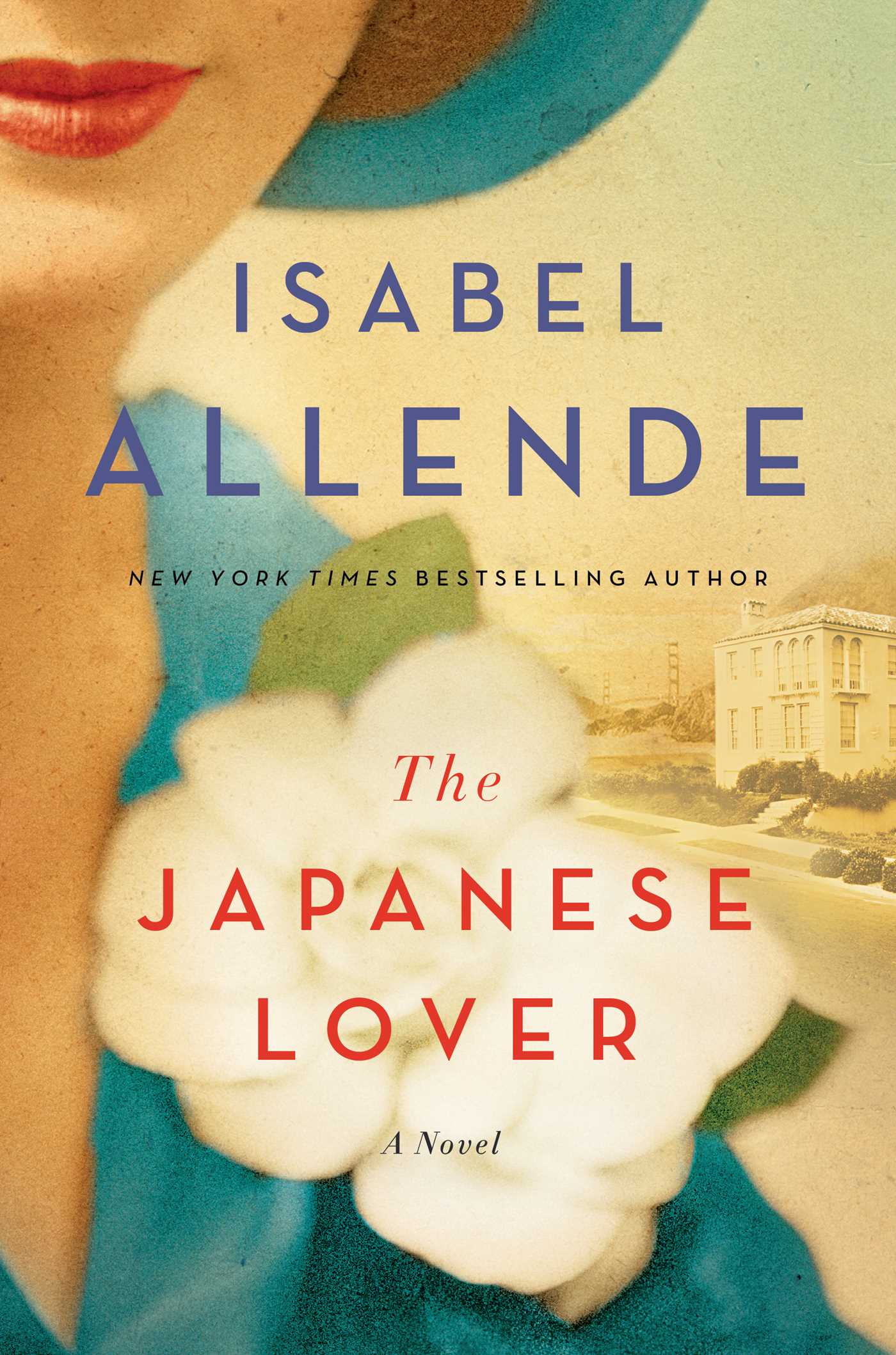
Isabel Allende’s lyrical use of language, kept intact in Nick Caistor and Amanda Hopkinson’s translation, alone makes this melancholy novel a treat to read.

Lim offers a wealth of poignant anecdotes that elaborate on Lynch without attempting to reductively “explain” him as a human or a creative.
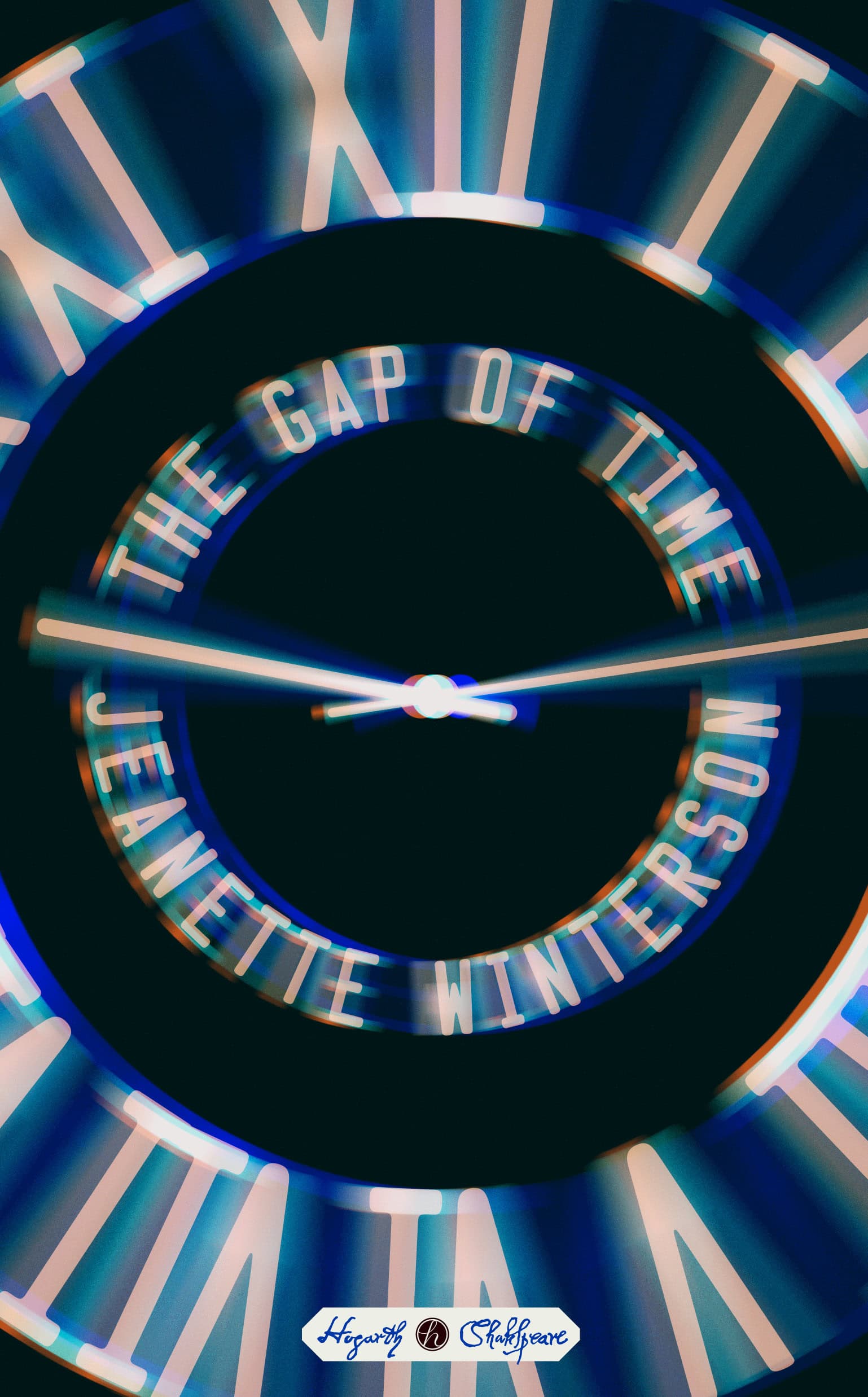
That the novel feels as fresh as it does is partly due to the thrill of rediscovery.

After reading the book, the film remains a challenge: narratively, stylistically, temperamentally.

Smith’s dreamlike tome feels like having unfettered access to the punk poet laureate’s innermost workings.

Brian R. Jacobson discusses architectural formations as inextricable from their industrial and artistic capabilities.
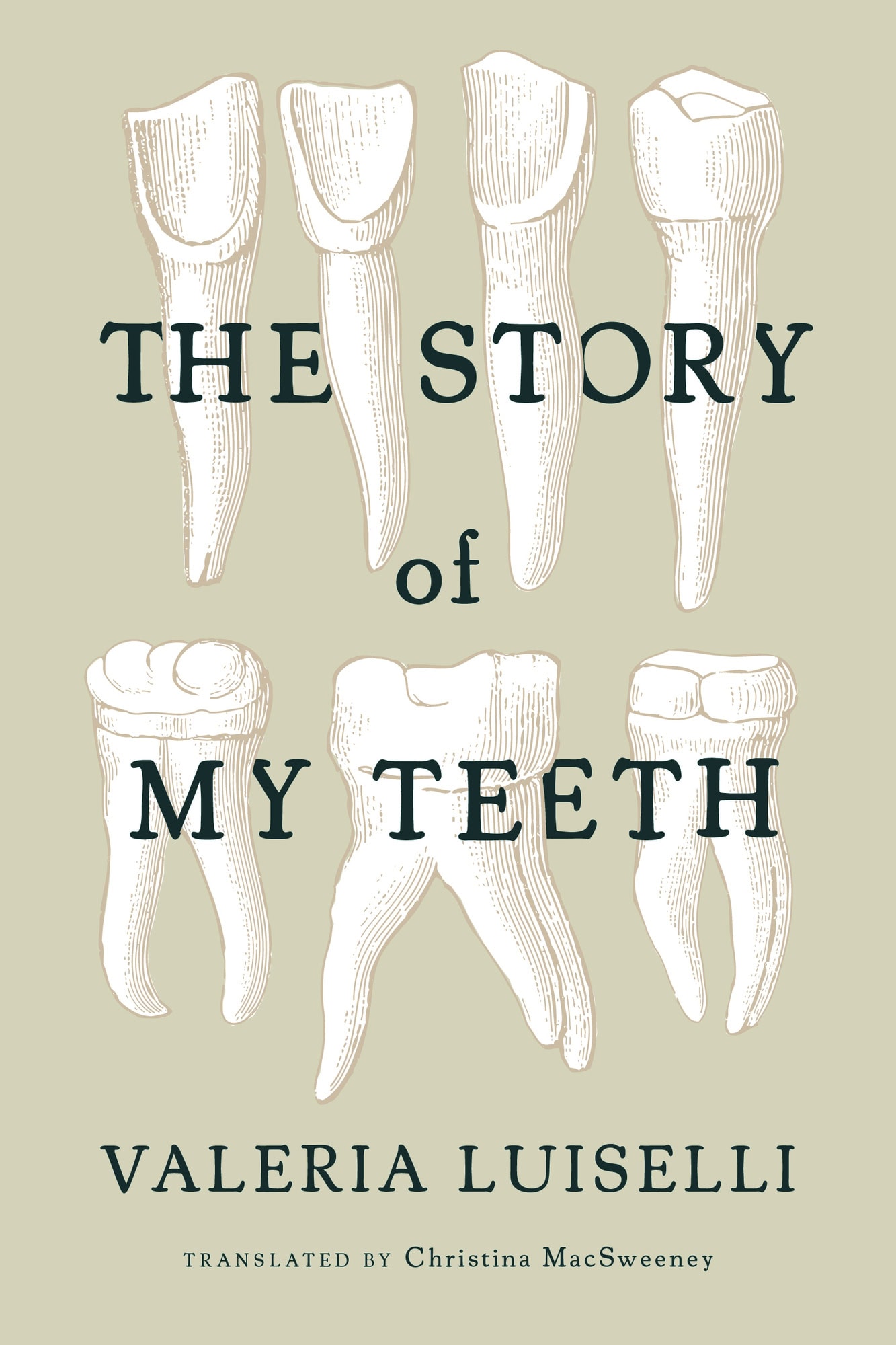
Valeria Luiselli’s novel is a meditation on the arbitrary nature of language and the commodification of art.