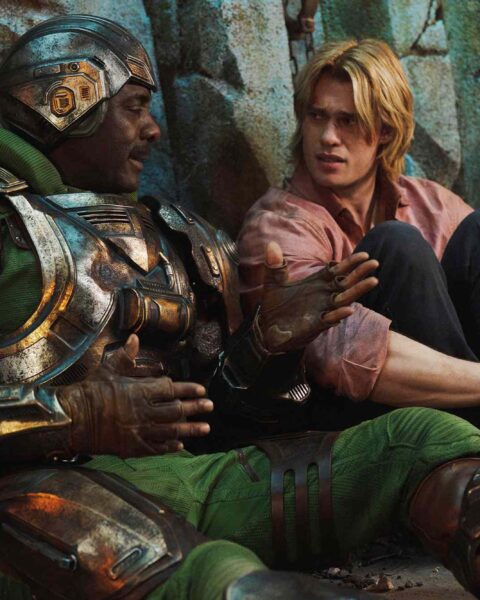
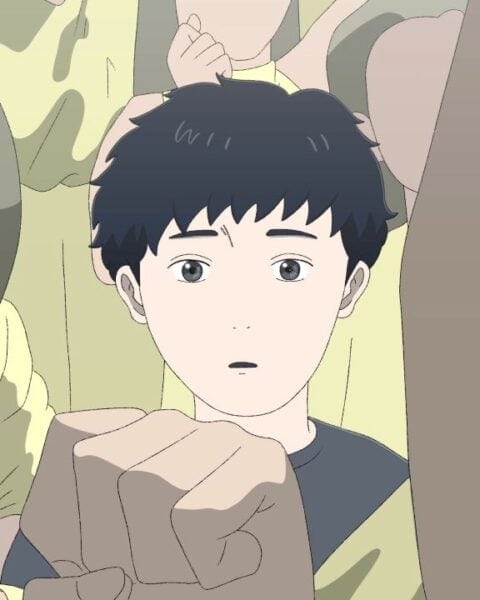
Suzuki discusses his influences and process, his kinship to his main character, and more.
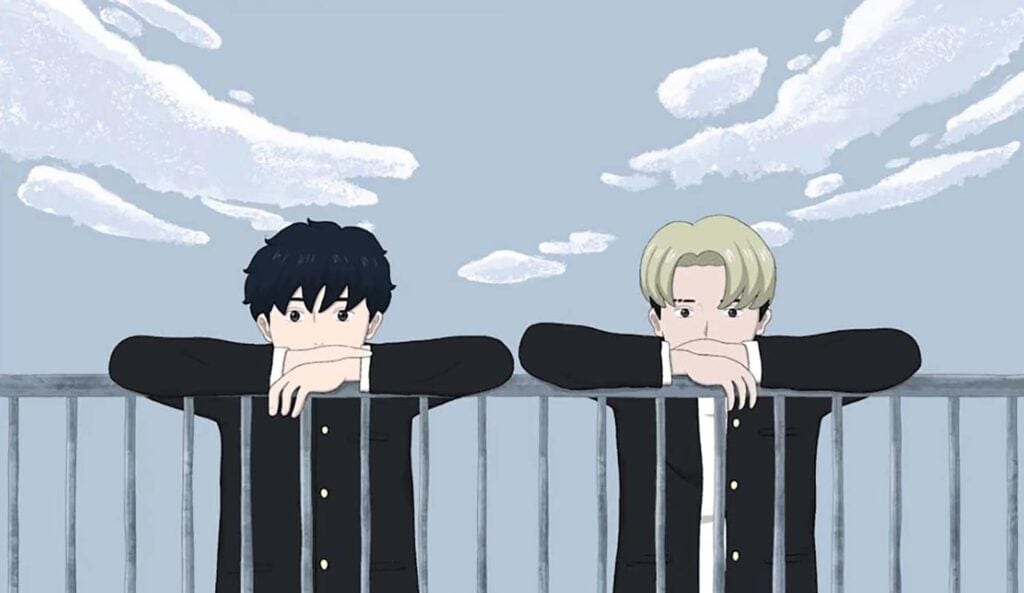

Suzuki discusses his influences and process, his kinship to his main character, and more.

The film finds pitch-black humor, tragedy, and horror in a series of asides and digressions.
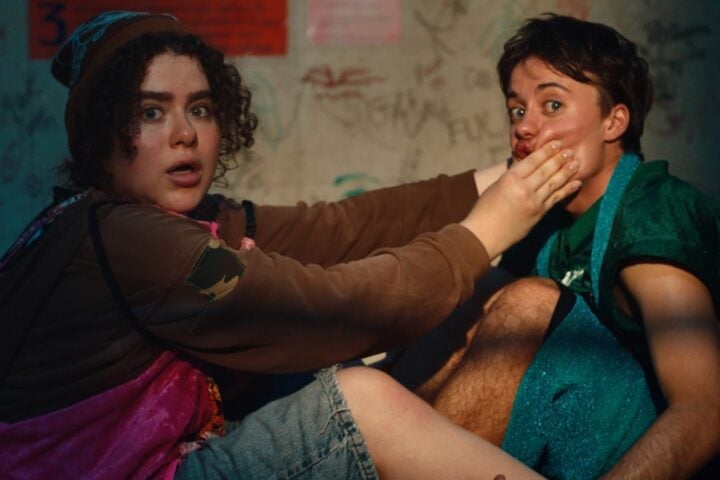
The film often strikes the right balance between loony satire and heartfelt commentary.
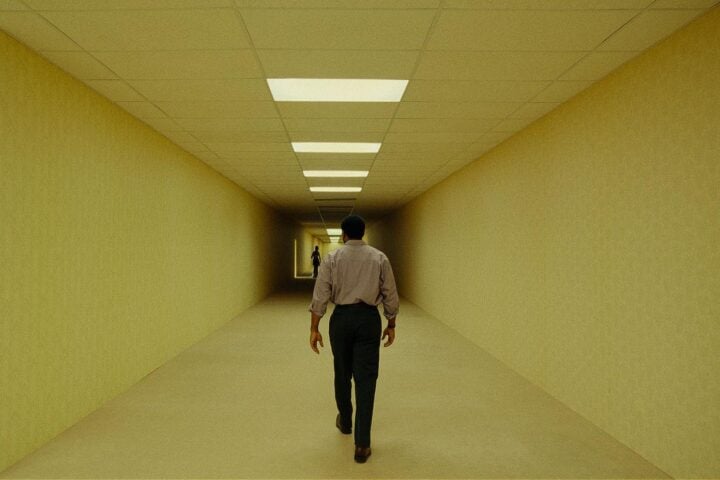
The film points us back to our distorted selves and the hollow world we’ve built.
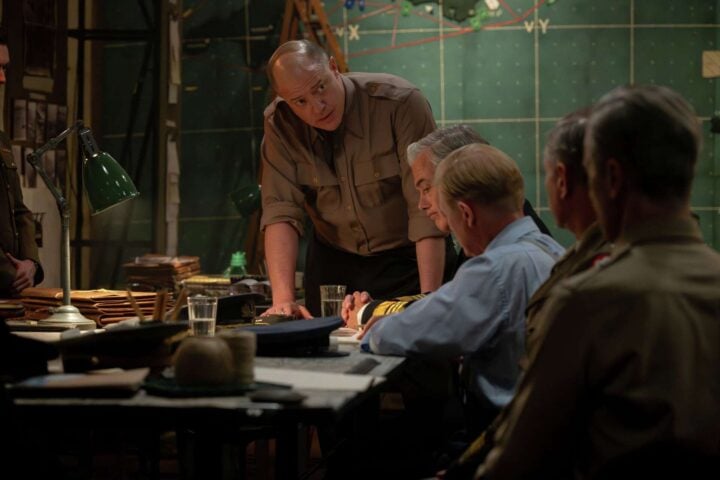
Think of the film, starring Andrew Scott and Brendan Fraser, as the Moneyball of war movies.

Kamal Aljafari’s documentary is politically striking for its familiarity.

Daniel Roher’s modern noir has an appealing cleverness and lightness of touch.
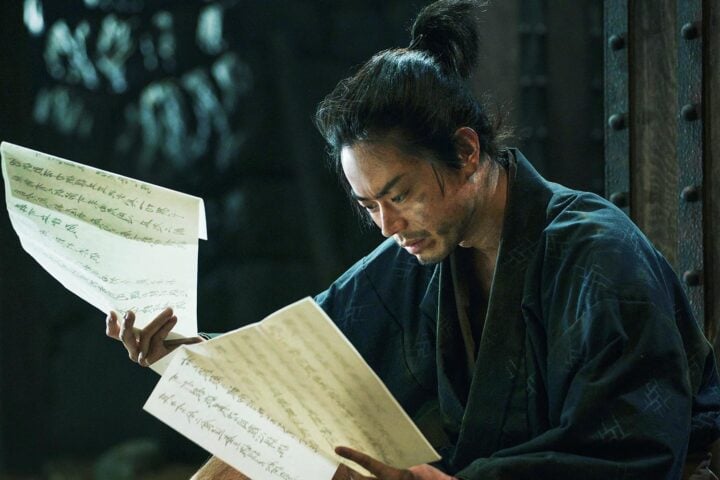
Kurosawa’s first historical film offers a master class in framing and blocking.
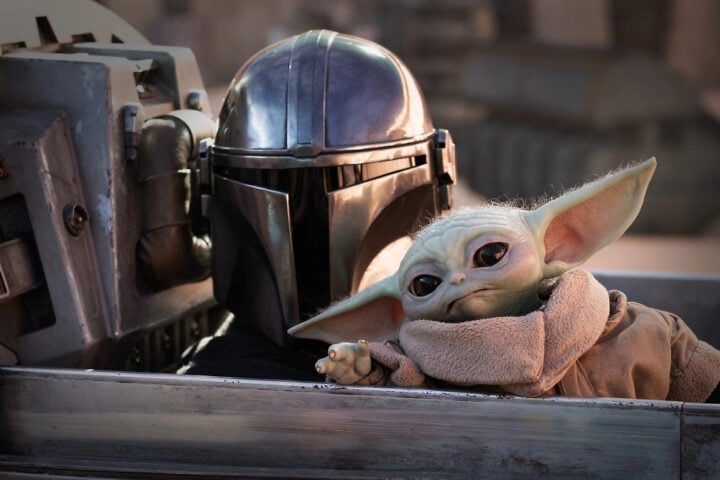
Mandalorian and Grogu is, basically, four Mandalorian episodes wearing an IMAX trench coat.

Despite its title, Schoenbrun’s film is less about sex and death than sex and cinema.
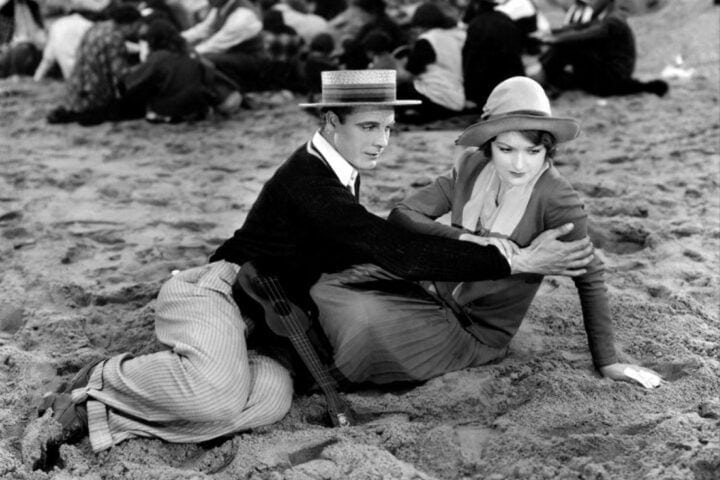
This year brought 18 features and seven shorts, all presented with live musical accompaniment.
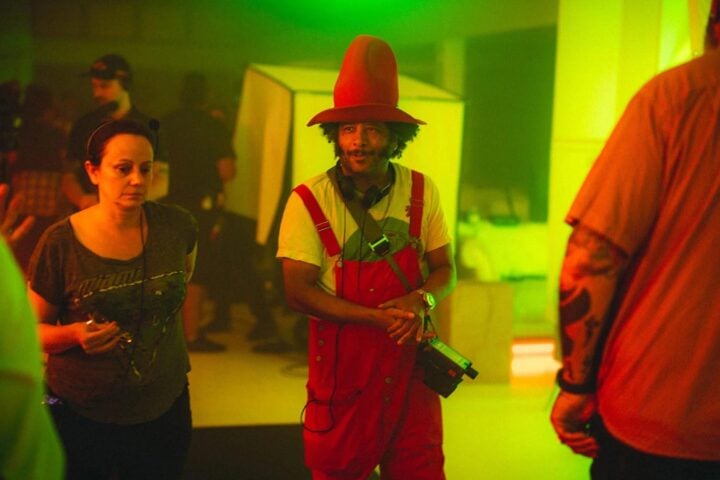
Riley discusses how he views boosting as inherent to capitalism.
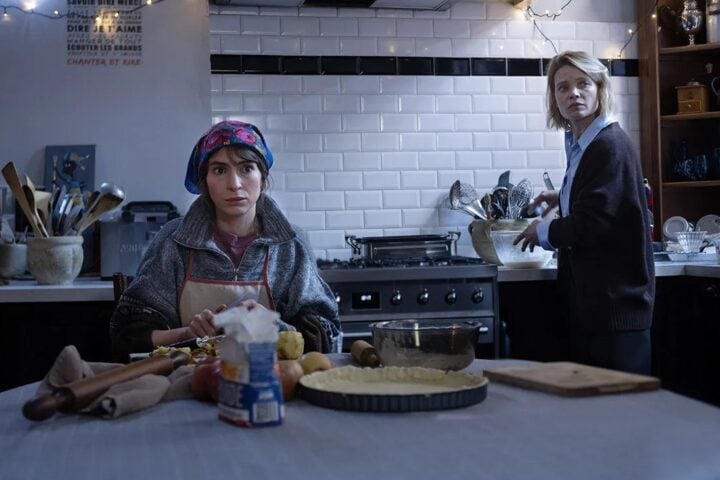
Jude’s “variation on” Octave Mirbeau’s novel is an exuberant hodgepodge of genre modes.

There isn’t much room in Brennand’s film for contradiction or ambiguity.
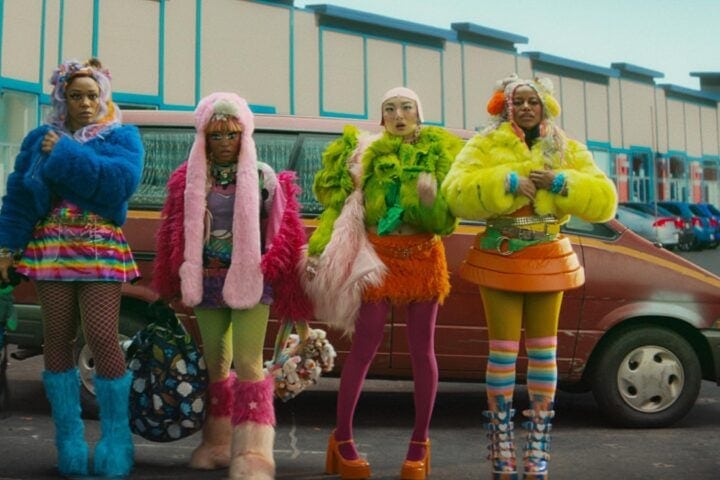
The film feels like a circus act, a well-dressed elephant on a unicycle juggling a dozen balls.
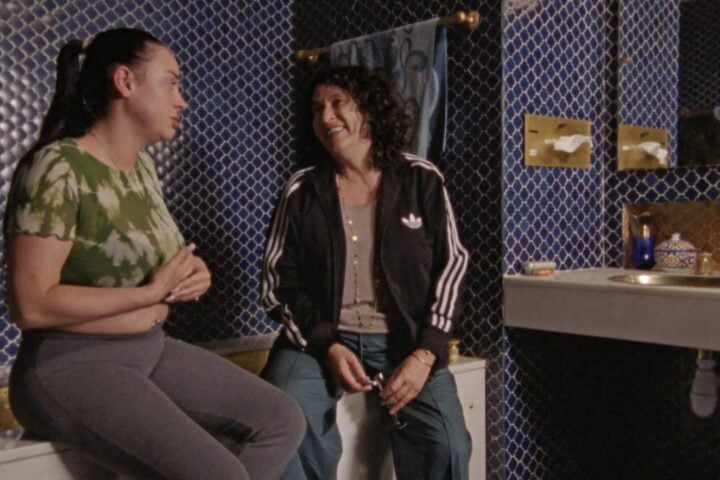
“Primal” is a good word to describe the characters from these feature directorial debuts.
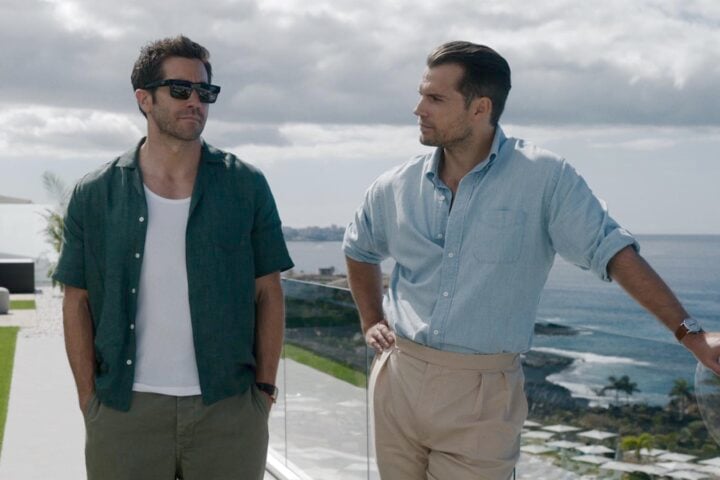
In the Grey has a jaunty spirit that cuts against the dour grain of many modern action films.