The wallow in nostalgia and sentimentality isn’t a sign that the boys have grown soft.
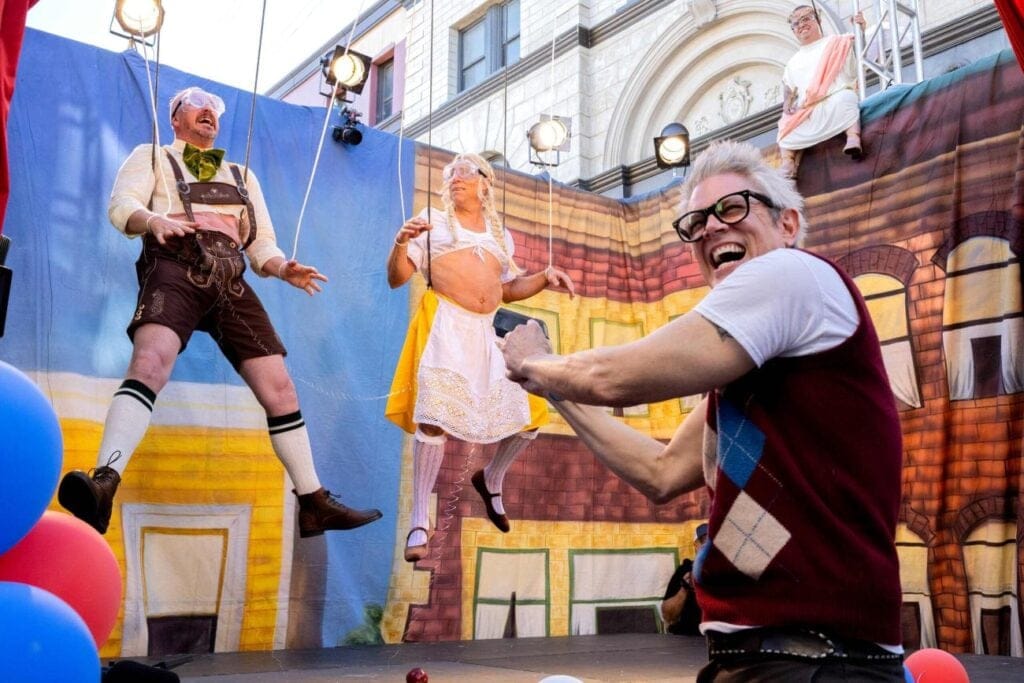

The wallow in nostalgia and sentimentality isn’t a sign that the boys have grown soft.
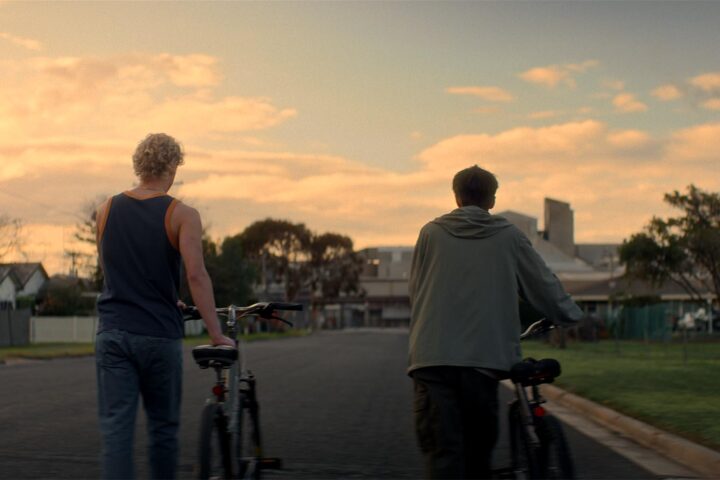
The Aussie director discusses why horror was the right vessel for his commentary.
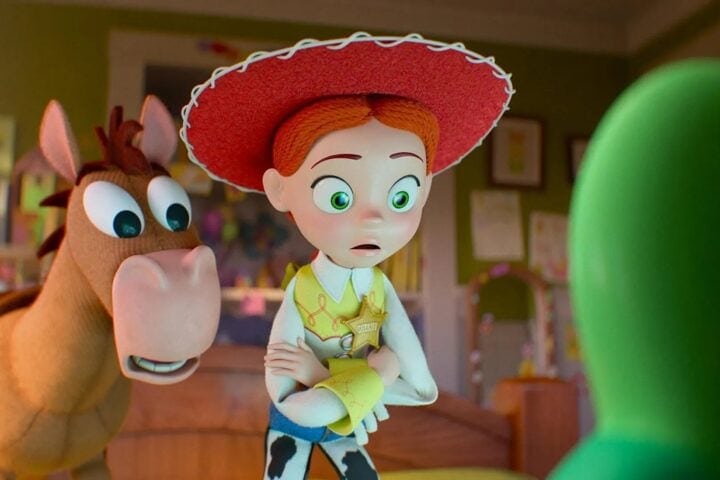
On the occasion of Toy Story 5’s release, here’s our ranking of every Pixar feature to date.
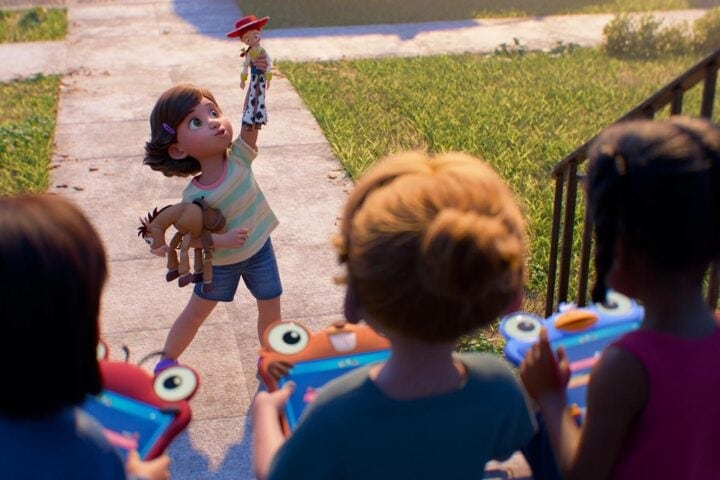
The aesthetic whimsy that’s made the Toy Story movies so popular is all but absent here.
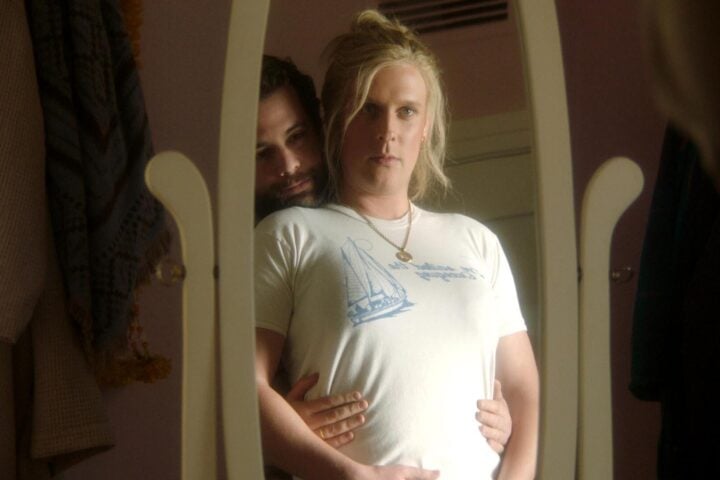
This is a film Todd Haynes might have made if he had a background in sketch comedy.
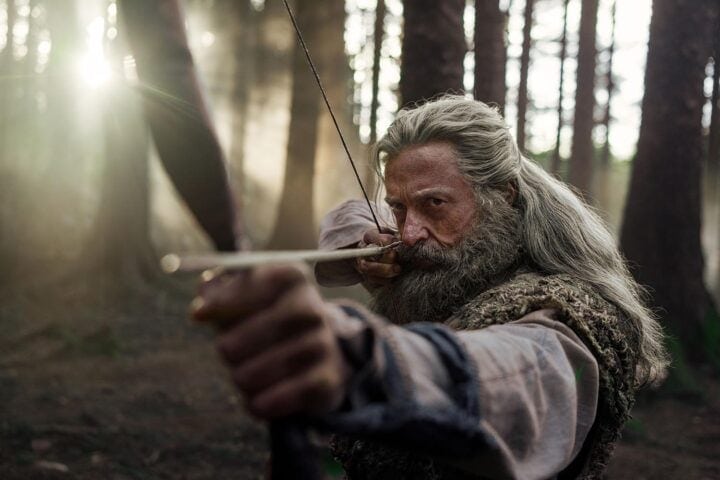
The film is a tough character drama with a mournfully humanist center.
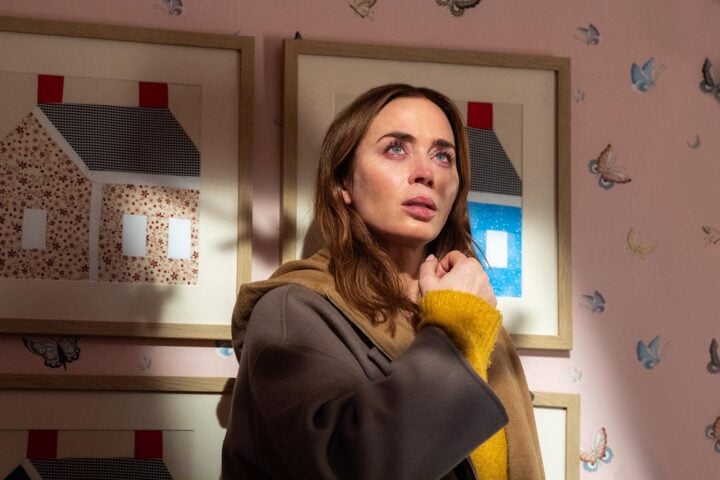
In conjunction with Disclosure Day’s release, we ranked all of Spielberg’s features to date.
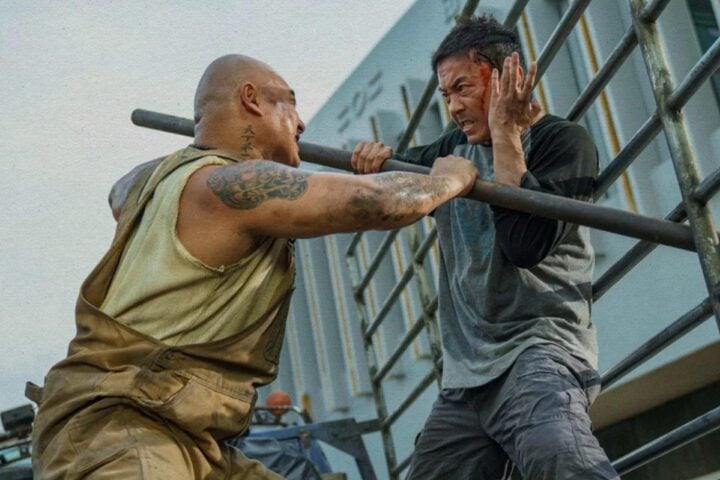
The film is sure to be the fastest entry into the genre canon since Mad Max: Fury Road.
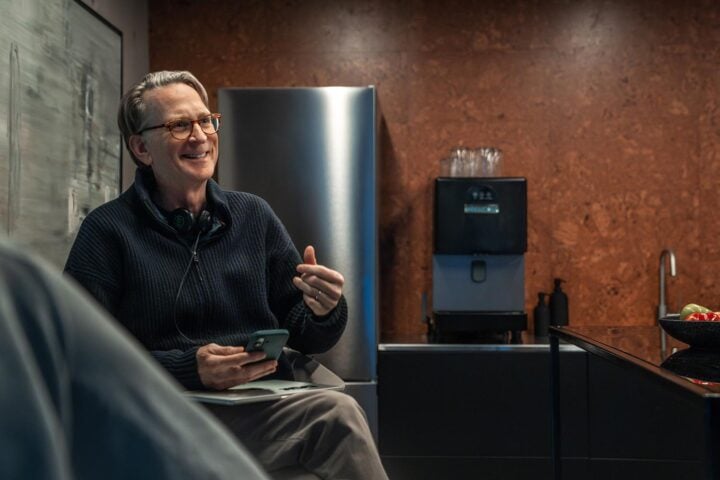
Koepp discusses working with Spielberg and what he hopes viewers will take from the film.
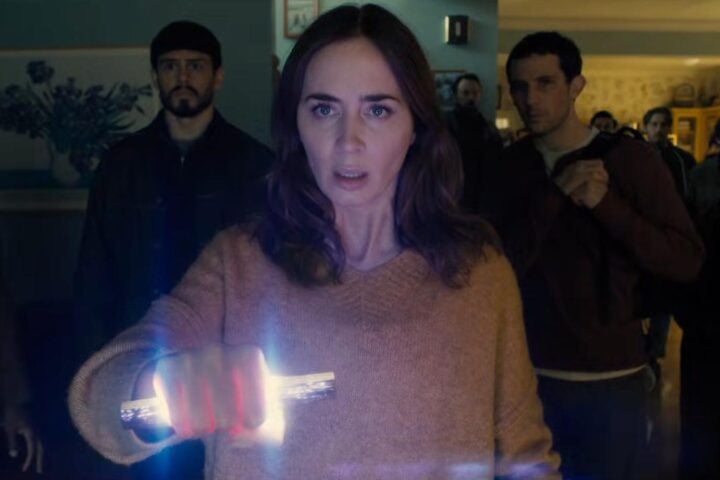
With his latest, Spielberg clutches to the memories of bygone moments and media.
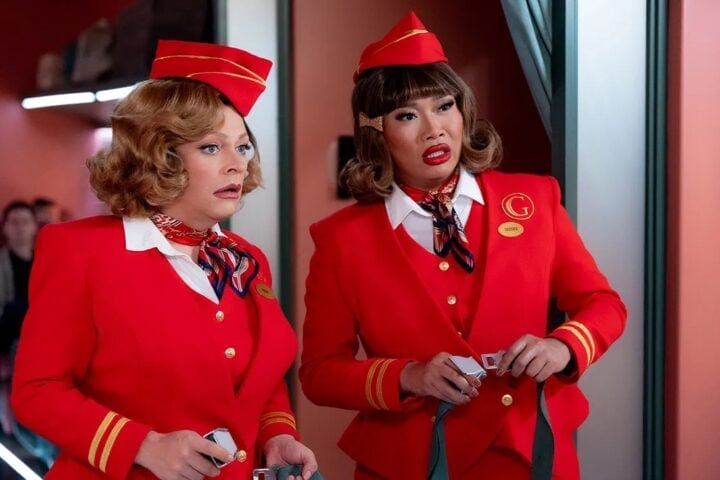
Adam Shankman’s daffy disaster comedy suggests Airplane! by way of Sharknado.
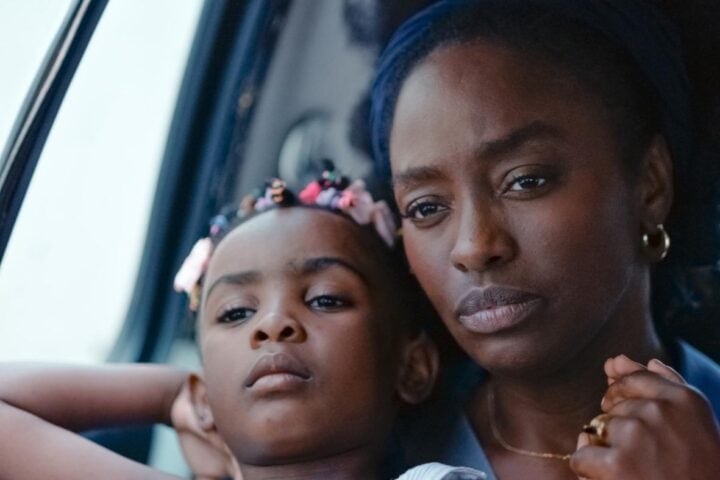
There’s a lived-in quality to Promised Sky that’s evident from its opening scene.
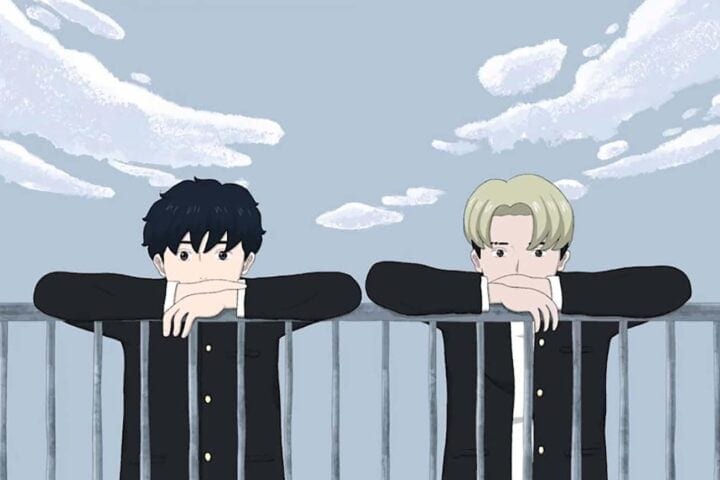
Suzuki discusses his influences and process, his kinship to his main character, and more.
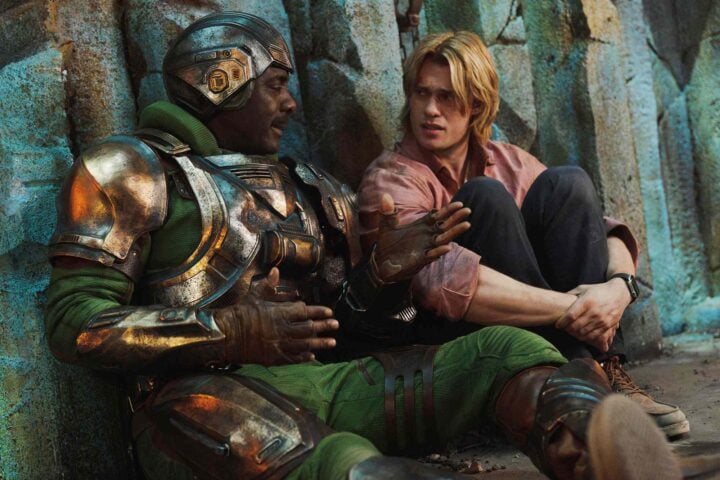
Travis Knight’s film is keen to get audiences to laugh at it instead of with it.
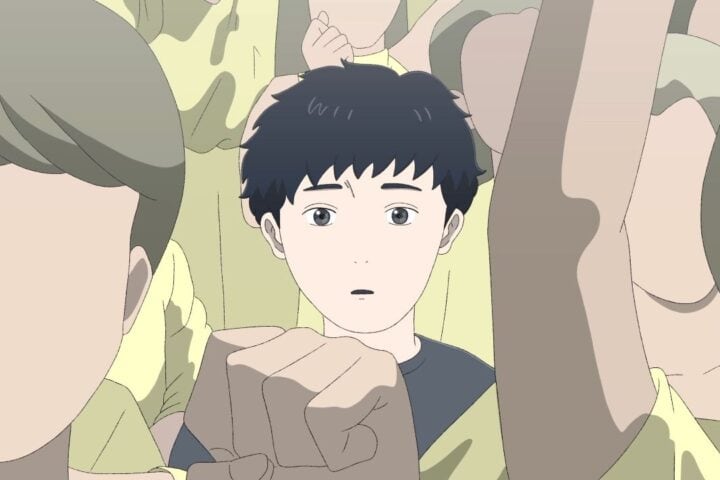
This is an idiosyncratic debut by a fiercely independent artist eager to take on the world.
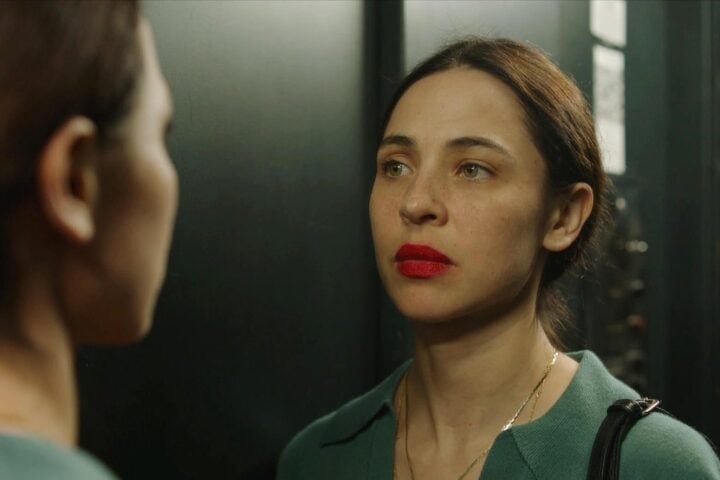
The Argentine filmmaker discusses the process of capturing her main character’s subjectivity.

The film finds pitch-black humor, tragedy, and horror in a series of asides and digressions.