

In Susan Lacy’s 2017 documentary Spielberg, Peter Coyote succinctly identifies the mystique of E.T.: The Extraterrestrial: “There are no two humans on Earth that are farther apart than those humans and that alien creature…If [they] could all love and empathize and make a rapprochement…with this creature, so, too, can any two humans on Earth.” It’s a thesis that applies to Steven Spielberg’s lifelong fascination with aliens in general, a recurring motif in the canon of an all-American icon that’s balanced cutting-edge technical wizardry with increasingly weighty and personal examinations of empathy and otherness across borders of all kinds.
In E.T. and Close Encounters of the Third Kind, the coming of benevolent alien others is juxtaposed with Cold War paranoia and cataclysmic, intimately painful fractures in the American nuclear family, both reflecting the joys and terrors of Spielberg’s family life, which he eventually dramatized directly in The Fabelmans. In lieu of his once-estranged father’s Orthodox Judaism, so the psychoanalytic reading goes, Spielberg pledged his faith in messianic aliens, which he sees as having the potential to heal broken families, broken nations, and a broken world—making, with the incalculable musical support of John Williams, for science-fiction cinema of an uncommonly piercing emotional and spiritual heft.
Spielberg’s outlook on extraterrestrials hasn’t changed since the 1970s, but with his latest, Disclosure Day, he announces that he no longer sees them as a metaphor. To celebrate the film’s release, we ranked all of Spielberg’s features to date. Eli Friedberg

35. Always (1989)
Spielberg’s remake of Victor Fleming’s WWII melodrama A Guy Named Joe, which awkwardly shifts the action from a 1940s Air Force base to an ’80s aerial firefighter unit, is one of the director’s least remembered films for a reason. Richard Dreyfuss, thuddingly miscast as the maverick flyboy, achieves close to negative chemistry with Holly Hunter—who looks and acts like she could be playing his daughter, and whom he spends the latter half of the film stalking from beyond the grave on advice from a halo-wreathed Audrey Hepburn. Always is a tin-eared tribute to Golden Age Hollywood romance and a self-pitying reflection on Spielberg’s divorce. Not even the aerial mayhem sequences are enough to rise above the doldrums, and pale in comparison with the haunted aeronautical awe of Empire of the Sun. Friedberg
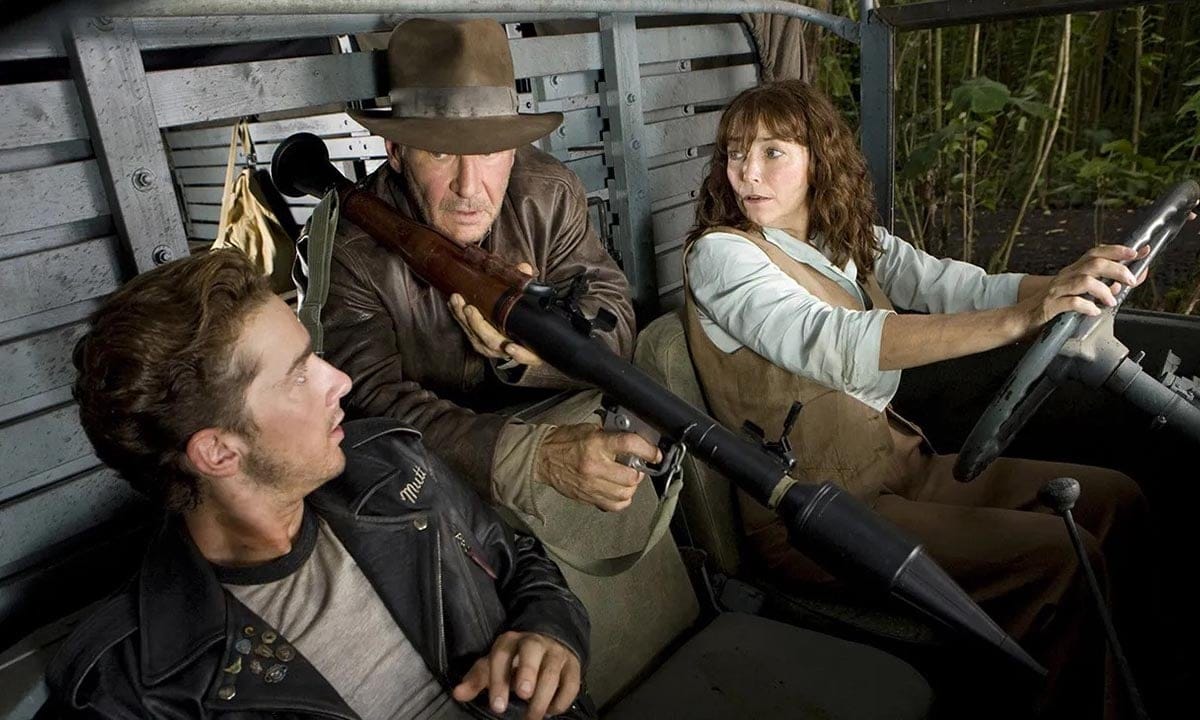
34. Indiana Jones and the Kingdom of the Crystal Skull (2008)
Indiana Jones and the Kingdom of the Crystal Skull combines the supernatural elements of Temple of Doom with the familial dynamics of The Last Crusade, and Spielberg and George Lucas work hard trying to recapture the giddy, pulpy magic that defined their prior Indiana Jones escapades. Alas, there’s more zip found in Temple of Doom’s Shanghai nightclub opening than in this film’s entirety, as it struggles mightily to generate high-flying verve from scenarios that vacillate between moderately rollicking and derivative. This latter quality is particularly depressing—did Spielberg really think it inspired to stage a fencing-match variation of the car-straddling stunt from Footloose?—and is amplified by the fact that, instead of developing character relationships or concocting ingenious feats for Indy to perform, the director piles on allusions to the franchise’s previous entries. Nick Schager
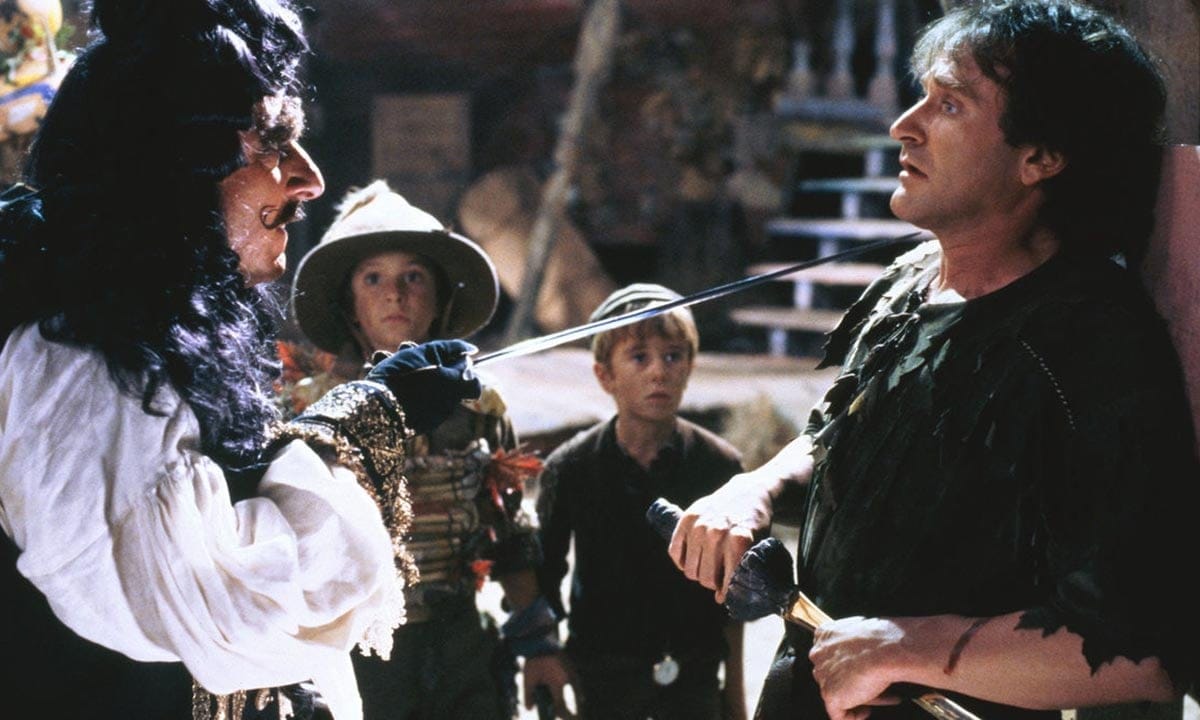
33. Hook (1991)
Hook is certainly in Spielberg’s wheelhouse, namely the meta-mythical conflict and reconciliation between father and son, adult and child, reality and fantasy. But it’s way too long for what it’s doing and oddly inert for about two thirds of its bloated running time, with Robin Williams and Dustin Hoffman mostly moping and pouting through scene after scene. The second act, which is given over largely to slapstick beats involving the Lost Boys and Peter trying not to enjoy anything, is particularly limp. Changing with age is one thing, but beyond vague nods to the soul-dampening demands of middle-class capitalism, we’re offered no evidence of how Williams’s Peter, with his loving family and relatively stable life, managed to develop into the polar opposite of his childhood self, and no indication of real internal conflict before he just gets conked on the head and becomes Pan in the third act. Friedberg
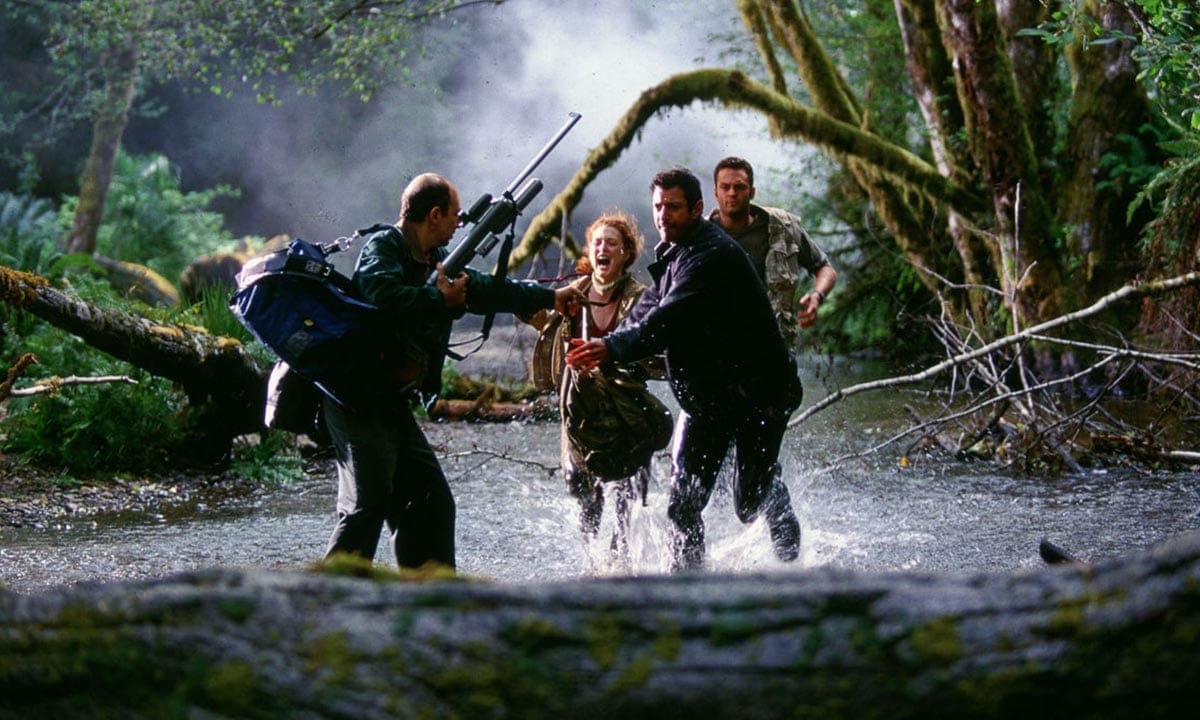
32. The Lost World: Jurassic Park (1997)
Spielberg couldn’t direct an unwatchable thriller if he tried, but no film has had less of his heart in it than the first Jurassic Park sequel. Having already fully realized Michael Crichton’s taut biopunk thriller about the dangerous intersection of science and capitalism, Spielberg and David Koepp largely discard Crichton’s follow-up novel to re-engineer Jurassic Park as pure monster-movie trash, rehashing the first entry with more CGI, more explosions, more impossibly stupid humans marking themselves as dinosaur chow, and more Jeff Goldblum sarcasm. This isn’t without some pleasures—the climax involves a semi-animatronic T. Rex going King Kong on San Francisco traffic—but everyone involved outside of the special effects department is very clearly going through the motions, right down to Goldblum’s ostensible hero, Ian Malcolm, who’s introduced with a literal yawn and spends the entire film seeming exhausted, incredulous, and irritable about being in a sequel to one of the biggest blockbusters of all time. Friedberg
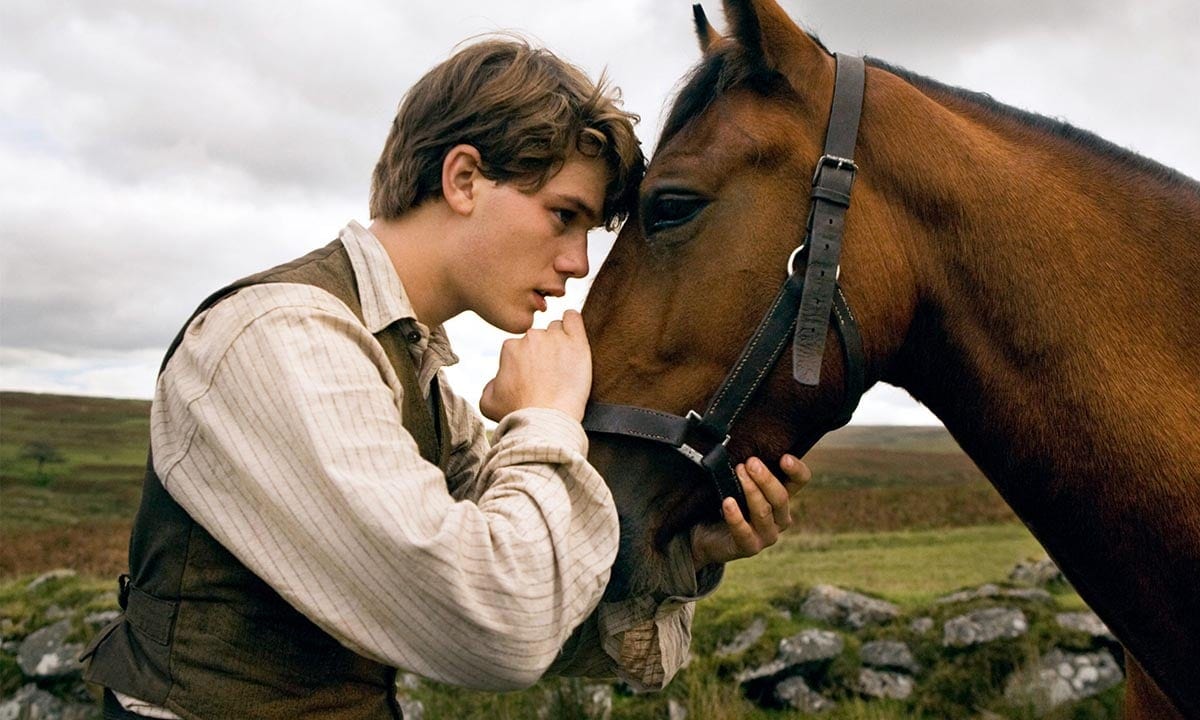
31. War Horse (2011)
As strange as it may sound, War Horse presents Spielberg with a problem that simply can’t be solved—not by him, anyway. That problem is, how do you get the audience dramatically involved in a story that centers on a creature, or inanimate object, that (blessedly) doesn’t talk? With Robert Bresson’s focus on the weight of objects, his dramatic indirectness producing some of the cinema’s most exquisite effects, and Michael Mann’s casual mastery in depicting self-inflated personalities against treacherous landscapes, the answer is clear. Working from a more traditional playbook, one he himself helped to write, Spielberg works hard to put personality into the horse, instead of drawing it out of him. The result is a film of unimpeachable craft, even occasional lyricism, that somehow turns an amazing horse into a boring one. Jaime N. Christley
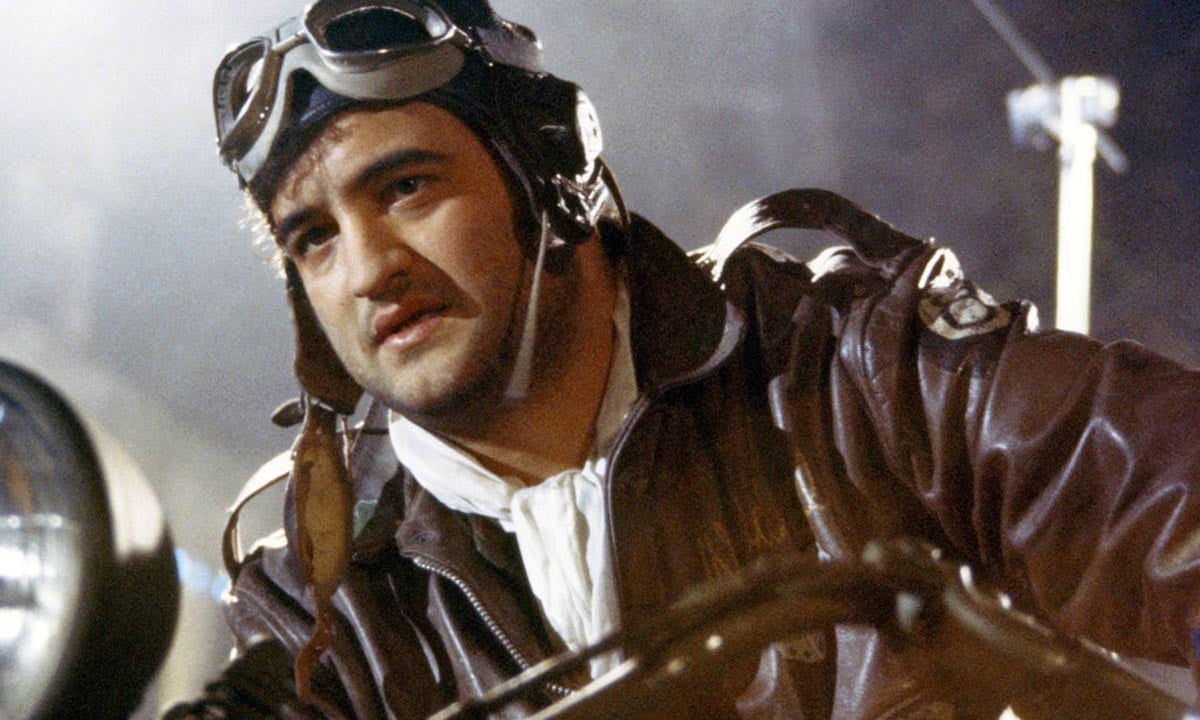
30. 1941 (1979)
This anarchic WWII farce, in which a gaggle of military and civilian Californians scramble like headless chickens in fear of a Japanese ground invasion while a submarine commander (Mifune Toshirō) trains his crosshairs on the American colossus of Hollywood, is a compelling oddity. Spielberg may struggle with comic timing and fleshing out his crisscrossing characters and interlocking stories, but the film is packed with inventive set pieces of synchronized destruction as virtuosic as any the director has made, from an escalating street brawl that grows to incorporate hundreds of extras thrashing and tumbling in sync, to a Ferris wheel rolling into the sea. Beneath the bug-eyed hysterics and juvenile army men, the film’s canny historical thesis—that World War II saved America from itself—works equally well as satire and indulgence of patriotic fervor, a constructive tension that hangs over Spielberg’s future work. Friedberg
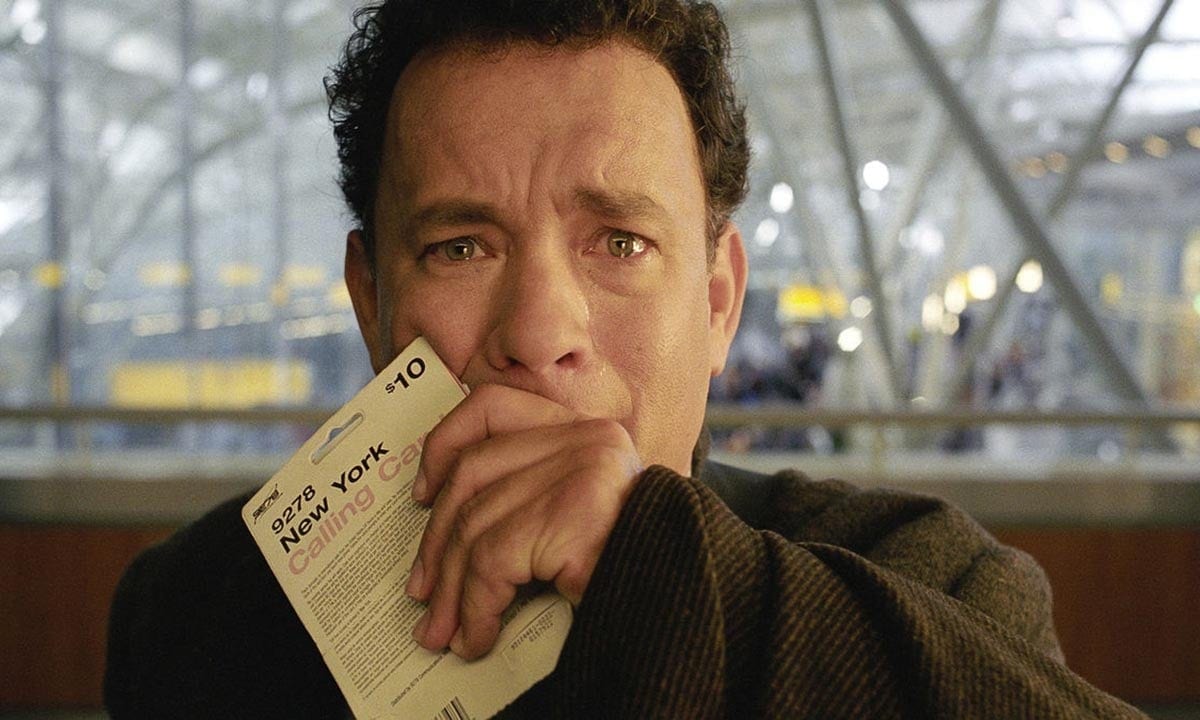
29. The Terminal (2004)
Spielberg—racing Janusz Kamiński’s camera around his huge airport set, giddy as a schoolboy—milks the teat of human kindness through Viktor Navorski (Tom Hanks) who, due to a war in his home country of Krakozhia, is trapped indefinitely in JFK Airport’s international terminal. Spielberg is adept at ironic juxtapositions, and he brilliantly conflates immigrant experience with a subtle comment on an exclusionary American economy. But one wishes such perceptive moments were more forthcoming throughout this frustratingly episodic film. Sad that the Spielberg of The Terminal seems content to engage in sequences of crude slapstick that, unlike Harpo’s numerous pratfalls in The Color Purple, are less a product of soulful insight then they are the mischievous diversions of a crowd-pleaser. Jeremiah Kipp
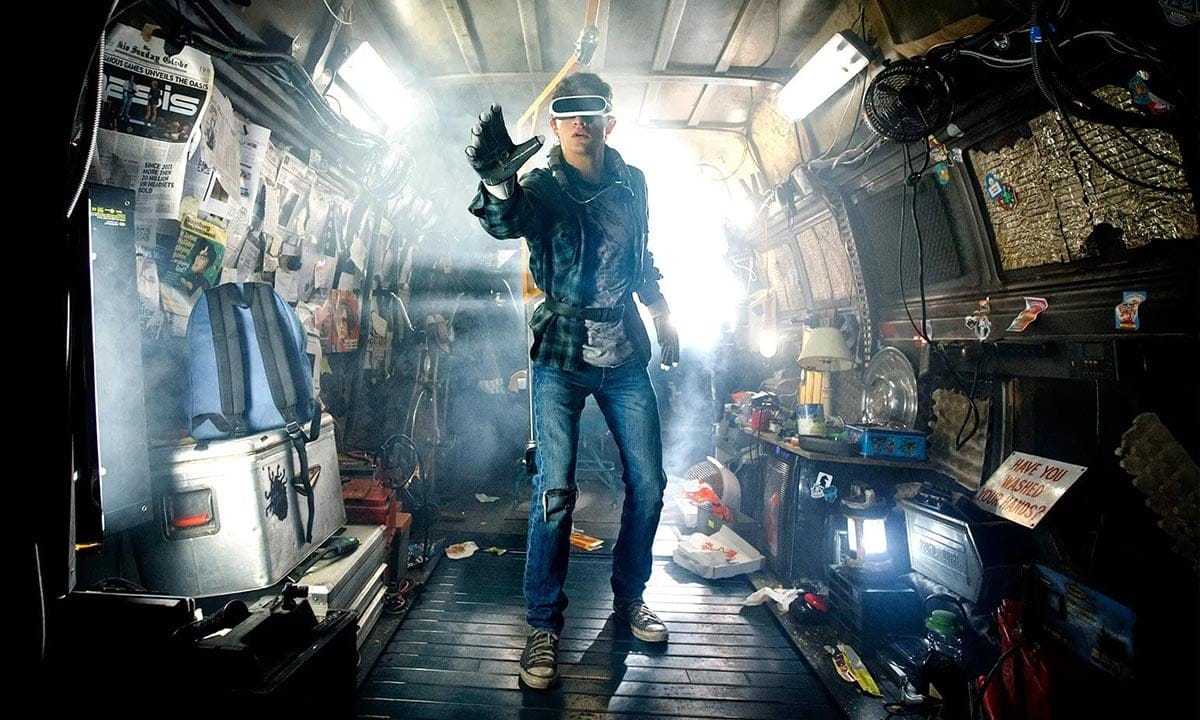
28. Ready Player One (2018)
If Ready Player One had turned out to be Spielberg’s last film, it would have made for a fitting curtain call for his brand of escapism. But since he followed it up with, among other things, yet another Indiana Jones installment, it feels onanistic, the synthesis of a novelist’s own cloistered view of pop culture with the cinematic vocabulary of a filmmaker largely viewed as responsible for ossifying said culture. Ready Player One is the feature-length equivalent of that scene in The Fifth Element where Milla Jovovich’s character visually shotguns the entire history of humankind in one sitting, only in this case it’s mostly just the Wikipedia pages tagged 1980s and 1990s. But it’s also a boldly attempted strike against the monolithic corporatization of fan service, and arguably one of the few films that defines dystopia as nothing less than a marketplace of trademarked, cross-promotional intellectual property. Eric Henderson

27. Disclosure Day (2026)
Spielberg is certain that extraterrestrials are real, that the American deep state is hiding and possibly abusing them, and that announcing their existence on the evening news (remember the evening news?) wouldn’t be just another surreal item in the spiraling 2020s media cycle, but a singular event that would instantly unite and transform human consciousness as we know it. Lest we doubt this, Disclosure Day’s characters state it repeatedly. Perhaps reflecting his newfound confidence in a forthcoming alien rapture as factual certainty, or perhaps having finally exorcised his personal demons in The Fabelmans, what stands out about Spielberg’s uneven, dramatically stillborn new film is the lack of a fractured family core weighing his conspiracies and aliens down to earth. Delivered from the heights of personal and professional validation, Spielberg’s sermonistic latest is akin to a detached, rambling, and academic exercise that treats cinema and humanity as a great and curious jigsaw puzzle. Friedberg
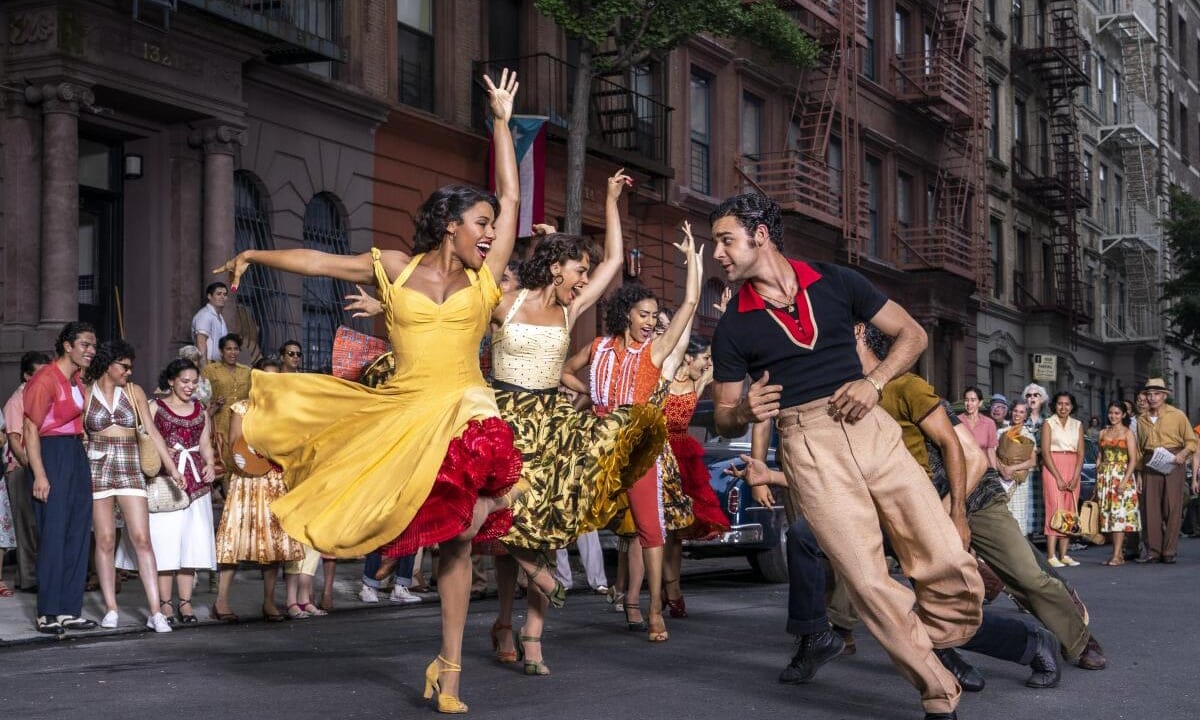
26. West Side Story (2021)
Spielberg’s take on West Side Story feels, with a few extraordinary exceptions, dispassionate: too zoomed-out and epically sprawling to ride the desperate urgency of a days-long, sudden love story or to harness the stunning momentum of Leonard Bernstein’s pulsating score, gloriously performed here by an orchestra conducted by Gustavo Dudamel. Despite the beautifully filmic sweep of the compositions, the camera sometimes stays at a remove: the tectonic choreography (by Justin Peck, reverently quoting Jerome Robbins’s original movement) of the “Dance at the Gym” takes place mostly in the background; part of “Tonight,” the reimagined balcony scene, is seen from a block away; and the final shot peeks at tragedy between the rungs of a fire escape, unwilling to follow Tony and Maria at the expense of missing the bigger picture. The frame begins to matter more than the actual people inside it. Dan Rubins
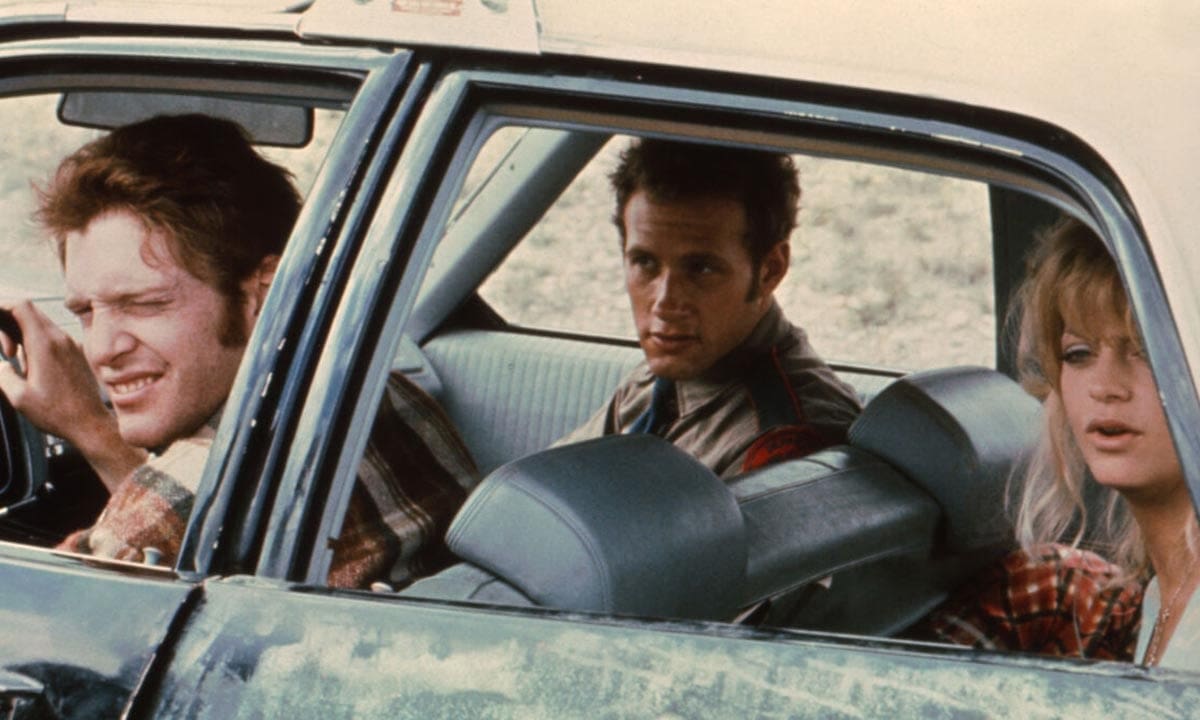
25. The Sugarland Express (1974)
Godard said that all a movie needed was a girl and a gun, and with The Sugarland Express, Spielberg adds a few dozen smashable cop cars to that equation. The film doesn’t quite achieve the tonal balancing act between Badlands and Looney Tunes caper that it seems to be going for, and the story of two working-class parents desperately trying to reclaim their child is basically one that would go on to be better told by the Coen brothers in Raising Arizona, but as a film primarily about cars and guns and tertiarily about people it at least styles hard on the spectacle, with some breathtaking wide shots and exceptionally elaborate set pieces of unsimulated vehicular carnage. Goldie Hawn kind of only plays one true chaotic neutral manic pixie mama bear note, but she plays that Texas twang with perfect pitch. Friedberg
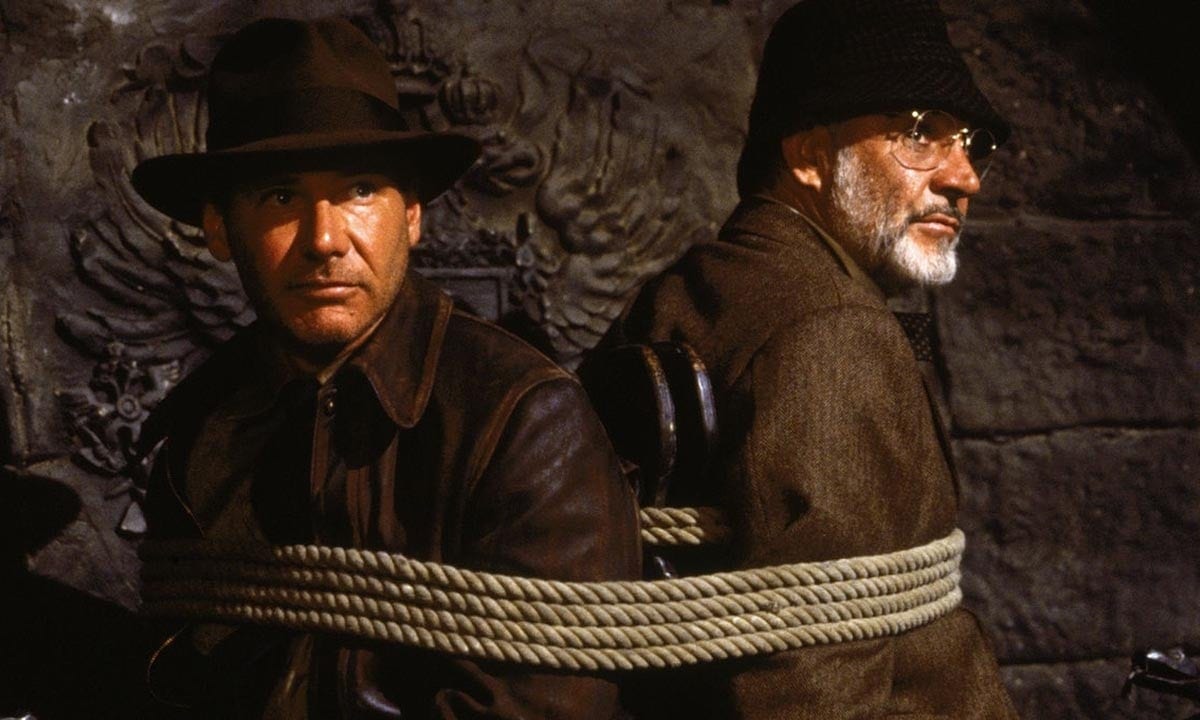
24. Indiana Jones and the Last Crusade (1989)
Easily the most wholesome and earnest of the Indiana Jones films, The Last Crusade sidelines the violence, darkness, and supernatural carnage of its predecessors so as to foreground the particulars of a character-driven reconciliation story between Indy (Harrison Ford) and his distant father (Sean Connery). The McGuffin is the Holy Grail, the Nazis are once again in hot pursuit, and Indy’s globetrotting takes him from Venice to Berlin to the Holy Land. Action sequences involving tanks, boats, and narrow escapes from firestorms and booby traps play out as if Spielberg is simply going through the motions. Brisk, efficient, beautifully composed and choreographed, The Last Crusade is a solid endeavor, yet it’s curiously devoid of the energy and compulsive, even manic dynamism of the previous films in the series. Kipp
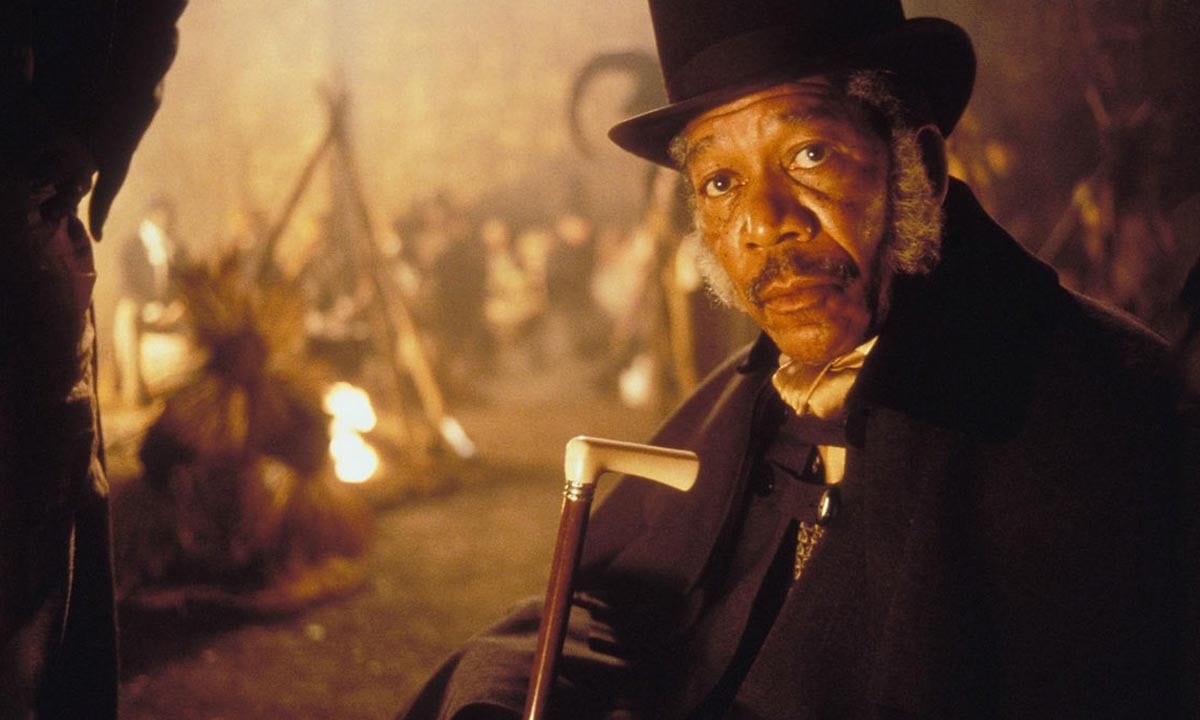
23. Amistad (1997)
The first of Spielberg’s Capraesque period legal dramas about tensions between the principles and practice of the liberal justice system, Amistad is based on an 1841 Supreme Court case concerning the repatriation of slaves escaped from the titular Spanish schooner, and it’s certainly heavier on solemn speechifying than character-driven action. The standout performance is Djimon Hounsou as Cinque, the enslaved chieftain and leader of the Amistad revolt, struggling to understand and be understood by his new captors in America: More of his Mende dialogue is subtitled as the film progresses and he builds rapport with his legal defense, until in a pivotal moment he demands his freedom in the Americans’ own language. Spielberg juxtaposes the lengthy verbal battle for freedom under the law with brief but harrowing sequences depicting the horrors of the trans-Atlantic slave trade, extending his conviction that bearing witness through cinema can help exorcise the anguished ghosts of history. Friedberg
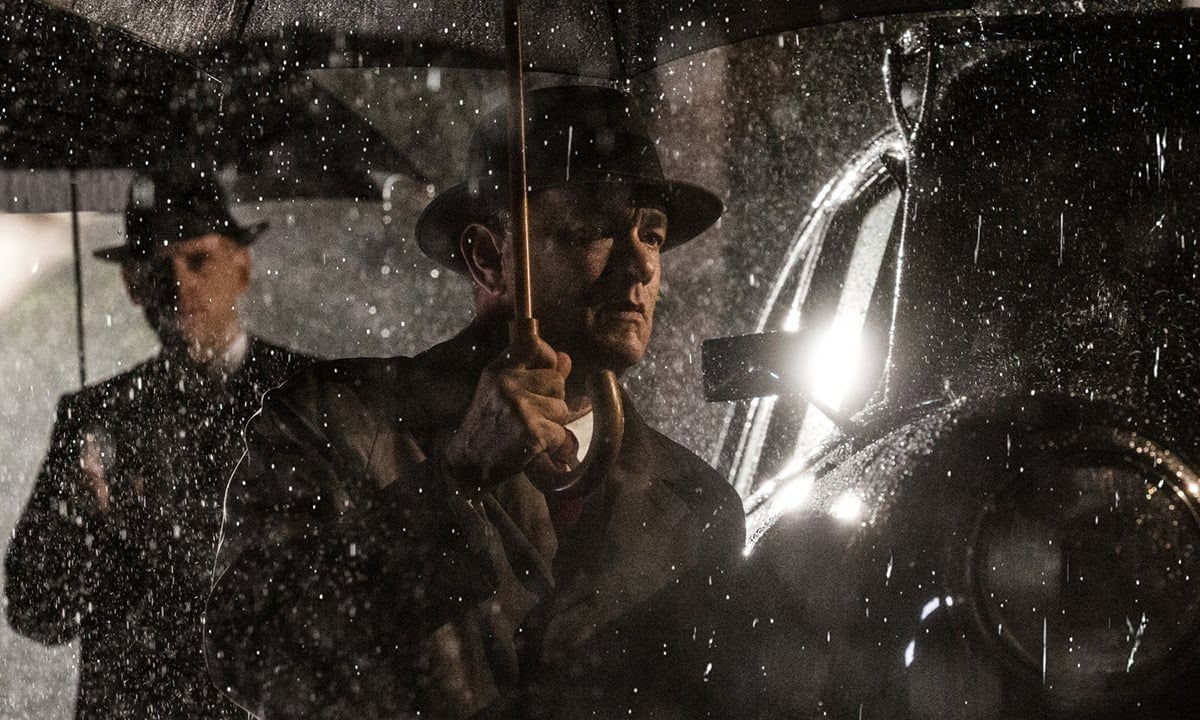
22. Bridge of Spies (2015)
Across Bridge of Spies, Spielberg counters the false binaries and nuclear bogeymen of Cold War America with an argument built from equal parts liberal humanism and earnest pleas to Constitutional law. Only rarely does the director observe how queasily at odds our patriotism is with our humanity: A stunning series of cuts segues from an audience rising in a courtroom to a group of schoolchildren reciting the pledge of allegiance, and then watching an educational video about how to defend oneself in the event of a nuclear holocaust. The impact of this sequence is blunt, but stirring. Elsewhere, James Donovan’s (Tom Hanks) pleas to due process are broadly phrased to allude to contemporary matters of jurisprudence and war posturing, but these political allusions lack the fraught, pinpoint pungency of Munich, which managed to explore the Israeli-Palestinian conflict and the aftermath of the collapse of the World Trade Center with an urgency that continues to astonish and unsettle. Christopher Gray
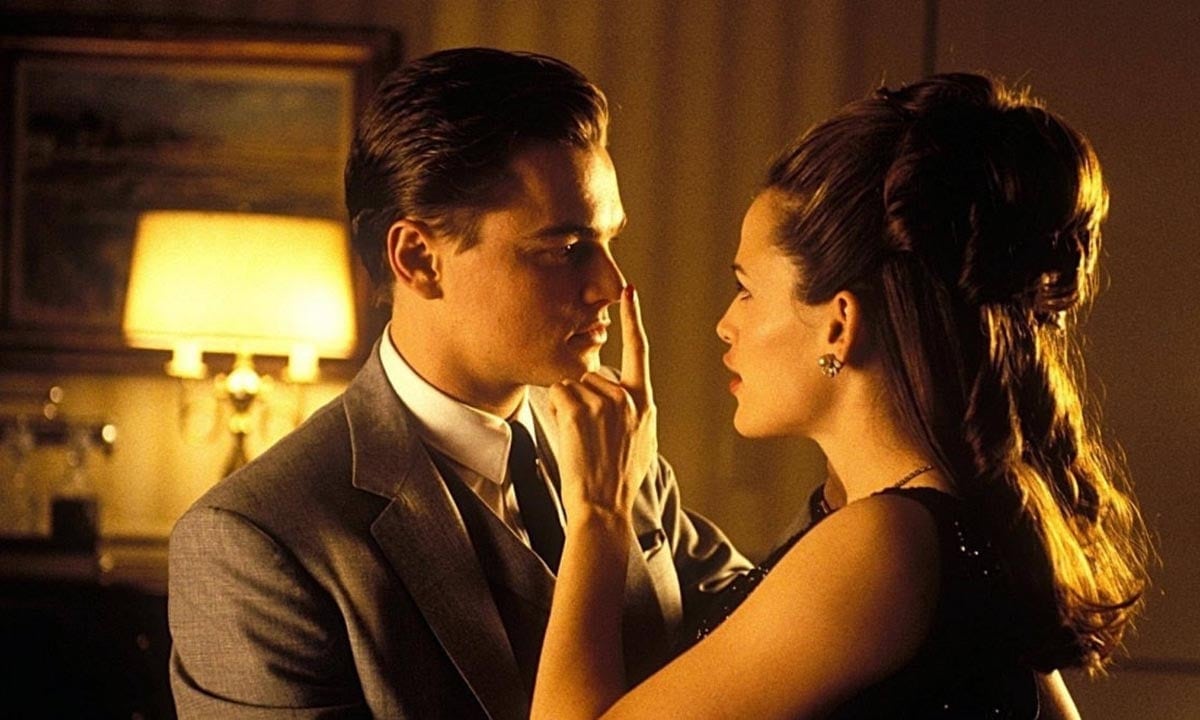
21. Catch Me If You Can (2002)
Across Catch Me If You Can, Spielberg engagingly stresses the art and delights of subversion, but he never confronts the obsession with conformity that defines both his art and that of Frank Abagnale Jr. (Leonardo DiCaprio), a high school kid who slips into a life of white-collar crime after his parents’ divorce. Spielberg cunningly redeploys this story of a selfish, extravagant playboy-thief as an energetic, charismatic and, ultimately, outrageously wrong-headed riff on the David-and-Goliath story. That Tom Hanks portrays his character, a well-educated government employee, as if he were Porky Pig from Southie, only underlines Spielberg’s unchallenged idealization of “self-made” men and inherent distrust of the educated, capped by the unconvincingly forgiving revelation that Frank didn’t cheat on his bar exam. Chris Cabin
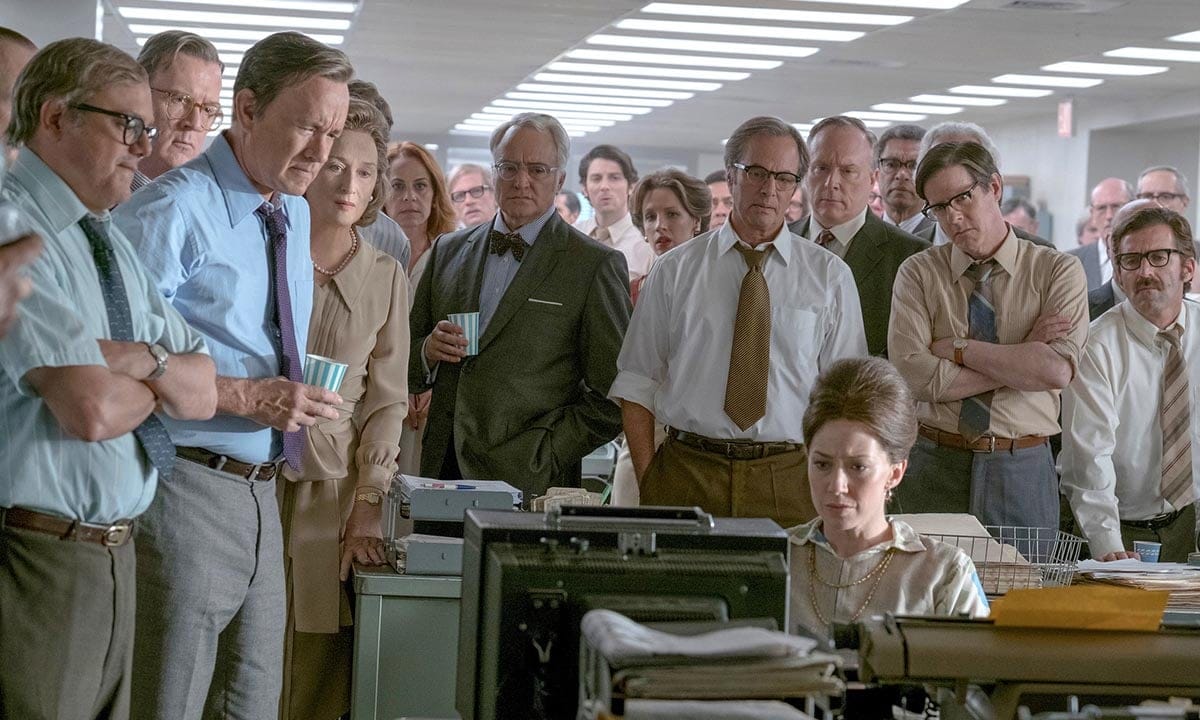
20. The Post (2017)
The Post is an ode to an era when newspapers were a literal part of the social fabric, lining parlor couches and billowing through windy city streets. This enthusiasm for the printed page extends to the work behind it: Whenever a big rotary phone sets to ringing, Janusz Kaminski’s camera hurtles toward it, waiting for the news it will bring. The Post rarely hesitates to capture the urgency of the moment, situating the newspaper business at one of its pivotal moments. At the same time, Spielberg’s historical thriller is an admirably nuanced portrait of an industry that is, despite its claims to constitutional righteousness, a business built on money and connections to those in power. But as much as it’s heartening to see a newspaper thriller that addresses the industry’s fundamental conflicts of interest, The Post feels only halfheartedly about institutional sexism, and its messaging about the urgency of confronting a corrupt executive branch is similarly relegated to climactic, pro-forma speechifying. Gray
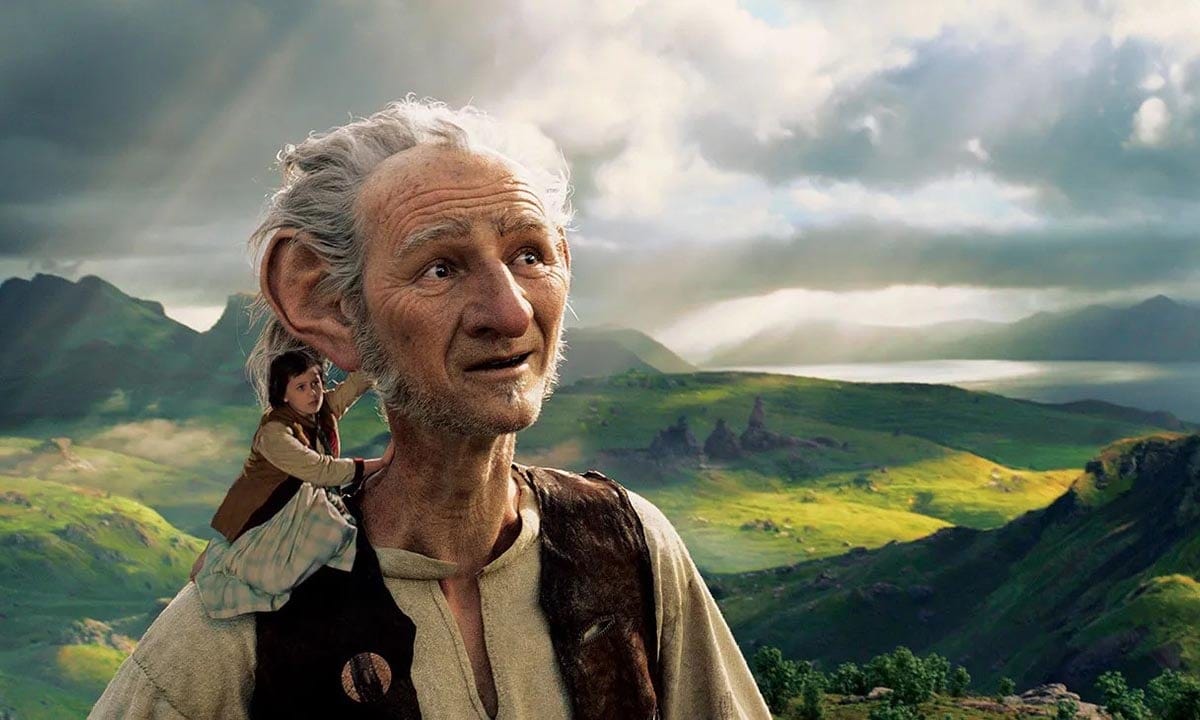
19. The BFG (2016)
Spielberg is no stranger to nightmares and dystopia, but his faithful adaptation of Roald Dahl’s 1982 children’s classic finds the director playing the role of pure enchanter. The BFG’s plot is so thin it could qualify as a hang-out narrative, and its big themes of trust and the importance of dreams are broad to the point of vagueness. But however CGI-abetted the film’s low-stakes wonders are, they nonetheless feel like an implicit rebuke to a blockbuster ecosystem guided by the sequel prerogative. Sometimes a pleasant dream is more than enough. Gray
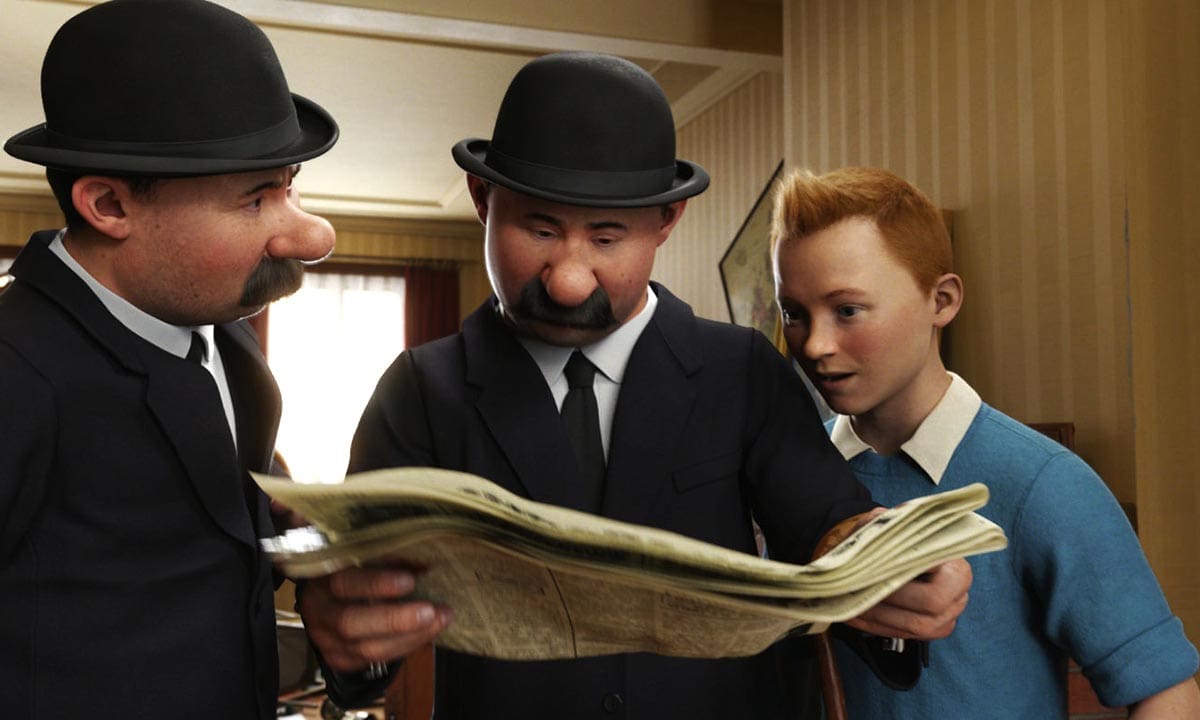
18. The Adventures of Tintin (2011)
The Adventures of Tintin is a wittily kineticized adaptation of the internationally loved comic books. Starting (after a blissful globetrotting credit sequence) with a peak-era Blake Edwards vibe of Anglicized continental farce, the film quickly finds the intrepid boy reporter (Jamie Bell) presented with a caricaturist’s portrait in his creator Hergé’s classic “flat” style. So we’re served notice that, while the script affectionately mashes up three of the paneled 1940s tales, this isn’t precisely your daddy’s Tintin. With his army of digital alchemists producing breathless chases by air and road, a fiery 16th-century battle with pirates, and chain-reaction slapstick, all within a world where the cartoonish denizens have some humanoid heft, Spielberg has clarified the quiff-topped hero’s identity as a careering European cousin of Indiana Jones. Bill Weber
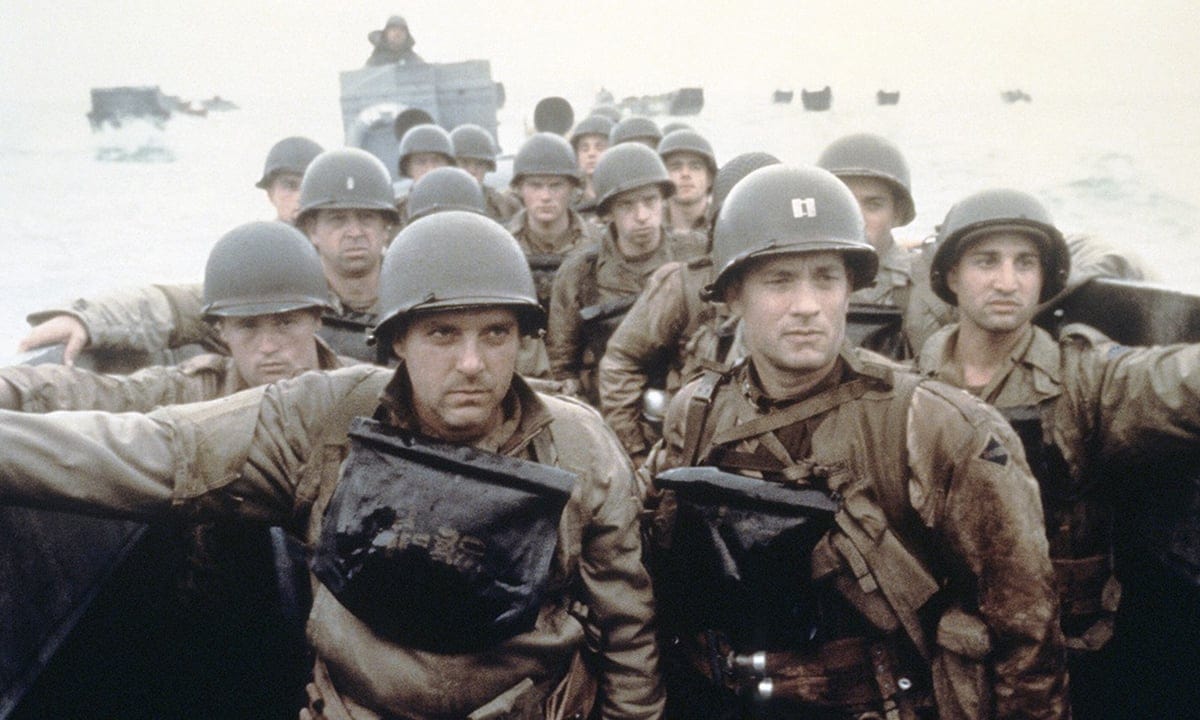
17. Saving Private Ryan (1998)
Regarded in its day as either the apex of Spielberg’s visual panache and historical efficacy or, conversely, the most tangible example of his “filmosophical” conservatism, Saving Private Ryan now seems the breach-birthed transitional film of his later career. Of course, to arrive at that conclusion you’d have to sift beyond the relatively untouchable content, that of American soldiers’ WWII battles on the European front. And that’s a lot of dead bodies to just plow through. A lot. Unveiled at the height of America’s “greatest generation” meme, the film invested too much in the notion that viscera and on-screen grue is tantamount to verisimilitude, and that conveying verisimilitude is the exact same thing as paying tribute. Henderson
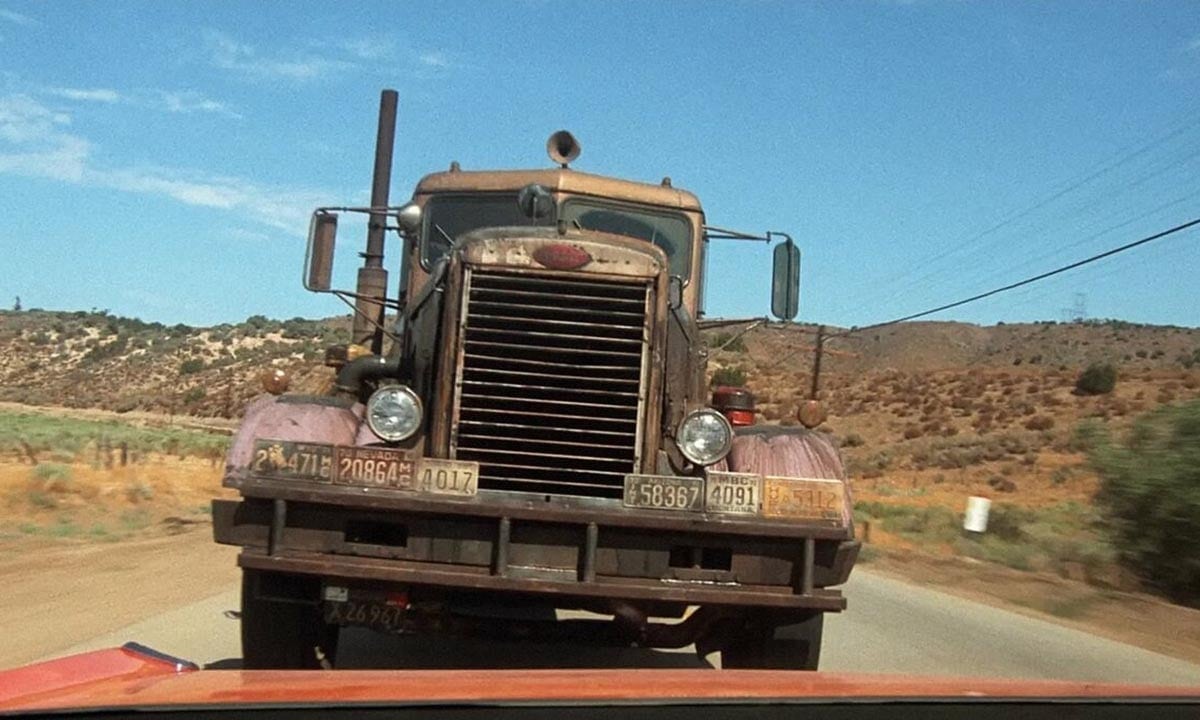
16. Duel (1971)
Among its other virtues, Spielberg’s feature-length directorial debut is perhaps the only film of its kind to recognize the significance of the car as a symbol of masculine hubris in America—a critical edge all the more remarkable considering the film’s roots as a genre exercise made for late-night television. The setup, of course, is a classically Freudian dilemma of threatened manhood: An ineffectual middle-class milquetoast finds himself besieged on the open road by a 10-ton phallus on wheels, and it’s all our hero can do to hope his rear end survives all this vigorous ramming. Subtle? Not exactly. But few films are as bluntly terrifying. Calum Marsh
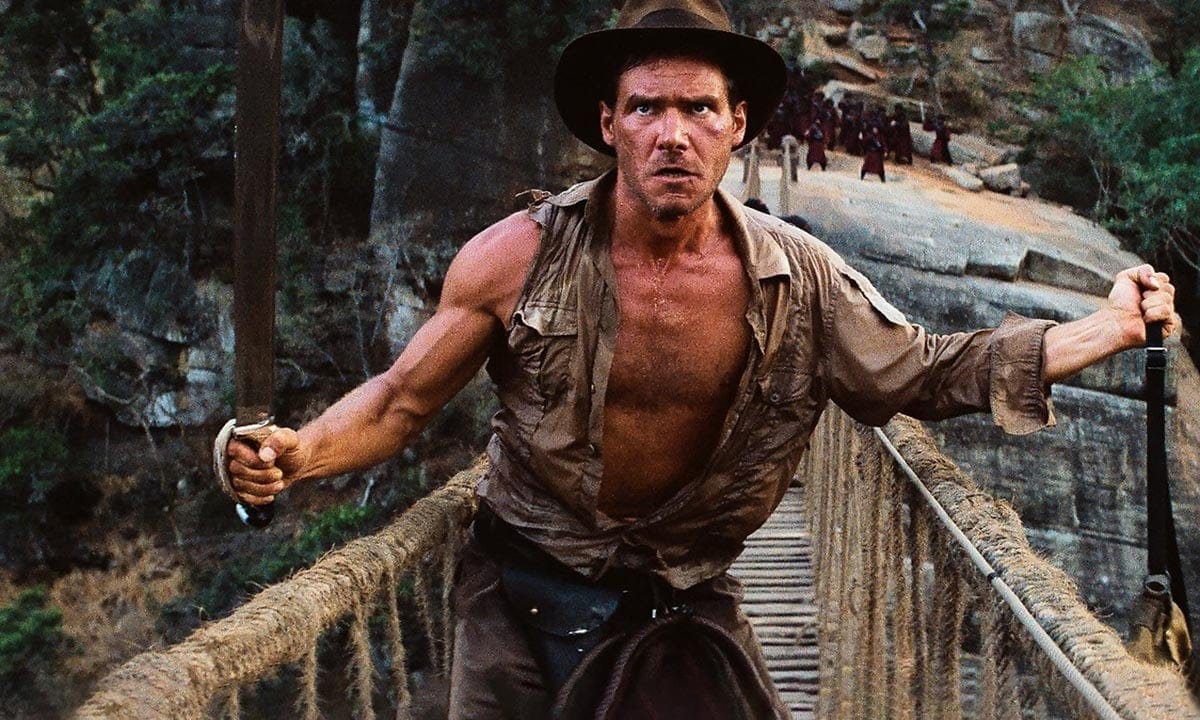
15. Indiana Jones and the Temple of Doom (1984)
What is this, an action picture or Blonde Venus? The opening turns out to be a red herring in many ways, among them the fact that the rest of the film is a great deal darker than the other Indy films, and not simply because it spends most of its running time where the sun don’t shine. But it does at least convey the notion that, whereas Raiders of the Lost Ark was, despite being a throwback, a respectable genre homage-cum-update (one that could get nominated for a best picture Oscar without raising an eyebrow), Temple of Doom doesn’t so much pay tribute to the serial adventures of yore as it embodies them. Here, frivolity and evil blithely coexist—and women are a lot more likely to scream than win drinking contests. Henderson
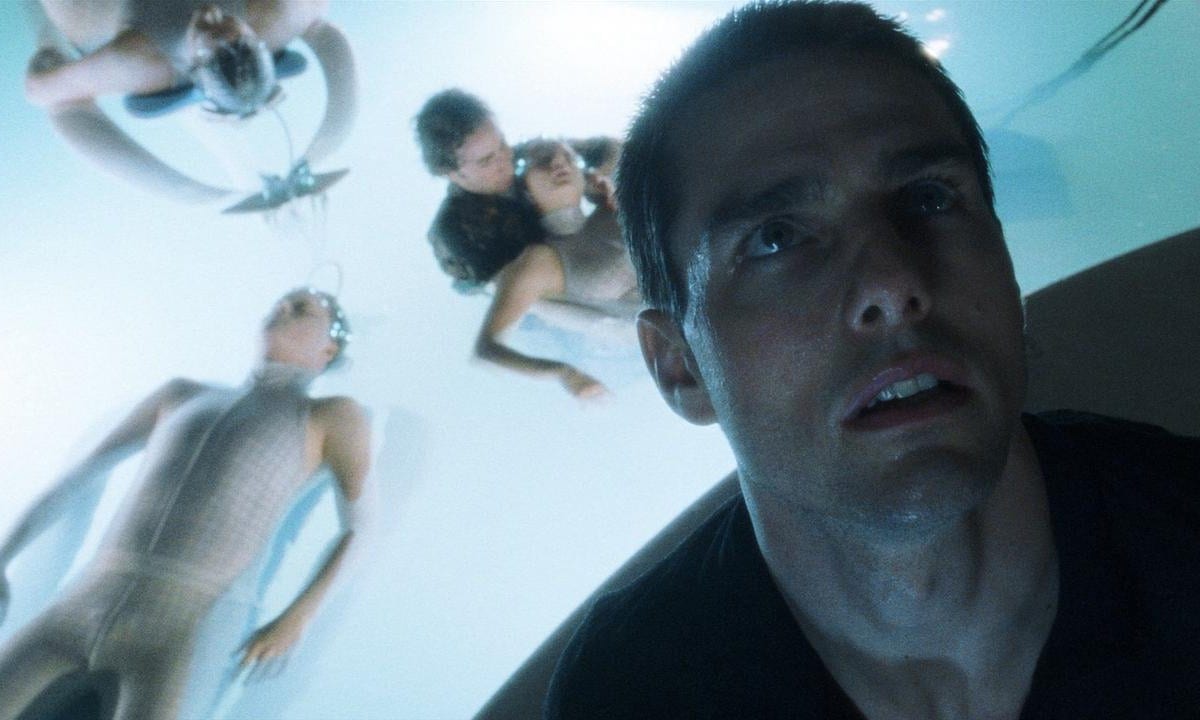
14. Minority Report (2002)
Minority Report straddles the divide of classicism and futurism, as it’s a distinctly modern-looking film that tells a distinctly old-fashioned noir detective story. It’s a film built on contrasts, conjuring sweeping visions of life undone by simulation and addiction while institutional infrastructures continue to thrive. Its many allusions to sight recall both the power and simple beauty is the ability to see. But the most notable achievement of Spielberg’s film is how it coalesces the threads of past and future and harbors a firm grasp on the space between that is the present. At a time when commercial narrative-making increasingly leans on mythology and leads you to wonder about what isn’t there, Minority Report leaves you thinking about all that is there, even as it causes you to wonder, “Is it now?” Ted Pigeon
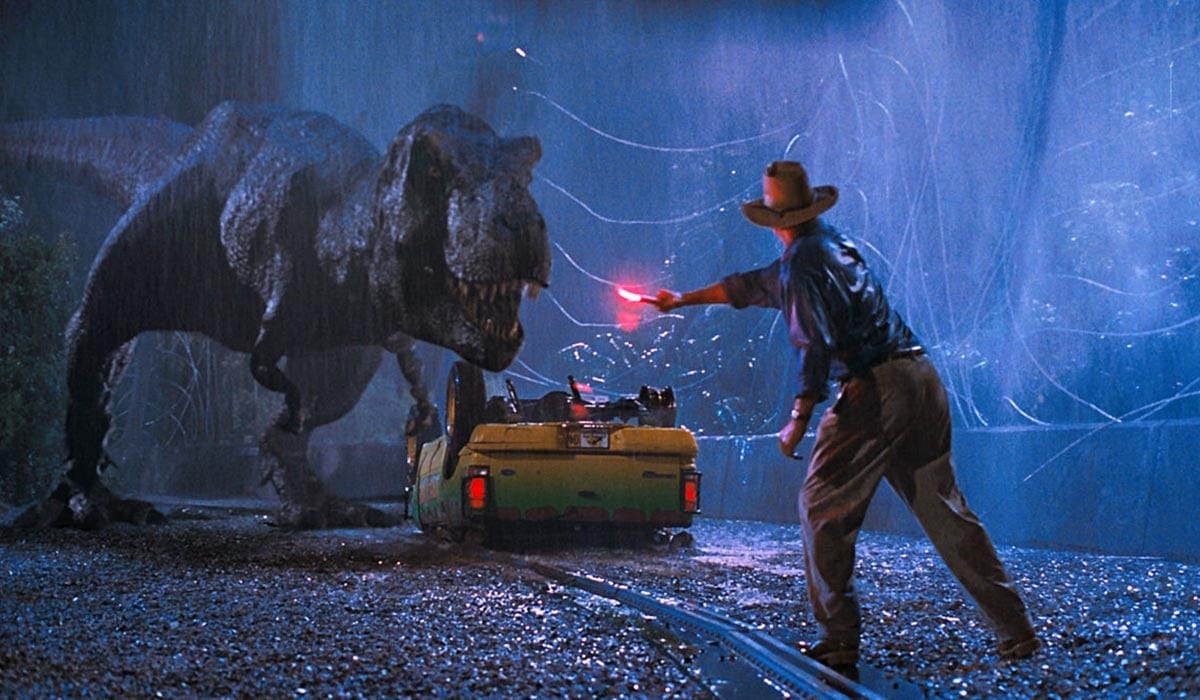
13. Jurassic Park (1993)
It’s fitting that Spielberg makes a show throughout Jurassic Park of equating himself with genetic mogul and self-proclaimed fabulist John Hammond (Richard Attenborough), whose humble flea-circus beginnings lead him to an obsession with presenting a truly astounding visual experience, even in defiance of the stern dictates of nature. There’s a touch of Prospero to this character, and the mysterious island, the unnatural monsters, and the storm draw further comparisons to The Tempest, Shakespeare’s treatise on the enchantment of illusion. Working in a fantastic hall of mirrors, Spielberg once again removes the barrier between fantasy and reality, grounding big-movie magic with an insistent focus on craft. Jesse Cataldo
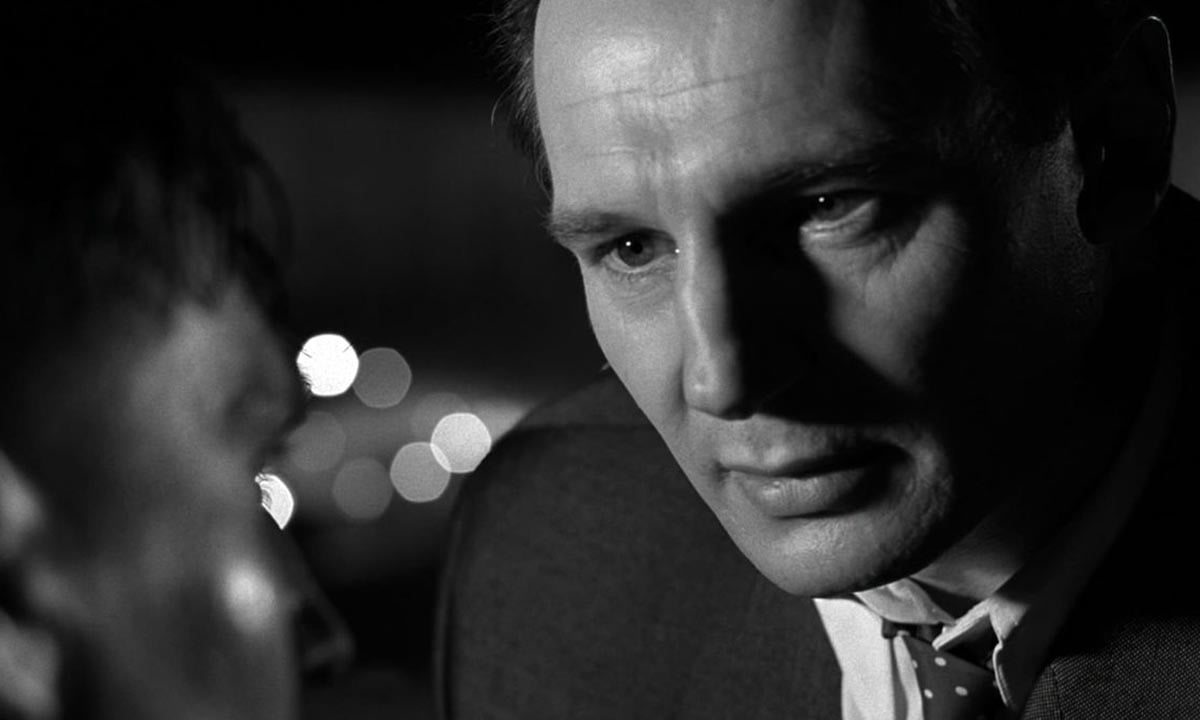
12. Schindler’s List (1993)
I understand the skeptics and the naysayers. I hear Jean-Luc Godard accusing Steven Spielberg of trying to rebuild Auschwitz, and Jonathan Rosenbaum (who included the movie on his 1993 best-of-the-year list) calling it a cartoon and dishing on it at every opportunity. The same red flags come up for me as they do for most people: the “I could have done more” bit, some of the forced drollery between Oskar Schindler (Liam Neeson) and Itzhak Stern (Ben Kingsley), the wink Schindler gives Stern after going all-in on a warehouse full of Jewish workers and Nazi machine guns, and so on. But this incredible story is transformed into the sublime by the camerawork and rhythm. It was a much-ballyhooed new look for Spielberg at the time, and, while cinematographer Janusz Kamiński borrows from elder masters like Roberto Rossellini (especially Il Generale Della Rovere, which tells a strikingly similar story) and Fritz Lang, it still looks like a new kind of cinema, unmistakable and inimitable. Christley
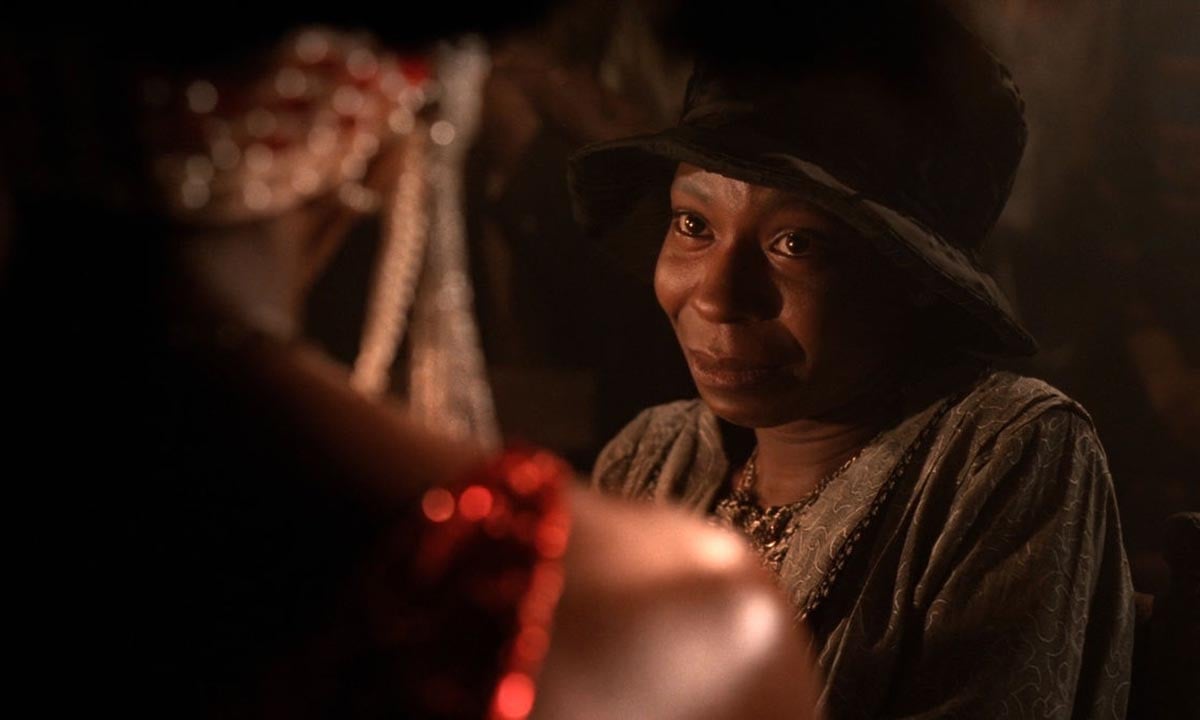
11. The Color Purple (1985)
Spielberg’s adaptation of Alice Walker’s novel uses classic Hollywood signifiers to foreground experiences that popular American cinema often gives short shrift. For one, Celie’s (Whoopi Goldberg) early forced separation from Nettie (Akosua Busia) has the charge of a Gish sisters-headlining melodrama directed by D.W. Griffith, and that at once ingenious and dubious figure is equally evident in the centerpiece sequence where Spielberg intercuts Celie’s reading of a treasure trove of her sister’s letters with Nettie’s harrowing experiences on a self-actualizing trip to Africa. The transcendent finale, meanwhile, alludes to and subverts The Searchers, that knotty urtext for Spielberg’s generation of filmmakers. In doing so, it conjures an emotionally charged counterweight to a cultural oeuvre historically dominated by white straight men. Walker’s literacy theme, in the Spielbergian context, extends not only to words but to images, both their myriad complexities and their all-too-frequent myopias. Keith Uhlich
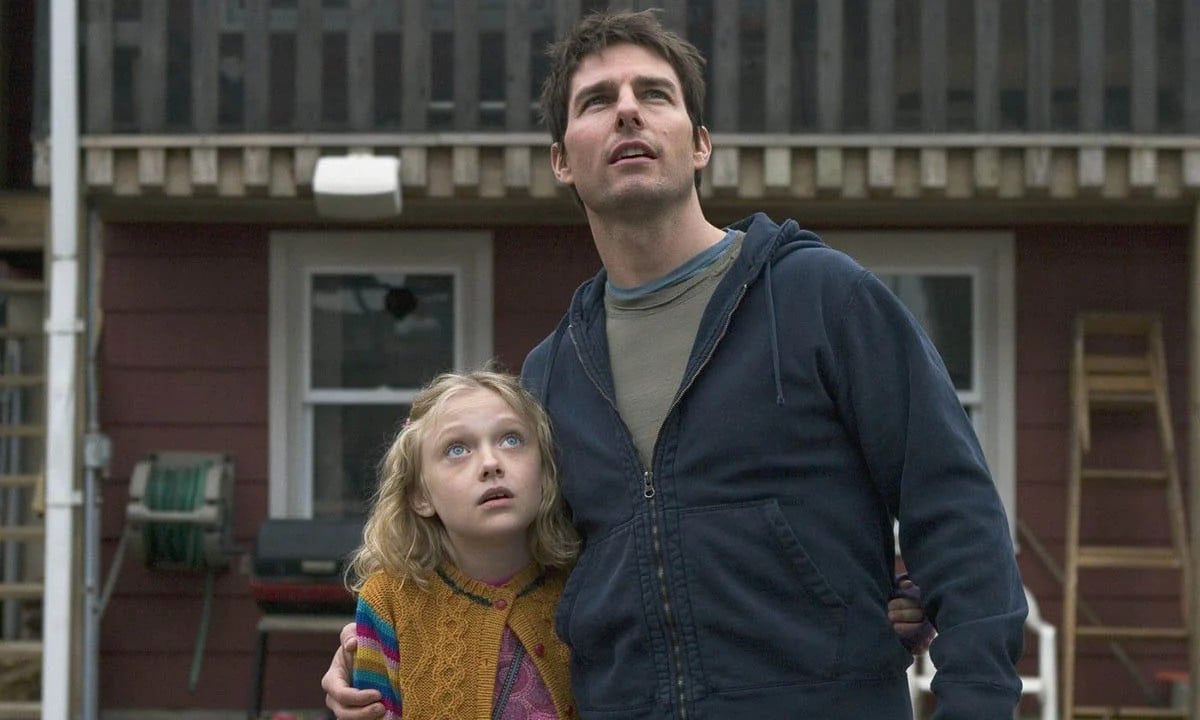
10. War of the Worlds (2005)
No mere F/X demo reel, and certainly not your standard-issue annihilation porn, War of the Worlds takes the same property Orson Welles once used to convince an already edgy populace their world was ending and recontextualizes it as an abstraction of collective national trauma. As noted by critics wise enough to look beyond the surface thrills (which are, admittedly, as brutal and relentless as I trust Jaws must’ve seemed back in the day), the film’s sci-fi-cum-disaster-movie tropes only barely mask the signposts of our post-9/11 experience: wanton death, floating clothes, homemade missing persons posters, ashes and dust. Between this and Munich, no one tapped into mass paranoia with tenser results. Henderson
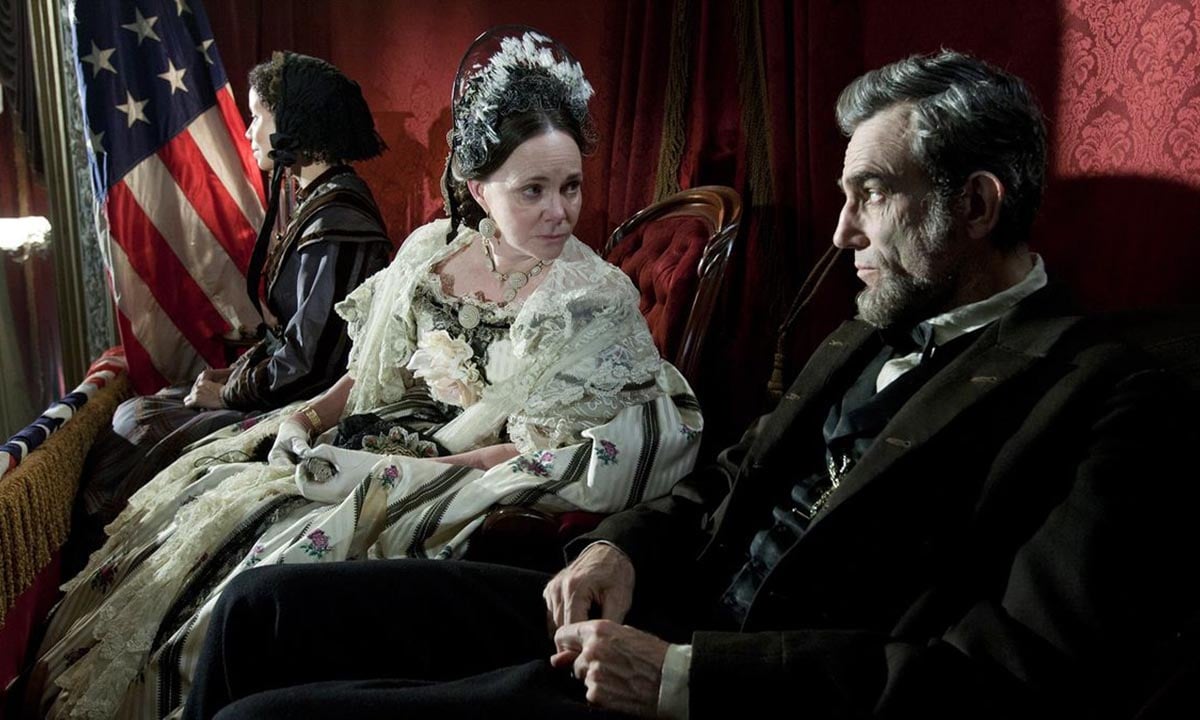
9. Lincoln (2012)
Lincoln is an anatomy of process in the tradition of several Otto Preminger films, and it often spins dark humor from the implication that a piece of truly miraculous legislation was passed, by the skin of its teeth, because a number of bickering politicians in the House were too concerned with lining their private pocketbooks to properly honor their deeply ingrained prejudices. The film, which Spielberg stages with a breathless sense of pace and a characteristically impressive, intuitive sense of composition, often celebrates the politicians of Lincoln’s (Daniel Day-Lewis) era, not for the purity of their intention, but for the obviousness of their avarice, a notion that, true or not, is amusing and resonant. Chuck Bowen
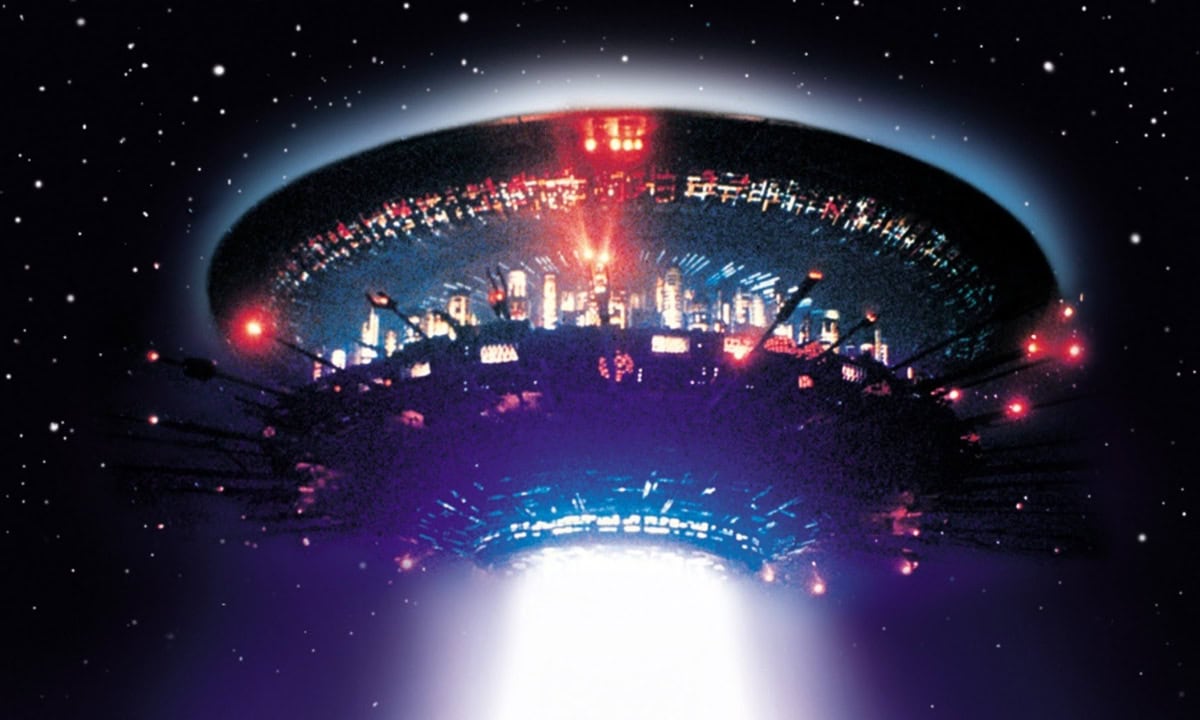
8. Close Encounters of the Third Kind (1977)
For a film in which a man spends so much time not knowing what he’s doing or why, Close Encounters of the Third Kind has got a lot to answer for. And though Spielberg is often thought of as the most American of directors, since when has America endorsed such strident naïveté? Or been inclined to tender trust in the unknown? In the final rapturous stretch, the spectacle doesn’t come from the scope of the mothership or the sonic density of the tonal language that the aliens share with the gathered humans, but from the sweet, unexpected reward of total trust: the scientists’ trust in the pursuit of knowledge, the common man’s trust in a greater purpose and heavenly reunion, and our trust in a filmmaker flexing his utter command of the medium. On many levels the least fashionable American touchstone of the 1970s, the film is also arguably among the few that truly offered any hope of transcending its era. Henderson
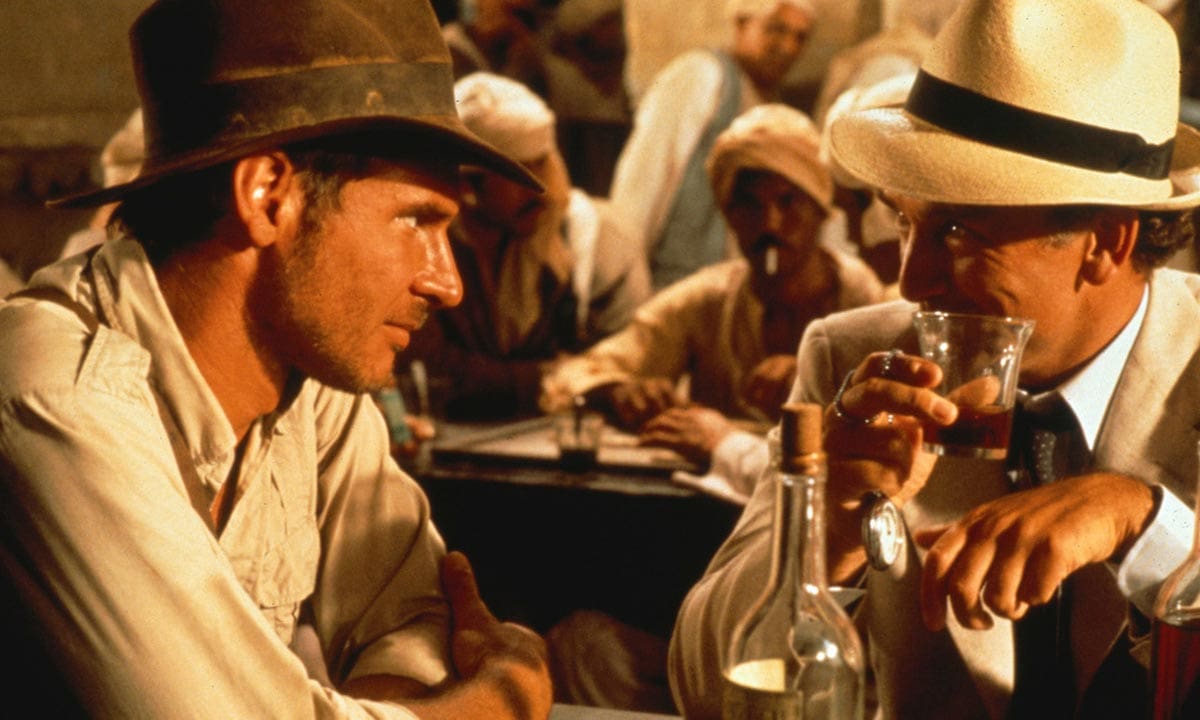
7. Raiders of the Lost Ark (1981)
Raiders of the Lost Ark is as perfectly paced and briskly entertaining as anything in Spielberg’s filmography, and the most productive point of intersect between his and George Lucas’s shared interest in reflecting on and repurposing the swashbuckling, cliffhanging exploits of those Saturday-morning serials they namedrop. There’s also the cheesy-radical pleasure of watching a Jewish-American filmmaker, who would go on to win an Academy Award for an Oscar Schindler biopic, cracking howling Abrahamic seraphim out of the Ark of the Covenant to melt the faces off sniveling Nazi scientists in the climax. From the runaway boulder to the bubbling-flesh finale, the film cracks like a whip, an essential piece of American entertainment. John Semley
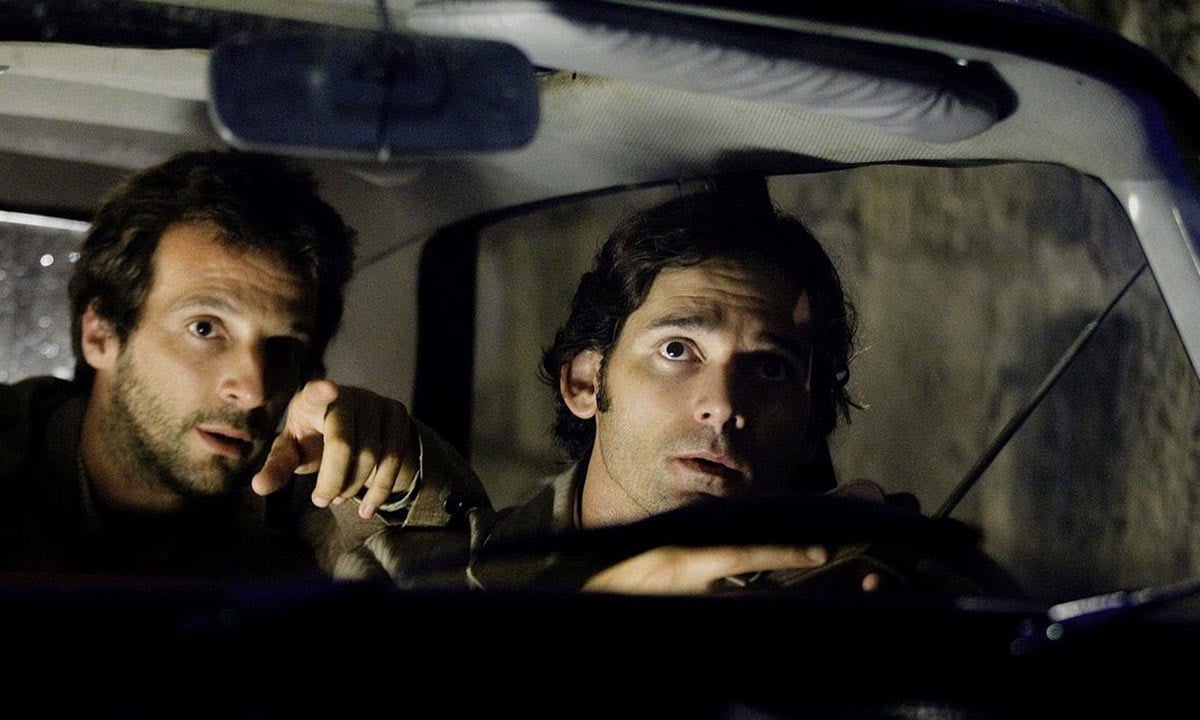
6. Munich (2005)
“Don’t fuck with the Jews!” blusters a Mossad agent (played by Daniel Craig) in Munich, the finest installment of Steven Spielberg’s barely recognized 9/11 trilogy, and a political thriller that crushingly reveals the price of state-exacted vengeance. Derision was obtusely heaped on the scene of Eric Bana’s Avner, home from years of liquidating enemies of his homeland, haunted in the midst of procreative sex by the 1972 Olympic massacre of Israeli athletes; the film’s link between life and death, heritage and bloodshed, is inescapable and tragically resonant through Spielberg’s act of cinematic conscience and Tony Kushner’s piercing dialogue. Weber
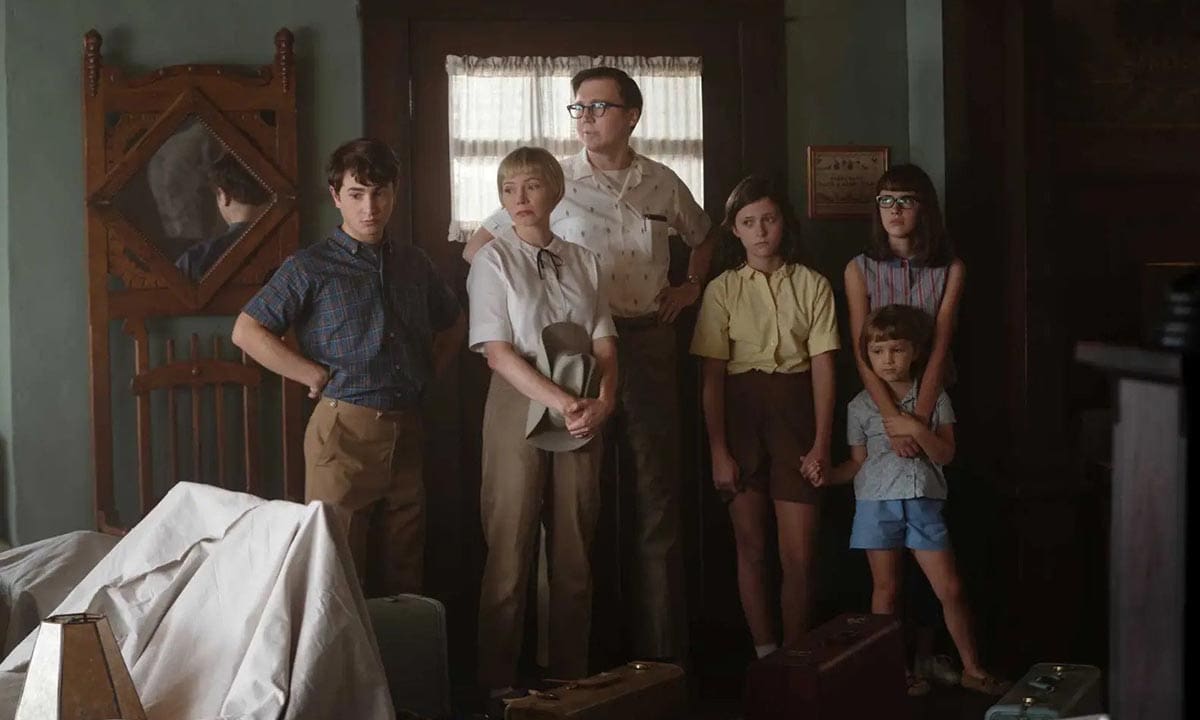
5. The Fabelmans (2022)
Steven Spielberg’s finest and most misunderstood movie since A.I. Artificial Intelligence, The Fabelmans shares with that 2001 masterpiece the uncanny spectacle of Hollywood’s most purely talented craftsperson giving himself over to material that consistently threatens to escape his control. It’s the omniscient apotheosis of Spielberg’s cross-generational humanism, the sort that could only come from the gloaming end of one’s career, much like Carl Theodor Dreyer’s Gertrud, Ozu Yasujirō’s An Autumn Afternoon, and Edward Yang’s Yi Yi before it. And in the final five minutes, the transference of cinephilia from a chance encounter with an American icon announces itself in the most loose-limbed and thrilling visual gesture that Spielberg has ever achieved, a legitimate neologism in cinematic form. Henderson
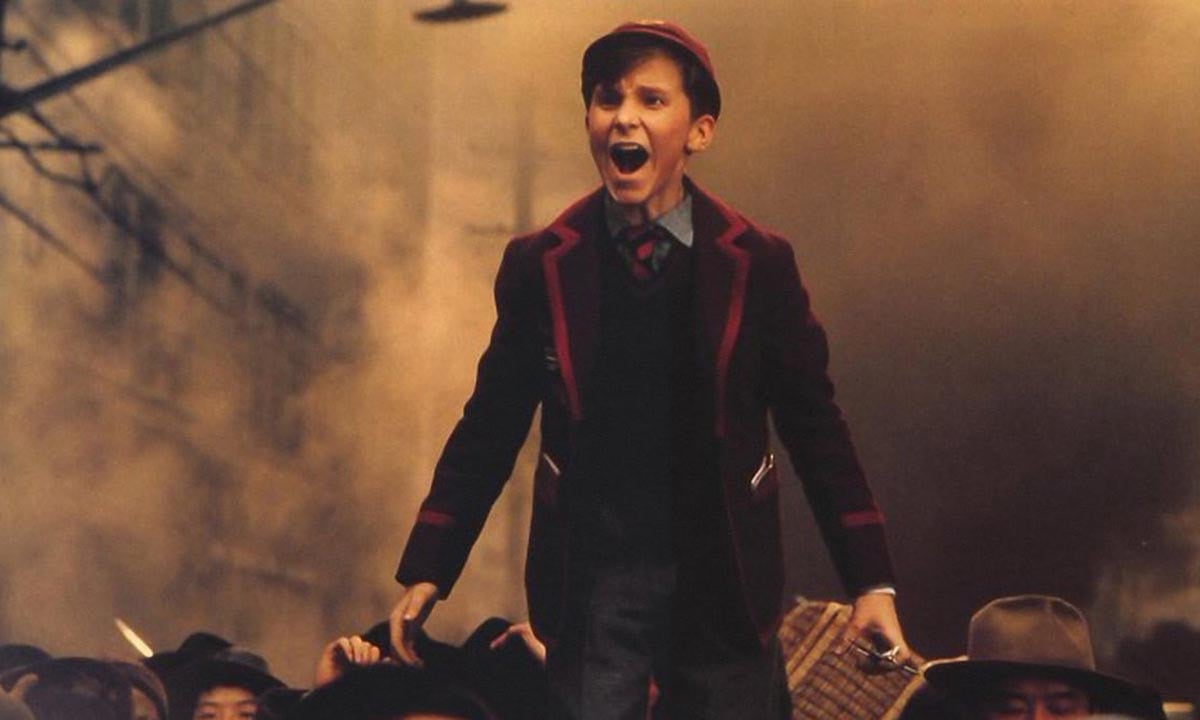
4. Empire of the Sun (1987)
Empire of the Sun is pure Spielberg and a perfect match of director and material, focusing as it does on a child separated from his family, whose suburban existence is turned upside down by a mysterious outside force. But unlike previous Spielberg films, this is less a celebration of the wonders of childhood and more a lament for the loss of a child’s innocence. Jim Graham (Christian Bale) is a boy who doesn’t want to grow up, because to do so would mean having to acknowledge the terrible things that have happened to him, as well as forcing him to consider the childhood that he has lost. A work of unbearably beautiful visual poetry, Empire of the Sun is a rare Spielberg film (at least up to this point in his career) that doesn’t try to reassure its audience or make everything clear-cut. Martyn Bamber
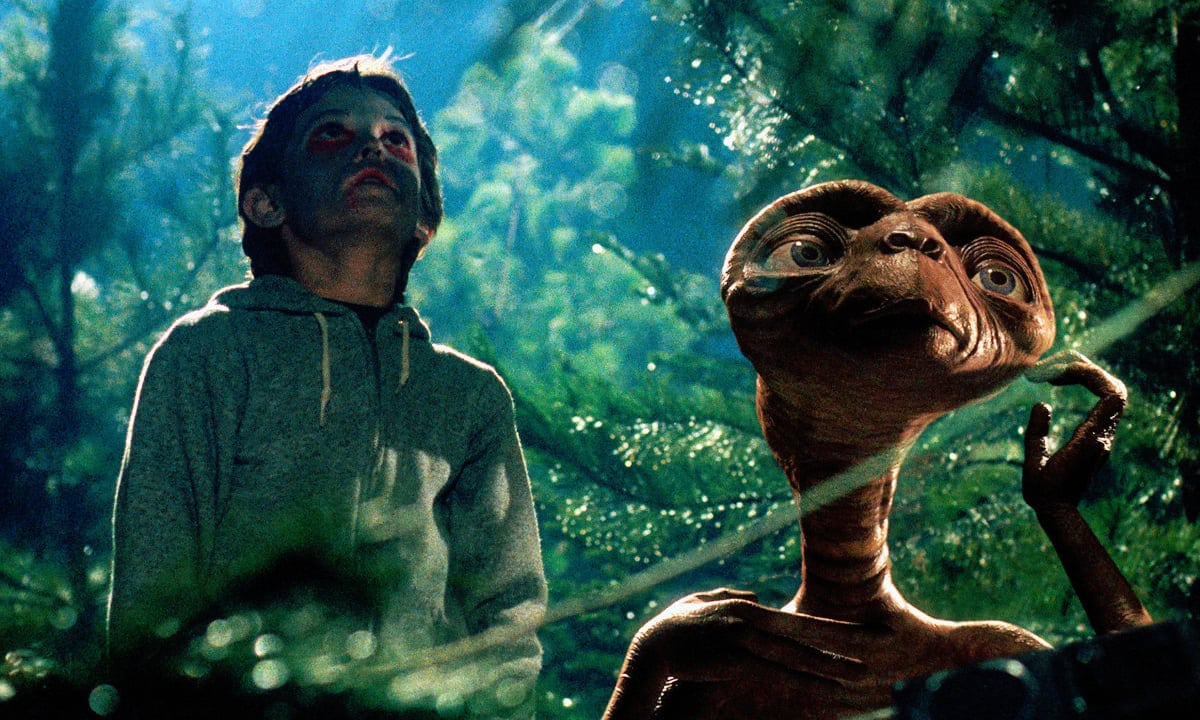
3. E.T. the Extra-Terrestrial (1982)
E.T. the Extra-Terrestrial, among other things, pulls grown-ups back into the vortex of feelings they’ve either repressed with age or have allowed to break toward bitter instead of sweet. Spielberg in his prime was so adept at reflecting the innocent simplicity of childhood feelings that his talent seems to draw out the worst suspicions among life’s lost souls, those to whom the concepts of purity and simplicity have somehow become weapons in the mind’s battle with the heart. E.T., a visitor whose biological makeup ensures his stay on Earth won’t be for long, is something of an abstraction for the grief Elliott (Henry Thomas) feels upon his father’s abandonment. His departing aphorism, “I’ll be right here,” is sage advice for someone who understands profoundly the loss Elliott feels and the capacity for him to forgive. Henderson
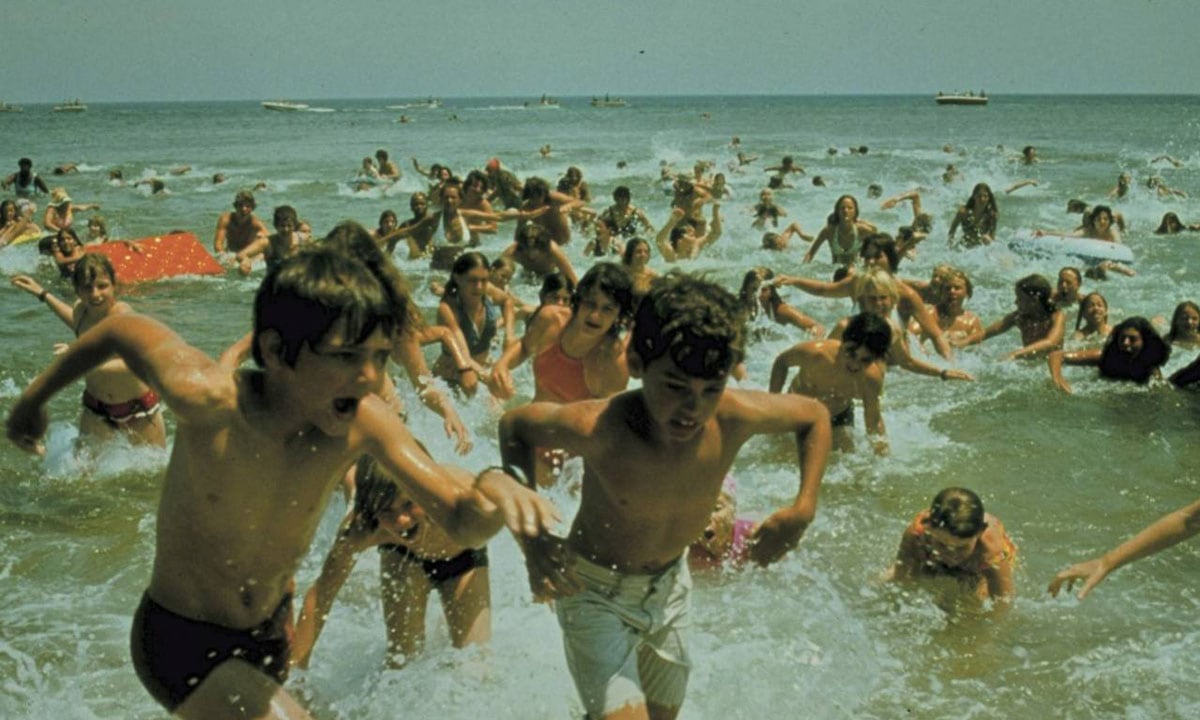
2. Jaws (1975)
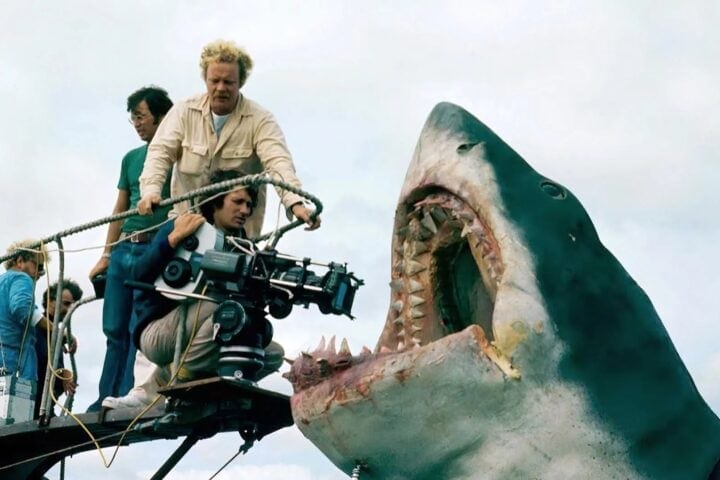
A lively, chaotic swirl of contradictions, Jaws is a thriller that played a role in the entire restructuring of Hollywood’s methods of selling its films to the public. It was the sure-to-be calamity that became one of the most beloved and quoted films of all time—a certain generation’s Citizen Kane that gave rise to a legendary, controversial filmmaker and seemingly turned everyone else into aspiring directors. It also played a role in the rise of an obsession with a kind of theme-park movie that gluts global cinemas to this day. That’s a lot of baggage for any film, much less a monster movie with grade-Z roots, to live up or down to. The surprise is how good it was and still is. The film is a strange mixture of the ultra-controlled and the wild and wooly. Imagine if portions of Psycho were spliced into one of Hal Ashby’s early films and you’d be closer to the film’s tone than you might think. Bowen
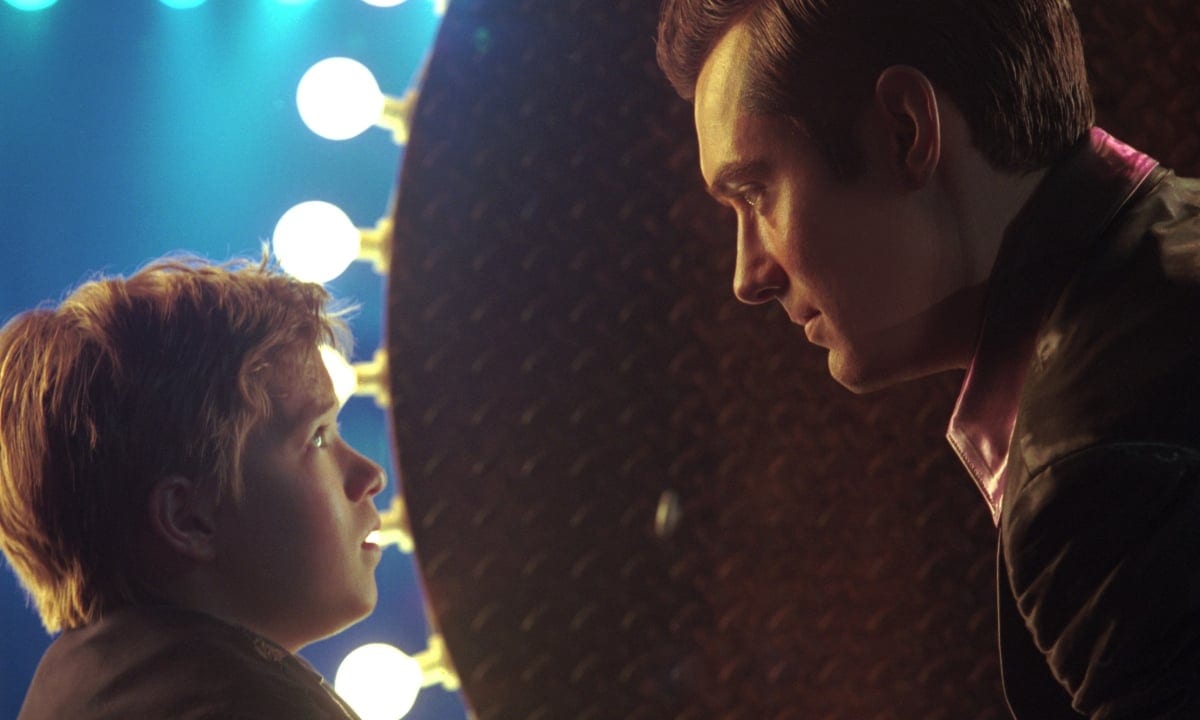
1. A.I. Artificial Intelligence (2001)
Spielberg’s A.I. Artificial Intelligence proves to be, among many other things, a more morally and intellectually serious treatment of modernity, labor, and fascism—as well as a more devastating wrestling match with love and faith—than the work of some very serious European directors who’ve looked down their noses at Hollywood’s golden boy. It’s also the most emotionally searing film that Spielberg has ever made and a fitting tribute to Stanley Kubrick—not just in the mind-blowing retrofuture art design preserved from his time on the project, but in fully incorporating both Kubrick’s pitch-black absurdism and nagging belief in some kind of transcendence awaiting at the boundaries of science, religion, and spirit. Its hallucinatory distant-future finale is somehow terrifying and triumphant at the same time, offering a definitive, ironic, and shattering statement about the core essence of humanity. It’s the ghost of one great filmmaker inhabiting the shell of another, and the fittingly uncanny masterpiece that results feels like both and neither of their work. Friedberg
Since 2001, we've brought you uncompromising, candid takes on the world of film, music, television, video games, theater, and more. Independently owned and operated publications like Slant have been hit hard in recent years, but we’re committed to keeping our content free and accessible—meaning no paywalls or fees.
If you like what we do, please consider subscribing to our Patreon or making a donation.


This ranking is pure banantown.
War of the Worlds above Jurassic Park (not to mention Schindler’s List), and Lincoln above Minority Report and Saving Private Ryan is really insanity. Also, AI at the apex … I beg to differ.
So excited to see “A.I.” get its due! It is an almost perfect merging of two of the greatest talents and their most distinctive instincts.