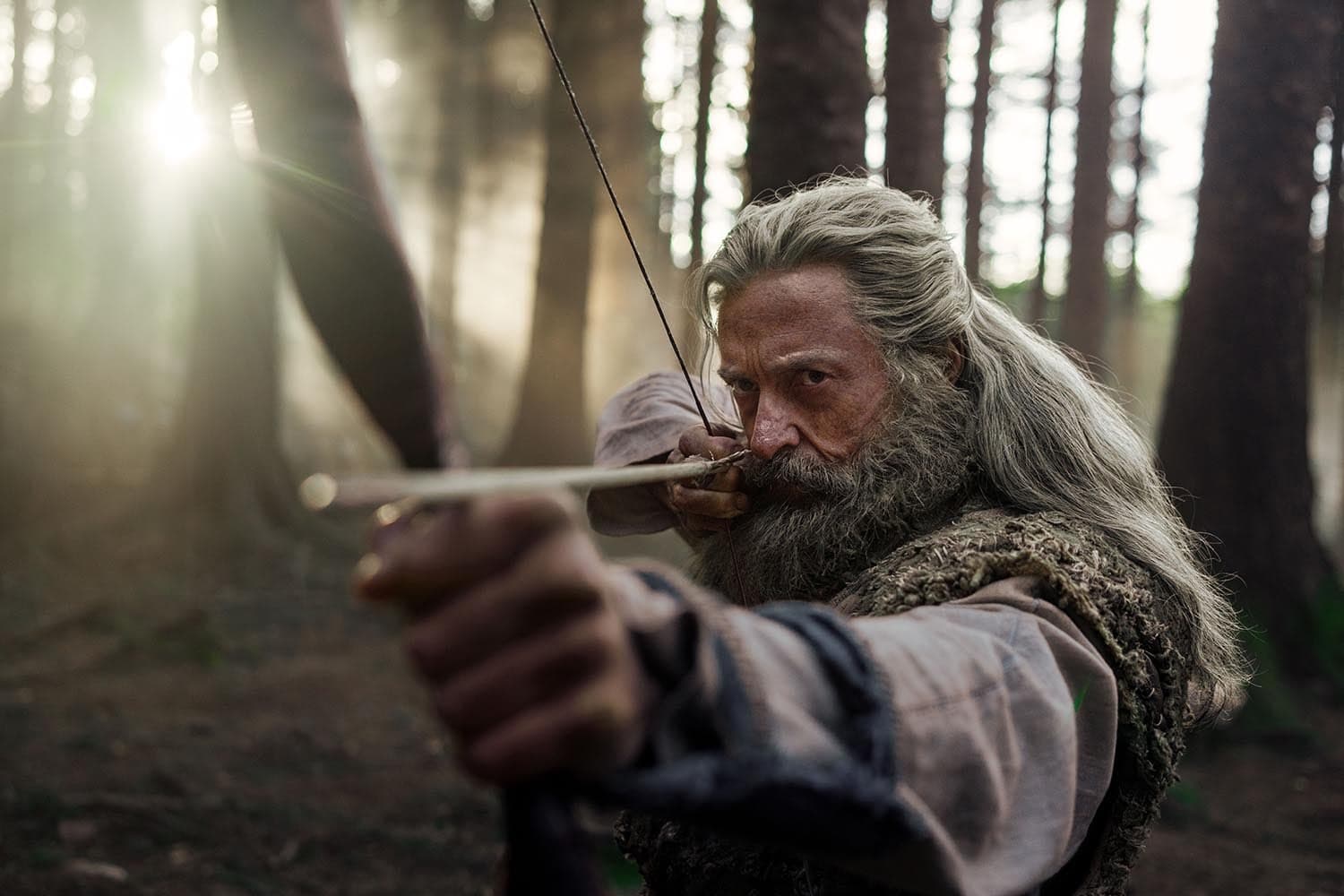
Like David Lowery’s The Green Knight and Robert Eggers’s The Northman before it, The Death of Robin Hood is a revisionist folk tale that attempts to bring a legend down to earth. Written and directed by Michael Sarnoski and starring Hugh Jackman as a battleworn Robin Hood, the film is a tough character drama with a mournfully humanist center.
We first meet Robin on one of those storied, blasted heaths as a young waif named Wainwright (Jade Croot) creeps near his campsite seeking shelter from the cold. The grizzled highwayman offers her hospitality, but when Wainwright attempts to rob him in his sleep, he tells her that the Robin Hood she’s heard about is just a story, and that the real man behind the legend kills for the delight of it, before cutting her throat and driving a knife into her temple.
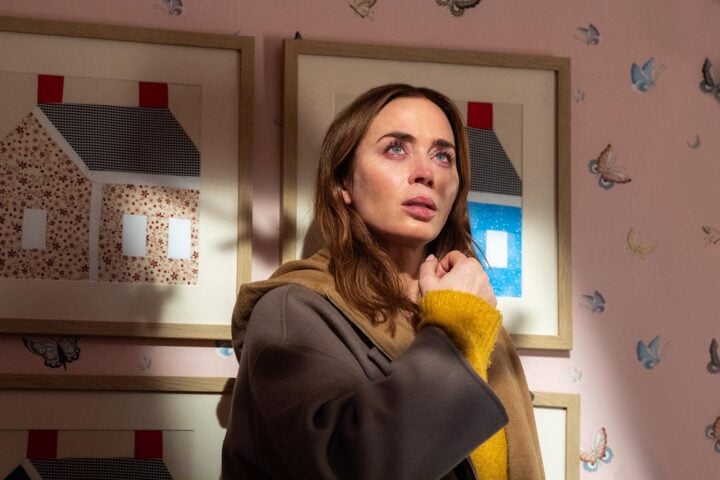
Later, Robin unexpectedly crosses paths with Little John (Bill Skarsgård), a former partner in crime who seeks his assistance in one last misadventure. After being gravely injured, Robin absconds to a distant priory, where the kindly Sister Brigid (Jodie Comer) tends to his wounds and introduces him to a gentler way of living. Robin becomes more humane, but the arrival of Little John’s young daughter (Faith Delaney) and a youth (Noah Jupe) maimed in Little John and Robin’s attack on his family homestead brings a fresh blood feud to Robin’s new doorstep.
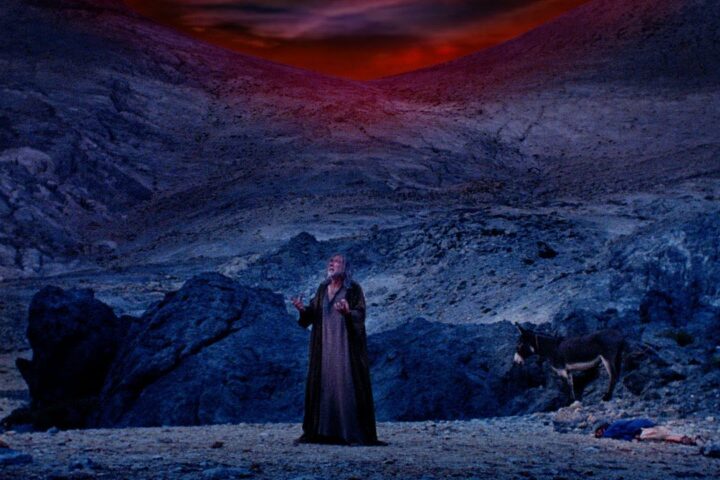
The Death of Robin Hood is unexpectedly sedate compared to Sarnoski’s first two feature films, Pig and A Quiet Place: Day One. Sarnoski and longtime cinematographer Pat Scola make expressionistic use of Northern Ireland’s rugged terrain, from wide, rocky vistas shrouded in haze to forests dappled with purple flowers. The film’s early going is characterized by mud, fire, and shadow, while its latter passages are all cool gray seas and sunlit stone halls, reflective of its central figure’s journey from the hell of a wayfaring life steeped in blood to an irenic existence within the walls of the priory where Robin confronts the ghosts of the past.
The film evinces a fondness for shallow-focus techniques that becomes more pronounced as the story progresses, with the camera’s eye trained more eagerly on faces than the natural splendor of Northern Ireland, especially as Robin’s life nears its end and the framing changes to a tighter aspect ratio. This notable visual shift from a broader, more mythic scope to an intimate one helps underscore the film’s core themes of acceptance and forgiveness.
As Robin’s vision narrows as death approaches, only the fruits of his actions remain, embodied by Sister Brigid and the children who confront him with his sins: “I owe this life to you,” she says mere moments after Robin reveals himself to be the man who killed her spouse in cold blood, delivered without a trace of bitterness, only gratitude. If there’s a lesson that The Death of Robin Hood wants to impart, it’s that our present circumstances always reconcile what’s past. The film makes the case that to focus on the overwhelming totality of the wrongs we’ve done and what’s been done against us can blind us to the possibility of absolution.
The Death of Robin Hood takes its broad strokes from an early modern English ballad titled Robin Hood’s Death, of which only fragments exist. As an adaptation of one of the earliest surviving tales about Robin Hood, its very point is that the character that Jackman embodies here bears almost no resemblance to the dashing green-suited rogue he’s become in the cultural memory. Yet, one can’t help but yearn for the film to dig deeper into the iconography of the legend the film is dismantling. The script alludes to the Merry Men, Maid Marian, and robbing from the rich. It even features Robin building a bow for Margaret. But these signifiers ultimately do little to point us toward a deeper understanding of the heart of the myth.
Tougher still is Robin’s own acknowledgment that the beneficence of his own reputation is false, yet Jackman’s rogue remains flinty and remote, his motivations indefinite, his drive towards violence unexplored, and his own understanding of his legend largely uncertain. By the time The Death of Robin Hood ends, its version of a fabled, feather-capped friend of the poor may empty his veins, but the film might have meant more had he spilled his guts.
Since 2001, we've brought you uncompromising, candid takes on the world of film, music, television, video games, theater, and more. Independently owned and operated publications like Slant have been hit hard in recent years, but we’re committed to keeping our content free and accessible—meaning no paywalls or fees.
If you like what we do, please consider subscribing to our Patreon or making a donation.