It stands apart from its contemporaries for relying heavily on audio over visual cues.
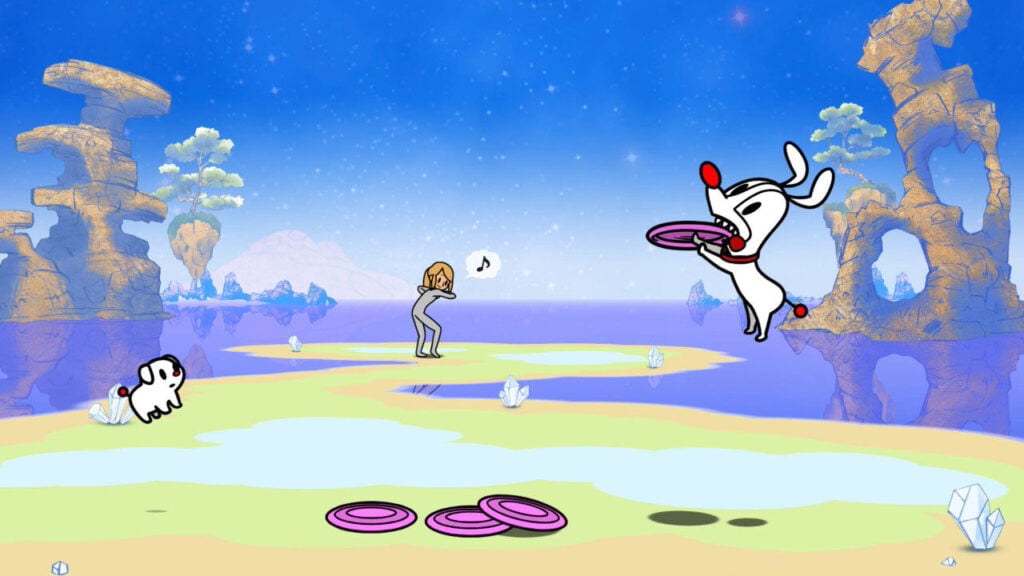

It stands apart from its contemporaries for relying heavily on audio over visual cues.

This may be a slate we look back on as ground zero for something that transcends everything that came prior.
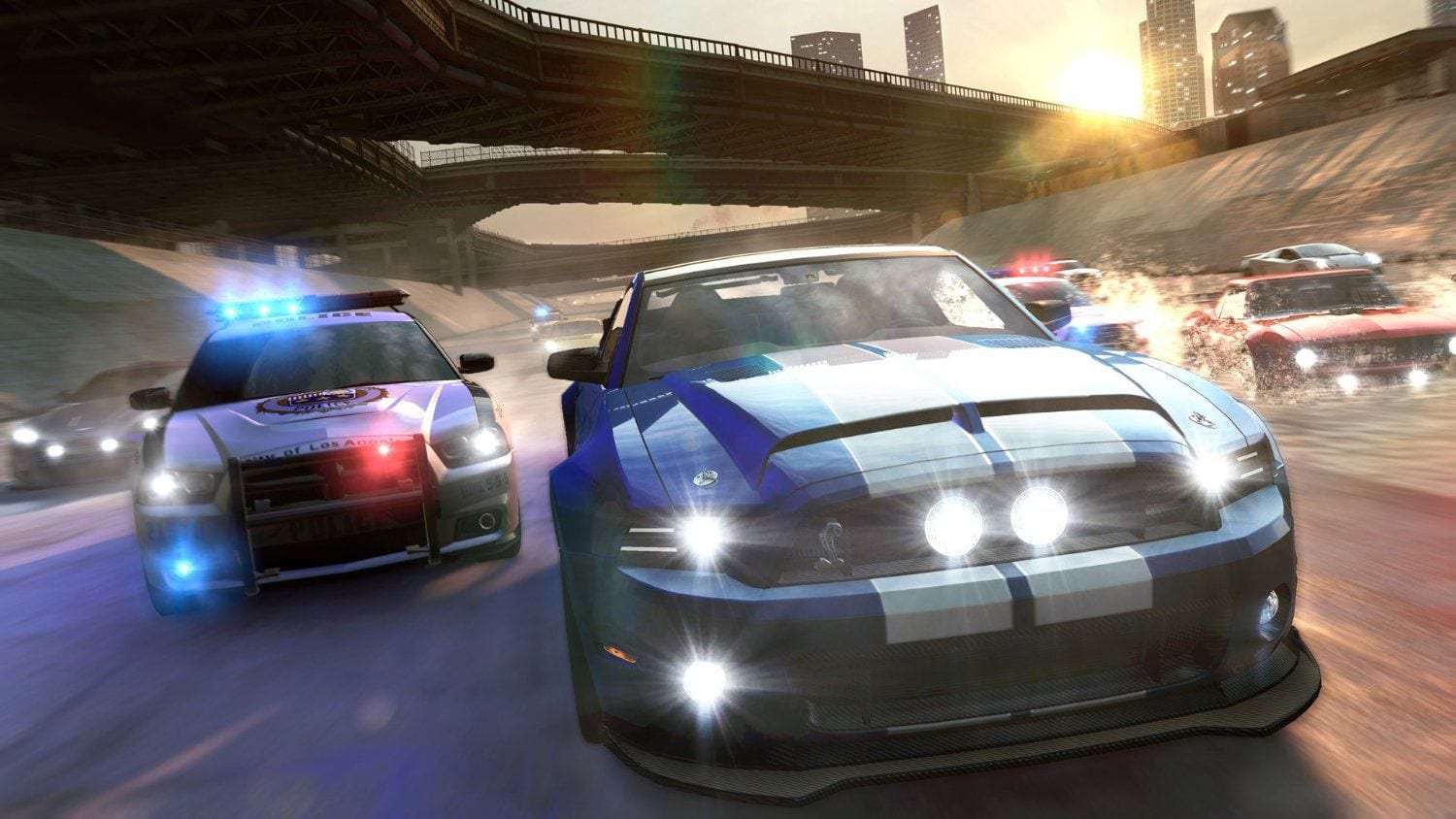
There’s a good game buried here, and when they finally plant the headstone, the cause of death will be chiseled as “trying too hard.”

The story is one of the most thematically complex in writer Kazushige Nojima’s revered résumé, dealing heavily with the false fulfillment of the soul and the ultimate definition of heartlessness.

For those desiring a more focused approach to gameplay, Far Cry 4 offers a lengthy campaign with over 40 missions.
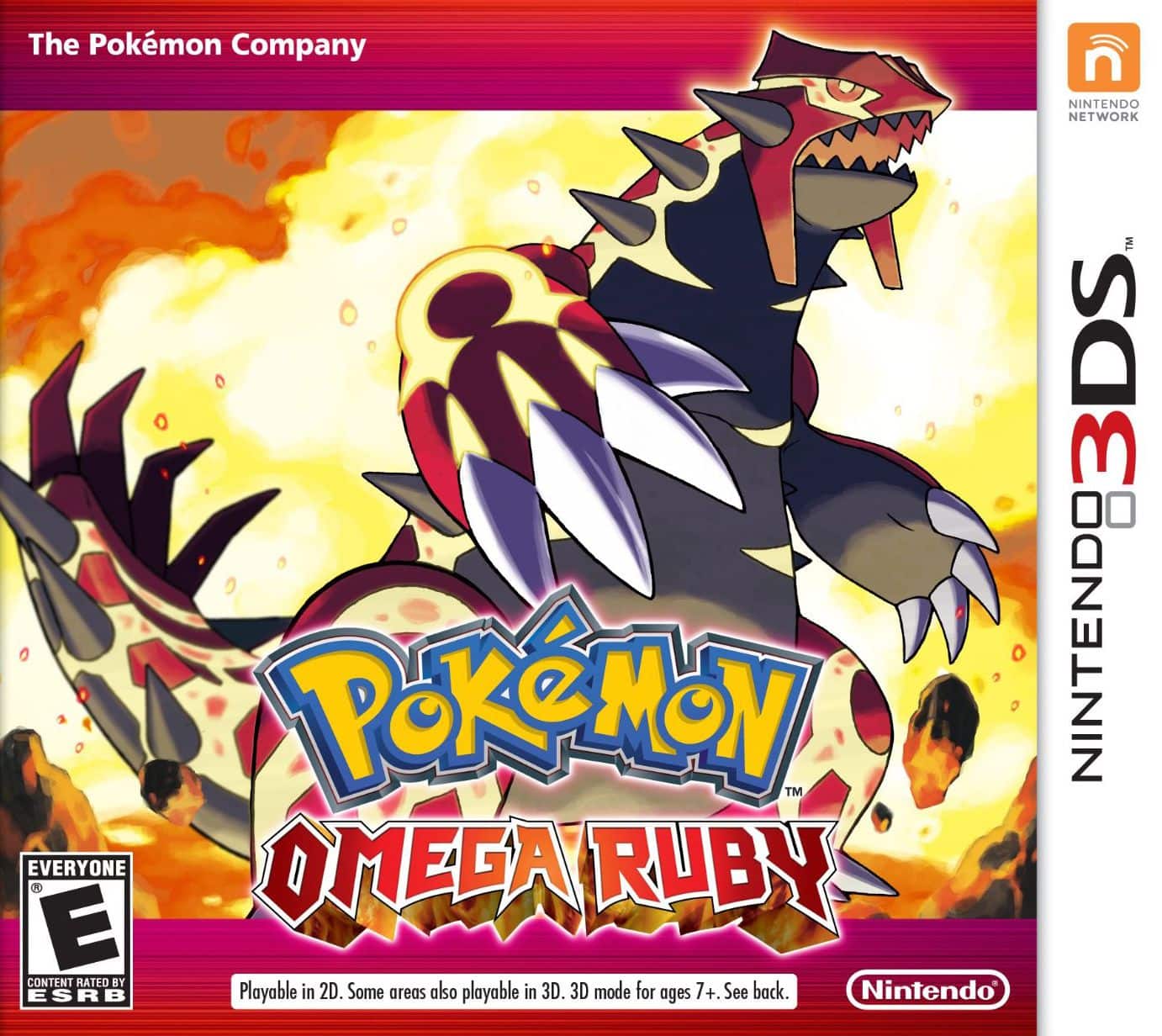
The lack of all-new critters also seems to have given developers the opportunity to make up for the absence of a significant epilogue in the preceding versions.
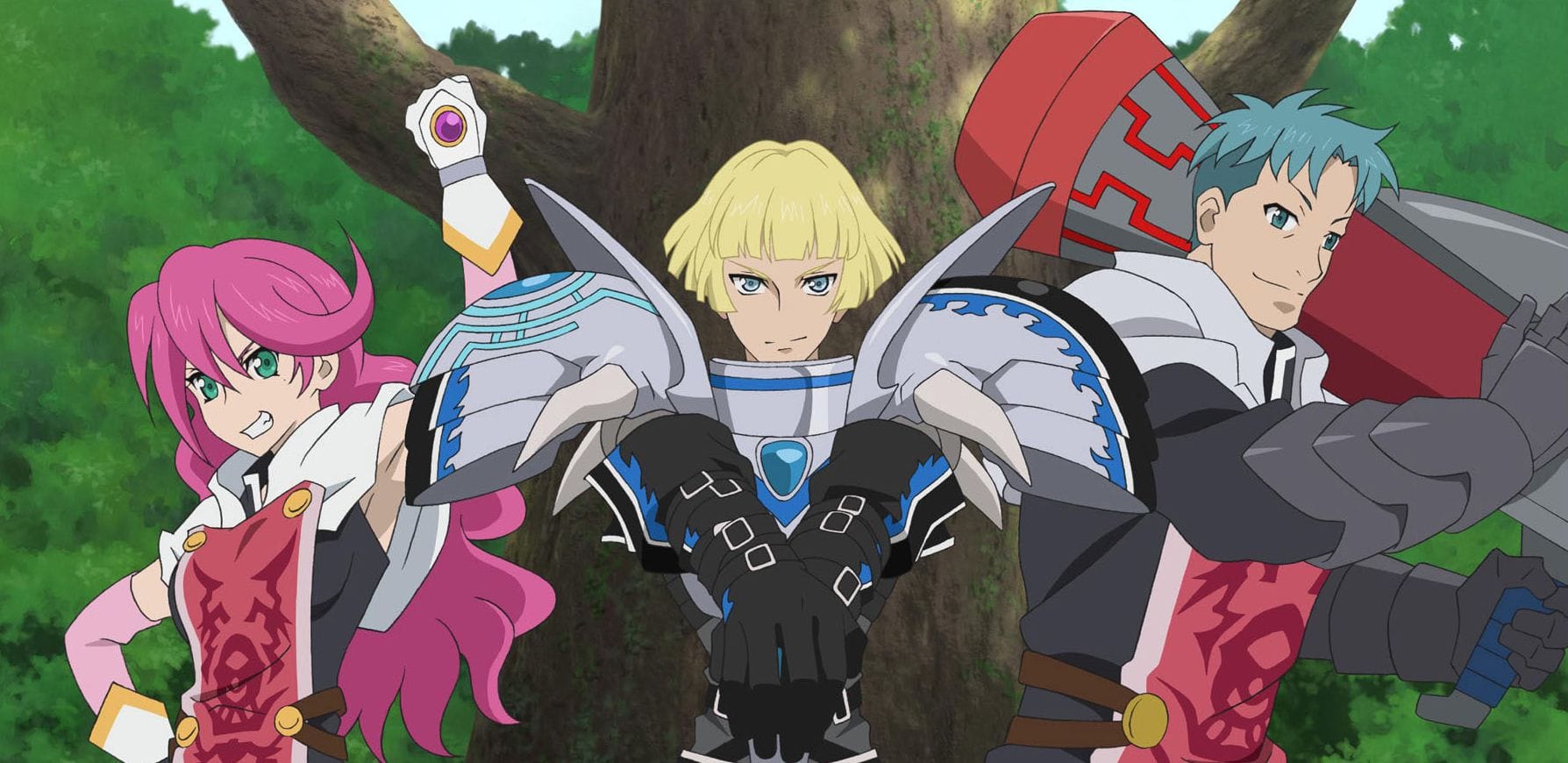
The game’s progression, while unhurried in nature, stays true to the orthodox route of the conventional JRPG, keeping things engaging primarily by way of its kinetic, multi-faceted battle system.

If there’s a single downside, it’s that with a cast of over 16 characters, only five of whom can physically be in your party, there’s very little reason to play around with your party’s composition.

A boilerplate brawler that’s almost entirely devoid of original style, and of interest only for the most faithful of Digimon devotees.
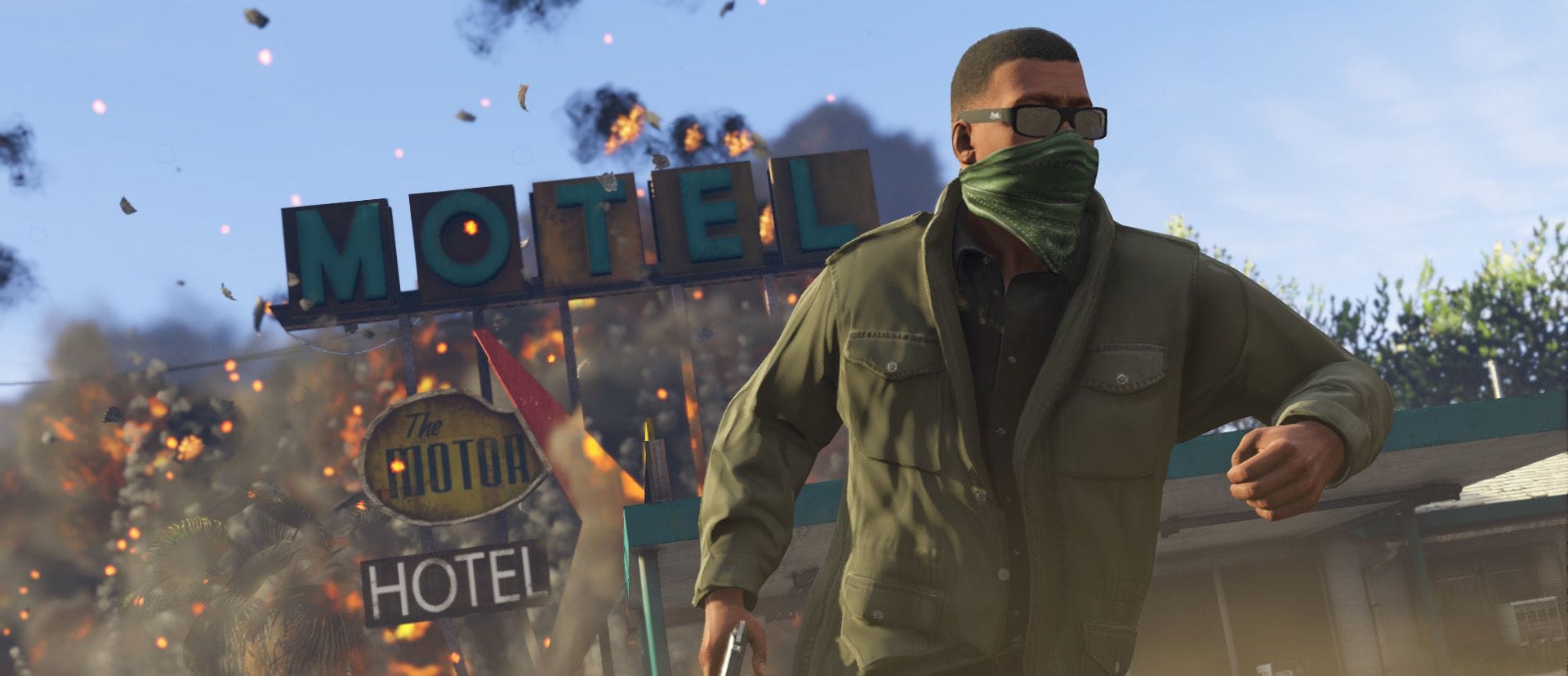
There’s no avatar here; it’s your hands causing the violence now, your eyes staring directly at victims, and you facing down being shot dead, run over, blown up, or falling from insane heights.
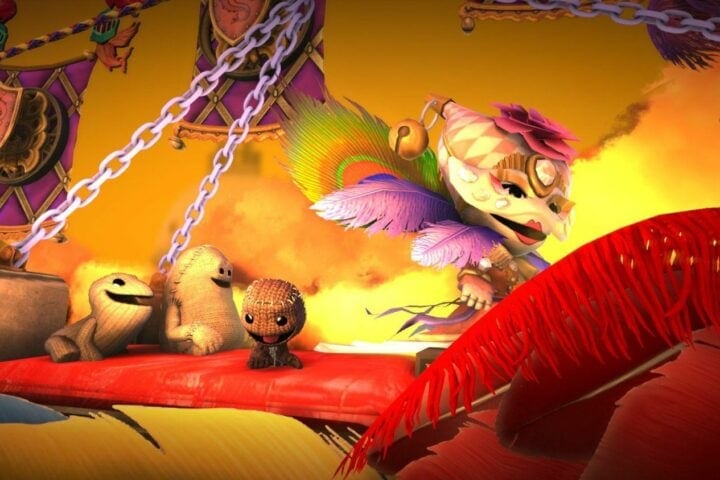
It’s more interested in showing off just how beautiful (and deep) the multilayered design runs than it is in really elaborating on it

The process of earning respect is a key aspect of the game; establishing your team with only the most loyal companions is a tricky task among many other demanding objectives.
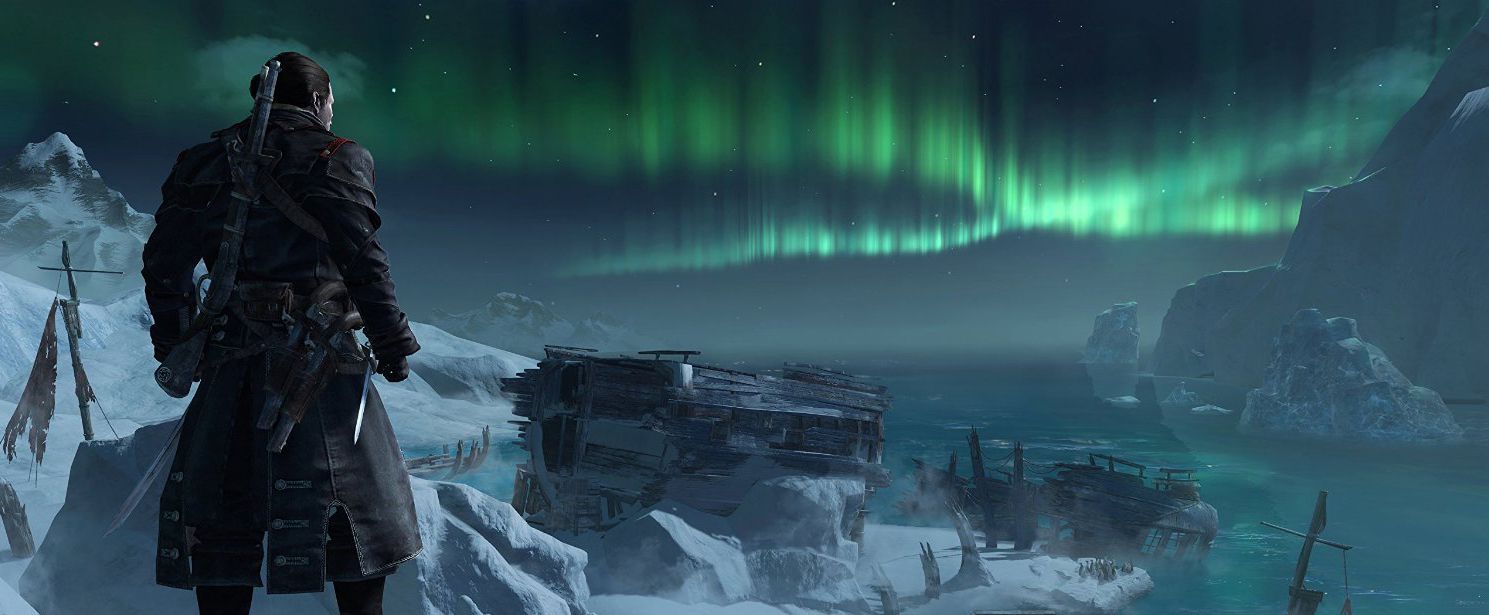
The glue holding it all together as more than just a stale repurpose of the previous games is the story.
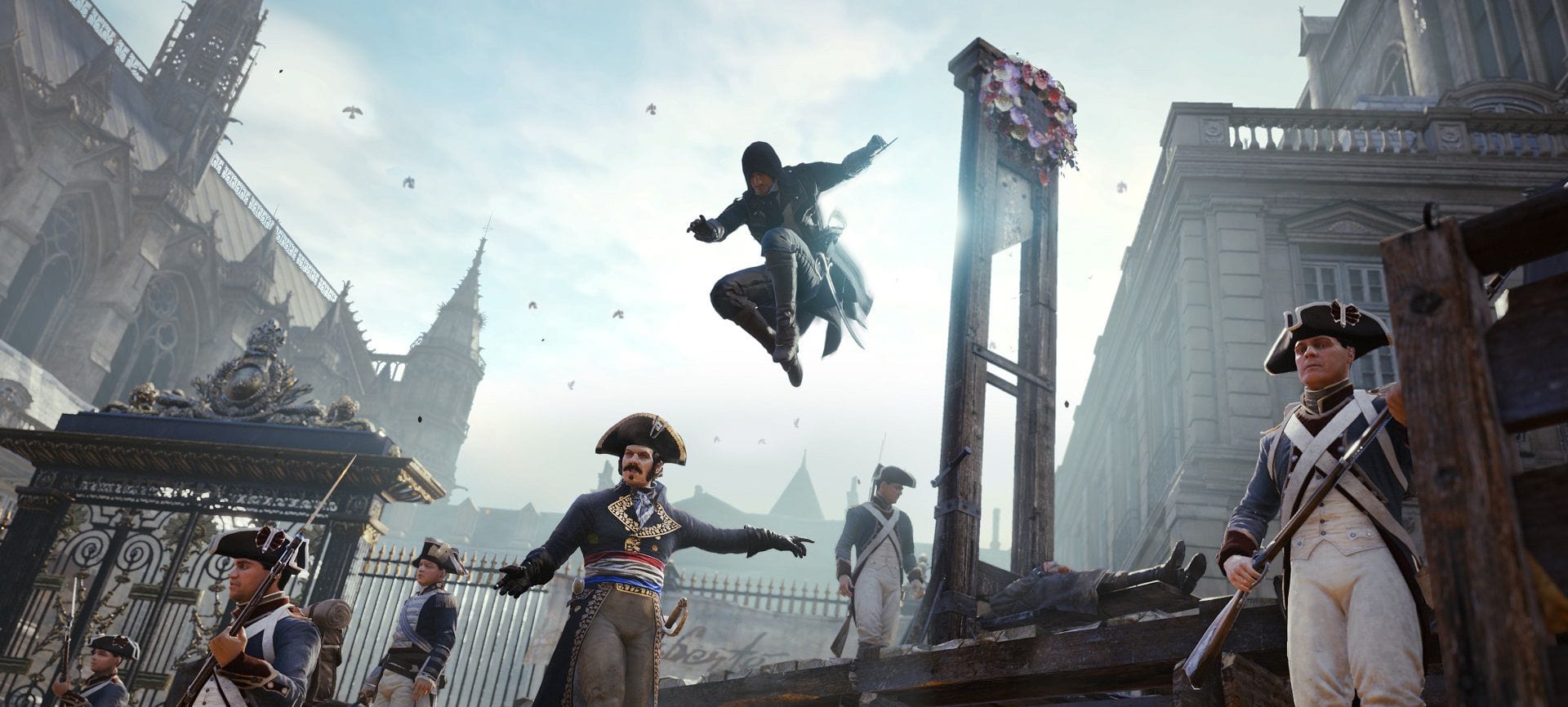
The consequences of brash actions are glossed over, and the last three sequences of the game feel redundant, with back-to-back assassinations occurring first at public guillotines and then private dinner parties.

In a year that the Wii U gifted us with Mario Kart 8 and Bayonetta 2, games that displayed what the system could do graphically, Rise of Lyric’s graphics are simply unacceptable in 2014.

The sorry “story” segments largely amount to random combinations of the four main characters trading bad jokes, such as running the difference between “who” and “whom” into the ground.

The Sailor’s Dream is as much a “sound game” as it is a video game—if it is a game at all, a proposition its own developers have posed.

Some of the best features are frustratingly kept out of the player’s hands for hours, by which time many will have lost interest.
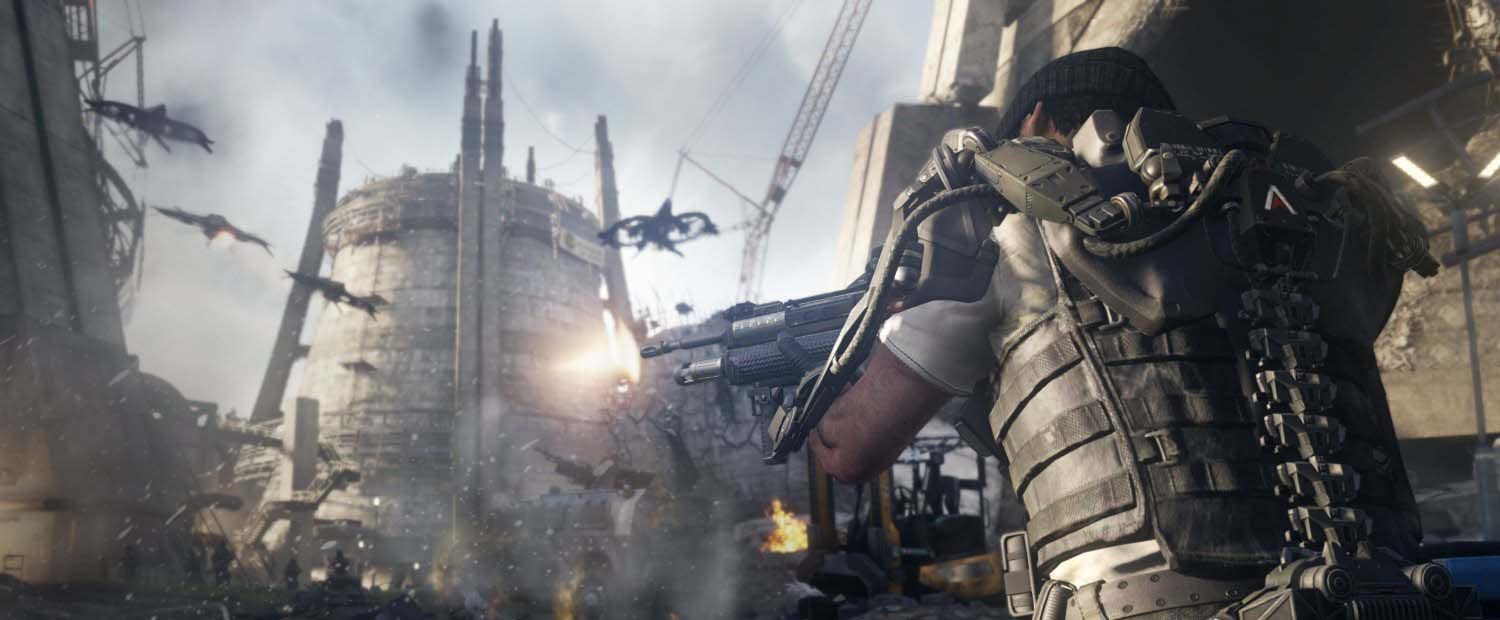
In short, Advanced Warfare advances every single aspect of the already impressive Call of Duty series.

No matter what the type of scenery, the objectives are widely the same: lay waste to enemy officers, locate the boss character, defeat them in earnest.

Lords of the Fallen is trying to Goldilocks it, neither being too hard nor too soft, and that lands it in the rather generic and unadmirable position that last year’s Bound by Flame found itself.