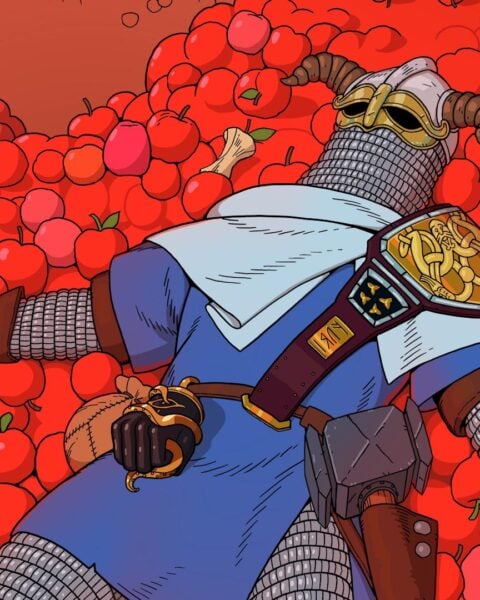
It stands apart from its contemporaries for relying heavily on audio over visual cues.
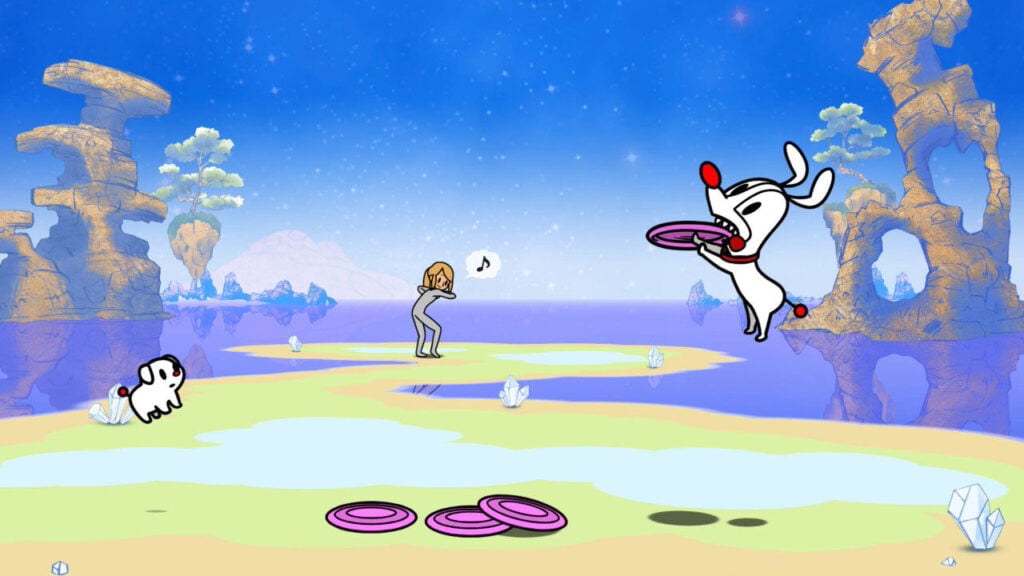

It stands apart from its contemporaries for relying heavily on audio over visual cues.

The virtue of shooters is a simple set of parameters creating interesting decisions, and the game’s greatness is how it expands that matrix.

It alters the racing-car formula smartly in several areas, but the good ideas are often half-baked or hidden behind a load of cruft.

It lies somewhere between a fully formed game in which wizards learn to chain elements into powerful spells and a low-rent improv show.

At least FFX tries to be humanist. Its direct sequel, FFX-2, is hollow in its calculated pandering to fandom.

It’s aesthetically crisp and ninja-smooth, but the game all but vanishes from one’s mind even while playing it.
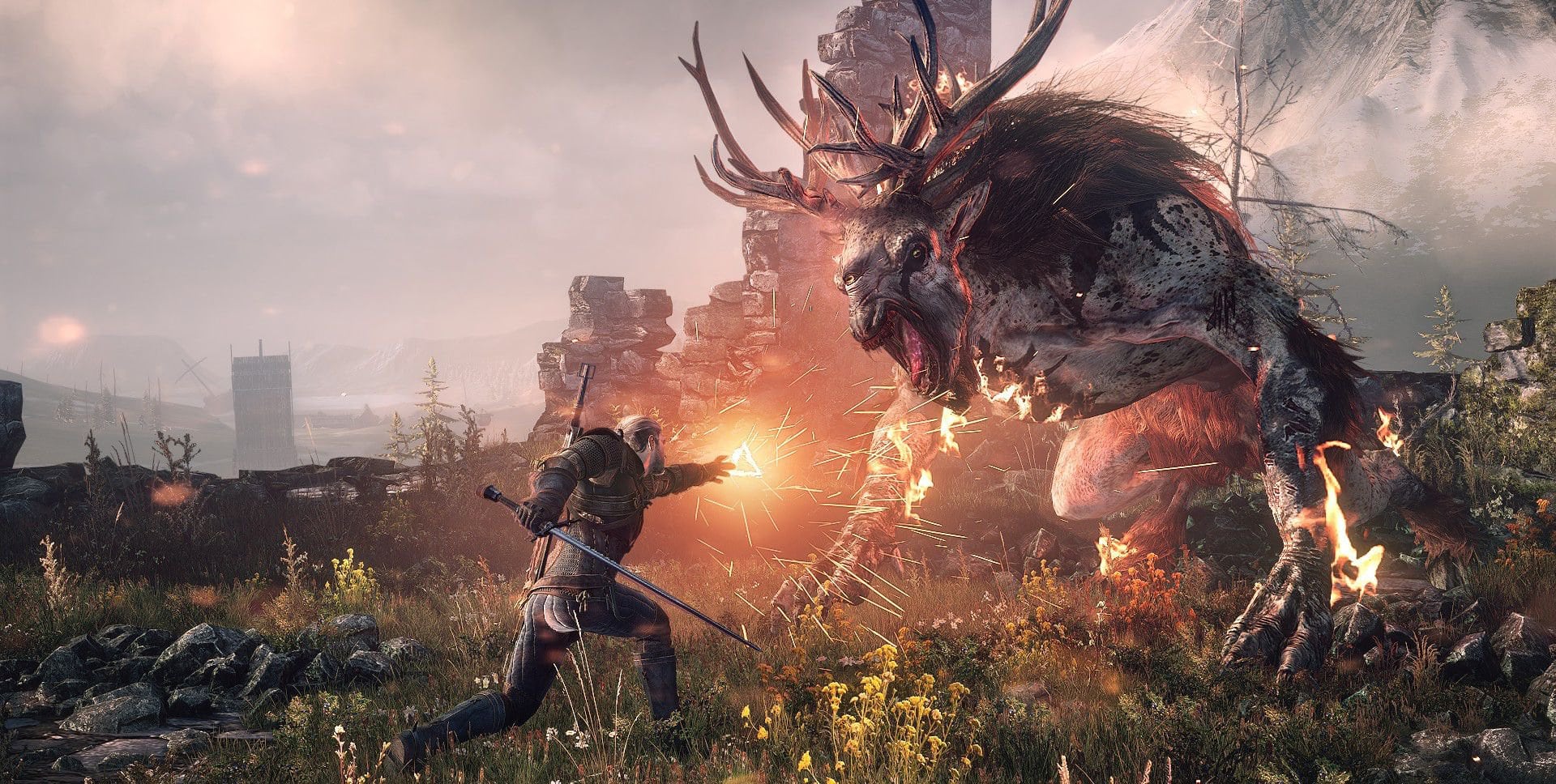
Experience is earned largely through quests, which highlights the emphasis on thoughtful storytelling over mindless bloodshed.
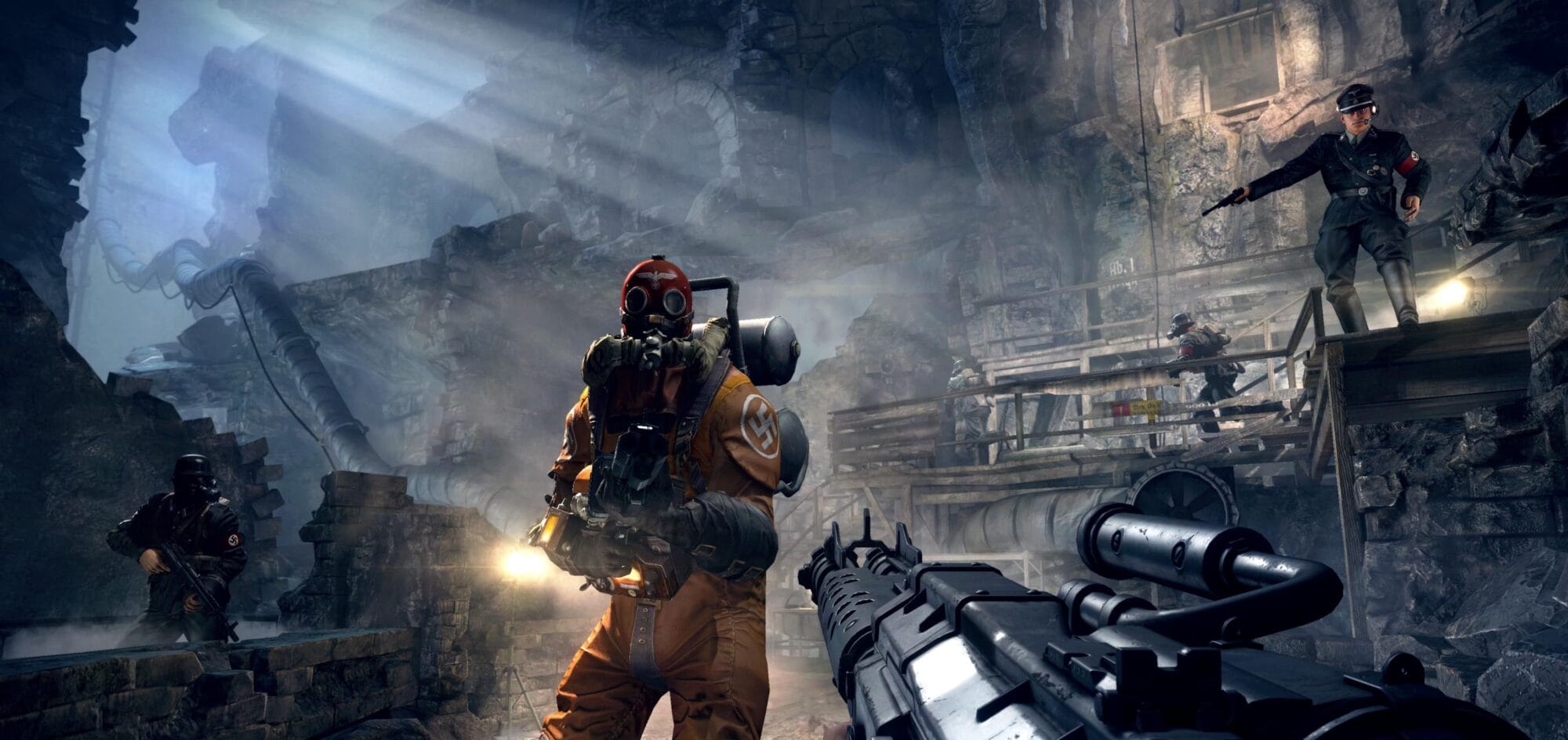
Even the zombie material, which is still painfully boring and overdone conceptually, manages a few surprises.

The part of the game that matters is an impressive romp for anyone whose inner adolescent is looking for a cheap, satisfying, bloody thrill.
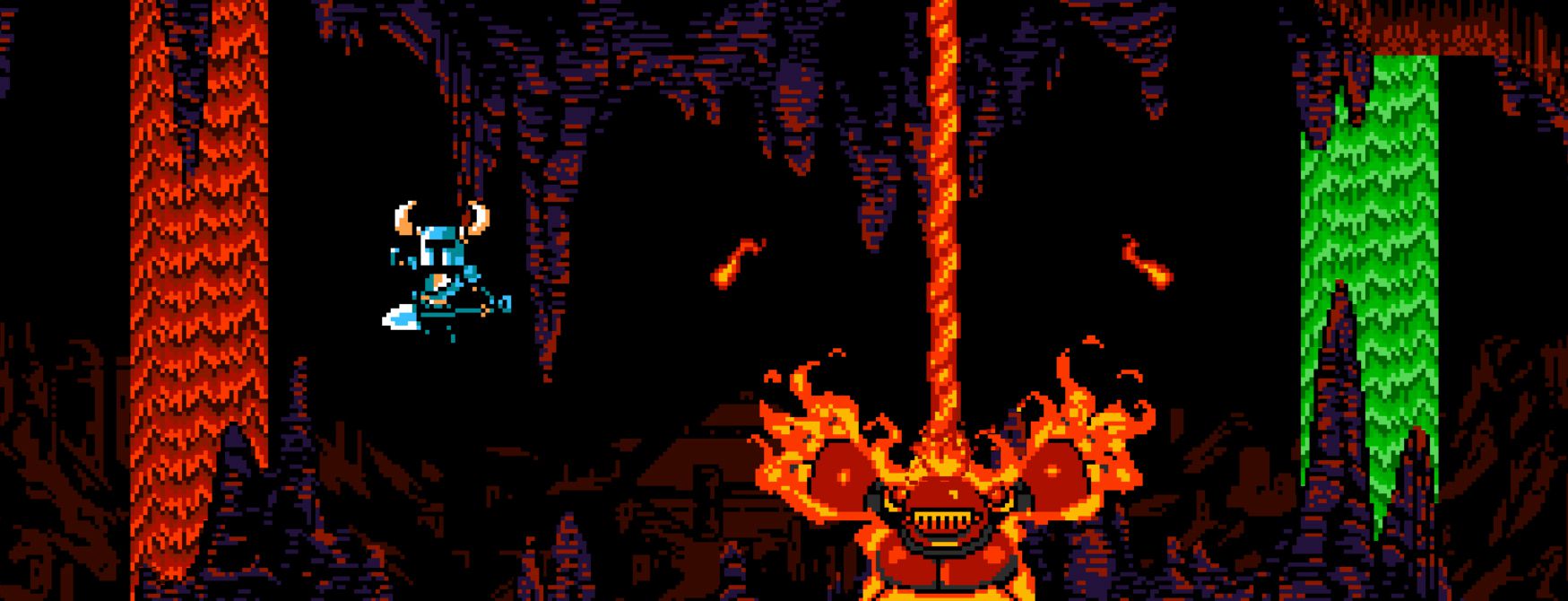
This isn’t just a nostalgic copy of the games of the medium’s youth, but also a fever dream of what the 8-bit era was capable of.

Unless a player’s favorite part of chess is waiting for their opponent to take their turn, S.T.E.A.M. might just end up wrinkling their brain.

Everything a player needs to know about Curve Digital’s literally sneaky puzzle platformer, Stealth Inc. 2: A Game of Clones, is in its title.

The big change in GH Live is that the classic colorful five-fret layout has been replace by a two-by-three block of buttons, meant to function like switching chords.

Game designers create two things: the thing on your screen, and the experience in the room. And the second half of that equation is the most important.

Even the least impressionable of youngsters will be bored to tears by the uninventive gameplay and bland visuals the game exhibits.

Overall, Axiom Verge’s design stands out, particularly when it fiendishly deviates from the expected.

A result of the lack of tutorials and handholding is that each bit of hard-earned progress provides an unparalleled adrenaline rush.
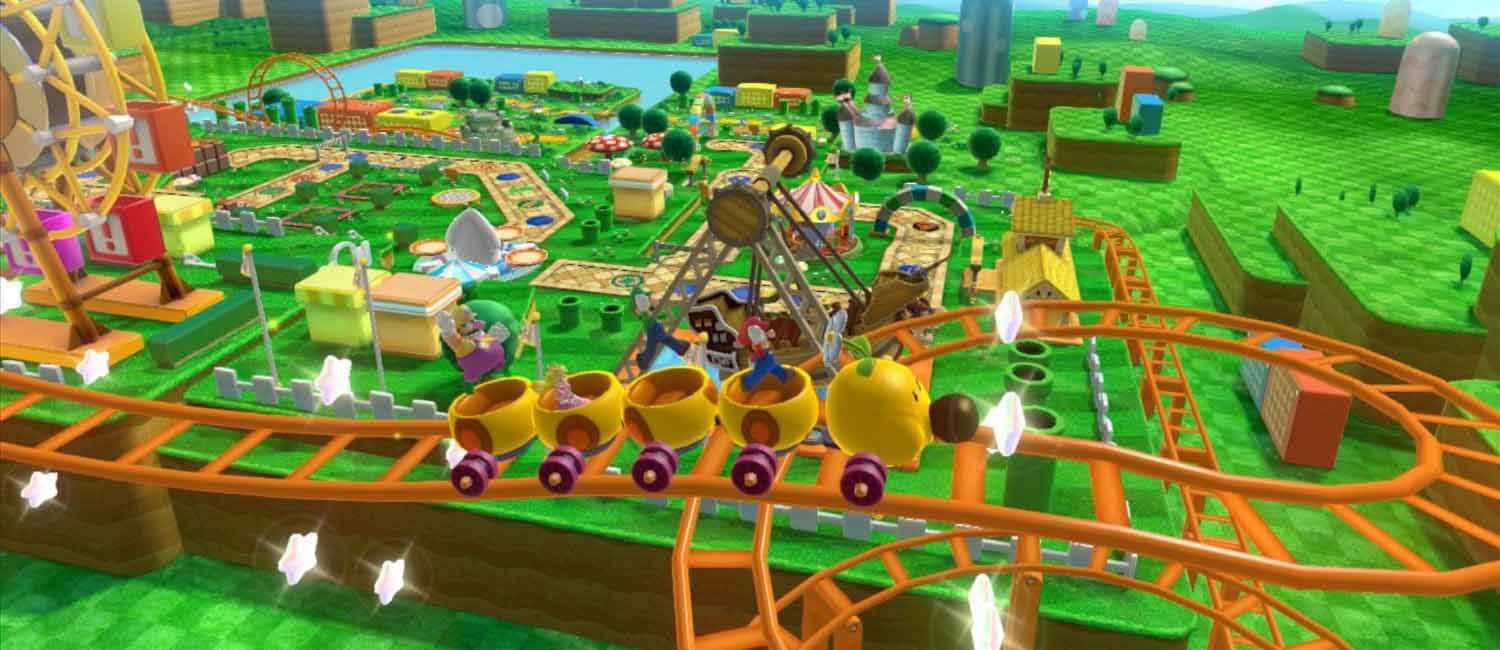
Marked by predominantly uneventful dice-rolling sessions, uninspired Amiibo support, and an unforgivable absence of online functionality.

This is the action-packed gauntlet fans of the original Resident Evil never knew they wanted.

It wouldn’t be a Battlefield game without a host of multiplayer scenarios, and Hardline is definitely no slouch in that department.

It leans firmly enough on its heaven-or-hell selection phases to make an impact in both the immediate and distant future of its gameplay.