It stands apart from its contemporaries for relying heavily on audio over visual cues.
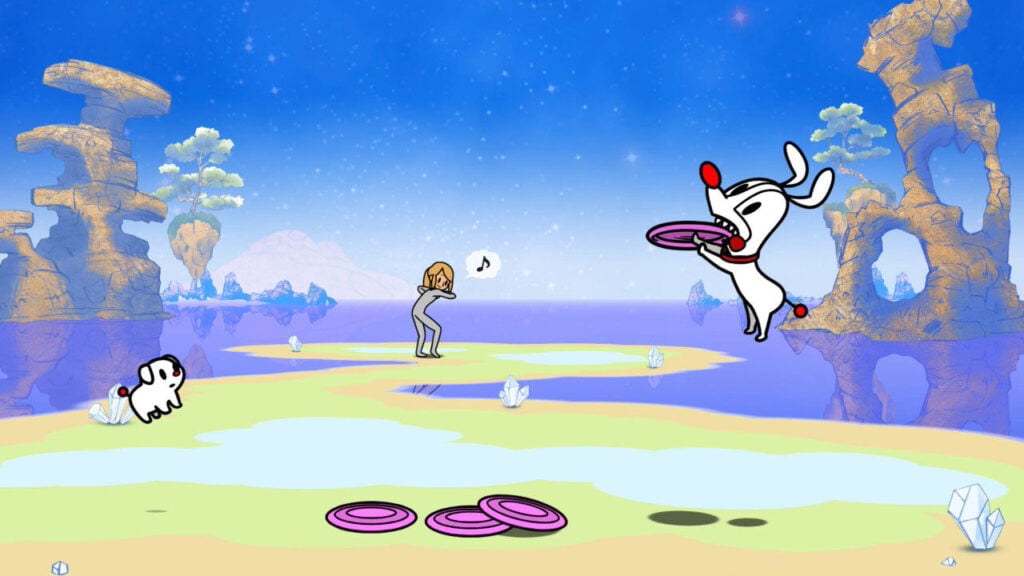

It stands apart from its contemporaries for relying heavily on audio over visual cues.

It lives up to its title, as players will be glued to it all night, exhilaratingly racing to one of the many potential endings.
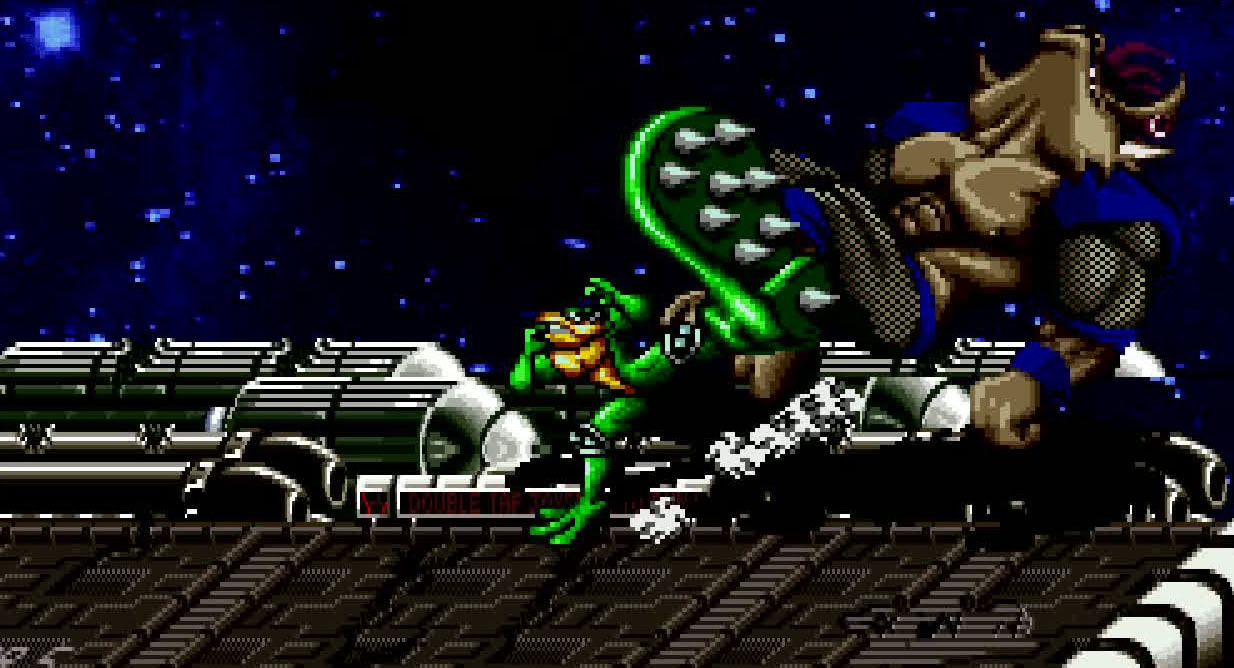
Think of Rare Replay like an entire Criterion Collection for video games in one package.

As with Dear Esther before it, it offers up an admirable and atmospheric experience that simply isn’t all that much fun to play.

The channeling of art nouveau not only impacts the look of the characters and settings, but complements the curves that fighters draw with the motion of their attacks.
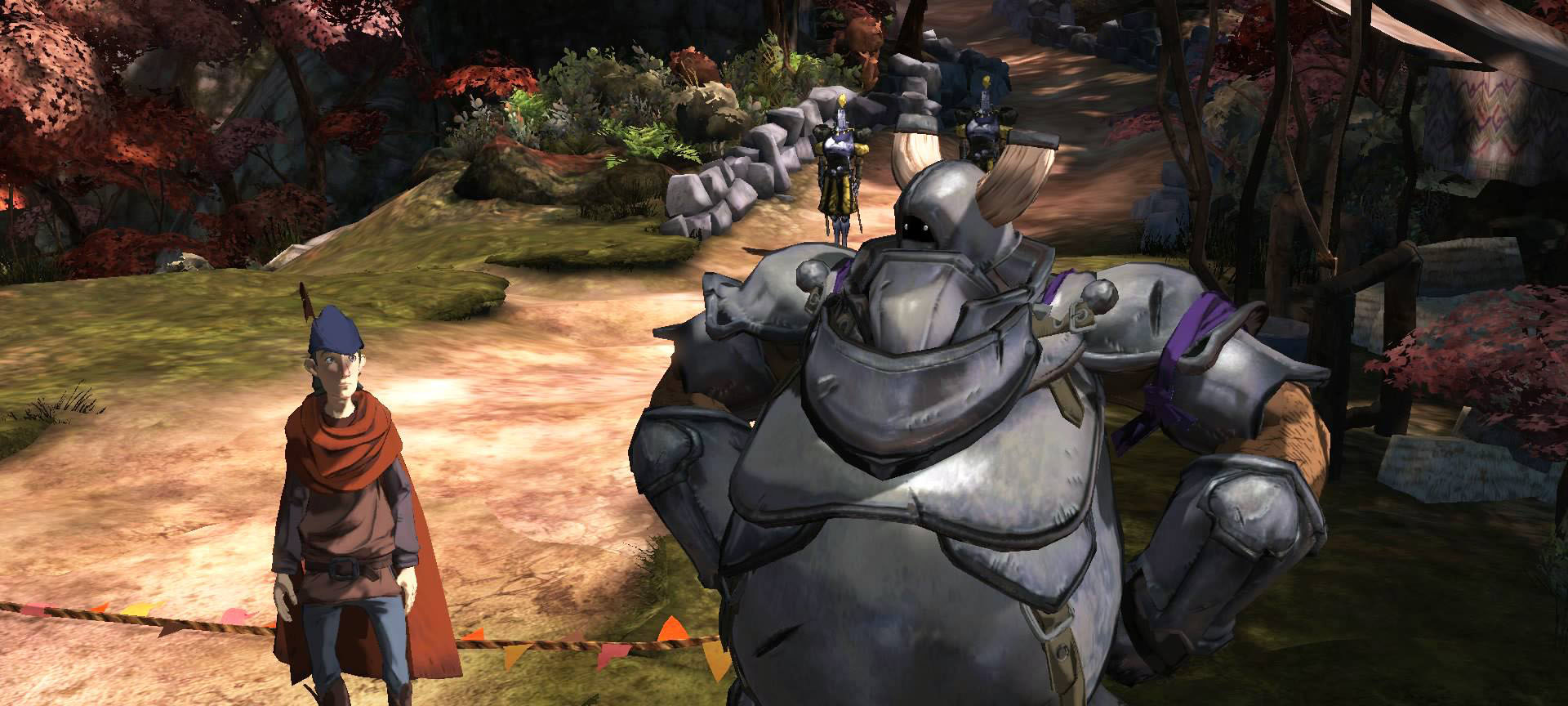
Great presentation coupled with shallow gameplay means it works better as a film than a video game.
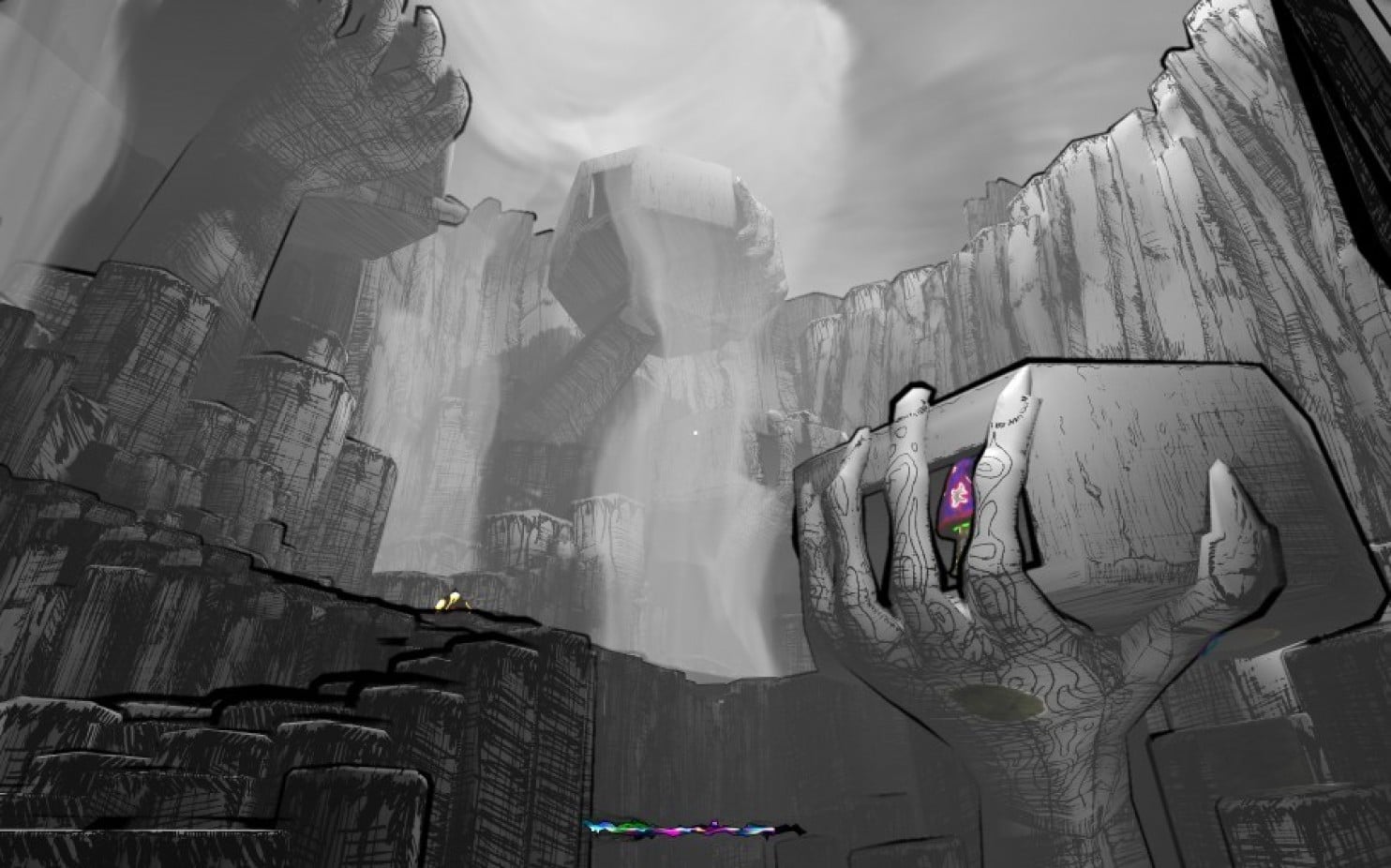
Simultaneously cynical and sincere, it’s postmodern critique of video games that comes in the form of a neofuturist video game.
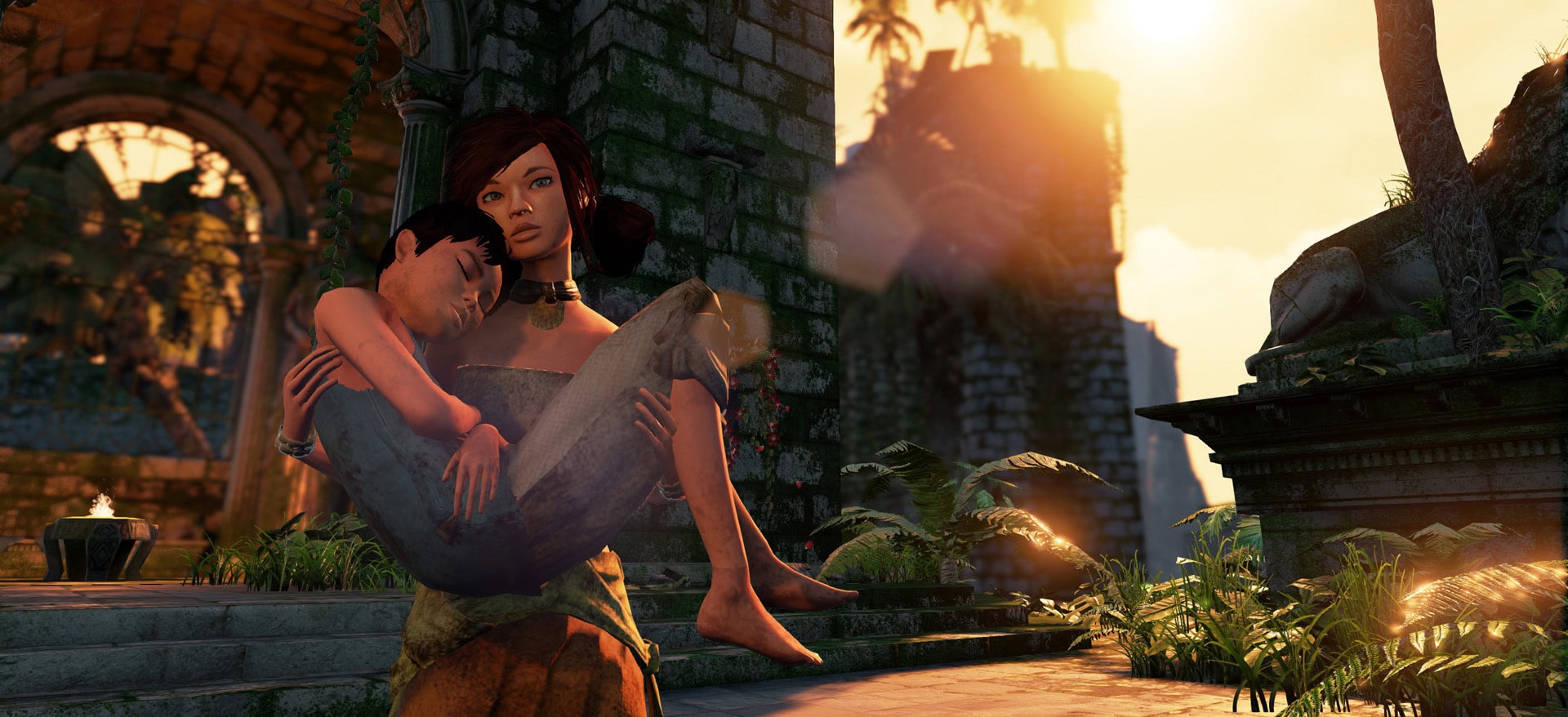
While the visuals are nothing to scoff at, this nascent title is a baby that could’ve been thrown away with all the bathwater.

The footsteps of cartoons against a blurred photographic background suggest a witty humbleness about holding imaginary talks in one’s head.

Its anecdotes function as mawkish indicators of social status, as the Internet crowd often forgets that being online is a privilege for more than a few.

Worst of all, unlocking the new monsters involves trekking through the tedious campaign over and over again, grinding for experience.

Creators like Chmielarz need an obvious symbol of false hope to sell (not articulate) their trendy nihilism that, if anything, should vanish.
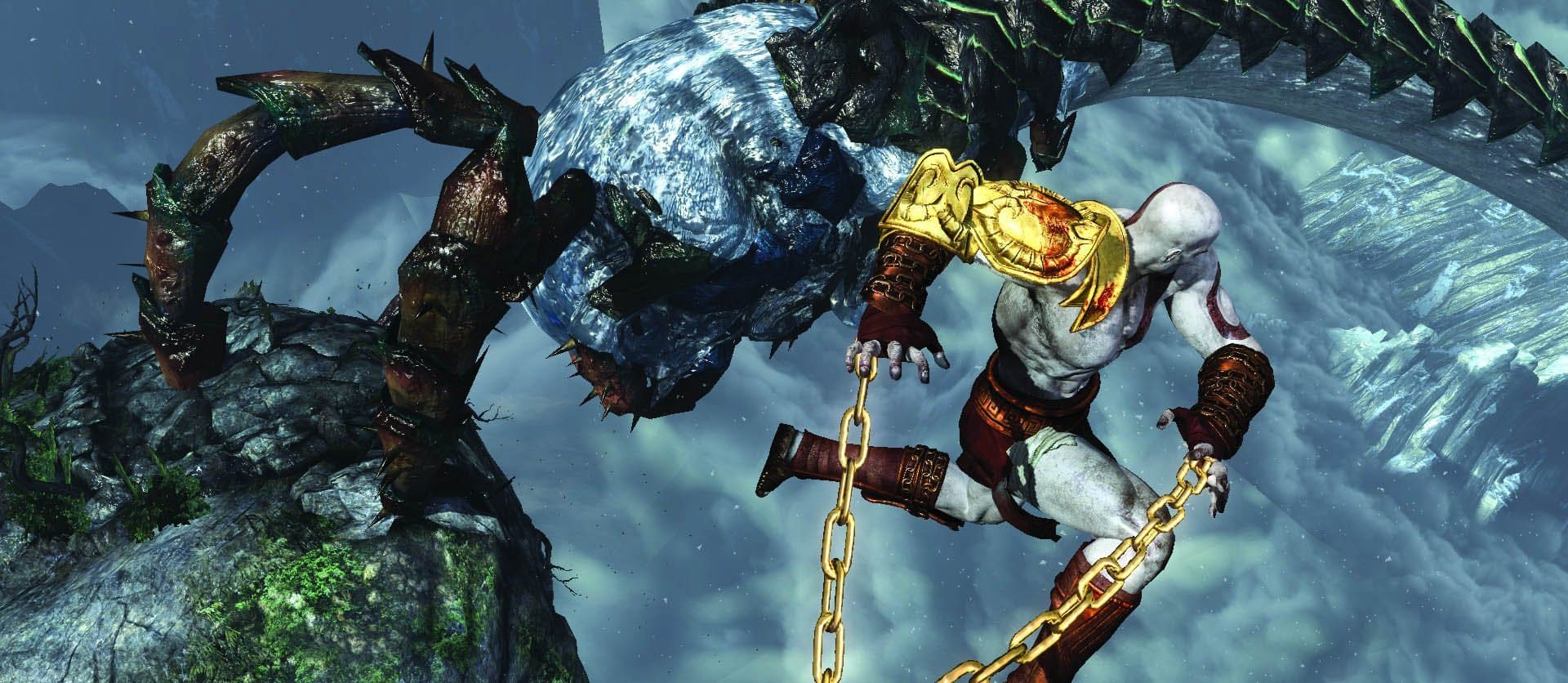
It’s not the polishing of the old that makes it worthy of the current gen, but how far the game is willing to present a twist on mythology.

It’s the same brick wall of a problem Netherrealm Studios has been running into since Mortal Kombat vs. DC.

Whispering Willows’s success is limited due to inconsistent technical execution and a ho-hum finale.

Its most tangible accomplishment is how it responds when your priorities clash and intermingle with those of the playable character.

Even with all the gadgets, all the exhilaration of success, its greatest achievement is in making it feel like it just might not be enough.

Neither the artificial screen glare nor actress Viva Seifert’s performance lend credibility to the game’s lady-psychopath clichés.

The comedic lengths the game goes to make the series’s trademark wanton cruelty palatable is impressive.

Unsurprisingly, the game runs as well on consoles as its predecessors, and its tried-and-true combat is a clean fit for the MMO format.

Two lackluster RPGs slapped together with a basic matching game, sans any gotta-catch-’em-all glee.