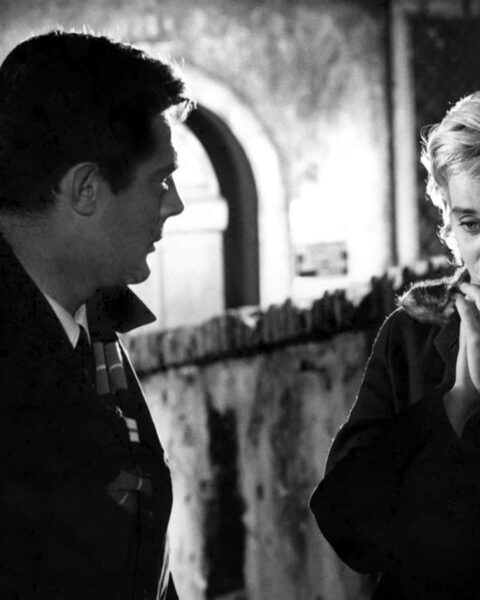
Refn discusses his love of fairy tales, falling through the rabbit hole of streaming, and more.


Refn discusses his love of fairy tales, falling through the rabbit hole of streaming, and more.

Would that Jacob Estes had kept the particulars of his murder mystery as intricate as the sci-fi of his main characters’ communion.

Milko Lazarov seems driven to record the inner workings of a singular slice of Inuit culture before it goes the way of the reindeer.
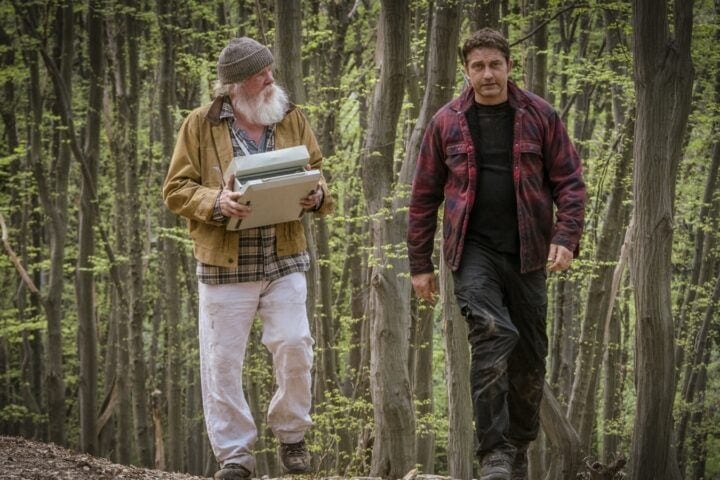
The film seems to have cobbled its set pieces together from a series of close-ups edited as if by random selection.

A striking number of the titles that appeared in the festival’s competition slate this year operate in a playful, breezy register.

Hoberman discusses how the art of filmmaking, and the business of moviegoing, influenced, mirrored, and altered Reagan’s presidency.

The film frequently falls back on the stately demeanor of countless other historical biopics and period pieces.

Only in its giddily gory finale does the outrageousness of the film’s violence come close to matching that of its plot.

The film is refreshing for its lack of pearl-clutching, its ambivalence in assessing what it’s like to be a commodity with a nervous system.

The film is inspirational only in the sense that it may inspire an uptick in Amazon searches for running gear.

Gavin Hood wrings suspense out of the parsing of the nuances of evidence and the tapping of mysterious contacts.

It never resolves its commingling of the fanciful and the mundane into a particularly compelling argument about the legacy of trauma.

The film is a curiously anodyne affair that proposes the distinctly unenlightening idea that the medicine against despair is just a little R&R.

The film can be moving, but its subject matter deserves more than art-house irresolution.
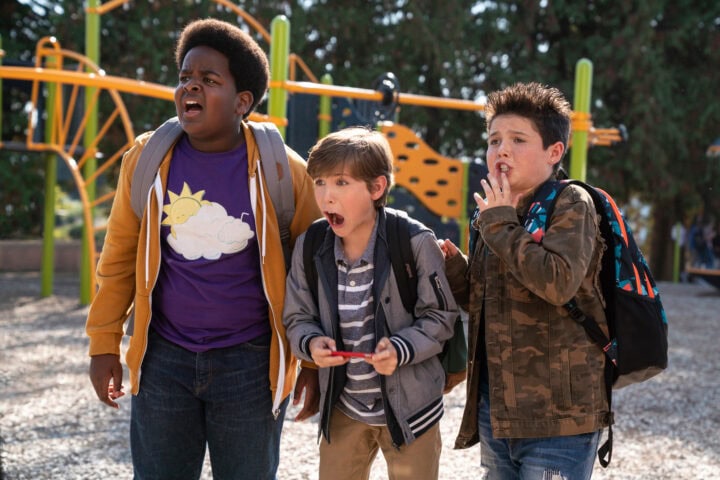
Gene Stupnitsky’s film is Big Mouth for those who prefer ribald humor about tweenage sexuality in live action.

The film is about a mystery that isn’t solved, and how that inconclusiveness spotlights the insidious functions of society.
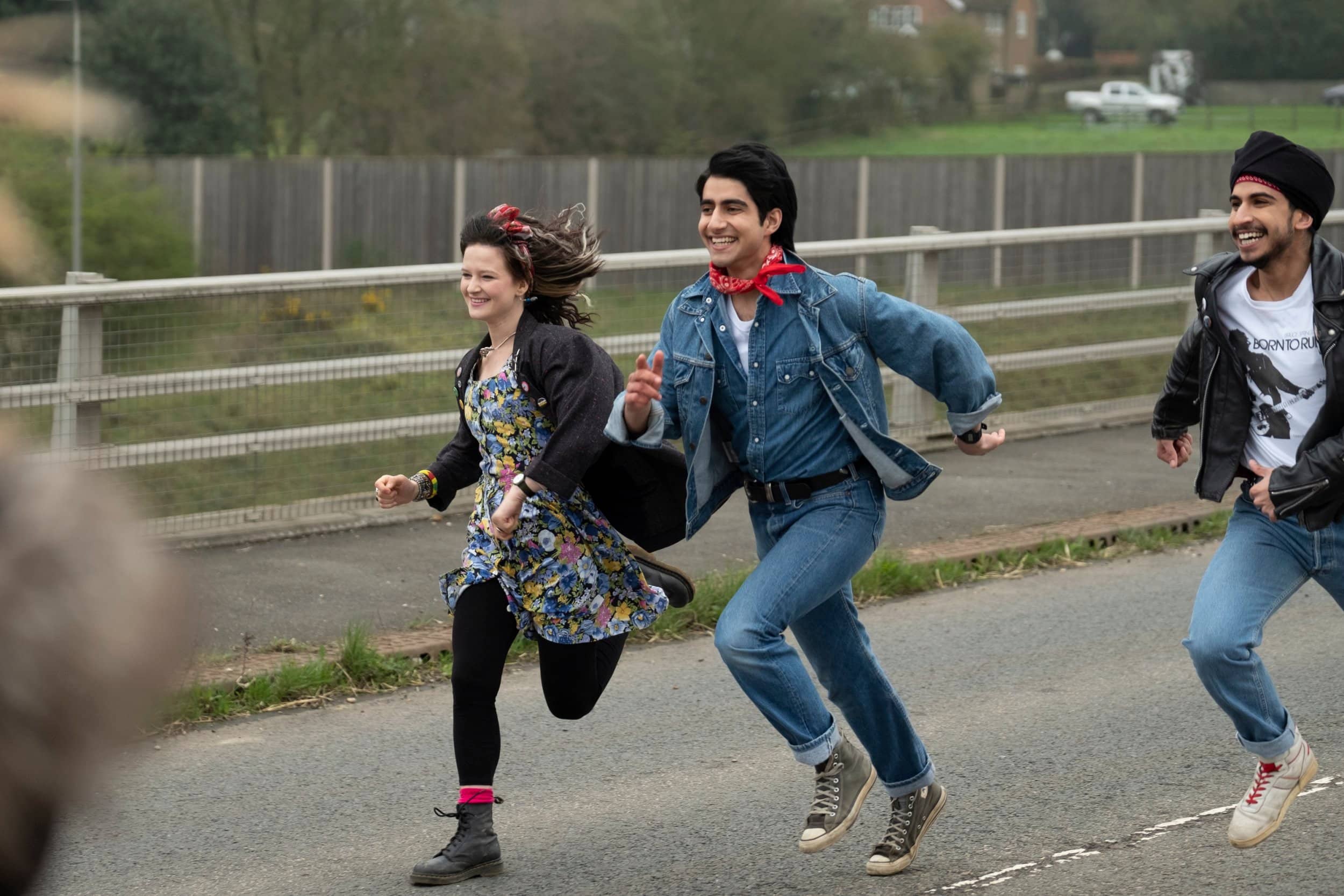
The film bottles a palpable emotion of unabashed joy, even when the rest of it seems to barely hold together.

The film wrings white-knuckle tension less through jump scares than from the darkness of a seemingly infinite void.

Over and over, the film reminds us that banking on a gimmick isn’t an adequate substitute for an incisive character portrait.
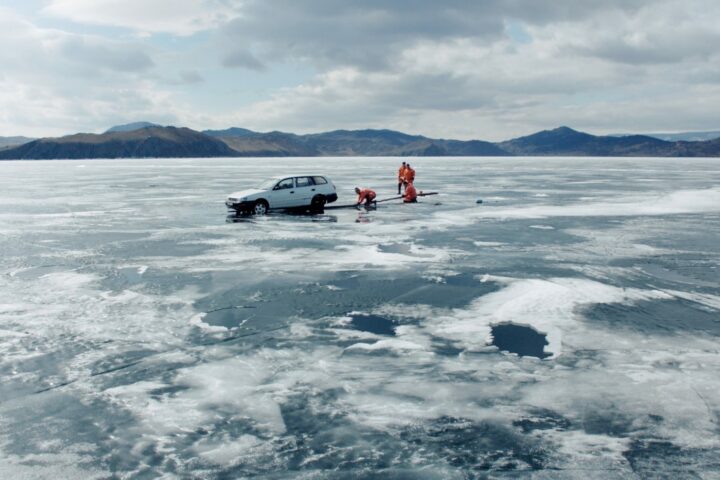
At heart, Aquarela is a war film: a cacophonous survey of the global battle between man and water.

These films are fearless in thrusting us into worlds beyond our own.