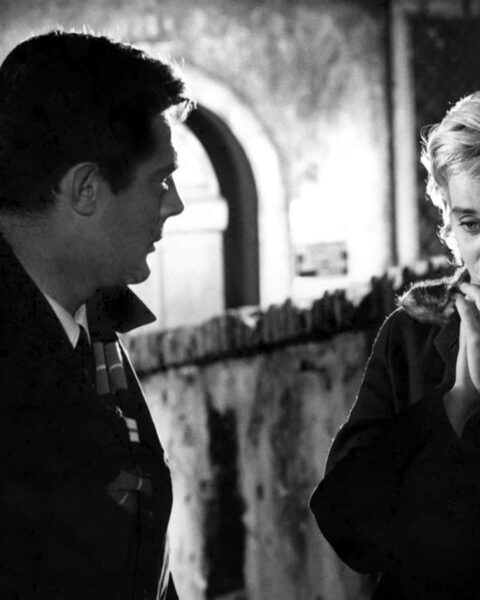
Refn discusses his love of fairy tales, falling through the rabbit hole of streaming, and more.
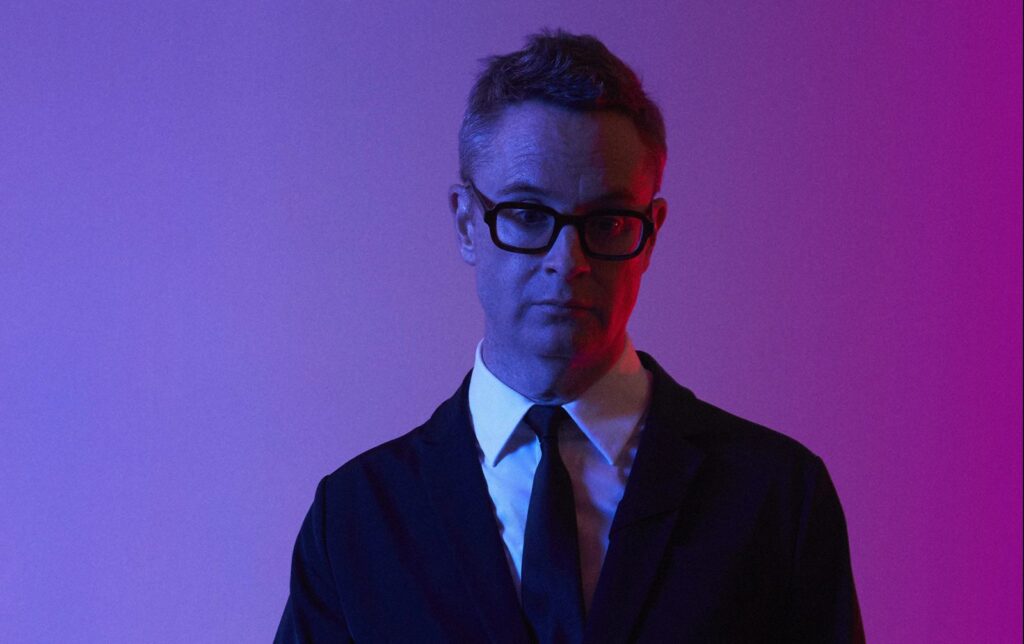

Refn discusses his love of fairy tales, falling through the rabbit hole of streaming, and more.

In Alma Har’el’s film, Shia LaBeouf plays an avatar of his father as an expressionistic act of self-therapy.

Rian Johnson’s film revives the comic whodunit, a la Clue, for an era of especially heightened class consciousness.
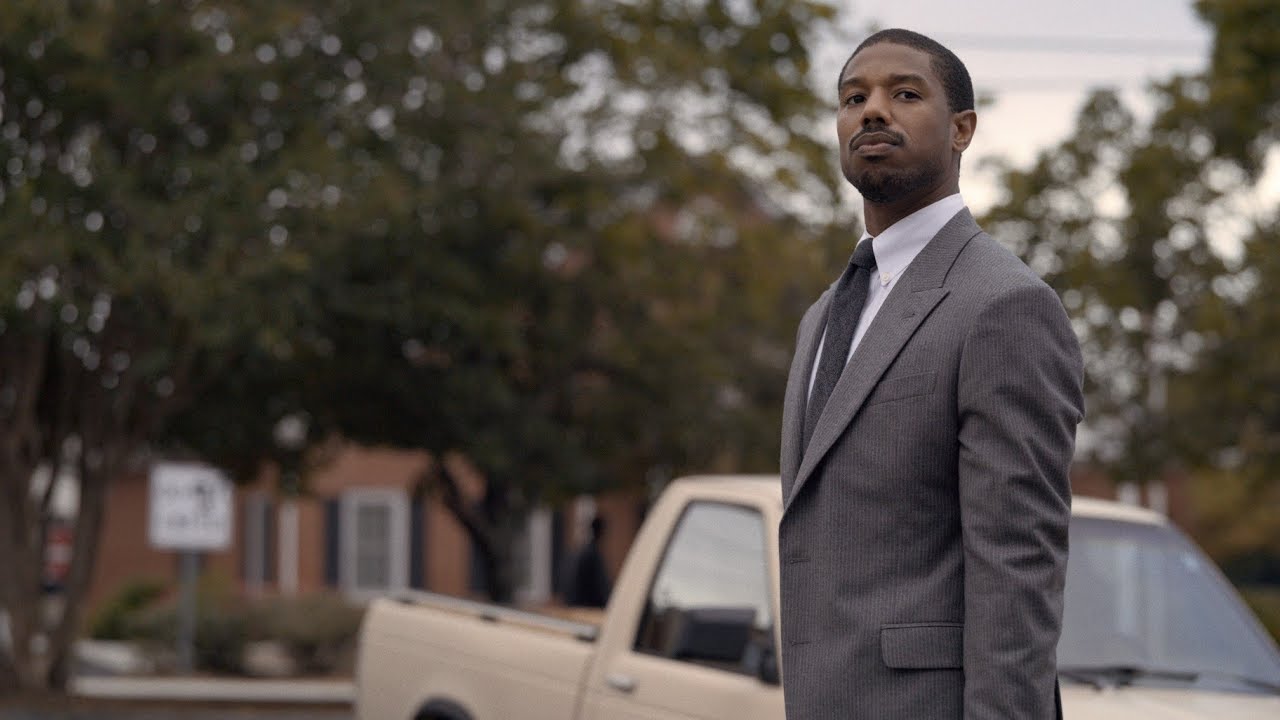
The film around Jordan plays like a lesson on justice being taught by self-aware actors.

The film falls back on a reductive rumination on the balance between maternal obligation and career aspiration.
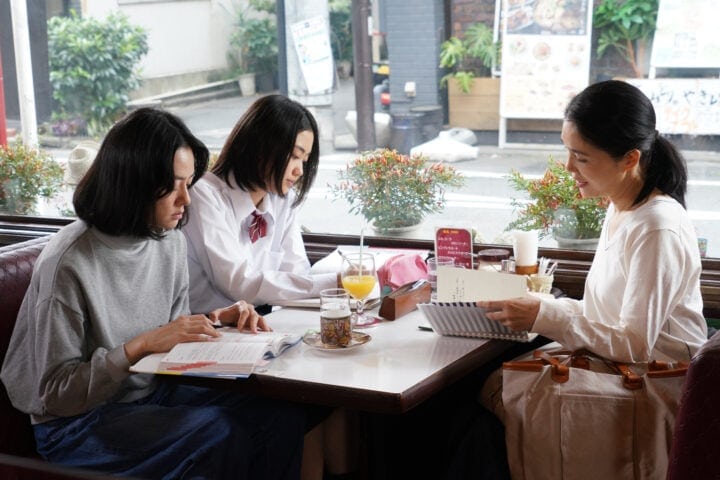
Kôji Fukada adores stray textures that stick in the proverbial throat and free-associatively affirm his characters’ rootlessness.
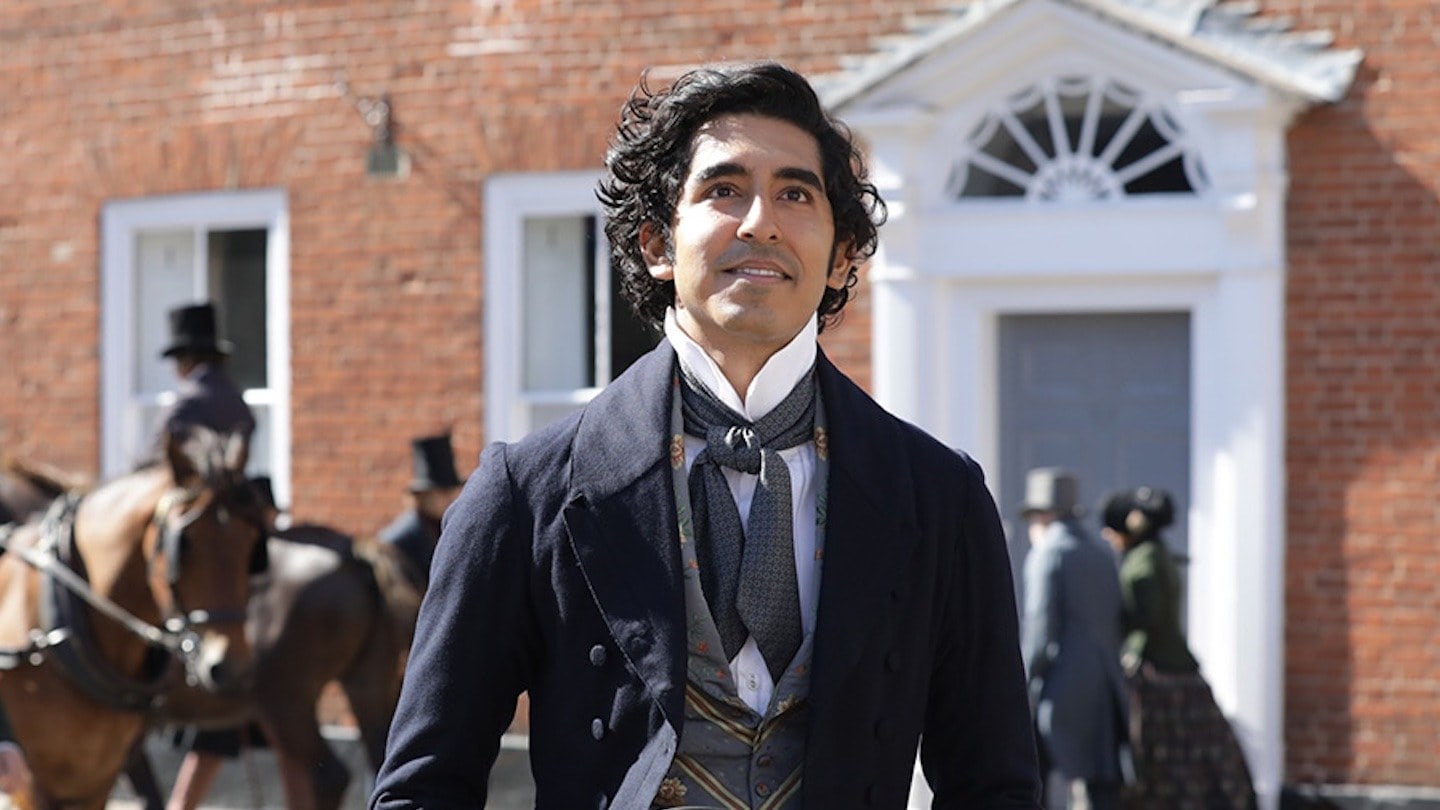
It’s not hard to parallel David/Dickens’s head-spinningly intricate descriptors with Iannucci’s own prodding, poetically vulgar rhetoric.

Corneliu Porumboiu’s film is very much a genre exercise, and a particularly Soderberghian one at that.
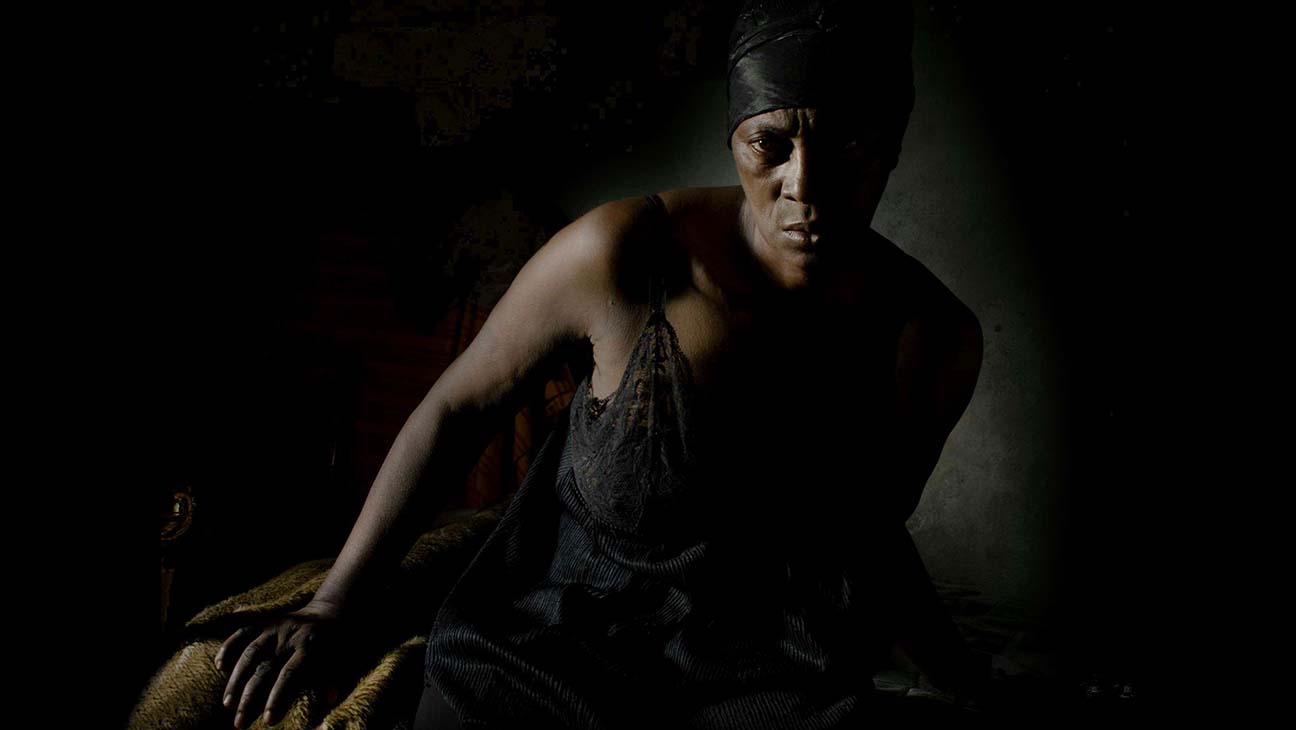
At last, Pedro Costa appears to be more interested in how people get on with life than how they keep the company of ghosts.
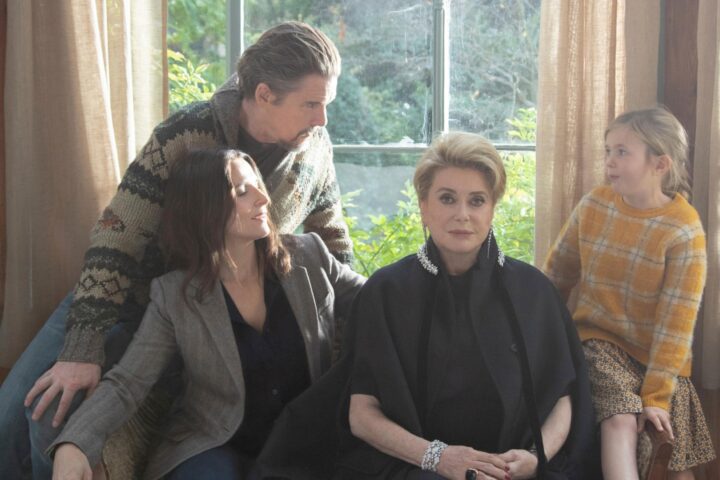
The tactility of earlier Hirokazu Kore-eda imagery has been traded for a softer, more luscious, nevertheless melancholic dream world.
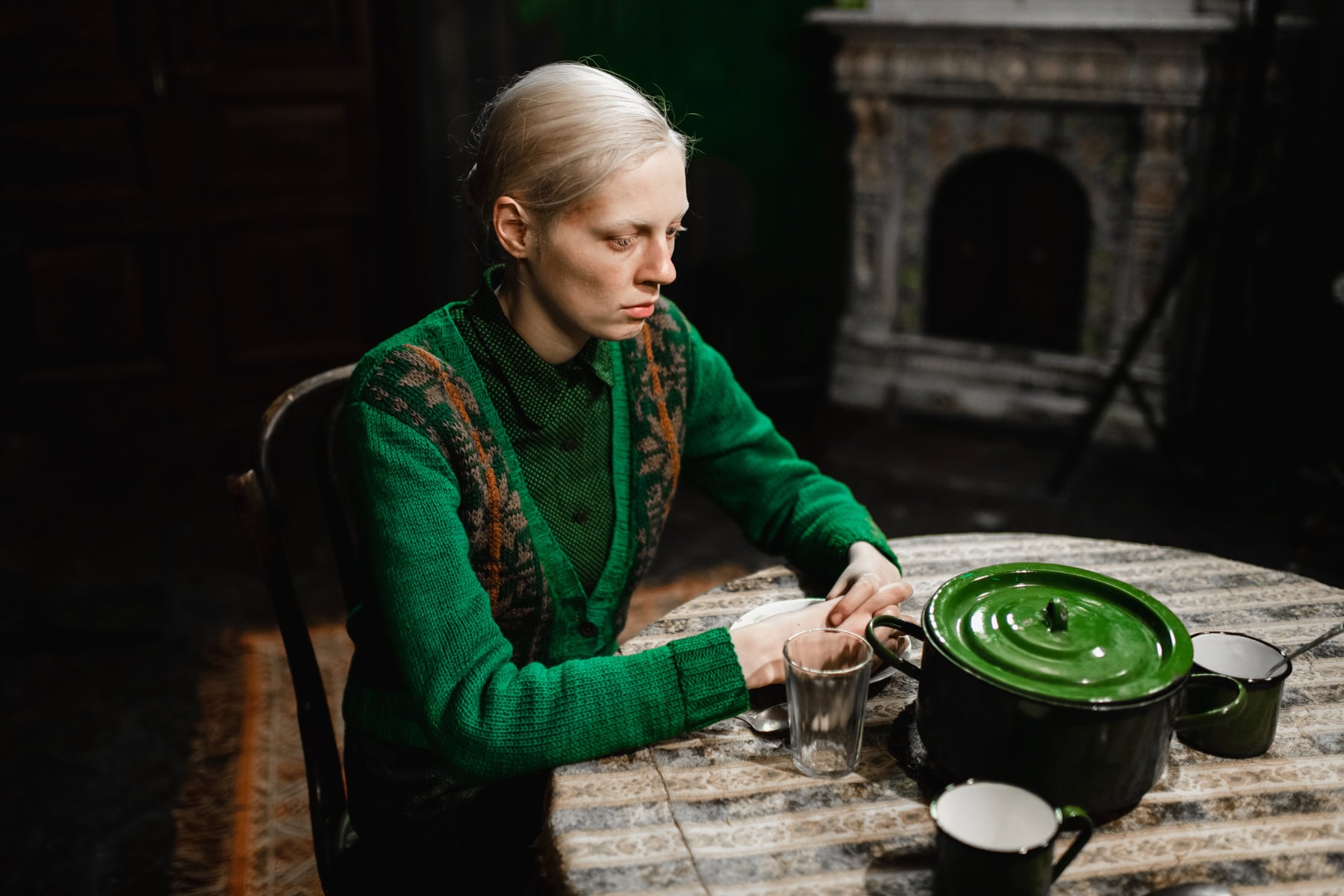
Kantemir Balagov depicts pain in blunt terms, but he traces the aftershocks of coping and collapse with delicate subtlety.
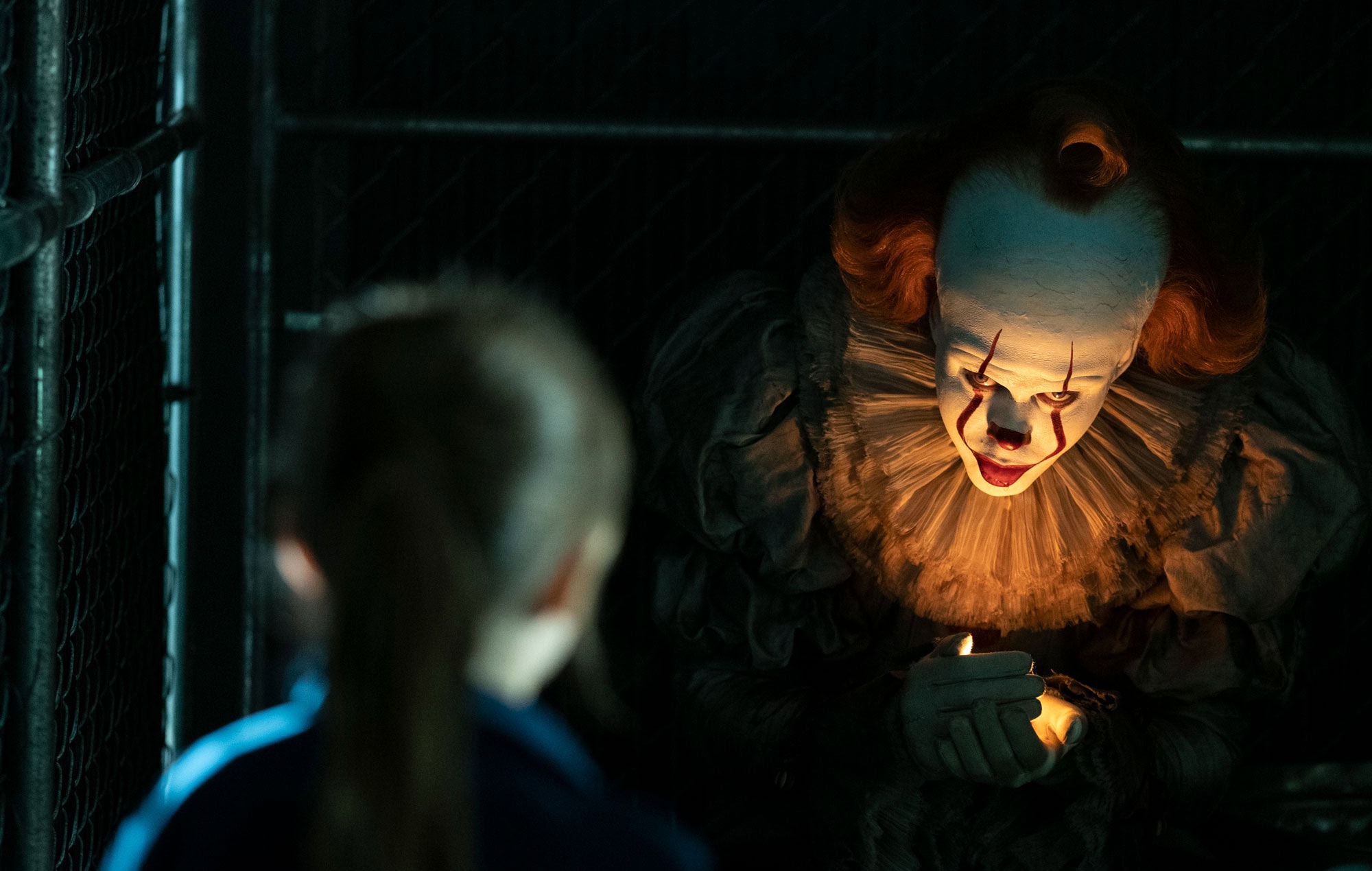
The film argues we’re stronger and better when we’re home, building communities that can oppress the oppressors.

Mati Diop’s film is work of disparate influences and even genres that pulses on its own oblique wavelength.
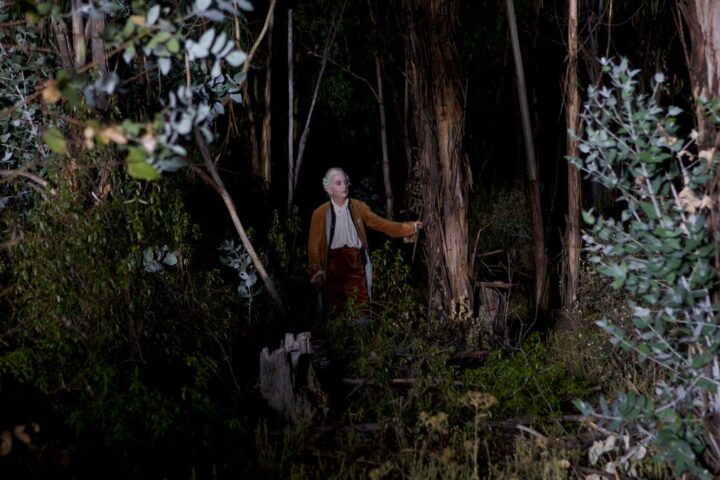
The film’s mood is one of ripe sensuality rather than pornographic exploitation.

What’s most stirring about Céline Sciamma’s film is the lack of artifice in Héloïse and Marianne’s feelings for one another.

It’s at its best when showing how gangsters undermine their lofty notions of nobility with displays of narcissism.
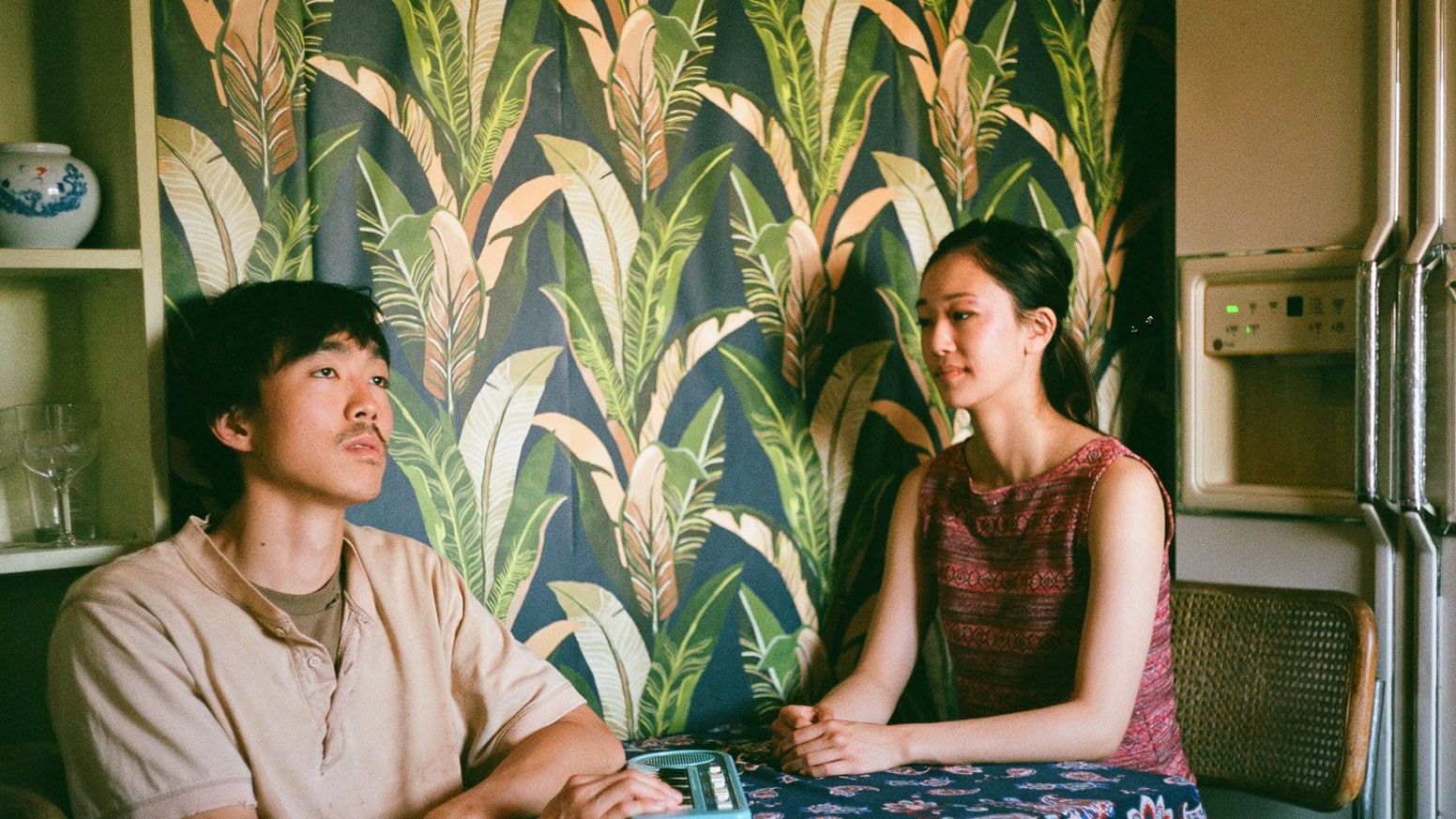
Subtlety dissipates as Justin Chon’s film grasps for something louder and more obvious.

Throughout, artists intermingle in scenes that have been rendered with an Altman-esque sense of personal panorama.

It isn’t long into the film when the hagiographic soundbites from famous interviewees become the dominant mode.

The film is at its best when its focus remains on Ivins’s fierce commitment to her ideals and willingness to speak her mind.

The film is so clichéd and scattershot as to make Copycat look like Peeping Tom by comparison.