Refn discusses his love of fairy tales, falling through the rabbit hole of streaming, and more.


Refn discusses his love of fairy tales, falling through the rabbit hole of streaming, and more.
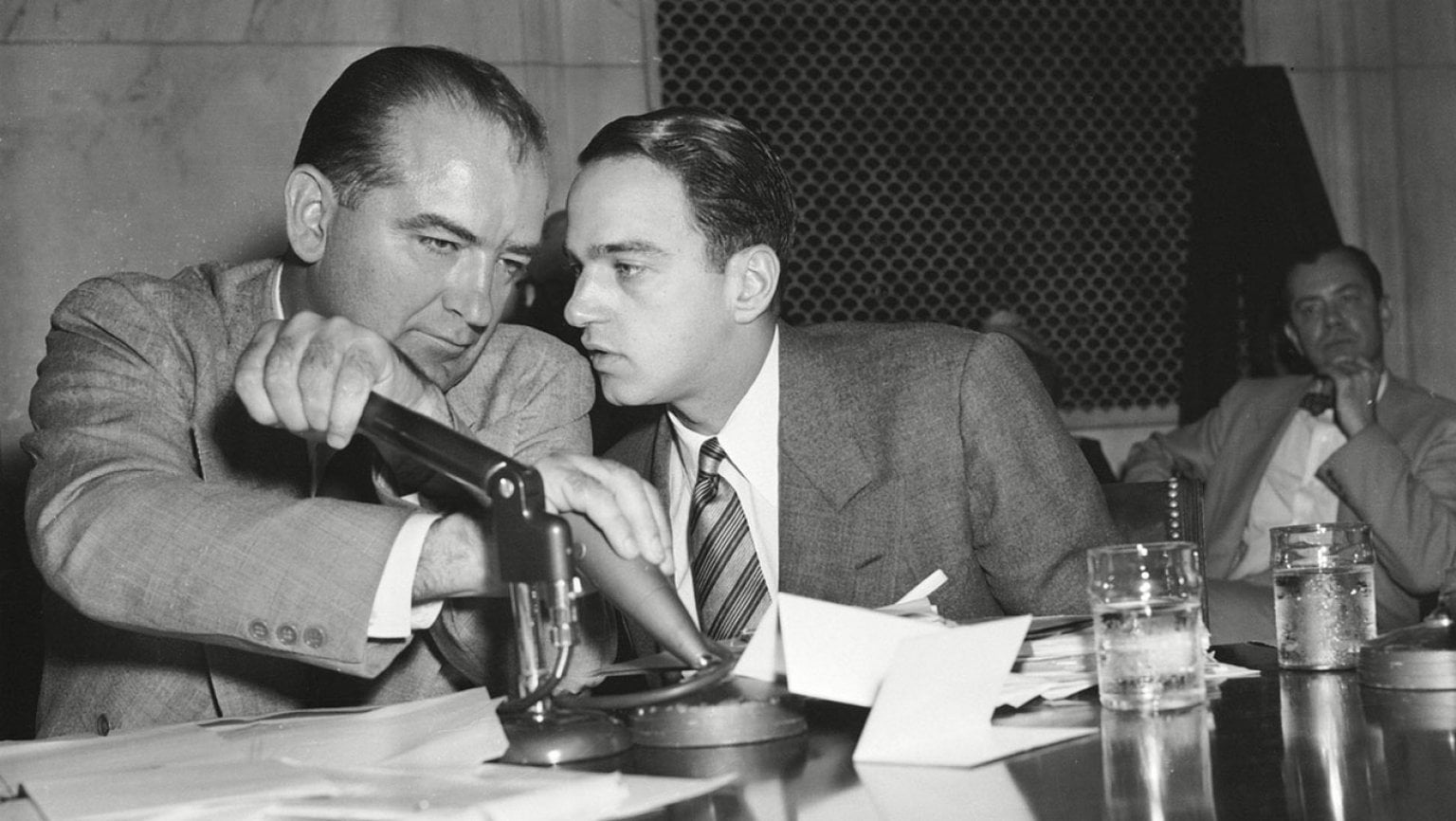
This sharp, to-the-point portrait of the crook, fixer, and right-wing pitbull resists the urge to darkly glamorize him.

This is a rare case of a film that’s stronger when it colors inside the lines than radically traces outside of them.
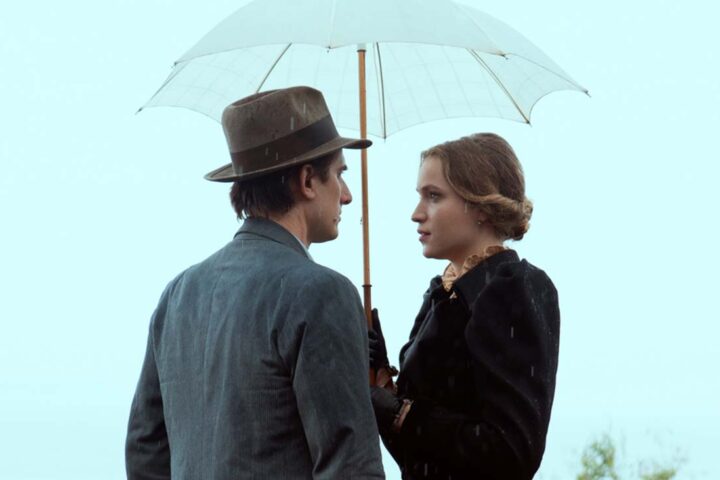
Martin Eden works better as a story of self-loathing and self-destruction than it does as a social critique or political statement.

The film is remarkable for capturing a brewing conflict between women while also celebrating their connection.
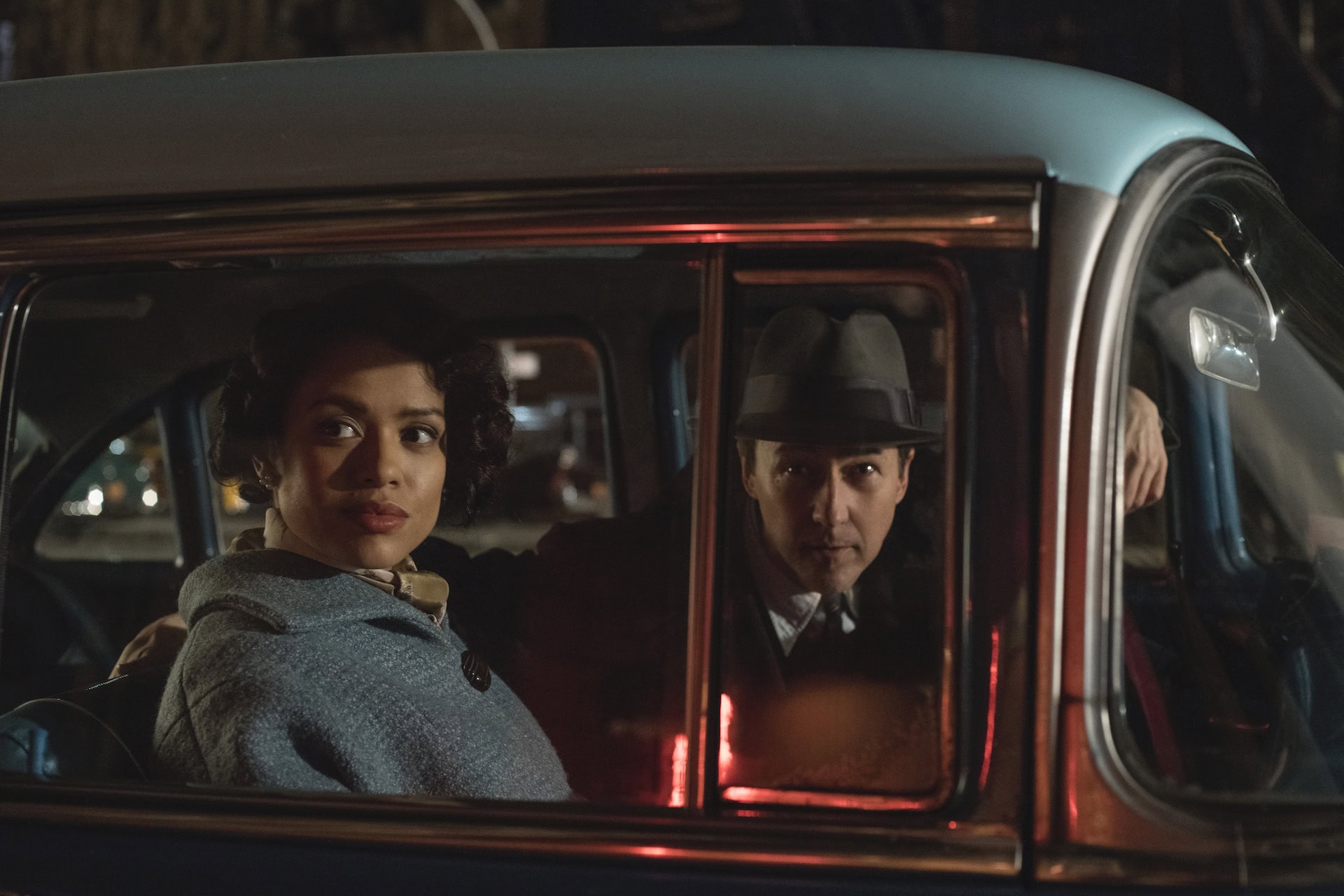
The film revives many noir touchstones, but never the throbbing unease that courses through the classics of the genre.

Laxe’s film refreshingly occupies an almost uncategorizable cinematic realm.

James Mangold’s film mostly plays to nostalgic reveries of the auto industry’s golden age.

In Josh and Benny Safdie’s film, a man’s individual tragedy illuminates the emptiness of the systems that define him.

The film is one that might have been dreamed up by one of the cynical douche bros from the Hangover during a blacked-out stupor.

Throughout Sibyl, Justine Triet is committed above all else to the tricks that memory and language can play on us.

Its inquisitiveness gives all the melodramatic incidents more of a charge and a purpose for keeping our attention.

A wonderful high concept is compromised for another story of lonely people learning to connect.

The film is a vivid depiction of how a confrontation with the unknown can so easily shatter the fragile bonds that hold us together.

After a while, all you see are the gears of various sublots turning separately until they mesh together and move in unison.

Alejandro Landes’s film depicts amorality with minimal curiosity and a surplus of numbing stylistic verve.

Larry Fessenden diagnoses the rot of our era through the shifting personalities and power dynamics of solipsistic men.

The film’s masterstroke is that its fugitive antiheroes are framed by an environment that reflects their criminal lives back at them.

Waititi is incapable of dealing with the twin horrors of oppression and indoctrination beyond cheap-seats sentimentality and joke-making.
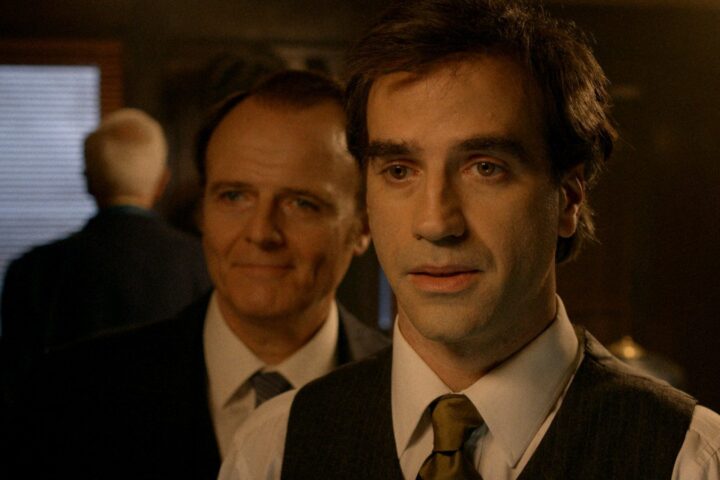
Federico Veiroj continuously underlines in red ink his protagonist’s cowardness, impulsive greediness, and lust.

In the film, the literal union of bodies is the only logical means of conveying the reestablishment of emotional bonds.