Refn discusses his love of fairy tales, falling through the rabbit hole of streaming, and more.


Refn discusses his love of fairy tales, falling through the rabbit hole of streaming, and more.

Once it gets past what feels like submission to genre demands, the drama reaffirms its focus on the central themes.

Onah and Harrison discuss their approach to creating the film’s central character and how they navigated his many dualities.

The film never meaningfully reckons with the complexity of the characters’ motivations and the consequences of their actions.
Even the most casual exchanges at the festival ended with some variation of a sentiment that arose as a mantra: “It’s complicated.”

The film peddles the simplistic anthropomorphization that’s become a hackneyed trope in numerous Hollywood dog-centric movies.
The film diverts us away from its hint of a social message using a series of tired twists and turns that don’t signify much of anything.

Rich in intimate detail, the film attains a more epic power as it burrows deeper into the effects of China’s one-child policy.

The film’s improvisational feel helps to ground a fable-esque narrative in a discernible reality.

On the whole, the film is an unvarnished reflection of the ugliness of American attitudes toward assimilation.

The film’s action is the most extreme encapsulation yet of Dwayne Johnson’s bombastic blockbuster work.

Today, Netflix has given us our first look at the film, which stars Robert De Niro, Al Pacino, and Joe Pesci.

Throughout, Joan Tewkesbury is attentive to the specificities and peculiarities of her actors’ performances.
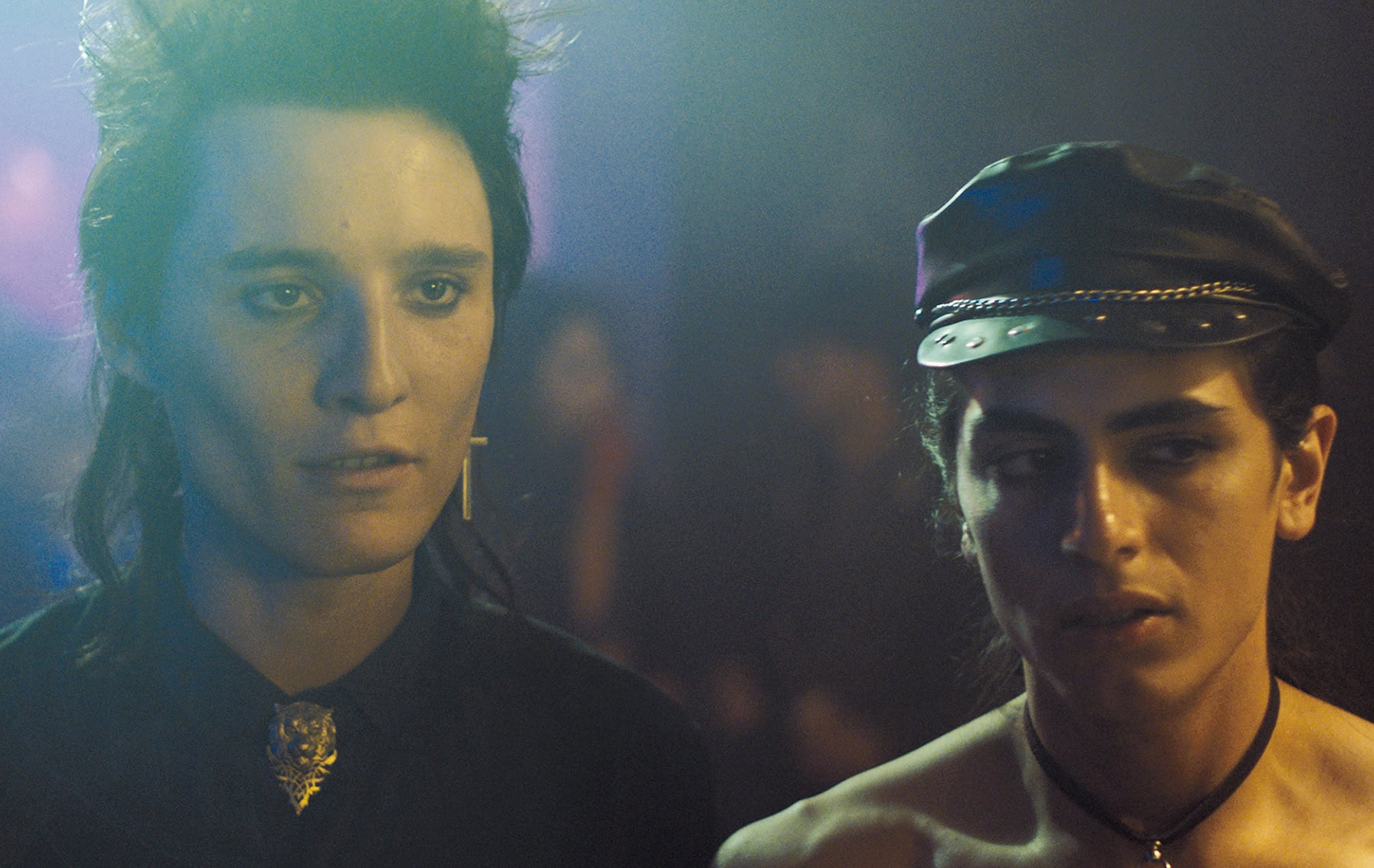
Hari Sama never quite manages to seamlessly sync the film’s anti-bourgeois political commitments to its soap-operatic register.
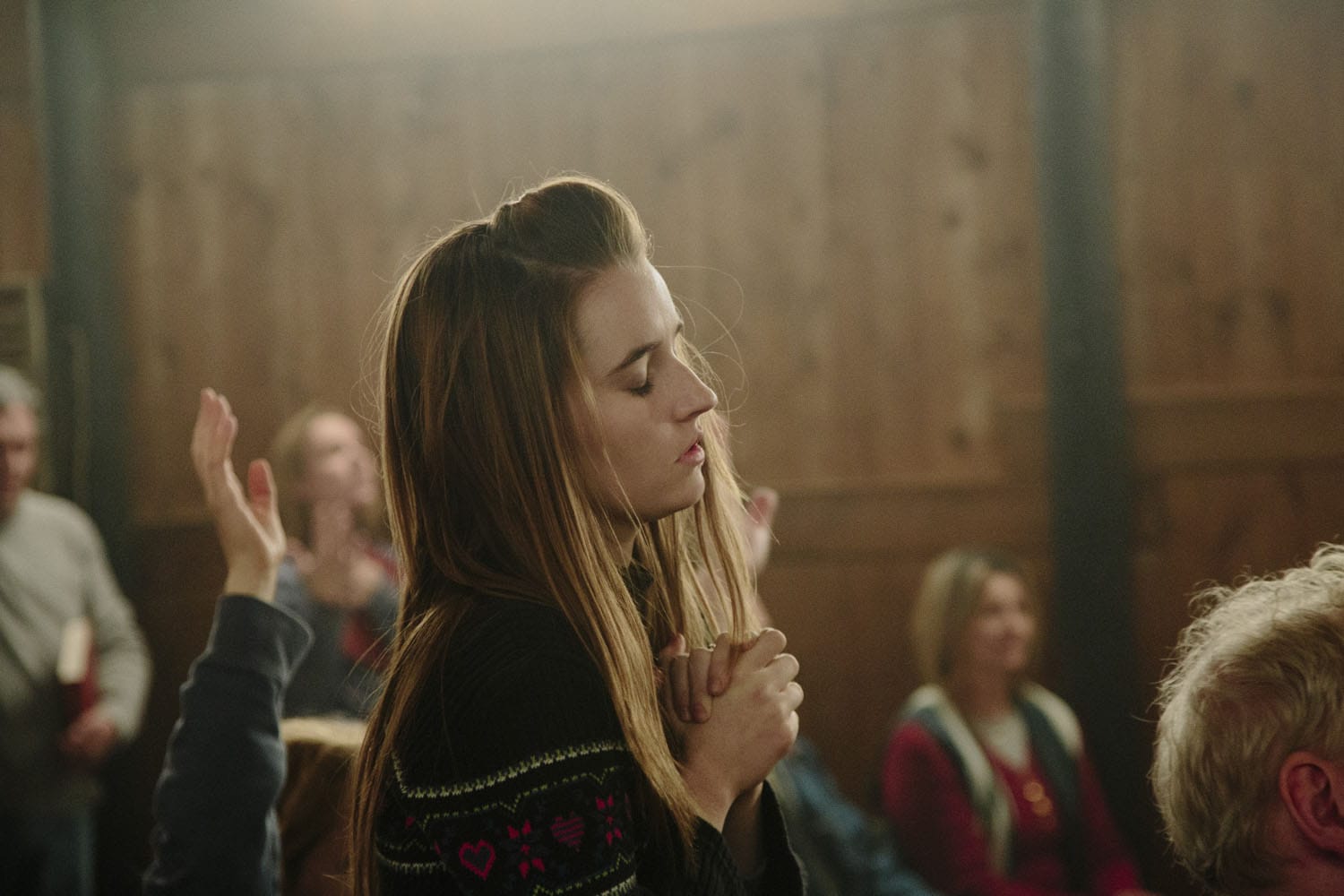
Unfortunately, the care with which the filmmakers set up Them That Follow’s context and their characters crumbles in the final act.

Claudio Giovannesi’s film is more an interesting tweak of Goodfellas than an eye-opening social statement.
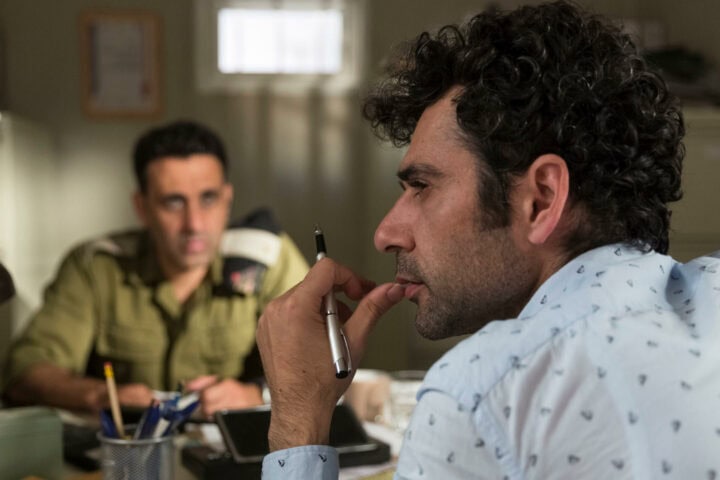
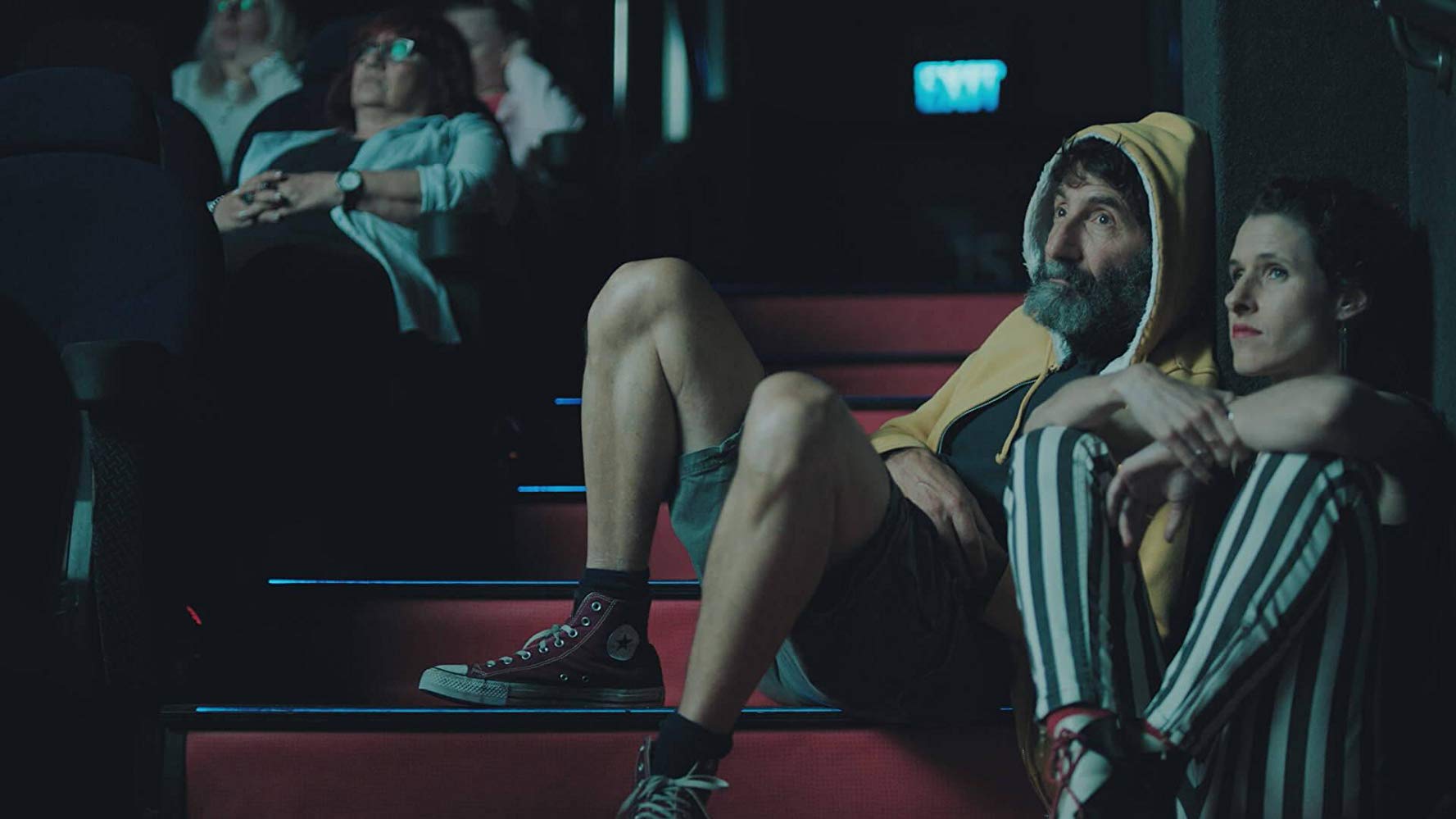
The film harnesses the excesses of soap-operatic writing to lightly satirize the cultural front of the Israeli-Palestinian conflict.
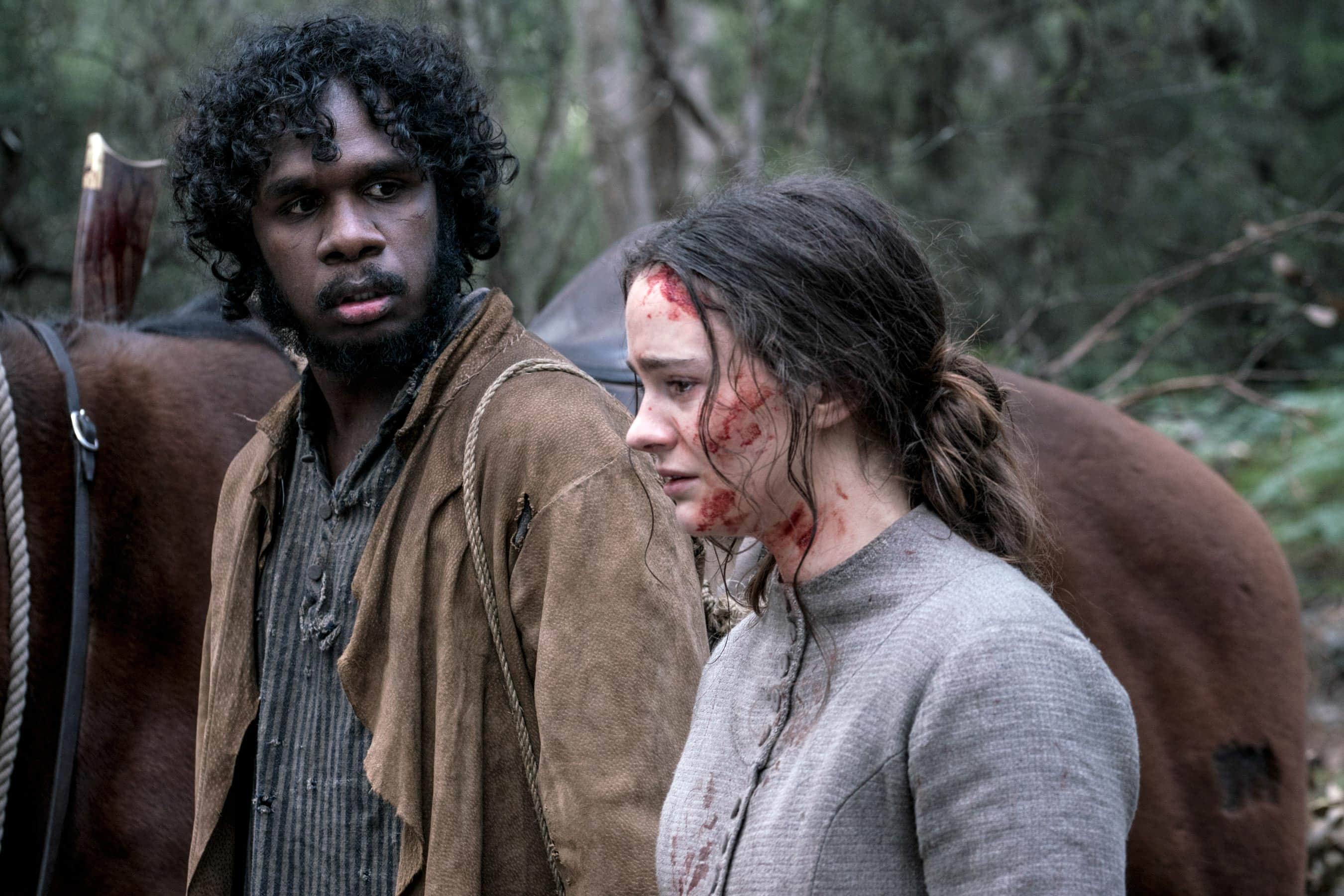
The violence of Jennifer Kent’s film doesn’t seem to build upon its themes so much as repeat them.
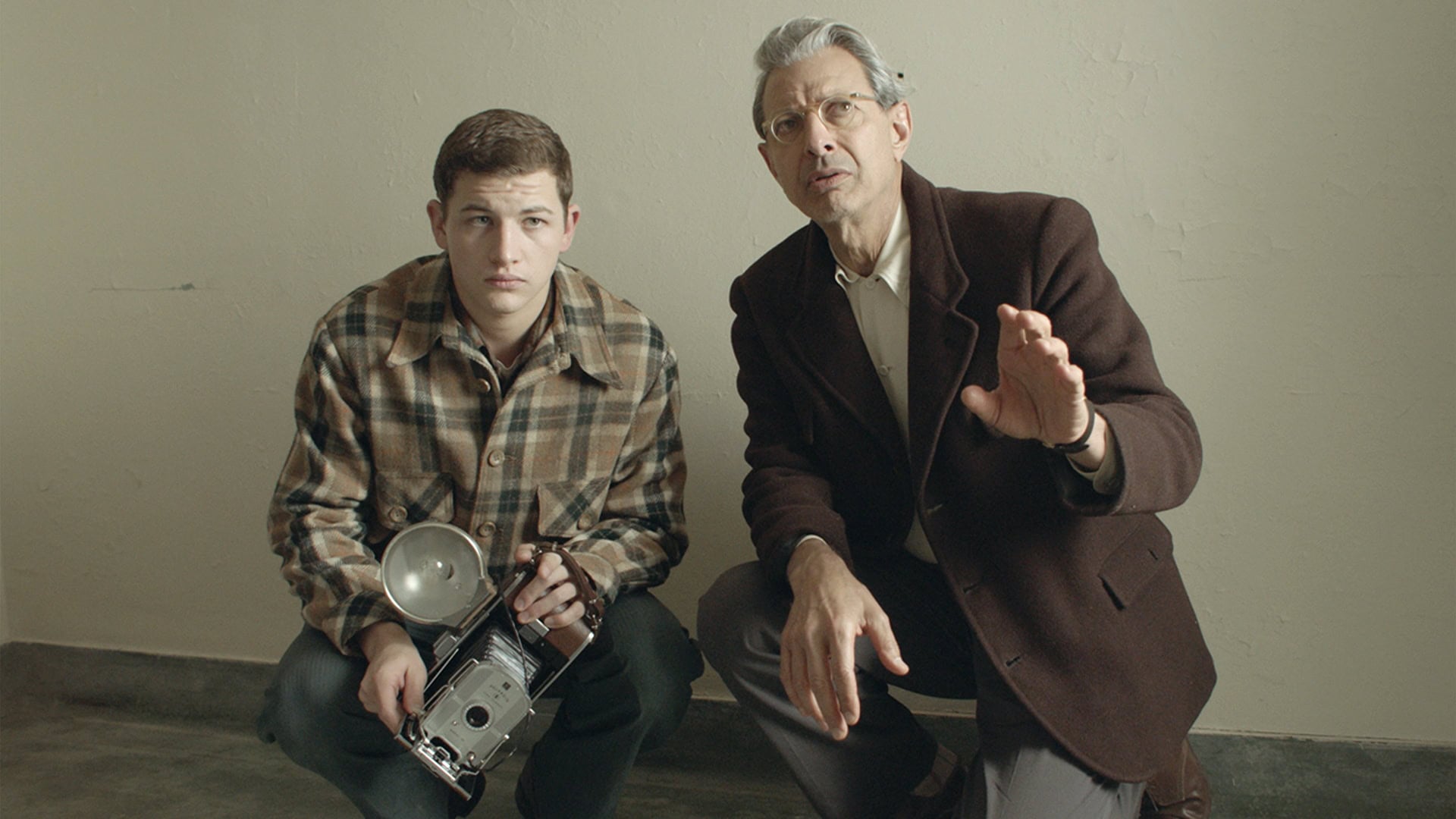
For all its emotional restraint, Rick Alverson’s film builds to a point of remarkable pathos.

The filmmaker discusses his latest, and his antipathy toward the mass machine of modern pop culture.

The film is a quietly radical attempt to view the world from a non-human perspective.