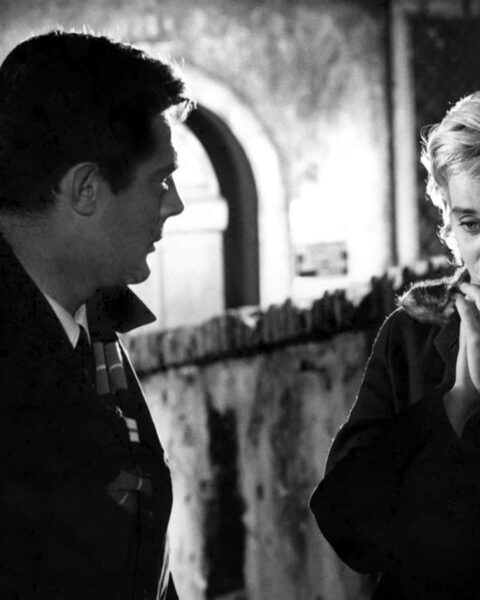
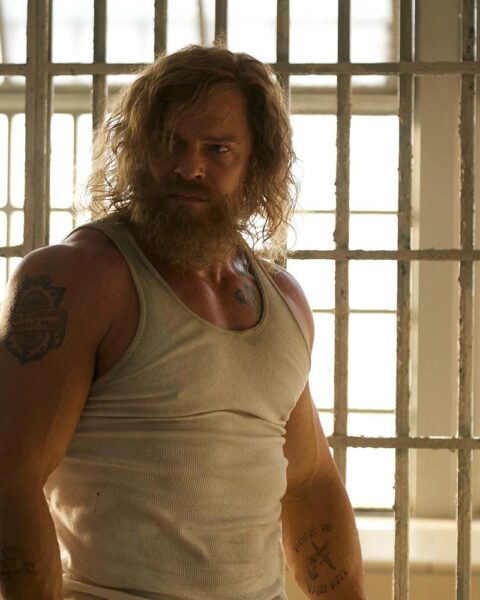
Refn discusses his love of fairy tales, falling through the rabbit hole of streaming, and more.


Refn discusses his love of fairy tales, falling through the rabbit hole of streaming, and more.

Jay Maisel’s former home suggests a bastion of creativity in a neighborhood whose rough edges have been completely sanded down.

The snapshots of the painstaking task of translation are filtered through the delicate framing of its subjects and the worlds they inhabit.

The festival feels very much on the rise, both as an international industry shindig and a well-funded driver for cultural tourism.
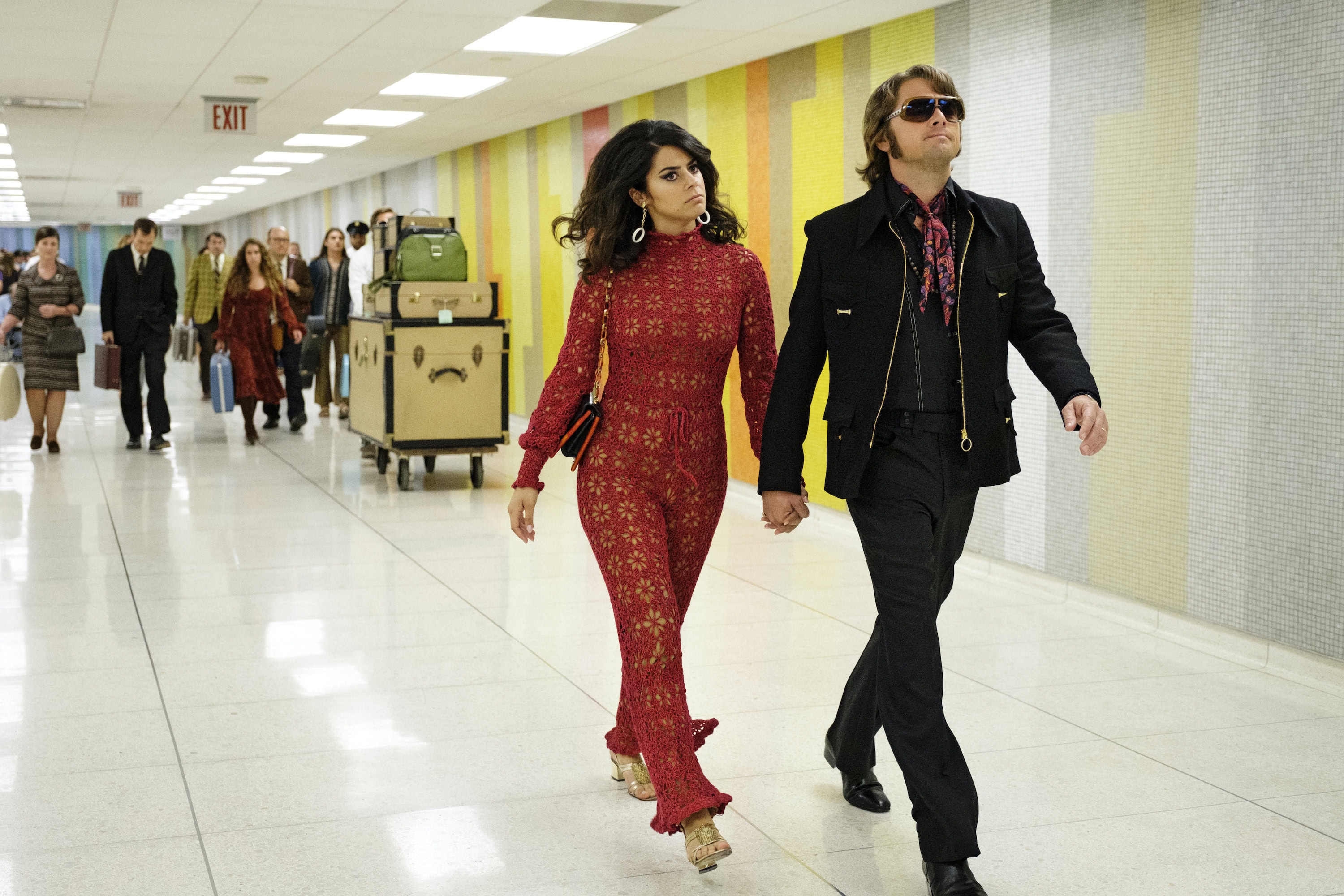
On the occasion of the release of Once Upon a Time…in Hollywood, we ranked Tarantino’s feature films.

It seems so invested in a rehabilitation of Brittany Kaiser’s image that the filmmakers’ own motives end up being its most interesting subject.

The film’s not-strictly-linear structure and handheld camerawork come to feel like attempts at masking a certain conventionality.

The festival feels like a long-awaited apparition in a place where events of its magnitude might be scarce.
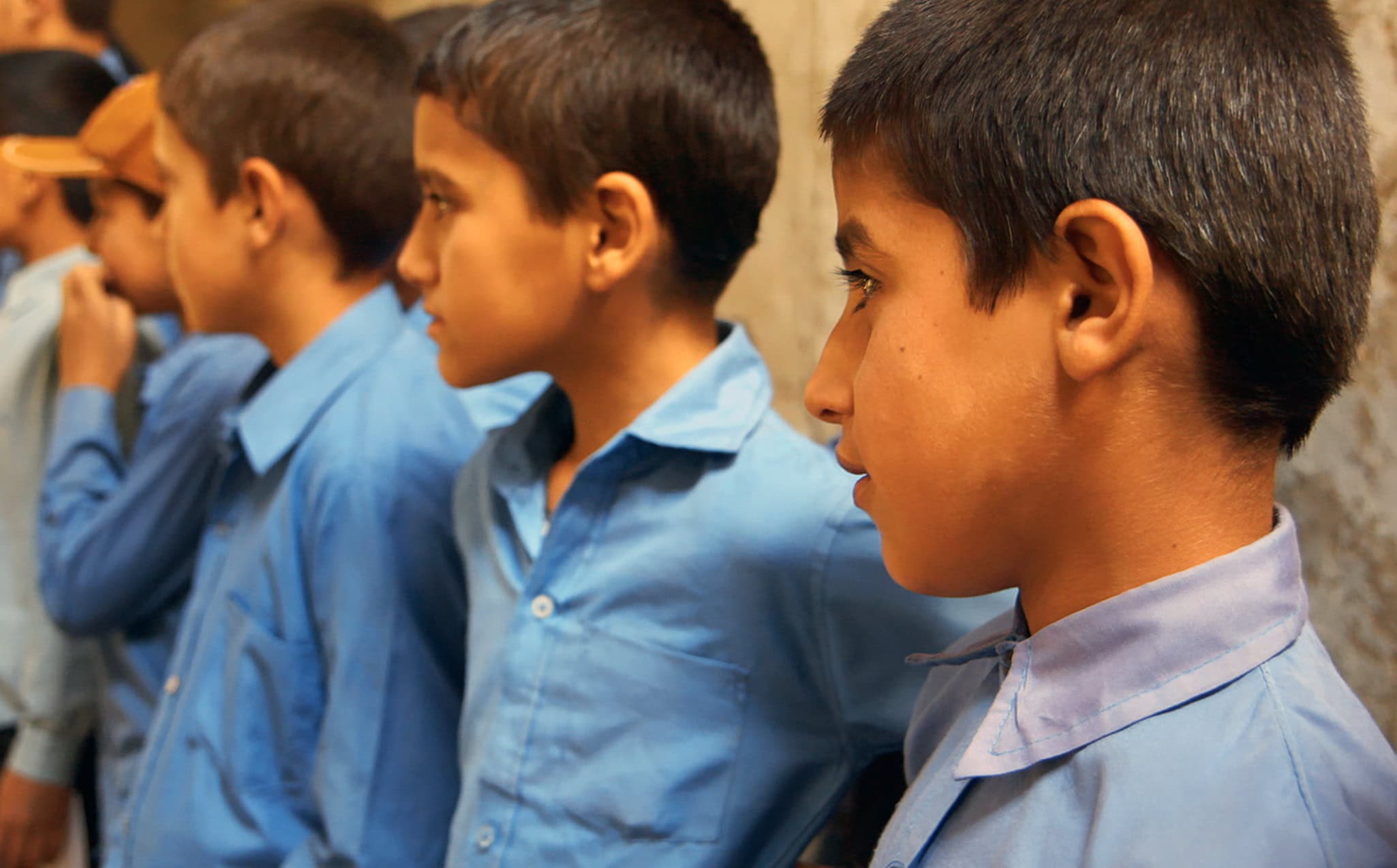
The film is an intimate portrait of a nation terminally anxious about who will see fit to rule it next.

Much like its subject, Avi Belkin’s documentary knows how to start an argument.

Japan Cuts has established itself as the definitive Japanese film festival in the United States, thanks to the scope of its programming.

The film captures a man haunted by his past mistakes and nearly certain that he doesn’t have the time left to begin making up for them.

Marie Losier’s empathy, if not love, for Cassandro hinders her from examining his wounds with much depth.

Maron discusses modern media discourse, the communicative bridge linking his acting with his podcast, and how he likes to be directed.

Bell proves uncannily adept at capturing moments that seem to encapsulate a subject’s entire emotional temperature.

Jude’s film is a bitterly comic essay on nationalist mythologies and historical amnesia.

The filmmaker discusses how she wants viewers to feel like they’re paratrooping into her characters’ lives.

Aaron Harvey is prone to pulling back from any moment that might give greater depth to his revenge tale.
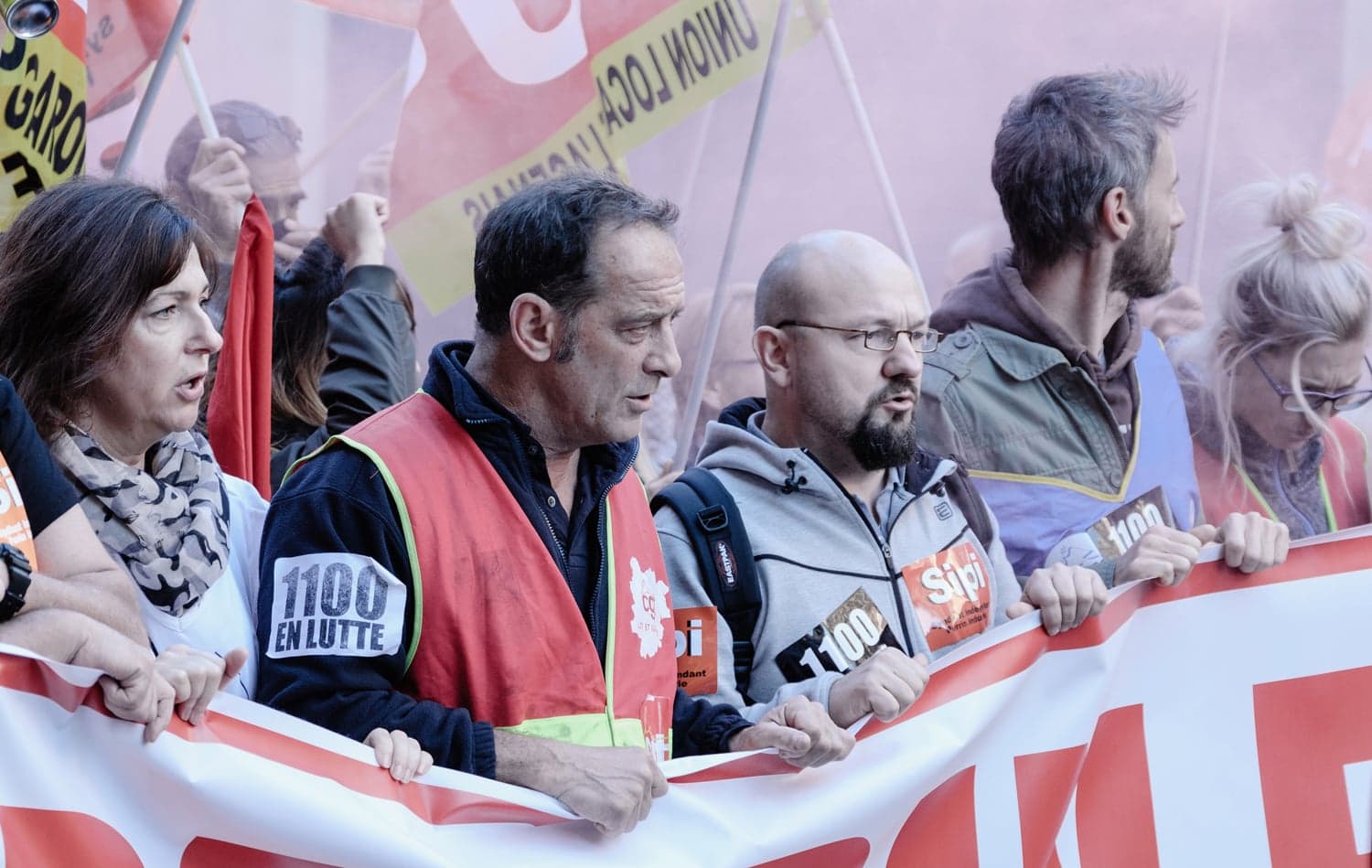
The film is content to bluntly affirm that corporate attempts at compassion are always secondary to providing profit to shareholders.

Raymond De Felitta’s film offers a sampler course of formulas, which creates a strangely unfulfilling tension.
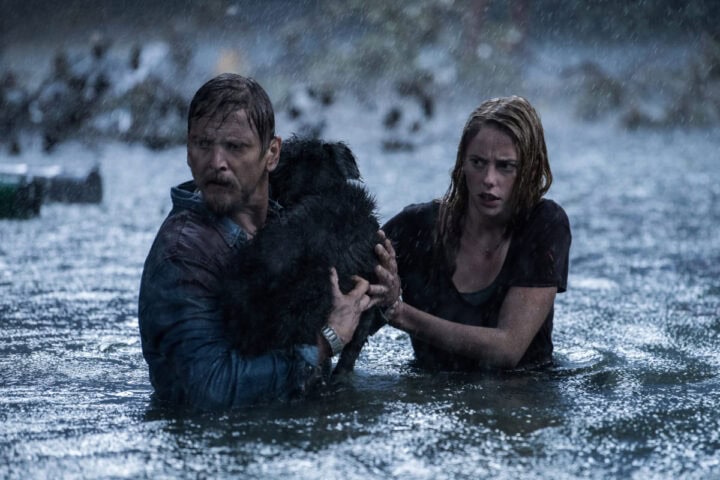
The film is more straight-faced than Alexandre Aja’s prior work, trading absurd kills for narrow escapes from gaping alligator jaws.