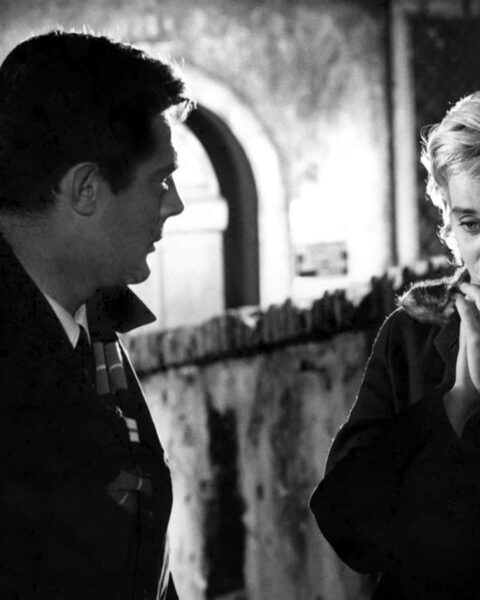
The film suggests David Lynch’s masterful mindfuck Inland Empire for the influencer set.


The film suggests David Lynch’s masterful mindfuck Inland Empire for the influencer set.

Colony essentially approaches Train to Busan’s setup from a 90-degree angle.
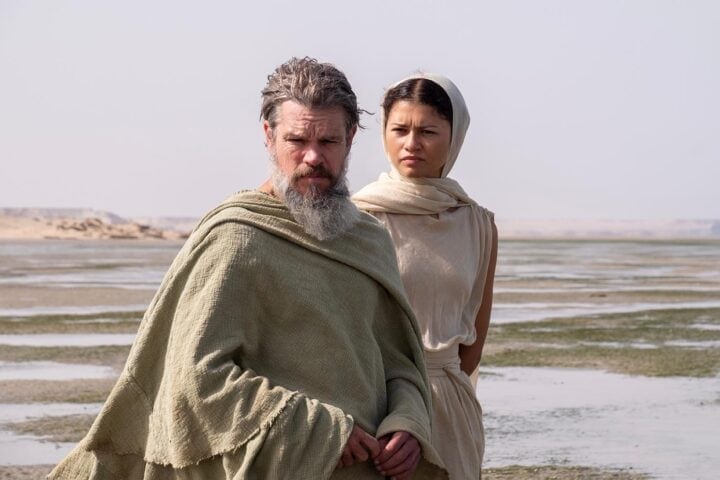
There’s an enigmatic quality to the role of Nolan in the current filmmaking landscape.

By the end, the film’s critiques build to a significant revision of the myth of the Trojan War.
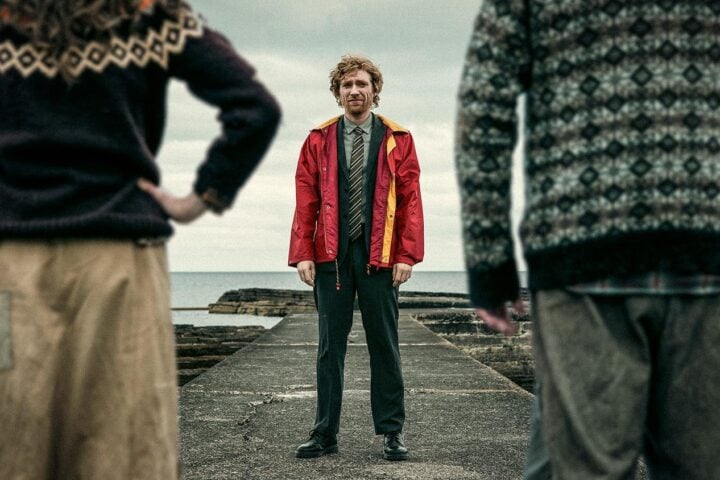
The Incomer is about being isolated for so long that you forget how to want things.

The anti-climactic climax, though, rescues the film from obnoxious whimsicality.

This relentlessly cruel rejiggering makes every Evil Dead film before seem like Sunday school.

Poignantly, McElwee wrestles with the perils of personal documentary filmmaking.

Barrio Triste relies on a mood of disaffected melancholy, if without a clear direction.

Bernstein’s gifts as a storyteller are less narrative than atmospheric.

There’s a warmth to the film that cuts through its disillusion with the industry that created it.

McElwee discusses, among other things, his new film and staring down the loss of his son.

The film understands that historical truth and personal memory are inseparable.

The film uses the Minions to smuggle in a message about the enduring power of cinema.
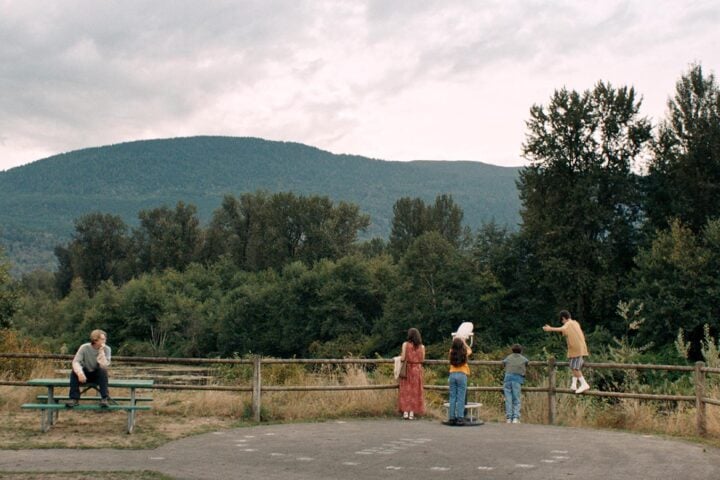
These films are generous reminders that cinema isn’t always about diagnosing global problems.

The wallow in nostalgia and sentimentality isn’t a sign that the boys have grown soft.

Throughout, Supergirl draws from at least 10 different long-tapped cinematic wells.