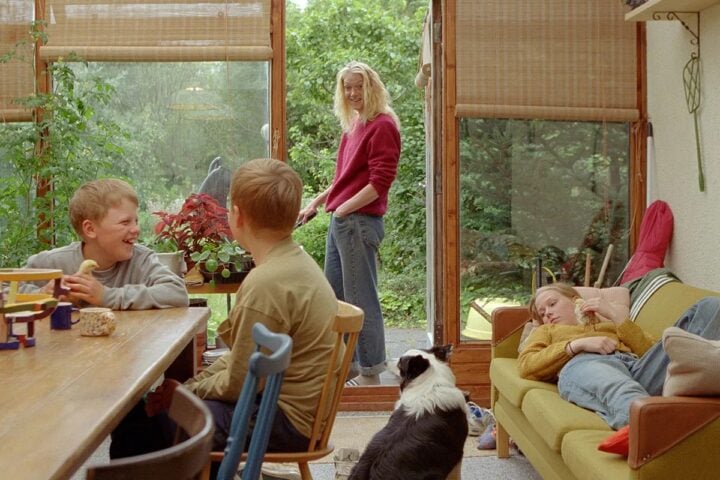
Pálmason’s impressionistic approach allows us the space to form our own judgments.


Kenji Fujishima is a film and theater critic, general arts enthusiast, and constant seeker of the sublime. His writing has also appeared in TheaterMania and In Review Online.
Pálmason’s impressionistic approach allows us the space to form our own judgments.

Romería could be seen as a sequel of sorts to Carla Simón’s autobiographical Summer 1993.

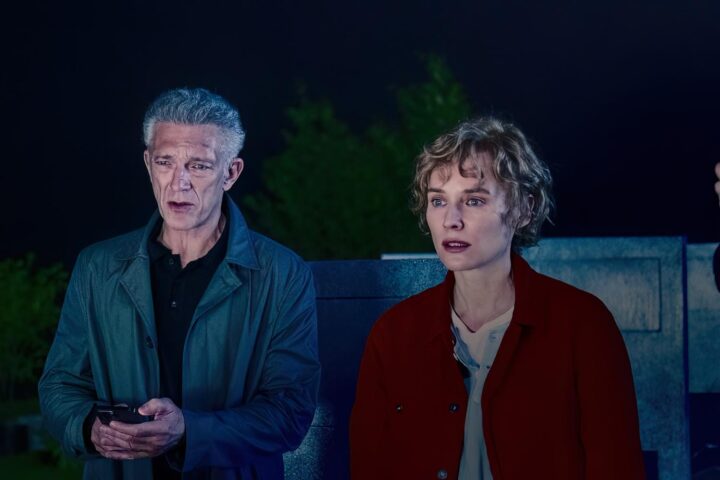
There comes a point where After the Hunt is defined by its convolutions.

Hong’s aesthetic is key to the resonance of his latest examination of an artist’s life.
Grief may be its starting point, but the film has much more on its mind than that.

The level of detail with which the filmmakers depict the unionization process is eye-opening.

Ross’s remarkable film fashions mesmerizing, affecting poetry out of Whitehead’s prose.

To a considerable extent, Ritchie appropriates Henry Cavill’s effortless sleekness as his own.

The extras further attest to Nan Goldin’s commitment to intertwining the personal and political.
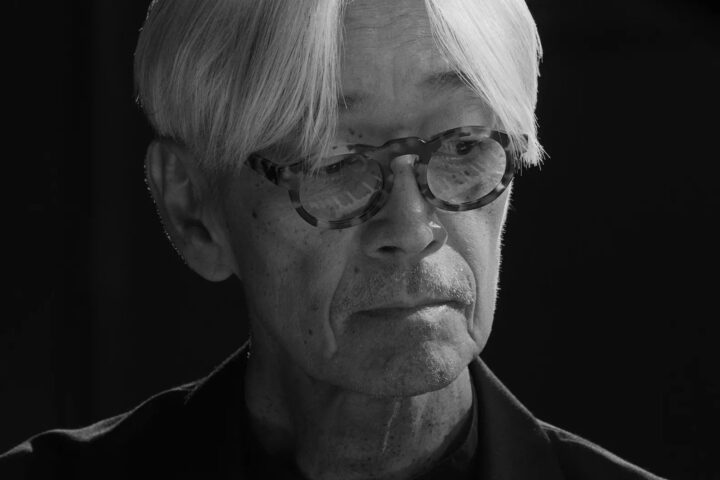
This is no ordinary concert film, beginning with there being no audience.

Baker’s spare dialogue style remains intact, with each line revealing of character and mood.

Throughout Maestro, Bradley Cooper mostly relegates Bernstein’s art to the sidelines.

The A/V presentation makes this a worthy addition to any Bowie fan’s home video collection.

Living has the feel of a film afraid to fully step out of its predecessor’s giant shadow.

All the Beauty and the Bloodshed shows the intrepid Laura Poitras pushing into new emotional terrain.

The Woman King doesn’t exactly offer anything subversive when it comes to its view of warfare.

Hugh Jackman imbues The Son with a tragic power that makes even Florian Zeller’s most manipulative excesses easier to tolerate.

In the film, the power of the movies is an afterthought to more romantic and socially oriented concerns.

The climax has a certain primally cathartic power, but it doesn’t quite dispel the air of self-satisfaction that envelops the script.

The Fabelmans is a provocative investigation of the cinematic medium from one of its great masters.