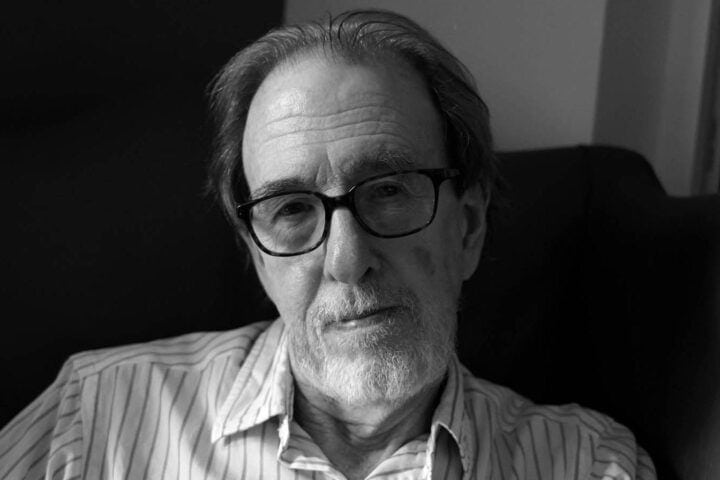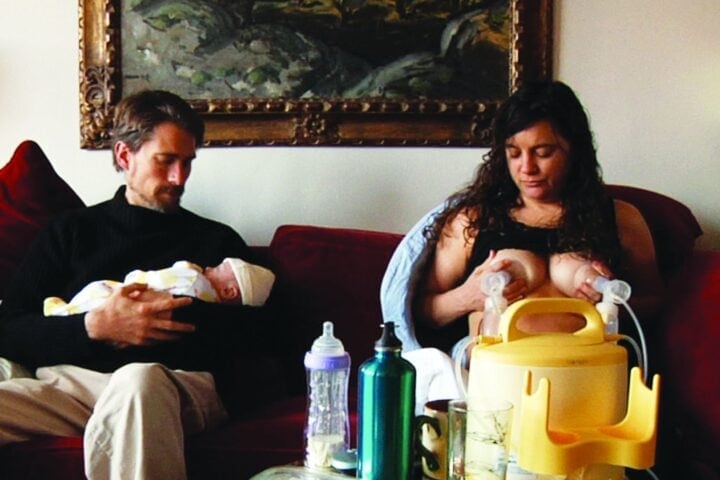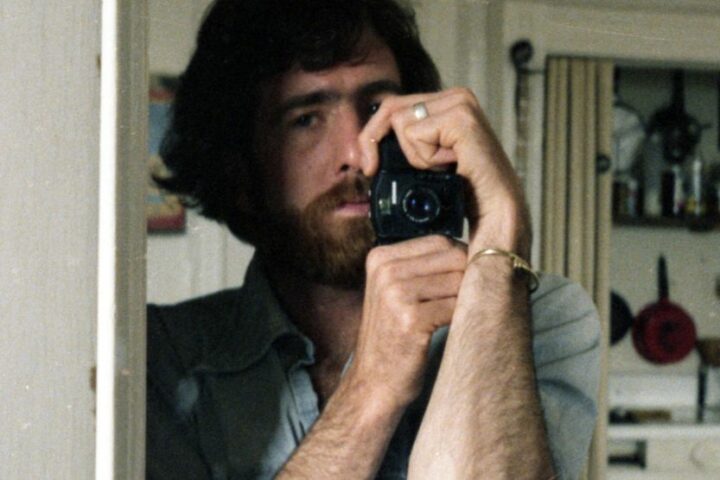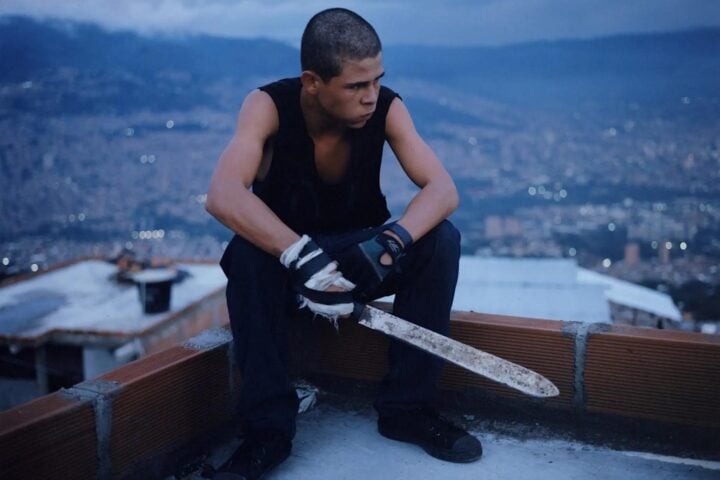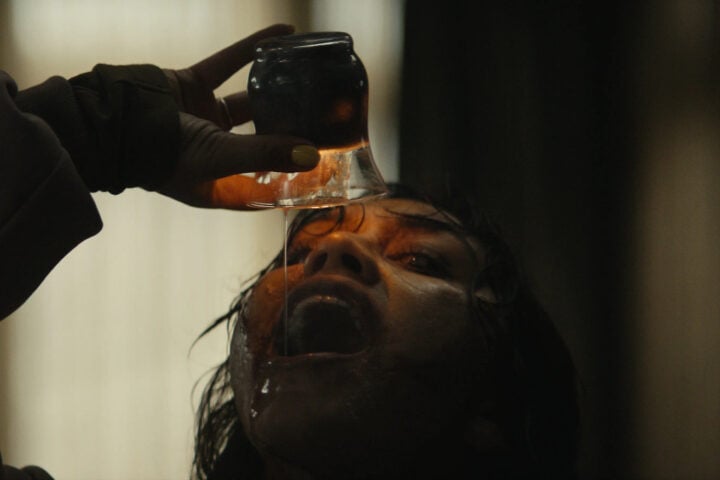
For his entire career, Ross McElwee has honed a diaristic approach as he’s pointed a camera at his life, understanding it in relationship to the world that was and the one that continues to alter around him. Central to Remake is his 1985 documentary Sherman’s March, which parallels the legacy of General William Tecumseh Sherman’s bloody march through the South during the height of the Civil War with McElwee’s romantic and existential frustration. The recurring figures in the films he’s made since have accepted that McElwee’s camera is essentially an extension of his being and, at least for those who are still here and can remember their interactions with him, that their own lives are destined to be projected on screens the world over, and sometimes to their great frustration.
More than any of McElwee’s films before it, Remake more broadly reflects on his life. That reflection is instigated, in part, by a Hollywood producer buying the rights to Sherman’s March, with the hope of turning it into a fiction movie. And as he restores the documentary and the adaptation variously stalls and evolves, McElwee travels back to the South to revisit old friends from the film. Few things in life are as inevitable as death, just as few things in McElwee’s films are as inevitable as personal tragedy becoming grist for his particular brand of cine-memoir, in this case the death of his son Adrian from a fentanyl overdose in 2017.
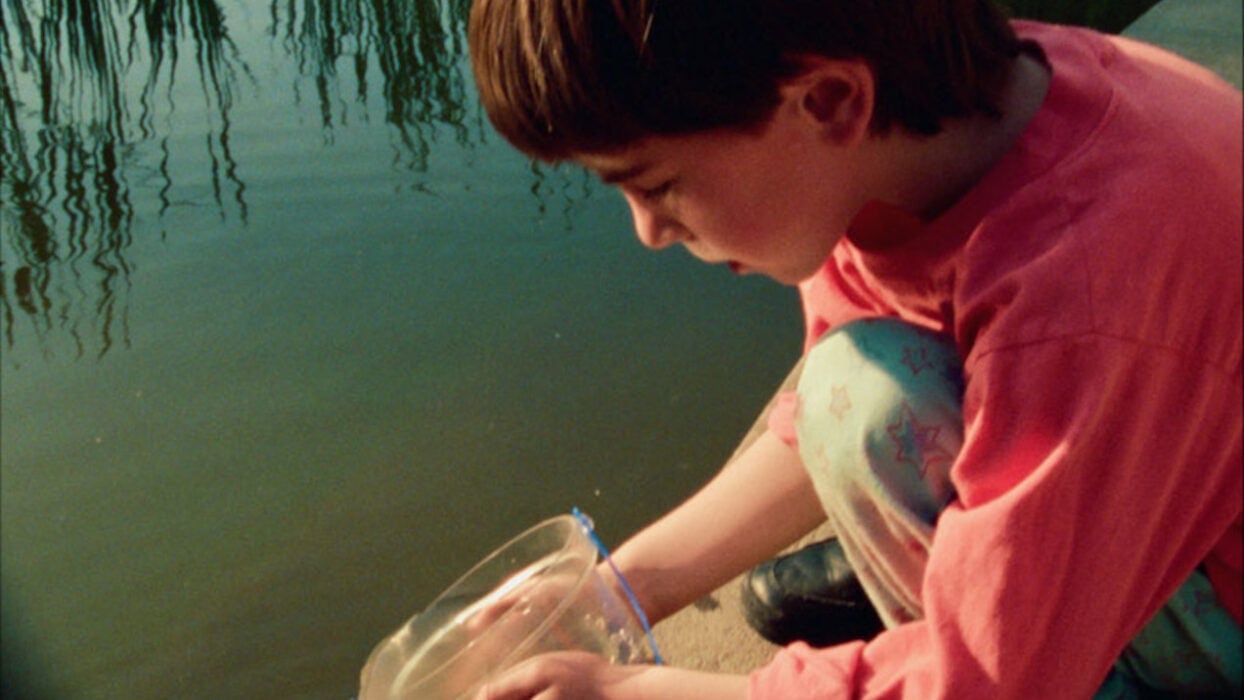
In footage of him as a child, Adrian describes the world in poetic terms. When asked why he likes fishing, he says that he “love[s] the deep surprise of the ocean.” In this film’s clips from 2008’s In Paraguay, the young Adrian makes the most of his time stuck in the South American country (as McElwee deals with the legal matters tied to his daughter Mariah’s adoption) by playing in his pretend “restaurant house,” serving his parents dishes made of stones. When McElwee cuts to Adrian as a teenager, pouring his energy into his music blog, as well as a novel, script, and clothing line, you sense his struggle to find an outlet for his artistic impulse.
Throughout Remake, McElwee masterfully correlates his feelings around the potential Sherman’s March remake with the ups and downs of his son’s life. In juxtaposing the aims and ambitions of both child and teenage artist, the father laments the disappearance of pure childish wonder in the face of the adult world’s financial demands. In one devastating clip, Adrian even turns what was surely one of McElwee’s paternal lectures against him, demanding that his father make practical films like commercials and blockbusters as making art is “not about what you want to do” and to make these passion projects represents a “spoiled attitude.”
Poignantly, McElwee wrestles with the perils of personal documentary filmmaking. Because he has access to Adrian’s video archive, he discovers that when he took his son to the Venice Film Festival, on the occasion of Photographic Memory’s world premiere in 2011, Adrian used the occasion to film himself. Here is Adrian in red-carpet attire, riding a water taxi, and consuming a worrying amount of alcohol—all set to a remix of “Hustlin’” by Rick Ross. Was this a parody of himself or is this who he wishes he was? McElwee becomes haunted by what Adrian wanted out of filmmaking and what he himself wanted out of Sherman’s March, to the point that footage from both Adrian’s archive and the 1985 film takes over his life.
Remake is many things, but at its heart, it’s a haunting reflection on the nature of memory. At one point, McElwee’s friend Wini says that memories bridge the past and present and that Sherman’s March helps her remember her own past, but Charleen Swansea, a fixture in McElwee’s films who’s sliding into dementia, is unable to remember even the most basic details of her life. McElwee himself worries that by so obsessively poring over Adrian’s footage, his son is becoming a “fictional character on the screen, someone who’s never lived before.” But perhaps this is what memory itself does: simultaneously granting immortality to those we’ve lost while widening our distance to them. Remake is about choosing to remember anyway.
Since 2001, we've brought you uncompromising, candid takes on the world of film, music, television, video games, theater, and more. Independently owned and operated publications like Slant have been hit hard in recent years, but we’re committed to keeping our content free and accessible—meaning no paywalls or fees.
If you like what we do, please consider subscribing to our Patreon or making a donation.