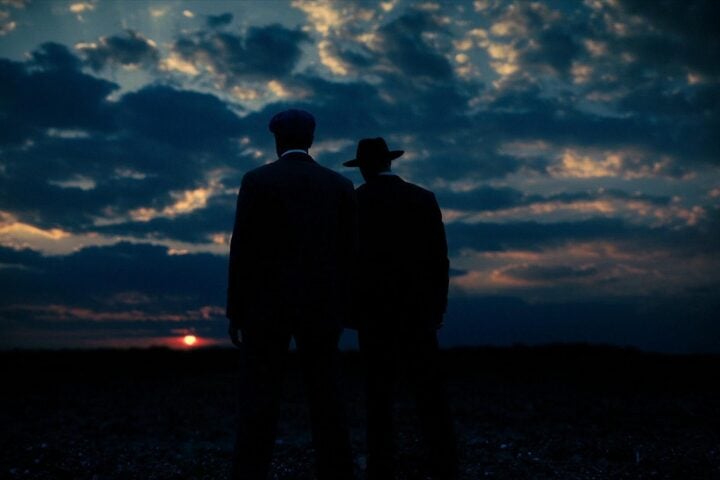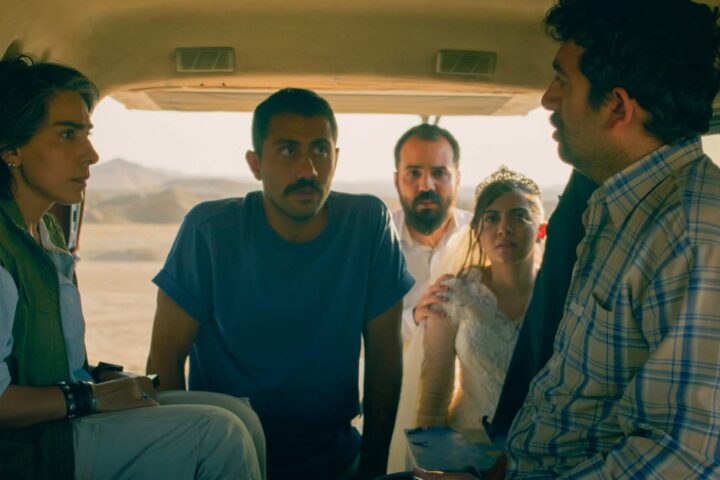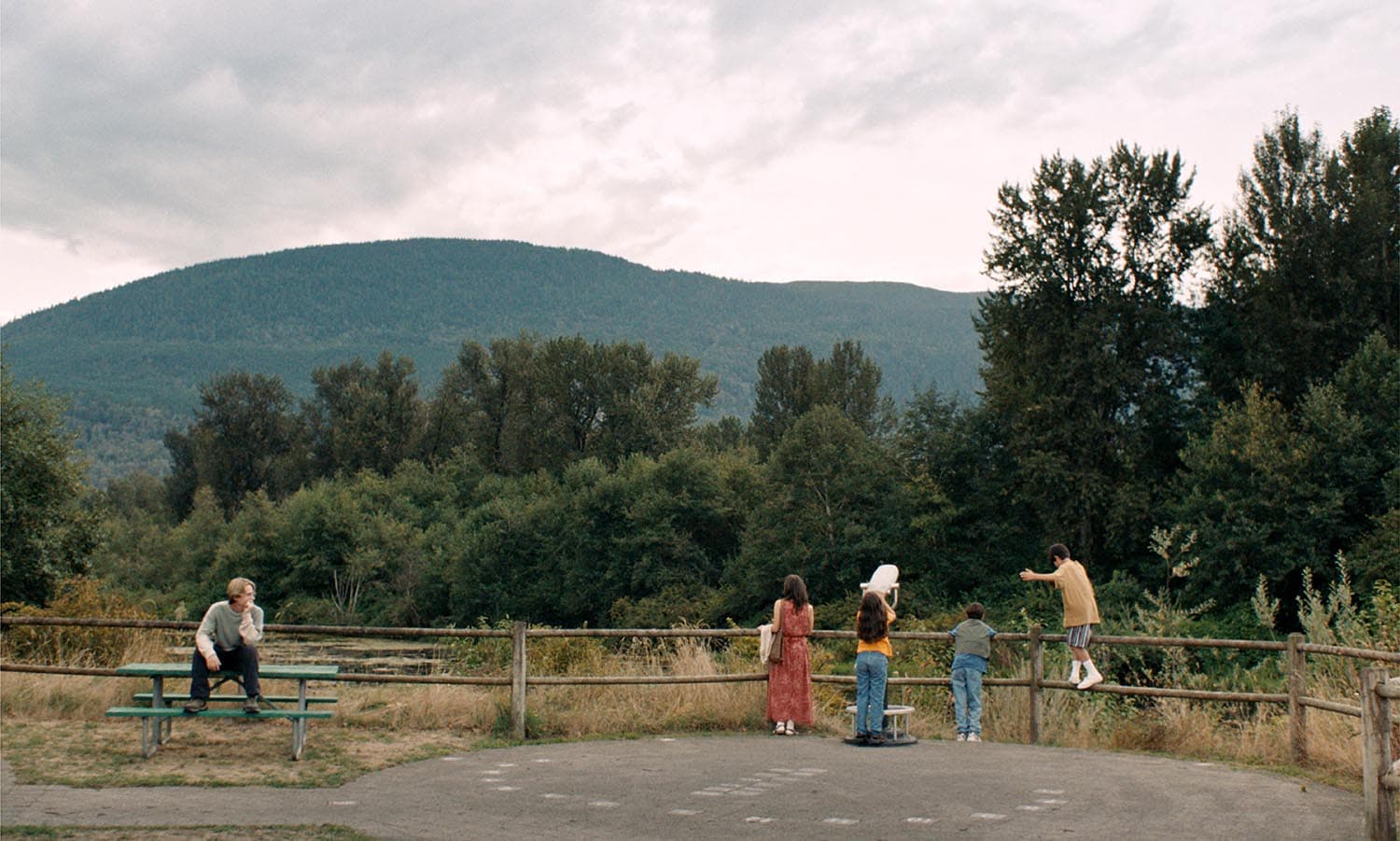
Where many of our favorite films over the past couple of years have focused on the issues springing from the global rise of fascism and A.I. from a bird’s-eye-view perspective, the best films of 2026 have, by and large, favored intimacy over scope. It’s as if the general volatility of the world has led filmmakers to look increasingly inward and explore how individuals cope with this seemingly inescapable disarray.
Female filmmakers have led the way, with both Sophy Romvari and Carla Simón boldly using cinema as a means of processing tragedies from their own youths. Elsewhere, in Is God Is, Aleshea Harris turns revenge into a religion, and examines the costs of that particular belief, while Milagros Mumenthaler finds wildly inventive ways of aestheticizing the overwhelming feelings of alienation and dissociation that her heroine experiences in The Currents.
Sociopolitical satires also followed suit by embracing subjectivity, with Radu Jude and Nadiv Lapid filtering the anxieties of life under late capitalism and in the vicinity of genocide, respectively, through the disoriented minds of their protagonists. Even some of the best genre films of the year speak to the corrosion of objective reality in a post-truth world—a problem that Alexandre Koberidze, in Dry Leaf, confronted by filming a three-hour existential odyssey entirely on a 2008 Sony Ericsson mobile phone.
These 20 films are generous, empathetic, and ambitious reminders that cinema isn’t always about diagnosing global problems. It’s also a means of connecting us through the shared joys and adversities everyone faces as we try to make sense of the world around us. Derek Smith
Editor’s Note: Films that had a one-week awards-qualifying run in 2025 that we were able to screen ahead of publishing our 25 Best Films of 2025 feature weren’t eligible for this list.
Below the Clouds (Gianfranco Rosi)
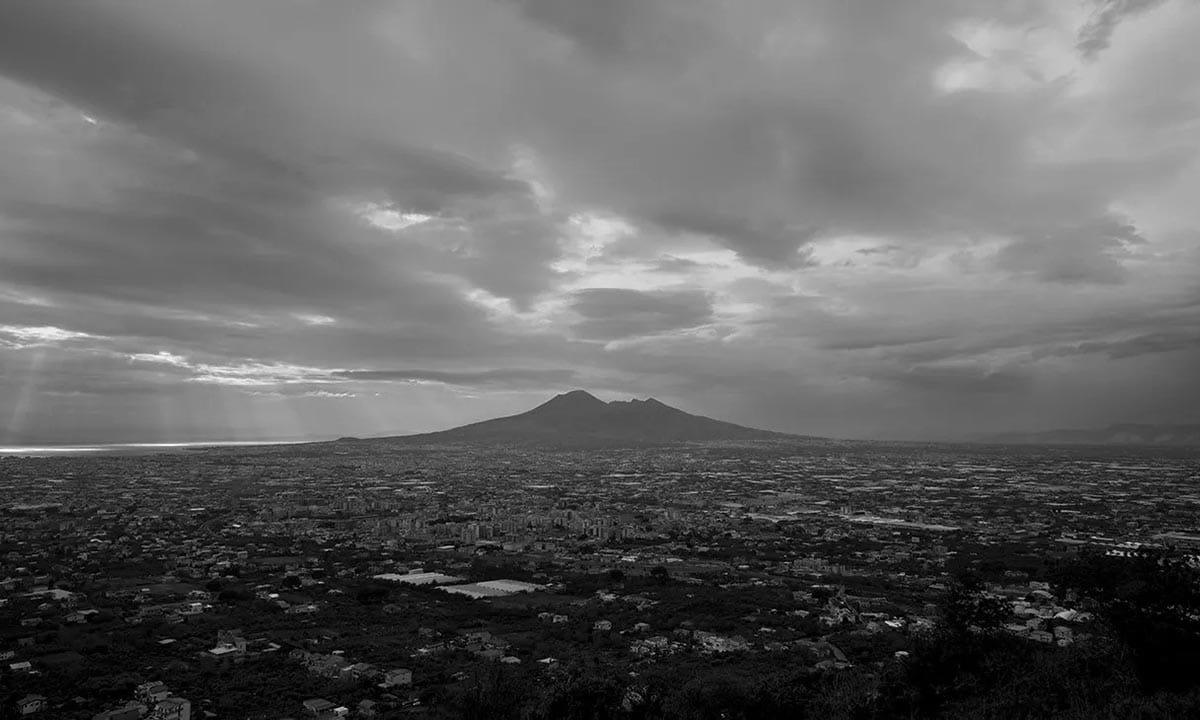
“They’re all wrenched from their contexts,” observes an archeologist about a room full of unsorted Neapolitan artifacts that the camera surveys in Below the Clouds. That statement could easily apply to all the discrete scenes that Gianfranco Rosi assembles into his portrait of the area surrounding Mount Vesuvius, where the local life, like the landscape, feels as if it’s been cut loose from chronological time. While Vesuvius has been dormant since 1944, the legacy of its explosive past in burying Pompeii weighs heavily on those who coexist with the volcano. The ongoing excavations of Pompeii inform this delicate dance with mortality. Similarly, Rosi’s long, languorous, often hushed snapshots of the area between Vesuvius and the Gulf of Naples conjure a sense of life here being suspended in time. Marshall Shaffer

Blue Film (Elliot Tuttle)
Blue Film is a scrappy and profoundly unsettling chamber drama that uses taboo questions about performance, trauma, and (un)ethical desire as scalpels, rooting around in its emotionally blighted characters’ and audiences’ psychological defenses without anaesthetic, so to speak. On the whole, the film’s raw, skin-crawling interrogations of aberrant sexuality and trauma ring fearless and true. The unsteady waltz of its two characters figuratively and literally stripping each other down, never easily predictable yet methodically controlled by Tuttle and his actors, is hard to watch but impossible to look away from. Rough edges and all, the film may be a new classic for American indie cinema of the fringe and perverse. Eli Friedberg
Blue Heron (Sophy Romvari)
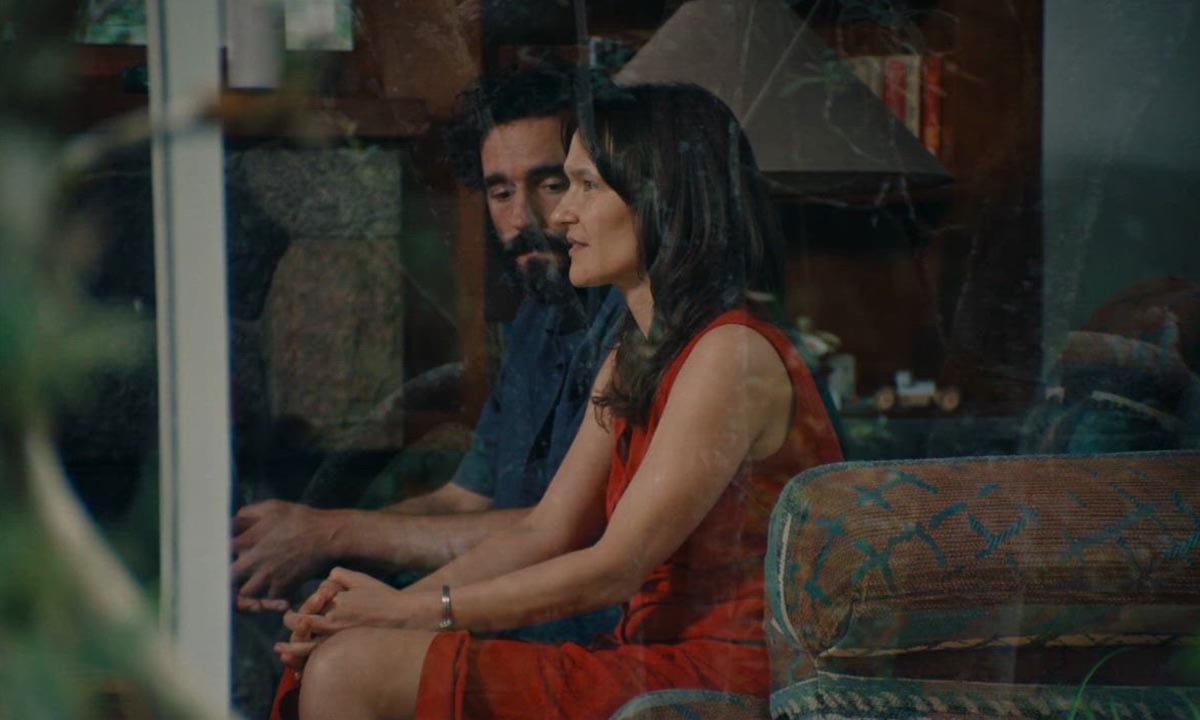
The early shorts of Canadian-Hungarian filmmaker Sophy Romvari displayed an emotional sensitivity refined by, and frequently inseparable from, a foregrounding of the storytelling process itself. Both aspects are even more evident across the expanded canvas of her feature-length debut, Blue Heron. What’s perhaps more moving than the grief and nostalgia that pervade this intelligent, auto-fictional coming-of-age story is the way that it self-reflexively interrogates its own limitations, exposing the painful absence at the film’s core. The film dramatizes Sasha’s (Amy Zimmer) realization that her questions about her older stepbrother will become more unanswerable with the passage of time, while they stubbornly continue to shape her creative practice and emotional development. David Robb
The Currents (Milagros Mumenthaler)
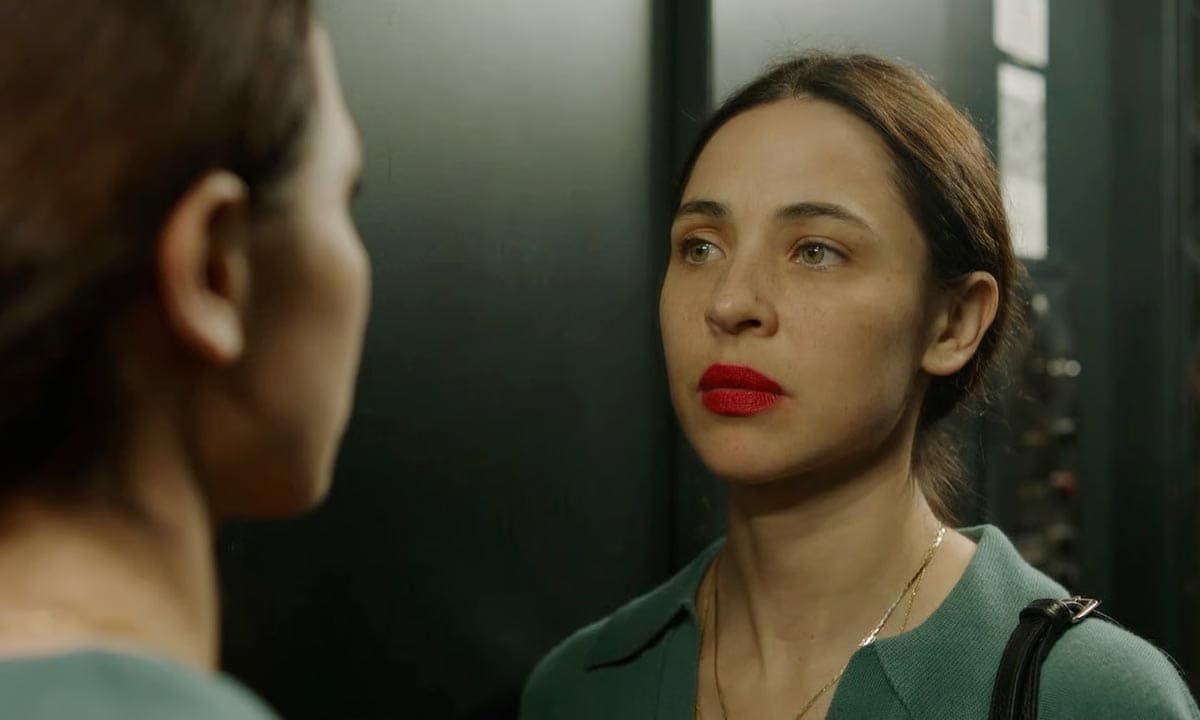
Milagros Mumenthaler’s The Currents is a film of layered hints. Basic plot details are revealed at a trickle, if at all. Others can only be guessed at. This commitment to vagueness can be frustrating, even self-indulgent at times. But considered as a means of getting across the protagonist’s subjectivity, it comes to feel purposeful. For Lina (Isabel Aimé González-Sola), not only are such details in the background of her life, they’re trivial compared to what’s happening inside her mind. The Currents recalls Lucrecia Martel’s work, in which effects or symptoms may be visible on screen, but their root causes are kept secret. But Mumenthaler’s attention to metaphor and subjectivity also invites comparison to Virginia Woolf’s formalist yet compassionate illumination of characters’ inner landscapes. William Repass
Dry Leaf (Alexandre Koberidze)
Dry Leaf was shot on a Sony Ericsson phone, one likely from the mid-2000s, which saves its video files with extremely lossy compression, resulting in chunky digital compression artifacts (called DCT blocks) that obscure most of what’s on screen, especially if it’s moving, and especially at night. Since we come across this form of compression so rarely these days, Dry Leaf’s tableaux are impressionistic in ways that recall the plein air landscapes of Claude Monet. But when the figures within the frame move, they resemble the globs of color and lines in a J.M.W. Turner seascape. Alexandre Koberidze’s film is at its most hypnotic during such moments of near-total abstraction, like when the sudsy water applied during a car wash dances along during the drying cycle or trees are glimpsed moving in the wind. Koberidze reminds us that not seeing is sometimes a way of seeing the world differently. Zach Lewis
The Furious (Tanigaki Kenji)
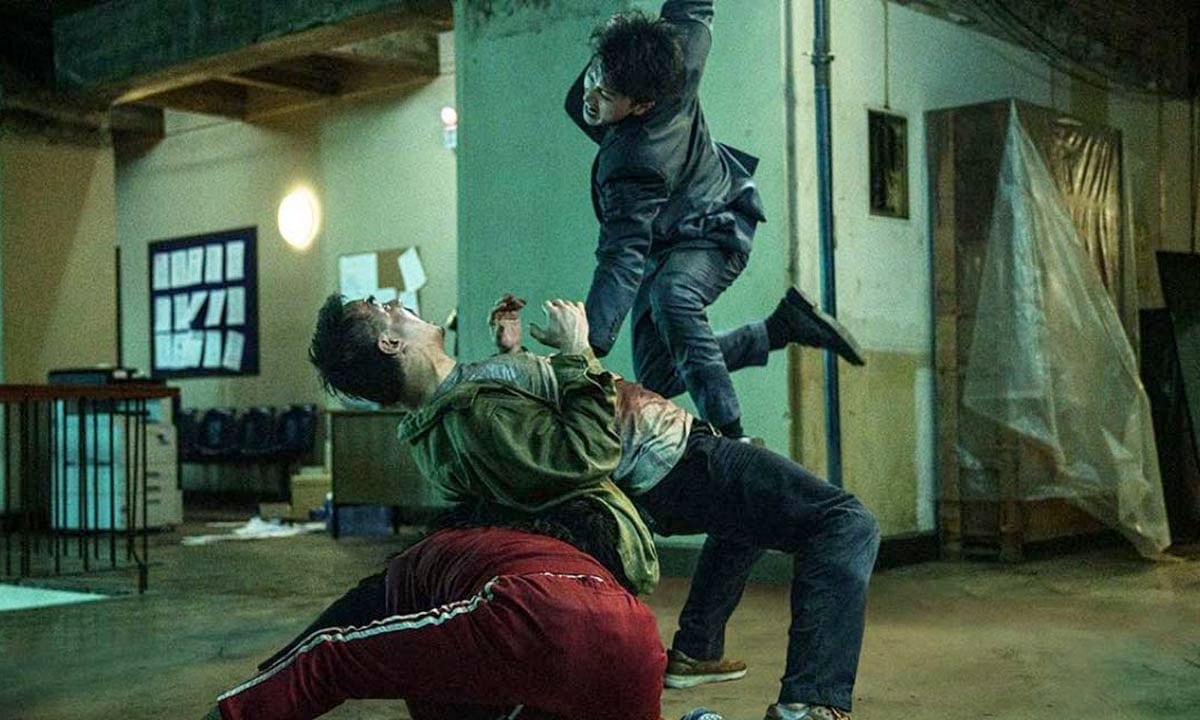
In the decade since the release of the first John Wick, a number of low- to medium-budget action movies have tried to capitalize on that franchise’s elaborate fight choreography, even as they’ve also leaned too heavily on its slavish interest in world-building. Tanigaki Kenji’s The Furious, then, feels like a breath of fresh air, an ambitiously staged brawler that understands that narrative simplicity is the core of a truly relentless, propulsive action movie. At times, the threadbare plot threatens to weigh down the rare moments where things slow down to reset, with dialogue that occasionally sounds like it went through several rounds of translation and emerged awkwardly cadenced and blunt. But those distractions from the action are few and far between, all but guaranteeing that The Furious is sure to be the fastest entry into the genre canon since George Miller’s Mad Max: Fury Road. Jake Cole

Is God Is (Aleshea Harris)
Aleshea Harris’s Is God Is is a bloody revenge thriller told like a campfire tale. Featuring larger-than-life characters described with epithets like “monster” and “the rough one,” and blending brutal violence with themes of generational trauma, abuse, and toxic masculinity, the film ponders what one does with the bottomless hate of being wronged. Is God Is has a Blaxploitation feel to it, but the humanity contained within the film, especially exhibited through the relationship between its twin protagonists (Kara Young and Mallori Johnson), turns it into something altogether meditative and poignant. The film oozes style, such as a shot of the father (Sterling K. Brown) blowing tobacco smoke into the moonlight, a recurring image that haunts the memories of the twins. This attention to capturing the ambience of the American South is one of the film’s chief strengths. Anzhe Zhang
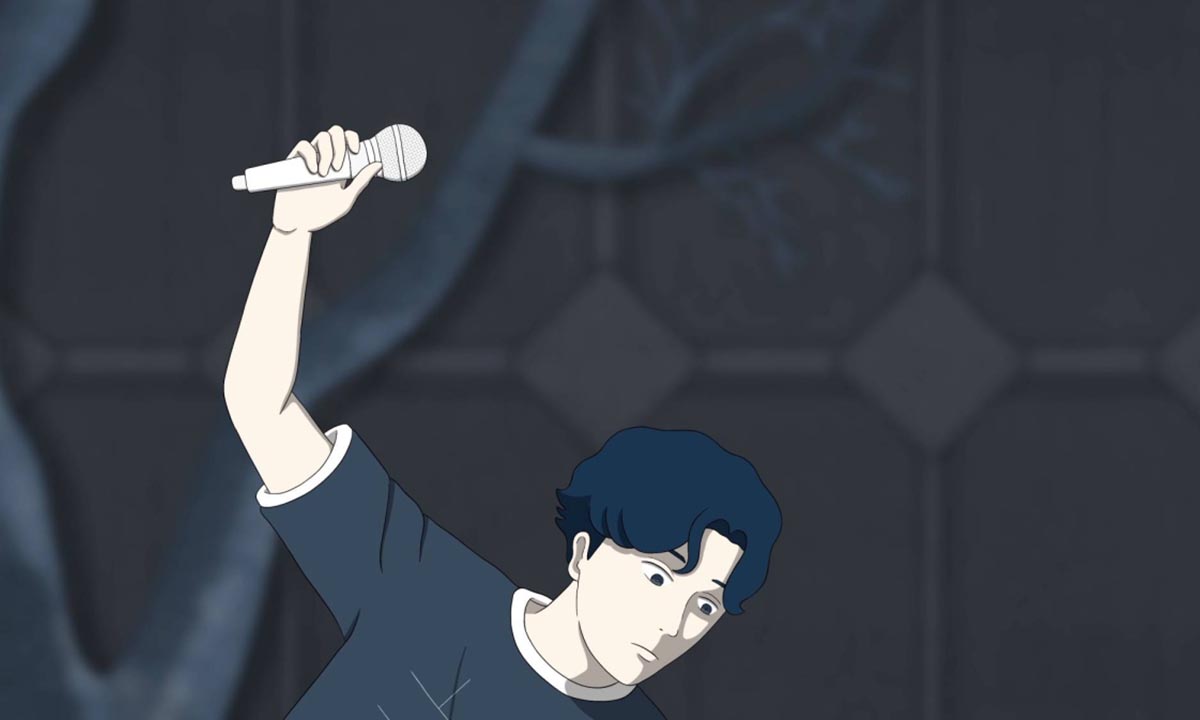
Jinsei (Suzuki Ryuya)
“Jinsei is a swan. You can go anywhere. You can do whatever you like,” muses the guilt-ridden Hiroshi (Shohei Uno) to his wayward, blue-haired stepson (voiced by rapper Ace Cool) in writer-director Suzuki Ryuya’s century-spanning animated feature Jinsei. Hiroshi’s words of wisdom are as good a summation as any of this scrappy film, which blurs the borders of irony and sincerity beyond distinction. This brooding, disaffected character study, which Suzuki also drew, scored, and edited, and whose title translates to “life” in Japanese, is a singularly odd, messy, and haunting portrait of detachment. Deeply felt and personal in its bittersweet ruminations on loneliness, pain, and destiny, Jinsei is an idiosyncratic and impressive debut by a fiercely independent artist eager to take on the world. Friedberg
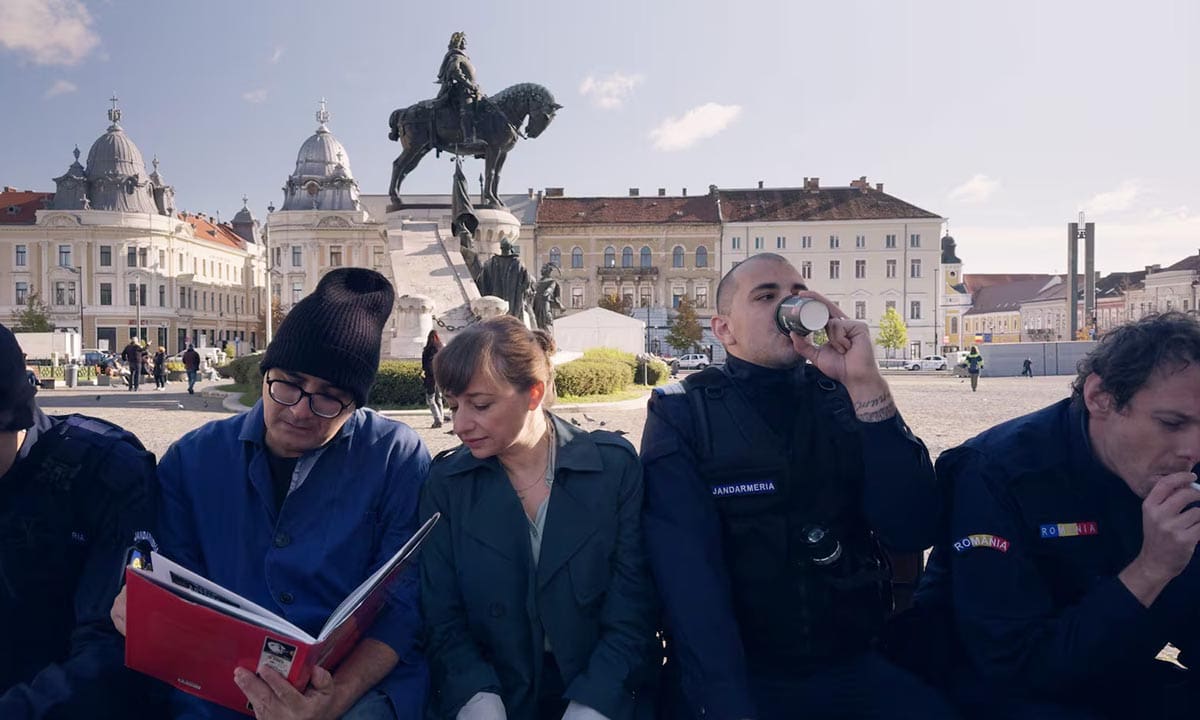
Kontinental ’25 (Radu Jude)
Radu Jude’s Kontinental ’25 is unmistakably his own, evident in everything from self-derisive humor to the surreal interventions in everyday situations. The situation that sets off the film’s plot into motion, where even the most precarious of living conditions of an elderly Romanian rendered destitute by modernity’s toxic seductions can’t be sustained, is fundamental: Out with the old, in with the new. What’s most endearing about Kontinental ’25 are the moments when Jude’s signature as an auteur is made ferociously visible. A suspiciously quotidian situation suddenly cracks the film open, revealing its political engagement not with a professorial or patronizing tone, but with the disarming strategy of the ludicrous. And it’s to remind us of how ridiculous the state of the world is, and how ridiculous we are for accepting it. Diego Semerene
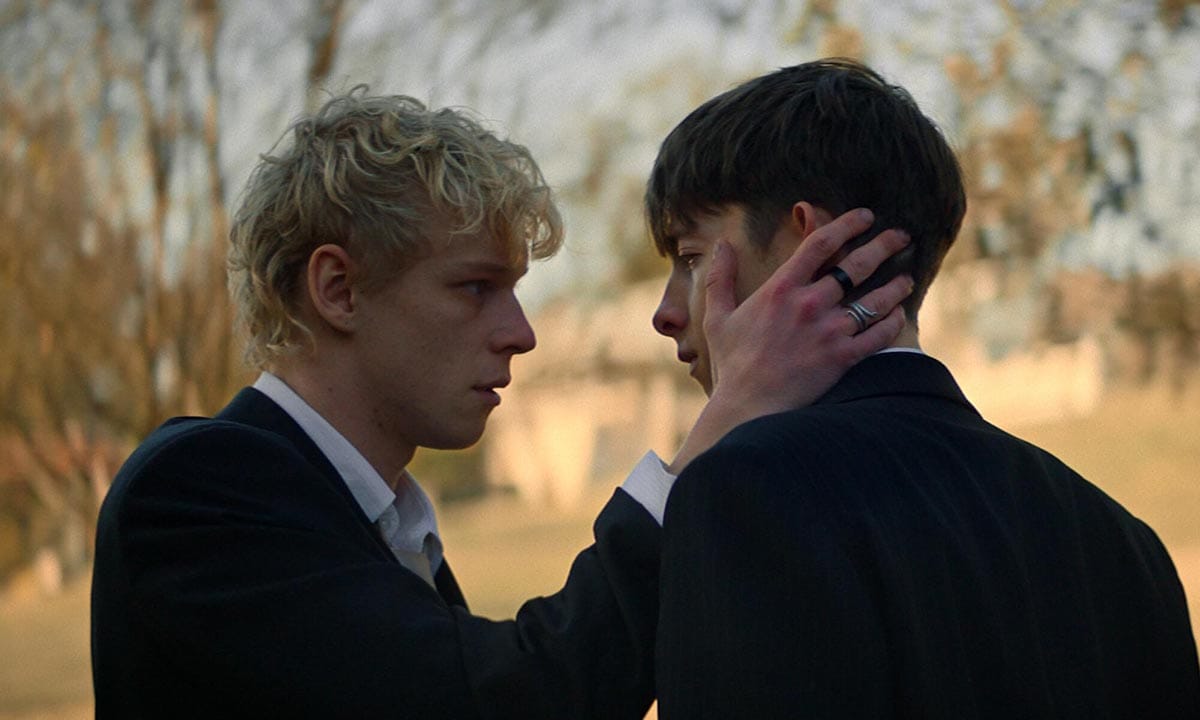
Leviticus (Adrian Chiarella)
The true horror of Leviticus’s central conceit lies in the way it vividly visualizes how two teenage boys, Naim (Joe Bird) and Ryan (Stacy Clausen), coming to terms with their budding sexuality are terrorized by a demon doing the dirty work for the church of converting desire into shame. Adrian Chiarella’s film dwells little on the peril posed by the condemnation of pious peers. Apart from the healer’s ceremonies, the religious community’s judgment exists primarily on the sidelines of Leviticus. Its wrath is palpable because of how the group makes Naim and Ryan internalize their limited conception of sexual propriety. Apart from one jump scare timed for maximum impact, the film takes a more restrained approach to horror tropes. Leviticus feels particularly indebted to David Robert Mitchell’s It Follows in its evocation of sexual anxiety as a stalking, spectral individual. Yet while his visualization of “metaphorror” scares may lack nuance, Chiarella compensates with the sweetness of his central relationship. Shaffer
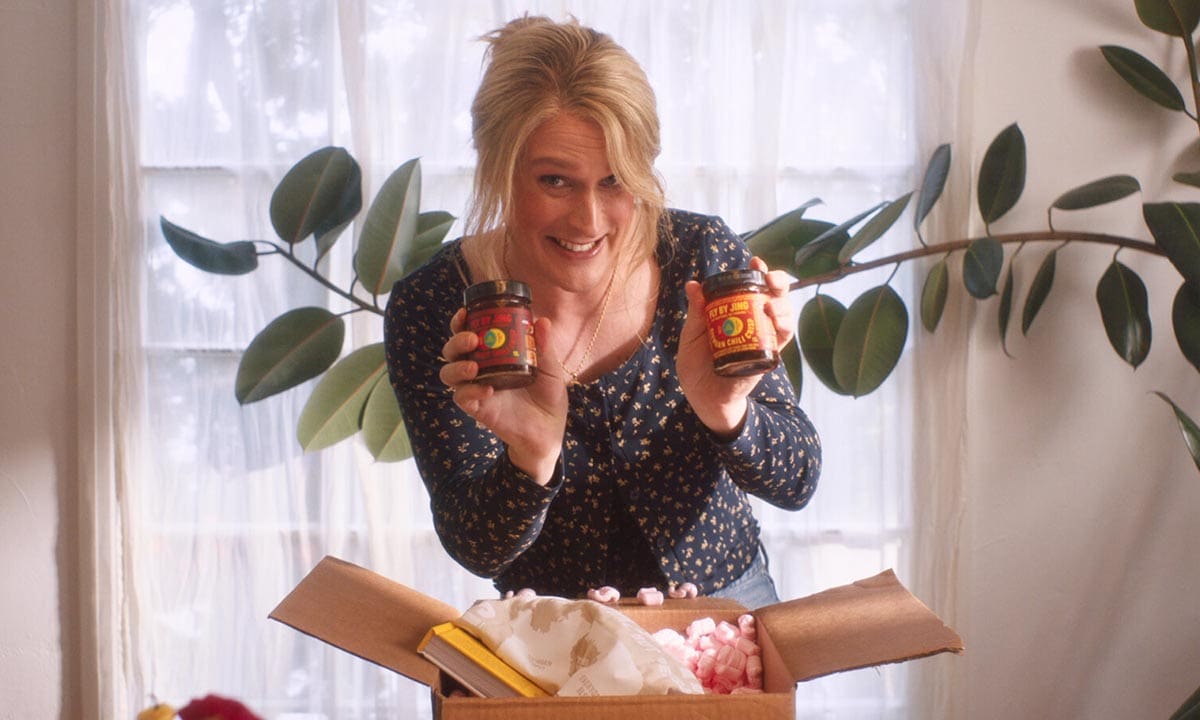
Maddie’s Secret (John Early)
John Early’s Maddie’s Secret is satisfyingly difficult to characterize. Early stars as Maddie, a food influencer whose shift into a front-facing cog at a culinary content studio called Gourmaybe specializing in vegetarian recipes, only amplifies the dissonance between who she feels she is and who her growing audience wants her to be, reinvigorating a once-dormant eating disorder. Early is deft at deploying somewhat destabilizing tones, and his work here suggests something that Todd Haynes might have made if the Far from Heaven auteur had a background in sketch comedy. But if Haynes tends to regard his characters through the lens of semiotic analysis, Early takes Maddie’s humor, innocence, passion, brokenness, and irrepressible spirit on their face, and with naked sincerity. More than just a prototype of womanhood, Maddie, so constrained by the hypermediated world that she inhabits, is seen by Early in all her humanity. Kyle Turner

Miroirs No. 3 (Christian Petzold)
Along with many of his contemporaries in Germany’s Berlin School of filmmaking, Christian Petzold has made a career out of allegorizing the soullessness of his country’s neoliberal regime and the fascistic impulses preserved at its core. Petzold has certainly earned a break from diagnosing the ills of modernity, and in many ways his new film, Miroirs No. 3, is just that: a quietly haunting domestic drama that remains cloistered in its pastoral setting, with little to no reference to the world outside. And yet, in the film’s examination of that very desire—to retreat from the world and its complexities, and even oneself by extension—Petzold has crafted yet another sneakily trenchant commentary on How We Live Now. Brad Hanford
Nirvanna the Band the Show the Movie (Matt Johnson)
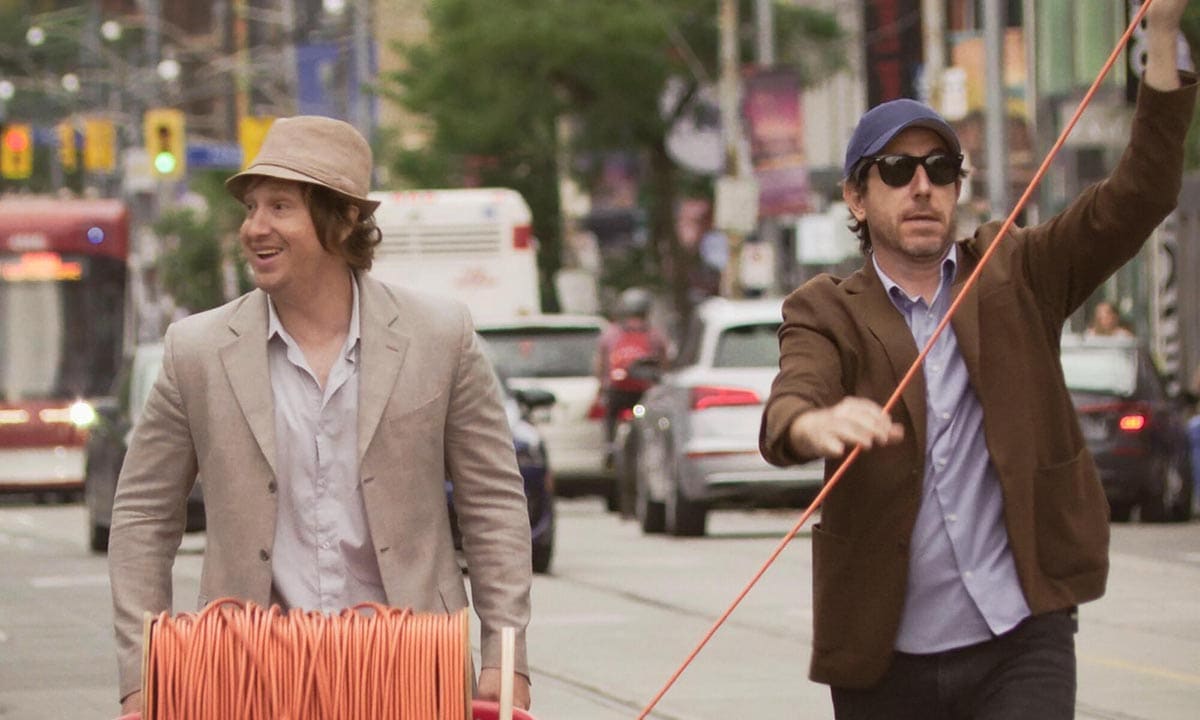
It’s difficult to pinpoint the single funniest moment in Nirvanna the Band the Show the Movie. But the one bit that best distills the particular flavor of how co-creators Matt Johnson and Jay McCarrol approach comedy comes in a scene outside Drake’s mansion in Toronto. After the duo heard about the real-life 2024 shooting of the rapper’s security guard, they rushed their cameras to the active crime scene to steal a shot of McCarrol’s character in the background of the police’s press conference—despite not having any idea of how it would ultimately factor into their ongoing film project. The seemingly ambling nature of Johnson’s film belies its intentionality and careful construction. It’s a masterfully calibrated laugh machine in the body of a home movie uploaded directly to the web. Johnson and McCarrol’s characters might have learned little over time, but the real artists’ attempts to keep upping the ante of inane antics cannot help but evince just how smart they have gotten at finding new ways to be hilarious. Shaffer

Nuestra Tierra (Lucrecia Martel)
Landmarks, Lucrecia Martel’s first feature-length documentary, opens with satellite imagery above the Earth before narrowing the lens’s focus on the Chuschagasta people’s land in Argentina’s northwestern Tucumán Province, stressing its need to witness the totality of a tragedy: The murder of the 68-year-old Chocobar by Darío Luis Amín, a local landowner attempting a forcible eviction to exploit his land’s minerals. The film exists somewhere between a legal drama and an ethnographic portrait of the Chuschagasta community as it strives to maintain dominion over its land. What’s on trial for Martel isn’t merely the actions of Amín and the other accomplices responsible for Chocobar’s death. Landmarks takes up its case against the centuries-old processes of dehumanization and disenfranchisement of a people. Shaffer
Pillion (Harry Lighton)
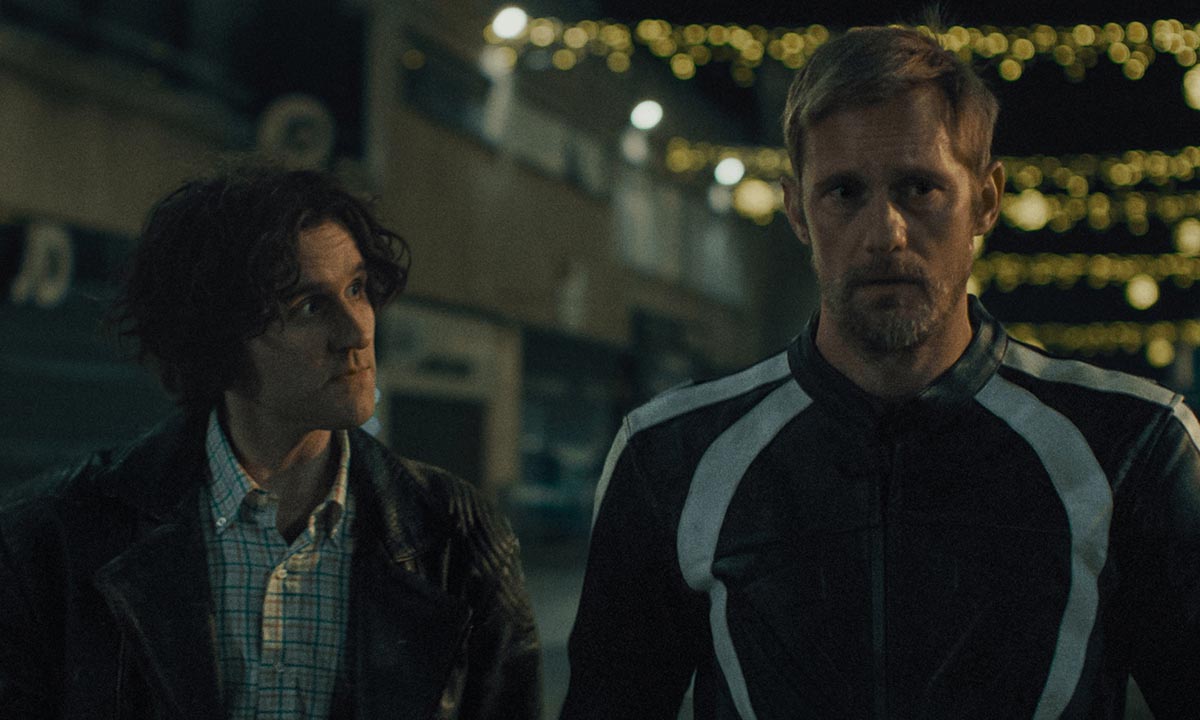
Pillion’s tragedy stems from the fact that what Ray (Alexander Skarsgård) wants (a submissive plaything and nothing else) isn’t what Colin (Harry Melling) wants (a dom daddy who truly loves his devoted boy). Both men are at cross-purposes from the start, though it takes both of them a long time to recognize that. For the most part, Colin is content to let Ray rule the roost, forcing him to sleep at the foot of his bed like a dog, controlling every aspect of his life even in off hours via surprise calls or texted shopping lists. It’s debatable whether the film fully sticks its landing, since writer-director Harry Lighton goes for both the pitiless emotional devastation of the finest cinematic tearjerkers and a life-goes-on poignancy that, down to a direct quote of the ubiquitous musical ditty “Smile,” feels tremulously Chaplin-esque. That uncertainty still rhymes nicely with Melling’s final close-up, which makes very clear that this particular love affair, in all its ups, downs, and in-betweens, will leave a permanent scar. Keith Uhlich

Romería (Carla Simón)
The title of Carla Simón’s Romería is Spanish for pilgrimage, which points to the complicated nature of Marina’s (Llúcia Garcia) more than just physical journey across the film. Simón’s instinct for sketching in crucial narrative and character detail within a naturalistic context remains as unerring as ever. It’s on a visual level, however, that Romería marks an advance on both Summer 1993 and Simón’s 2022 follow-up, Alcarràs, as exemplified by the moment when, its second half, the film suddenly dives into full-on fantasy. A dramatization of the dark truths Marina has learned about her parents, this sequence is deeply moving not only for its sense of clear-eyed grace and forgiveness, but for the way it evokes the feeling of a budding filmmaker discovering the cathartic power of artistic creation. Kenji Fujishima
Rose of Nevada (Mark Jenkin)
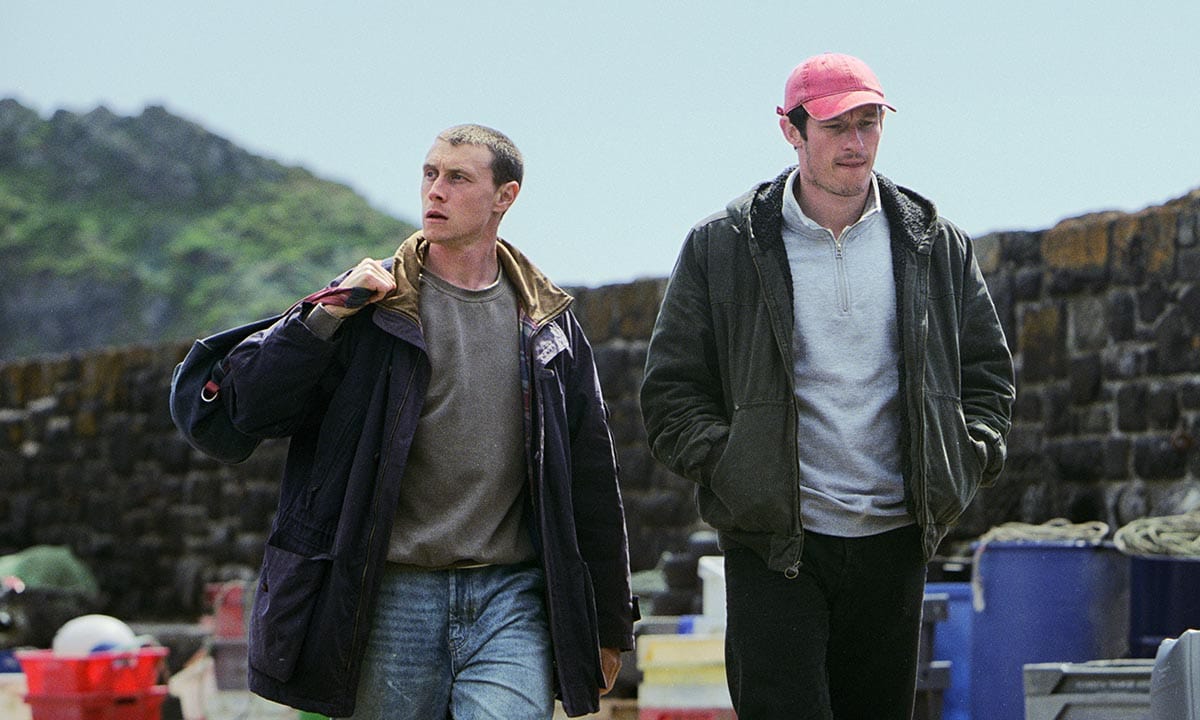
Mark Jenkin’s Rose of Nevada combines the seaside community melodrama of Bait with the supernatural overtones of Enys Men to trace the metaphysical fallout from a long-lost fishing boat’s return to the harbor of a village in Cornwall. The film is lensed with a wind-up Bolex camera that allows for limited shot durations of up to 30 seconds, and there’s an aptly ghostly quality to the way each richly textural image gives way to the next in quick, fluid succession. Throughout, Jenkin places primacy on close-ups—of hands, feet, faces, objects, a pesky hole in one character’s roof—that come to suggest puzzle pieces locking together to reveal larger portraits of the film’s working-class setting. Combined with the vintage look of Rose of Nevada, the eerie soundscape adds to the impression that the setting is unstuck in time. Mark Hanson
Two Seasons, Two Strangers (Miyake Shō)
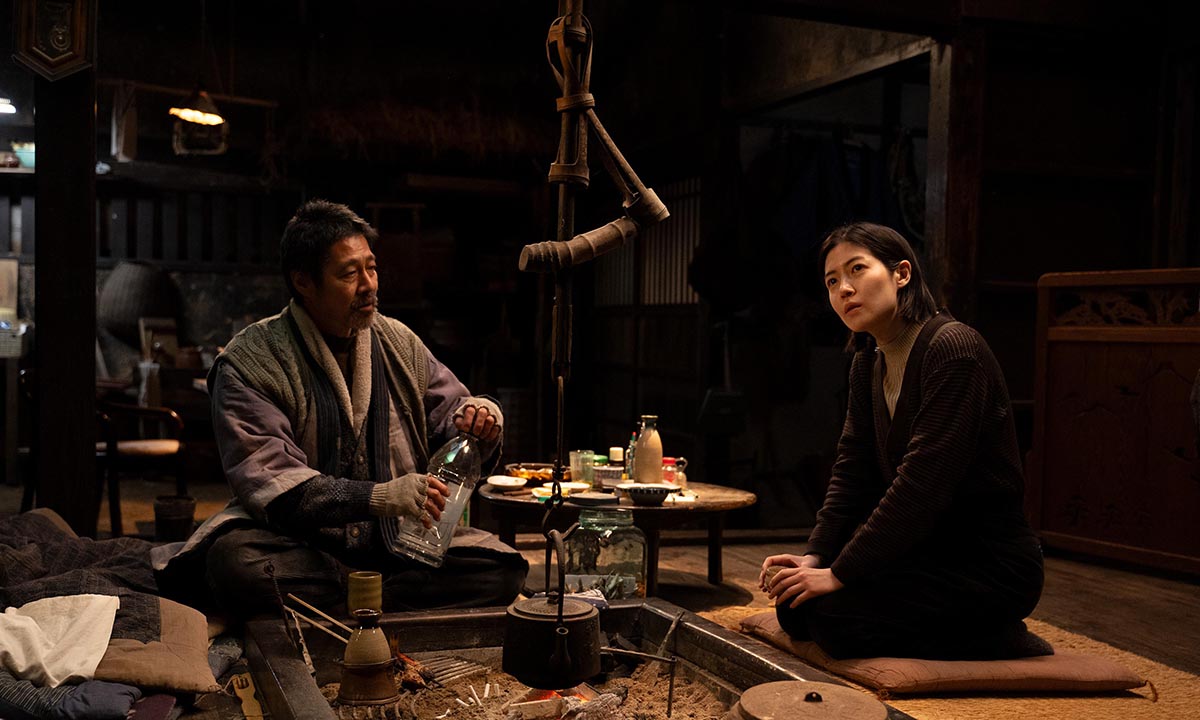
The first shot of Miyake Shō’s Two Seasons, Two Strangers shows a writer, Li (Shim Eun-kyung), as she pauses for a few silent seconds before committing herself to the words that she neatly places between the lines of her notepad. She’s writing a screenplay, an adaptation of a Tsuge Yoshiharu manga, about two strangers who meet on the beach. When we next see her, she’s apologizing to a group of university students for her work after a classroom screening of the film. Miyake has consistently made films that abound in such quietly affecting moments. His prior two features, 2022’s Small, Slow but Steady and 2024’s All the Long Nights, justifiably garnered acclaim for the way they eschew overtly intense dramatic moments. Two Seasons, Two Strangers is no exception to this. Exactly one tense scene occurs throughout the entire film and its consequences are resolved immediately. Instead of theatrics, the film relies on subtle frustrations, such as the slow process of writing, to generate dramatic friction. Lewis

What Does That Nature Say to You (Hong Sang-soo)
In a scene from What Does That Nature Say to You, Ha Dong-hwa (Ha Seong-guk) admits that he often keeps his glasses off because he likes things to look a little blurry. That admission can be seen as the rationale for Hong Sang-soo to shoot the film out of focus to varying degrees, a formal gimmick he employed for the entirety of 2023’s In Water. Throughout, Hong’s technique alternates between inhabiting his protagonist’s perspective and standing outside of it. We are thus allowed to appreciate the sincerity behind Ha’s (Ha Seong-guk) intentions while wincing at his naïveté, the way Jun-hee’s (Kang So-yi) family does both subtly and directly. But though Hong doesn’t spare his protagonist from criticism, nor does he outright condemn him for his faults. If What Does That Nature Say to You’s final scene suggests anything, it’s that growth would appear possible for the seemingly hopeless romantic at the film’s center. Fujishima
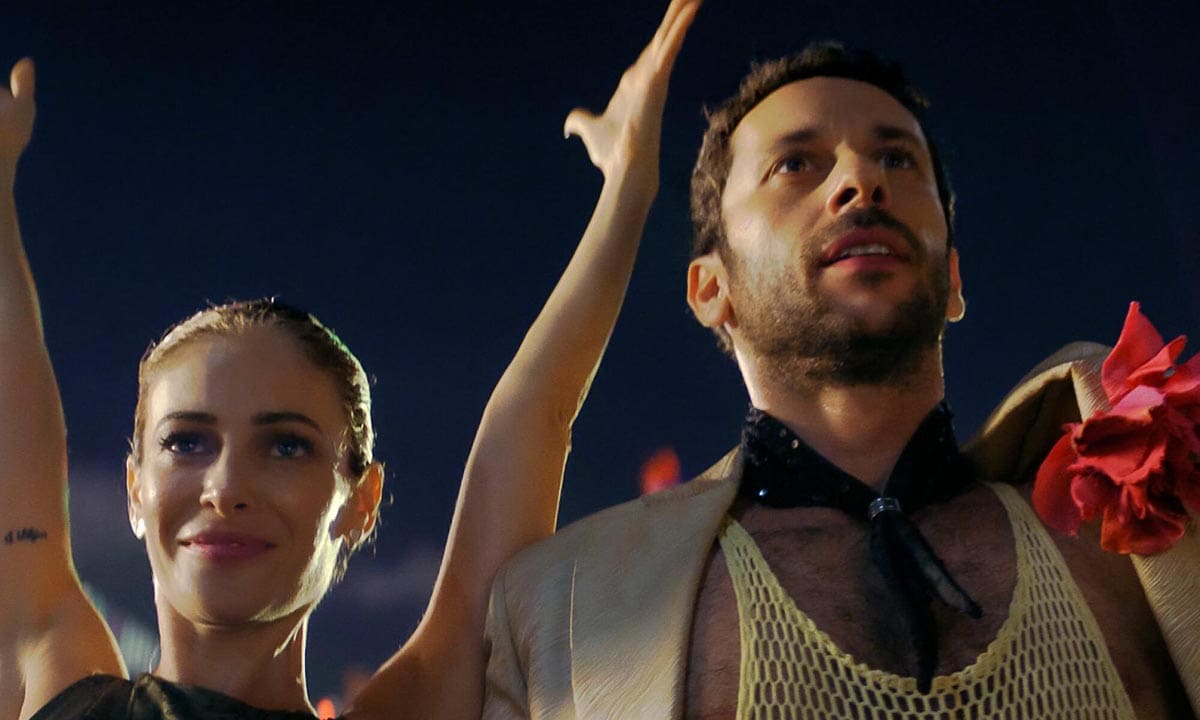
Yes (Nadav Lapid)
Taking on the cultural landscape of post-October 7 Israel amid the backdrop of atrocities in Gaza, Nadav Lapid’s fearless, scattershot Yes locates a dire spiritual crisis facing the nation of his birth. The film takes an exceptional interest in sensation (and desensitization) of the basest kind, awash as it is in images of skin, woozy handheld shots, erratic cuts, and harsh artificial lighting. Yes is practically a paean to theatrical body language, and the soundtrack doesn’t let you miss the guttural sounds that spill out of the characters’ bodies. The film is an ironic echo of Arthur Schnitzler’s Dream Story, the basis for Stanley Kubrick’s Eyes Wide Shut, about a middle-class Jewish couple dispossessing themselves of sexual agency for the gratification of the antisemitic ruling class of 1920s Vienna. A century later, Lapid dryly suggests, Jews in Israel now have the privilege of degrading themselves thusly for fellow Jews. Friedberg
Honorable Mention: André Is an Idiot, The Christophers, The Drama, Erupcja, Fiume o Morte!, Mad Bills to Pay, Obsession, Seeds, Silent Friend, Tuner
Since 2001, we've brought you uncompromising, candid takes on the world of film, music, television, video games, theater, and more. Independently owned and operated publications like Slant have been hit hard in recent years, but we’re committed to keeping our content free and accessible—meaning no paywalls or fees.
If you like what we do, please consider subscribing to our Patreon or making a donation.