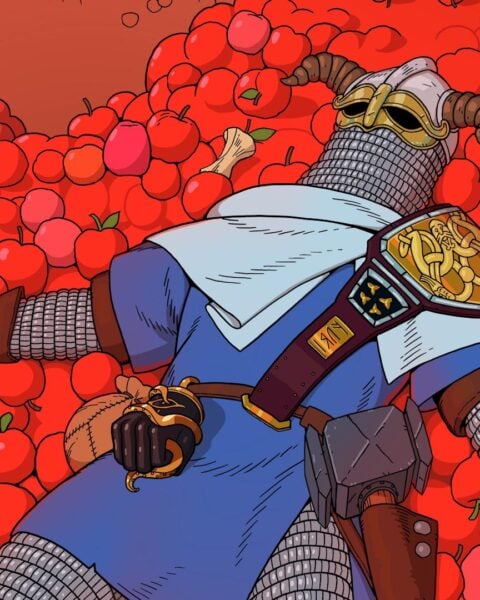
It stands apart from its contemporaries for relying heavily on audio over visual cues.
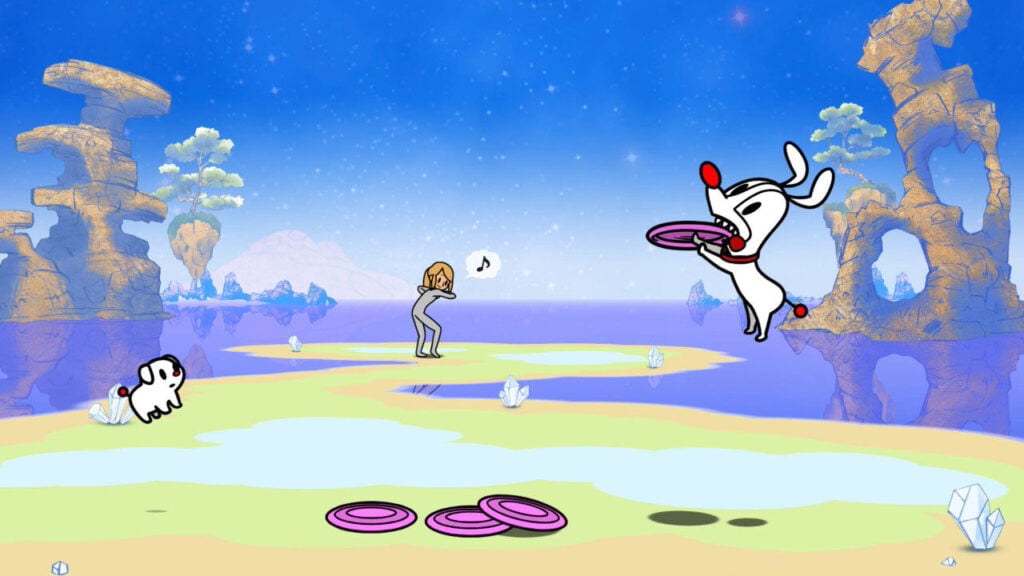

It stands apart from its contemporaries for relying heavily on audio over visual cues.

LittleBigPlanet 2’s visuals with beautifully rendered environments and enhanced liquid and particle effects
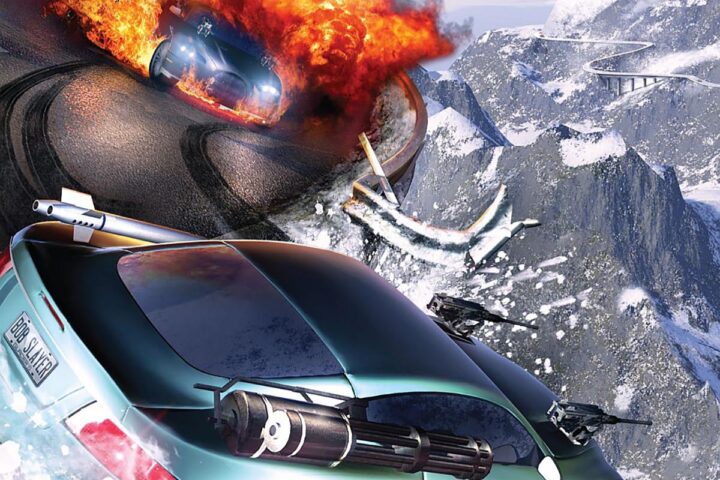
For the racing genre, Glacier 3: The Meltdown is not a game-changing game.

On paper, it should be ideal, and yet whenever I play I find myself feeling surly rather than delighted.
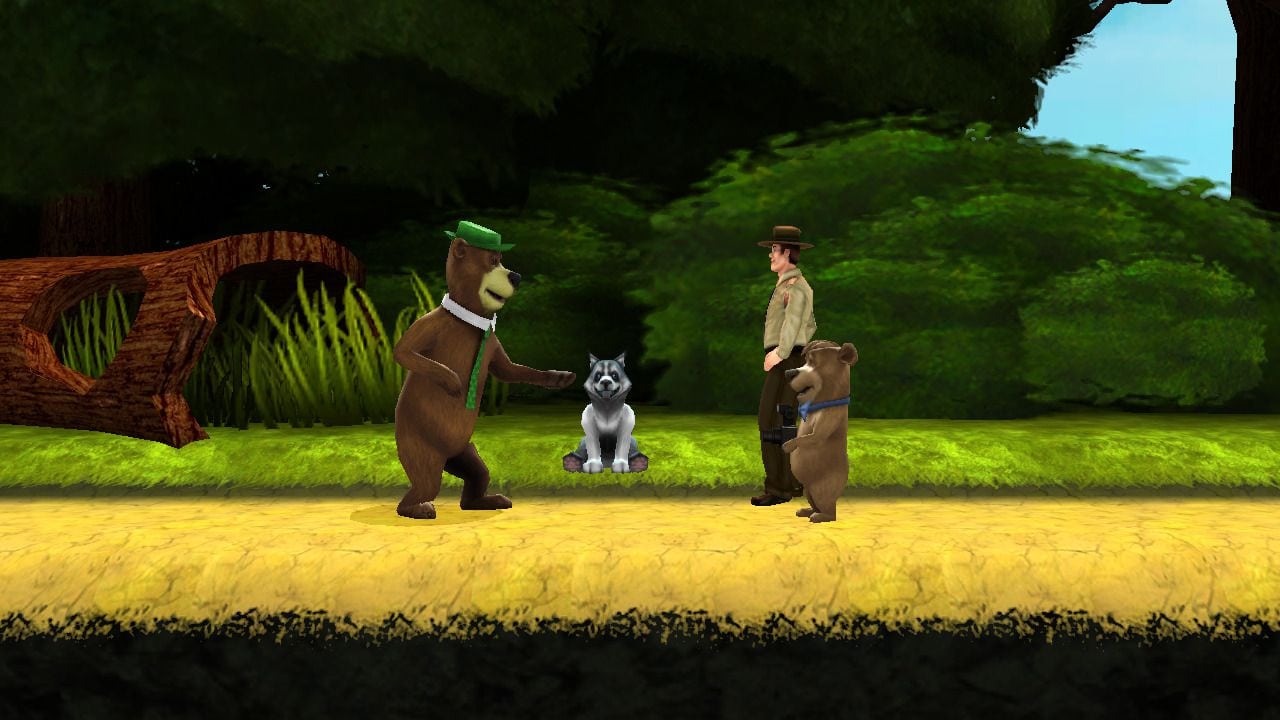
It’s a game that we’ve all played a million of times—if not with Yogi, then with Mario, Sonic, and everyone in between. Gameplay in Yogi Bear is occasionally shaken up though.

It’s bundled with a commemorative CD of 20 Super Mario tunes and sound effects, as well as a booklet filled with unreleased concept art and interviews with the high-bouncing, Italian-American plumber’s creators.

It’s a shame that the combat, outside of a few boss battles, is both promiscuous and dull, because the actual combat system has a lot of interesting detail.

Fluidity offers a mostly solid WiiWare puzzler with some satisfying moments and an overall pleasantry in its execution.

This installment seems a bit heavier on contemporary American hits than games past, which could be a good thing, depending on your tastes and who you ask.

This is the kind of gameplay that represents what the Wii is all about. Or, at least, what it set out to do back in ’07: provide fun, accessible, and short challenges that the entire family can enjoy, regardless of game knowledge or skill level.

What Bizarre and Activision tried to do with Blood Stone is to create a game akin to the grittier, more visceral Daniel Craig Bond experience, sans puns and tuxedos.
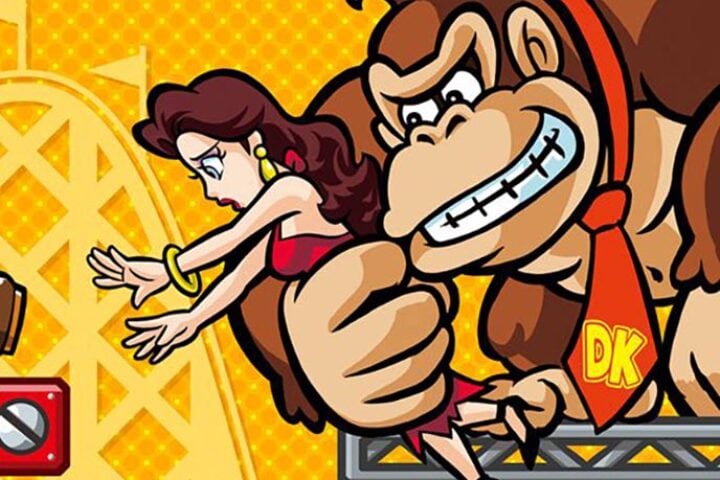
Each wee little level contains just a few parameters, perfect for playing in 90-second bursts and therefore well adapted for the subway, elevator, and bathroom enhancer that is the Nintendo DS.
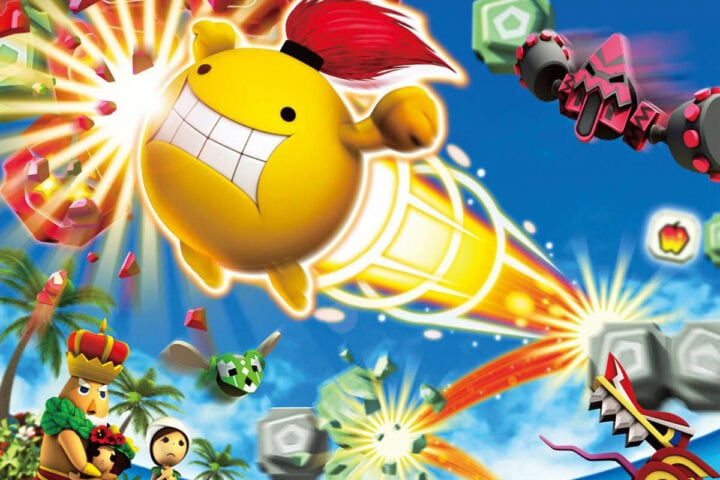
Along with the technical problems, the game also makes design decisions that badly compromise the player’s sense of agency.

Between its quarrelsome banter, over-the-top goriness, and homages to its 2D roots, the game wisely keeps matters tongue-in-cheek outrageous.
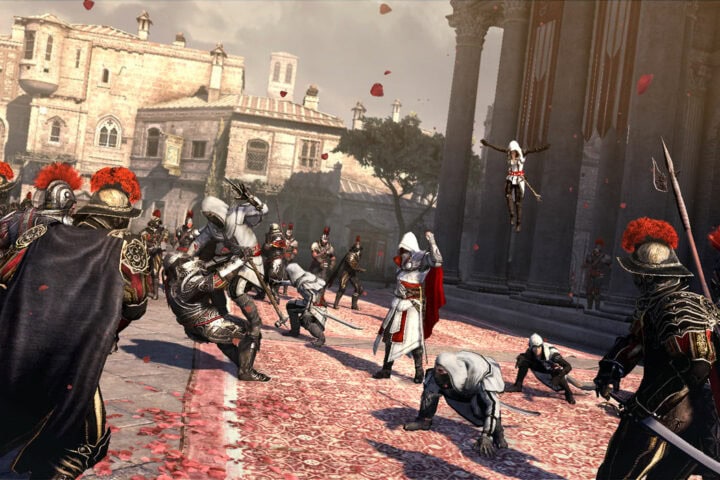
To simply travel across this beautifully designed terrain is a pleasure in itself, sprinting through crowds of Roman townsfolk or soaring above them as Ezio leaps across the city’s mile-high buildings.

With the party vibe scaled back to a dull murmur, the CSI environment actually becomes more than tolerable, if less than totally engrossing.
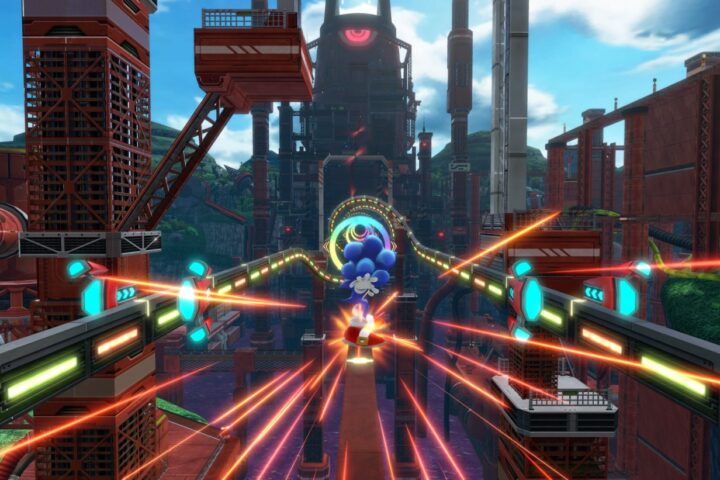
There are a few orchestral-sounding pieces, another element reminiscent of Super Mario Galaxy, as well as the high-octane, foot-pounding beats we’ve come to expect from Sonic games.

The realistic environments are passable, but exploring them is not an option: You’re stuck in tent-view for the duration.
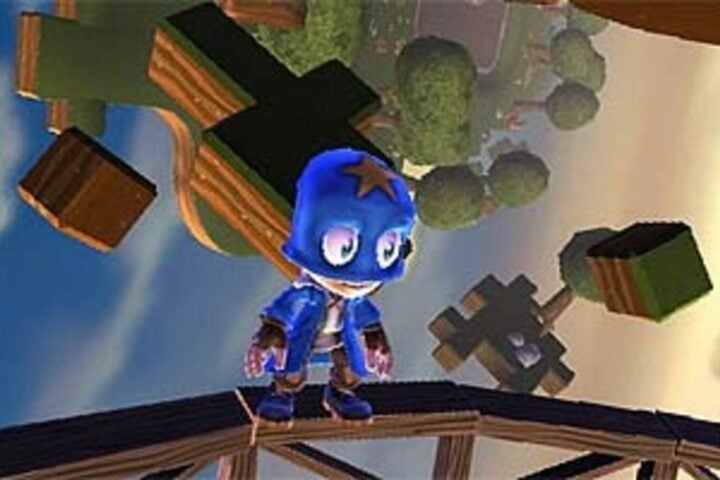
Unlike Miyazaki’s Ponyo, the game’s strangeness feels contained, safely contextualized within the threadbare narrative.
In some ways, the Wii version feels much richer and filled with more espionage, suspense, and international intrigue.
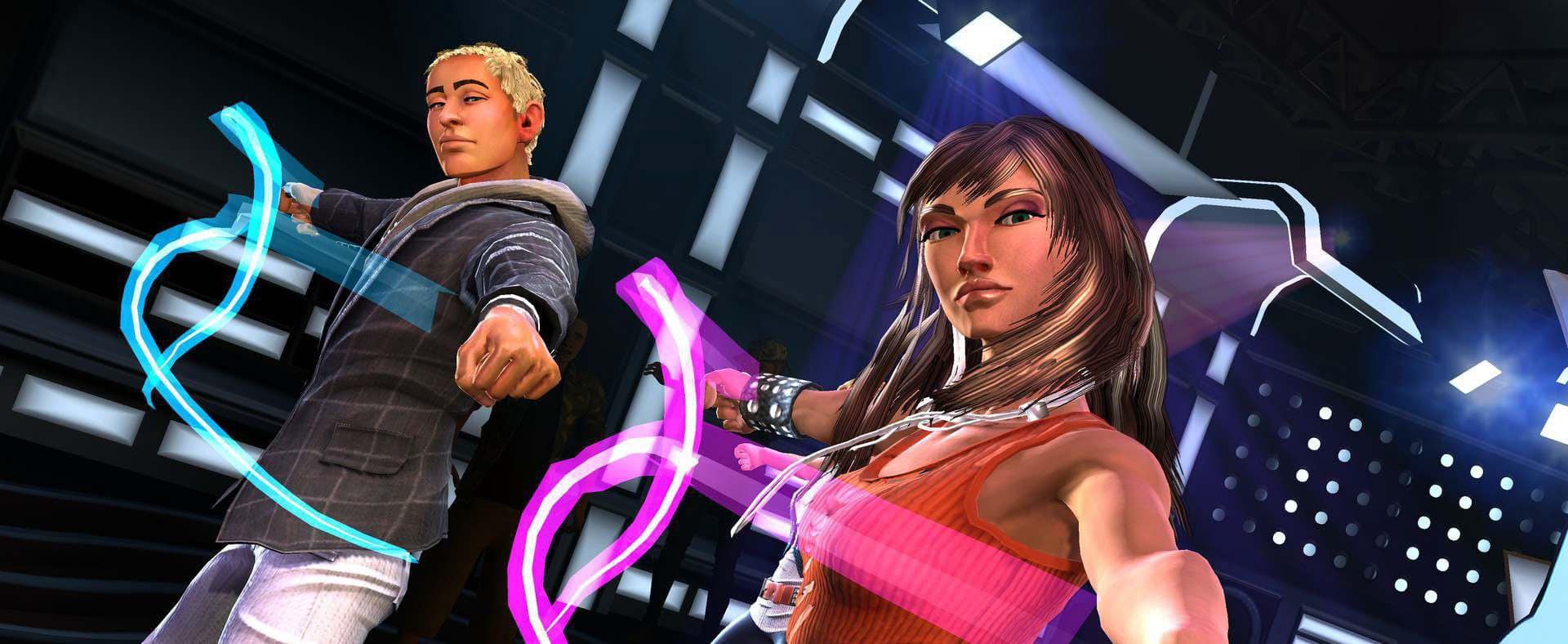
Akin to how the original Guitar Hero for the PlayStation 2 made one believe that they were a master guitarist, Dance Central makes you feel as if you’re in a choreographed dance squad.