It stands apart from its contemporaries for relying heavily on audio over visual cues.
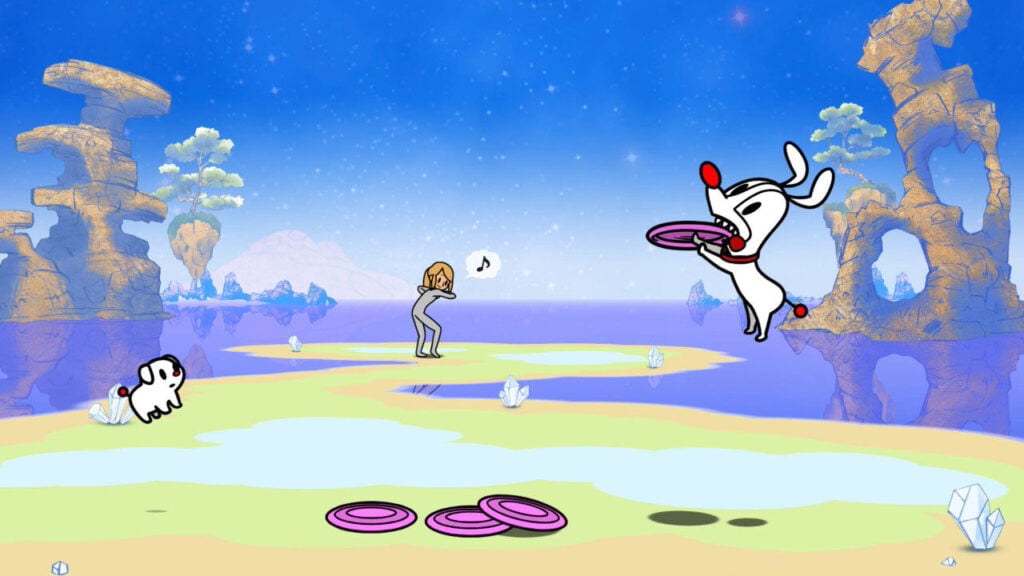

It stands apart from its contemporaries for relying heavily on audio over visual cues.
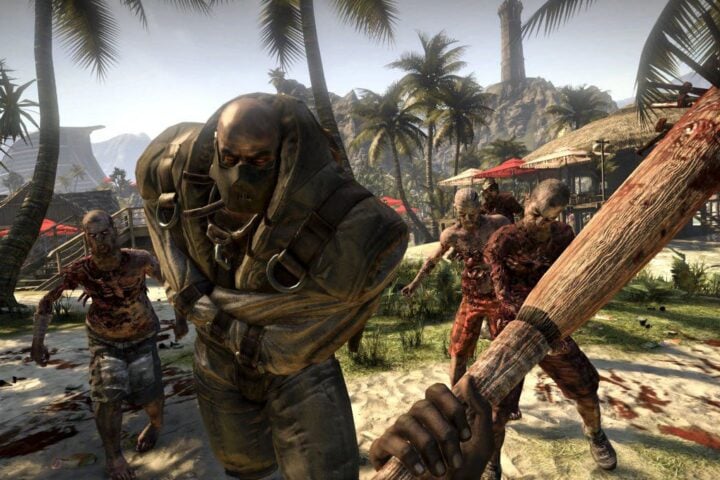
Bludgeoning zombies is pleasurable but not quite as pleasurable as it should be in Dead Island.

Another reason the gameplay stumbles is due to the intense focus on two elements that should have no doubt been sufficiently downsized: augmentation and hacking.

Male characters might spew misogynistic rants full of ugly generalizations, but the game correctly identifies these as arising from insecurity and difficult personal history.

Cap relies on his trusty shield and his catalogue of CQC skills to comb through Red Skull’s minions, with players augmenting their arsenal as they go along through an XP-based upgrade system.
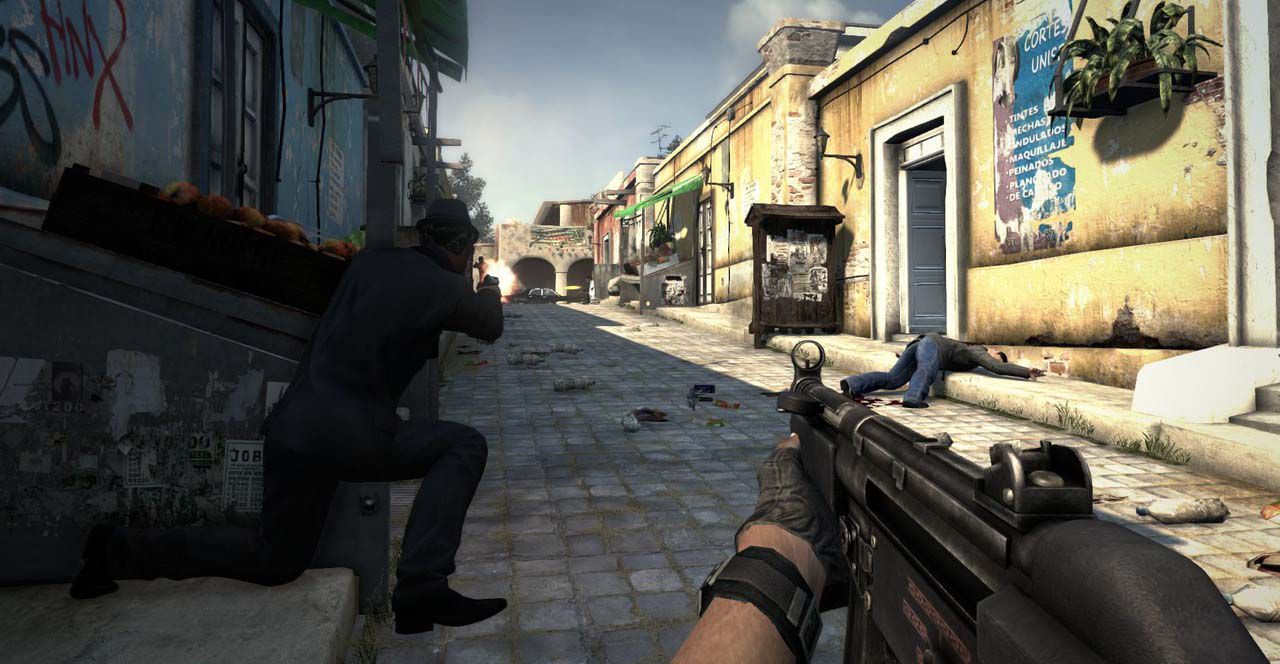
Of all the things to loathe about the game, there is perhaps nothing greater than your two AI teammates.

If only the writing worked with the game, instead of making an ugly mockery of it.
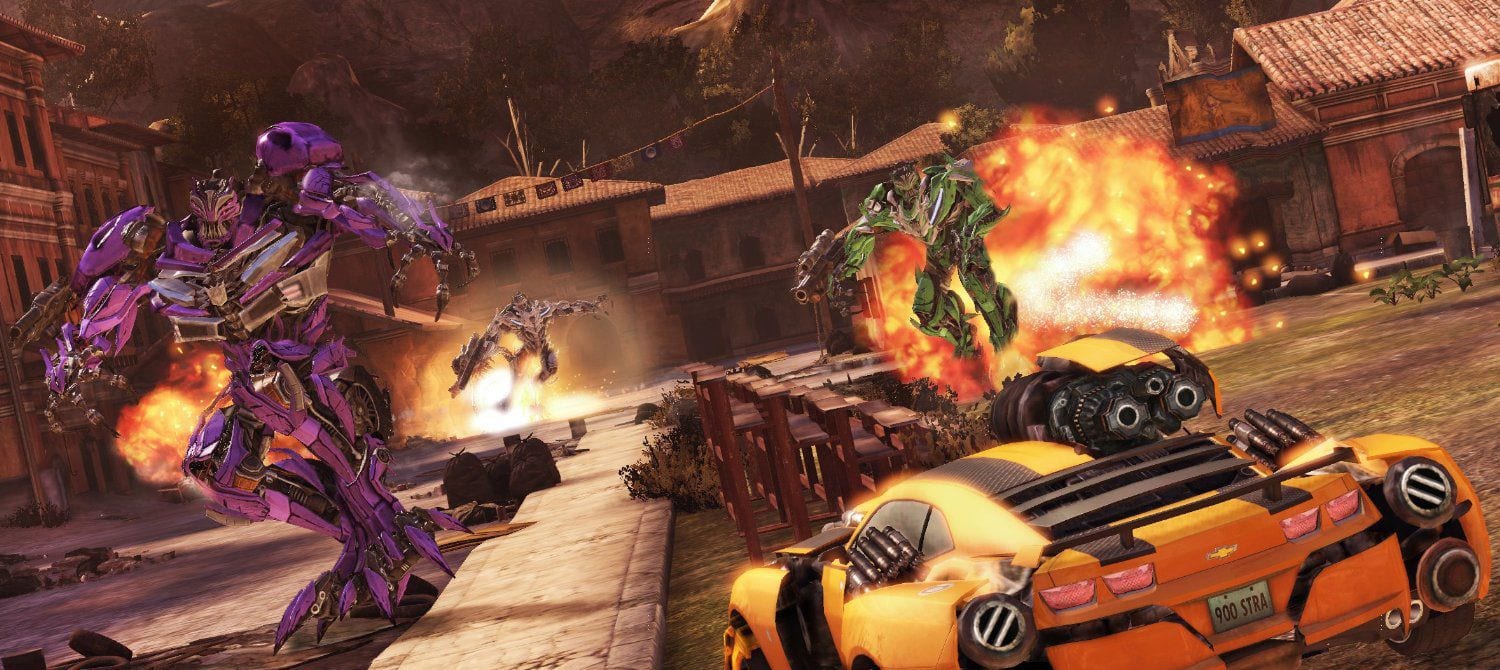
First impressions: The graphics are rough. When we get close-ups of car grills, it looks like something out of Cruisin’ USA for the Nintendo 64.

The problem is that the on-the-ground immersion of a third-person shooter doesn’t mesh very well with the battlefield awareness that defines the tower-defense genre.

The unforgiving timer infuses every moment of exploring the world map with nail-biting suspense.

Like a particularly well-coated Dorito, a few of the mini-games’ rather ingenious design is an unexpected treat in a familiar package.
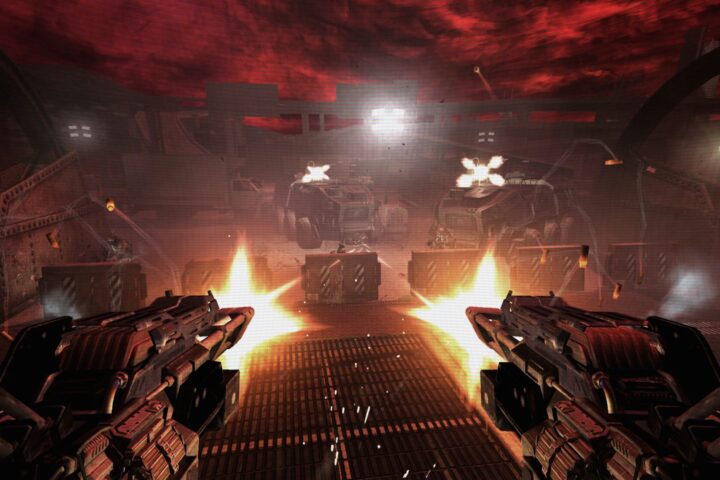
If you title your franchise F.E.A.R., a few frights should be guaranteed.

Though Sonic turned 20 yesterday, the spiky-haired Sega mascot’s appeal has always come down to his enduring teenage spirit.
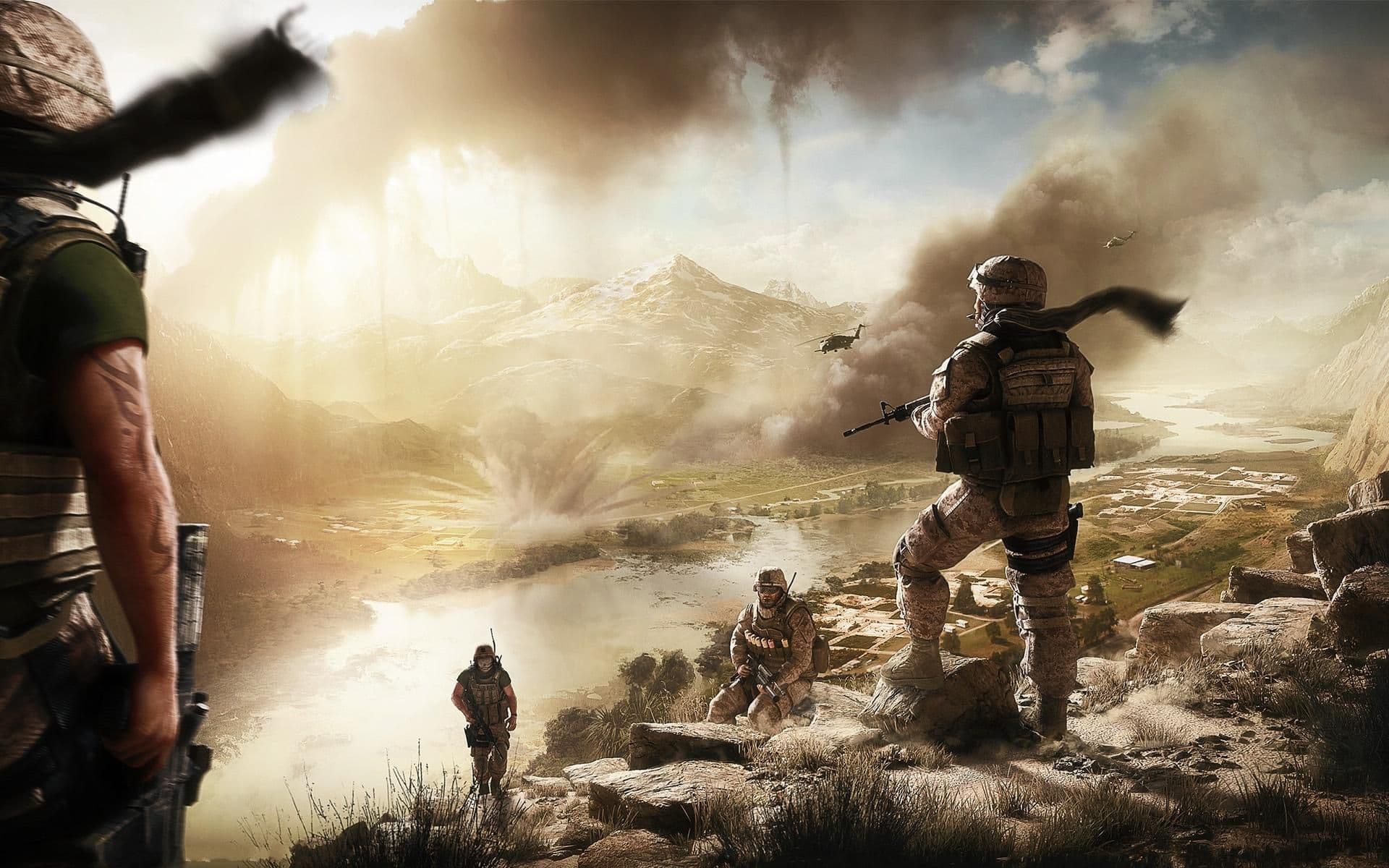
There’s something refreshing about Operation Flashpoint: Red River’s attempt to be innovative and relevant in a post-Modern Warfare world.

Refining an excellent template isn’t simple or easy, which is what makes Infamous 2’s success all the more thrilling.

The game’s superiority to its precursor is easy to discern, at least in terms of its next-gen graphics.
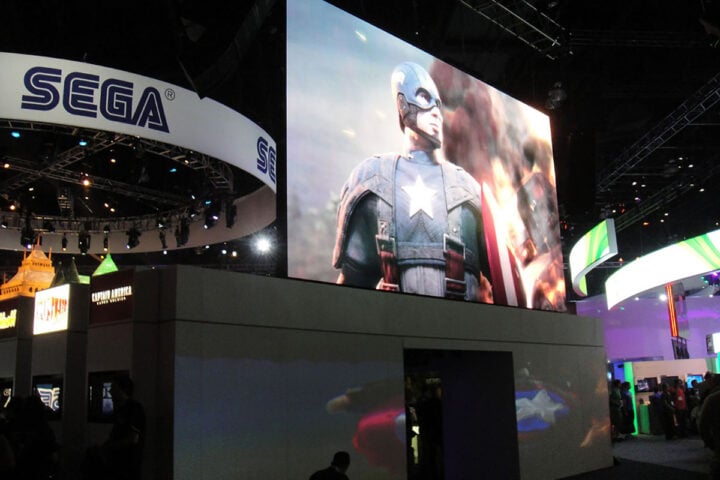
Compared to other mediums like film and television, video games are relatively young, and the industry is still trying to figure itself out.

Trust me, nobody really wants to revisit such “memorable” avatars as Goose, Lark, and Robin.

The corridor-shooter formula means that it’s actually much more tightly paced than Guerilla, which had plenty of the longeurs that characterize open-world games.

It’s been interesting to trace the evolution of the sports genre in video games from the earliest days of Atari to the present.

L.A. Noire isn’t about exploration or combat, both of which seem to have been included more as tacked-on concessions to hardcore gamers than integral components of the larger story.