It stands apart from its contemporaries for relying heavily on audio over visual cues.
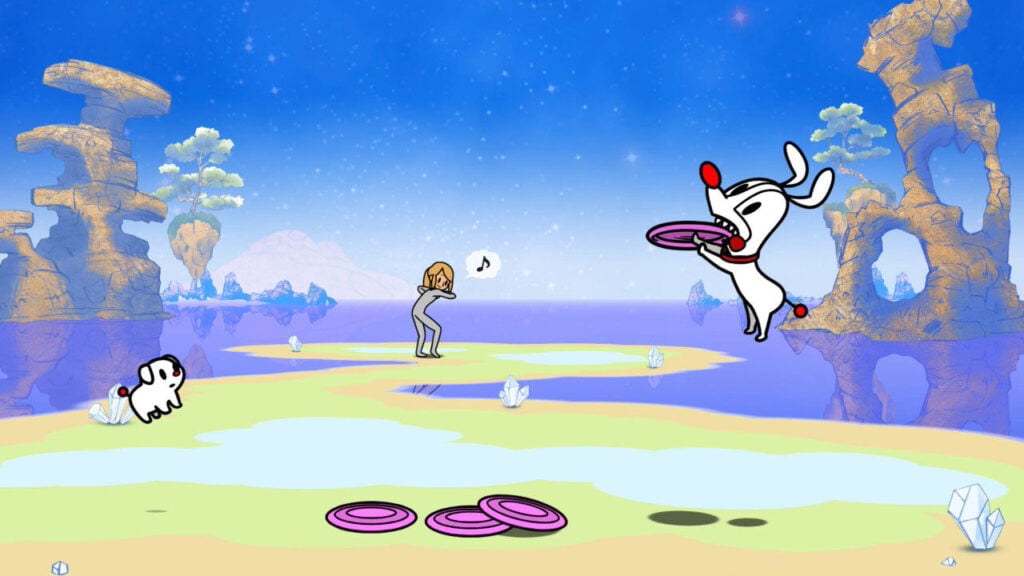

It stands apart from its contemporaries for relying heavily on audio over visual cues.

Gathering before the Kinect’s three-lobed eye with other players ready to perform with computer-pleasing precision is loads of fun.
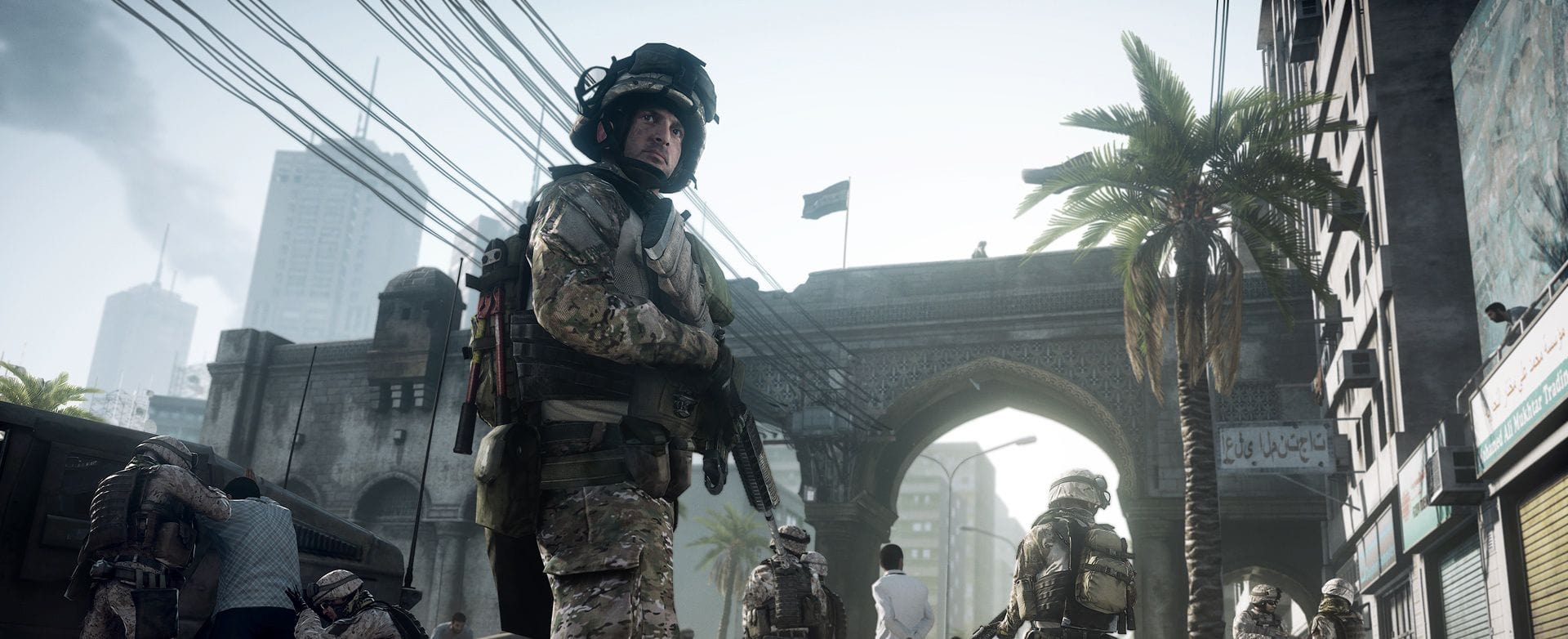
You’ll marvel at the dust-particle animations in the tank levels, the ocean swelling around an aircraft carrier, and an earthquake toppling an Iraqi building.

While it might not spawn any fresh Poke disciples, Rumble Blast delights often enough to appease the acquainted.

Just as importantly, hand-to-hand combat remains a free-flowing, rapid-fire thrill, allowing you to assault a wide assortment of opponents with various button-combination attack and counter techniques.

Bits of dialogue about a DNA chronal device, “quantum causality,” and “chronal energy polarity” are bandied about by Parker and O’Hara like they’re simple concepts to grasp.
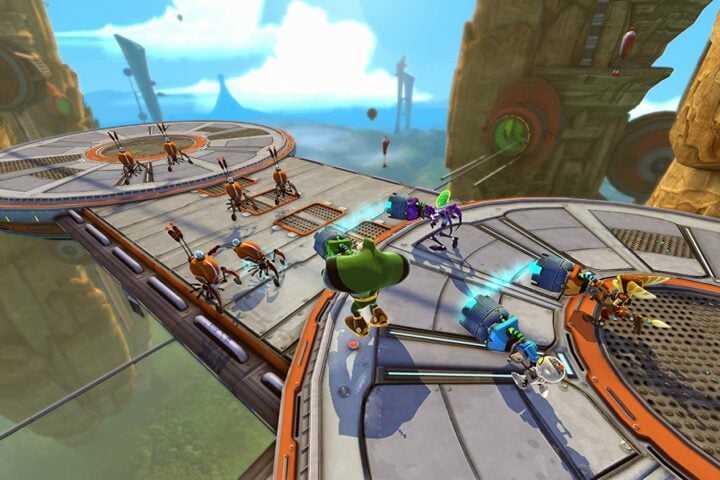
The 12-hour co-op mission has a few technical flaws, but fans wanting to extend their Ratchet & Clank experience will squeeze some fun out of the game.

Assault Horizon’s gameplay is initially relatively intriguing; its pacing is generally more frenetic than past titles, giving the cloud-borne battles an authentic feeling of palpable urgency.

The most interesting thing about the game is its JRPG-influenced fetish for opaque systems.

Kirby Mass Attack drops the ingest-to-transform mechanic that’s defined previous Kirby games; in fact, there’s no additional powers at all, just multiplication of the basic pink puffball.

The game bears some new features in its console incarnation, the most noticeable being a “dynamic” difficulty setting, resulting in a faster flow of play and more aggressive enemy AI.

It tacks on a needlessly strange yet relatively paper-thin narrative that serves nothing more than to vaguely explain why all the crazy shit on screen is happening in such a precarious manner.

Though the Kinect forces the player to move their reticle a little more deliberately than is entirely comfortable, it’s awfully satisfying to unleash death with a finger-pointing “bang-bang” gesture.

X-Men: Destiny’s gameplay dynamic of is predominately of the button-mashing, beat-’em-up variety.

The main campaign at least affords enough decent boss battles to make completing the title reasonably worthwhile.
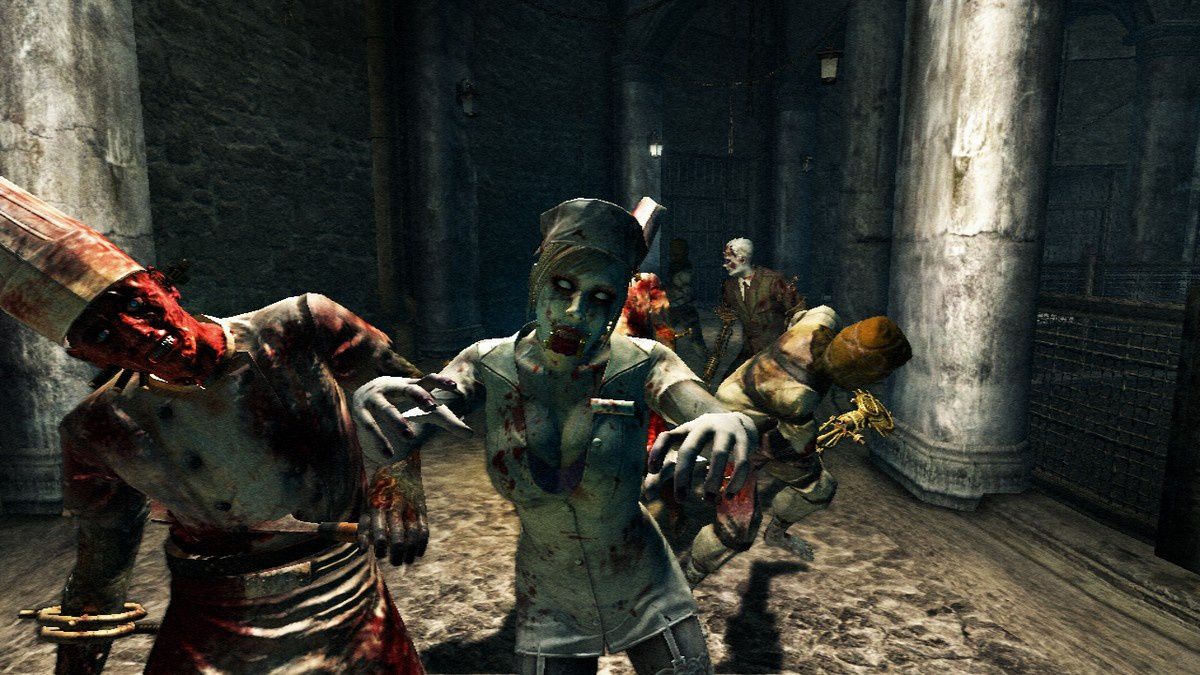
The game’s effective sound design and drippy character models, though compromised by the Kinect’s CPU-cycle overhead, do a good job of making you feel grossed-out and jumpy, while paying tribute to the campy delights of horror games past.
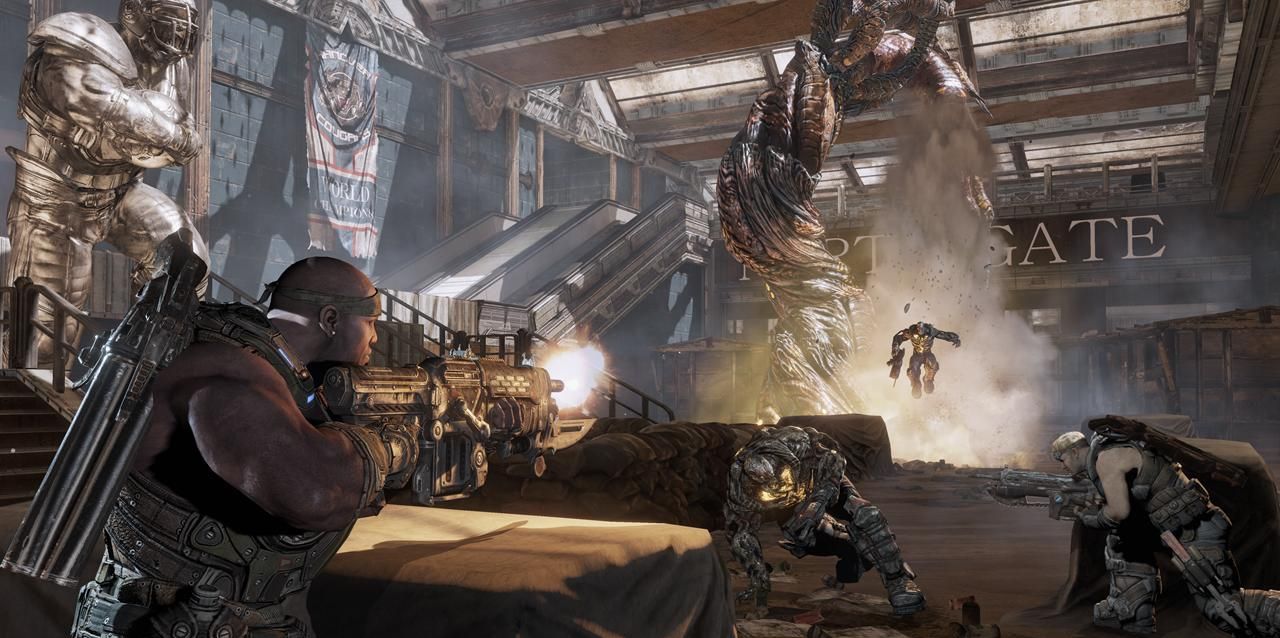
More innovation may have made this supposed trilogy-capper a more enthralling adventure.
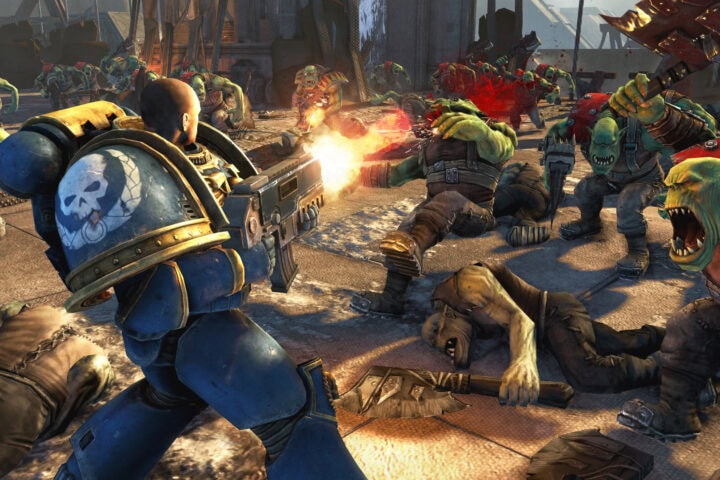
Aliens invade, blah blah blah, gruff-and-tough soldiers, yada yada yada, buried superweapon, hurf durf derp, terrified civilians, etc.

Every cell of animation shimmers with gloss that becomes even more crisp when 3D is turned on.

Like all Dragon Quest games, a solid five-to-eight hours of dedicated gameplay is required in order for deeper strategic trajectories to present themselves.
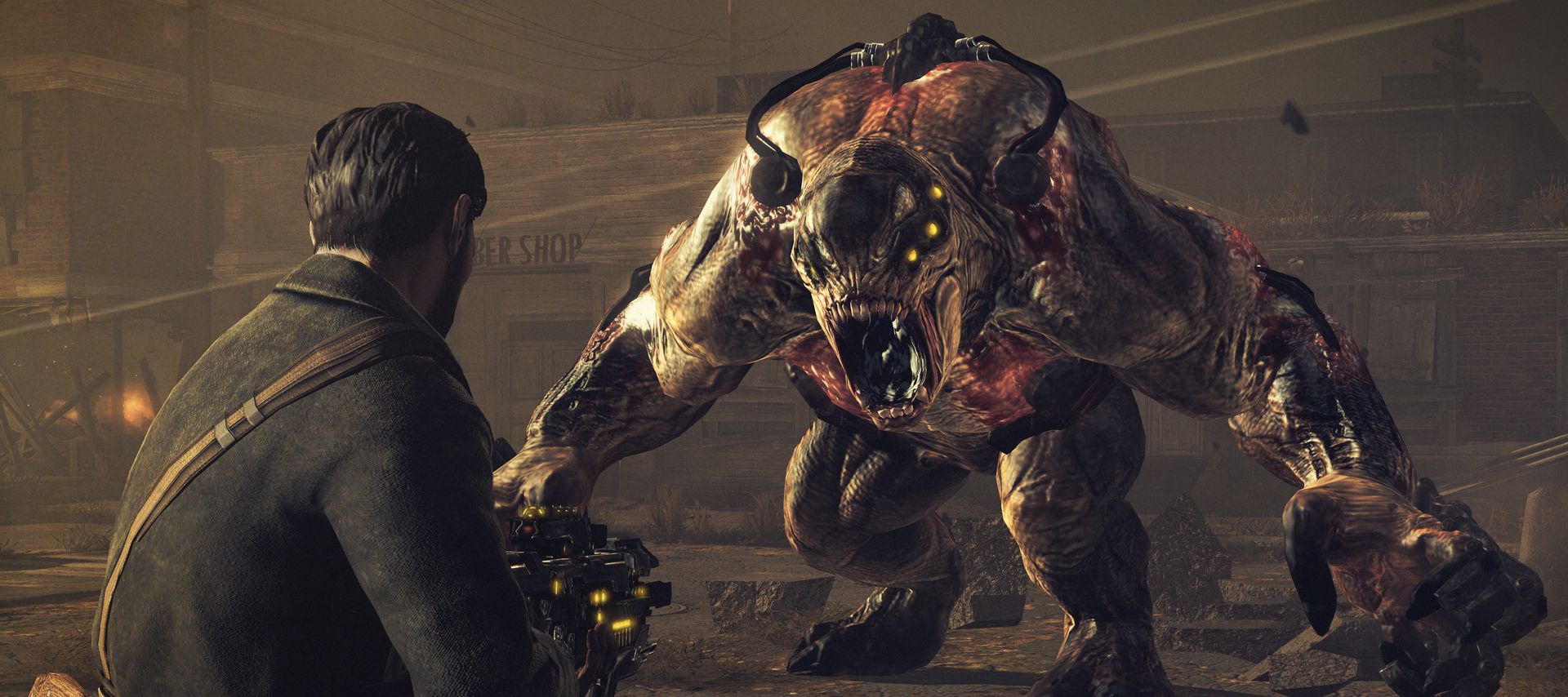
With only momentary cutscenes and in-game plot sequences affording a brief respite from combat chaos, this FPS piles on enough frantic firefight action to at times be downright draining.