It stands apart from its contemporaries for relying heavily on audio over visual cues.
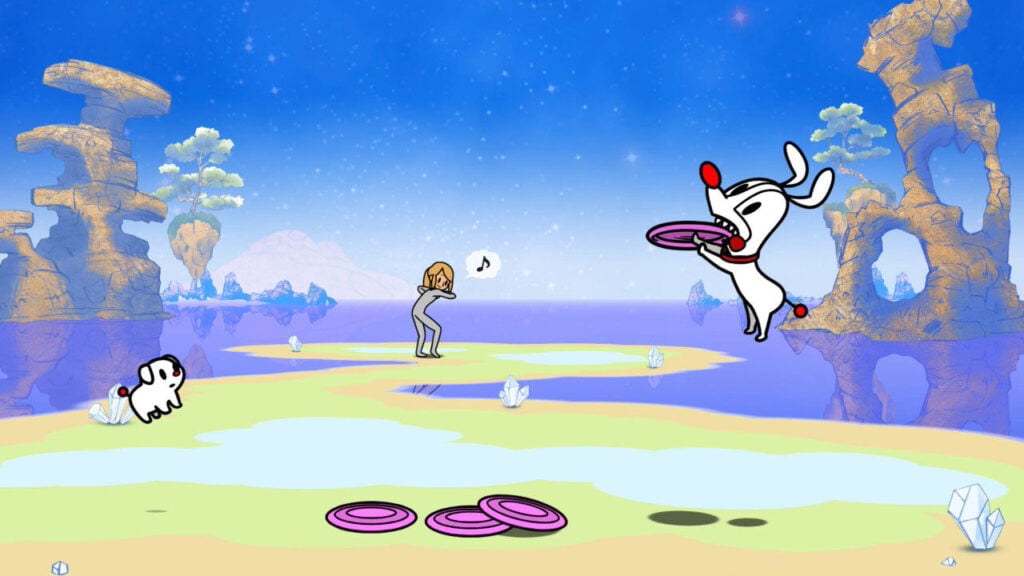

It stands apart from its contemporaries for relying heavily on audio over visual cues.

The ingenuity of the puzzle solving is the main talking point here. A precarious interplay between light and dark is a key gameplay mechanic.
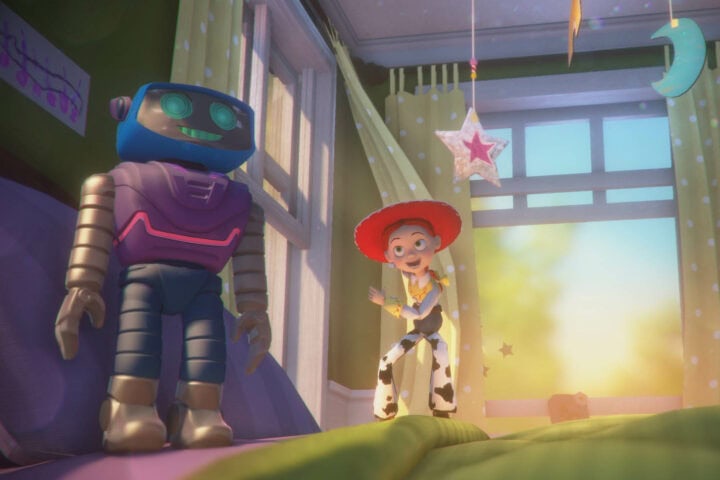
The running and jumping are physical enough to be a good time, and the flying and driving sections are genuinely graceful.
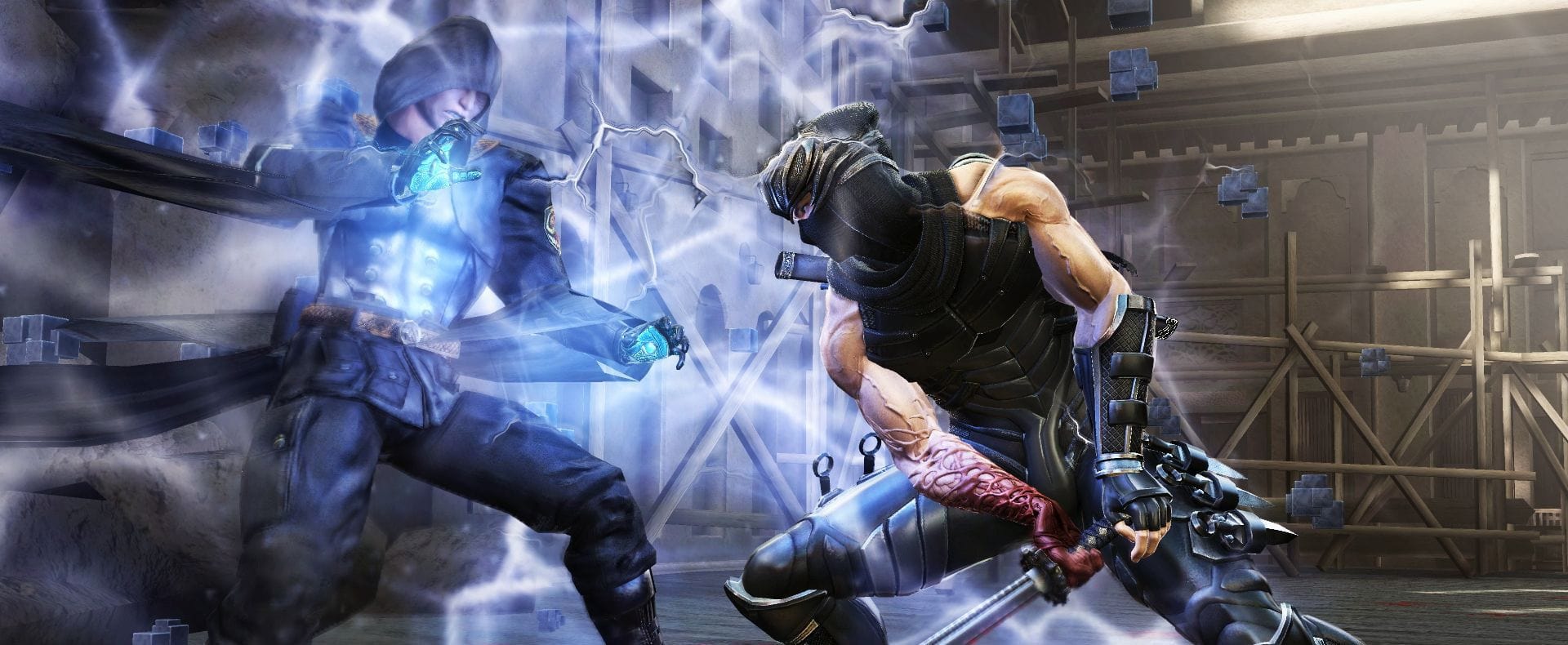
The story moralizes on the subject of murder with a heavy hand and yet its main character cuts through each nameless person on screen without raising any valid questions in the process.

What’s simultaneously arresting and off-putting about Uprising, and more than likely its single weightiest feature of discussion, is its uncommon control scheme.

The puzzles and supplementary goals suffer from inspiration deficit, hurting for true incentive, a legitimate tie-in with Murphy’s tale.
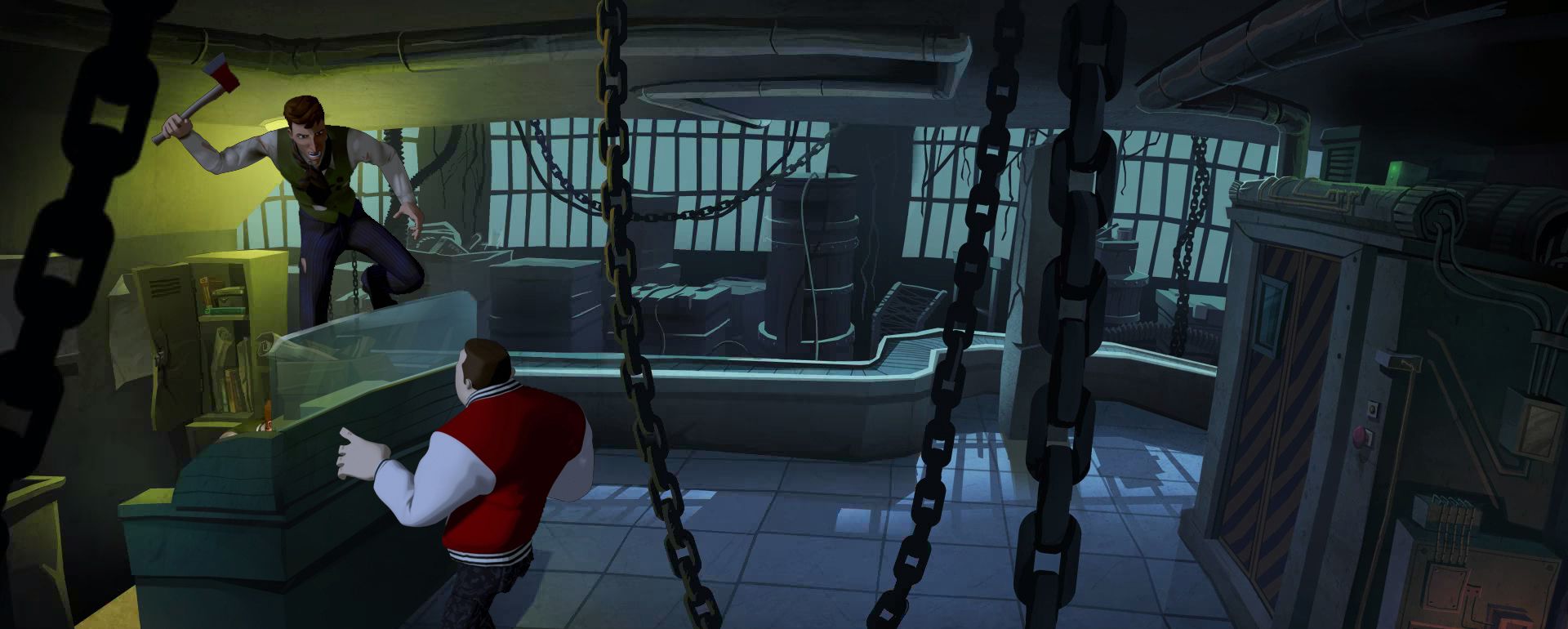
Creepy whistles and synthesized music echo through the speakers, and the strong visual style of the game’s many camera angles compel you to keep exploring.
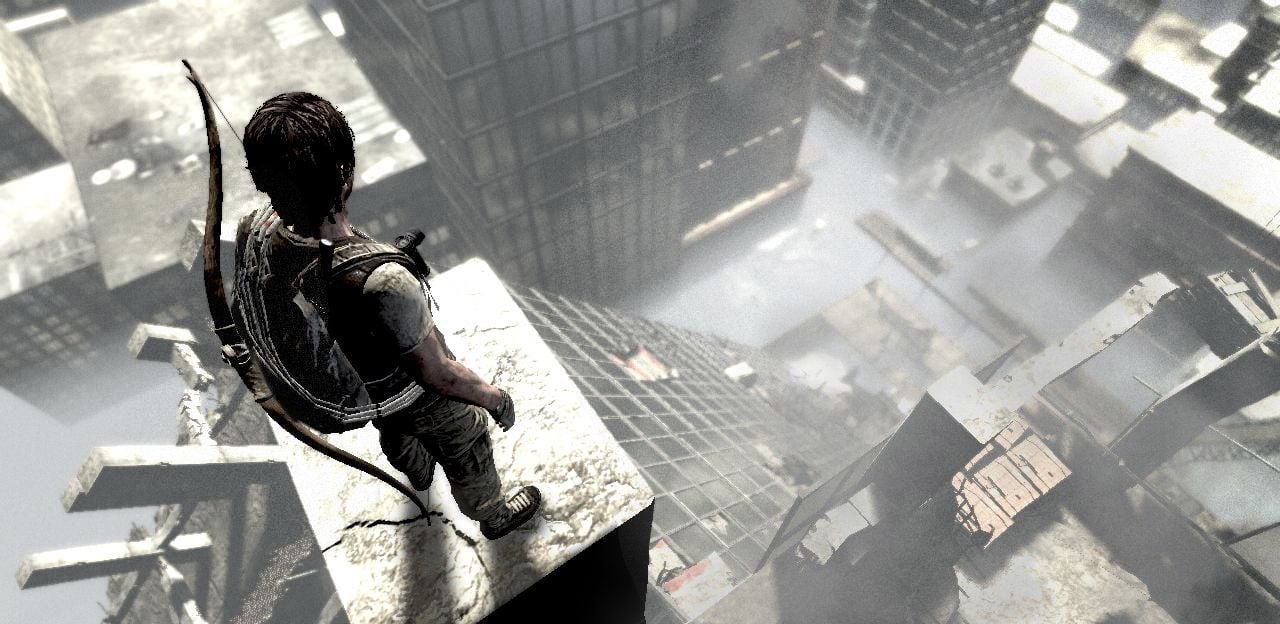
While it’s a nice change to play as an ordinary family man, the whole “I must find my daughter” story never becomes more than a generic motivator.
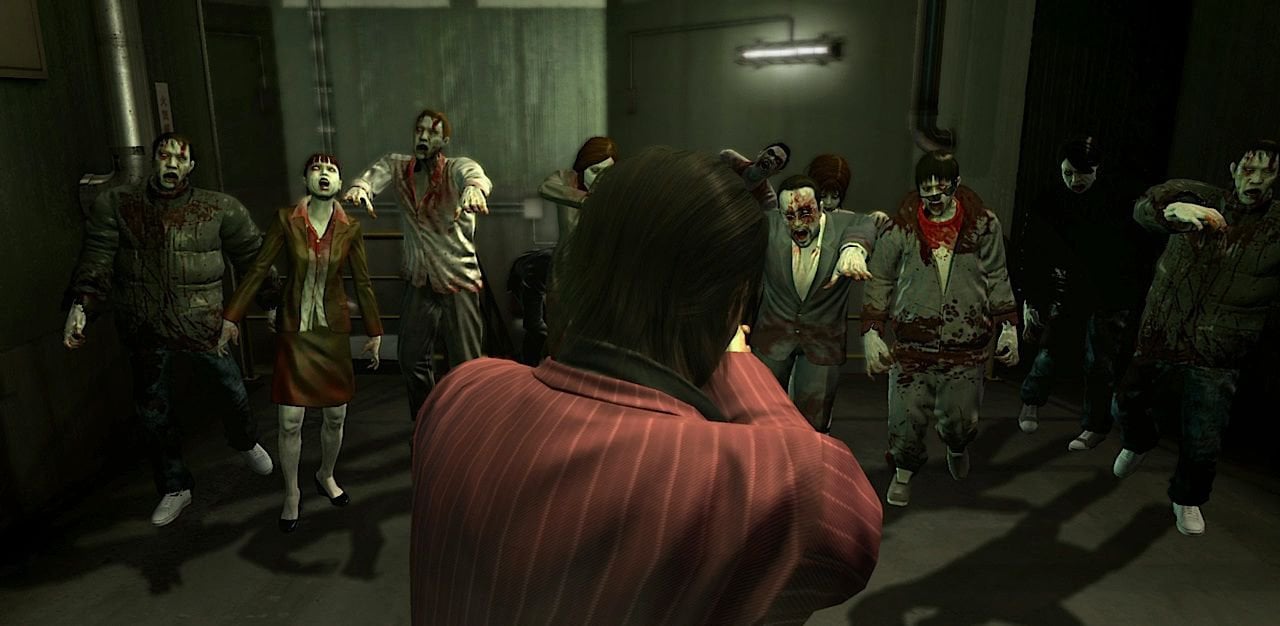
The game suggests the love child of Takeshi Kitano and George A. Romero.
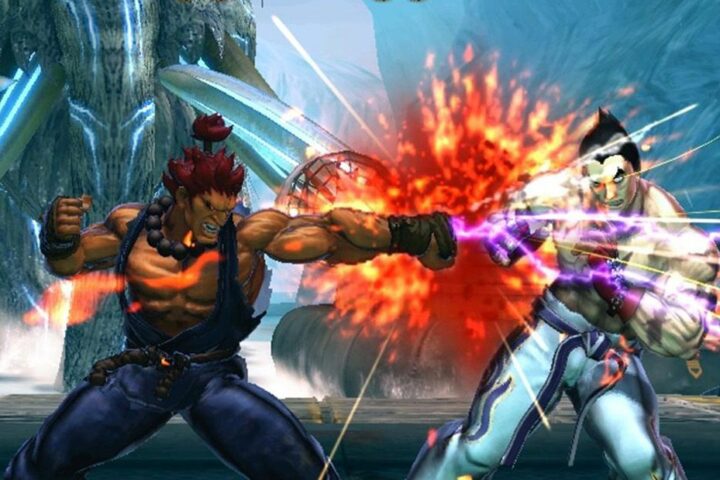
Street Fighter X Tekken gives the firm impression that it’s the go-to fighting gridiron for 2012.

Mass Effect 3 lives or dies by its skillfulness in balancing being both the last chapter in a lauded tale and an introduction for the curious to see what all the hype is about.

The constrained two-button setup and contracted ease of movement with the D-pad soon becomes incredibly bothersome.

The equipment and currency systems are skin-deep for the six-to-eight-hour one-player campaign, but truly boost forward in the immersive online portions of SSX.

The whole affair is streamlined and rapid-paced, with combination attacks shying away from HN’s burdensome, time-consuming approach.

What the single-player campaign lacks in breathtaking set pieces and the variety of settings found in other modern FPS games, it makes up for in challengingly but fairly scripted boss encounters.

Asura’s Wrath is basically a series of cutscenes that the player inputs commands to dictate outcomes, with occasional third-person sequences wedged in for some better-late-than-never variety.
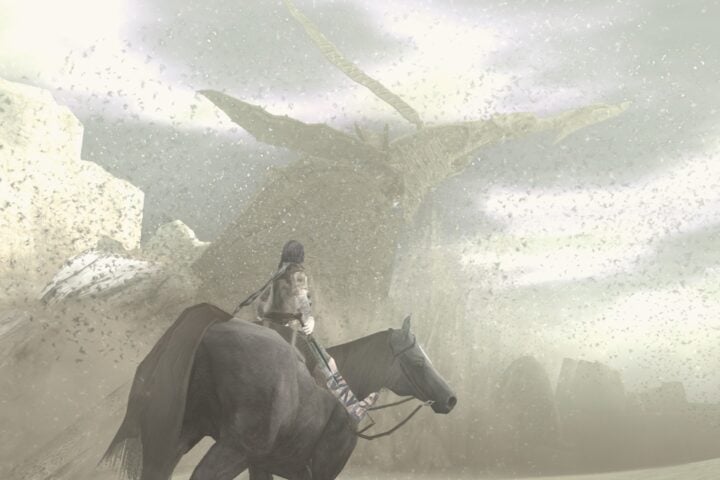
Because the publisher just up-rezzed the textures, rather than revising the engine, the new skins are stretched over the same old blocky frames.

The game wants you to play around with different combos; in fact, it allows you to use a shield, a primary weapon, and a secondary weapon, even though you’ve only got two hands.
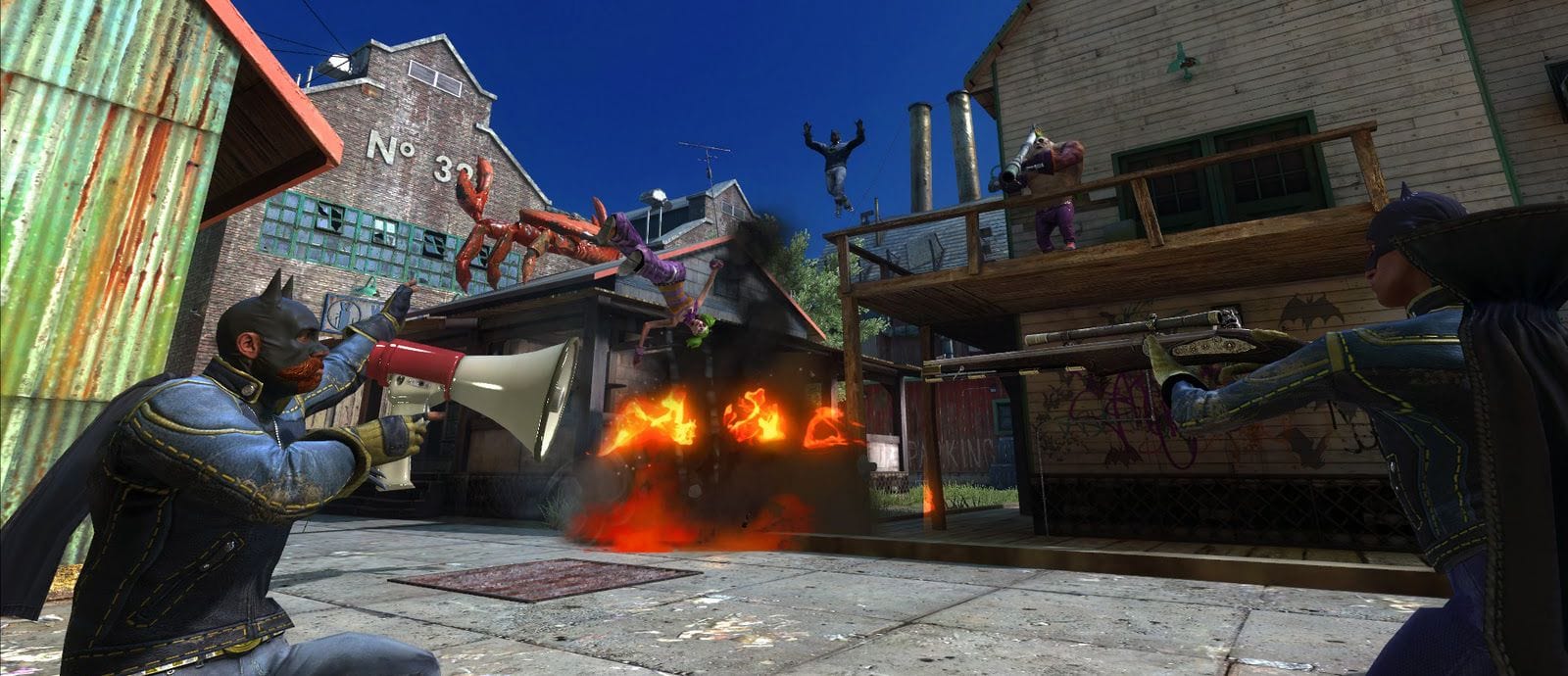
Monolith tried to create a full-bodied shooter experience with their limited budget they were given, but titles such as Bulletstorm and TimeSplitters truly experimented with slapstick within the FPS genre.
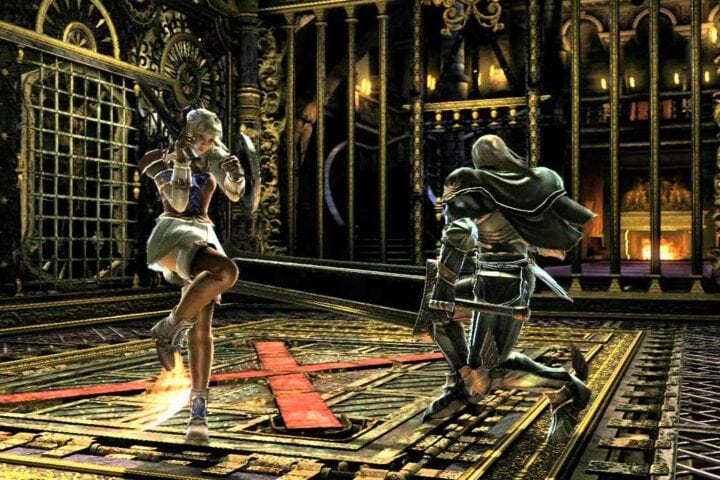
The new Guard system uses half of your Critical Gauge and the timing is more relaxed, and since you can’t spam it over and over, “turtling” won’t be an option.
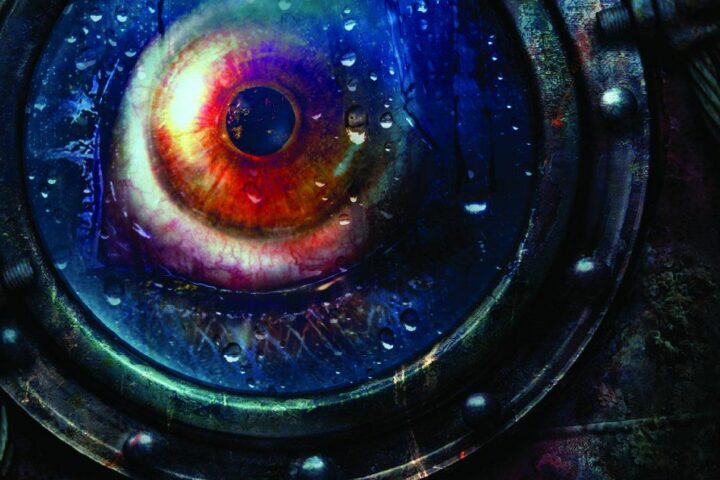
Capcom, via system downsizing, has managed to recapture the dark magic that made past console entries so pictorially triumphant.