Holland’s sense of propulsive, incandescent outrage is the film’s strongest attribute.


Marshall Shaffer’s interviews, reviews, and other commentary also appear regularly in Slashfilm, Decider, and Little White Lies.
Holland’s sense of propulsive, incandescent outrage is the film’s strongest attribute.

Green discusses why she felt her new film always needed to be in the present tense.

Andrew Haigh’s film always feels perched on the precipice of unlocking a deeper register.

Moss discusses the ways in which Frankenstein informs the film’s thematic exploration.

Alberdi discusses the construction of a narrative arc of a couple’s journey through illness.

Whishaw discusses challenges of not playing subtext, acting everyday emotions, and more.

The film was made with the utmost commitment to authentic representations of rez life.

D. Smith discusses earning her subjects’ trust, the sterility of documentary tropes, and more.

The twin filmmakers discuss why they’re keen to engage with interpretations of Talk to Me.

Petzold discusses how his artistic inclinations can be felt in Afire’s characters.

Cheryl Dunye dicusses The Watermelon Woman’s long road to canonization.

The actors discuss the meta nature of the film’s plot and its perspective on American culture.

The actors discuss why Wes Anderson’s creative mind cannot be reduced to an algorithm.

The actors discuss how functioning as a troupe off-set translates into on-screen dynamics.

Georgia Oakley discusses Blue Jean’s depiction of homophobia in Thatcherite Britain.

Song discusses the hard and soft skills she found indispensable running a set for the first time.
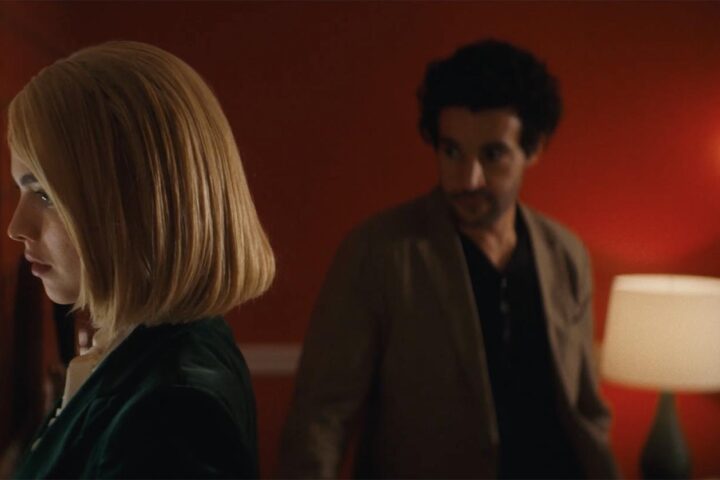
Wigon discusses the challenge of keeping a film interesting while confined to one location.

Baruchel and Howerton discuss how they worked within Matt Johnson’s unconventional style.

The Belgian directing duo discuss how how they translated Paolo Coginetti’s novel into cinematic terms, their approach to music, and more.
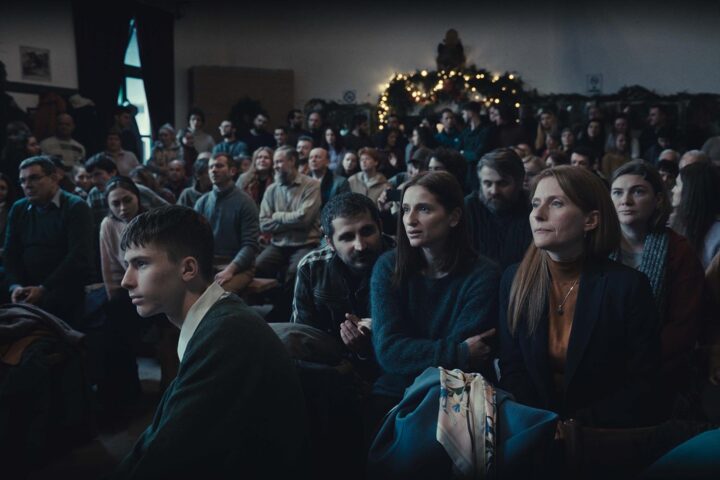
Mungiu discusses how he executed R.M.N.’s centerpiece sequence and more.