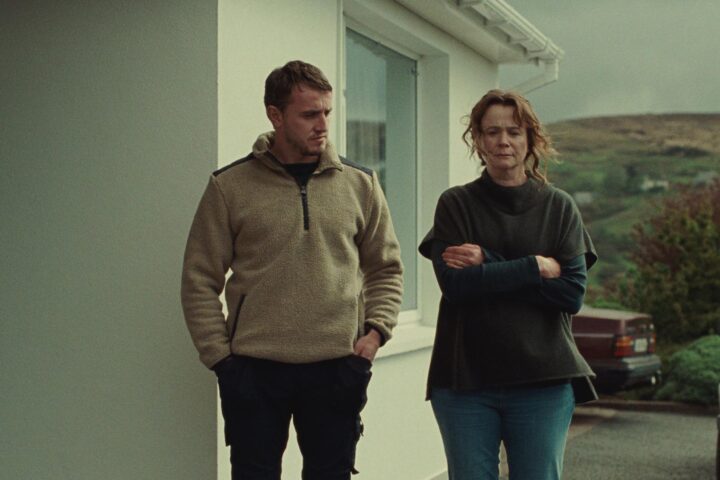
Paul Mescal and Emily Watson discuss the specifically Irish textures of the film’s story.


Marshall Shaffer’s interviews, reviews, and other commentary also appear regularly in Slashfilm, Decider, and Little White Lies.
Paul Mescal and Emily Watson discuss the specifically Irish textures of the film’s story.

The film is honest and poignant in its kaleidoscopic refractions of the frustration inherent in a process that’s only just beginning.

Owen Kline discusses why he embraces archetypes and how he went about crafting an uproarious comedy with no overt jokes.

Clio Barnard discusses her unique workshopping process, which directly involves the real-life analogues of her characters.

Dosa discusses her connection to Katia and Maurice Krafft as filmmakers and people and how the film has shaped her thinking of time.

Strickland discusses Flux Gourmet’s depiction of “sonic catering” and why his Greek heritage features prominently in the film.
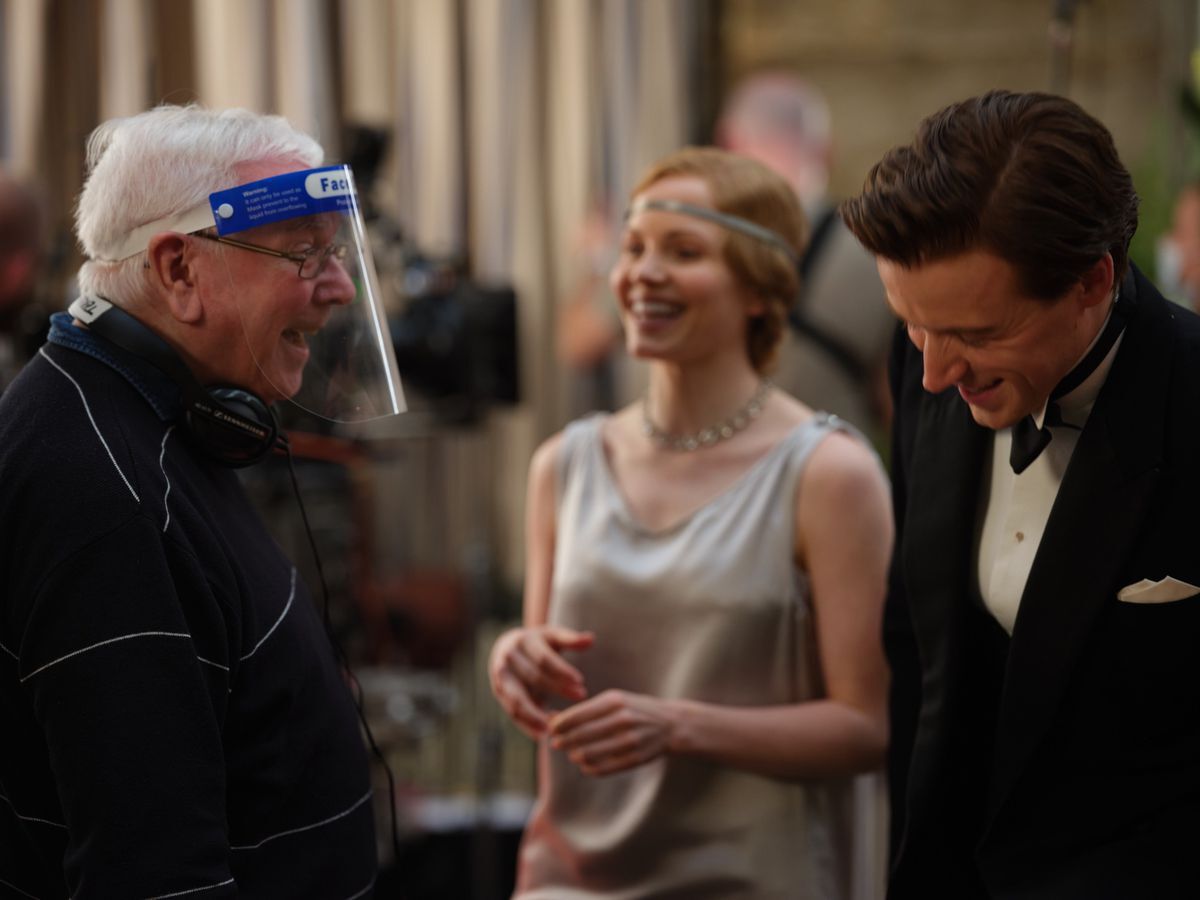
Davies discusses the autobiographical elements of Benediction, and Lowden his charge to feel every moment rather than act it.

Gaspar Noé discusses his use of split-screen, and what he thinks about death after grappling with it so directly across his work.

Director Domee Shi and producer Lindsey Collins discuss what the role of storytelling can be in creating change.
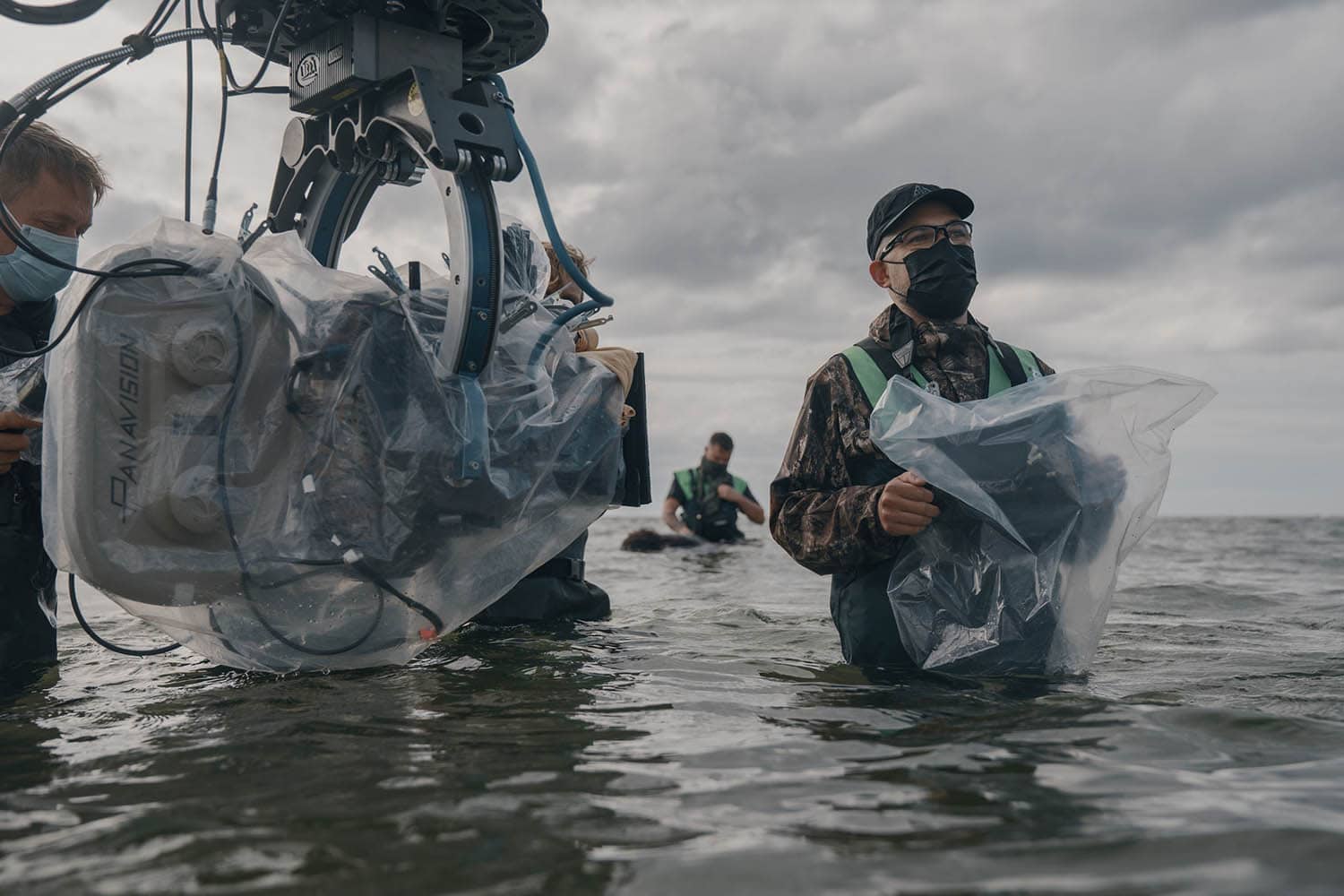
Eggers discusses how he came to comprehend Viking mentality and morality, as well as how he executes his meticulous method on set.
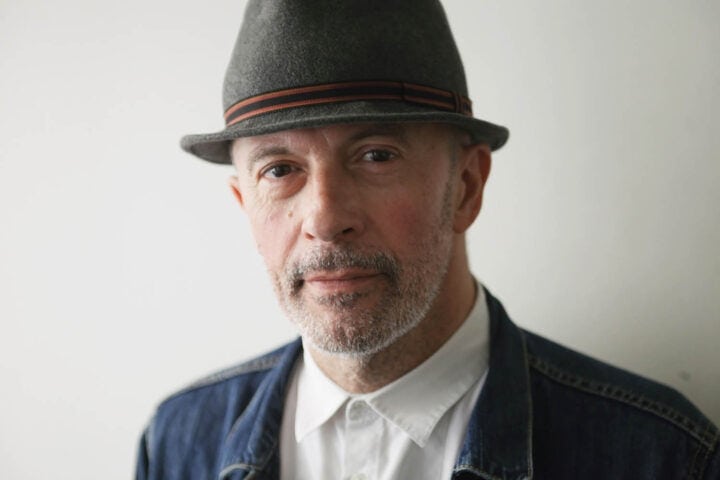
Jacques Audiard discusses how he avoided packaging Paris in nostalgic trappings, and what motivated his stylistic choices.

Daniel Kwan and Daniel Scheinert discuss why they think the world has caught up to their style of storytelling.
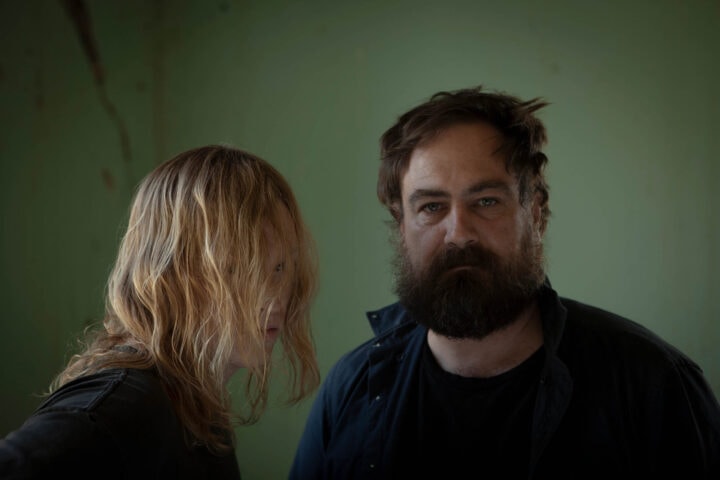
Jones and Kurzel discuss Nitram’s cultural and emotional specificity, and why some Australians wish that it had never been made.

Franz Rogowski discusses why he doesn’t feel the need to go overboard in preparing to act out unfamiliar circumstances.

Trier and his actors discuss finding maturity on and off screen, and how they pulled off the film’s searing centerpiece breakup scene.

Kirby and Leon discuss the roots of their partnership and how they navigated the portrayal of the main character’s sudden amnesia.
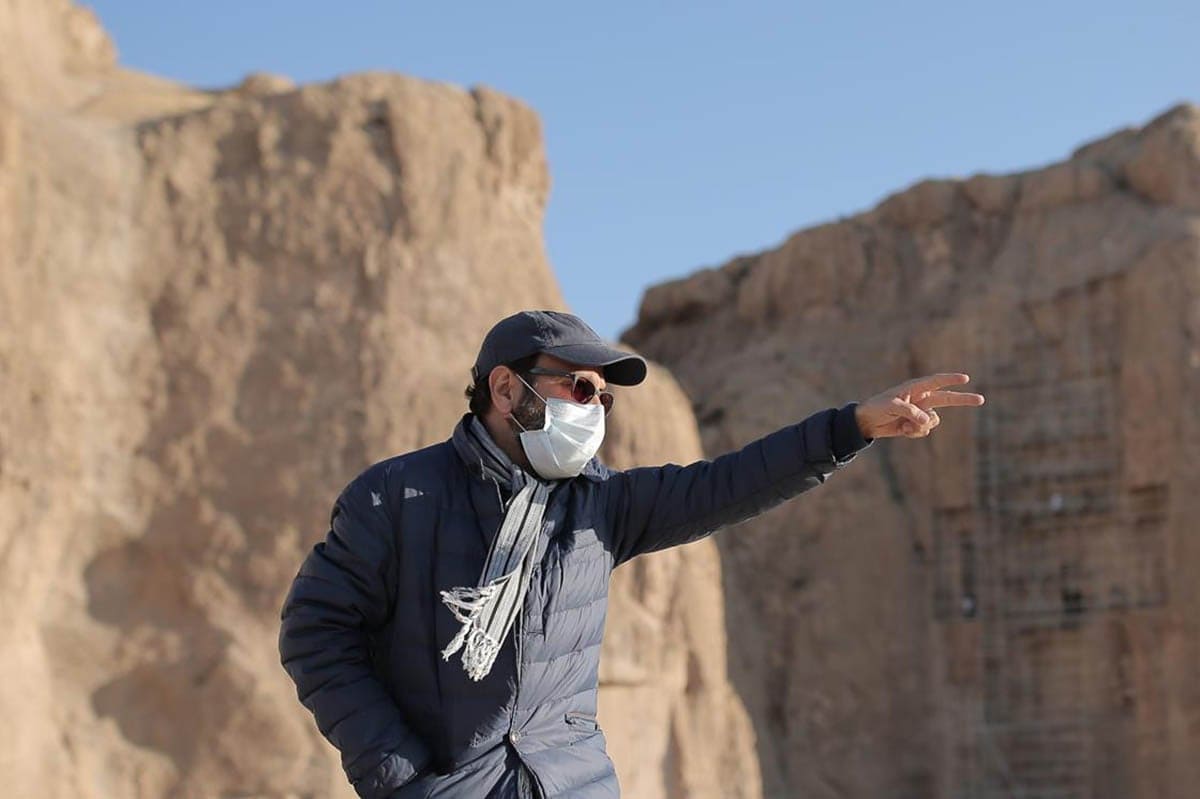
Asghar Farhadi discusses his approach to writing complex stories and his understanding of what happens when people tell the truth.
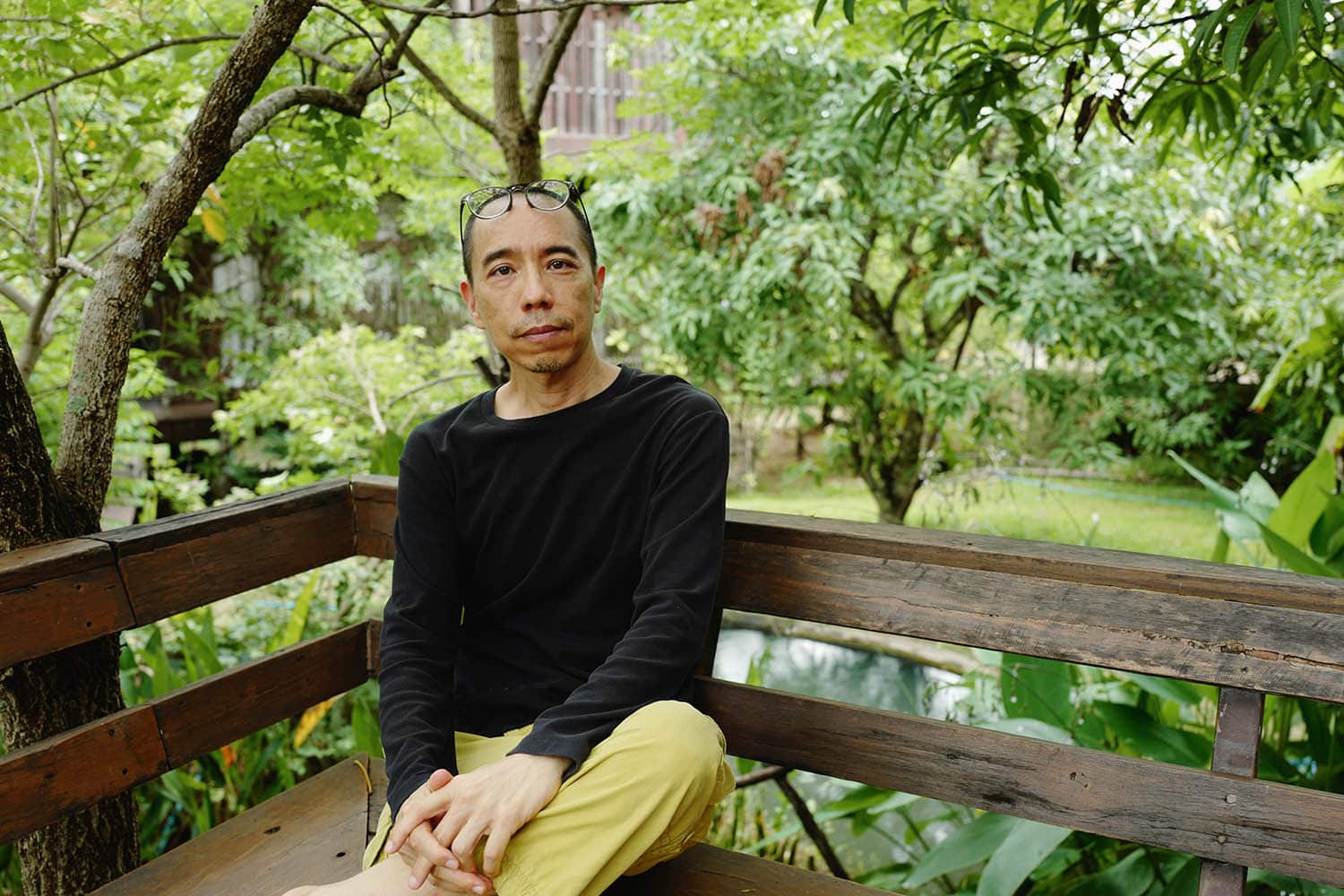
Joe discusses how found his comfort zone outside of his native Thailand, and why he thinks of Memoria as a musical.

Almodóvar discusses his decades-long development of Parallel Mothers’s ideas and how its themes resonate with his other work.

Jonas Poher Rasmussen discusses the journey that Flee made from story to screen as it changed mediums, visual styles, and more.