McElwee discusses, among other things, his new film and staring down the loss of his son.
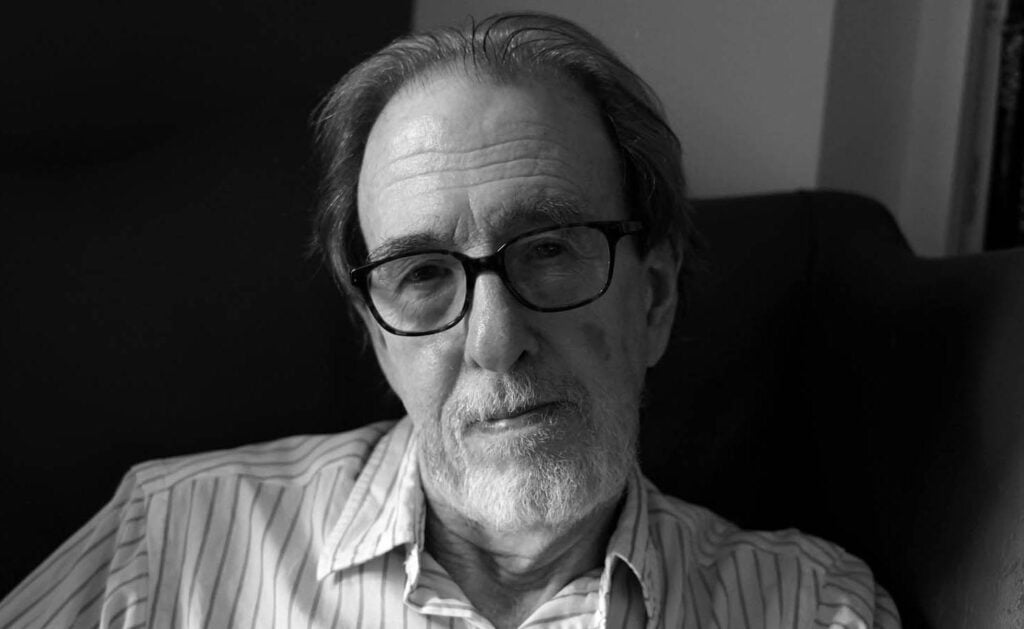

McElwee discusses, among other things, his new film and staring down the loss of his son.
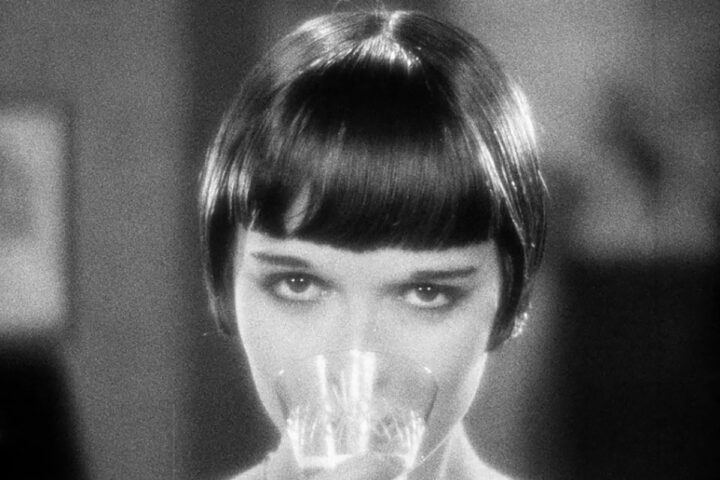
Most film critics have a pretty good handle on what it is a director does, what a cinematographer does, what an editor does. Acting, however, remains a little bit mysterious.

Beauvois discusses his new film’s feminist core and his connection to improvisation.
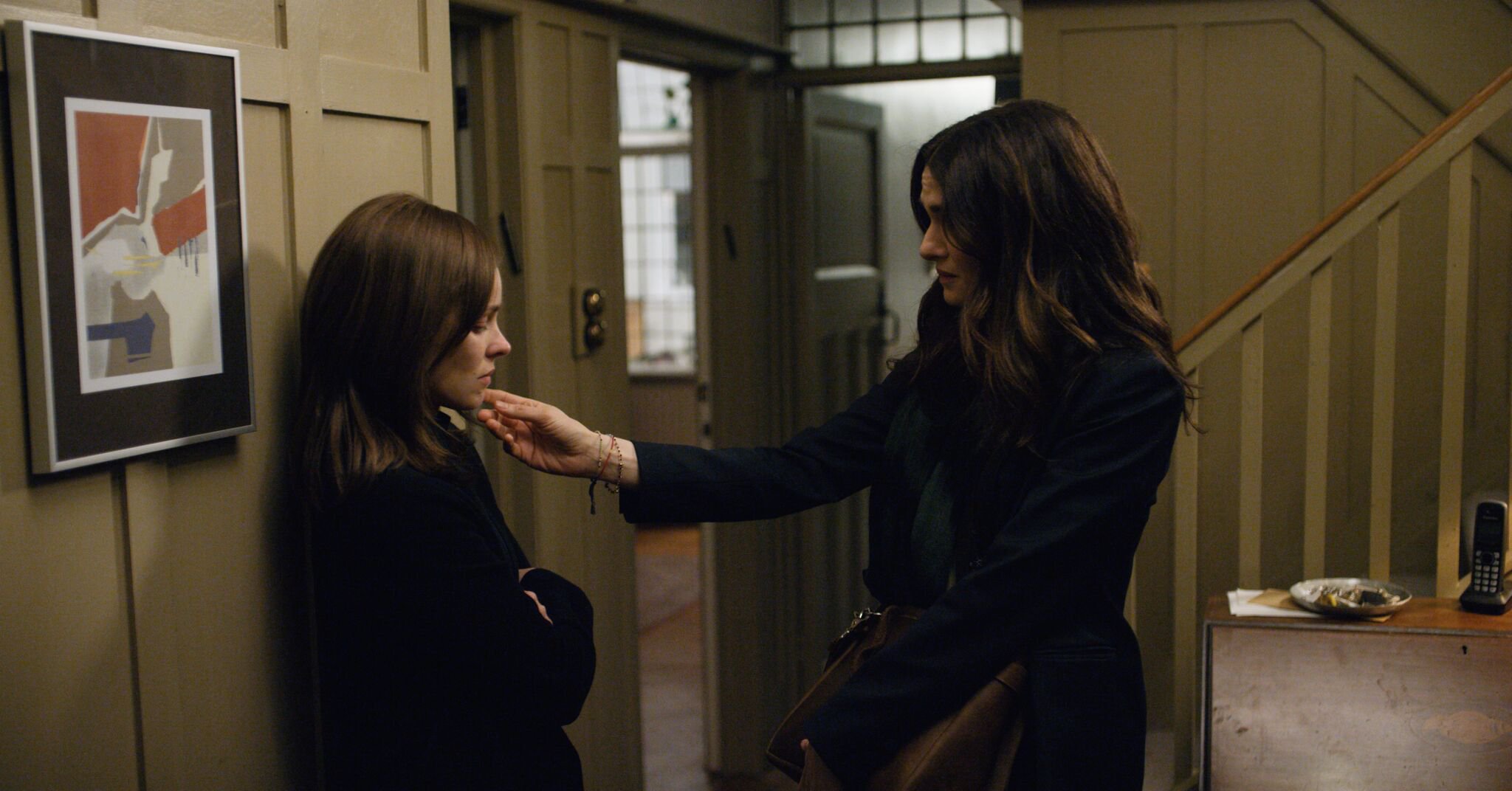
The actress discusses the process by which she’s presently devevloping properties for herself.
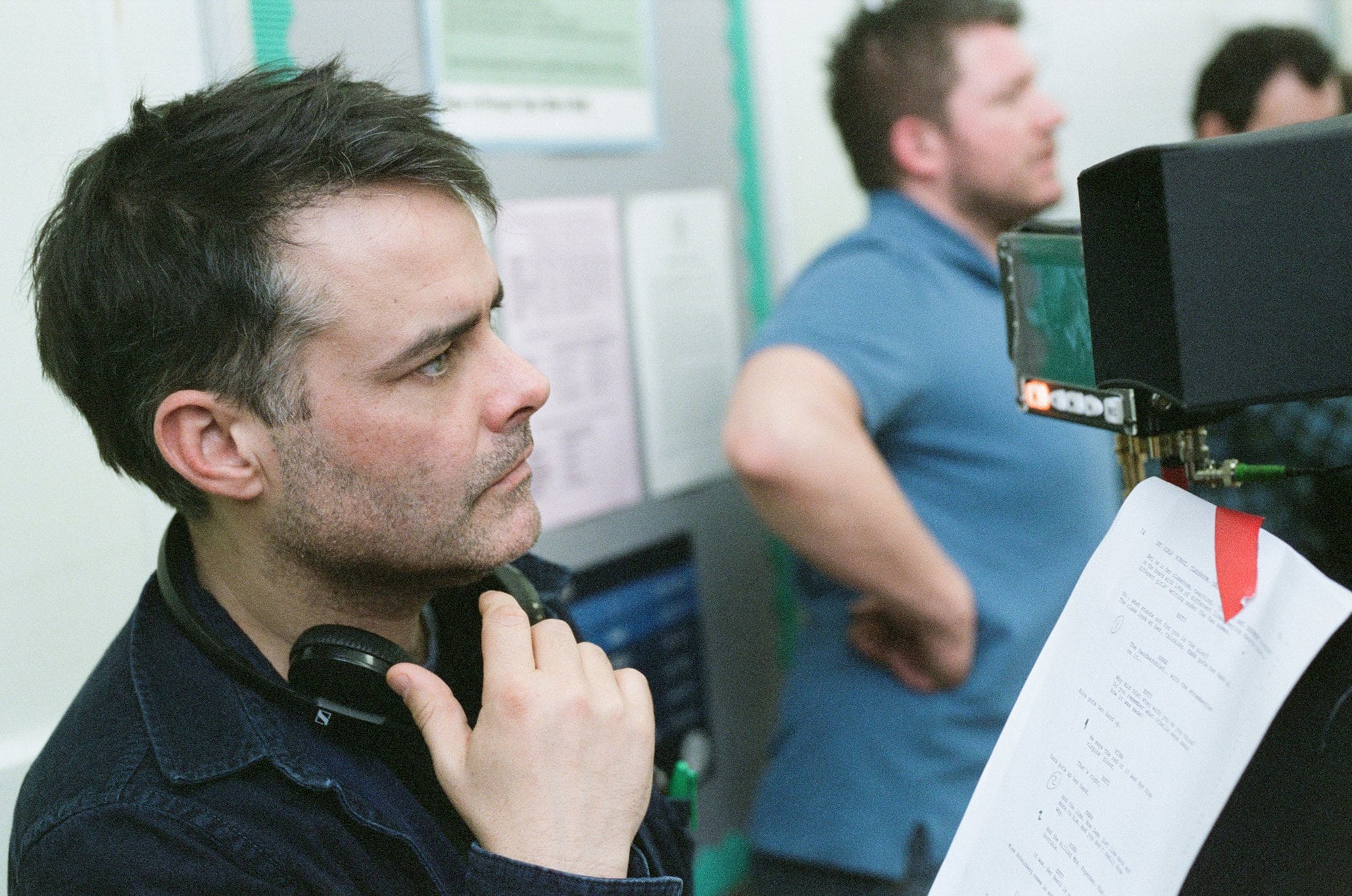
Leilo discusses finding the balance between his characters’ respective narrative arcs.

Twist discuss his work, new and old, and the direction he’s going in as we approaches 50.
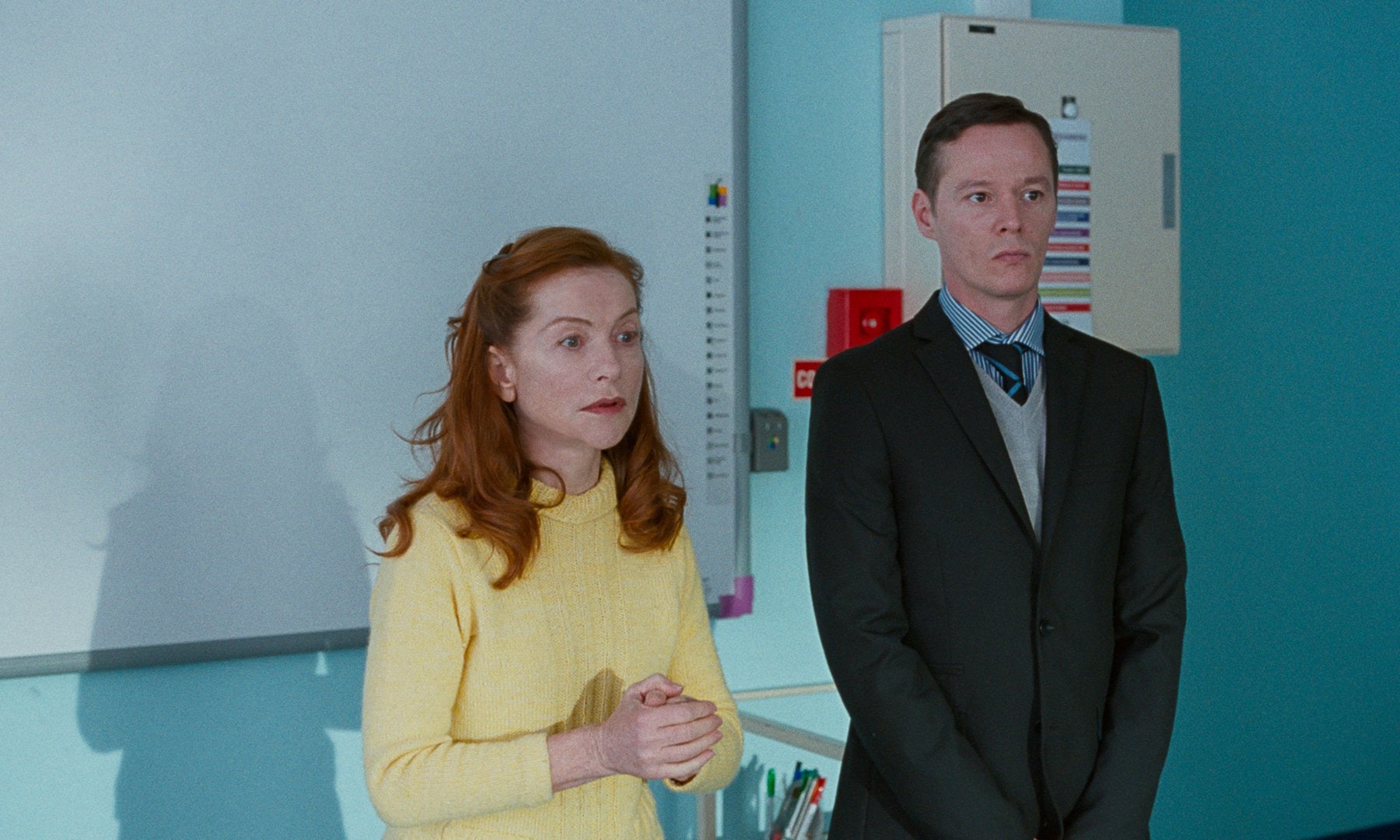
The actress discusses the film’s vacillations in tone and how she finds her characters.
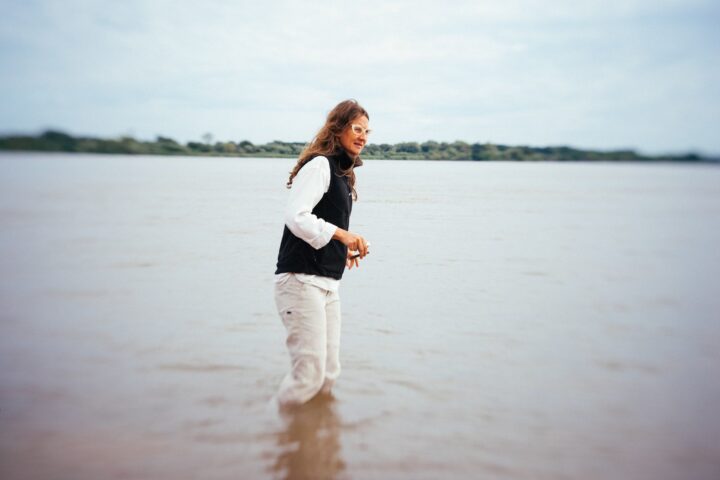
The filmmaker discusses her inquiry into Argentina’s colonial past, shooting on digital, and more.
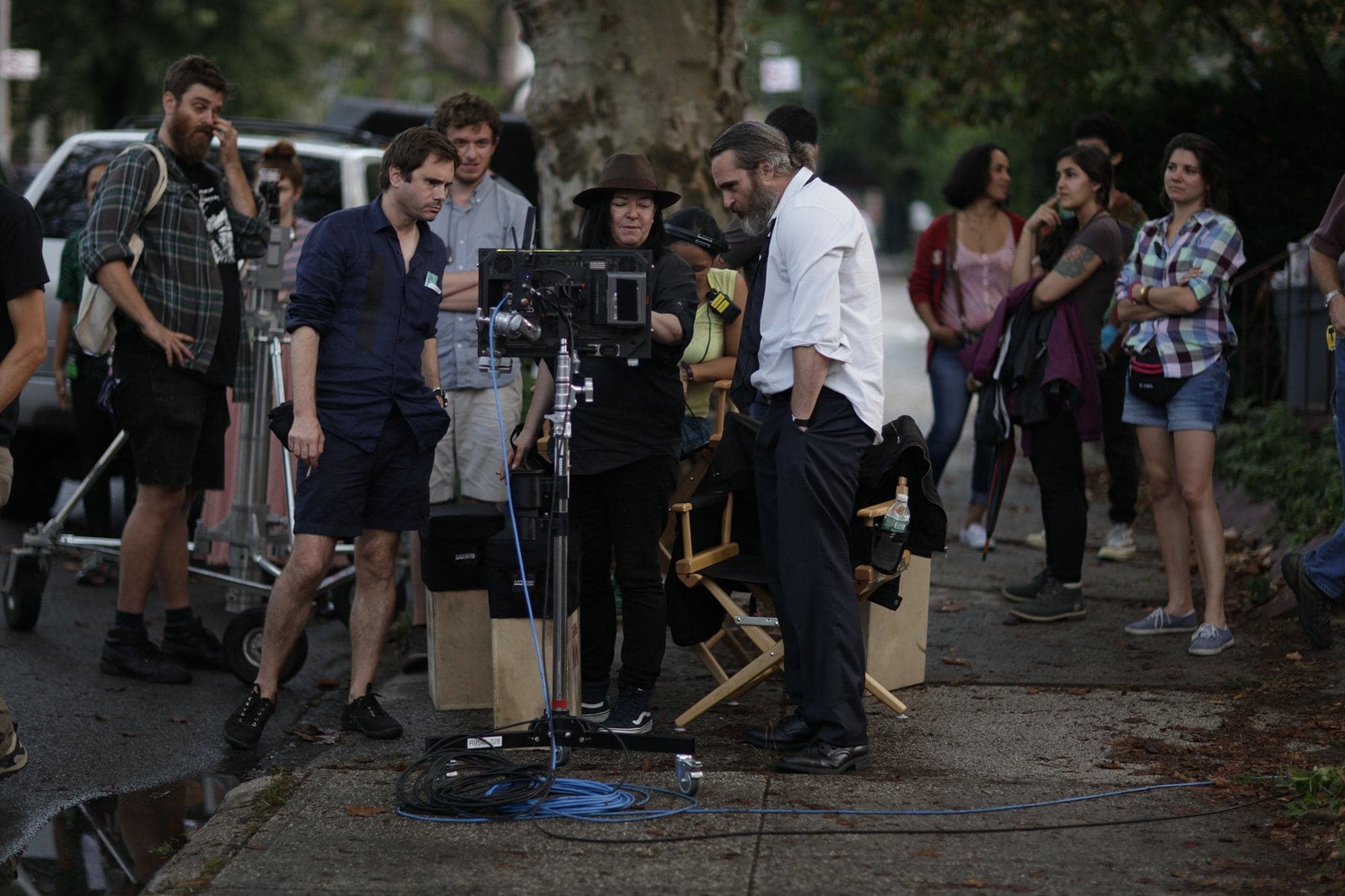
Ramsay likens Joaquin Phoenix’s mesmerism to that of Samantha Morton in Morvern Callar.
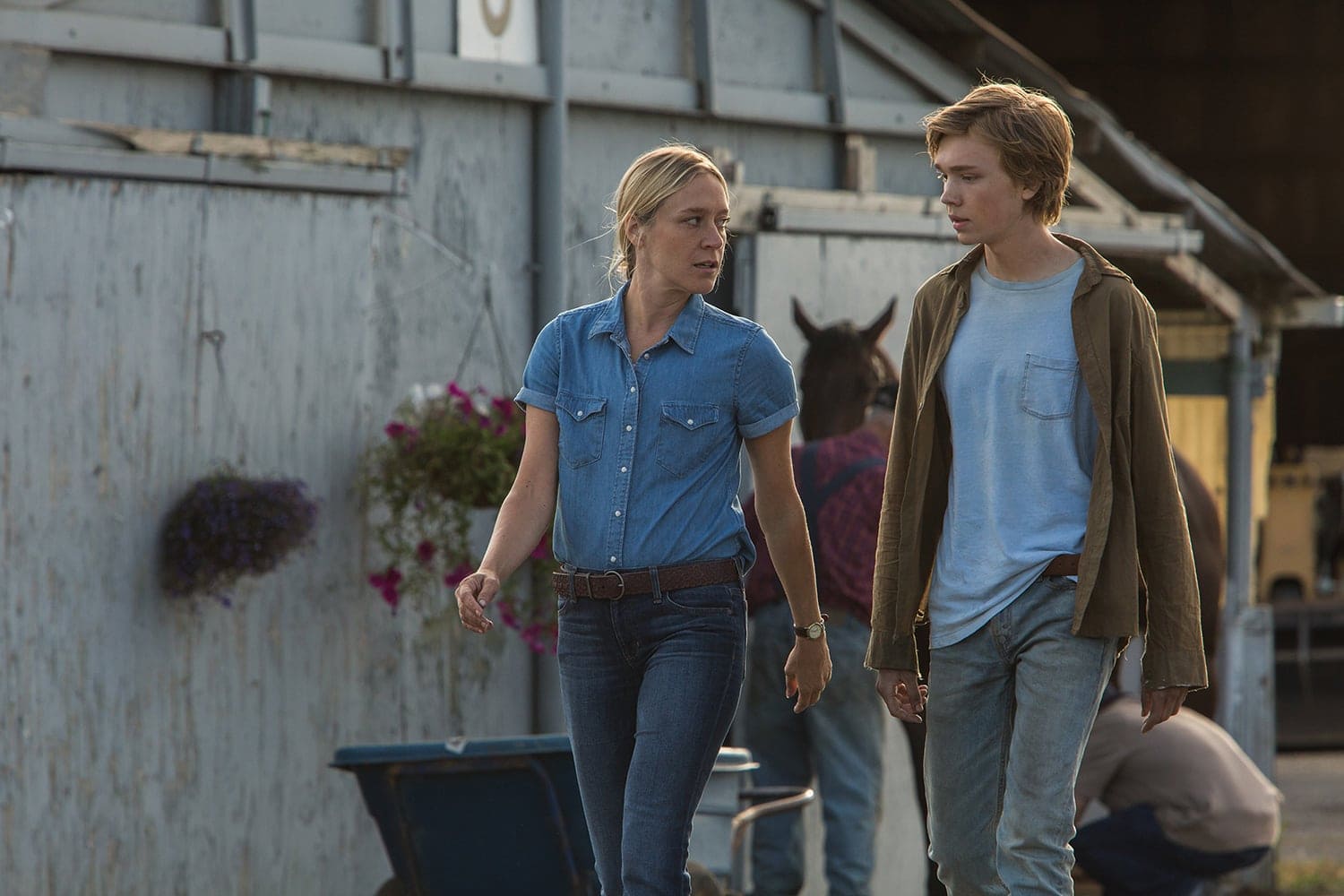
Sevigny discusses her early work and navigating the male-dominated world of her profession.
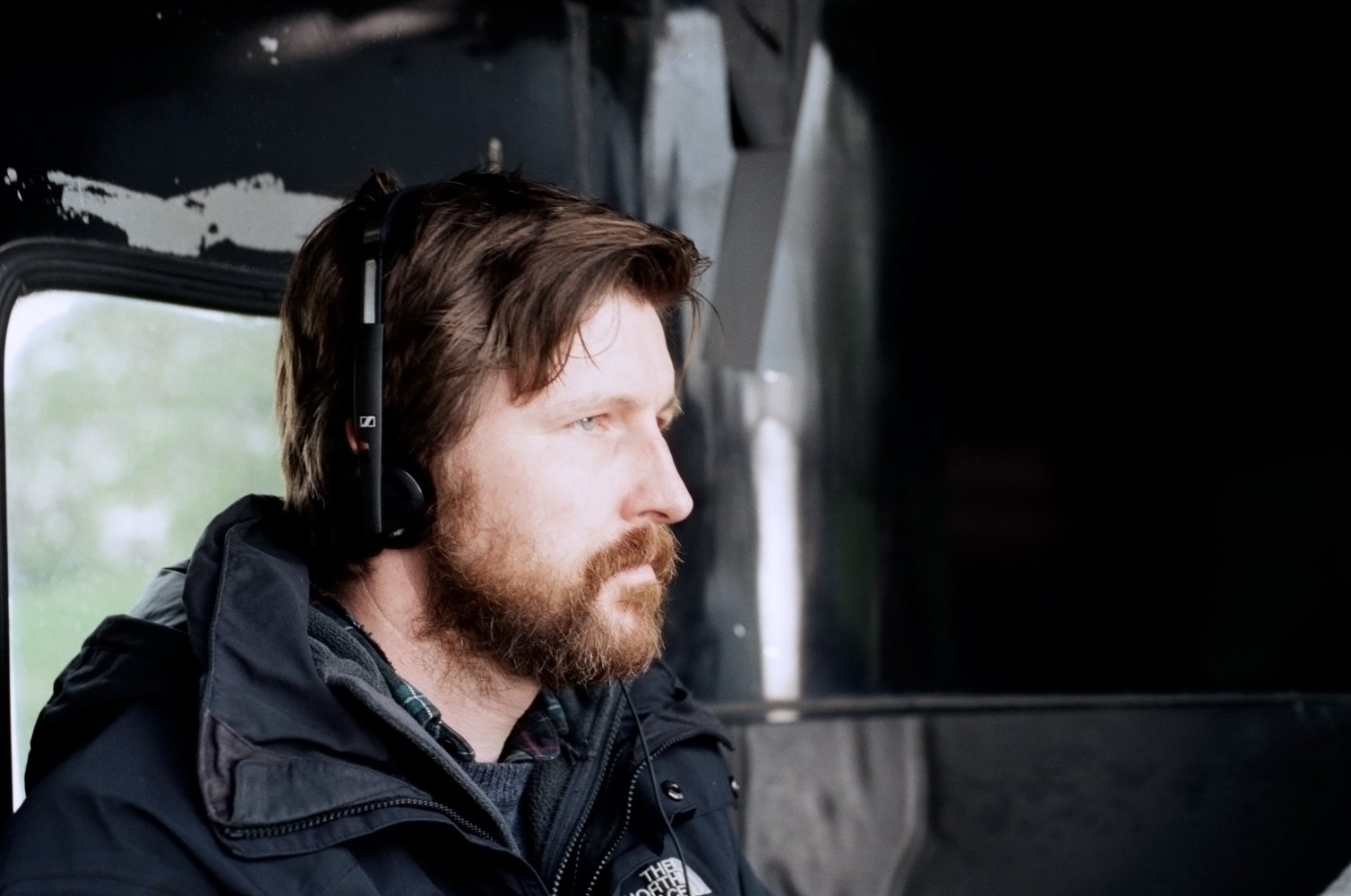
Haigh discusses the theme that runs through all of his work: our struggle to feel less alone.
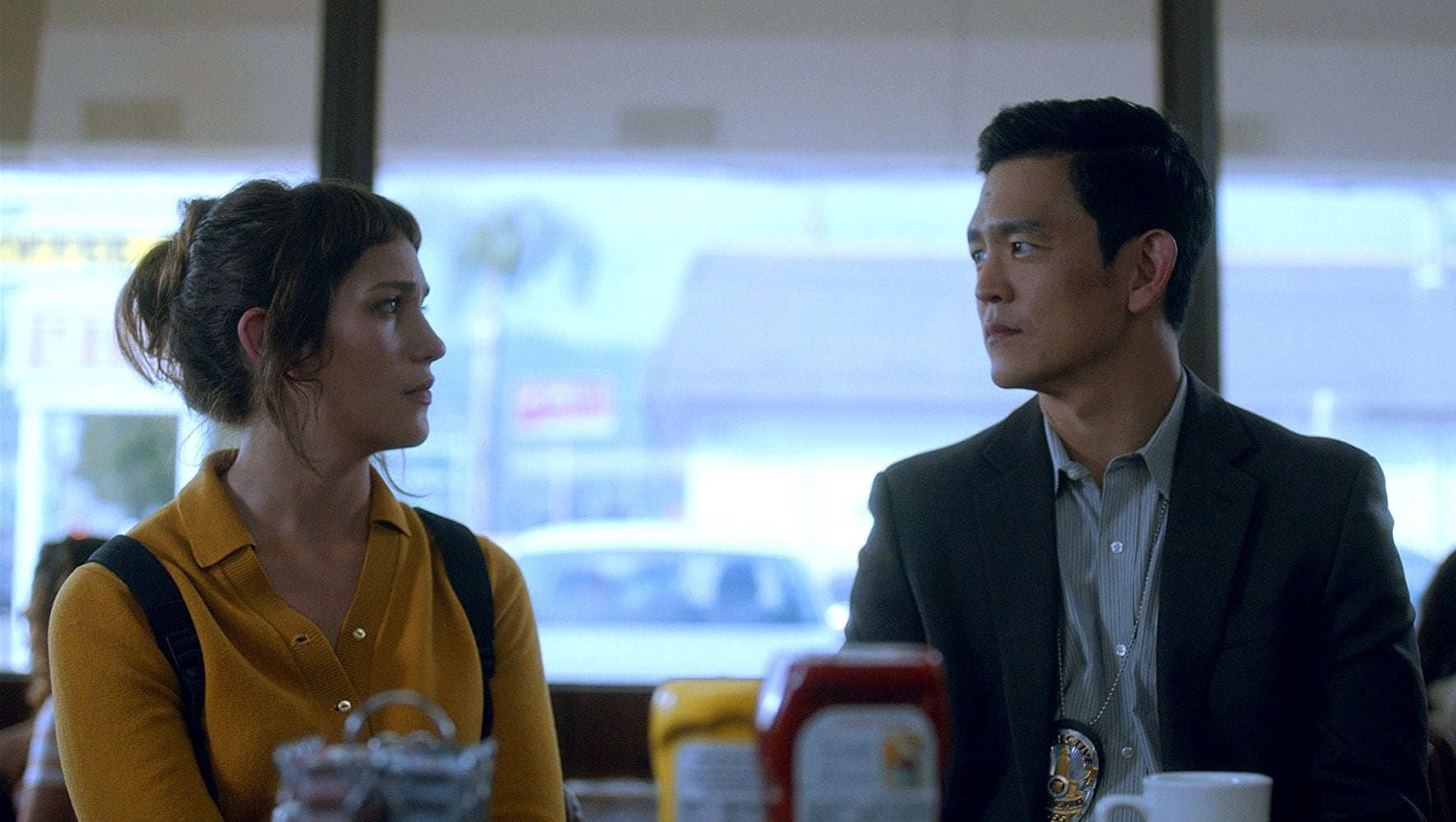
Our talk was rich in segues and digressions that illustrate how they weave their lives into their art.

Cantet makes films as much to educate himself as to encourage us to question our beliefs.
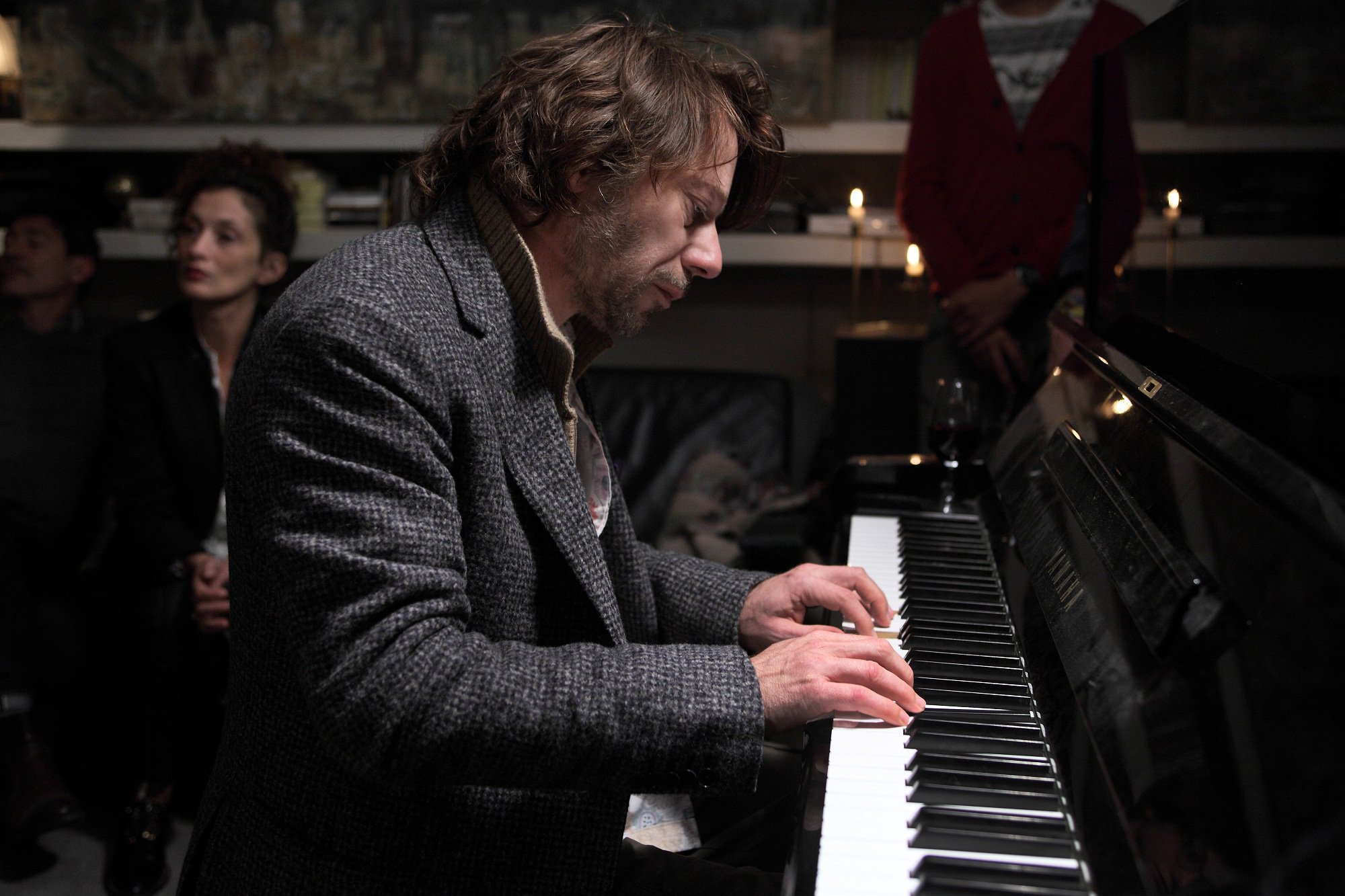
Through metaphors, Amalric analyzes his art while engulfing it in a preservative mystery.

Tucci discusses carrying Giacometti and James Lord with him for the better part of his life.

The artist discusses the role photography plays in his work and the sculptural nature of farming.

The legendary composer/producer discusses Ray of Light and Leonard Cohen’s final days.

Reigel discusses working with Sally Menke, how editing a film is like attending a dinner party, and more.

If there’s a constant in Jordan Harrison’s body of work, it’s his ability to surprise.
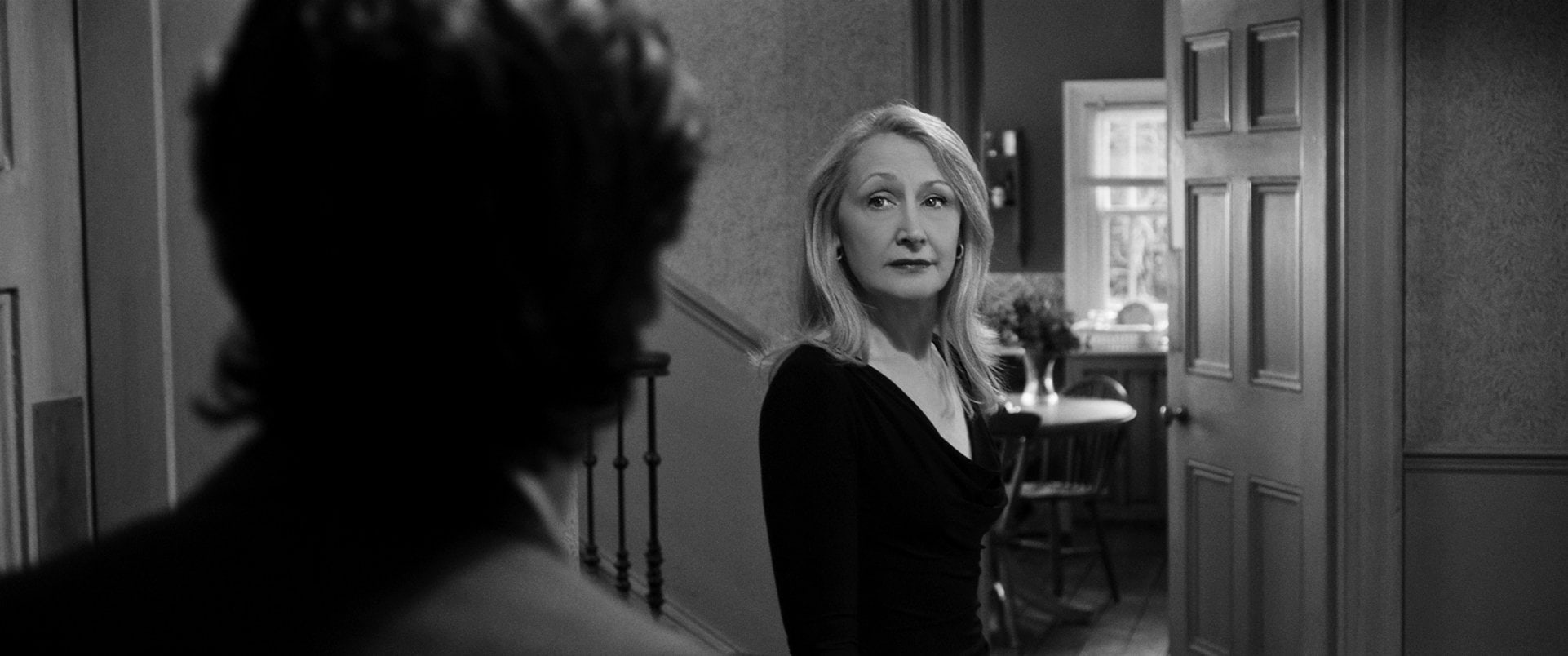
The actors discuss The Party’s political satire, Sally Potter’s approach to her screenplay, and more.

Unkrich discusses the challenges of making a film about Mexico when you’re “a white guy from Ohio.”