McElwee discusses, among other things, his new film and staring down the loss of his son.
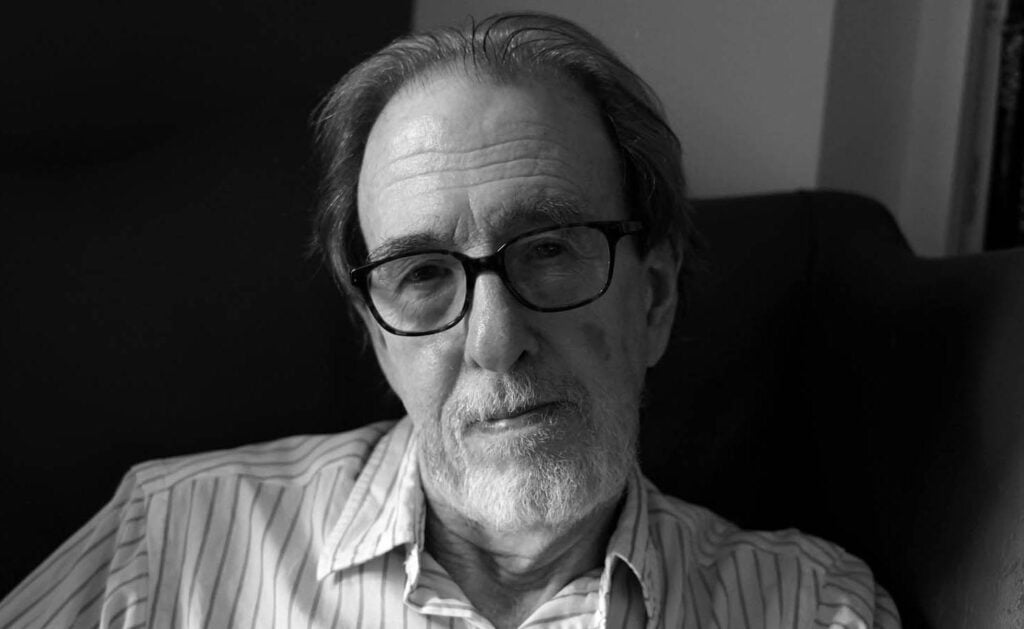

McElwee discusses, among other things, his new film and staring down the loss of his son.
The married filmmakers discuss their creative process, style versus substance, and more.

The actor and comedian discusses the similarity of his process across genres.
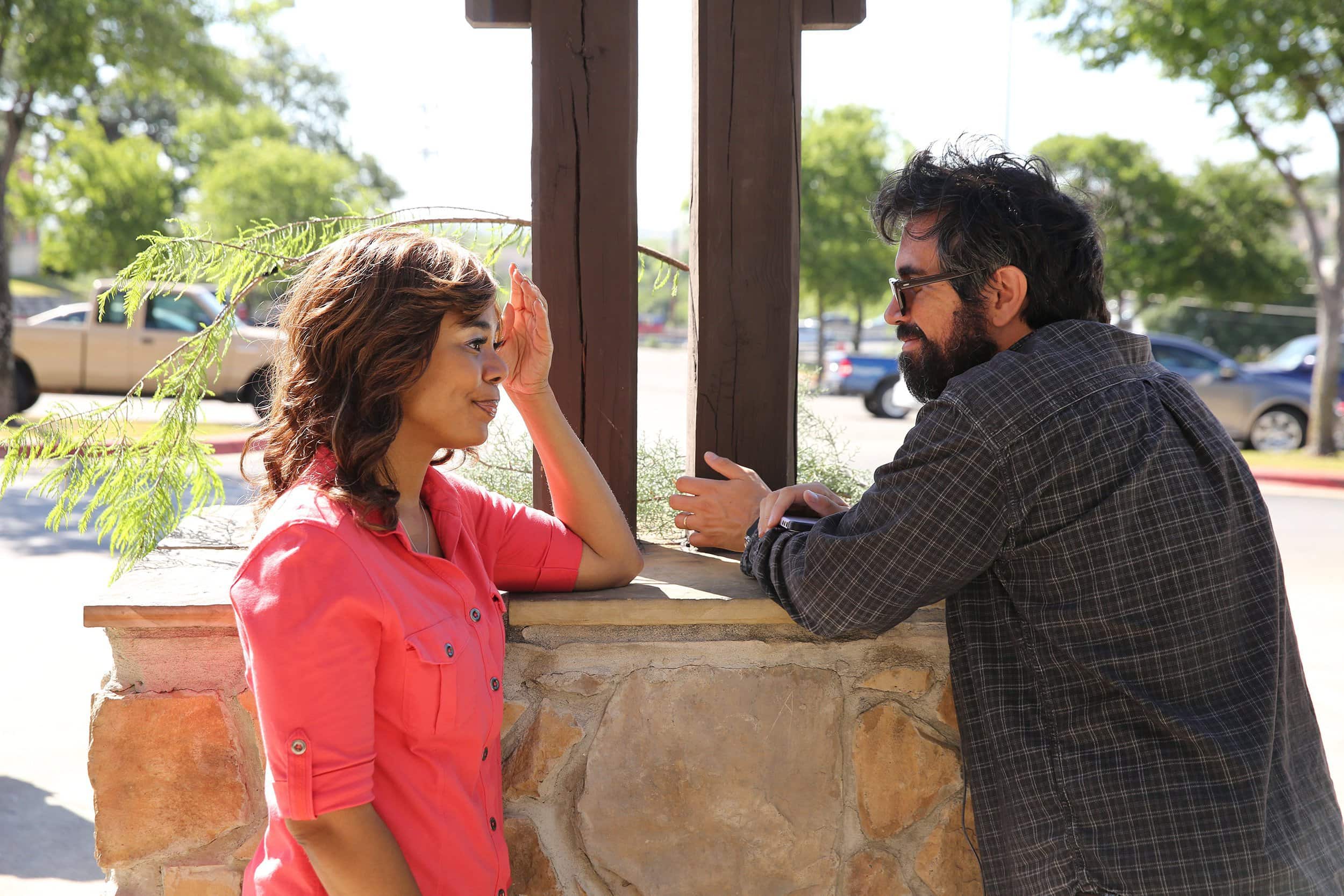
Bujalski discusses making films as balancing order with chaos.
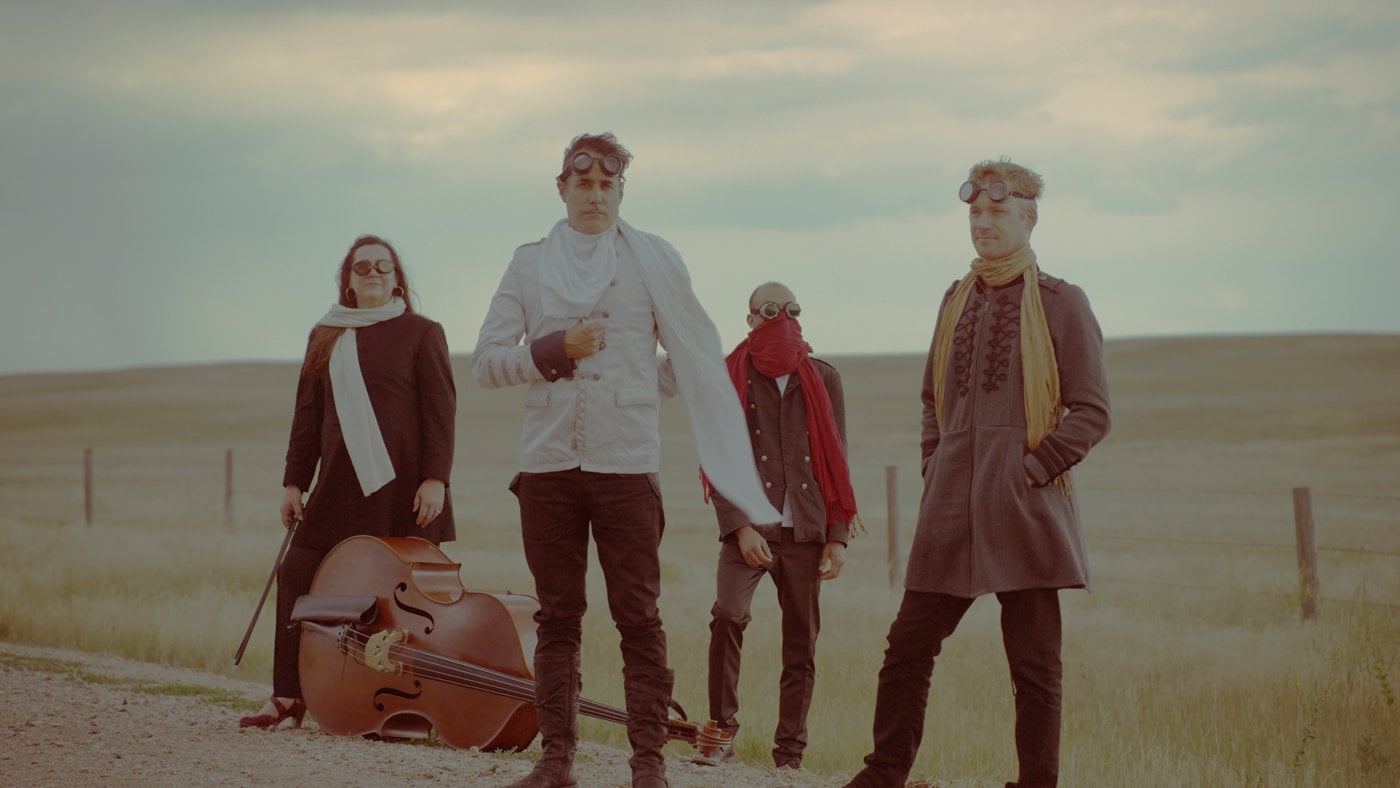
We spoke with Nick Urata about the recording process and bringing his songs to life.
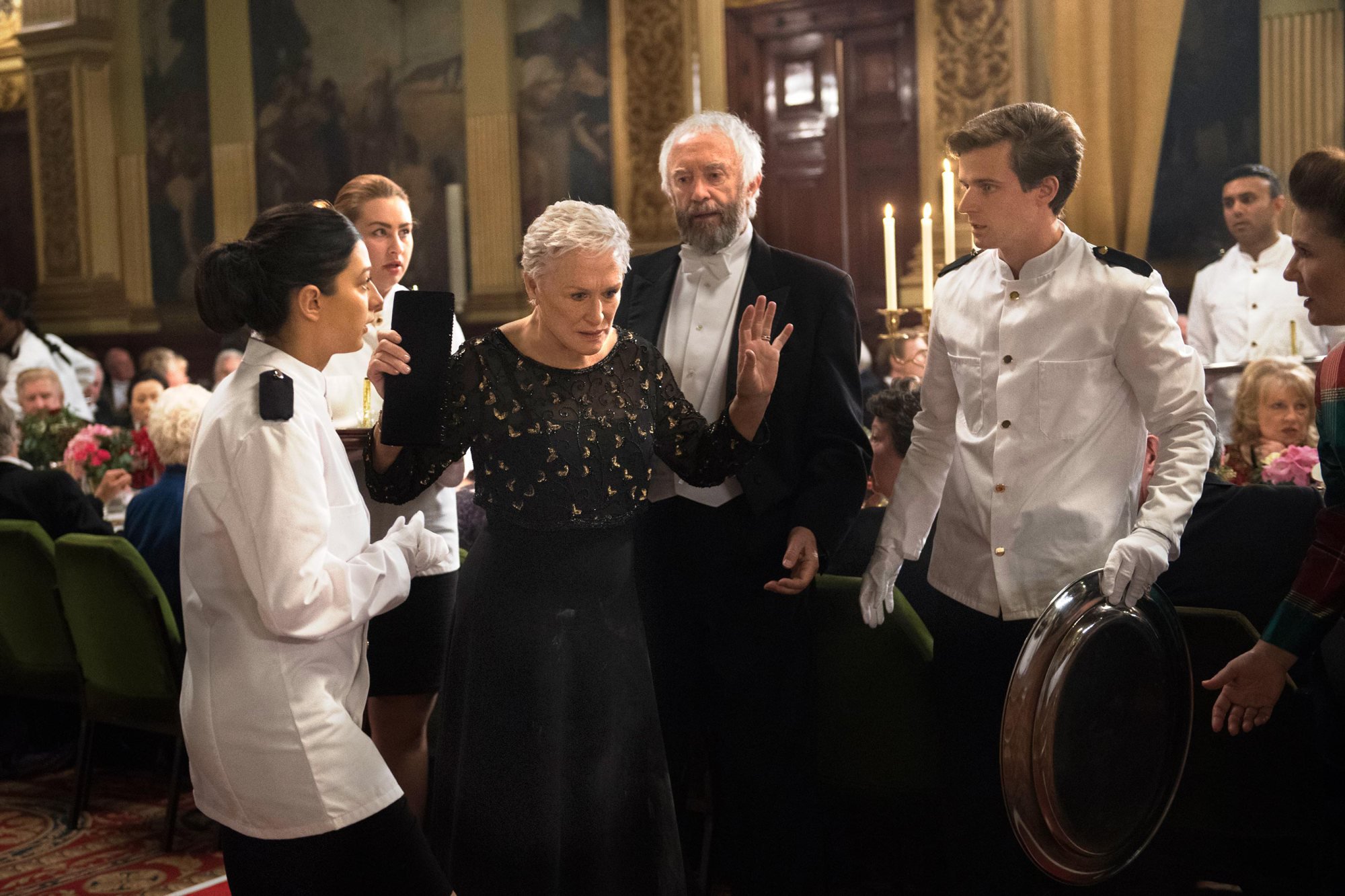
Mother and daughter discuss the sacrifices women make for men.

The director discusses how his film functions in the larger conversation of queer cinema.

The actor discusses what Jonathan Groff taught him about being number one on the call sheet.
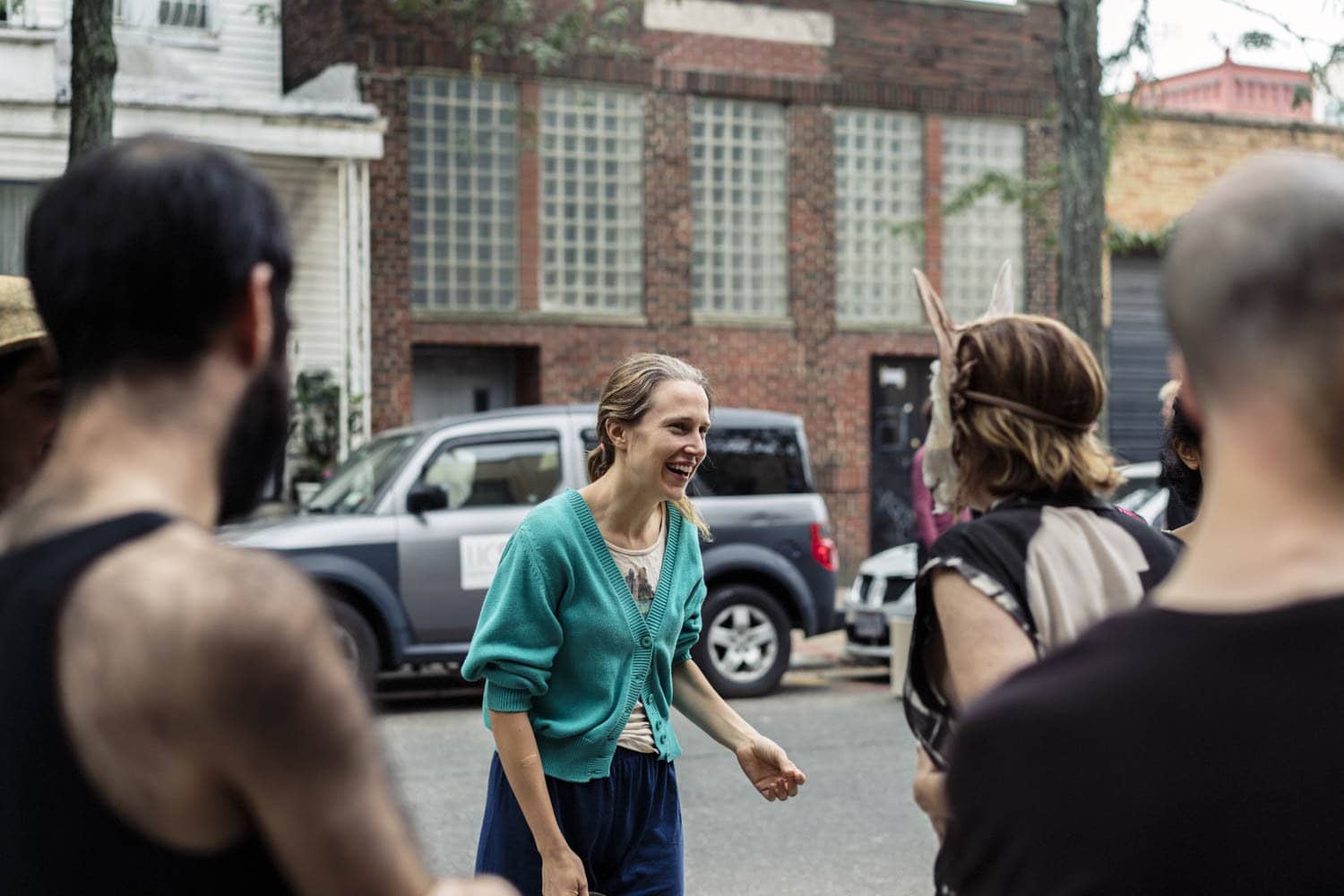
Decker discusses her film’s flamboyant imagery and her affinity for horror.
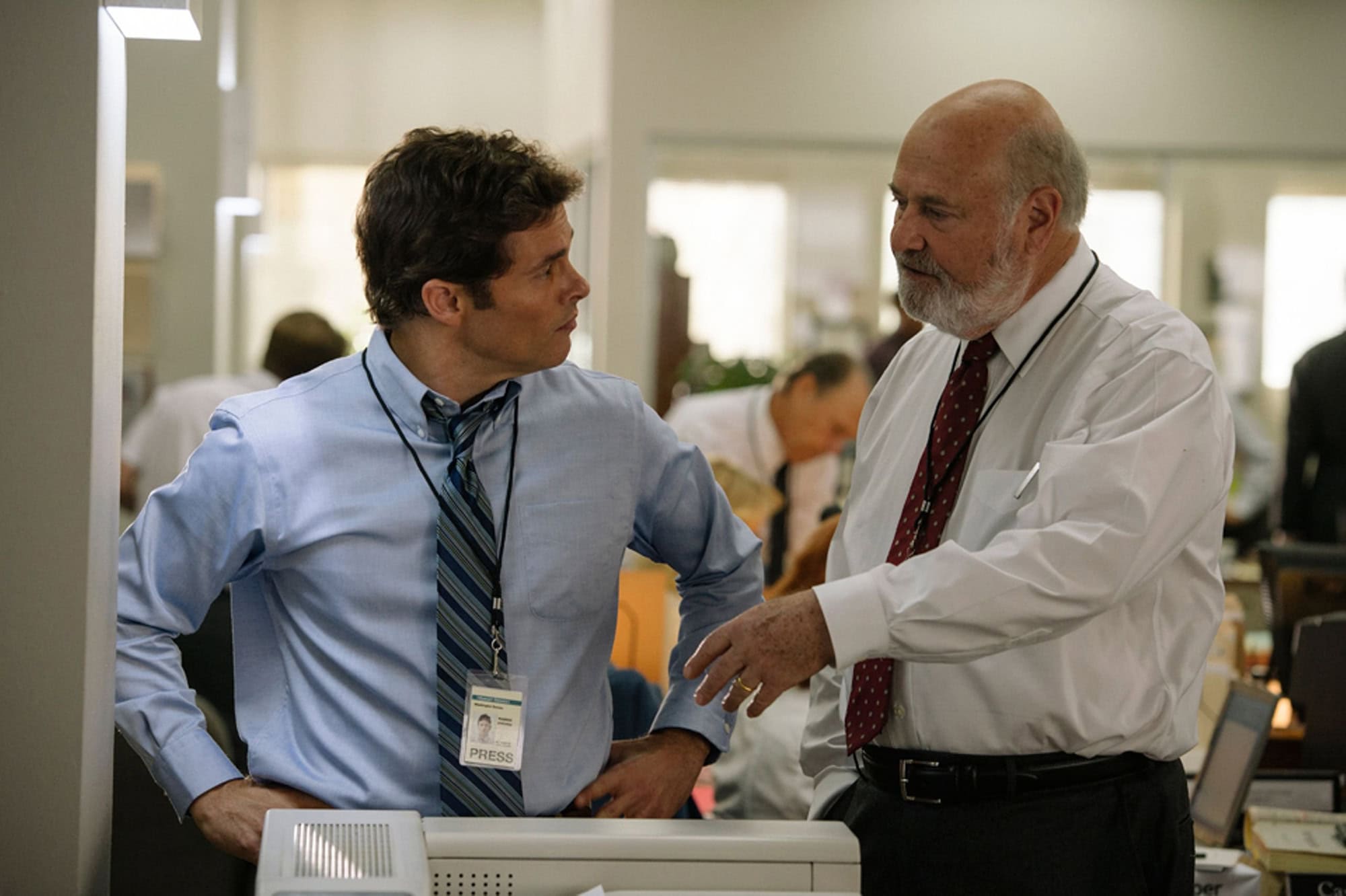
Reiner discusses the surprising new urgency that his new film took on after the 2016 election.

Burnham discusses how his film is an extension of his comedy work.

It’s clear that at 70, the trail-blazing author of the seminal work Gender Outlaw is still a formidable force to be reckoned with.

We spoke to the Belgian-born titan of the theater about the experience of bringing new life to Visconti’s provocative The Damned.

Van Sant discusses the long road in bringing late cartoonist John Callahan’s life to the screen.
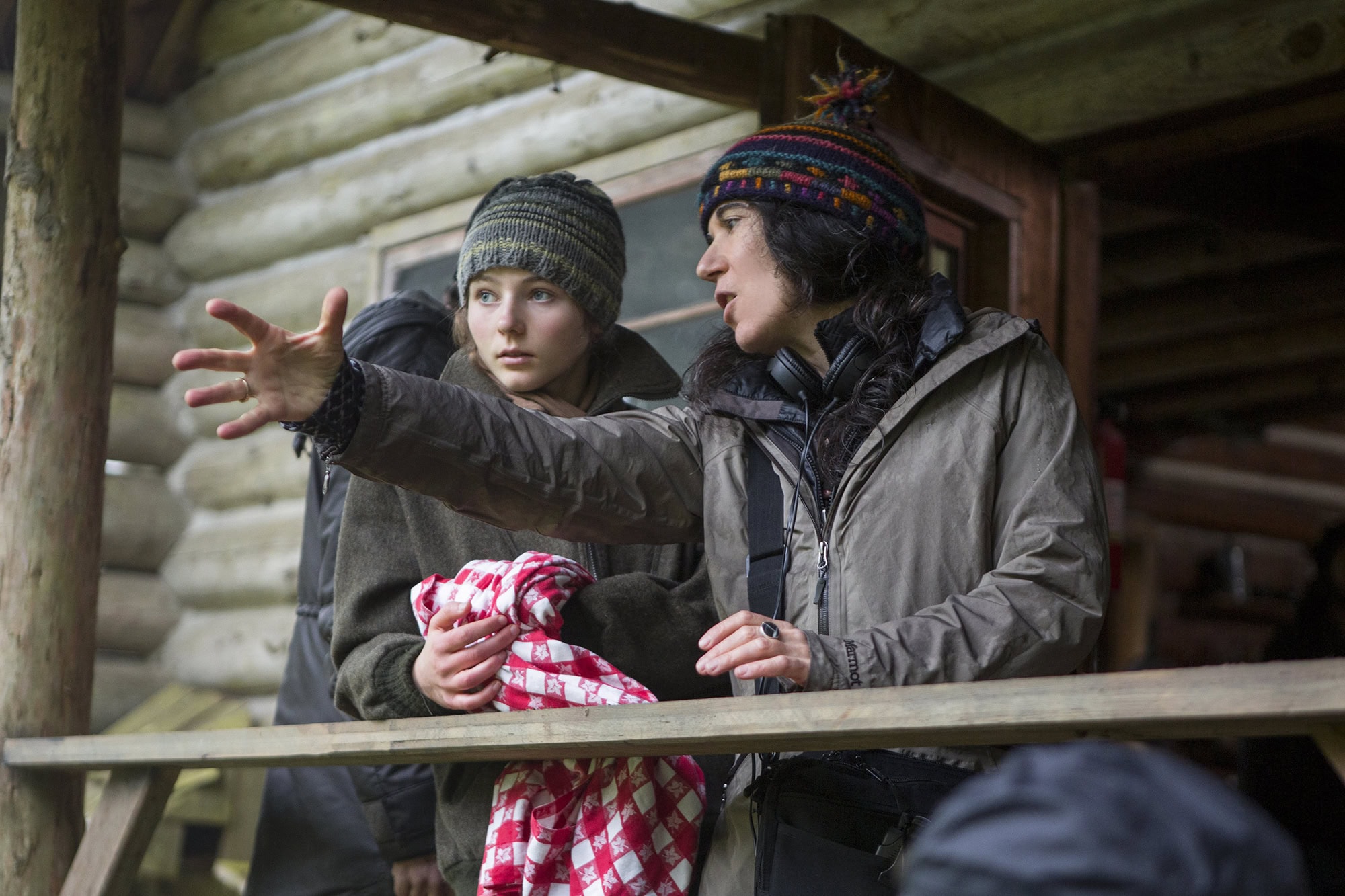
Granik talks about how she learned to connect with those in the heartland.
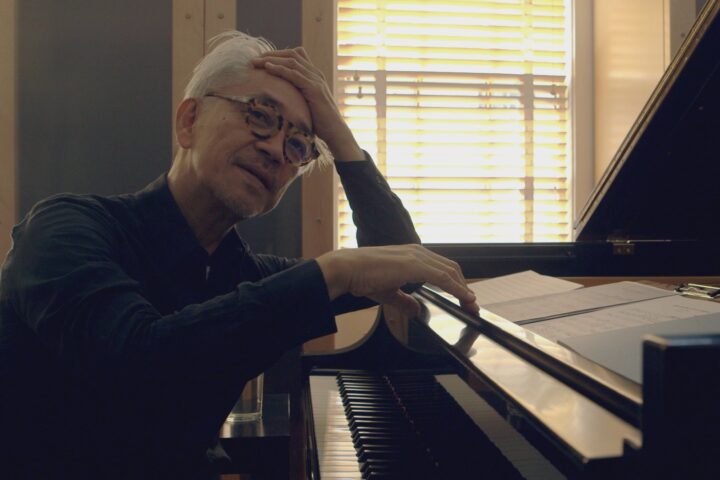
The acclaimed musician discusses his fight against cancer and his unique approach to music.

Legrand discusses how his filmmaking connects to pressing social issues off screen.

The actress discusses how she’s learned to protect herself from the afflictions her characters endure.
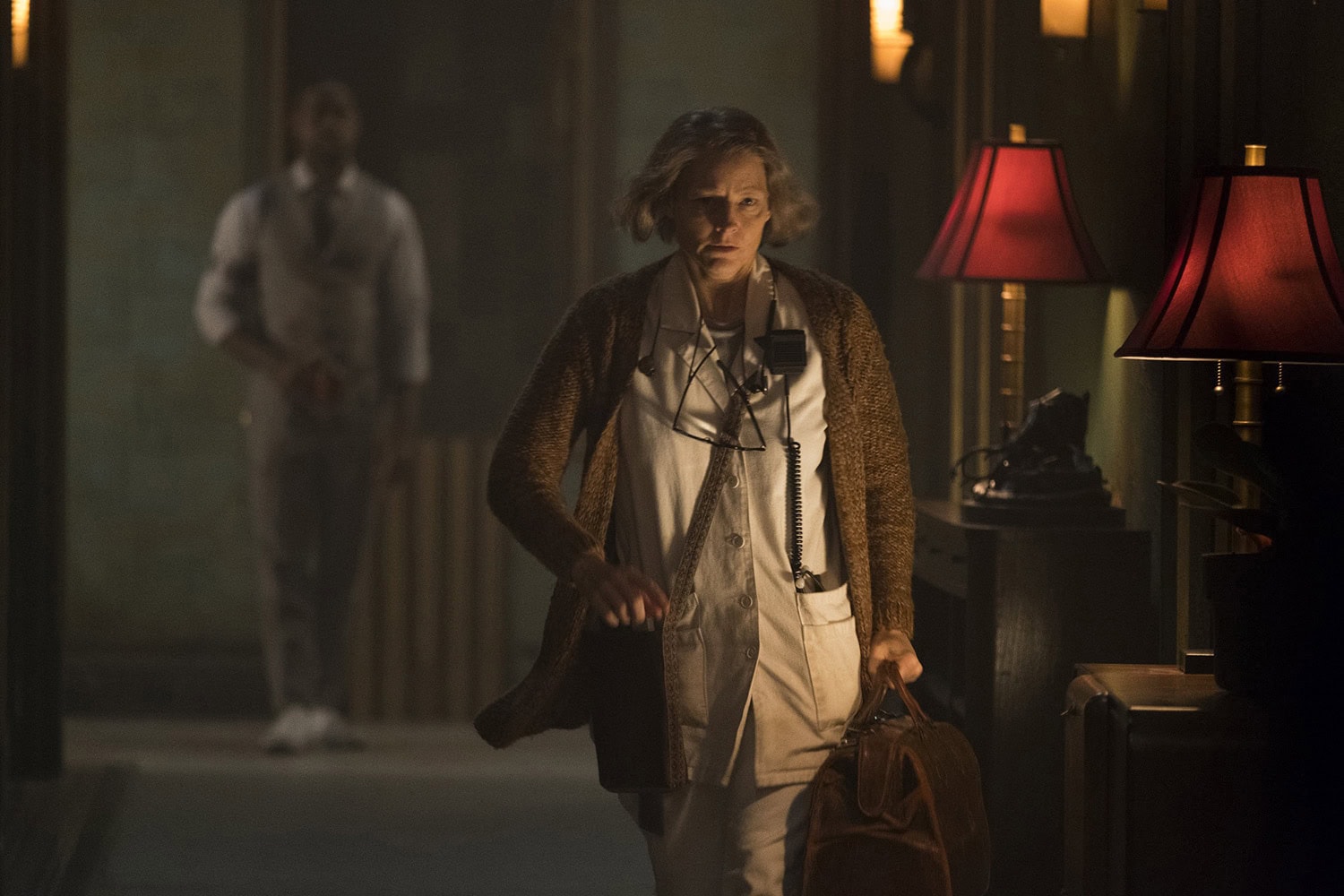
Foster discusses her relationship to genre films and the alternate lives she kicks herself for not having led.
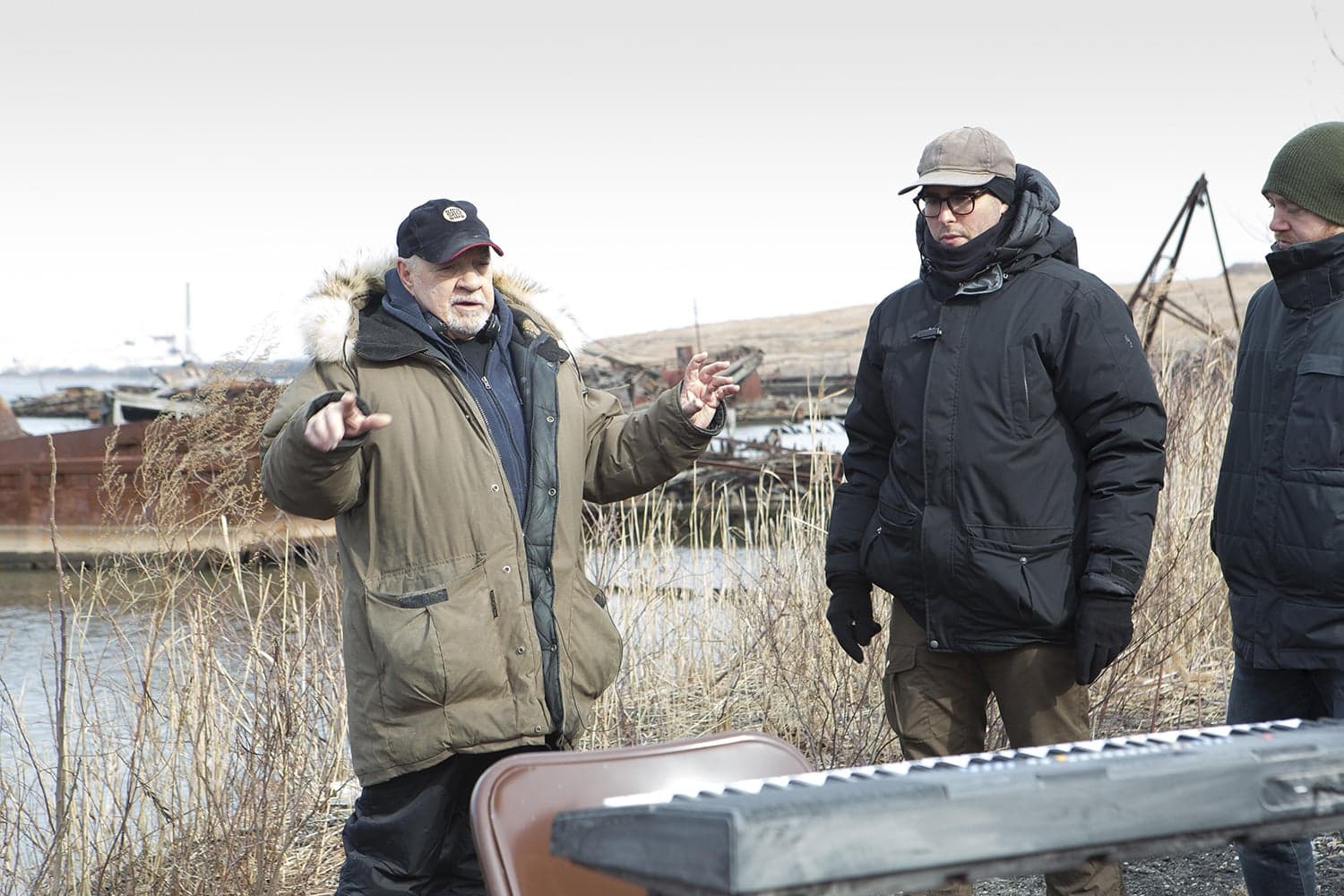
Schrader discusses when an artist should show his internal critic the door.
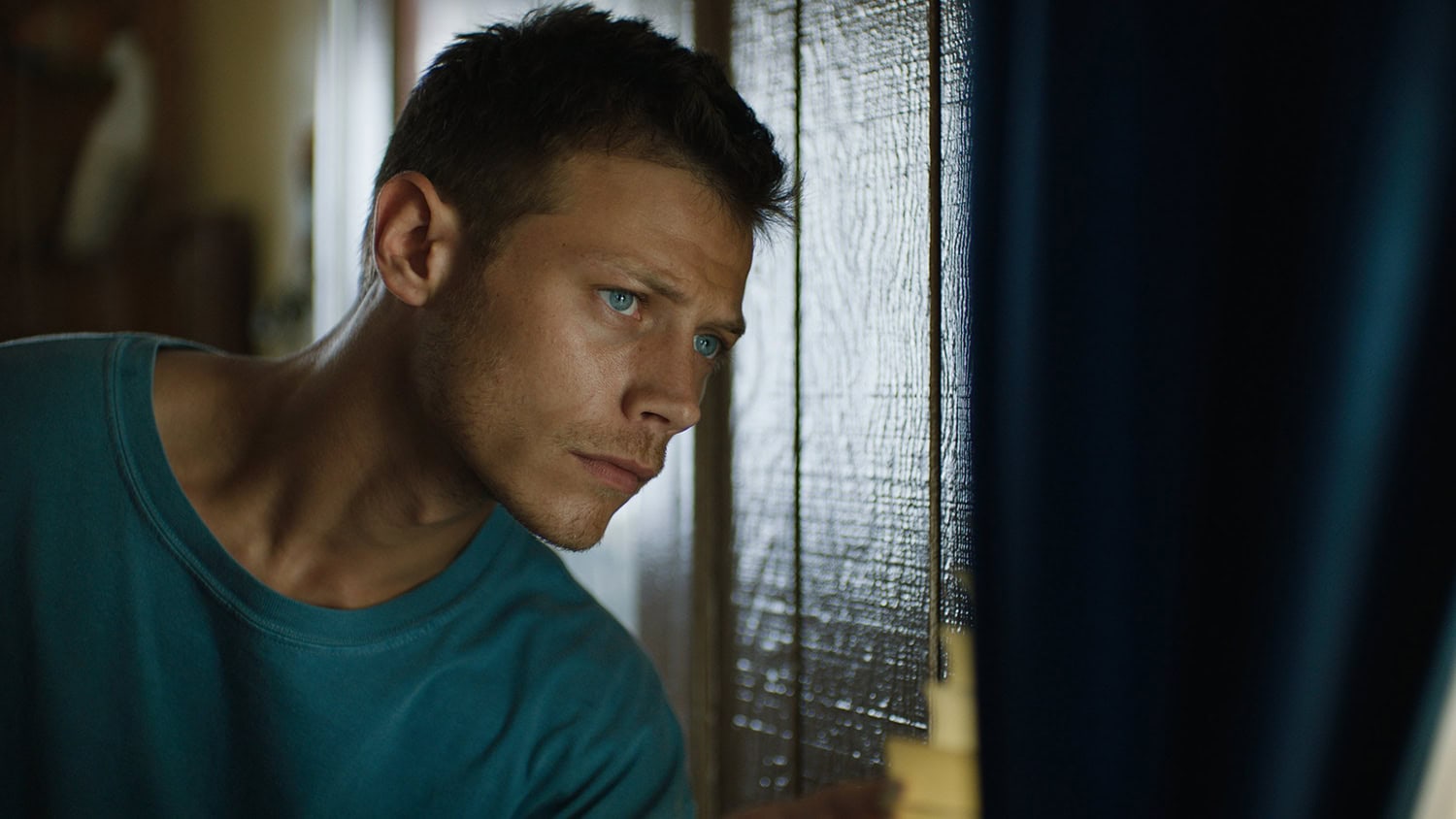
The actor discusses the social fabric of Matthew Porterfield’s film and growing up in Baltimore.