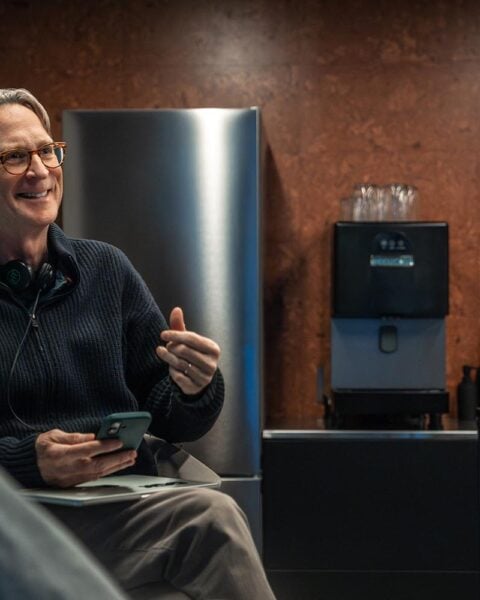
McElwee discusses, among other things, his new film and staring down the loss of his son.
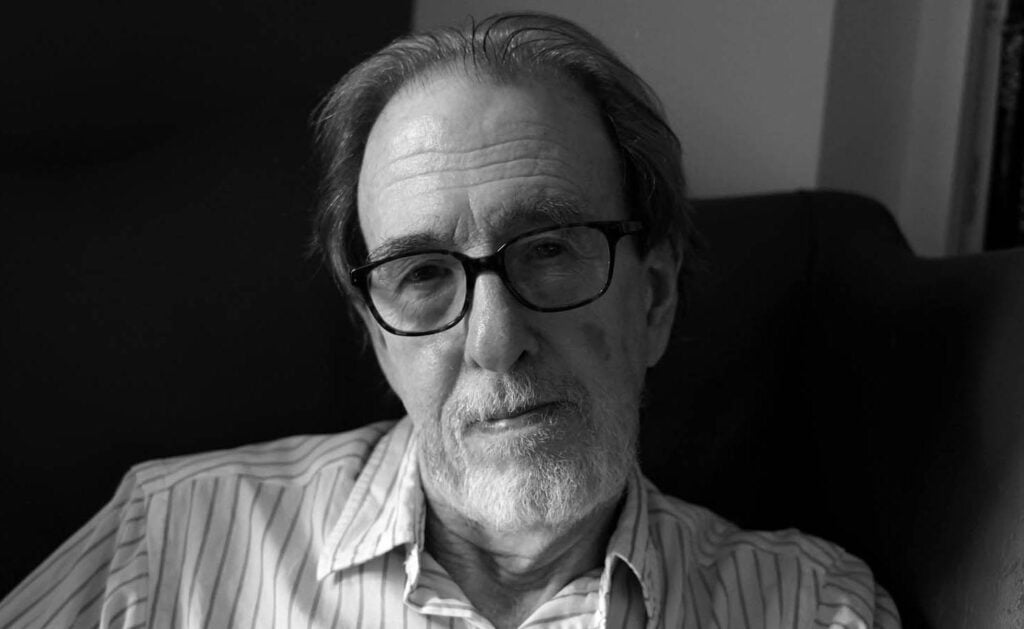

McElwee discusses, among other things, his new film and staring down the loss of his son.
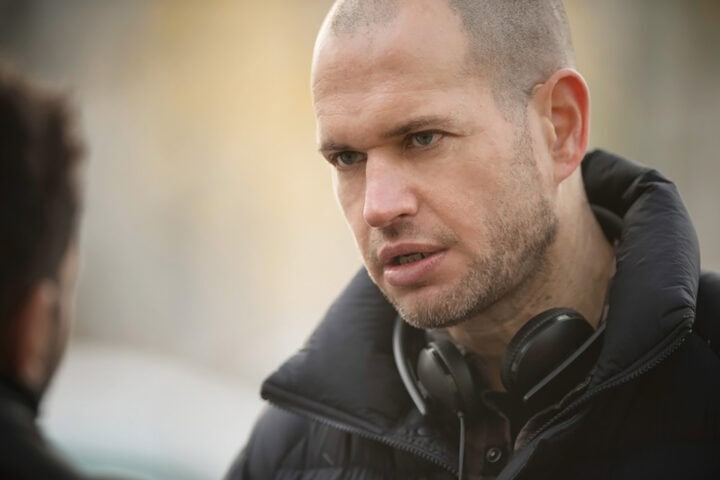
Lapid discusses how he sought to confront audiences with questions about belonging, nationalism, and identity.

Zombie discusses how he corrals his films’ furious sense of energy and how sex appeal can trump common moral sense.

Hoberman discusses how the art of filmmaking, and the business of moviegoing, influenced, mirrored, and altered Reagan’s presidency.
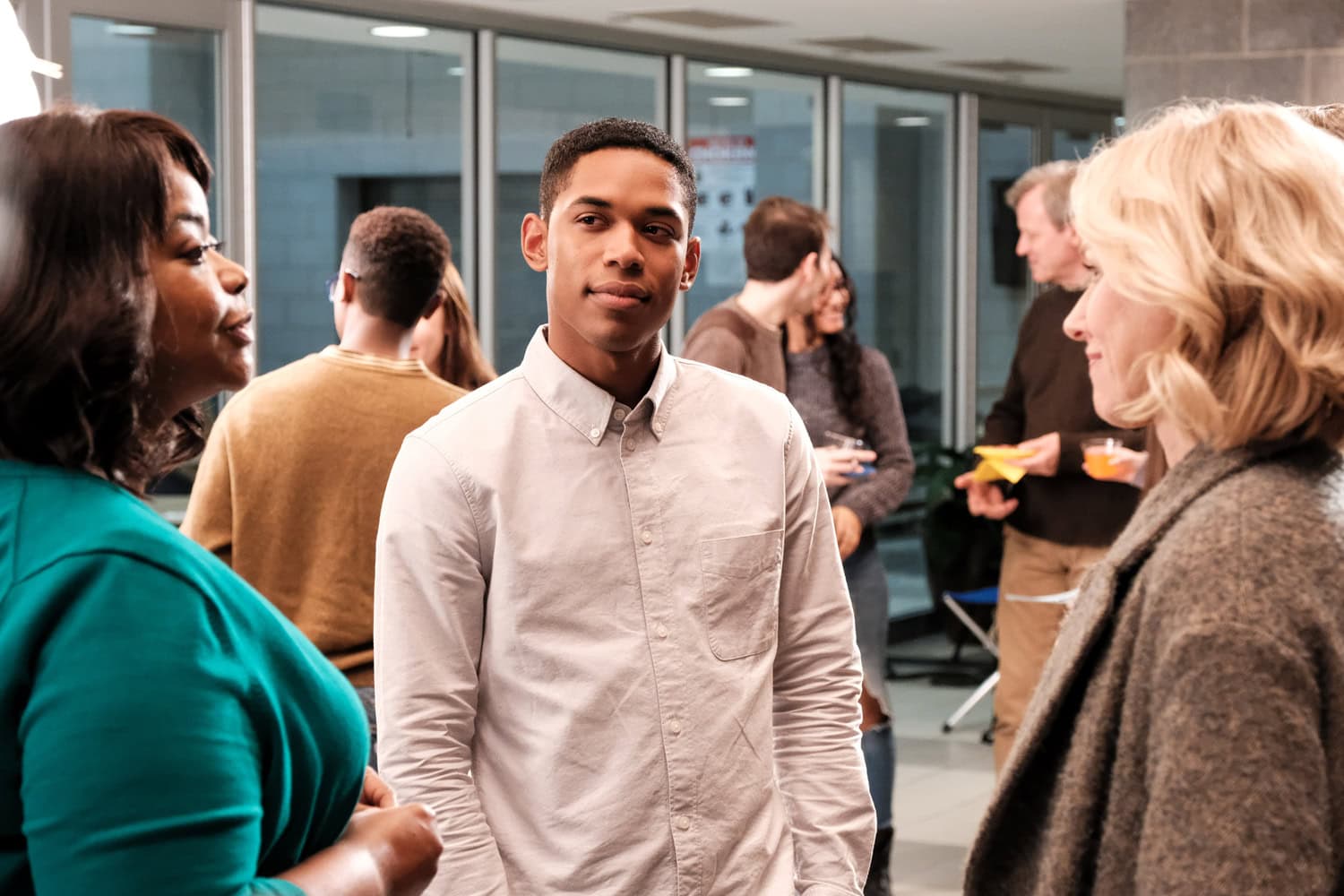
Onah and Harrison discuss their approach to creating the film’s central character and how they navigated his many dualities.

The filmmaker discusses his latest, and his antipathy toward the mass machine of modern pop culture.

The actress discusses her connection to New York, working with director Daniel Sullivan, and more.

Maron discusses modern media discourse, the communicative bridge linking his acting with his podcast, and how he likes to be directed.
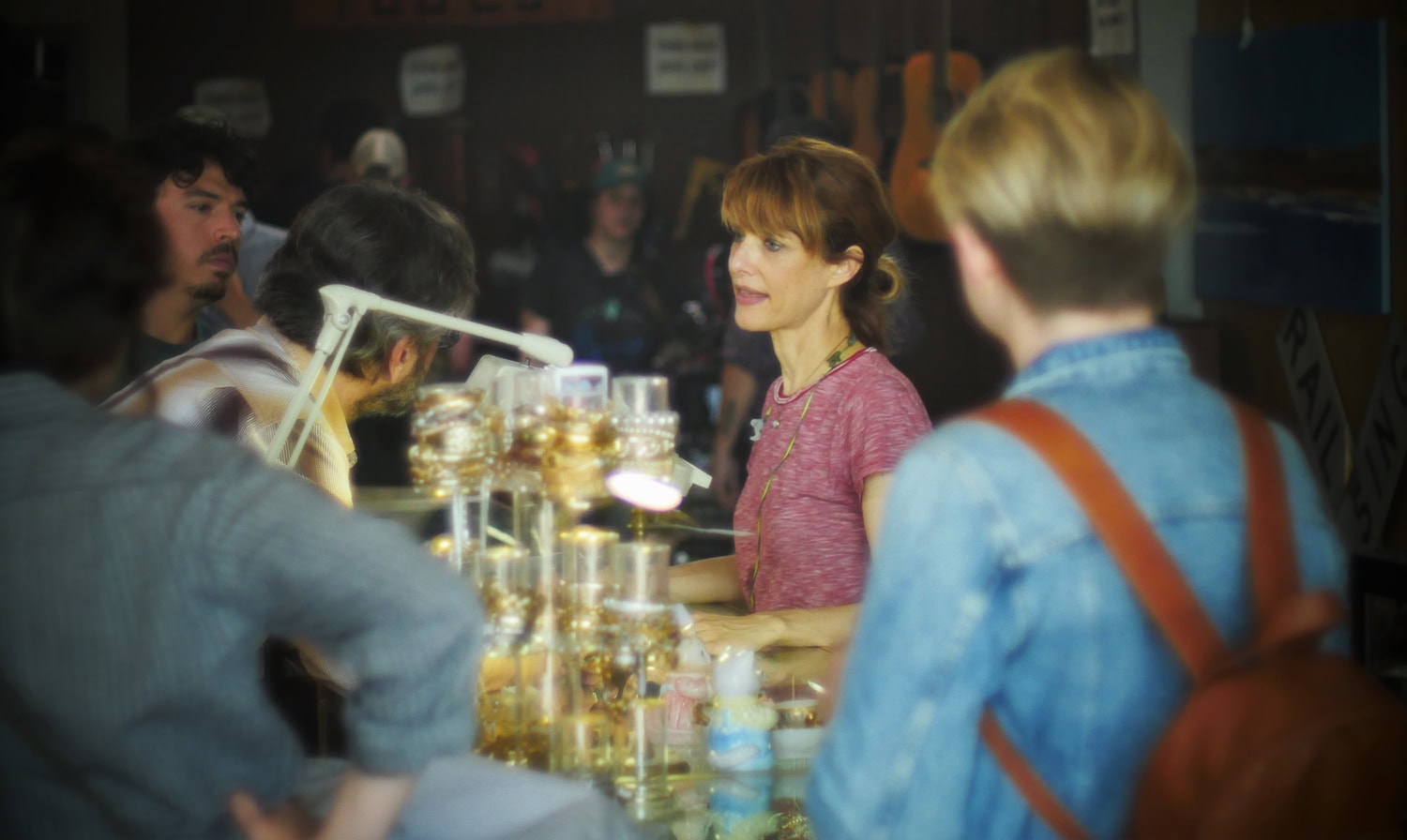
The filmmaker discusses how she wants viewers to feel like they’re paratrooping into her characters’ lives.

Tremblay discusses how horror can be a progressive, hopeful way to understand the world.
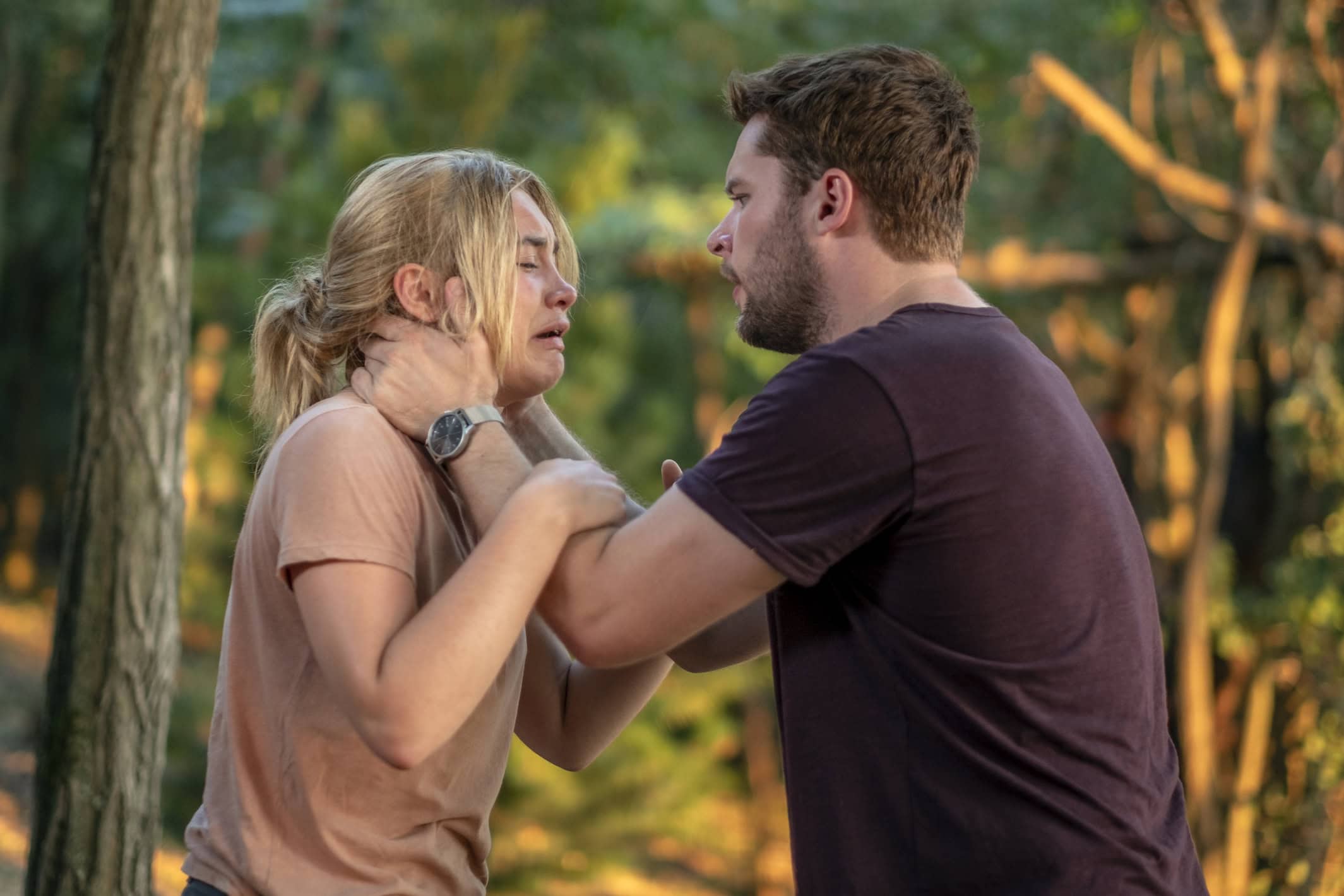
It’s been a whirlwind for Reynor to process the wide swath of reactions sparked by his character in the film.
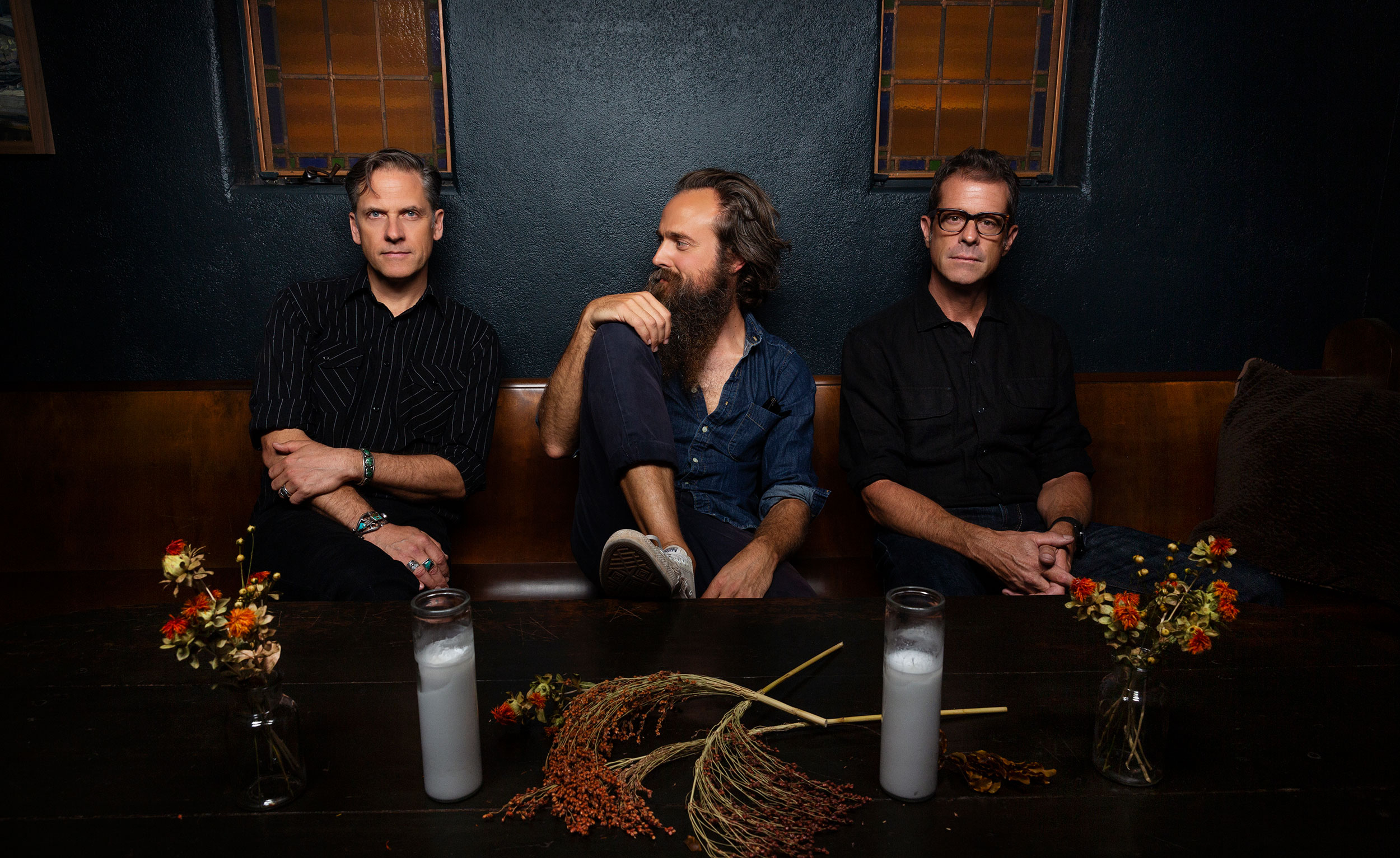
Joey Burns and Sam Beam spoke with reverence about each other, revealing their multifaceted relationship.

Fails and Talbot live and breathe their city, even as its dominant tech industry is wiping away its offbeat majesty.

The dramatist and his husband, producer Tom Kirdahy, discuss what makes Frankie and Johnny so enduring.
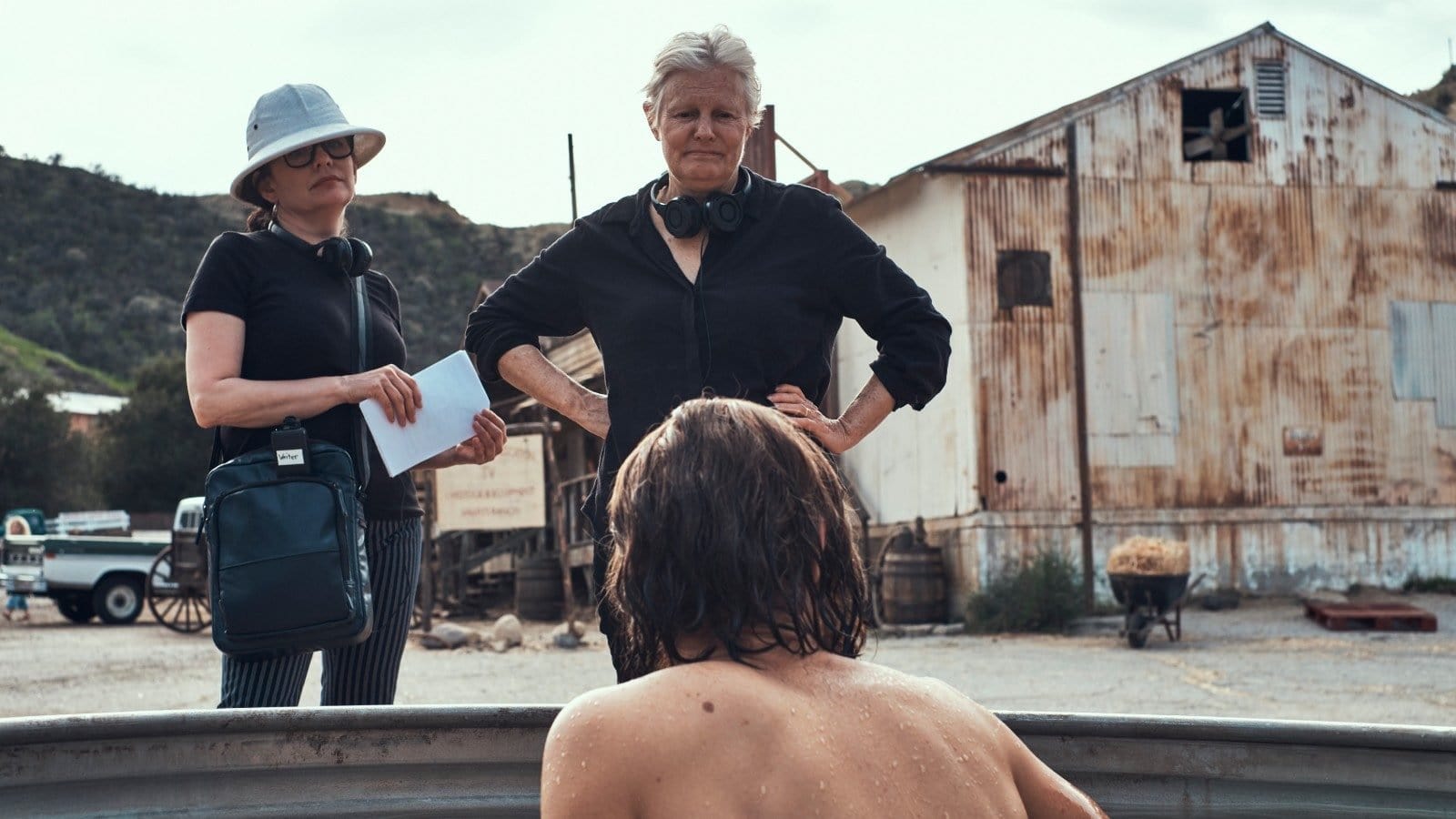
Harron’s background as a journalist and critic was apparent as we discussed her latest film.

The actors and filmmaker discuss the father-son relationship at the heart of the film.

Fiennes discusses his affinity for Russian culture and exploring Nureyev’s life in nonlinear fashion.

The Chinese filmmaker himself appears not to suffer any pressure to separate the experience of the film from his own visual ideas.

The director and actor discuss how the film’s main character progressed from Denis’s imagination to Pattinson’s realization.

Leigh discusses the seemingly counterintuitive process of making a period film more contemporarily relevant by fully embracing the past.
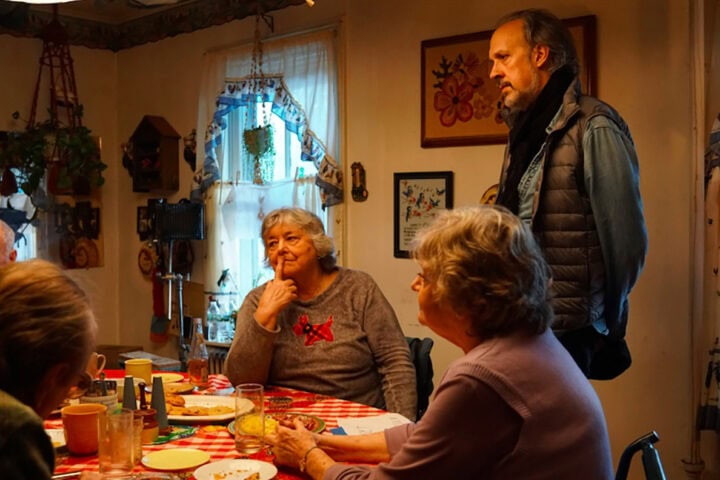
Jones discusses how he and his collaborators were able to inform Diane with such verisimilitude on a limited budget.