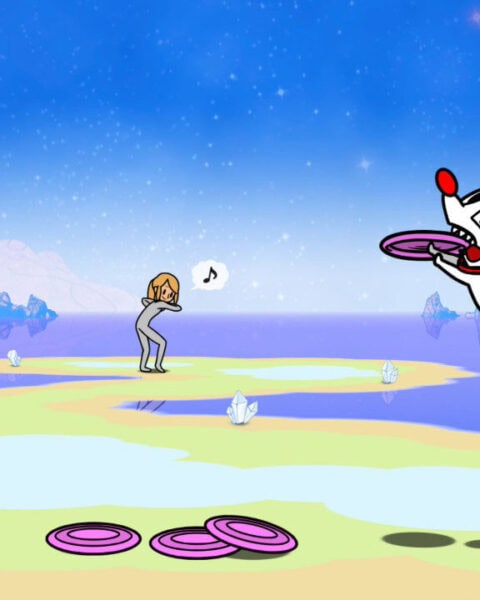
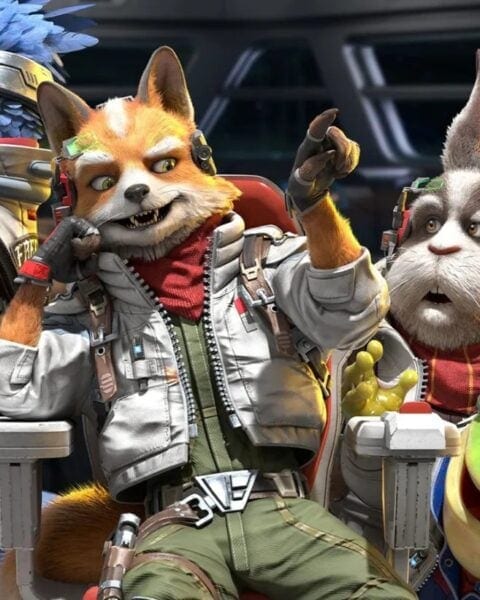
This is a modern game that embodies the spirit of the Dreamcast in totality.
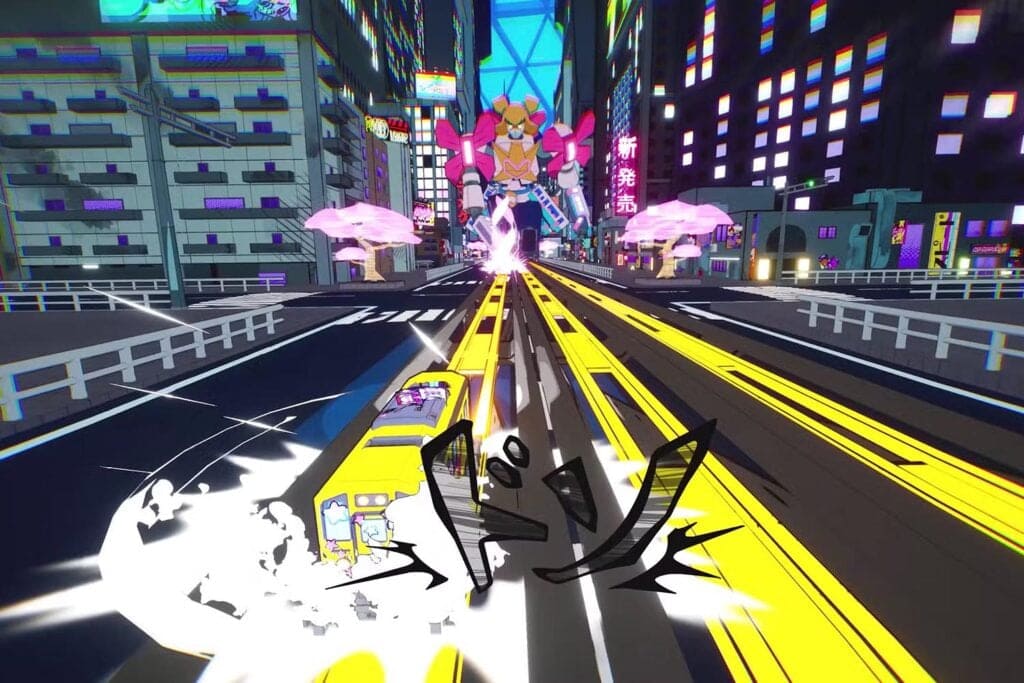

This is a modern game that embodies the spirit of the Dreamcast in totality.

A successful tech demo that allows one to truly feel like Iron Man, the game is also a strong superhero narrative in its own right.

The game displays a thorough, haunted understanding of what cruelty for cruelty’s sake can do to the soul.

Making the old new again could be the mantra of this year’s gaming.
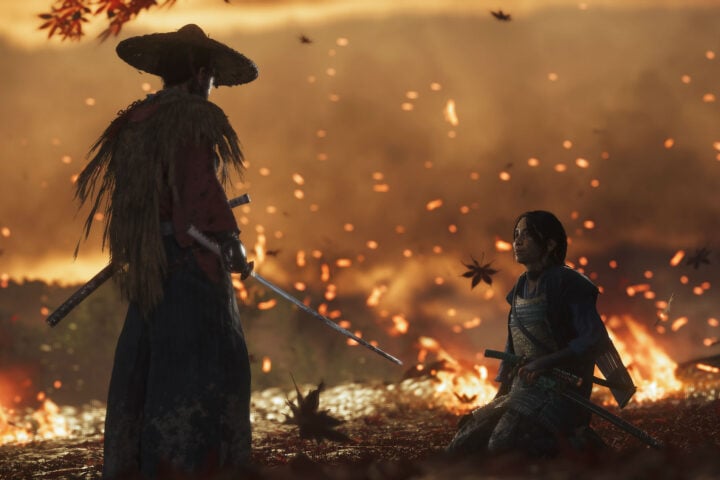
After a few exhausting months in the gaming world, July promises to be fun by comparison.
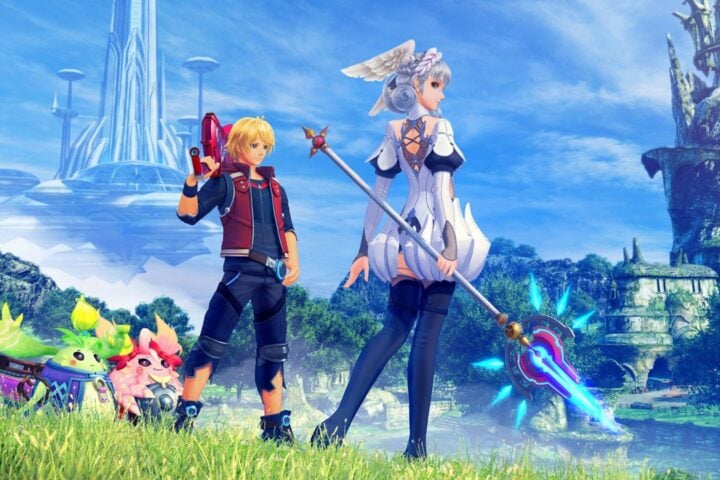
The most impressive thing about the game is still the strength and specificity of its vision.
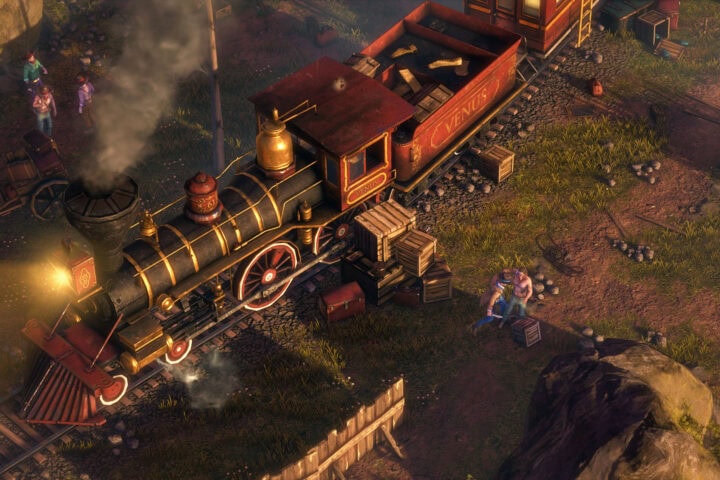
While the plot and characters in Desperados III may be familiar, each scenario feels distinct.

Its occasional pizzazz, including Shoji Meguro’s blissful J-pop soundtrack, is undermined by how hard it often is to actually look at the game.
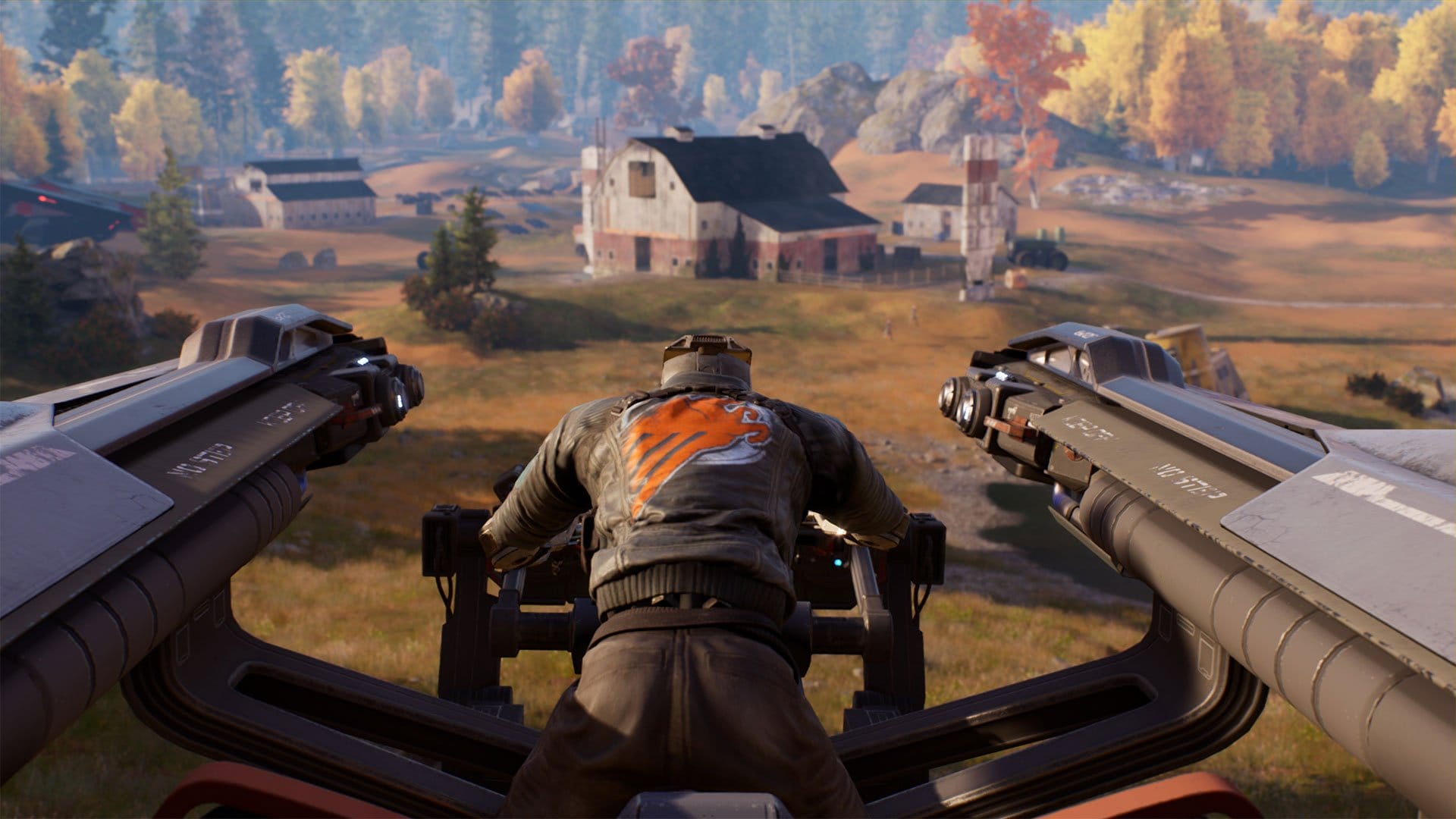
The game’s attempts to distinguish itself from other first-person shooters ultimately feel superficial.
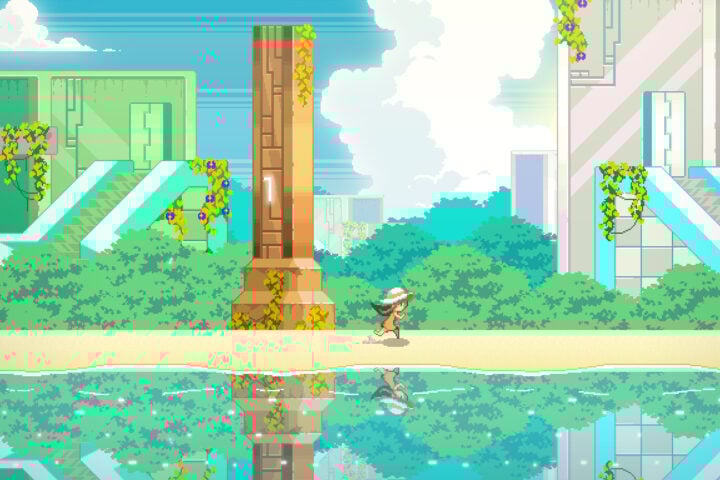
The scarcity of the game’s puzzles is frustrating, because, slight repetition aside, every one of those puzzles is cleverly designed.

It retreads the same ground of the prior games’ fetch-quest-driven, backtracking-filled action-adventuring.

The world of the game may be small, but it brims with a weird sense of life.

The game reveals its brilliance by constantly and subtly reconfiguring the emotions behind erasure.

There’s considerable joy to poking at the edges of its ingenious interlocking systems to see what happens.

The game’s campiness doesn’t extend to the shark combat, which flounders as a result of it mostly hinging on button-mashing.
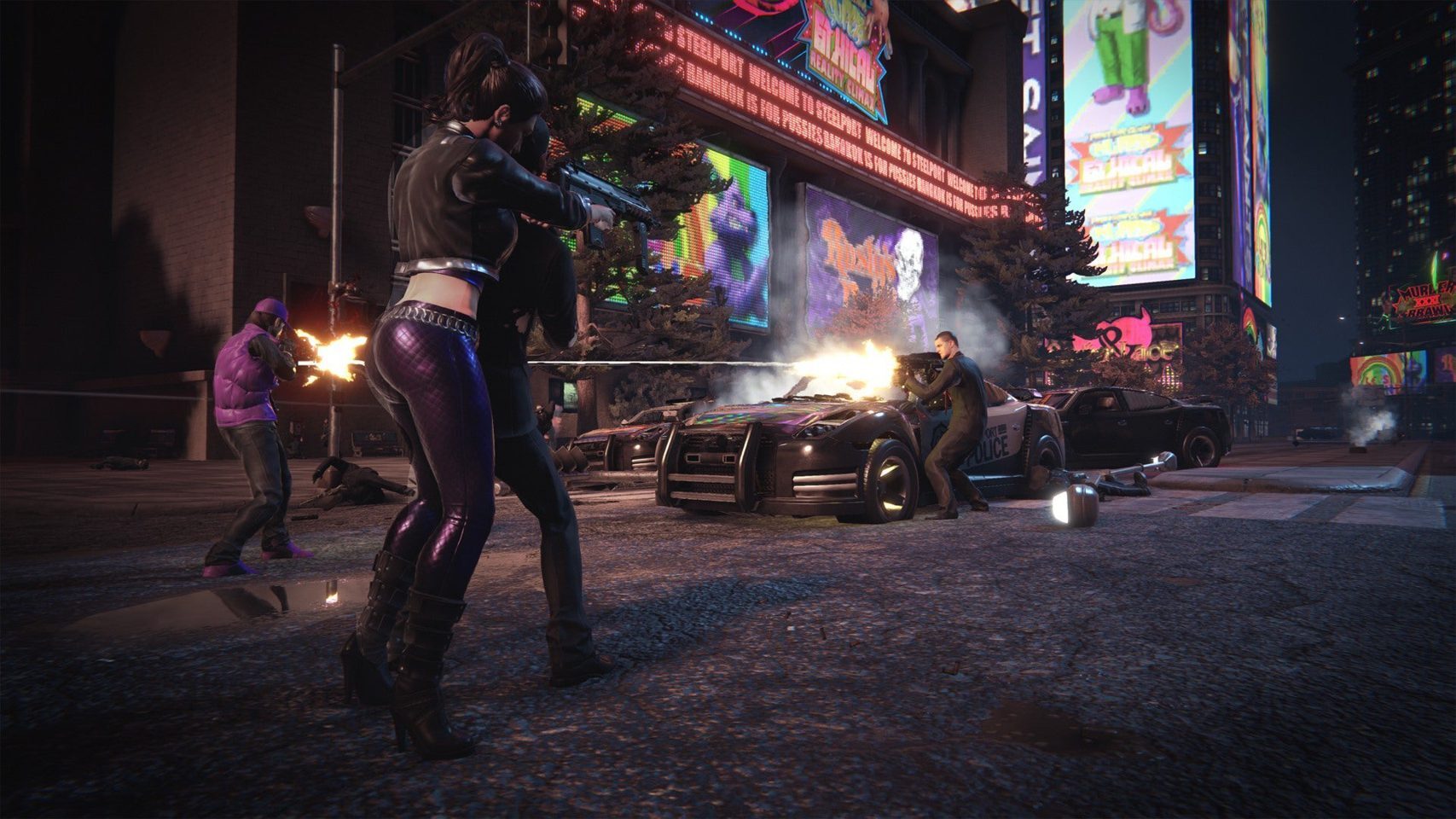
Saints Row: The Third is a game with an identity crisis, both within the context of its story and outside of it.

It has just enough bells and whistles to suck you into its world, but not enough to compel your immersion.

Right now, we’ll take whatever form of escapism we can get.

Its characters already lacked personality, and the 3D makeover is mostly successful at bringing that deficiency into sharper relief.

This is a game where the triumphs come from tiny marvels of efficiency and careful planning rather than kinetic skill.
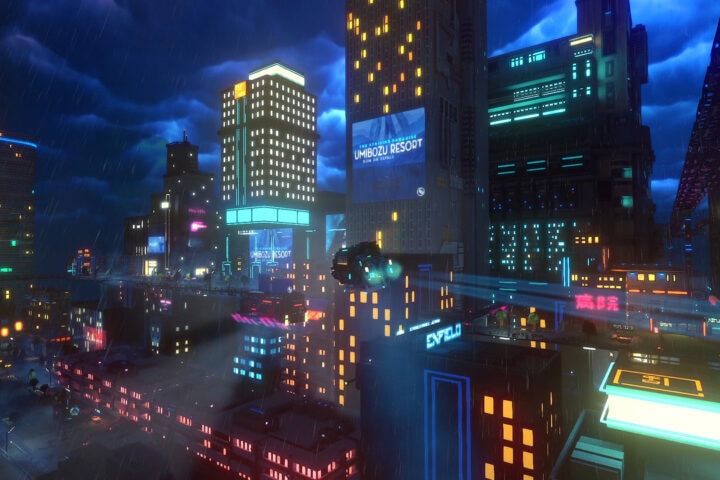
For Cloudpunk, hardship is merely the wallpaper for a pretty yet thinly conceived gaming experience.