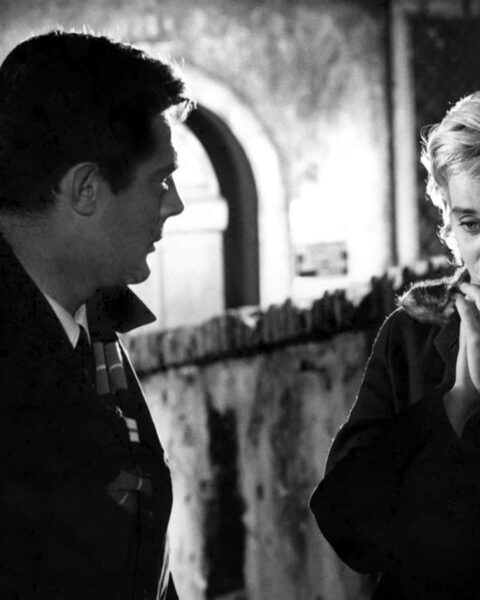
The film suggests David Lynch’s masterful mindfuck Inland Empire for the influencer set.


The film suggests David Lynch’s masterful mindfuck Inland Empire for the influencer set.
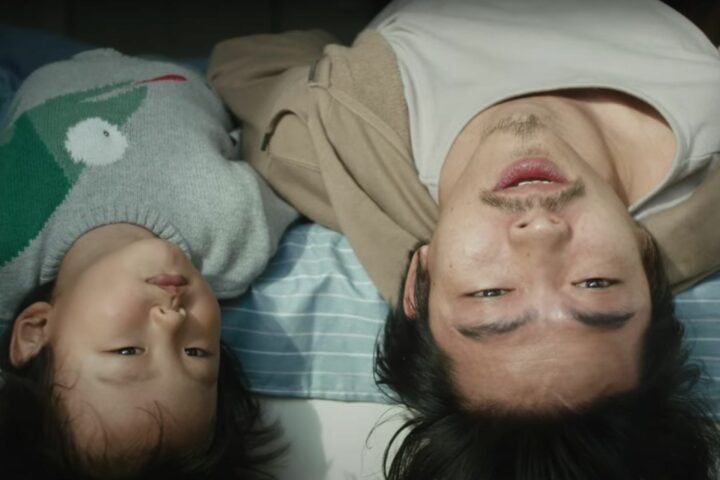
These shorts capture everything from how fear of the unknown can rewire relationships to how the natural world exerts its pull on us all.

The film’s disarming romcom sensibilities are an unlikely yet fitting vehicle for timely ruminations on AI.

Eloy de la Iglesia used genre entertainment to take on the fascist ideologies that enshrined family, church, and state.
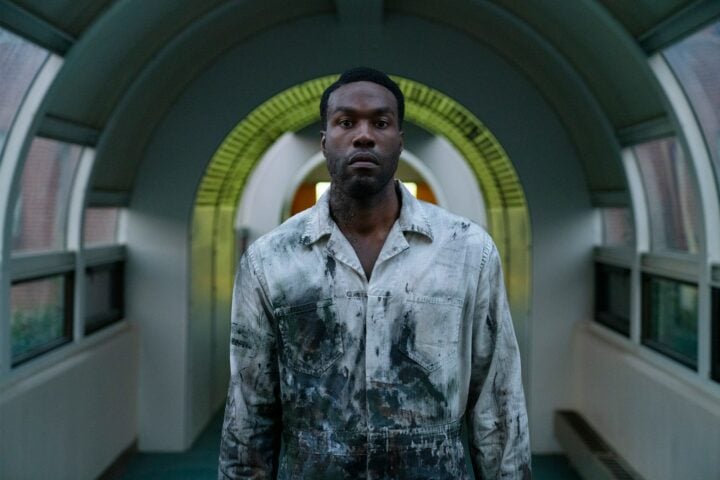
Resistance is possible, director Nia DaCosta’s Candyman suggests, but it isn’t always pretty.

The film hauntingly suggests that a man’s most rational move in a rigged society is to fade away into the ecosystem.

On screen, Shang-Chi is rotely defined by the same “gifted kid” impostor syndrome as so many other self-doubting MCU heroes before him.

Together’s dramaturgy perfectly, if unintentionally, underscores the suffocating nature of pandemic living.
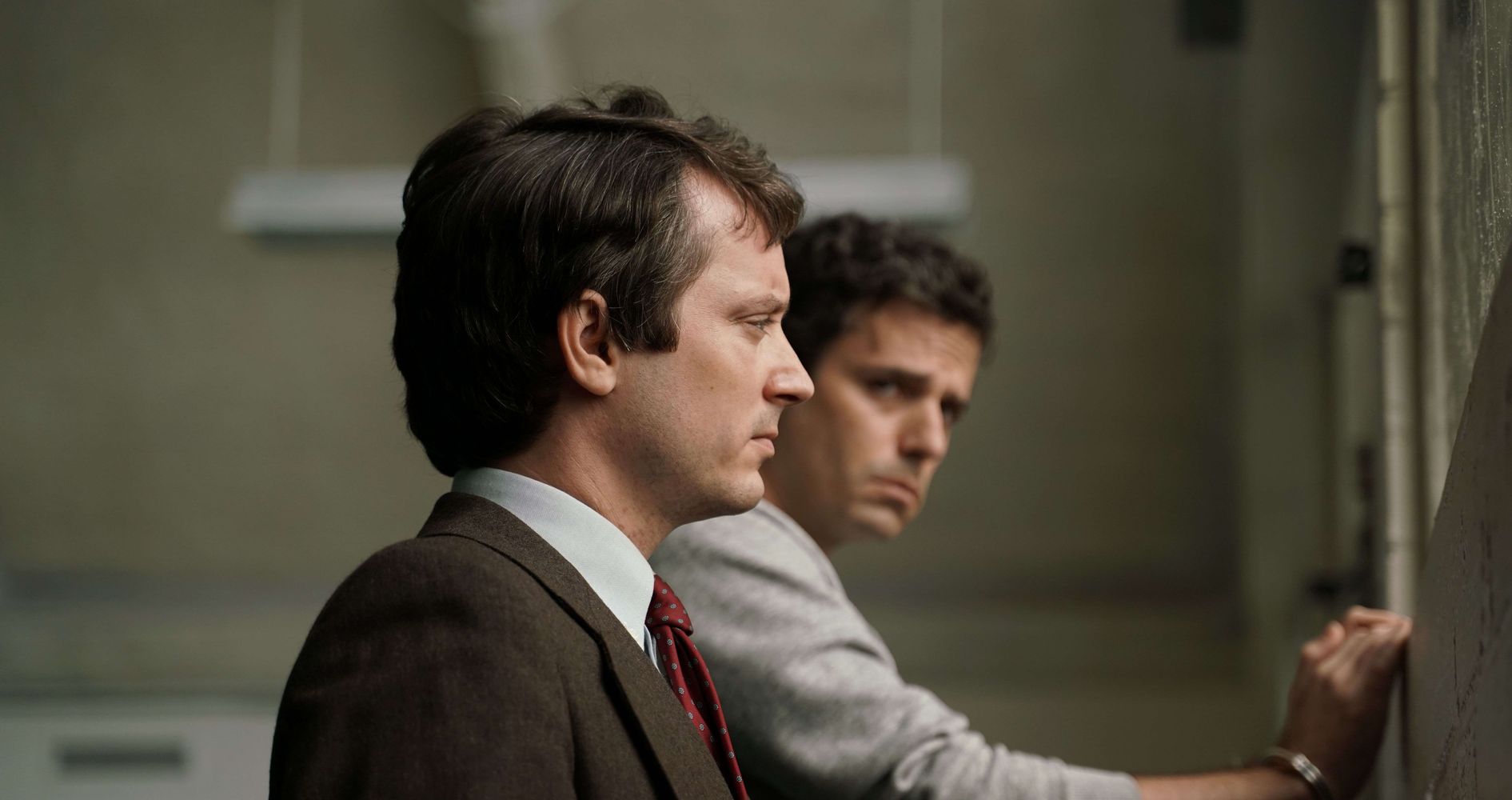
As an exploration of the misogyny that drove Bundy’s crimes, Amber Sealey’s film mostly falls short of its potential.
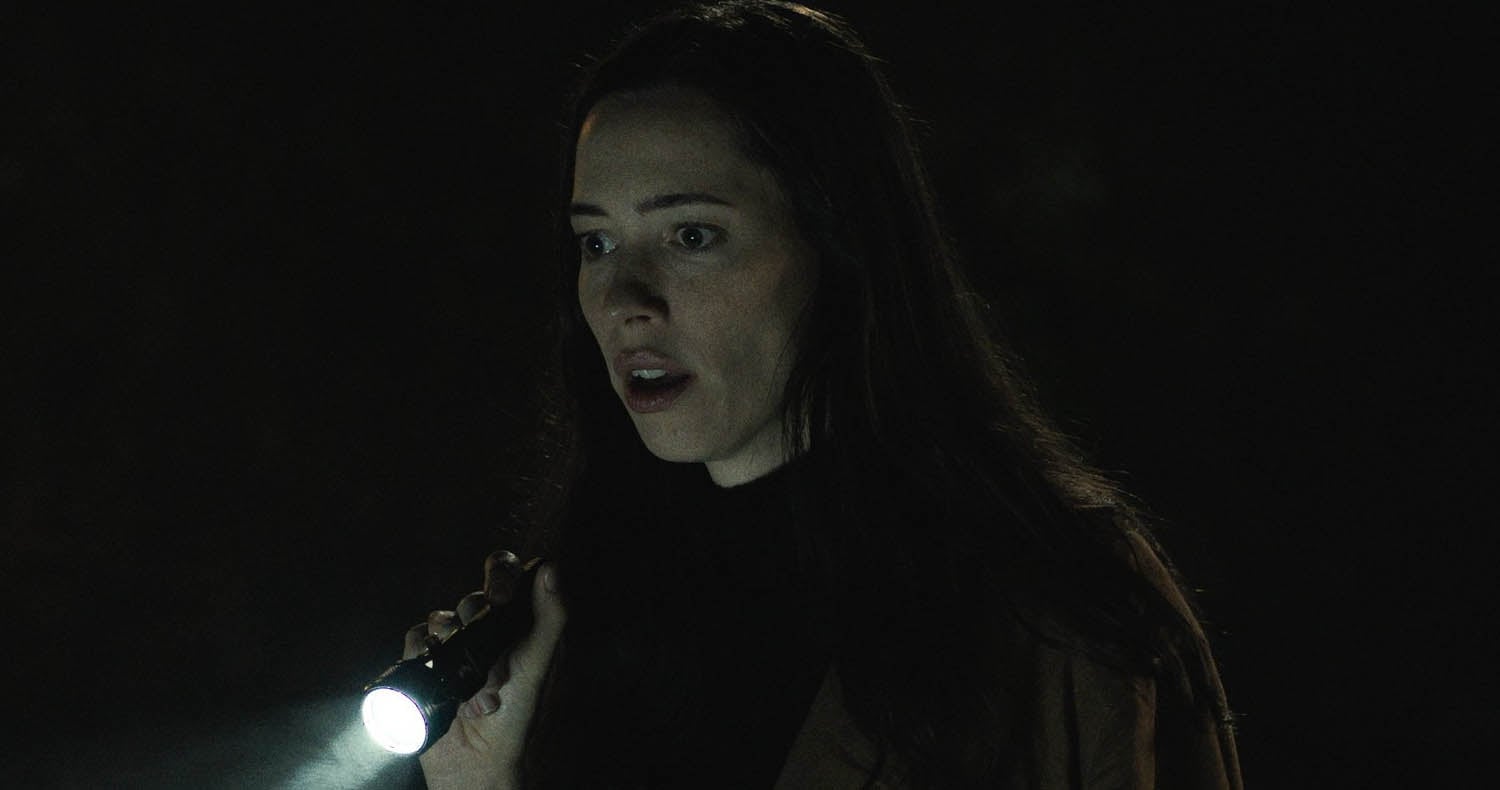
Rebecca Hall discusses why she enjoys doing puzzle box movies, and how she holds ambiguity in her performances, and more.
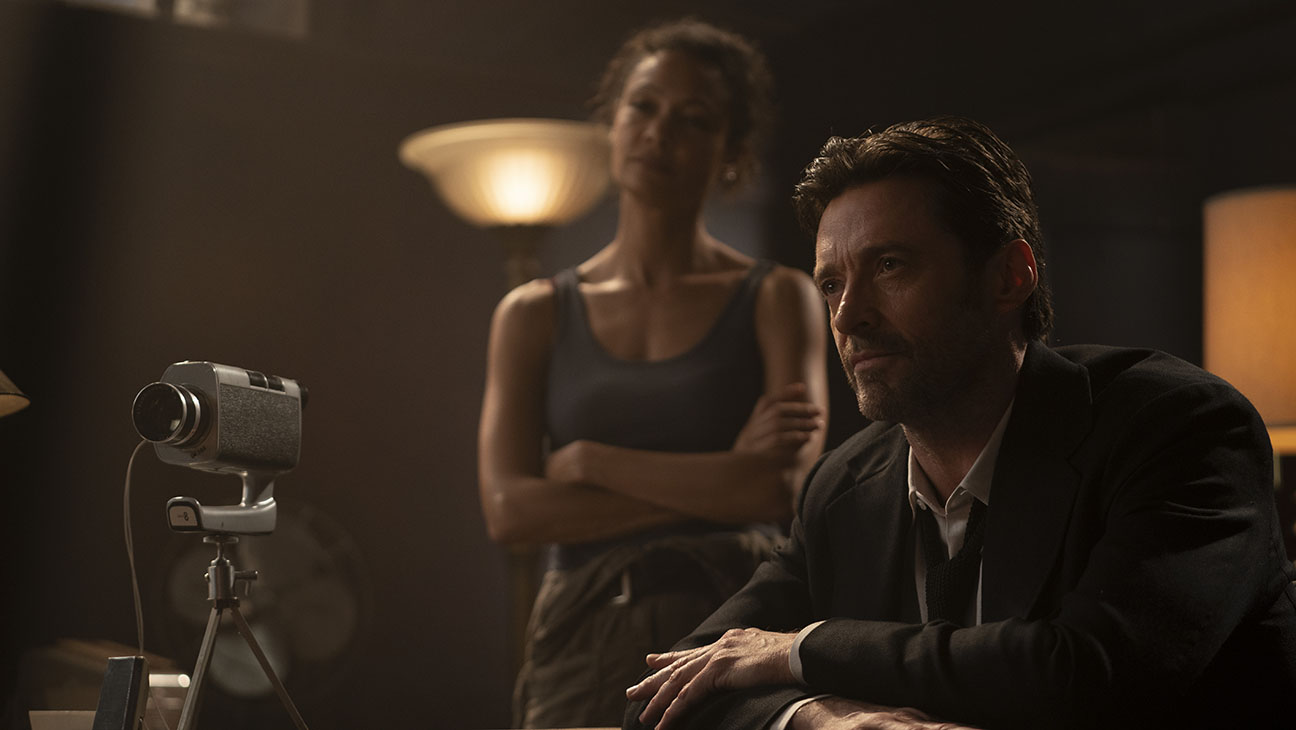
Reminiscence’s noir adornments inadvertently feel closer to parody than loving homage.
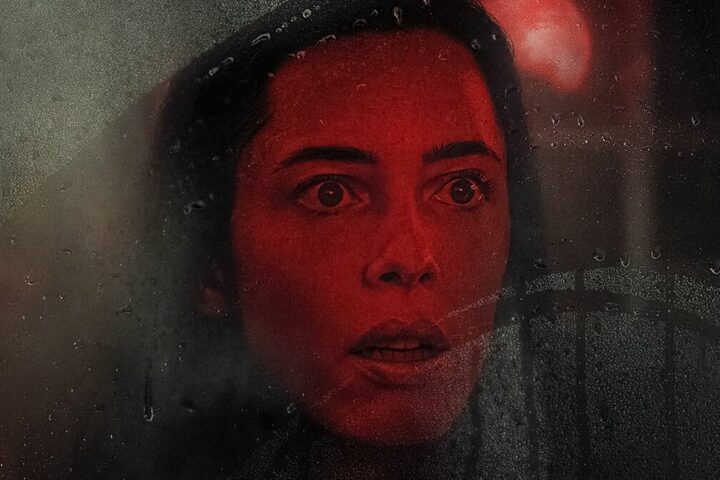
The film upends the clichés that practically define the ghost story in surprising and intriguing ways.

The film raises pertinent questions about Mexico’s mixed cultural heritage and the contested representation of reality.

Like District 9, the film is a genre outing with big ideas that’s more committed to the power of arsenals and pyrotechnics.
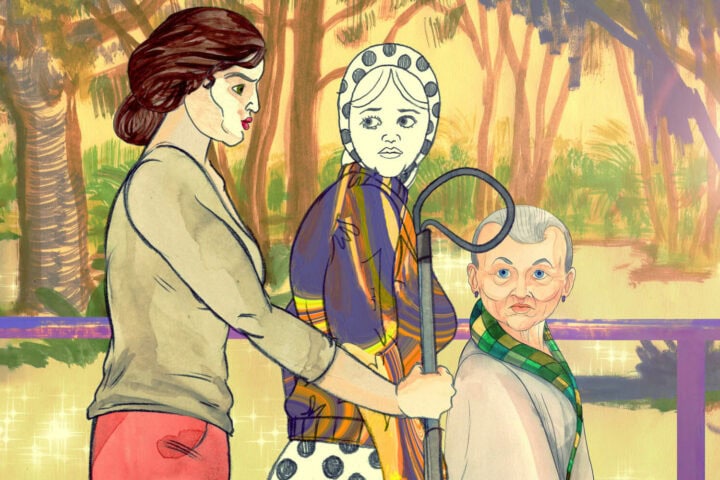
Dash Shaw’s deceptively simple animation regularly descends into phantasmagoria that delivers on his story’s strange premise.
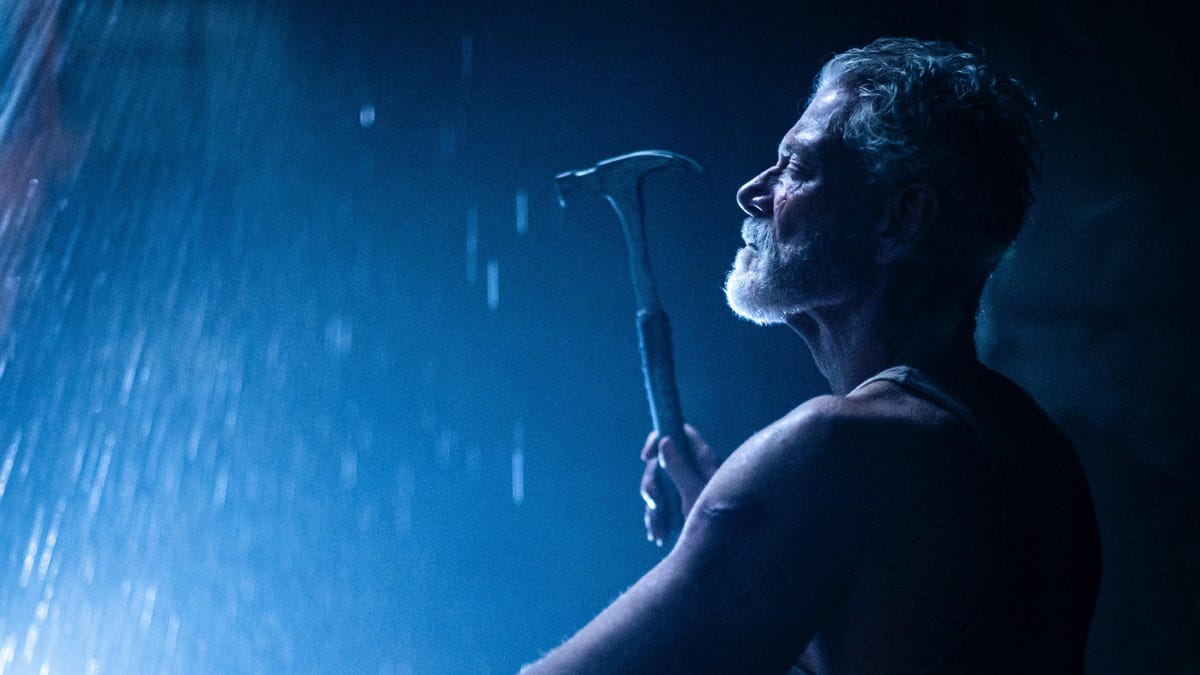
The film’s gore is just as likely to invoke fear as to serve as a killer punchline to one of Rodo Sayagues’s set pieces.

Despite the film’s narrow scope, it’s hard to not be impressed by the political and civic engagement of its teen subjects.

Though uneven, the film is clever about avoiding age-old conundrums regarding the disavowal of the language of horror.

The film reveals a pandemic to be an inevitable comeuppance for both China and the U.S.’s respective policy failures.
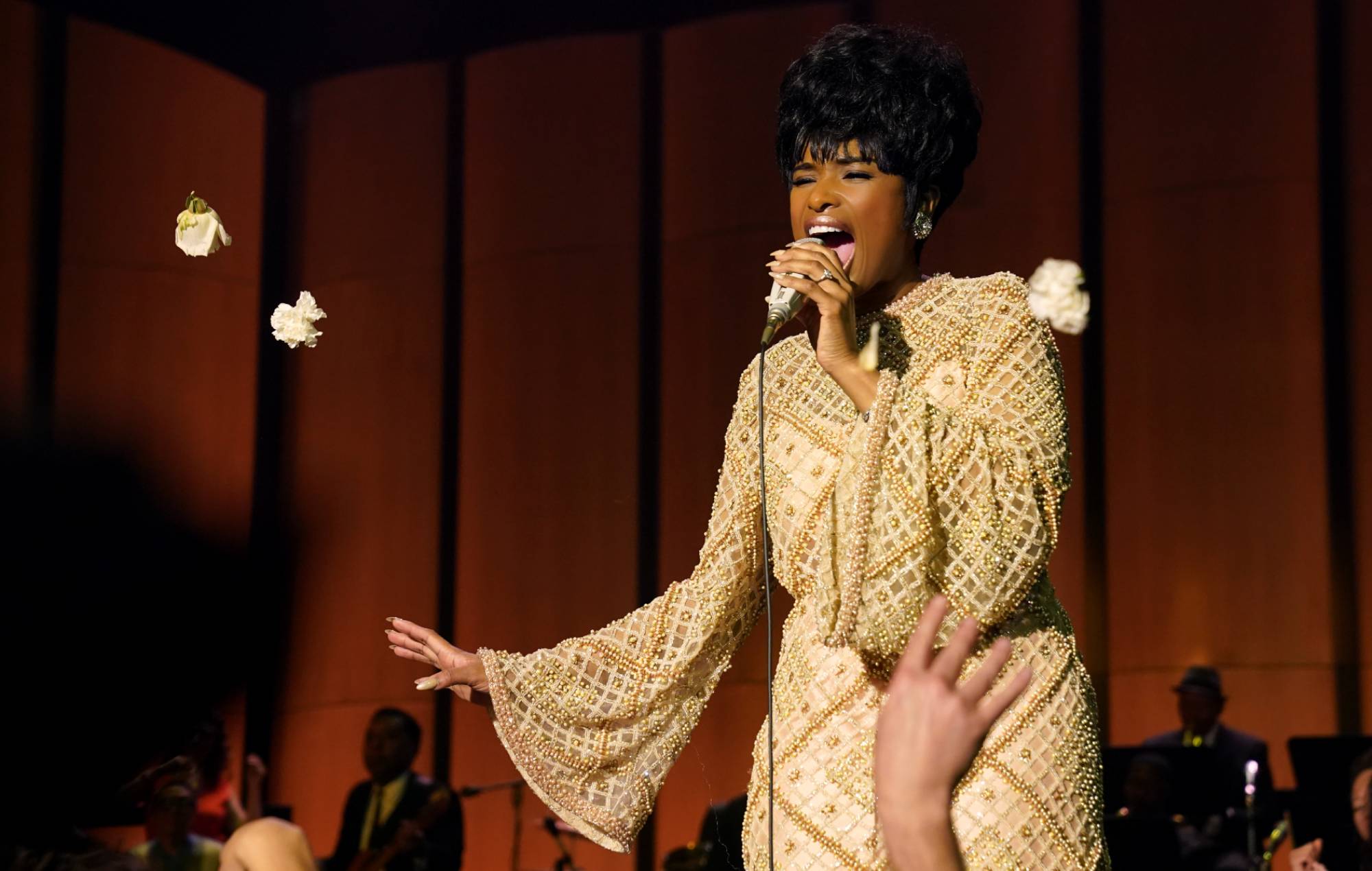
When Hudson is singing her heart out, not so much approximating Aretha’s voice as channeling her soul, the effect is transportive.

The film synthesizes the nihilistic tone of The End of Evangelion with the more hopeful terms of the anime’s original intended finale.