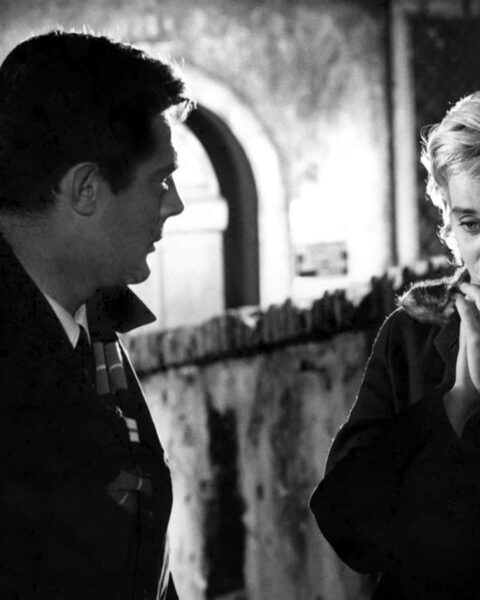
The film suggests David Lynch’s masterful mindfuck Inland Empire for the influencer set.


The film suggests David Lynch’s masterful mindfuck Inland Empire for the influencer set.
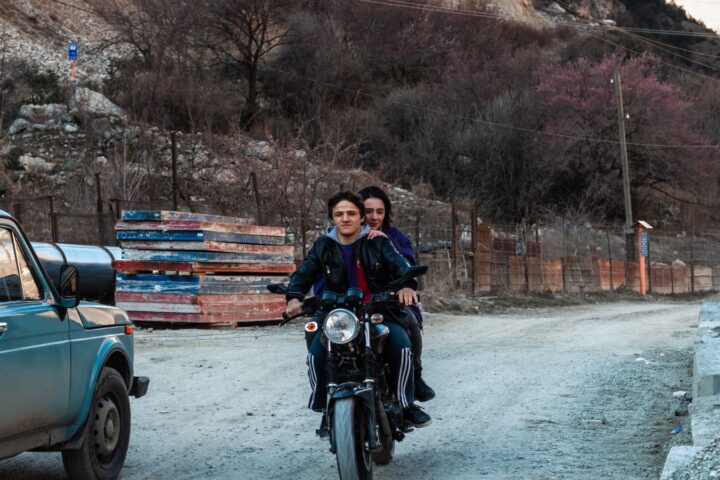
The film is a tale of how the desolation of a nation inhabits and engraves a woman’s body.

Wife of a Spy could use a streak of live-wire crudeness, a bit of melodrama delivered in an unselfconscious manner.

The film is marked by an empathetic understanding of the inkling of belief that can be exhumed from even the most rational of minds.

Pablo Larraín’s film readily conjures a paranoia-suffused atmosphere of fear for what might happen at any moment.

Ali & Ava once again showcases Clio Barnard’s uncanny ability to capture the insoluble complexities of life.

France indecisively utilizes a news personality’s crocodile tears as as symbolic of the bad faith that pervades news discourse.

The film thrillingly captures the social, economic, political, and material character of Rwanda in the age of global communication.

The film misses an opportunity to delve particularly deeply into the keenly relevant issues of inequality and social disconnection at its center.

Întregalde is a sharply drawn and subtle fable about the meaning of charity and the limits of altruism.

Michael Mohan’s preposterous fable exerts the dark pull of voyeurism itself.

The film’s largely painful humor is informed by the mistaken belief that the main characters’ criminal enterprise is inherently quirky.

Kate will leave you wishing that its narrative possessed the same attention to detail as its elaborately violent action set pieces.

Paul Schrader’s film grows more heated and crazed as the chaos of the past bleeds into a repressed present.
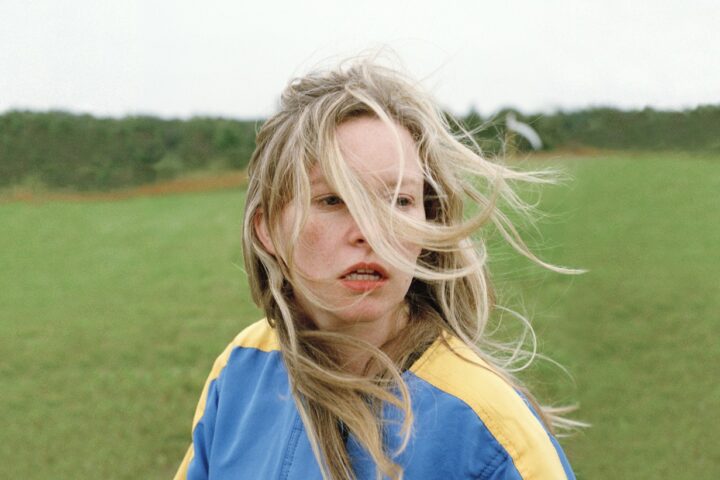
The film intimately immerses us in the psyche of a woman for whom each day is a minefield of uncomfortable interactions.

With an overload of winking, Kay Cannon’s Cinderella displays a contemptuous attitude toward fairy tales in general.

Memory House makes no secret of its disgust for neocolonialism, capitalism, or fascism.

This grimly self-serious tale of violent destiny is consistently drowned out by Vicente Amorim’s overreaching visual style.

The film ultimately trades its main character’s account of her own suffering for her therapist’s pathologizing assessment.

We Need to Do Something mainly succeeds at suggesting a more compelling film beyond its bathroom walls.

The film’s poignancy derives from its profound understanding of its main character’s identity crisis.