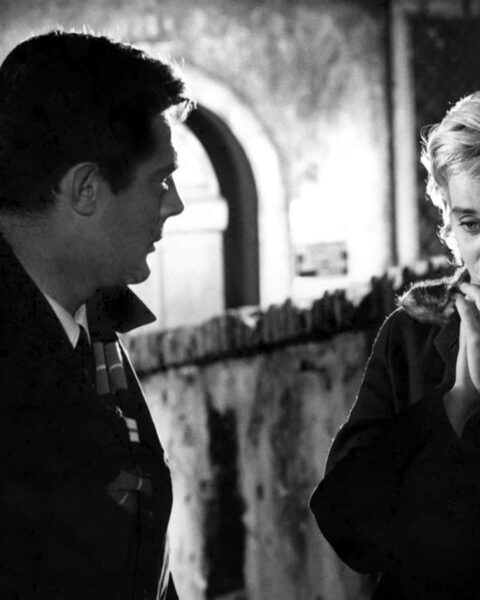
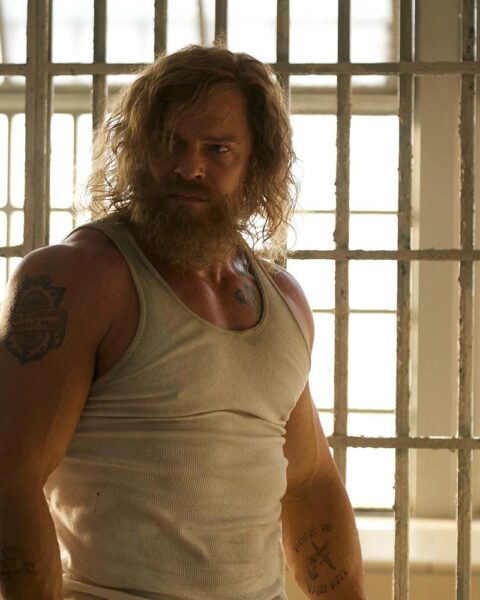
The film suggests David Lynch’s masterful mindfuck Inland Empire for the influencer set.


The film suggests David Lynch’s masterful mindfuck Inland Empire for the influencer set.
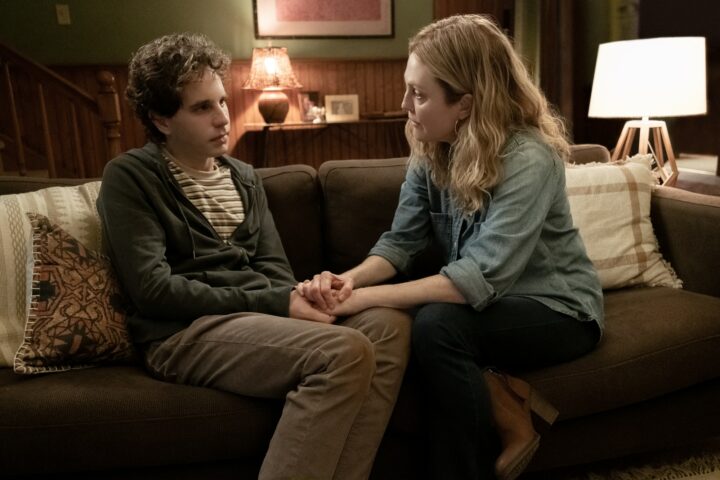
The film works harder to fix the problems with its source material than to establish itself as an independent piece of art.
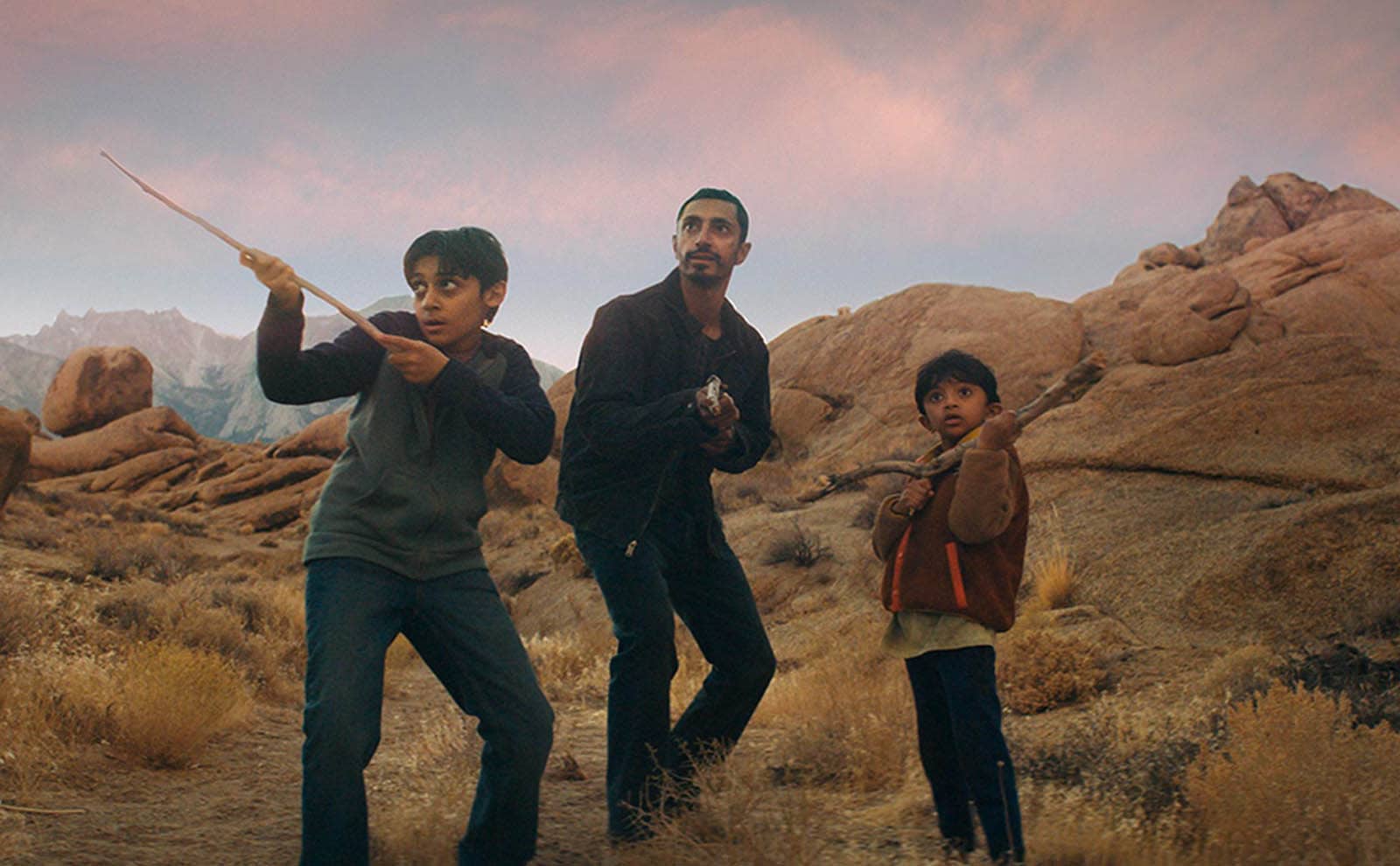
In spite of the film’s troublingly naïve take on mental trauma, Riz Ahmed vividly and empathetically captures a man’s wounded soul.
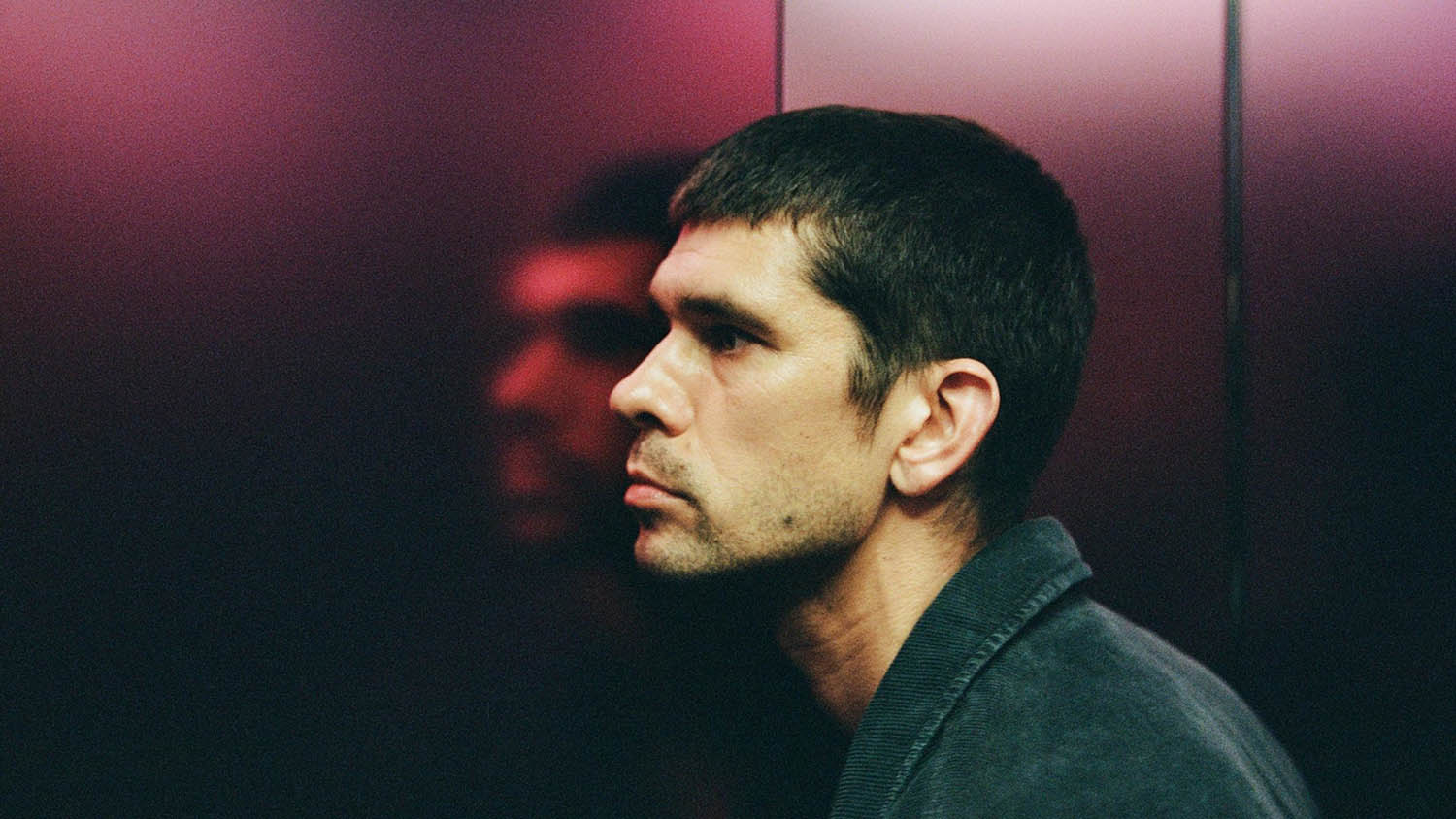
Surge’s camerawork may leave viewers feeling like they just stepped off of a merry-go-round.

The film persuasively sheds light on the grievances of the Palestinian people that have long fallen on deaf ears.
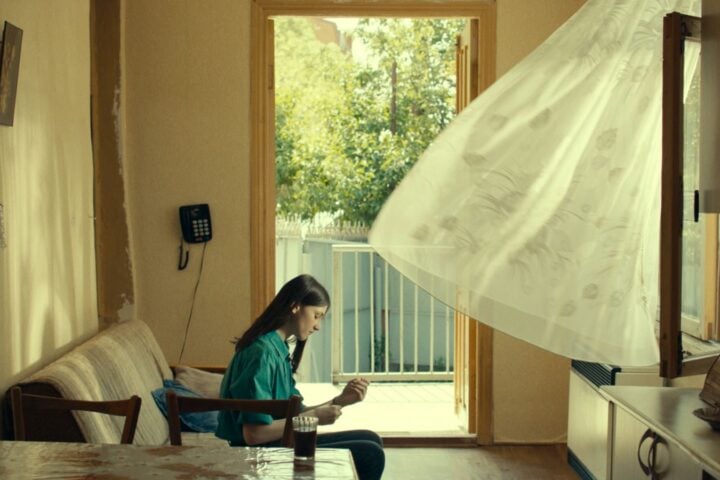
The film is an offbeat epic informed by a reverence for the past and a delicate wariness toward the future.

The film meticulously evokes a 1961 speleological expedition, but its search for thematic resonance is frustratingly general.

One Second is as much a tribute to the struggles of a man whose life has stolen from him as it is to a bygone way of looking at movies.
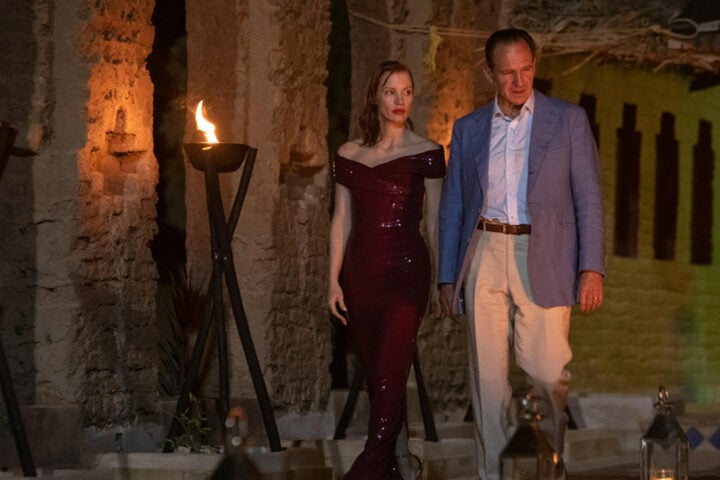
Whatever satire of white elite society is intended by The Forgiven has been blunted by monotony.
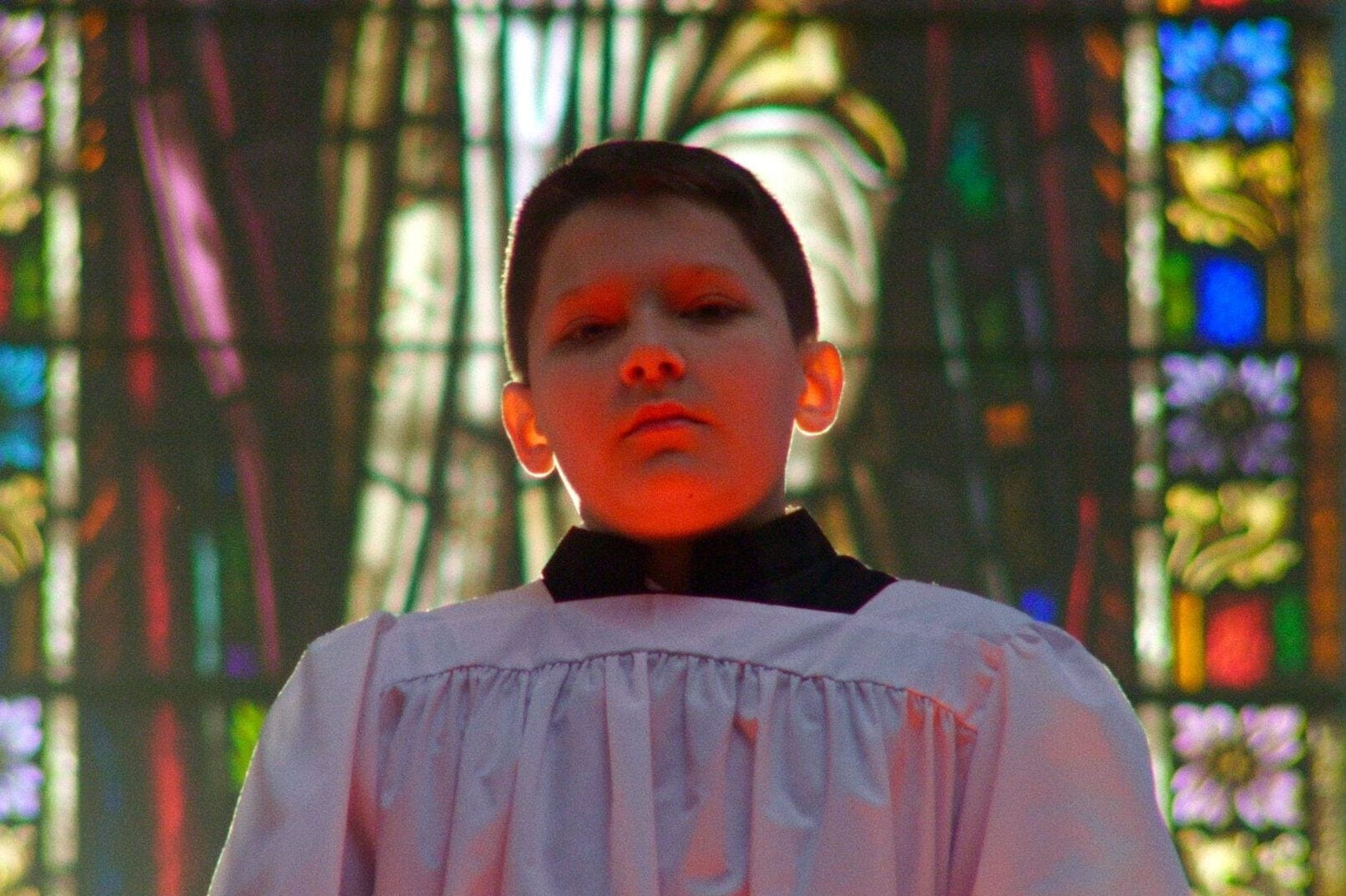
Robert Greene’s gaze is an attempt to accord his subjects the dignity of attention, utilizing cinema as a form of emotional due process.

The Eyes of Tammy Faye exists only to allow its performers to run in pyrotechnic circles around each other.

The film charts Louis Wain’s slow, long mental breakdown in ways that tackily oscillate between the pitying and the whimsical.

Pietro Marcello, Francesco Munzi, and Alice Rohrwacher’s documentary rather faithfully captures the spirit of our times.

Terence Davies’s film is a rhapsodic portrayal of a milieu in which words are wielded like weapons by people who might otherwise be pariahs.

Belfast embodies cinema’s ability to offer a kind of escapism, but up until its climax it plays like a retreat from reality.

Joe Carnahan’s Copshop effortlessly coasts on a gnarly old-school vibe.
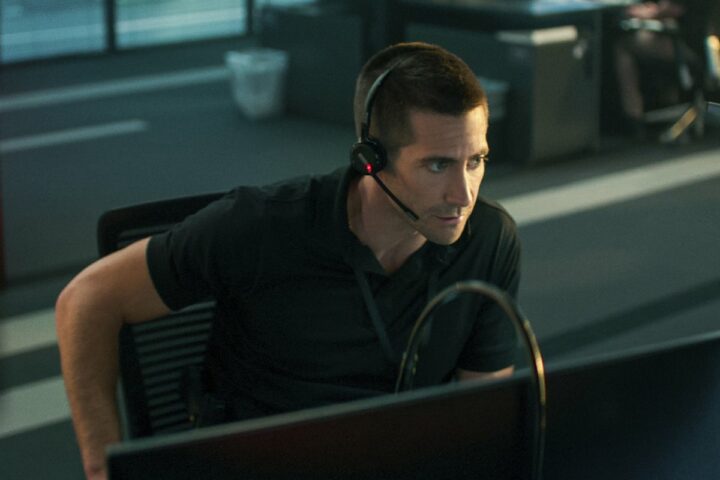
This is an engaging, no-frills entertainment that still fails to justify its reason for being.

Dune ends up feeling like an extended prologue for what one can only hope will be a sequel that will clarify its parables and paradoxes.

The film is elevated by funny, cleverly staged sequences, but it too often hammers the notion that fame destroys authenticity.

The film capsizes in the absence of a compelling center for Mélanie Laurent to hang her directorial panache.

In the end, Edgar Wright isn’t particularly interested in taking aim at all that is dark in the zealotry that shapes a culture.