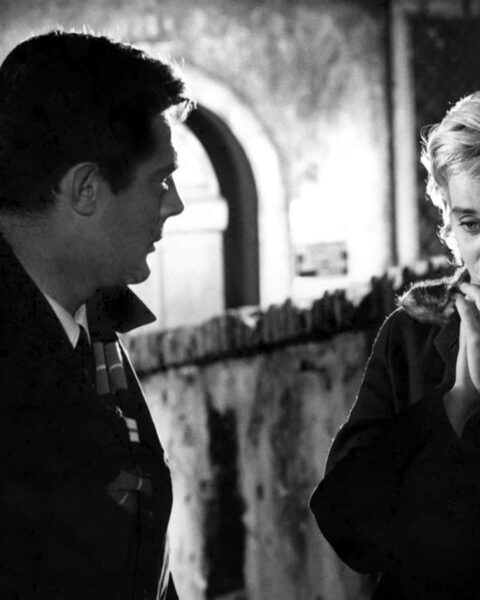
The film suggests David Lynch’s masterful mindfuck Inland Empire for the influencer set.


The film suggests David Lynch’s masterful mindfuck Inland Empire for the influencer set.

In Antlers, the big bad is never supposed to be as scary as society’s collective wrongdoing.

The film celebrates individuality even as it suggests that everyone needs their own A.I. tech to validate everything they like and think.

Jacob Gentry’s film punches through all the layers of homage to arrive at a place of true horror.
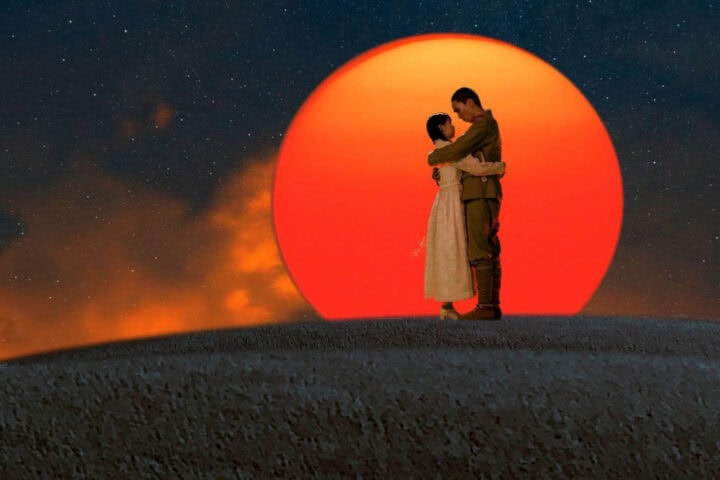
Manic, maximalist, and bristling with postmodern bells and whistles, Labyrinth of Cinema is exactly what its title suggests.
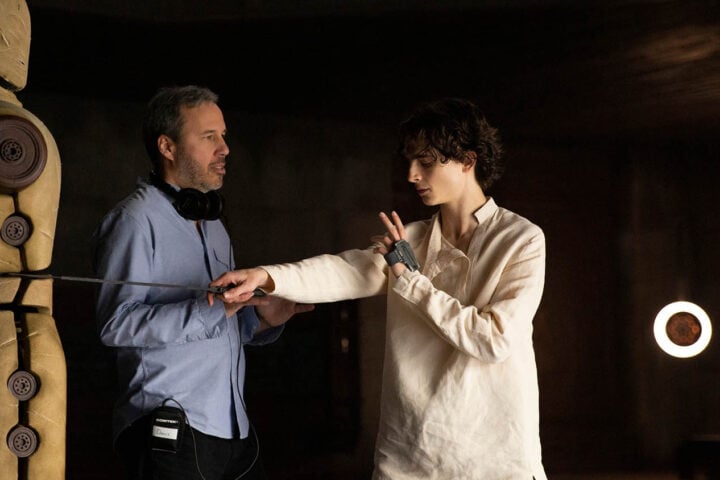
The filmmaker discusses the undertones that he perceives in the novel that he wanted to bring to the fore for his two-part production.

The discursive nature of the Surrealist parlor game exquisite corpse mirrors the way that power flows in Francesco Rosi’s films.

Vicky Krieps discusses what Bergman’s legacy means to her now, and what Phantom Thread means to her several years later.

As far as improvements go, Michael Myers’s revitalized brutality is arguably the only successful one that Halloween Kills makes.

Hamaguchi Ryûsuke discusses his two latest films and how he lets humor color his thematic exploration of chance.

At their best, writer-directors Mario Furloni and Kate McLean evince a masterful grasp of storytelling that’s subtle and rich in innuendo.

Todd Haynes discusses The Velvet Underground’s split-screen aesthetic and why Lou Reed’s death had to serve as a “structuring absence.”

The film is too blinded by manufactured sentimentality to see the more compelling what-if scenario lying right in front of its eyes.

The film is a ghost story as well as a story of transference, which Pedro Almodóvar understands to be one in the same.
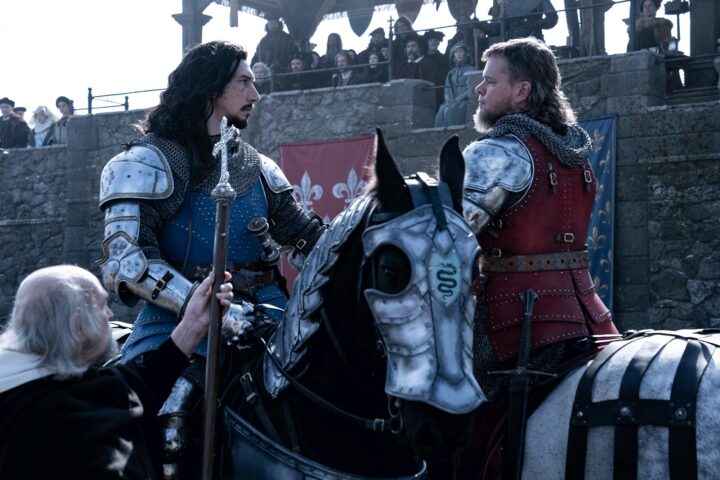
Ridley Scott’s medieval saga insightfully revels in the complexities of its competing storylines.

Luzzu retains the structure of a neorealist film, as well as its themes of class and desperation.

Jessica Kingdon’s maintenance of her critical and often ironizing perspective keeps Ascension from tipping into polemic.

Aside from being a thrilling account of a hair-raising rescue, the documentary attests to living a calling.
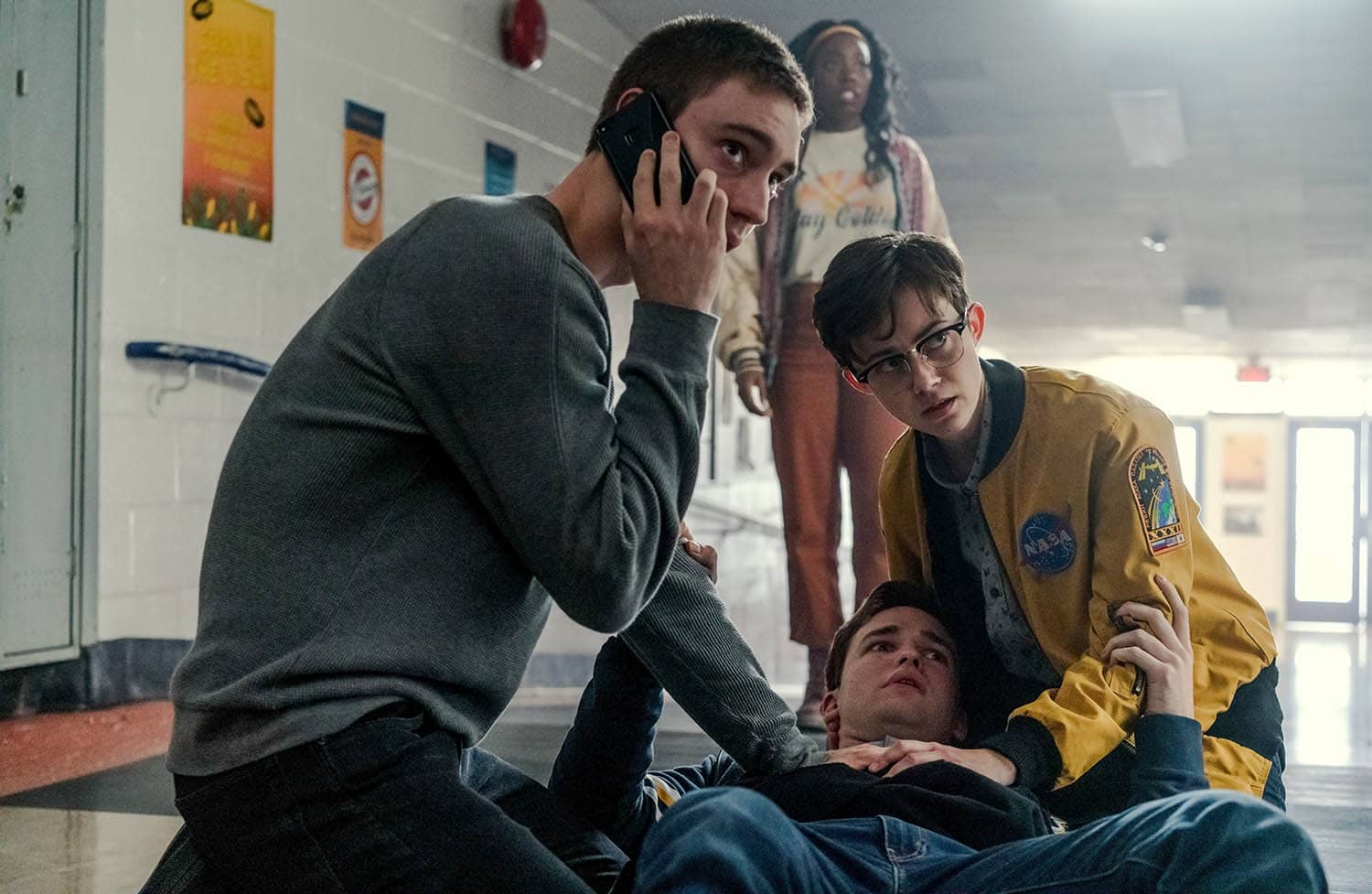
The film feels like a missed opportunity to interrogate society’s fervent need to make pariahs out of people for their youthful mistakes.

The film’s performances evocatively attest to how people struggle to withhold the agony of their true feelings.

For too much of its running time, Hit the Road is untethered from any kind of captivating narrative purpose.