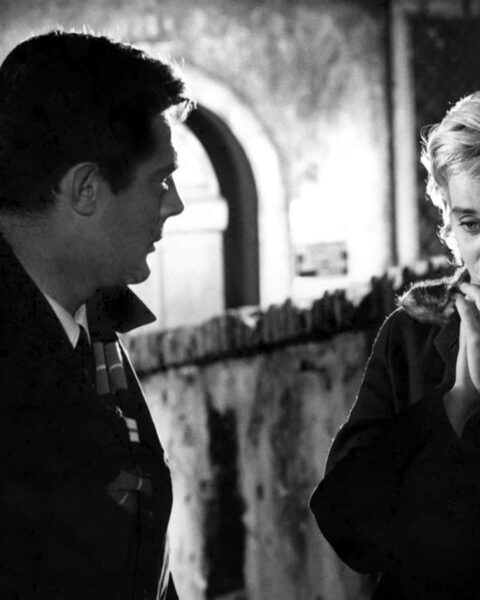
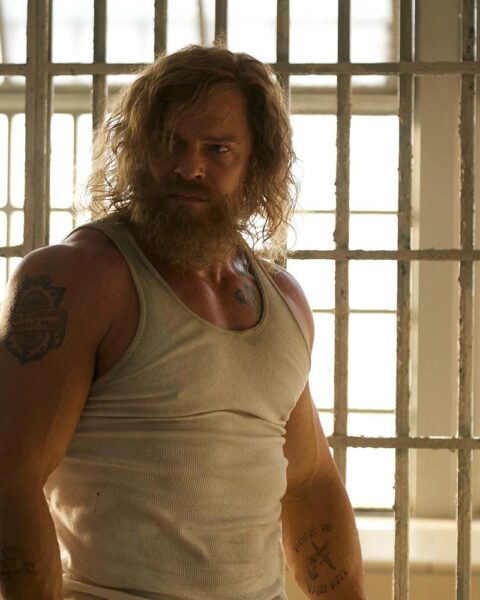
Refn discusses his love of fairy tales, falling through the rabbit hole of streaming, and more.


Refn discusses his love of fairy tales, falling through the rabbit hole of streaming, and more.

Throughout, the film raises metaphysical issues of physical and psychological autonomy only to gloss over them.
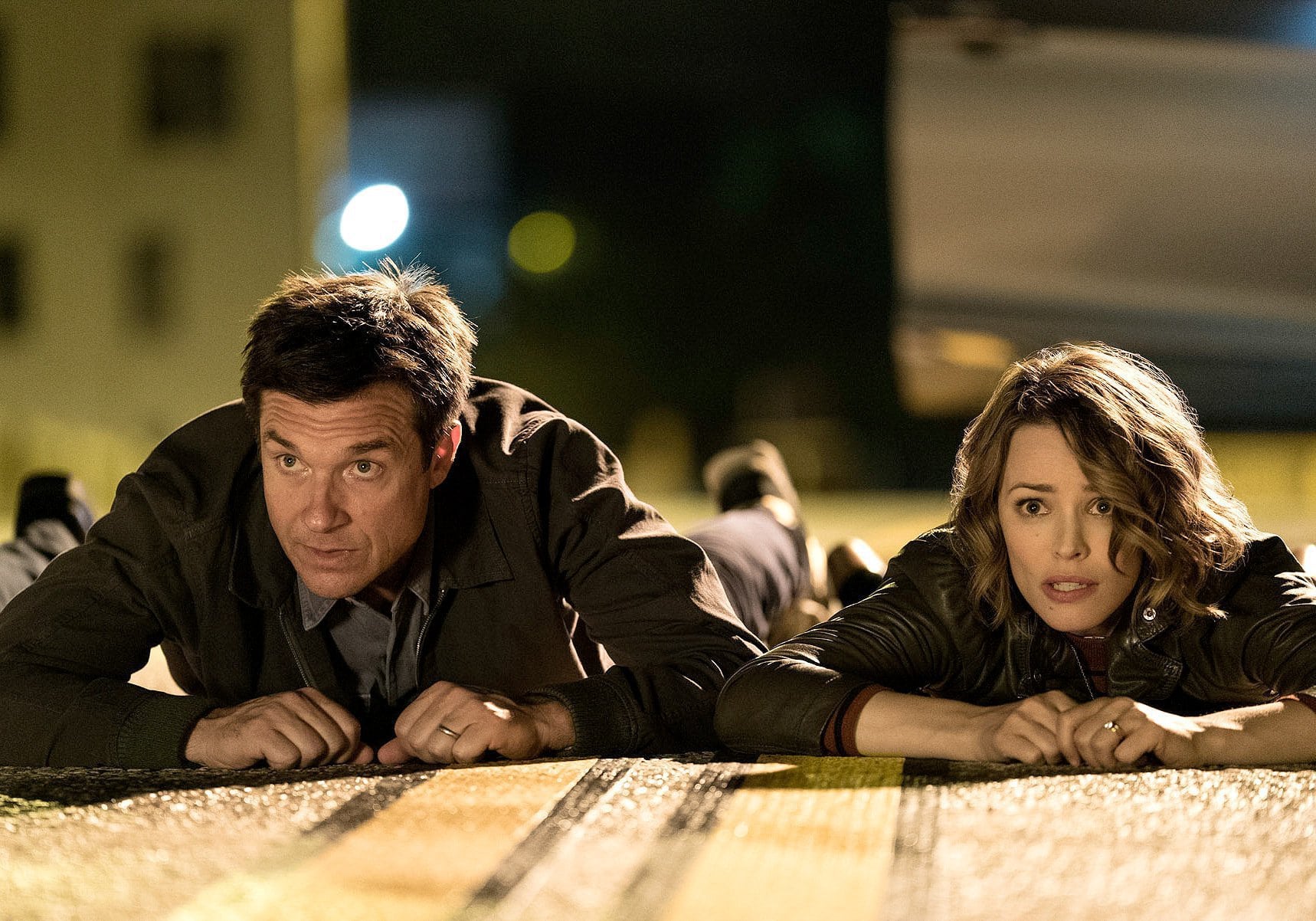
Mark Perez’s screenplay maintains just enough plausibility to prevent the film from veering into sheer absurdity.

Gary Oldman’s assured win over the two main critics’ favorites, Timothée Chalamet and Daniel Kaluuya, represents an unabashed retrenchment that’s entirely off brand in this Oscar year.
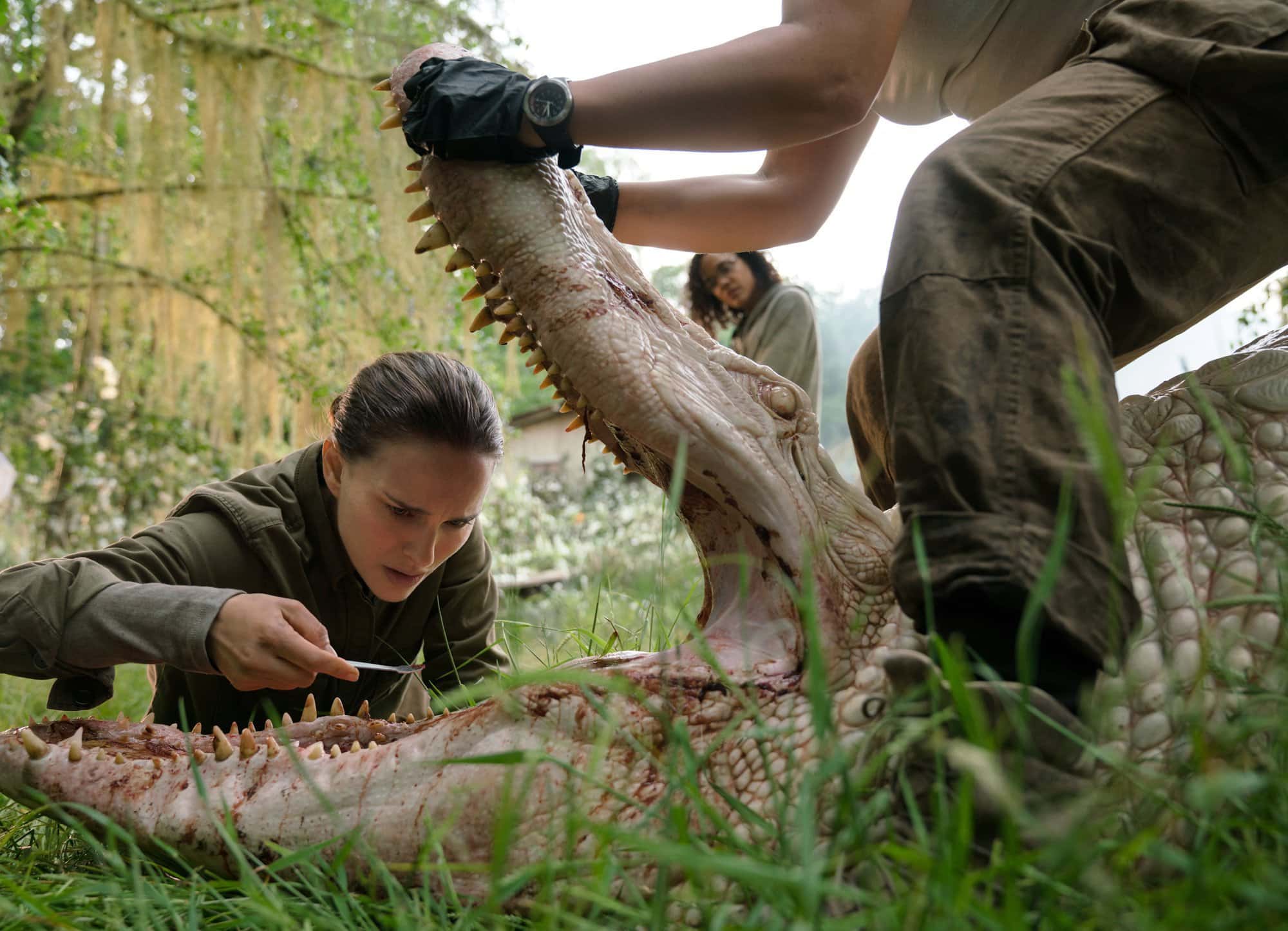
Alex Garland’s film gets momentum from the deeper it pushes into the uncertainties of ecology and the self.

Even Unsane’s most ridiculous moments coast on the sheer energy of Steven Soderbergh’s aesthetic gamesmanship.

The film displays a sprightly tone and blissful sense of liberation in charting the exploits of characters seeking to live by their own feminine-centric rules.

Rainer Sarnet’s film is most pleasurable precisely when it surrenders itself to the nonsense of dreams.

Here’s one prize at least that will ensure that Phantom Thread, Slant’s favorite film of 2017, won’t be wearing the emperor’s new clothes.
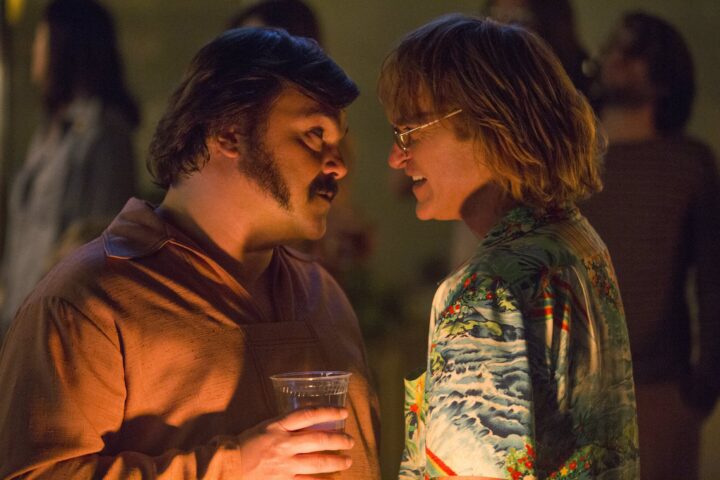
Gus Van Sant’s film is admirably unsexy, and a testament to the comedic potential of going sober.

Damsel ends up feeling like a festival-land breakout comedy short dragged out for two interminable hours.

Best achievement in cinematography has emerged as the Oscar category most likely to offend Film Twitter when its winner is announced.

The film’s flashbacks, which are either too clipped or excessively scored, effectively step on the actors’ toes.

Reigel discusses working with Sally Menke, how editing a film is like attending a dinner party, and more.
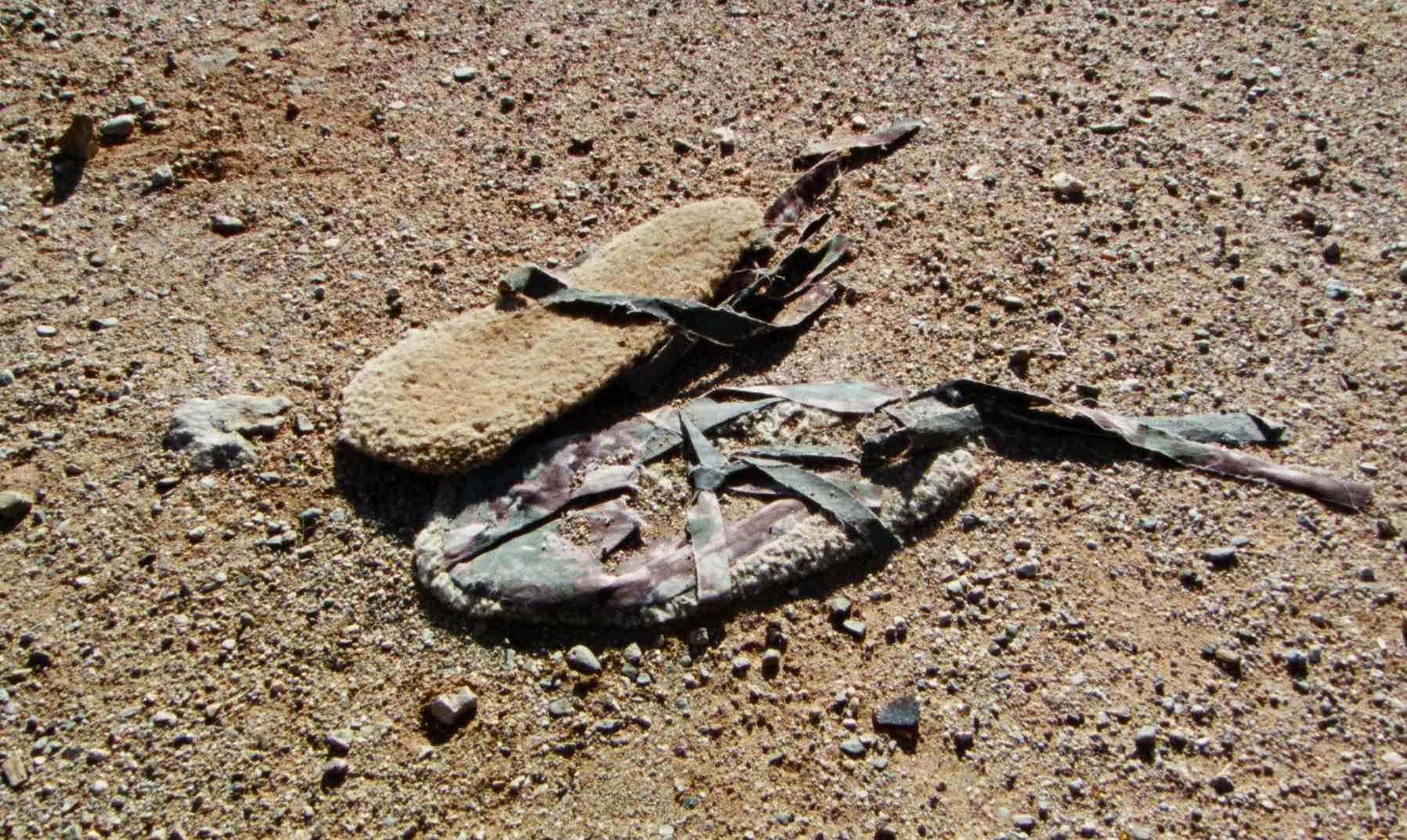
The film’s approach to exploring the Sonoran Desert and topic of immigration often veers toward the avant-garde.
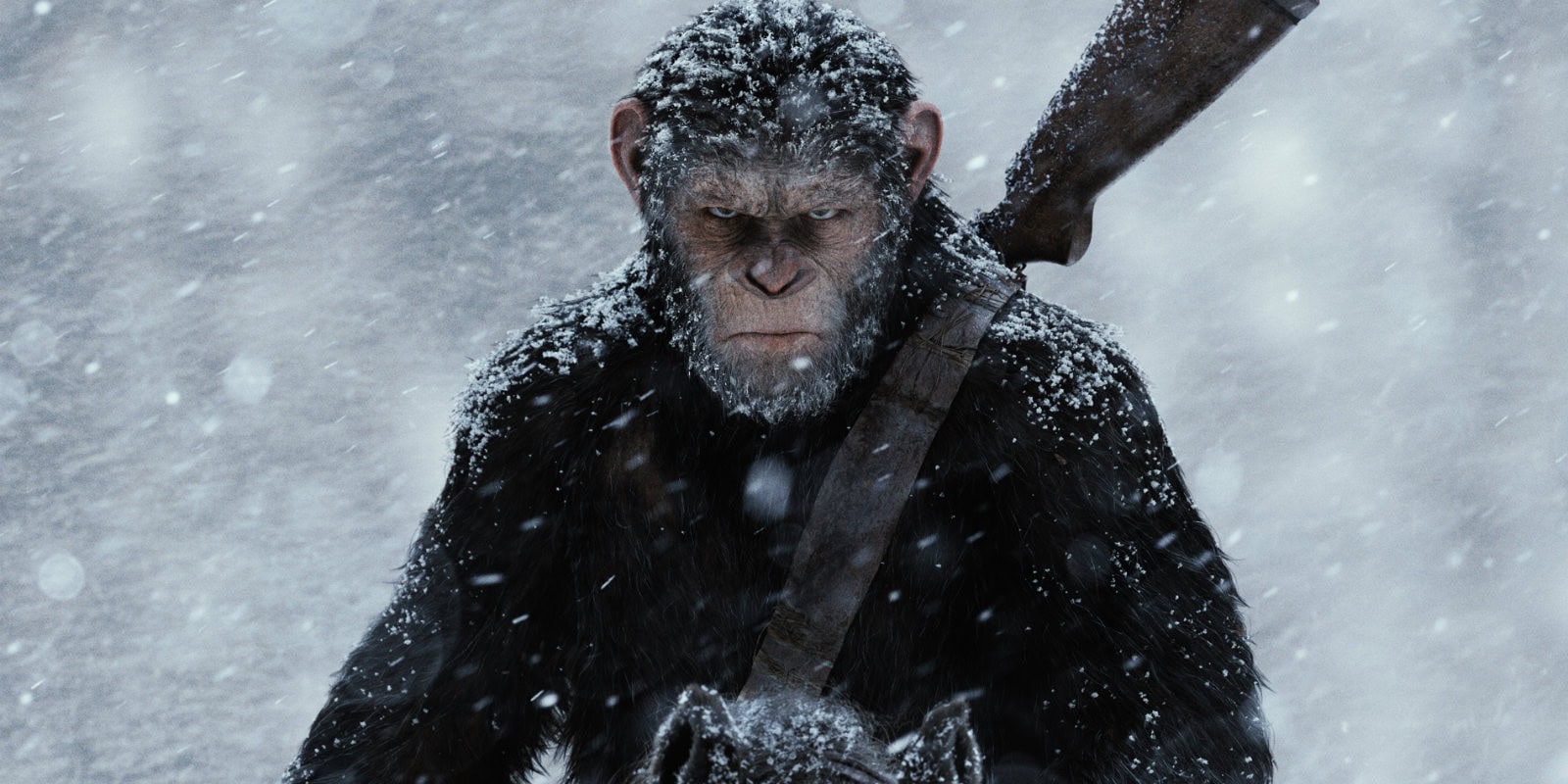
It’s difficult to imagine AMPAS not wanting to give Andy Serkis’s swan song as Caesar a pat on the head for a job well done across the new Planet of the Apes trilogy.

James Baldwin’s writing abounds in what’s missing from director Raoul Peck’s film.
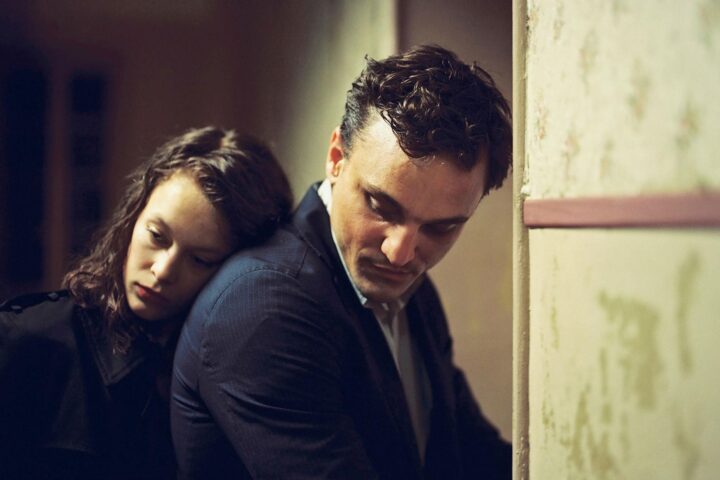
Petzold’s rigorous filmmaking proves essential as the story begins to run, deliberately, in circles.

You’d be hard pressed to find anyone who didn’t feel as though Baby Driver reached out to them directly from the screen to ask if they would care to have this dance.

Sometimes an Oscar victory lap begins as early as the first time a future legend loses out on an Oscar, and then another, and then another.
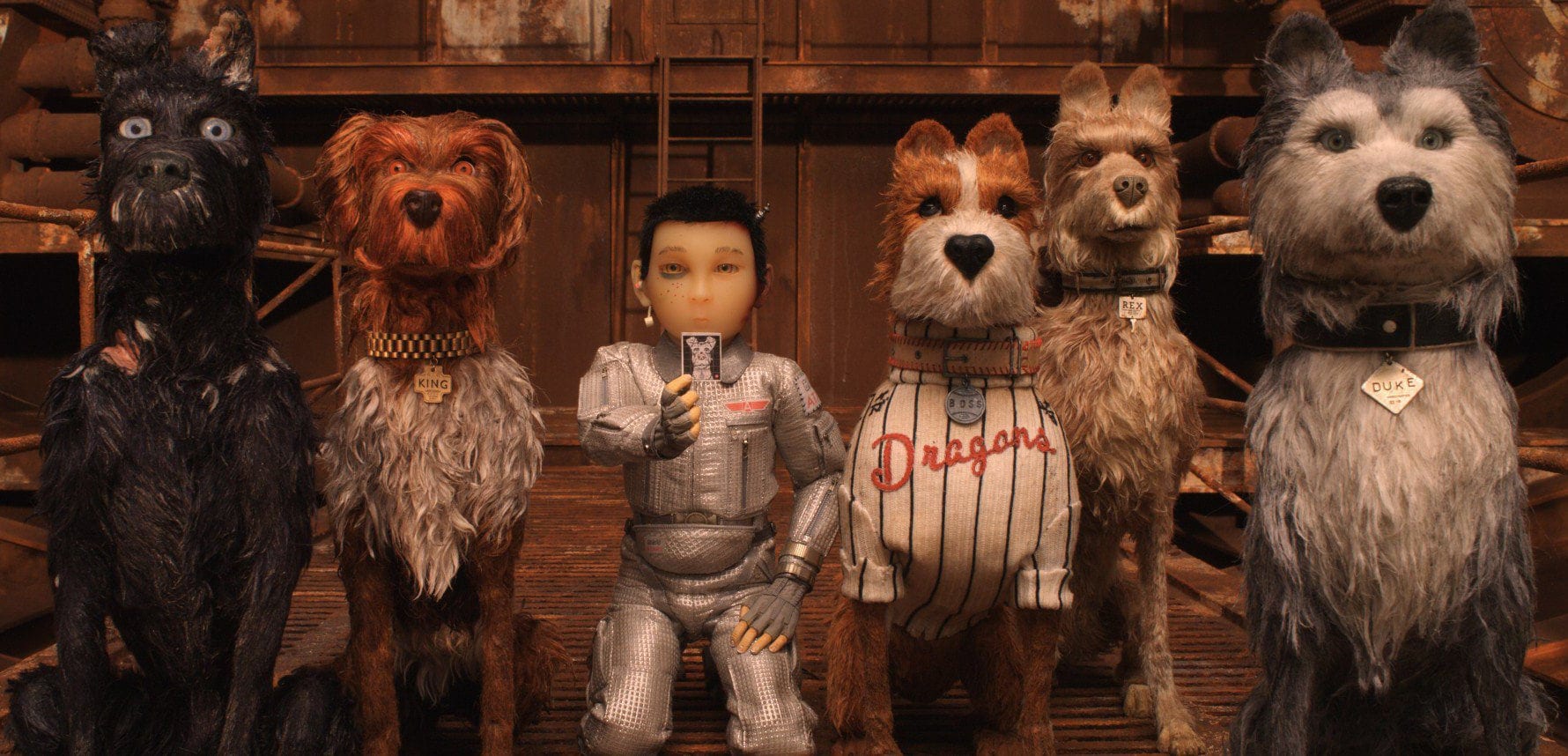
The innate imperfection of canine hair gives Wes Anderson’s lovingly crafted dioramas the illusion of life.