Refn discusses his love of fairy tales, falling through the rabbit hole of streaming, and more.


Refn discusses his love of fairy tales, falling through the rabbit hole of streaming, and more.
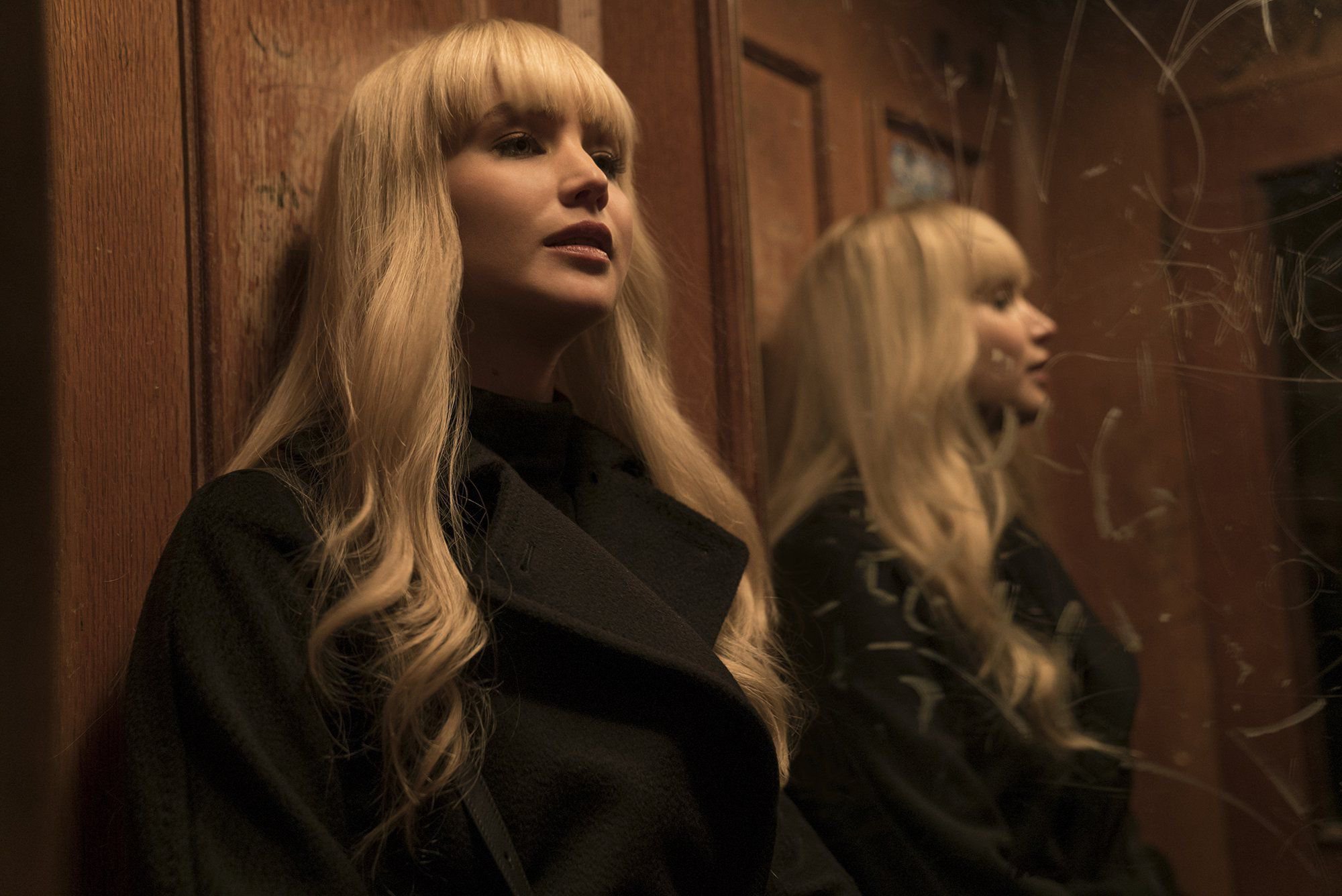
Red Sparrow never gives fateful or conspicuous weight to all the breadcrumbs that point toward its long game.
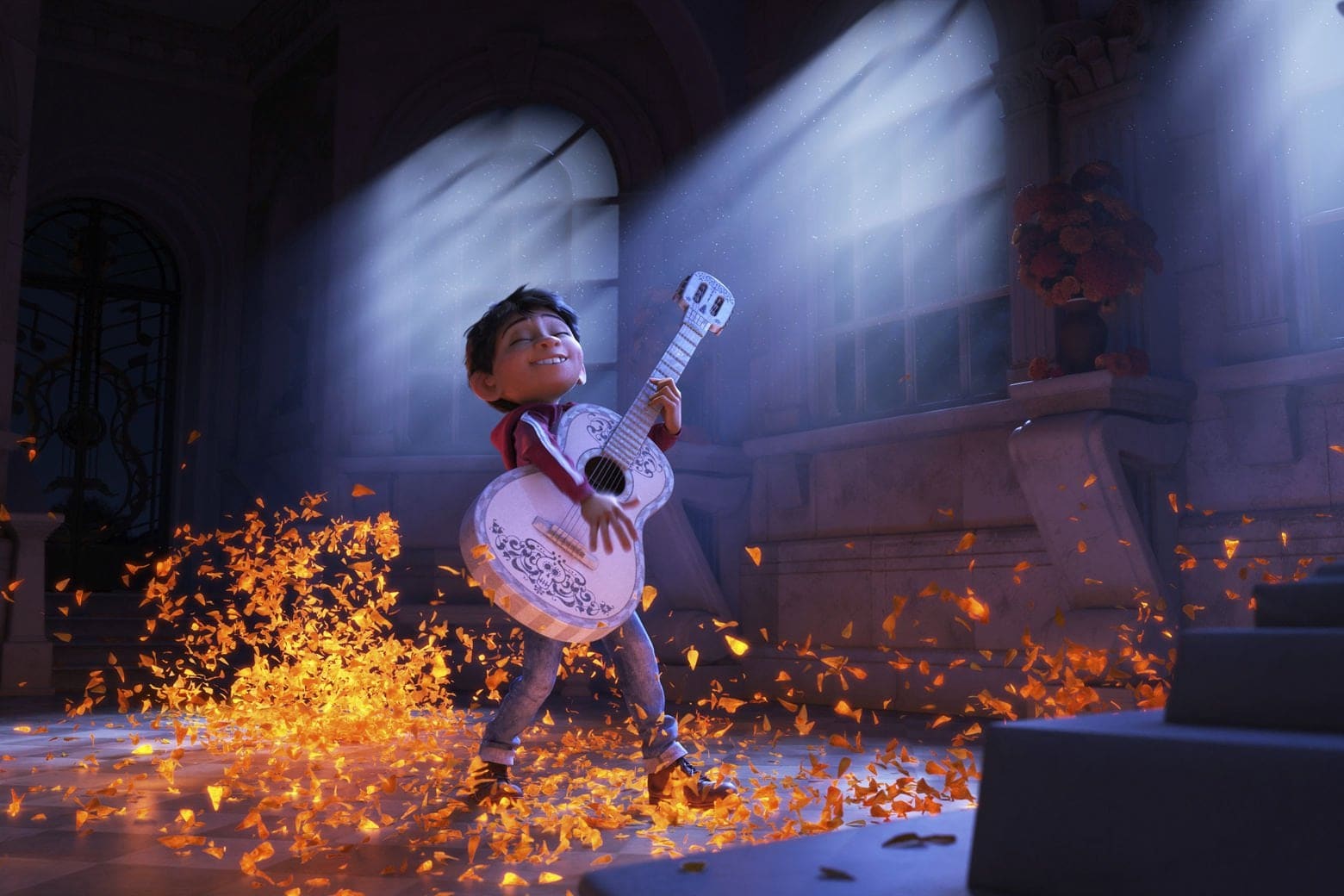
At the Oscars, uplifting social-justice dirges have become during the current decade what Alan Menken and Stephen Schwartz were to the ’90s.
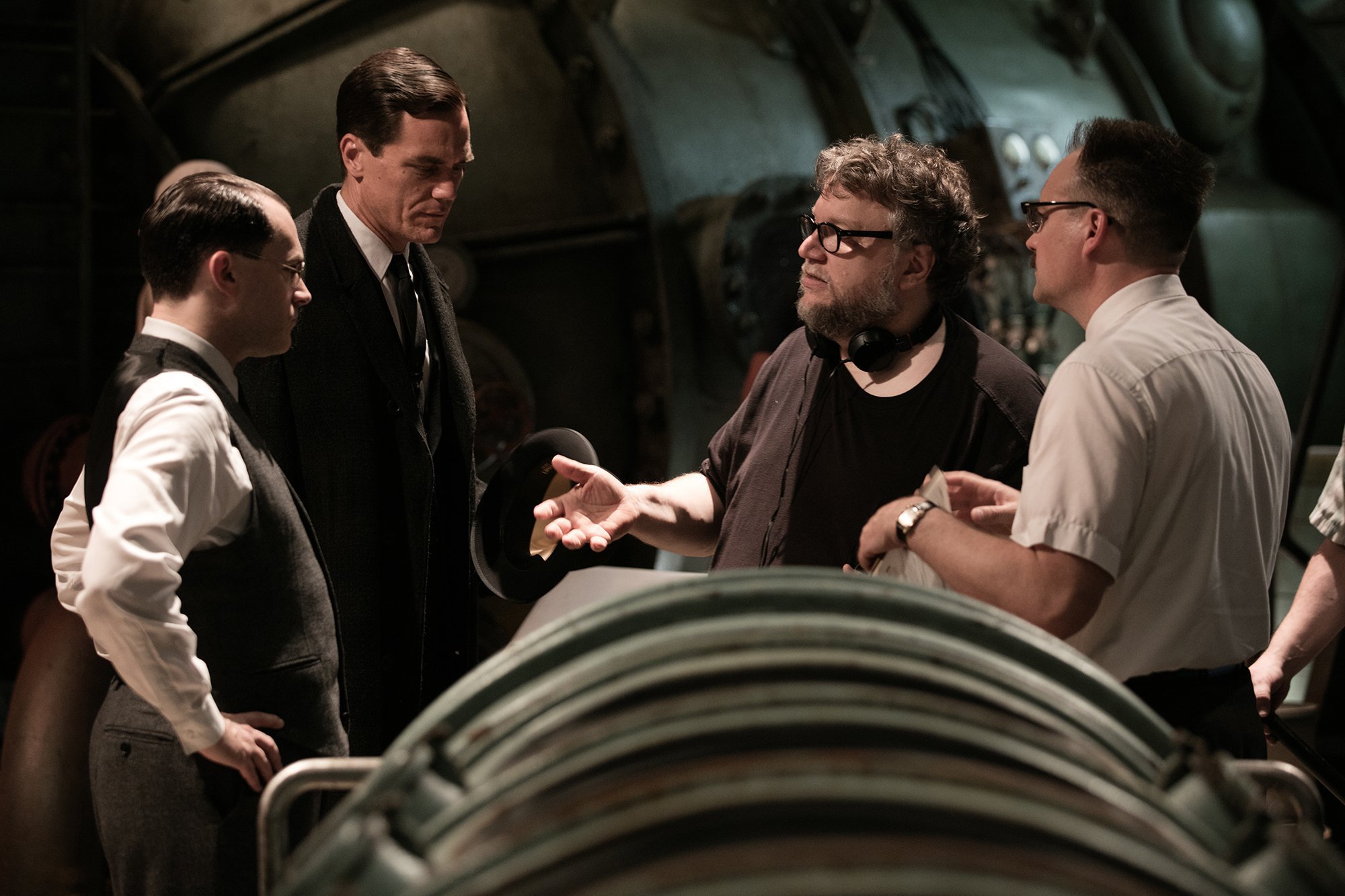
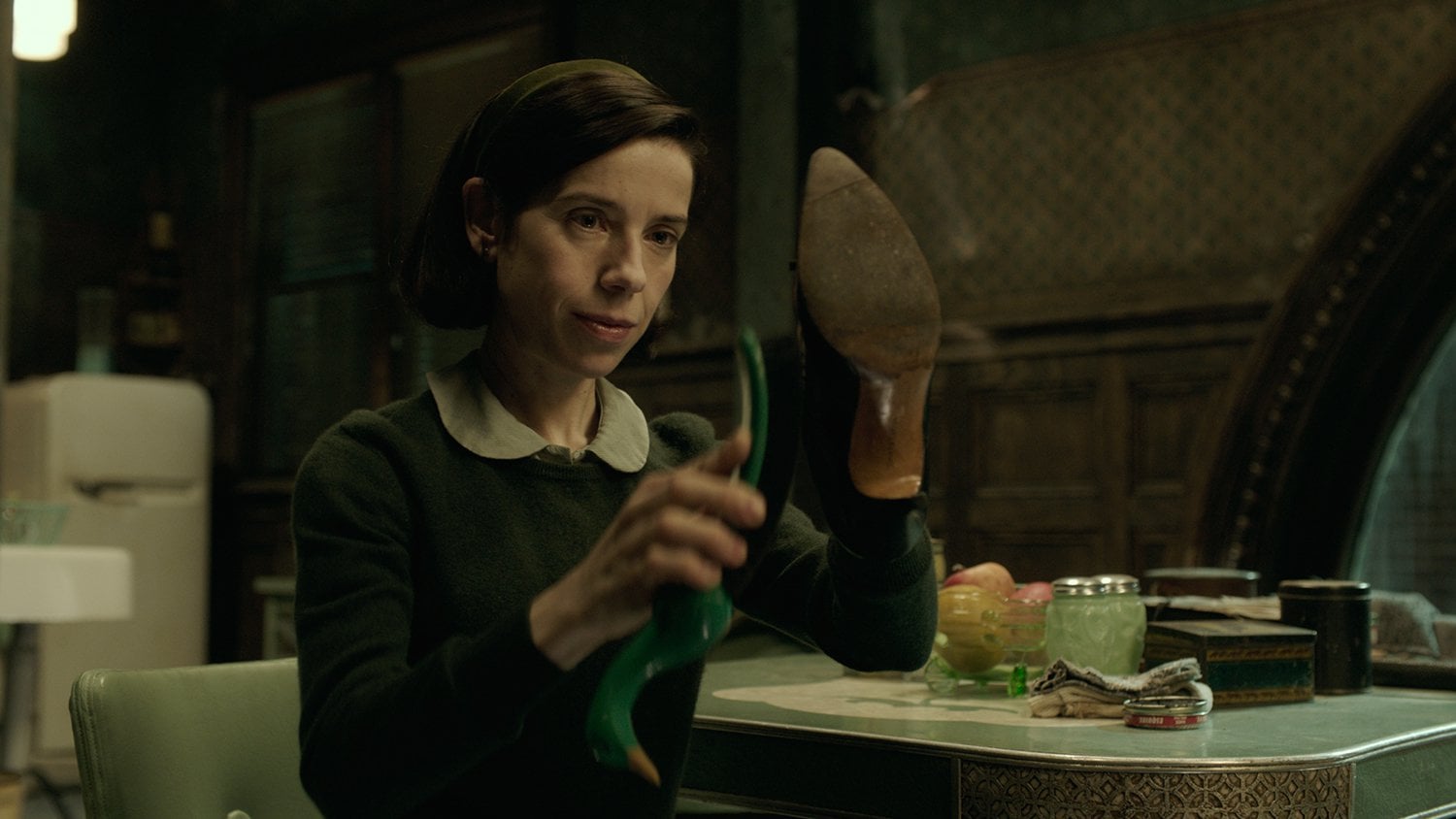
Guillermo del Toro is a profoundly gifted formalist with a uniquely perverse obsession with the binaries that separate us as human beings.

One feels in the punishing bleakness of director Andrey Zvyagintsev’s Loveless a yearning for transcendence.

The film is full of astute, and poetically staged, critiques of the parallel worlds resulting from Iran’s police state.

In a weird double-dipping twist of fate, the nominees behind Beauty and the Beast and Darkest Hour will be competing against themselves in two separate Oscar categories.
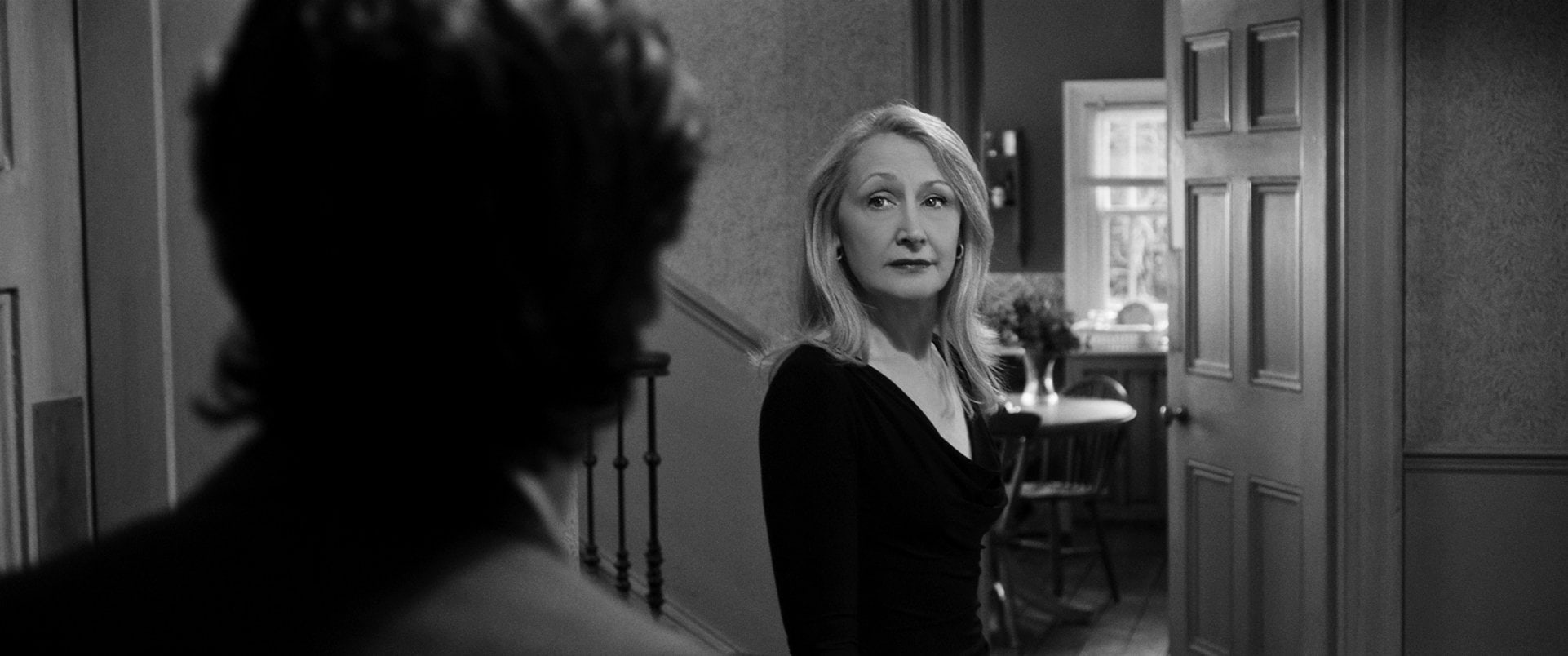
The actors discuss The Party’s political satire, Sally Potter’s approach to her screenplay, and more.

The film’s bravest choice is to expose its characters’ anxieties without offering any comprehensive solutions.

Unkrich discusses the challenges of making a film about Mexico when you’re “a white guy from Ohio.”

The only viable contenders for this award are films populated by those who our boss baby in chief is committed to keeping out of the U.S.
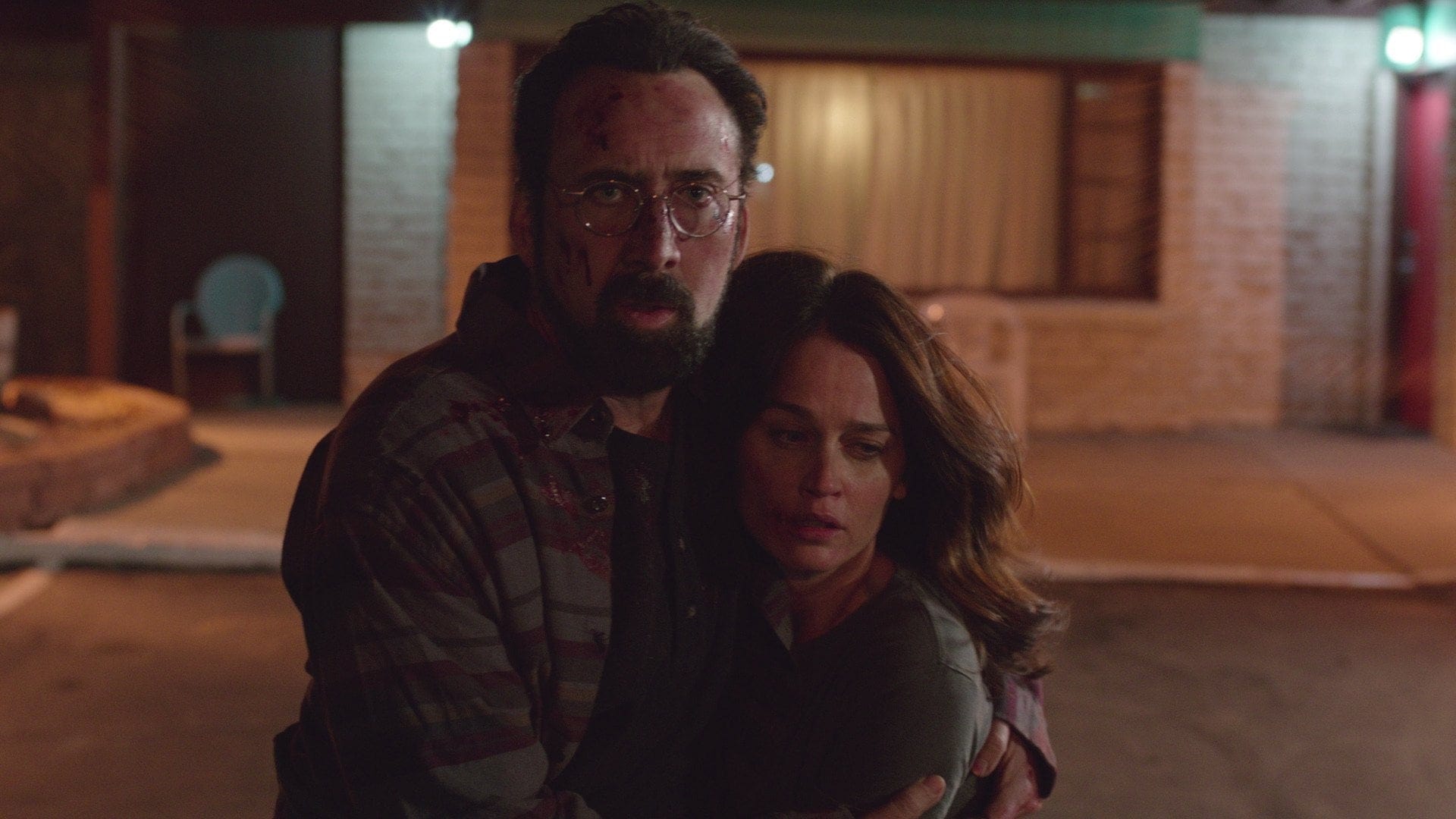
Tim Hunter’s Looking Glass is a wishy-washy thriller overstuffed with fake-outs and pointless digressions.

Nick Park’s talents often serve only to highlight the fundamental lack of inspiration at Early Man’s core.
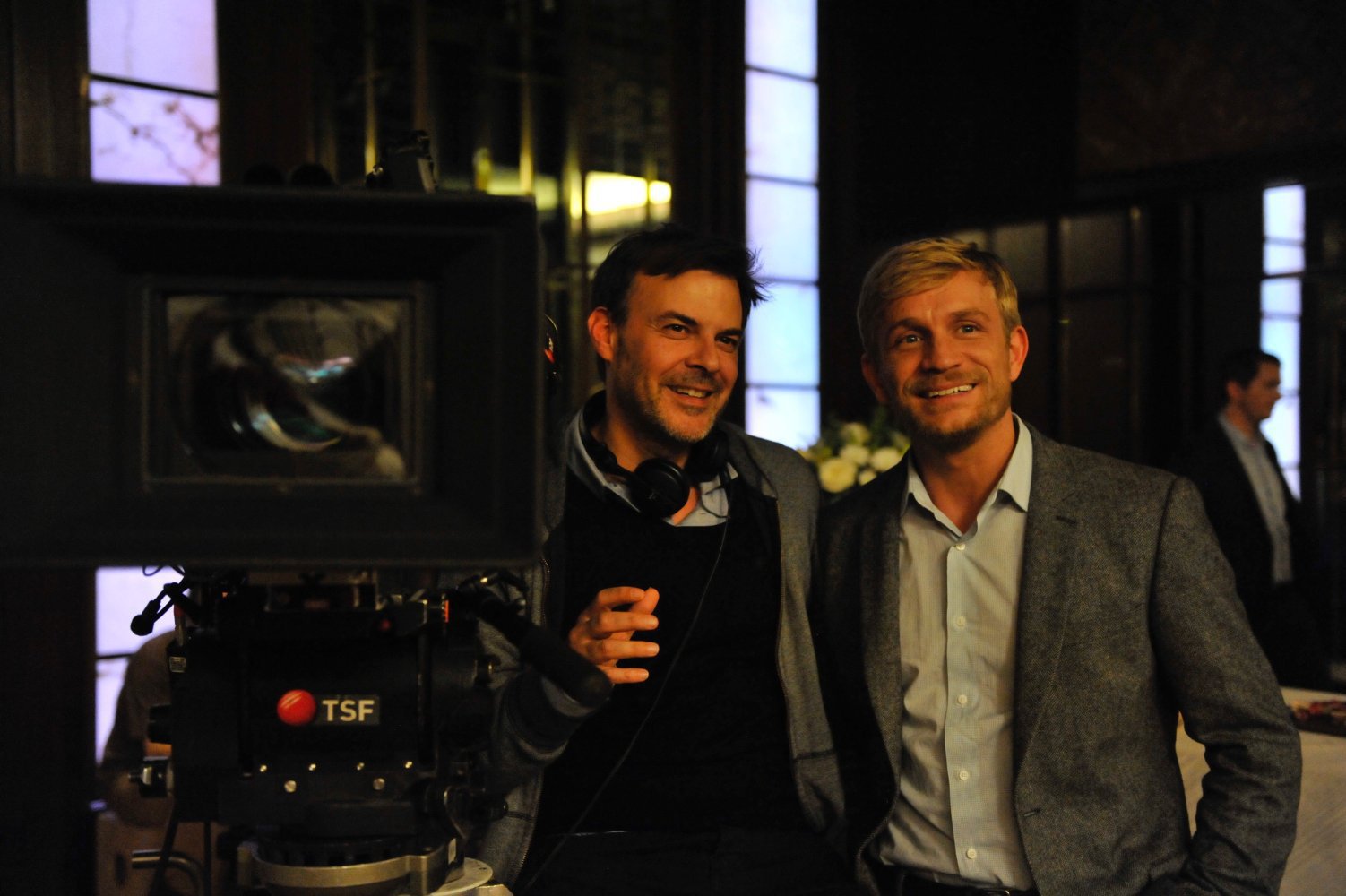
Ozon discusses finding fresh ways to approach his favorite genre.
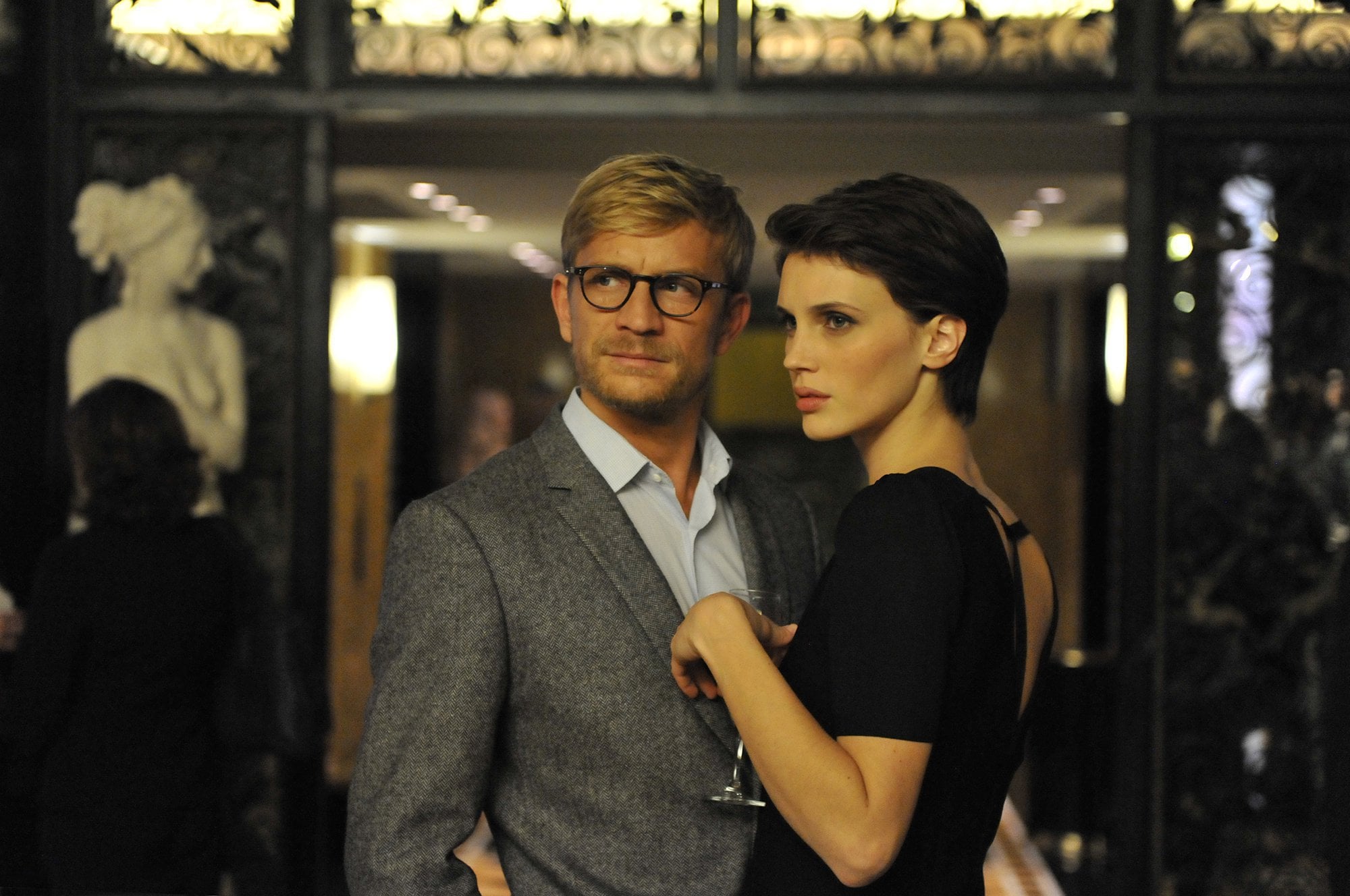
François Ozon has a palpable reverence for sleazy escapism, and that’s what makes Double Lover worthwhile.

Sophie Brooks seemingly fails to understand what made Annie Hall so appealing: its rich, multi-faceted characterizations.
Jonny Greenwood’s florid work on Phantom Thread culminates what, for most Radiohead and PTA fans, has been the ultimate best-case scenario.
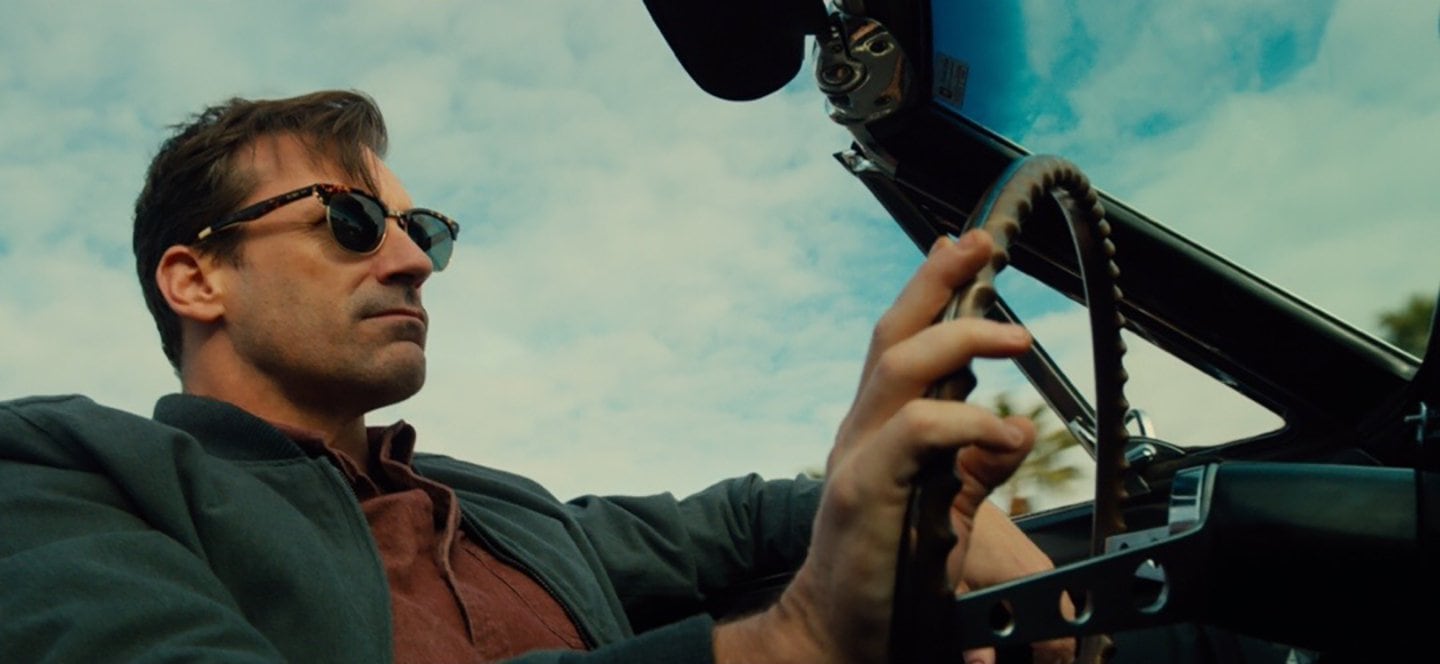
The sledgehammer preachiness of Mark Pellington’s Nostalgia almost scans as a failed hipster joke.

Throughout the awards season, Frances McDormand has remained impervious to the controversy whirling around Three Billboards.

The evocative, perhaps purposeful awkwardness of The 15:17 to Paris alternates with ordinary awfulness.

To look back at the category’s history reveals that it has swung back and forth between monster latex and regal lace fronts as widely as the nation’s own political pendulum.