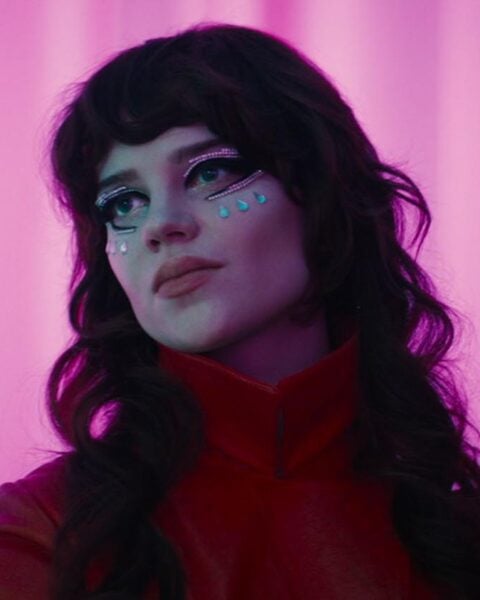
Refn discusses his love of fairy tales, falling through the rabbit hole of streaming, and more.
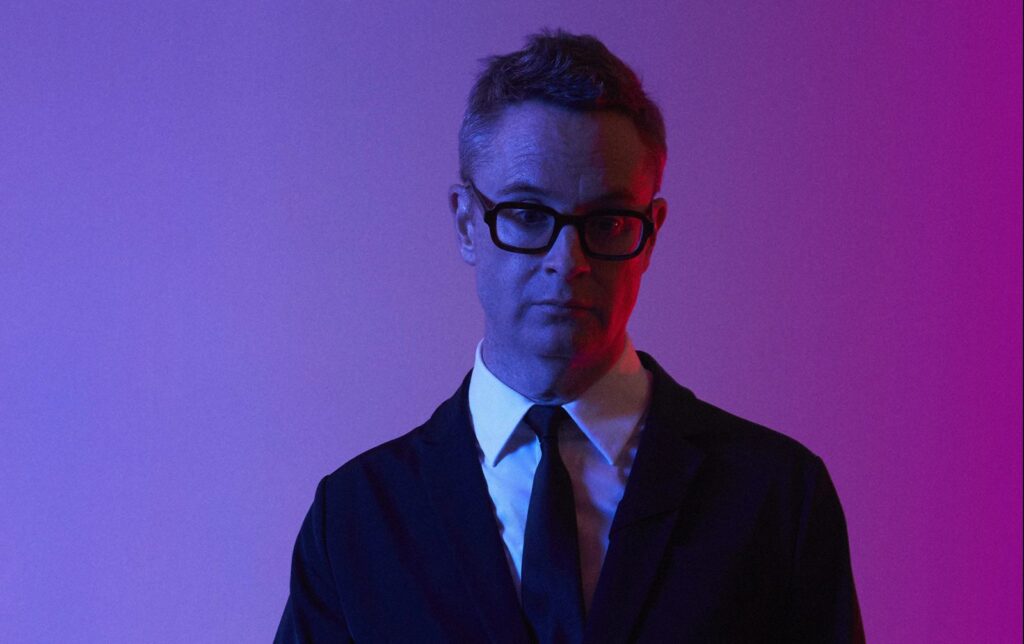

Refn discusses his love of fairy tales, falling through the rabbit hole of streaming, and more.

This short category’s best nominee, Heroin(e), is nowhere near as cloying as its title would appear to imply.

The filmmaker discusses shooting and editing his film, and working with Adam Horovitz.

The most liberating thing about Fifty Shades Freed is that it doesn’t even try to make sense of Christian Grey.

The actors discuss their new film and the persistent pressure to couple up.

There’s a narrative lopsidedness to Black Panther that sharply undercuts Killmonger’s emotional journey.

Somehow, Katja Benrath and Tobias Rosen’s Watu Wote avoids being the most infomercial-adjacent nominee.
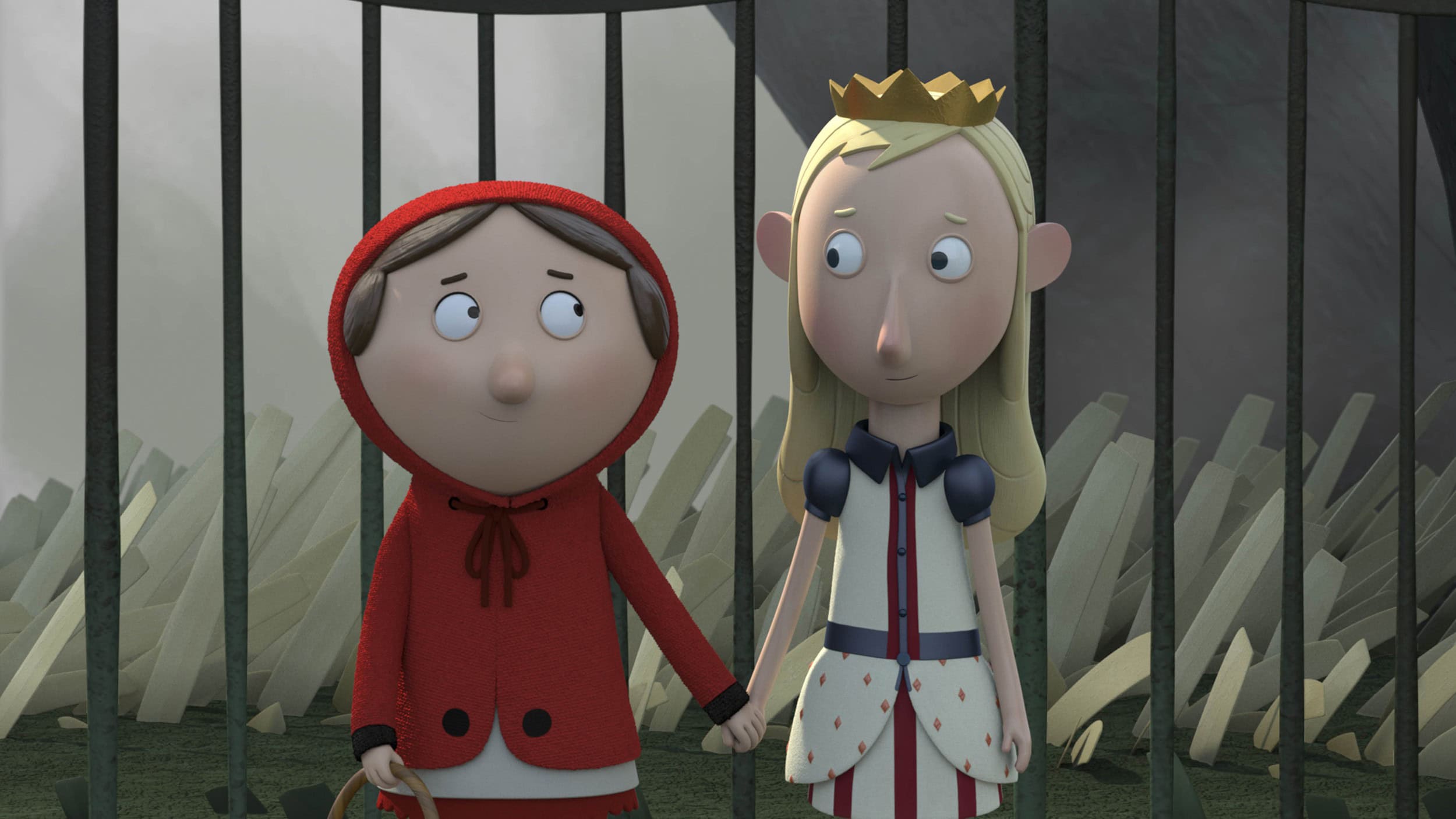
Our gurus of gold are in agreement that Garden Party has set a new bar for photorealism in animation.
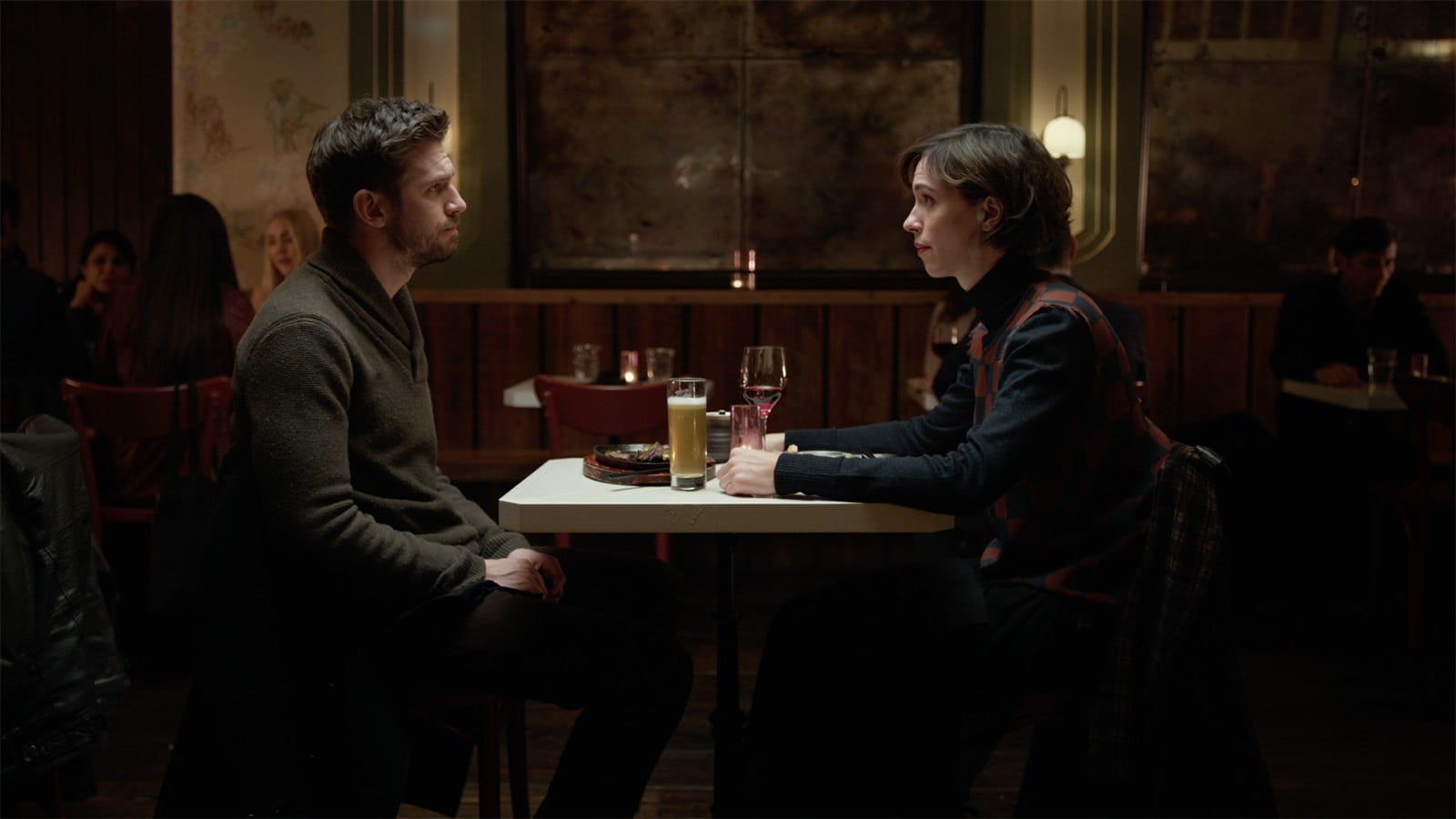
Writer-director Brian Crano’s Permission is cautious and generic, neutering its best instincts.

The protagonist doesn’t deserve our sympathy, in part for how noxiously the film has imagined the female characters who surround him.

Will Gluck’s Peter Rabbit is mercifully light on the soppy sentimentality that often weighs down most kiddie flicks.
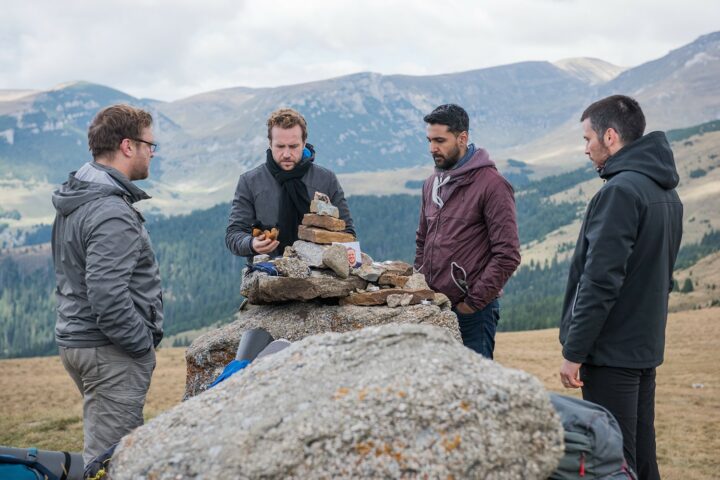
Eventually, the filmmakers reveal the secrets they’d previously withheld, spoiling the film’s sustained mystique.

Danny Baron’s film awkwardly melds Bollywood romcom tropes with a half-hearted critique of the GMO industry.

Alex Ross Perry’s Golden Exits sustains a lingering aura of futility that’s counterweighted by the film’s beauty.
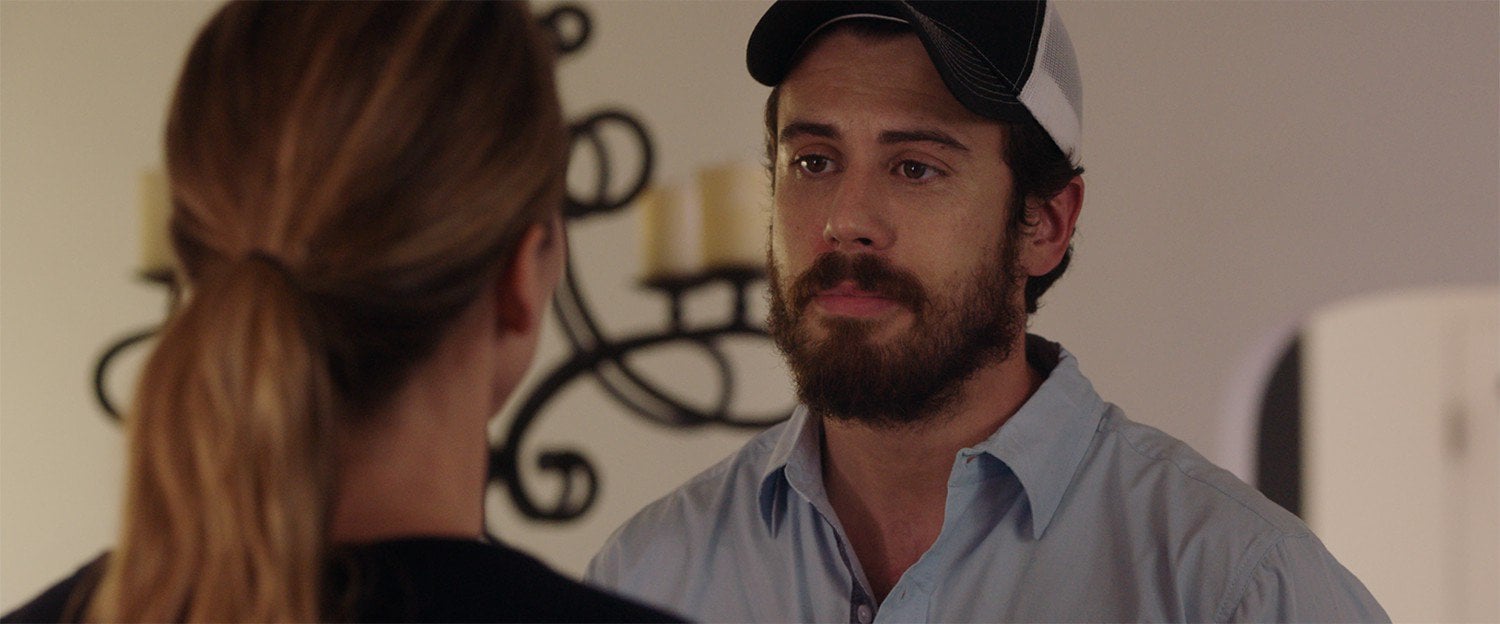
Whitney Cummings’s film never seems quite sure whether it wants to probe the depths of its title subject or just make us laugh.
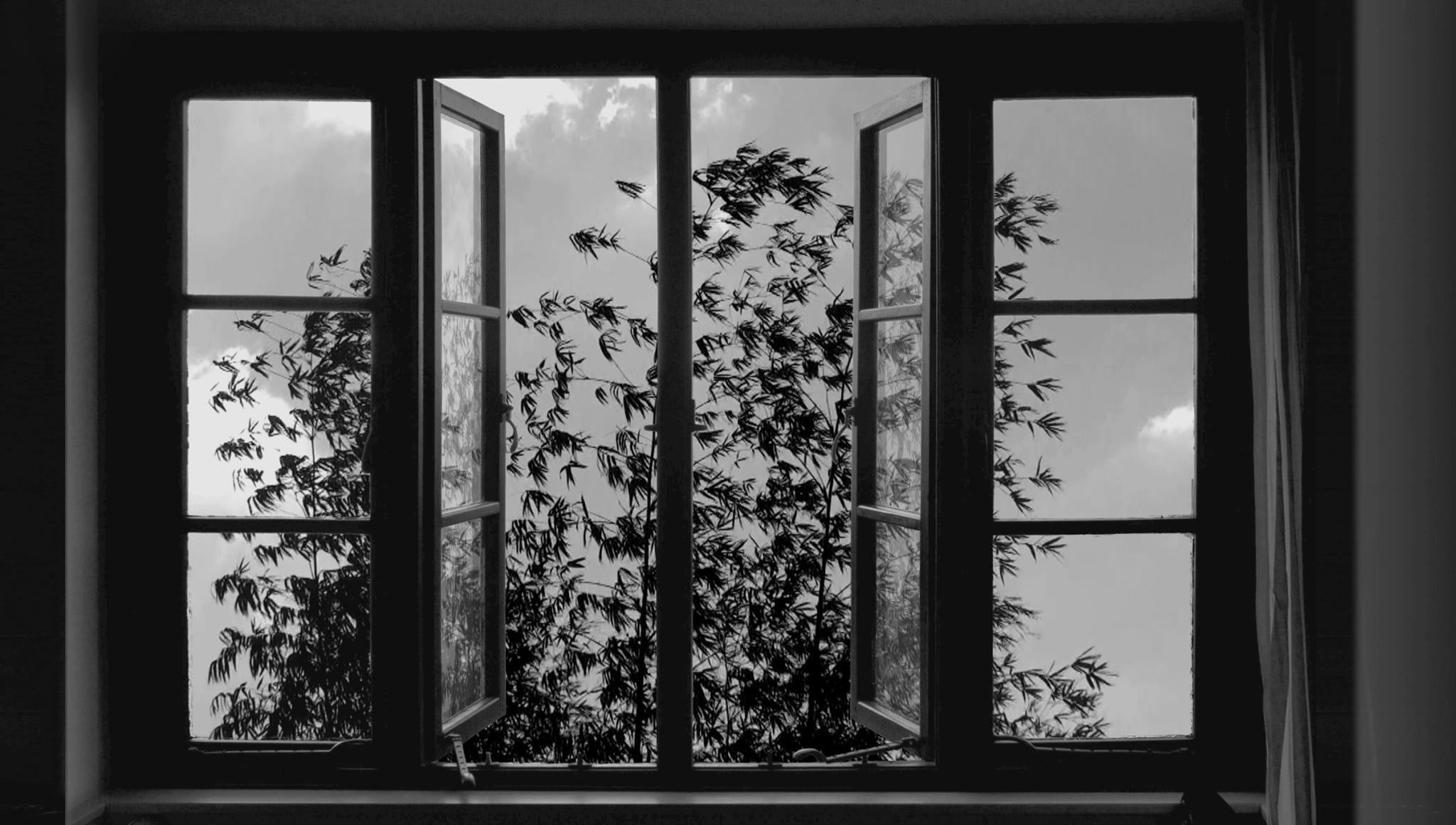
Movement and progress are the organizing principles throughout Abbas Kiarostami’s 24 Frames.
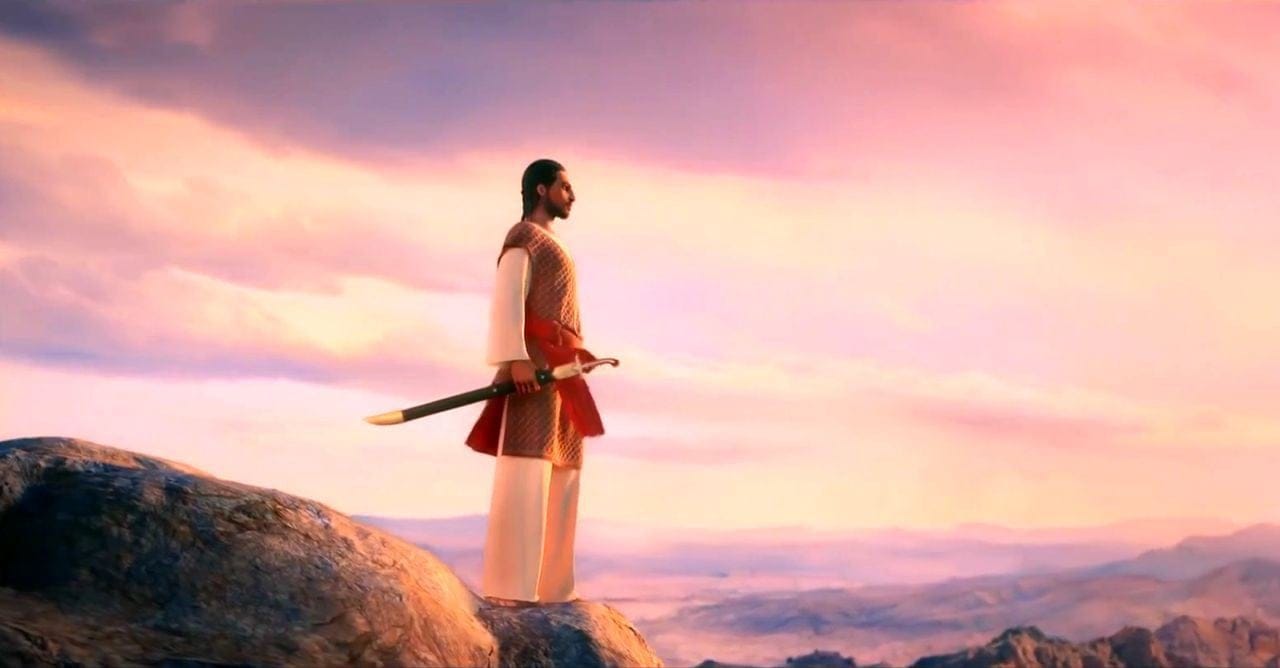
Bilal: A New Breed of Hero’s animation feels like the result of the cold calculus of an algorithm.

It seems like the film is being marketed as less miminalist in the horror department than both The Witch and It Comes at Night.
Throughout João Moreira Salles’s essay film, the knots between the personal and public feel tentative at best.

The film’s fusion of romance, comedy, ultraviolence, and political commentary has the logic of a lucid dream.

Vega discusses how she brought her experiences as a trans woman to the role of Marina.