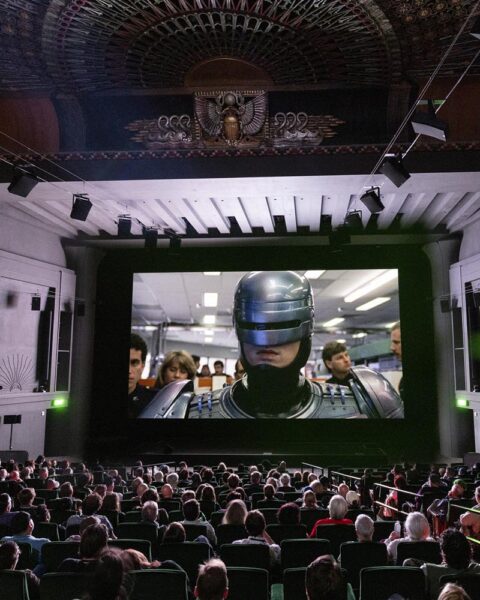
This year brought 18 features and seven shorts, all presented with live musical accompaniment.


This year brought 18 features and seven shorts, all presented with live musical accompaniment.

With Bitter Seeds, director Micha Peled completes his “globalization trilogy.”

Salaam Dunk is a genial high-five to team sport as a route to girl power and a sense of community.

Throughout his documentary, Kirby Dick shows a great commitment to the stories of individual women.
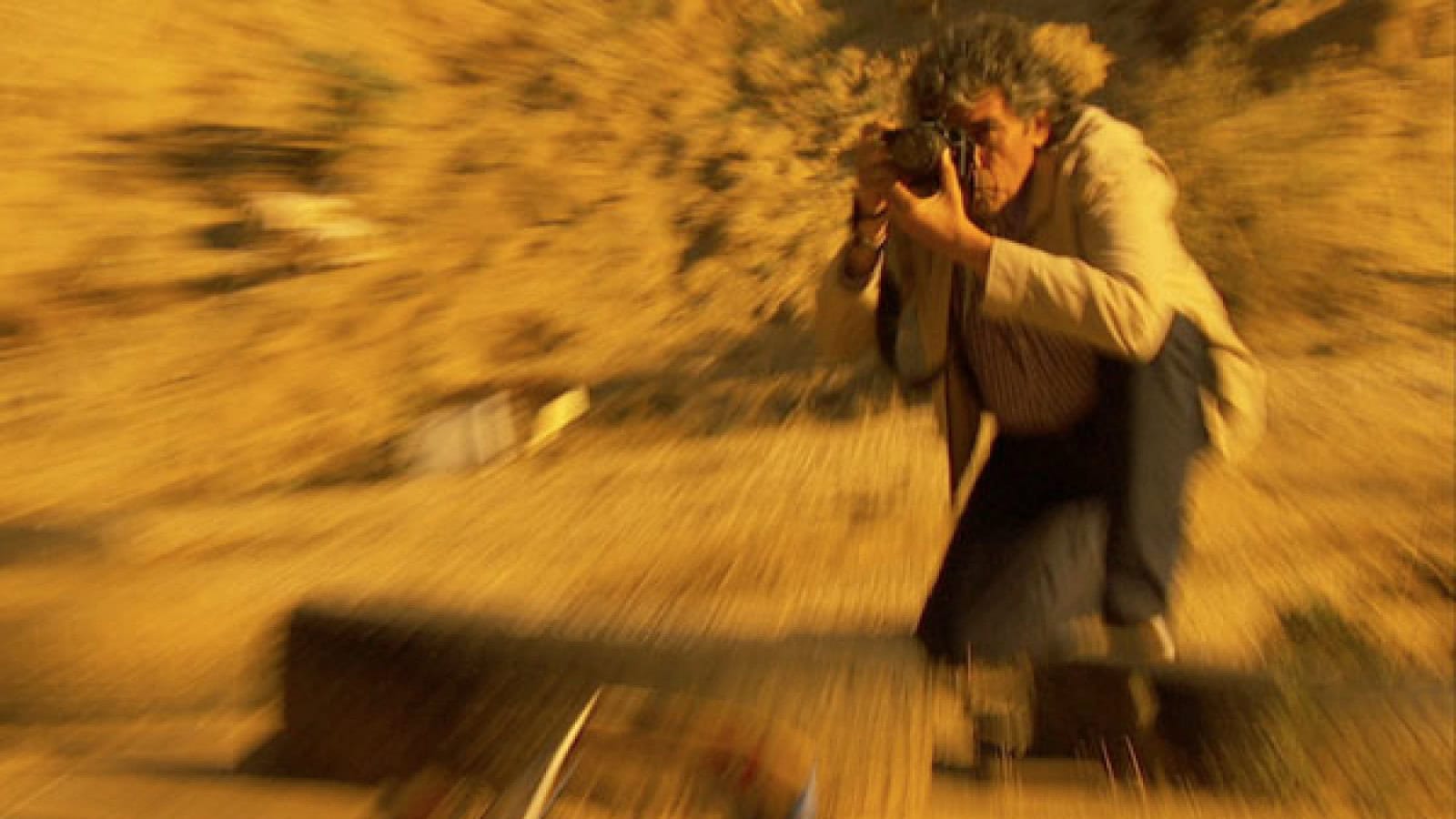
As in a classic Hawksian western, friendship and professionalism are tightly knotted in Bernardo Ruiz’s frontera documentary Reportero.

The real auteur of Ai Weiwei: Never Sorry turns out to be the subject himself.

Credit hometown boy Nichols with getting the look and feel of rural Arkansas right.
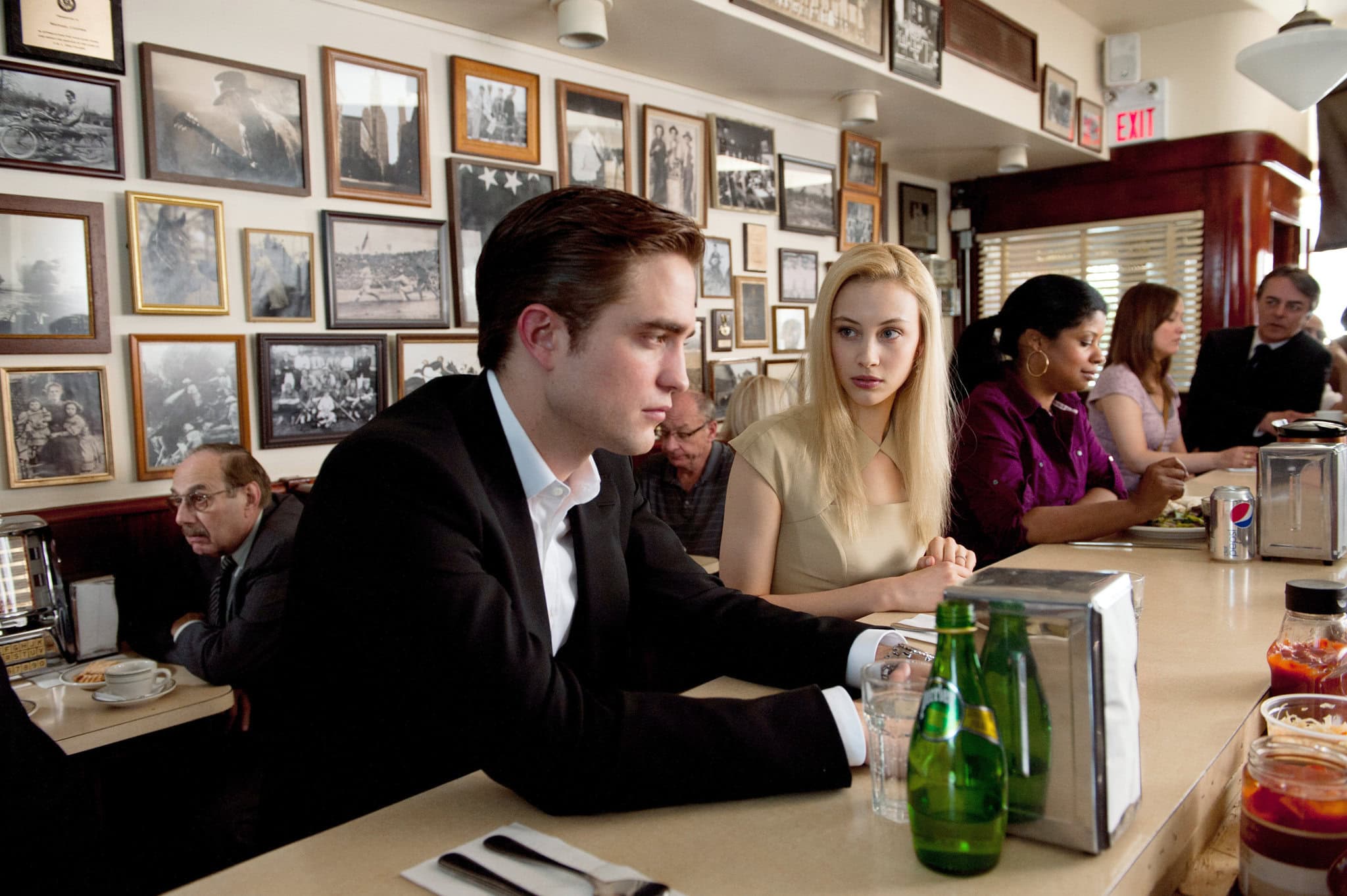
Cosmopolis alternates between mannered repression and cold frenzy.

Kiarostami transplants his customary techniques to the soil of Japanese culture with unquestionable success.
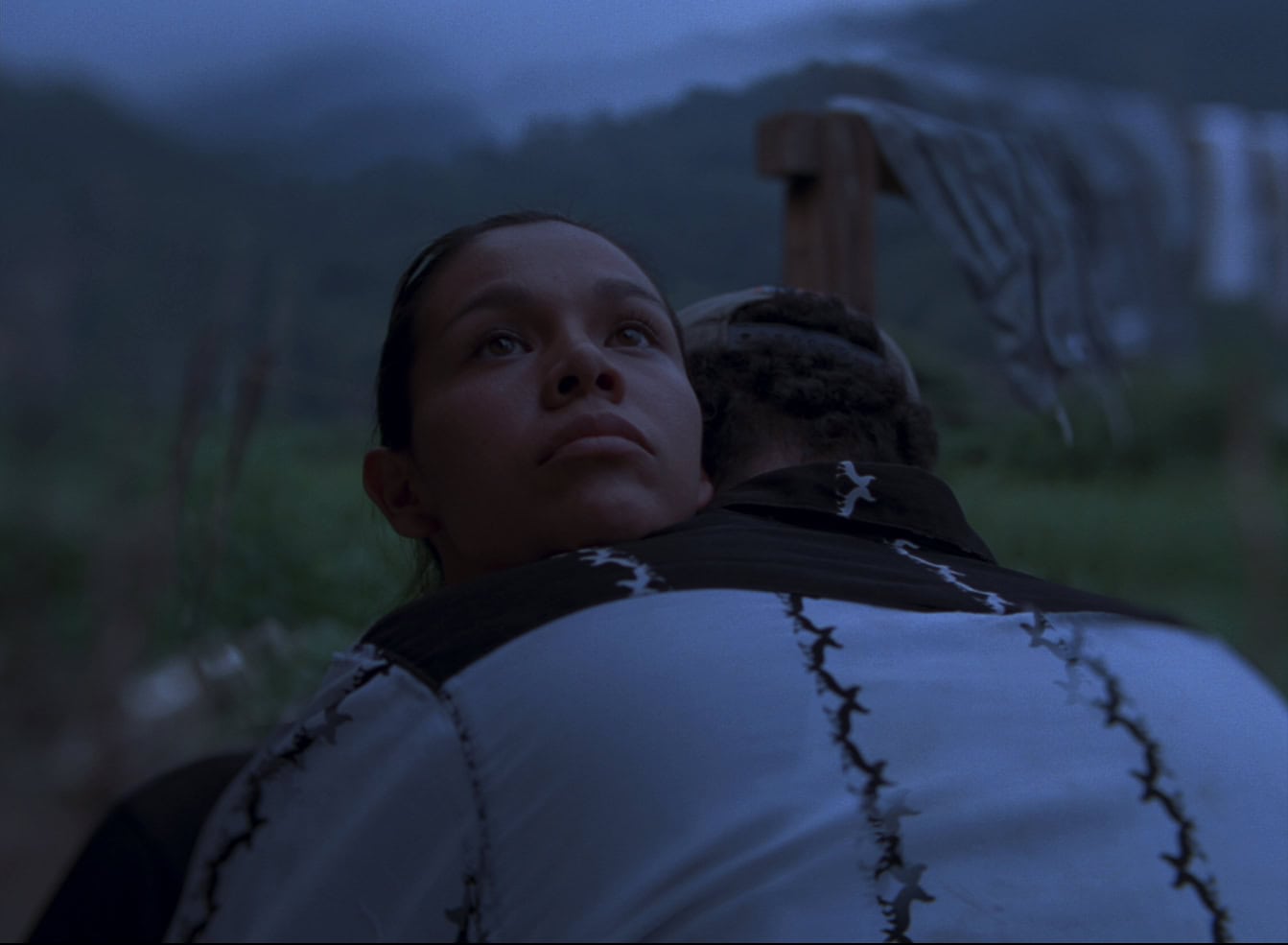
Reygadas’s new film is a textbook example of how to tell a basic story in the most complicated, off-putting manner conceivable.

Self-critique or self-indulgence, Holy Motors isn’t afraid to attempt everything under the sun.

Anchored by an impressively modulated performance from Mads Mikkelsen, The Hunt is otherwise an indecisive, weak-kneed film.
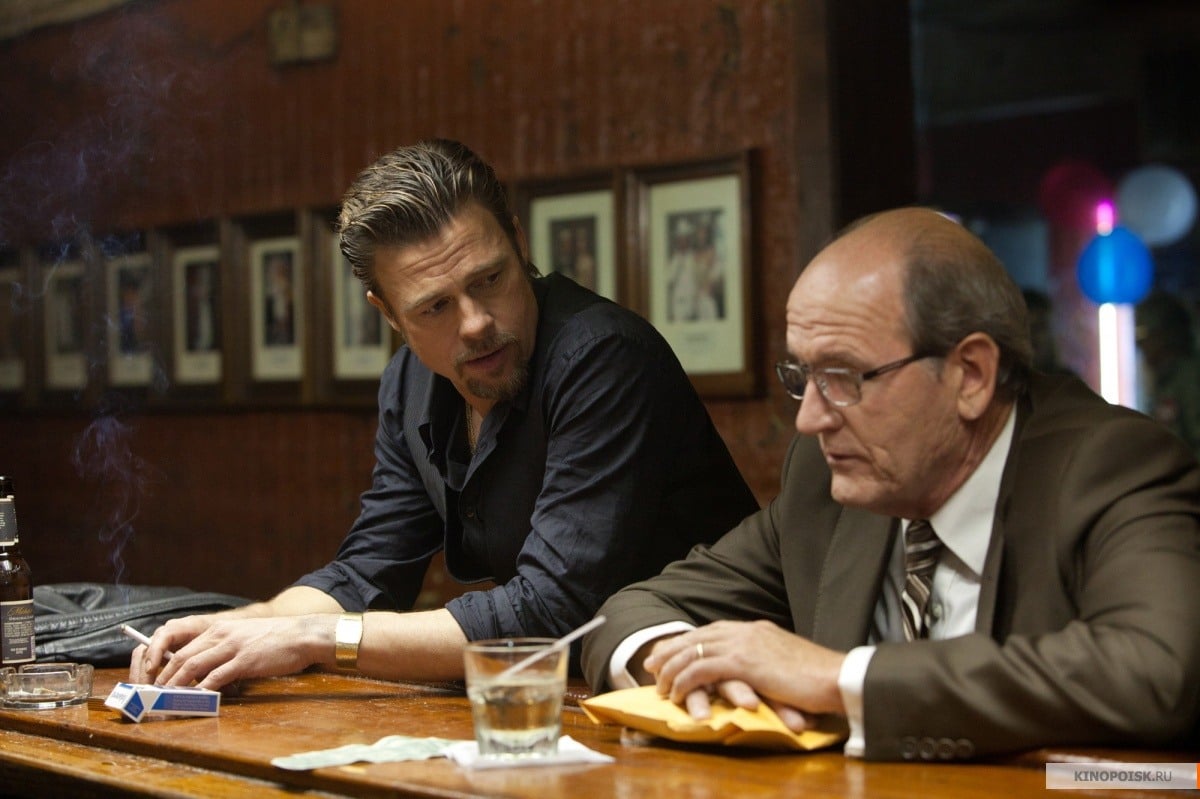
Dominik mines an altogether different vein, worlds apart from the mournful, meditative, Malickian The Assassination of Jesse James by the Coward Robert Ford.

One of the most interesting offerings in this year’s Migrating Forms festival didn’t always feel like a film at all.

The staging is so endlessly, even incestuously, self-referential as to earn the epithet mise-en-abyme.

Sylvain George is the modern era’s poet of revolt.
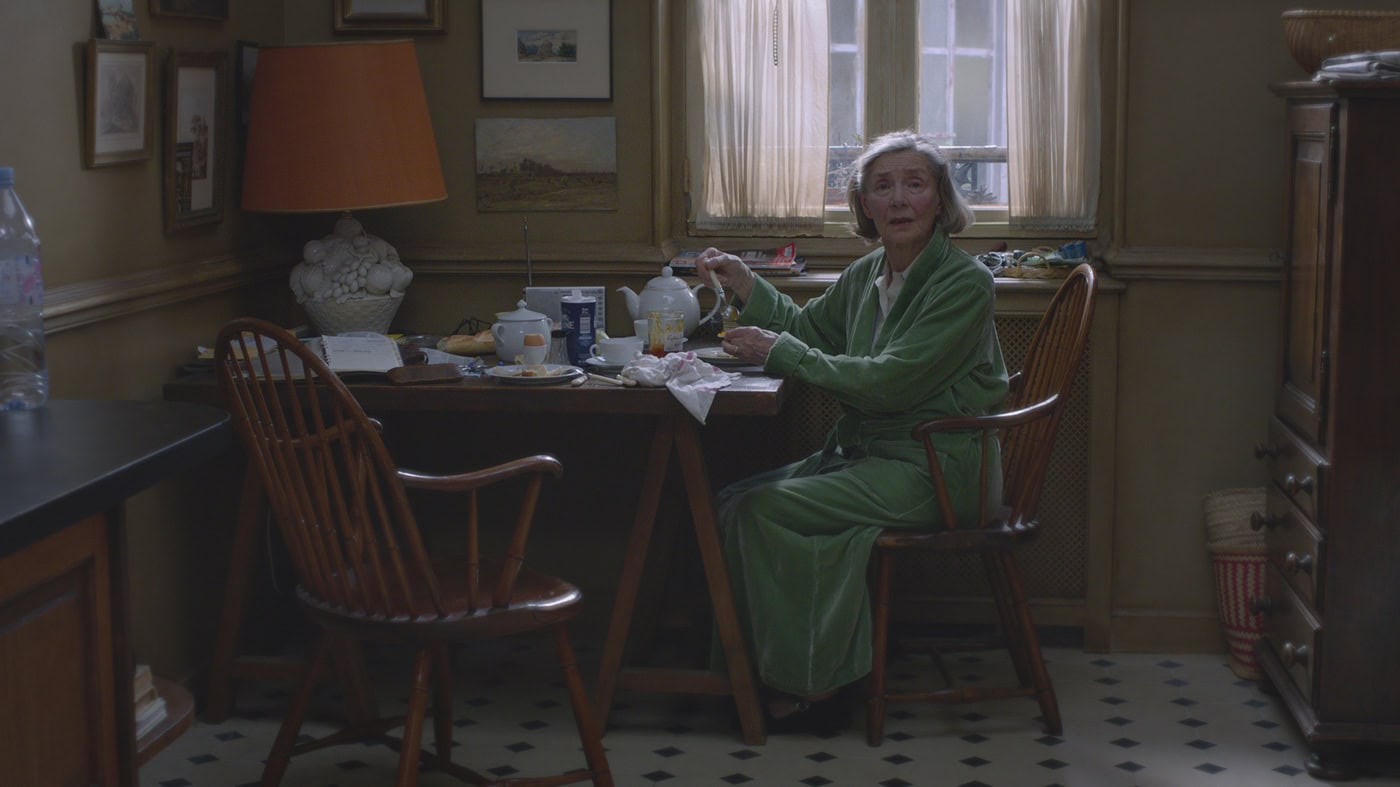
Spectatorship, being forced to watch from a remove while uncontrollable events transpire, is one of Amour’s subterranean themes.

The slender facts in this particular case can’t even begin to withstand the mammoth weight of a 150-minute running time.

Hillcoat’s latest cements the mainstreaming of an original.

Garrone follows up Gomorrah with a more contained treatise on surveillance as transcendence and entertainment.
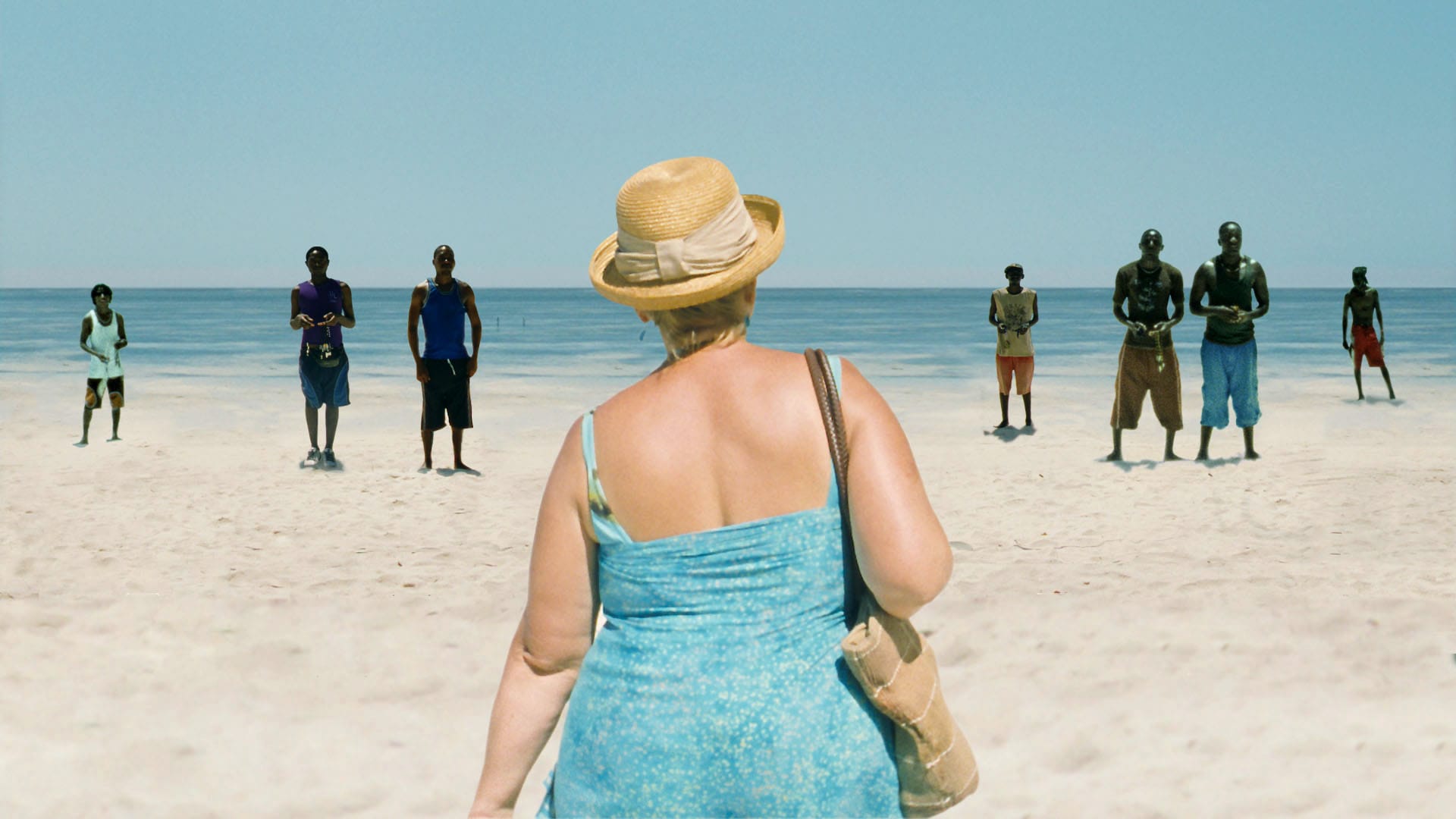
The cinematography, by longtime Seidl collaborator Wolfgang Thaler, in tandem with Ed Lachman, is particularly fine.