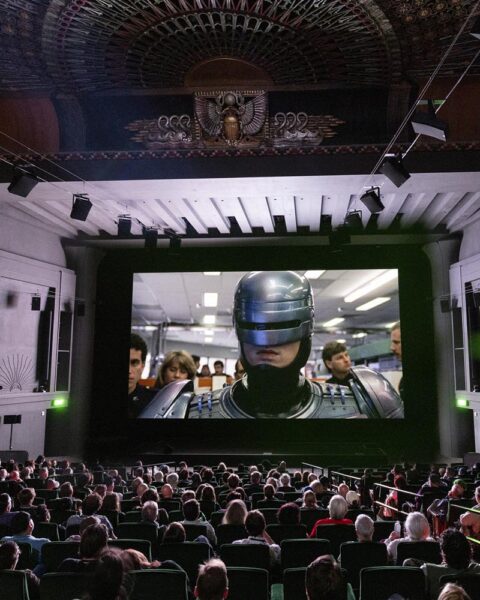
This year brought 18 features and seven shorts, all presented with live musical accompaniment.


This year brought 18 features and seven shorts, all presented with live musical accompaniment.

In some ways, the movie totally subverts expectations.
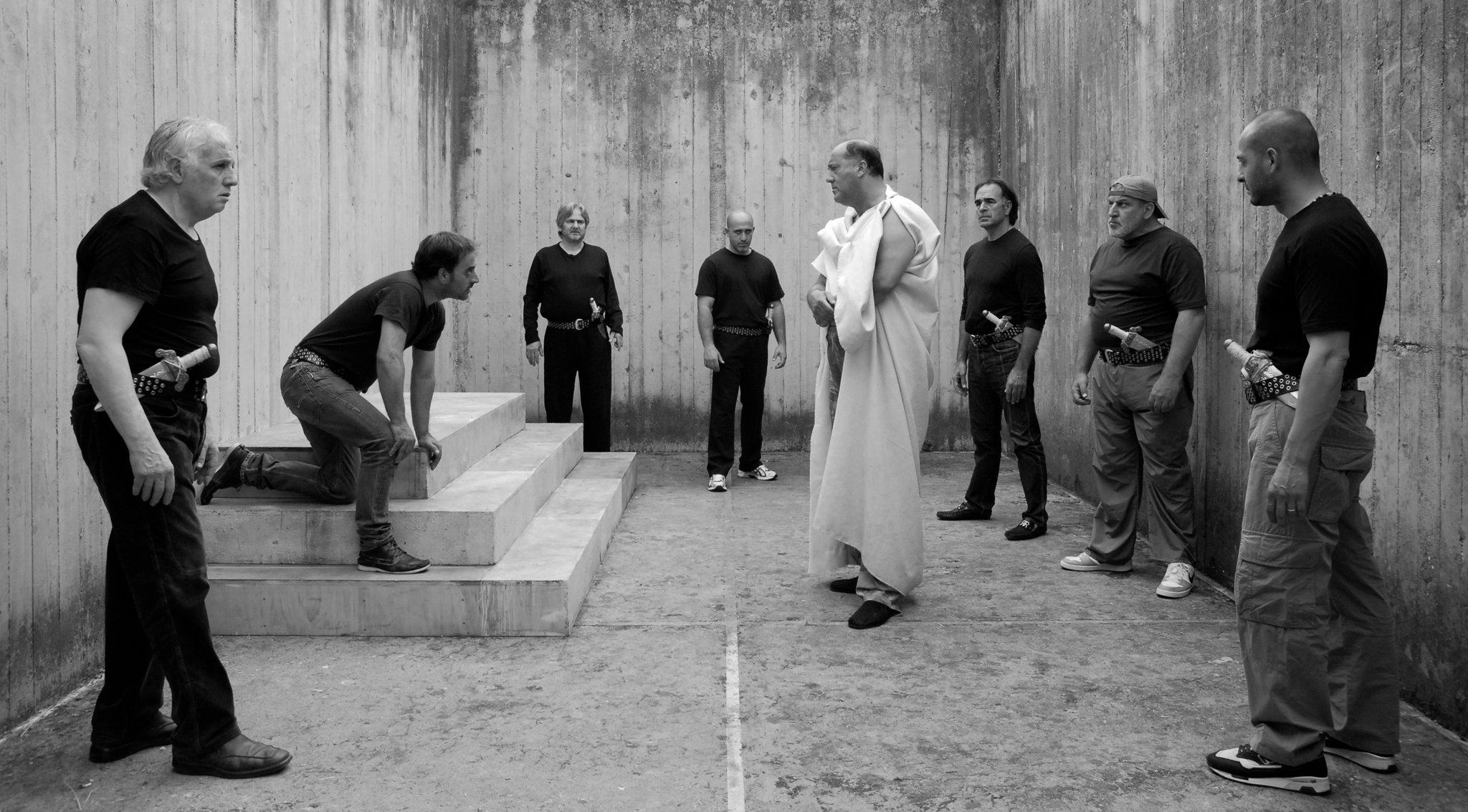
Even as we get caught up in the Shakespeare drama, we are always aware that we are watching a group of men who are incarcerated.

Kiarostami’s images evoke a sense of theatrical artifice rippling through the real world.

Ang Lee’s latest, Life of Pi, signals its visual strengths from its very first frame.

Night Across the Street too often degenerates into long perorations or overworked metaphors.
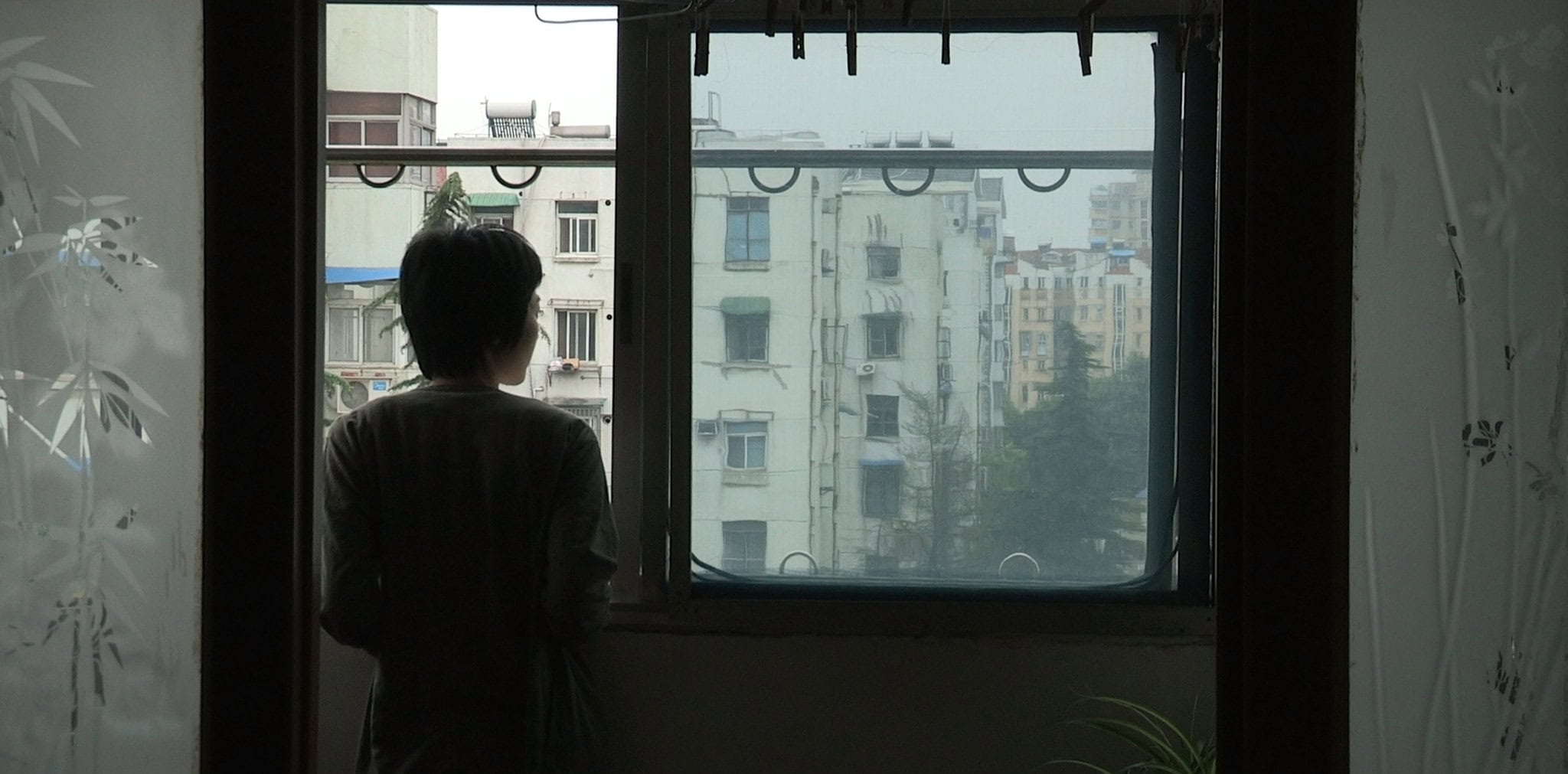
Memories Look at Me is an unusually personal portrait of family life in China.

Antonio Méndez Esparza’s Here and There is as studiously unself-dramatizing as its subject.

Some of the films in competition attempted to remind the cushioned critics of reality.

Throughout, Michell and screenwriter Richard Nelson keep you at arm’s length from Franklin D. Roosevelt.

Christian Petzold’s close-to-the-vest approach fits in the context of a narrative that takes place in 1980 East Germany

As always, alongside the marquee selections, the committee has programmed a diverse selection of under-the-radar films.

A pair of films by two of Japan’s most aesthetically radical cult directors have given me pause.

Giving yourself over to Reygadas and trusting him to deliver in the end is rewarding even without a clear-cut roadmap.
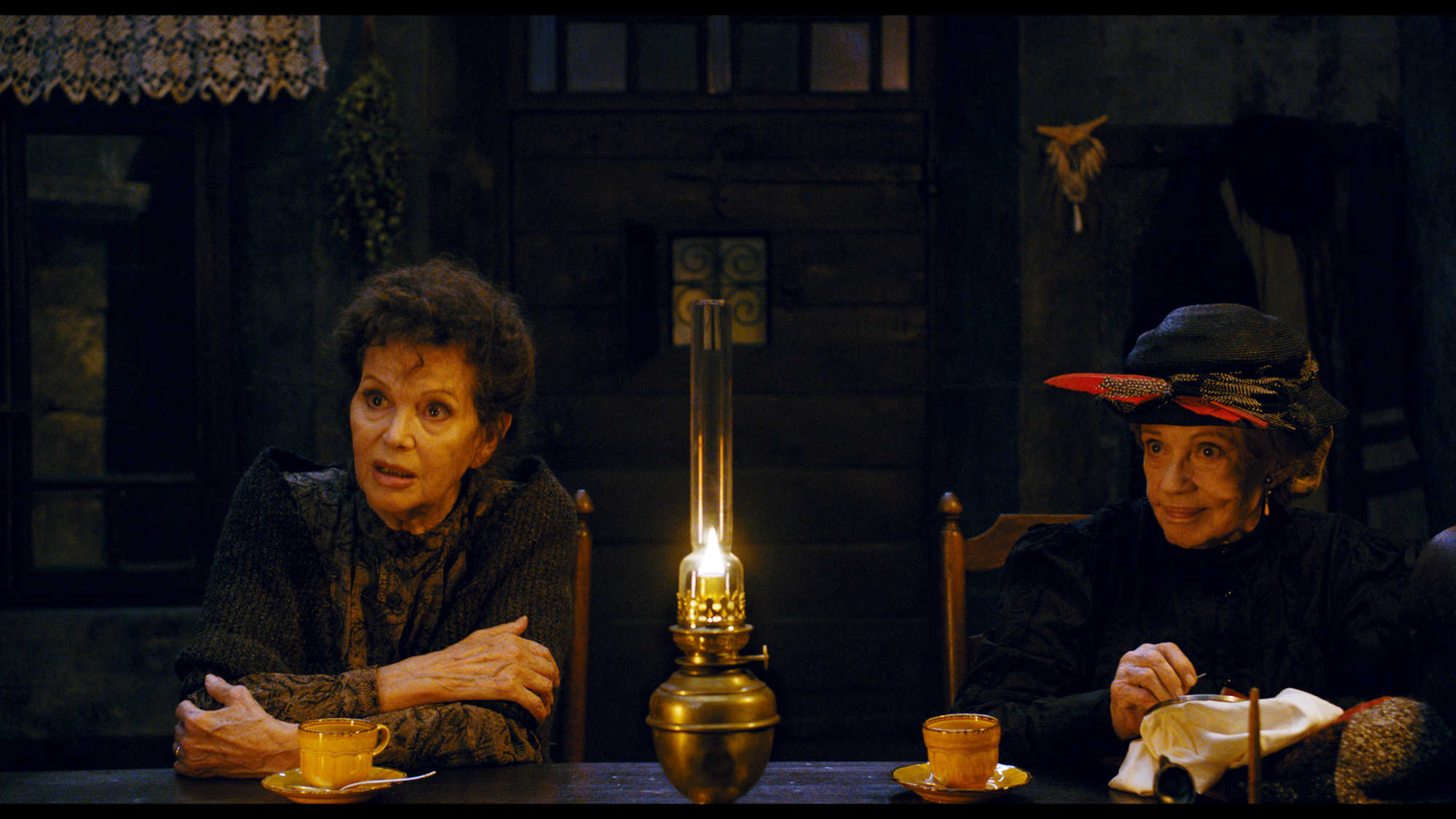
Manoel de Oliveira has mostly sidestepped the perils of the productive by falling into a satisfying pattern of major and minor works.

The fearless documentation of the enterprise is the heart-stopping cinematic analogue to the crew’s real-world peril.

Imogene sounds like it was written by somebody who has never heard a single real-world conversation.

Room 237 is more companion piece than standalone work.

Between Tabu and The Last Time I Saw Macao, it would seem that hardlined formal rigor is alive and well in Portugal.

Thematic preoccupations are what make individual filmmakers so intriguing as one steps back to examine certain artist’s entire careers.

The film only seems remotely conventional next to Kill List’s structural radicalism and galling aesthetic shifts.