Like CPH:DOX, Visions du Réel has long been an island in the sea of content slop that gluts far too many festivals these days. Indeed, for the big U.S. streamers seeking to nab the usual nonfiction comfort food, this renowned fest in Nyon, Switzerland, is probably not the event for their acquisitions execs (though there is a VdR-Industry component). But if you’re a docuphile like me in the market for artistic discoveries that challenge and surprise, then the 2026 lineup has much to recommend—especially with guest of honor Kelly Reichardt and special guest Sergei Loznitsa both getting fêted with retrospectives.
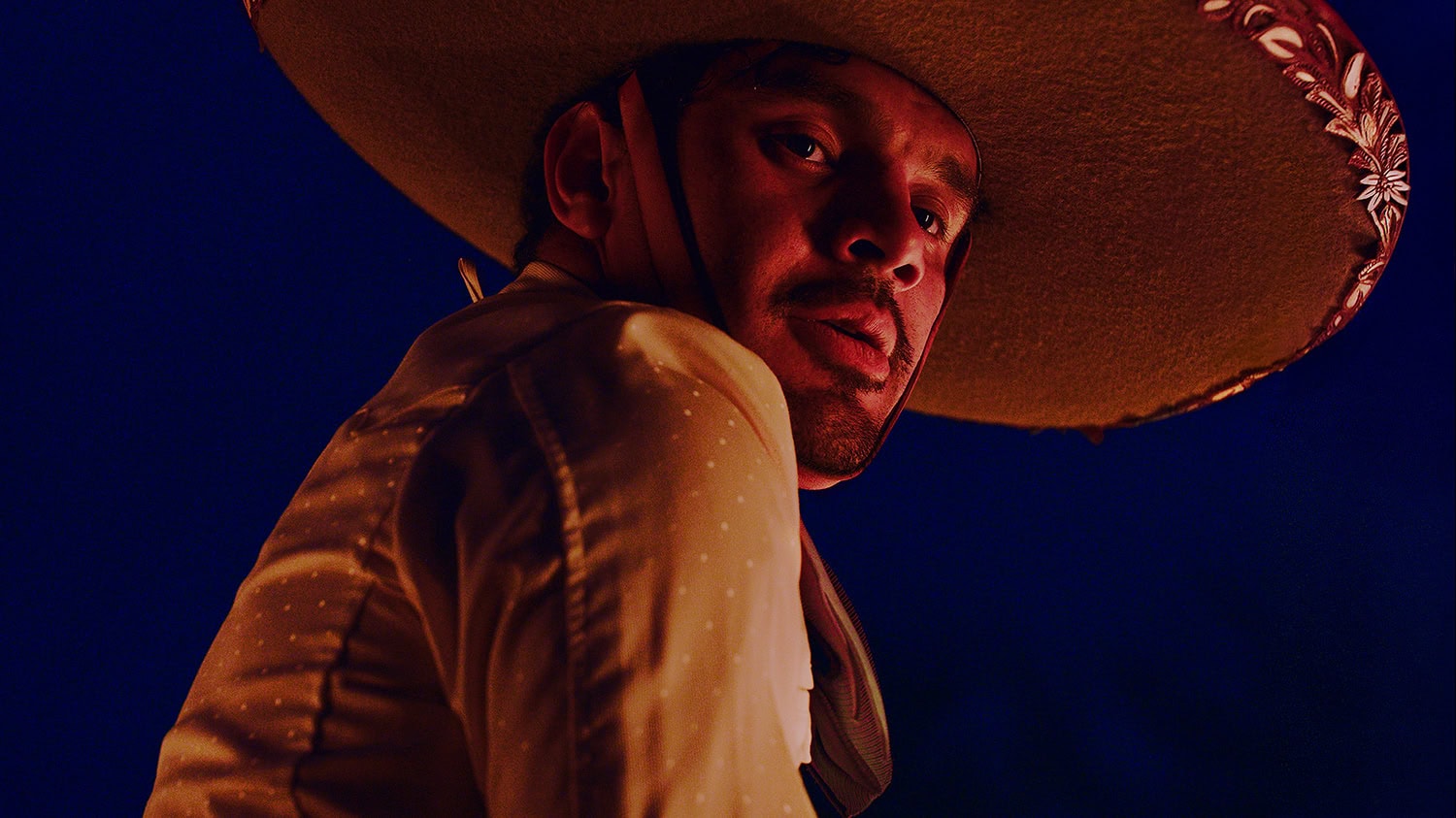
Of the dozen-plus films I’ve watched, the majority had me riveted—and in a few cases kicking myself that I’d missed catching them at prior fests. At the very top of my list of shoulda-seens (in this case during Sundance) was Jaripeo, a stunning collaboration between photographer-filmmaker-multidisciplinary artist Efraín Mojica and writer-poet-filmmaker Rebecca Zweig. Through a heady mix of vérité and Super 8, this exquisitely crafted doc presents a slice of LGBTQ life I’d never before encountered—that of the queer young ranchero.
The film’s title is a reference to the rodeos that Mojica themself grew up with, and now returns to with their friend Zweig to their hometown of Penjamillo, Mexico, to capture. And while jaripeos have served as celebrations of Mexican pride for generations, they’re nevertheless showcases for performative masculinity—alcohol-and-testosterone-fueled paeans to machismo designed to separate the real cowboys from the sissies. Perhaps naturally, they also make for alluringly transgressive cruising grounds for men looking for a furtive same-sex hookup.
Yet, underlying Jaripeo’s colorfully seductive veneer is a profound probing of queer desire—including as a political act, and also the conundrum one faces when their heritage is infused with problematic patriarchal ideals. Is it possible to love one’s poisoned roots? In this way, the film also unexpectedly struck me as similar to the struggle presented in Arash Tajmir-Riahi and Verena Soltiz’s Girls & Gods, which follows women around the globe all trying to reconcile feminism with a longing to practice their established male-dominated religions.
Ultimately, Jaripeo becomes a journey in learning to embrace culture and community even while lamenting its limitations, and perhaps a lesson in letting go of political correctness. As the buff and bearded Noé—who likes straight masculine men because “sexy cowboys are hot”—notes, he’s not rejecting his own femininity, but being honest about an innate desire. In other words, desire may be consciously political, but the body wants what it wants.
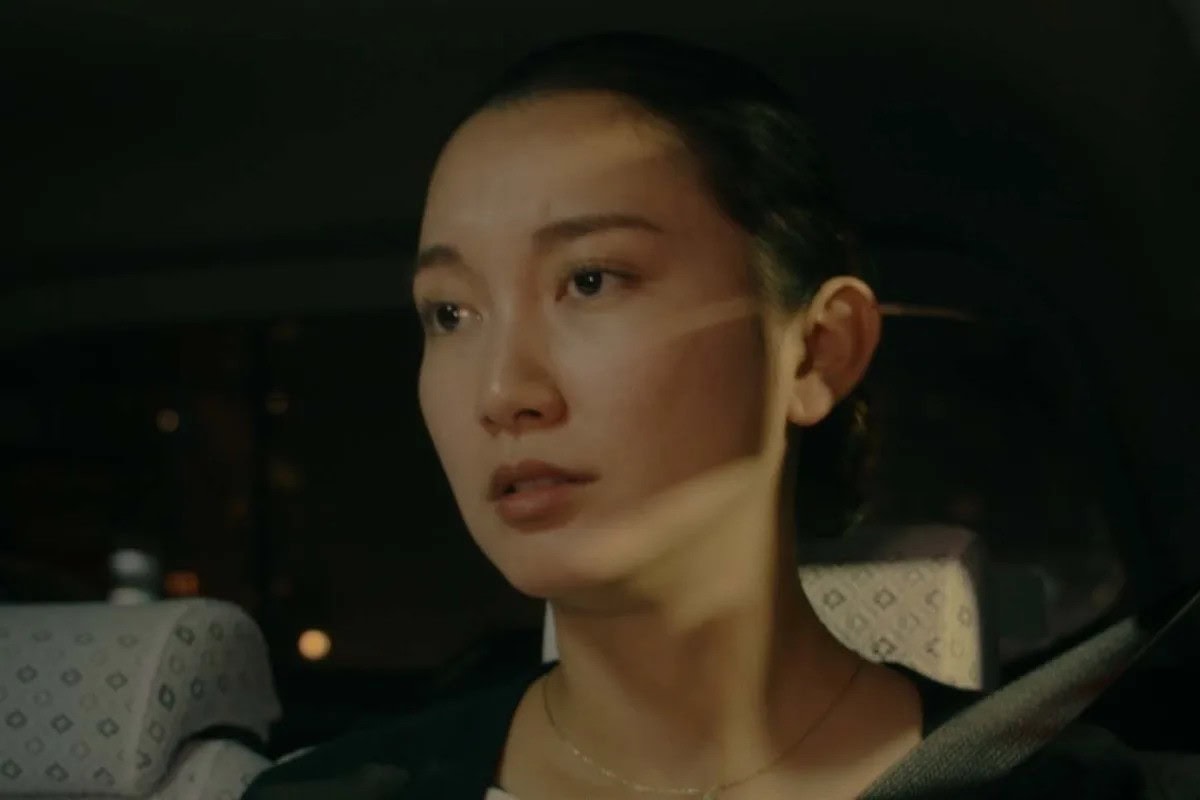
And the same could be said for the soul. At least that seems to be one takeaway from U.K. director Katharine Round’s Ghost Town. Set in the few taxi cabs that still remain in Kamaishi, a coastal Japanese city devastated by the 2011 tsunami, and starring journalist and filmmaker Itō Shiori (Black Box Diaries), the film is an inspired exploration of the myriad ways humans process loss and grief. By using rigged cameras, and enlisting local cab drivers and resident passengers (and “the visitor” Ito) to ride through the now “ghost town” at night, Round crafts a sort of haunting cinematic confessional on wheels.
Folks from different walks of life are invited to share whatever comes to mind as they drift along in the dark, which allows for some unexpected reminiscing and revelations. We learn, for example, that drivers have picked up passengers that didn’t exist (a newspaper article about the phenomenon sparked Round’s initial interest in the town), and that all of them are still wrestling with the magnitude of Mother Nature’s destruction, including the twin aftershocks of gratitude for survival and survivor’s guilt. As one driver, always on alert for the creatures that have reclaimed the depopulated land, theorizes, “When deers come out suddenly I think they’re asking us to take notice of their behavior and, by doing so, rethink our own.”
Rethinking our behavior is likewise the goal of G. Anthony Svatek’s feature debut, Humboldt USA, a beautifully framed and expertly composed environmental documentary with a head-spinning premise. Using the 19th-century German naturalist and explorer Alexander von Humboldt as a jumping-off point, the Brooklyn-based director travels to three places in the United States named after this “father of ecology” whose theory of interconnectedness influenced Charles Darwin (who later replaced that idea with one of competitiveness).
In Nevada’s Humboldt County, Svatek patiently observes two biologists, one a member of the Pyramid Lake Paiute Tribe, attempting to relocate bighorn sheep from the high desert mountains to native land. It’s a difficult logistical process for both the humans and the confused critters, made even thornier by the fact that it’s non-tribal hunting groups footing the bill.
Meanwhile, at the Humboldt Redwoods State Park in California, Svatek trains his cinematically astute lens on a pair of tech engineers armed with dozens of GoPros, racing to create “organic algorithms” before the forces of Silicon Valley and the logging industry render nature’s beauty obsolete. (We also meet local ranger Griff Griffith, TikTok famous for preaching the gospel of conservation while busting some killer moves.) Finally, Svatek follows two Black residents—one an older activist, the other a young educator at the science museum—of Buffalo, New York, where the Humboldt Parkway has literally divided the city.
While these three narratives might at first glance seem disparate, they’re delicately bound together by the director’s own poetic voiceover, which connects us back to Humboldt’s point of view as a radical (and queer) visionary. It’s a brilliant editing feat that also spotlights the nature-loving Svatek’s existential fear that the more interconnected we become this century, the less possible it will be to slow down and actually see.
Visions du Réel runs from April 17—26.
Since 2001, we've brought you uncompromising, candid takes on the world of film, music, television, video games, theater, and more. Independently owned and operated publications like Slant have been hit hard in recent years, but we’re committed to keeping our content free and accessible—meaning no paywalls or fees.
If you like what we do, please consider subscribing to our Patreon or making a donation.