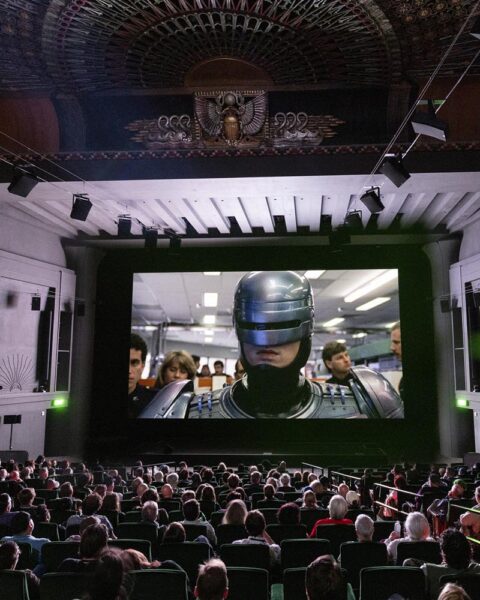
This year brought 18 features and seven shorts, all presented with live musical accompaniment.
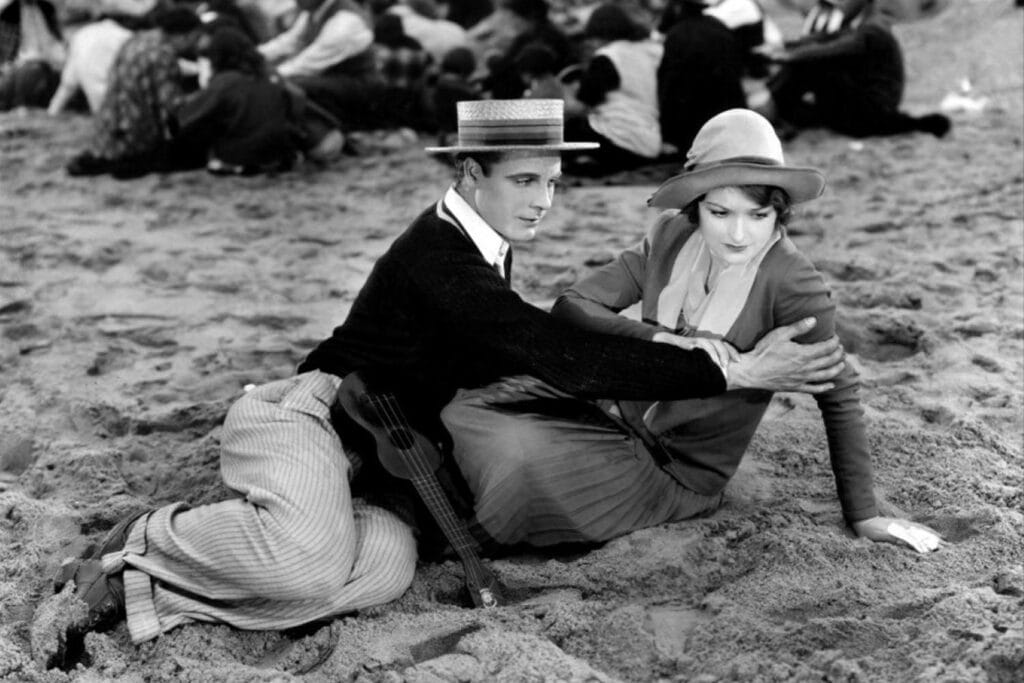

This year brought 18 features and seven shorts, all presented with live musical accompaniment.

Kirsten Sheridan’s Dollhouse feels unstable but also achingly real.

There’s a thudding pulse that seems to reverberate out of the city itself.

Zobel aims to implicate us all in what he forces us to confront.

The core framework of The Do-Deca-Pentathlon feels a bit too basic and familiar for Mark and Jay Duplass.

Keyhole never quite indulges in full-on abstraction.

The Comedy is continuously in danger of feeling either too cute or too abrasive.

Tchoupitoulas could also be described as a work of nonjudgmental portraiture, but that wouldn’t come close to encapsulating its beauties.
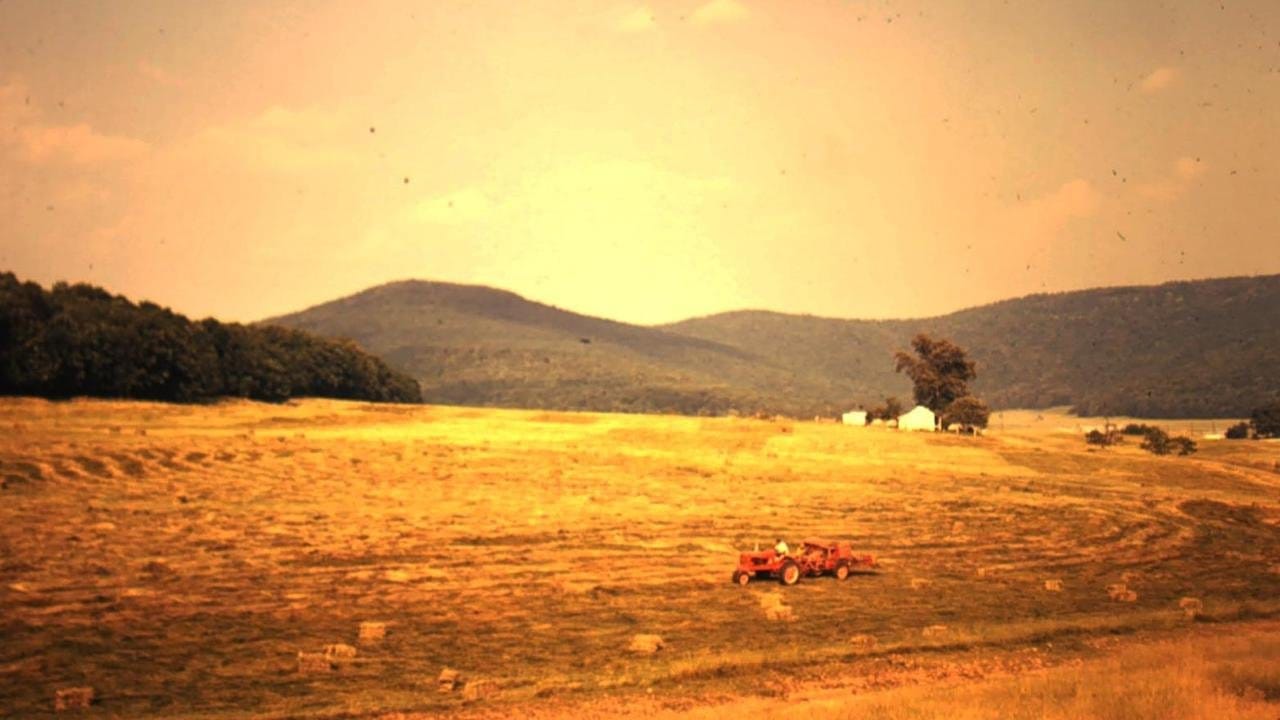
Less angry and strident than recent issues documentaries like Food Inc., Eating Alabama operates on a personal ground level.

The Cabin in the Woods ultimately does exactly what it condemns, prizing schematic formula and ingenuity over real terror.

Sleepwalk is a story of inter-textual synchronicity, of ideas and gestures bleeding from one medium to another.

Atlan’s black-and-white Mortem has been billed as a “metaphysical thriller” inspired by David Lynch and Ingmar Bergman.

Transfer satisfies, at a minimum, with a surfeit of intriguing ideas and delirious plot complications.
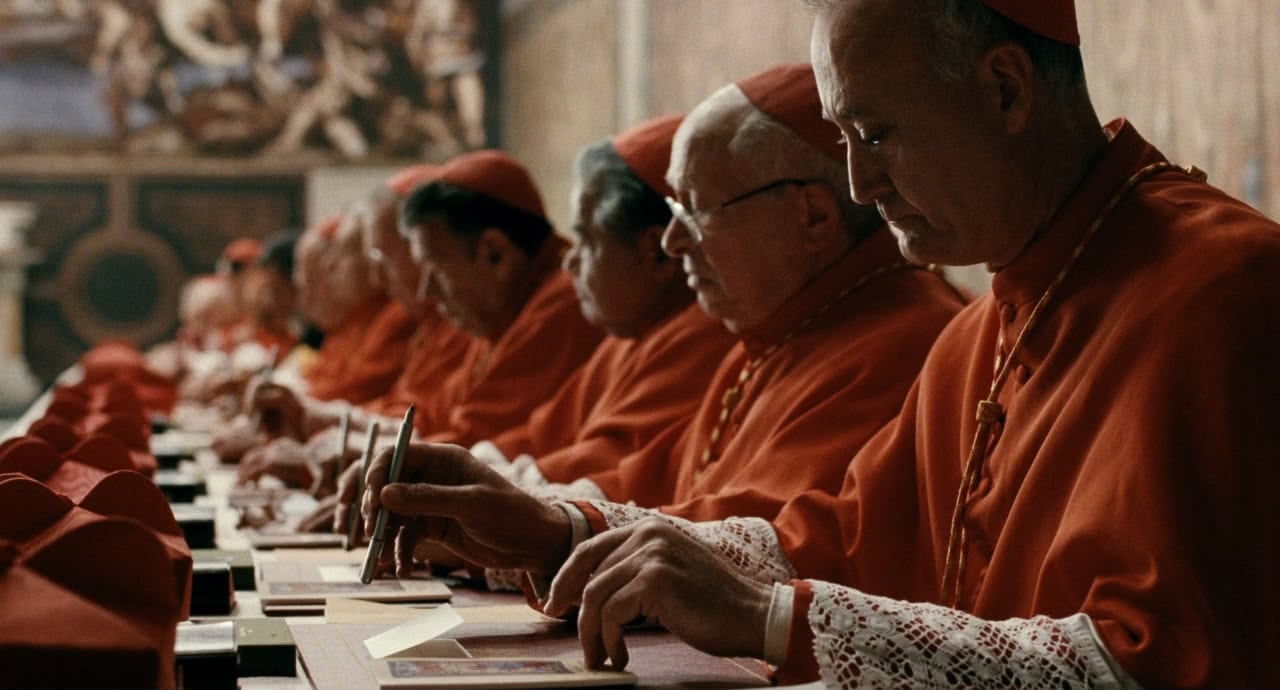
Even at its messiest and most meandering, the film exudes a refreshing warmth toward its characters.

After a few initial disappointments in Berlinale’s main competition, things gradually began to pick up.

While his work with children remains impeccable, Kore-eda Hirokazu proves considerably less successful in dealing with the adult characters in his latest film.

Michael Glawogger’s Whores’ Glory offers a revealing, troubling look into a trio of environments of prostitution.

Berlinale, the most smoothly run of all major festivals, is a pleasure for the Anglophone.

The 40-odd festival titles I caught at Rotterdam this year offered consistent amazement.

Hell on Earth? Not quite.

Walter Hugo Khouri is an undervalued master.